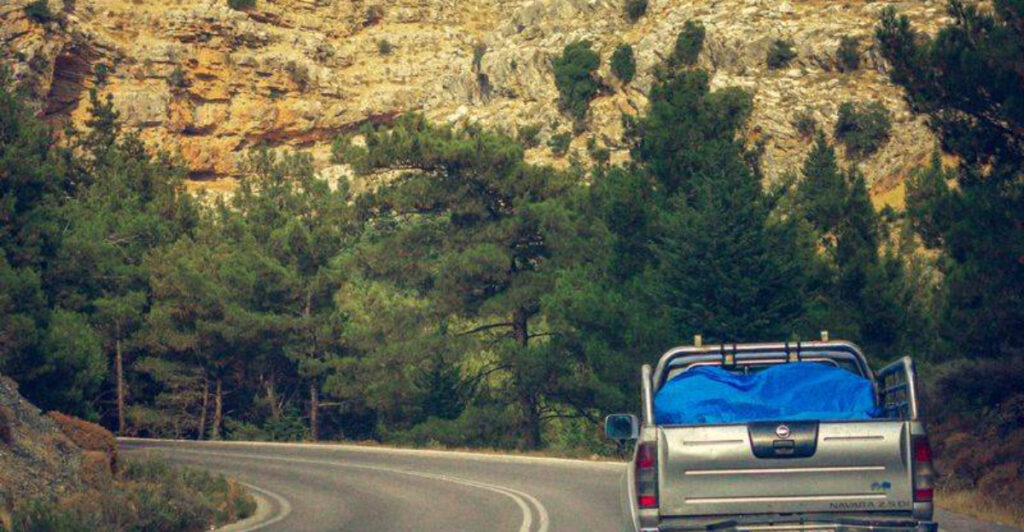
A bend in a two-lane road reveals a waterfall. Ten miles later, an old mill appears beside a canal.
Then somebody spots a farm stand, a lighthouse, or a general store that was absolutely not part of the plan. That is when a simple drive across New Jersey turns into the better kind of weekend adventure—the one with no single attraction important enough to rush toward.
These 13 routes cross river towns, mountain ridges, cranberry country, historic villages, and marshy edges of the Shore. Some can be covered before lunch, while others practically dare you to spend an entire day wandering.
In every case, the road is merely the thread tying together the overlooks, trails, museums, bakeries, beaches, and wonderfully odd landmarks along the way. Keep the schedule loose, bring shoes suitable for an unplanned walk, and resist the urge to judge success by how quickly you reach the final stop.
Getting distracted is the whole point.
1. Old Mine Road – Worthington State Forest, Van Campen Glen, Buttermilk Falls, and Millbrook Village
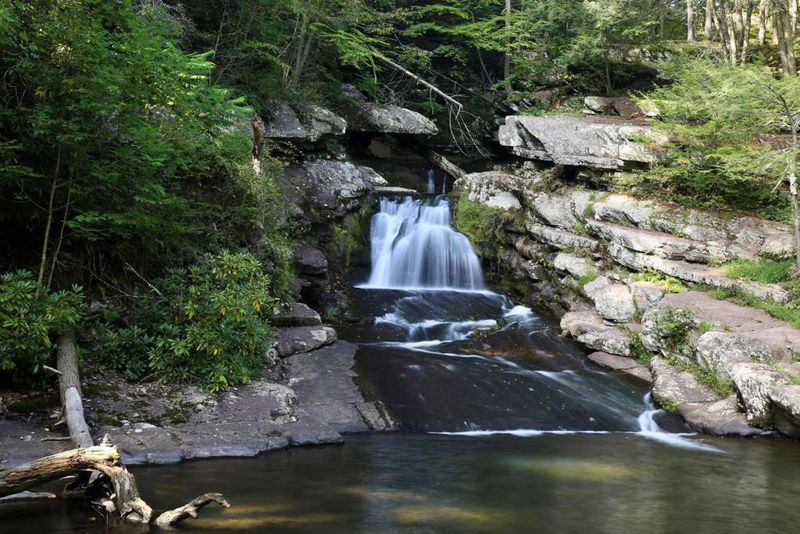
Some roads encourage a steady pace. Old Mine Road seems determined to slow every driver down with forest shadows, river glimpses, weathered stone buildings, and pull-offs that practically demand investigation.
Running through the New Jersey side of Delaware Water Gap National Recreation Area, this historic route follows a corridor used for centuries by Indigenous people, settlers, farmers, and travelers. Its age feels believable when the pavement narrows and modern life begins to disappear behind the trees.
Start near Worthington State Forest, where trails lead toward the Delaware River and the commanding profile of Mount Tammany. Farther north, Van Campen Glen offers a moderately easy walk beside a trout stream, passing small cascades through a cool hemlock ravine.
Swimming and wading are prohibited, but the rushing water supplies more than enough reason to pause. Millbrook Village changes the rhythm again.
The cluster of historic buildings evokes a rural community of the late 1800s, with interiors and demonstrations available on select summer weekends. Buttermilk Falls, reached by a short detour, delivers the route’s biggest visual payoff as water tumbles down the rocky slope beside a steep staircase.
Cell service can be unreliable, facilities are limited, and seasonal closures sometimes affect roads or sites. Download a map, check conditions before leaving, and pack lunch. This is a drive built for losing track of both time and signal bars.
2. Route 29 Along the Delaware River – Washington Crossing, Lambertville, Stockton, and Frenchtown
George Washington crossed the Delaware only once that famous night, but weekend drivers may be tempted to cross the river repeatedly as Route 29 slips past bridges, canals, and compact towns.
Begin at Washington Crossing State Park in Titusville, where trails and exhibits add context to one of the Revolution’s boldest maneuvers.
From there, the road follows the river north toward Lambertville, delivering flashes of water between wooded slopes and historic homes. Lambertville can easily consume half the day.
Park once, browse the antique shops and independent stores, then walk across the bridge to New Hope for a two-state detour powered entirely by your own feet. Back on Route 29, Stockton brings a quieter pause.
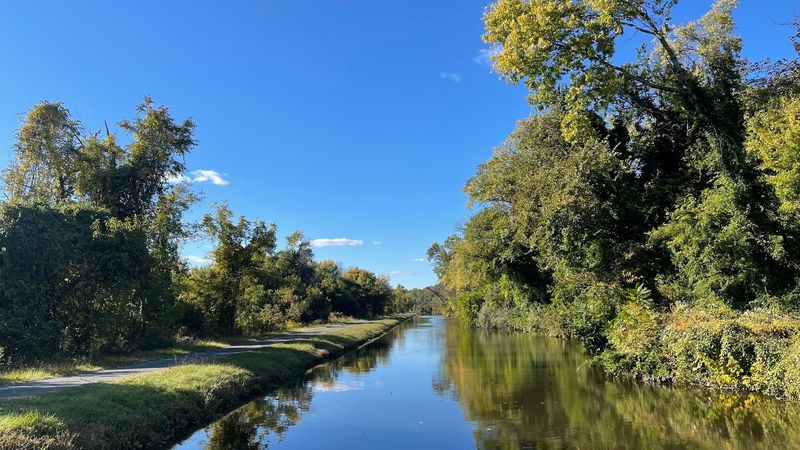
The restored Prallsville Mills complex recalls the town’s industrial past, while the nearby canal towpath offers a flat walk under a leafy canopy. Save room for something from the Stockton Market when vendors are operating, or grab provisions for a riverfront picnic.
Frenchtown provides the natural finale, though “finale” is loose terminology here. Its colorful storefronts, cafes, galleries, and river views encourage another round of wandering.
Parking is easiest when you arrive in each town early, particularly on pleasant Saturdays. The full drive is short enough to complete quickly, but that would miss the point.
Route 29 works best when every bridge, bakery window, and canal path becomes an acceptable excuse to stop.
3. Palisades Scenic Byway – Fort Lee Historic Park, Rockefeller Lookout, and State Line Lookout
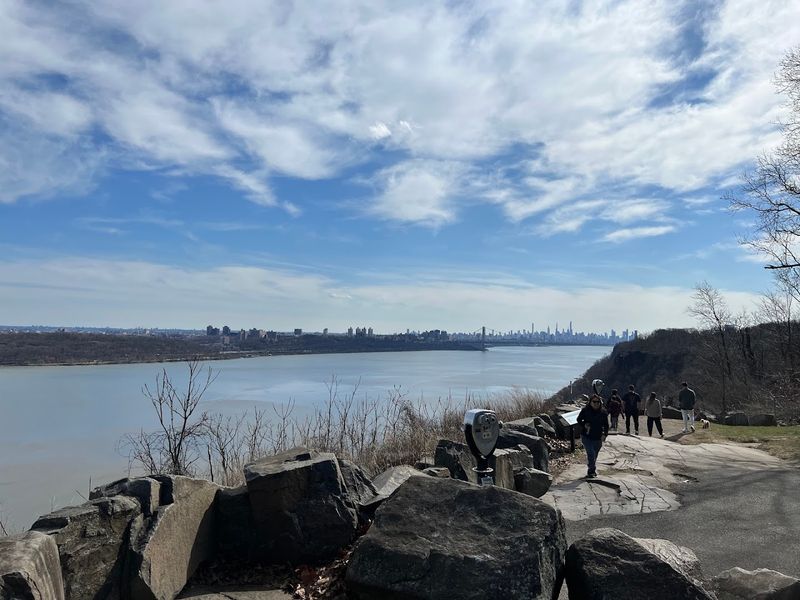
Manhattan looks surprisingly small from the top of a 500-foot cliff. That change in perspective is one of several rewards along the Palisades Scenic Byway, a compact drive that trades North Jersey traffic for woodland, stone walls, and broad Hudson River views.
Fort Lee Historic Park makes a strong starting point. Its overlooks frame the George Washington Bridge at close range, while the visitor center and reconstructed encampment tell the story of the Continental Army’s 1776 retreat from Fort Lee.
Heading north, the Palisades Interstate Parkway passes through a landscape protected from the quarrying that once threatened these dramatic basalt cliffs. Rockefeller Lookout supplies the easiest scenic pause: park, walk a few steps, and suddenly the Hudson stretches below with Yonkers visible across the water.
State Line Lookout sits even higher and has room to linger over the panorama. During fall migration, hawk watchers gather here to scan the sky for raptors riding the air currents above the ridge.
Nearby trails range from easy woodland walks to strenuous descents involving steep stone steps, so checking the route before charging downhill is wise. The drive itself is brief, but the overlooks transform it into a flexible half-day outing.
Bring binoculars, a camera, and perhaps coffee for the benches. The skyline may grab the first photograph, yet the cliffs, birds, and quiet forest are what make this feel like more than a shortcut beside the Hudson.
4. Pine Barrens Scenic Byway – Hammonton, Batsto Village, Chatsworth, and Tuckerton Seaport
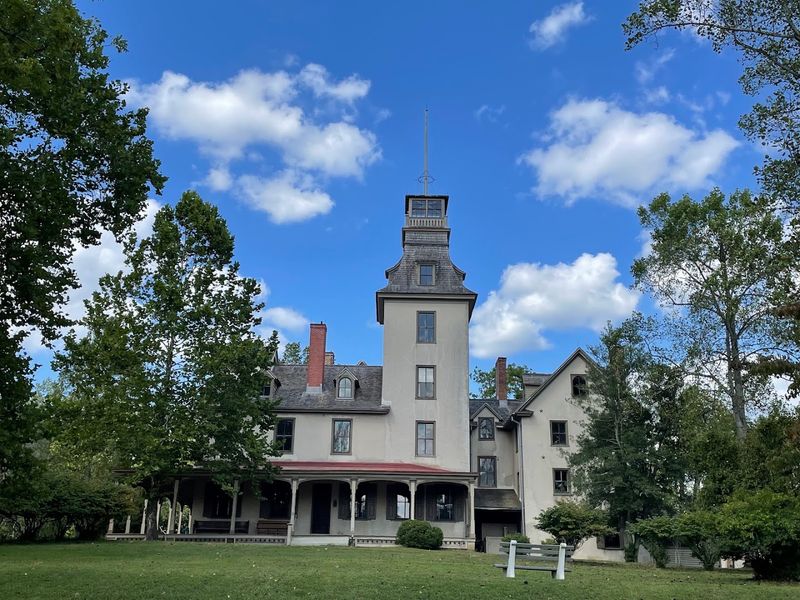
Blueberry pastries make a convincing argument for starting a road trip before breakfast. Pick one up in Hammonton, New Jersey’s self-proclaimed Blueberry Capital, then follow the Pine Barrens Scenic Byway into a landscape of sandy soil, cedar water, cranberry bogs, and pitch pines.
This is no quick loop around a pretty lake. The full byway stretches roughly 130 miles and rewards drivers willing to select a few stops instead of racing through all of it.
Batsto Village is the essential pause. Once an ironmaking and glassmaking center, the preserved settlement includes workers’ homes, a general store, sawmill, post office, and the imposing Batsto Mansion.
Trails around Batsto Lake offer an easy way to stretch your legs before returning to the road. Chatsworth supplies the Pine Barrens personality: small, woodsy, and closely tied to the region’s cranberry history.
Depending on the day, the stop might involve a general store, a local meal, or simply a few minutes appreciating how thoroughly the forest has replaced suburban New Jersey. Continue east and the pines gradually give way to tidal marshes around Tuckerton.
Tuckerton Seaport’s maritime buildings and exhibits explore decoy carving, boatbuilding, fishing, and life along Barnegat Bay. Hours vary by attraction and season, so confirm the key stops beforehand.
Also, refuel early. Long, quiet stretches are part of the appeal, but they are less charming when the gas gauge begins participating in the suspense.
5. Bayshore Heritage Scenic Byway – Fortescue, East Point Lighthouse, Bivalve, and Greenwich
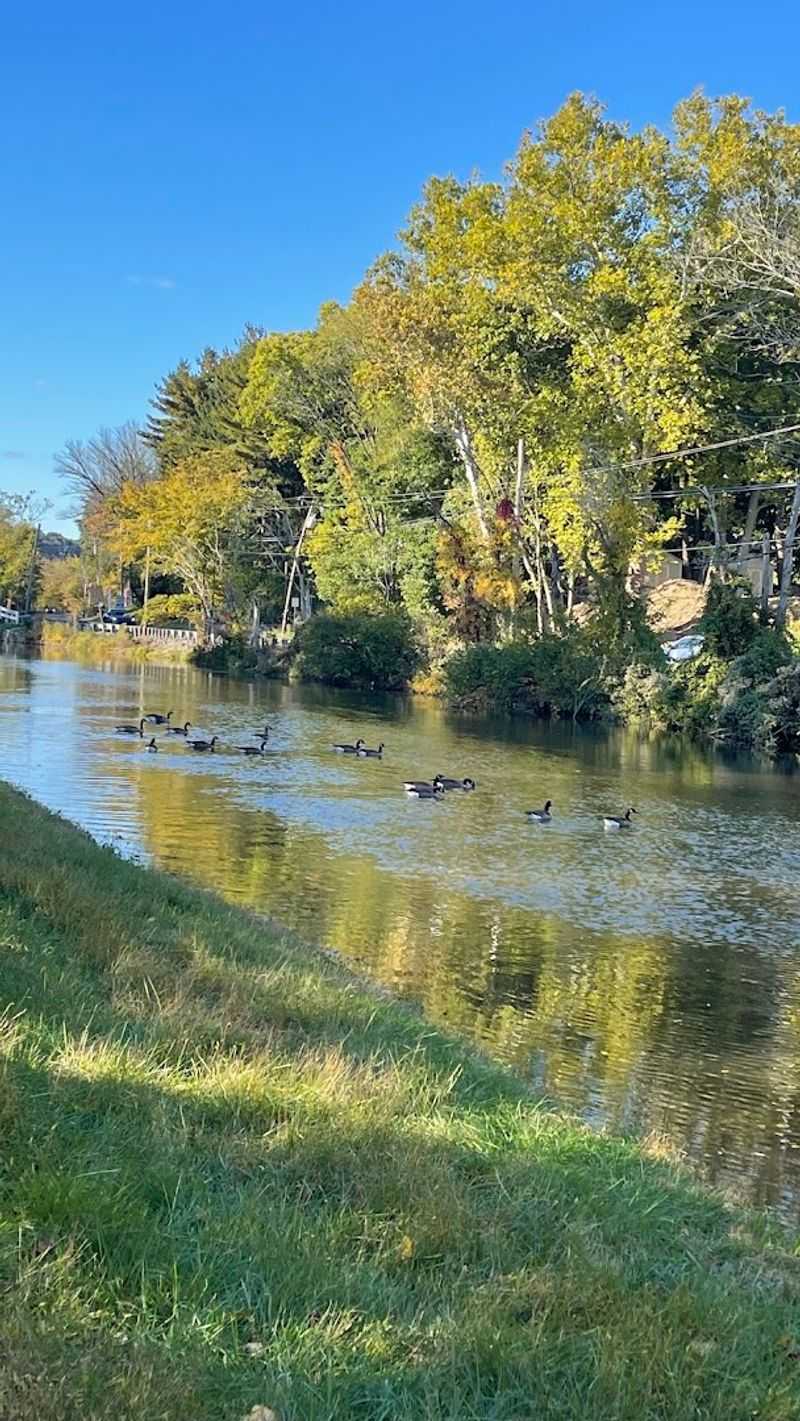
The Delaware Bay shoreline does not offer boardwalk rides or neon hotel signs. Instead, it gives you weathered fishing villages, enormous skies, migrating birds, and roads that seem to balance between farmland and marsh.
Begin in Fortescue, a tiny community long associated with fishing. Its beach is made for a slow walk rather than a packed Shore day, particularly when horseshoe crabs gather along the bay in late spring.
From there, the route passes through some of South Jersey’s richest bird habitat. Binoculars earn their place in the car around the Maurice River and Heislerville Wildlife Management Area, where egrets, herons, shorebirds, and seasonal migrants feed across the mudflats.
East Point Lighthouse rises from an especially photogenic patch of shoreline, its red roof and white tower standing against water and sky. Public access and tours are seasonal, but the setting remains worth the detour.
In Bivalve, the Bayshore Center preserves the story of New Jersey’s oyster industry and serves as home port for the historic schooner A.J. Meerwald.
Greenwich brings colonial houses, tree-lined streets, and the monument commemorating the local tea burning of 1774. Services become sparse between communities, and some roads cross low-lying areas vulnerable to flooding.
Check the weather, fill the tank, and expect limited dining choices outside the larger towns. What the route lacks in convenience, it returns in salt air, silence, and a version of coastal New Jersey that still feels wonderfully unpolished.
6. Ocean Drive – Lucy the Elephant, Ocean City, Sea Isle City, and Hereford Inlet Lighthouse
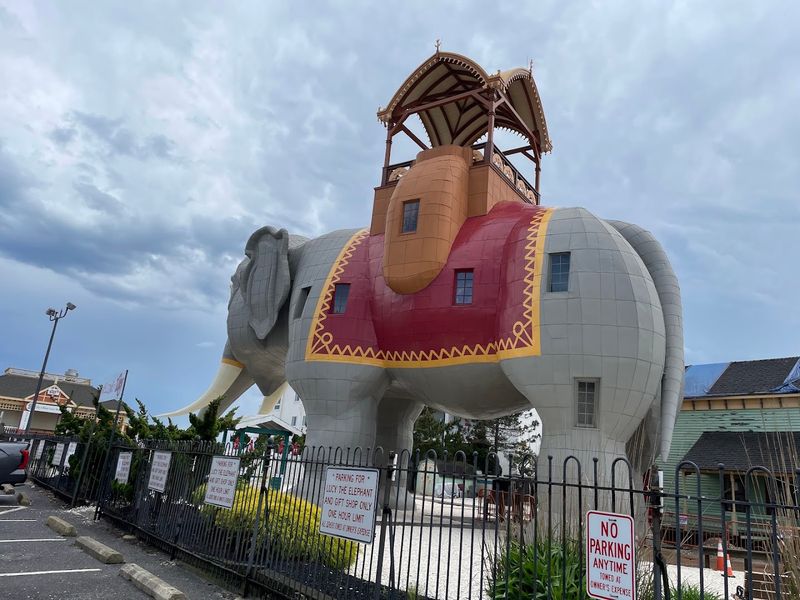
Six stories of wood and tin shaped like an elephant would be a ridiculous roadside attraction almost anywhere. In Margate, Lucy somehow feels perfectly at home.
The beloved 1881 landmark makes an unforgettable opening stop on Ocean Drive, a shore route that uses local streets and toll bridges to stitch together barrier-island communities. Tours take visitors inside Lucy and up to the howdah on her back, where the views prove this giant pachyderm is more than a photo opportunity.
Continue south to Ocean City for an entirely different flavor of nostalgia. The boardwalk delivers saltwater taffy, pizza, amusement rides, miniature golf, and enough snack options to turn lunch into a rolling series of questionable but satisfying decisions.
After the crowds, the drive toward Sea Isle City brings breezier stretches and views across the back bays. Stop for a walk along Sea Isle’s promenade or make a seafood break part of the itinerary.
Farther south, Hereford Inlet Lighthouse offers one of the prettiest grounds on the route. The 1874 lighthouse resembles a substantial Victorian house topped with a lantern, and the surrounding gardens lead toward the inlet.
Ocean Drive is not one uninterrupted road, so follow the gull-marked signs and keep navigation handy. Bridge tolls and summer traffic are part of the experience.
Leave early, carry some cash or an accepted toll option, and embrace the slow pace—especially when another ice cream window appears.
7. Route 519 Through the Highlands – Hope, Jenny Jump State Forest, Newton, and Space Farms
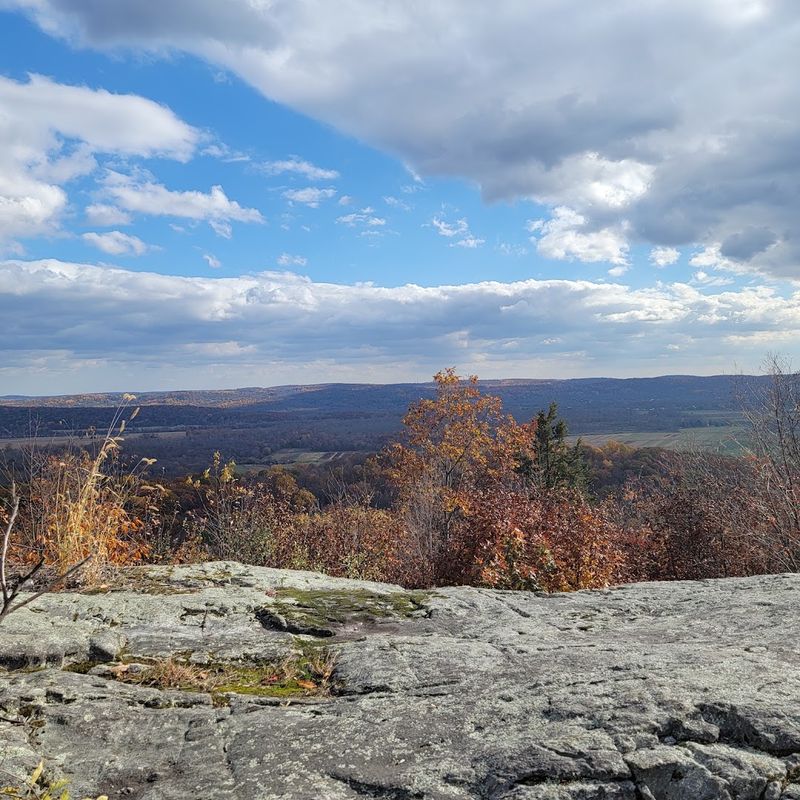
County Route 519 stretches across enough of western New Jersey to feel like several drives stitched together. The most rewarding portion rolls through Warren and Sussex counties, where farm fields rise toward wooded ridges and old villages appear with little warning.
Hope makes an intriguing first stop. Founded as a Moravian settlement in the 1700s, the village retains stone buildings and a compact historic district that rewards a brief walk.
Nearby Jenny Jump State Forest provides the day’s leg-stretching opportunity, with trails crossing rocky terrain and overlooks that become especially impressive when autumn color reaches the valleys. Newton changes the pace from rural to small-town.
Its square, historic architecture, cafes, and local shops make it a sensible lunch stop, while the county’s history appears in buildings around the center. Continue north and the landscape becomes increasingly agricultural before arriving at Space Farms Zoo & Museum in Wantage.
The sprawling family-run attraction combines animals with an eclectic museum collection that includes antique vehicles, tools, Native American artifacts, and local curiosities. It is strange, old-fashioned, and difficult to summarize, which is precisely why it belongs on this route.
The zoo operates seasonally, so confirm admission dates before building the day around it. Route 519 is winding and largely two-lane, with slow-moving farm vehicles possible.
There is no reason to hurry past them. The barns, ridge views, stone houses, and unexpected roadside discoveries are the drive’s real entertainment.
8. Western Highlands Scenic Byway – Butler, Newfoundland, Hamburg, and High Point State Park
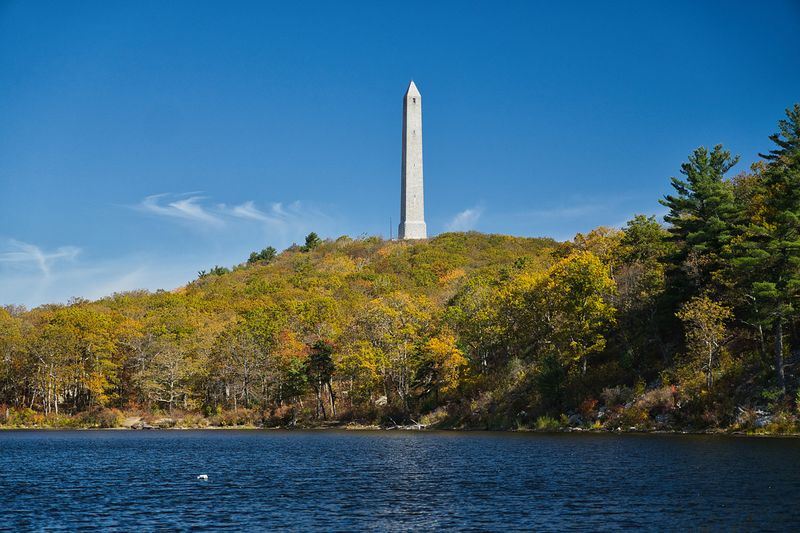
A glowing diner sign, an old rail station, and a mountain monument can all fit into one North Jersey drive if you follow Route 23 far enough. Start near Butler, where the highway still feels connected to suburban life, then watch the surroundings grow rockier and more wooded as it climbs toward the Highlands.
The Butler Museum, housed in the former railroad station, provides a compact introduction to the town’s industrial and transportation history when open. Farther north, Newfoundland’s stone railroad station and the enormous former showcase restaurant shaped like a castle give the roadside an unexpectedly theatrical turn.
The route continues through Stockholm and Hamburg, where mining shaped the region for generations. A worthwhile detour leads to the Franklin Mineral Museum, known for fluorescent minerals that blaze in electric greens, oranges, and reds beneath ultraviolet light.
Near the state line, High Point State Park provides the grand payoff. The monument stands 1,803 feet above sea level at New Jersey’s highest elevation, with views extending across forested ridges into Pennsylvania and New York on clear days.
Trails, picnic areas, and Lake Marcia make it easy to spend several hours here. The monument interior and some facilities operate seasonally, and mountain weather can differ noticeably from conditions farther south.
Bring an extra layer, particularly outside summer. Route 23 carries regular traffic, but the stops reveal a much stranger and more scenic corridor than drivers notice while simply heading north.
9. Millstone Valley Scenic Byway – Kingston, Griggstown, Six Mile Run, and the D&R Canal
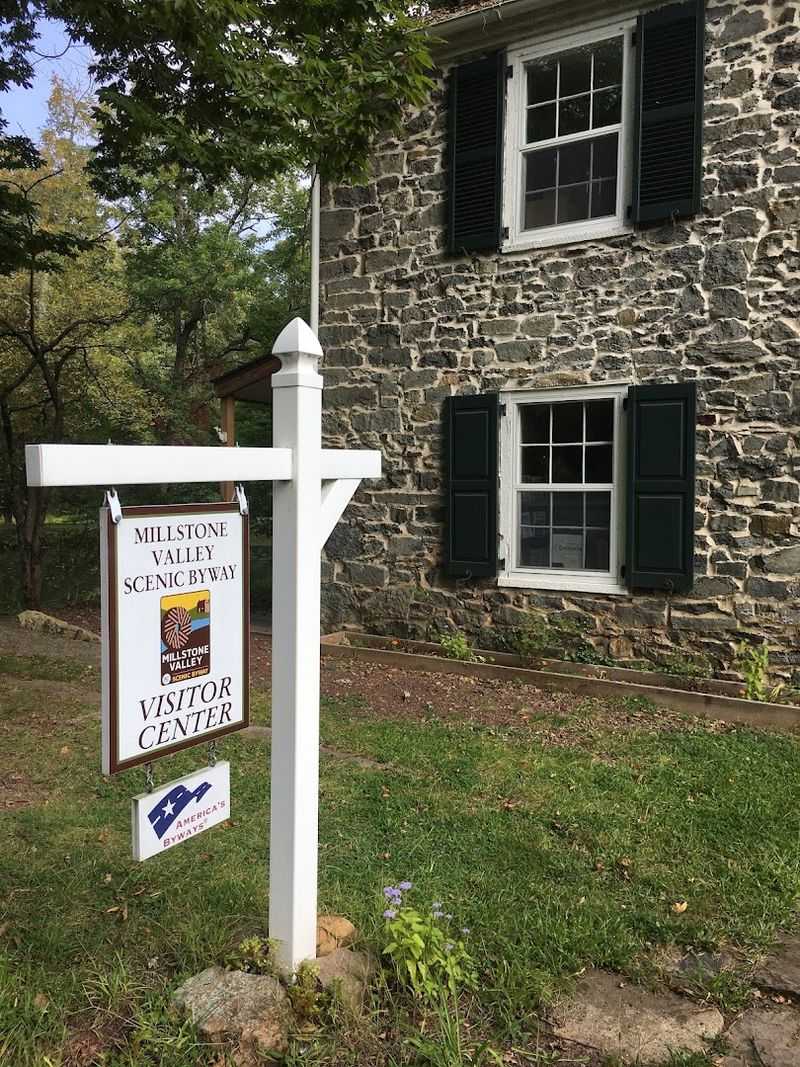
Mule-drawn canal boats vanished long ago, but the waterway they traveled still guides one of Central Jersey’s most leisurely drives.
The Millstone Valley Scenic Byway follows roads beside the Delaware and Raritan Canal and Millstone River, linking villages where bridge tender’s houses, mills, churches, and old homes remain part of the everyday landscape.
Begin in Kingston, where Lock 8, a former tollhouse, and a stone bridge dating to 1798 sit near the canal. The towpath invites an immediate walk or bicycle ride, though saving some energy for Griggstown is smart.
There, a narrow bridge crosses the canal beside a preserved bridge tender’s house, creating a scene that appears nearly unchanged by the last century. Continue toward the trails of Six Mile Run Reservoir Site.
Despite its name, there is no completed reservoir; instead, visitors find woods, fields, streams, and a popular network of hiking and mountain-biking paths. Blackwells Mills offers another postcard-worthy canal stop, complete with historic buildings and towpath access.
The byway loops through Rocky Hill and past Rockingham, the house where George Washington stayed while awaiting the formal end of the Revolutionary War. Tours of Rockingham are scheduled rather than constant, so check availability in advance.
Canal Road is narrow in places and heavily used by cyclists. Drive patiently, allow generous passing room, and leave the windows cracked when conditions permit.
The quiet water, birdsong, and old villages do the rest.
10. Upper Freehold Historic Farmland Byway – Allentown, Historic Walnford, and Cream Ridge
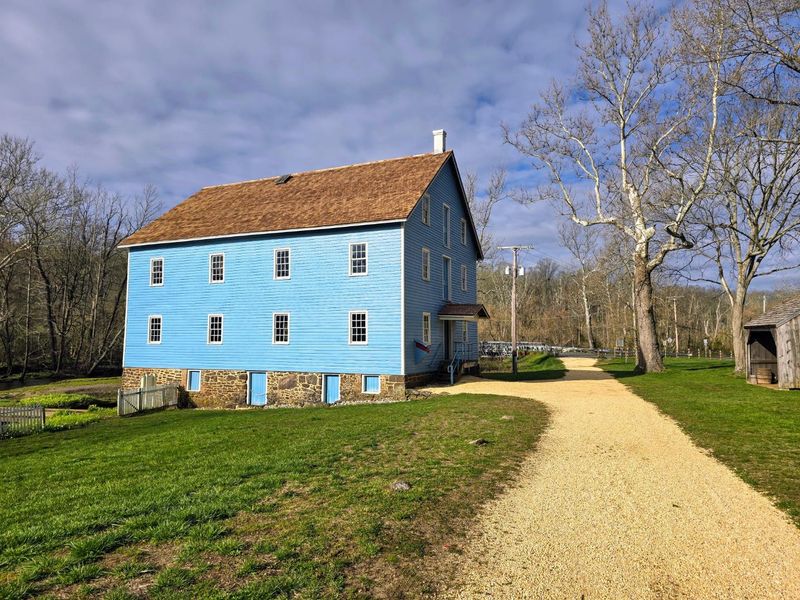
There are moments along the Upper Freehold Historic Farmland Byway when New Jersey seems to have traded subdivisions for horse paddocks, cornfields, and roads lined with old shade trees. Allentown anchors the route with a walkable historic district gathered around Conines Millpond.
Independent shops occupy old storefronts, and local cafes make it easy to begin with coffee before strolling past Federal, Victorian, and Greek Revival architecture. Once outside town, the byway winds through Upper Freehold Township’s preserved farmland.
This is a landscape to watch through the windshield: fences following the road, barns sitting deep in fields, and farm stands changing their inventory with the season. Historic Walnford is the standout stop.
The former mill village includes an 18th-century house, farm buildings, and a gristmill beside Crosswicks Creek. Demonstrations and special programs occasionally bring the machinery and site history to life, but the grounds are rewarding even during a quiet visit.
Cream Ridge adds more agricultural temptations, from seasonal produce and pick-your-own farms to wineries and country markets in the surrounding area. Nearby Assunpink Wildlife Management Area provides trails, fishing spots, and broad open views for anyone who wants a less manicured walk.
Country roads can be narrow, and farm activity takes priority, so slow down around equipment, cyclists, and horseback riders. This drive is at its best in spring bloom, late-summer harvest season, or autumn, when every roadside stand seems to offer one more reason to pull over.
11. Warren Heritage Scenic Byway – Hackettstown, Waterloo Village, Washington, and Shippen Manor
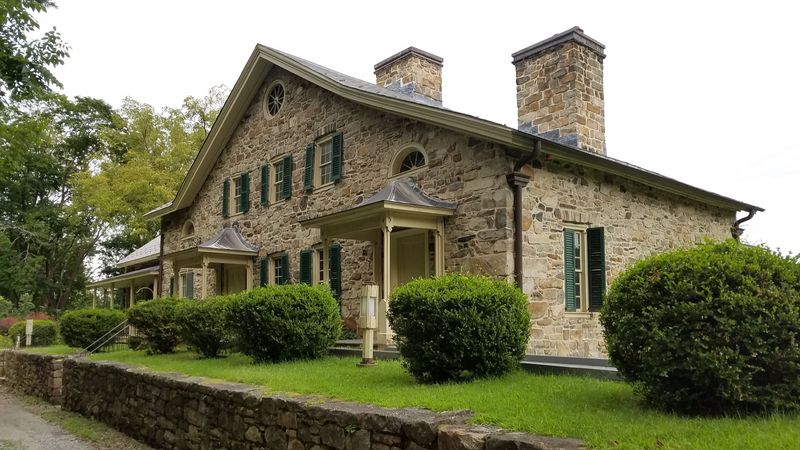
Industrial ruins, canal locks, mountain ridges, and a mansion built by an ironmaster make Route 57 far more interesting than its modest mileage suggests. Hackettstown provides a lively starting point, with a traditional downtown where breakfast, coffee, and baked goods can be secured before the history begins.
A western detour toward Waterloo Village reveals a restored canal settlement along the Morris Canal. Its stone buildings, canal structures, and wooded setting explain how freight once crossed the state long before interstate highways took over.
Back along the byway, the Musconetcong River accompanies portions of the drive while Point Mountain and Pohatcong Mountain frame the surrounding farmland. Washington Borough is a natural midpoint, offering murals, small businesses, and places to stop for lunch without turning the outing into a formal dining mission.
Near the western end, the remnants of Thomas Edison’s Portland cement operations hint at the area’s industrial scale. Shippen Manor in Oxford supplies the most polished history lesson.
The stone manor dates to the 18th century and overlooks the remains of an iron furnace complex that helped define the community. Museum hours and tours are limited, often concentrated on select weekends, so verify the schedule before setting out.
Even when interiors are closed, the route still works as a drive through layered landscapes. It moves from college-town bustle to river valleys, agricultural country, and old industrial sites in less time than many New Jersey commuters spend sitting on one highway.
12. Sandy Hook and the Navesink Highlands – Sandy Hook Lighthouse, Twin Lights, and Mount Mitchill
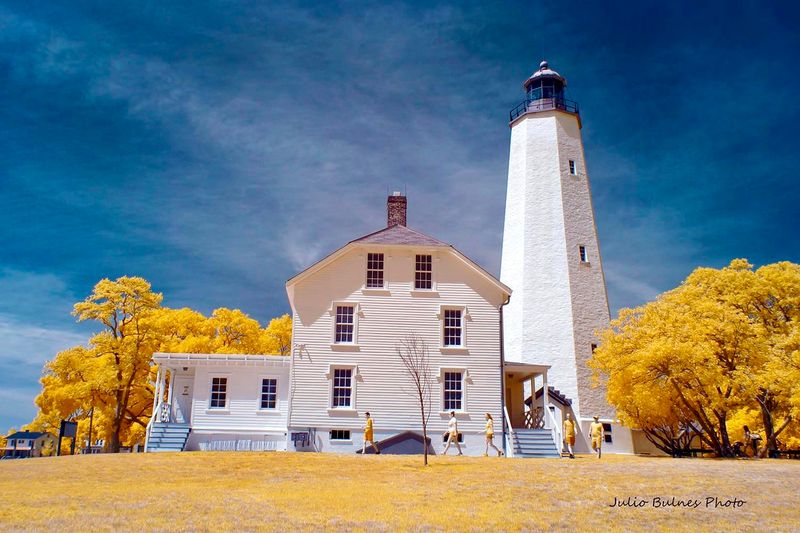
Ocean, bay, skyline, lighthouse, military ruins, and a 266-foot coastal overlook all crowd into this compact Monmouth County loop. Start on Sandy Hook, where a narrow peninsula separates the Atlantic from Sandy Hook Bay.
The oldest continuously operating lighthouse in the United States has stood here since 1764, long before the Manhattan skyline became part of the view. Nearby Fort Hancock adds rows of yellow officers’ homes, former batteries, and military structures that make an aimless walk unusually rewarding.
The beaches could occupy the entire day, but the road has more surprises waiting inland. Cross into Highlands and climb toward Twin Lights Historic Site, whose mismatched brownstone towers stand high above the coast.
Exhibits cover navigation, communication, and the landmark’s role in maritime history, while the grounds reveal wide views across Sandy Hook and the water. From there, continue through the Navesink Highlands to Mount Mitchill Scenic Overlook in Atlantic Highlands.
Its elevation makes it one of the highest natural points along the Atlantic seaboard south of Maine, with Raritan Bay, Sandy Hook, and New York visible in clear weather. End near the Atlantic Highlands marina, where waterfront restaurants make seafood an obvious choice.
Sandy Hook charges a beach parking fee during the summer season, and lots can fill early on hot weekends. Arrive in the morning, tour before the midday rush, and save the overlook for later when softer light reaches the bay.
13. Cape May Peninsula Back Roads – Historic Cold Spring Village, Cape May Point, and Sunset Beach
A concrete ship slowly crumbling into Delaware Bay is an appropriately strange final sight for a drive full of Victorian houses, working farms, birding trails, and maritime history. Reach it by leaving the main highways behind and exploring the back roads around the Cape May Peninsula.
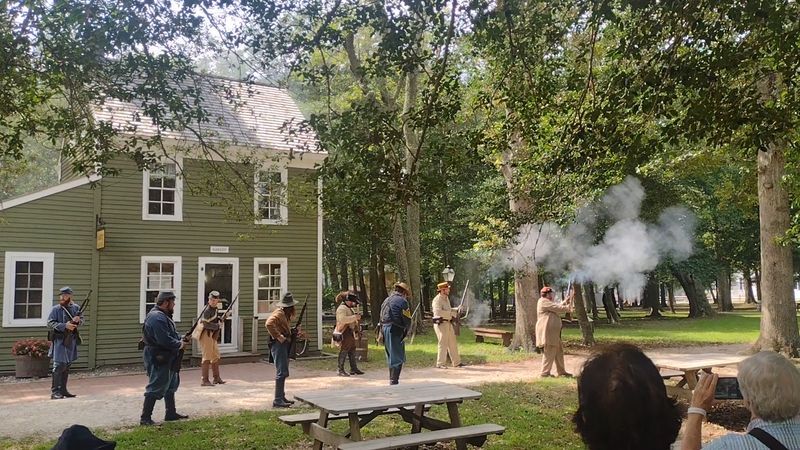
Historic Cold Spring Village makes a strong first stop when operating for the season. Its collection of restored buildings recreates a 19th-century South Jersey community, with craft demonstrations, farm animals, a country store, and Cold Spring Brewery housed in a converted barn.
Continue through fields and wetlands toward Cape May Point State Park. The 1859 lighthouse rises 157 feet above the coast, and visitors willing to climb 199 steps receive a sweeping view of the peninsula.
Ground-level pleasures are plentiful too: boardwalk trails cross ponds and dunes used by migrating birds, while the beach overlooks the meeting place of bay and ocean. Cape May Point itself remains quiet and residential, a useful contrast to busier Cape May.
Finish at Sunset Beach, where visitors search for smooth quartz pebbles known as Cape May diamonds and look offshore toward the remains of the World War I-era concrete ship Atlantus. Evening flag ceremonies add a moving ritual during the warmer months.
Parking becomes competitive near sunset, so arrive early enough to browse, walk the beach, and claim a good viewing spot. The sun eventually drops behind the bay, but by then the day has already delivered several worthwhile endings.