A stone gristmill begins turning beside a quiet creek. Roses open behind an estate hidden in a Montclair neighborhood.
Farther south, sandy paths slip between old cranberry bogs where the loudest interruption may be a red-winged blackbird. New Jersey has plenty of places that seem to understand exactly what Sunday requires: something beautiful to look at, enough room to wander, and absolutely no pressure to hurry.
These are not the state’s blockbuster attractions or the places that demand a color-coded itinerary. They are gardens, preserves, historic farms, and riverside parks where a few unplanned hours can become the best part of the weekend.
Some reward hiking shoes, while others call for a picnic blanket, binoculars, or a slow lap around a koi pond. Each offers a different version of a reset, but all share that rare ability to make Monday feel pleasantly far away.
Here are 12 hidden gems made for an easy New Jersey Sunday.
1. Van Vleck House & Gardens – Montclair
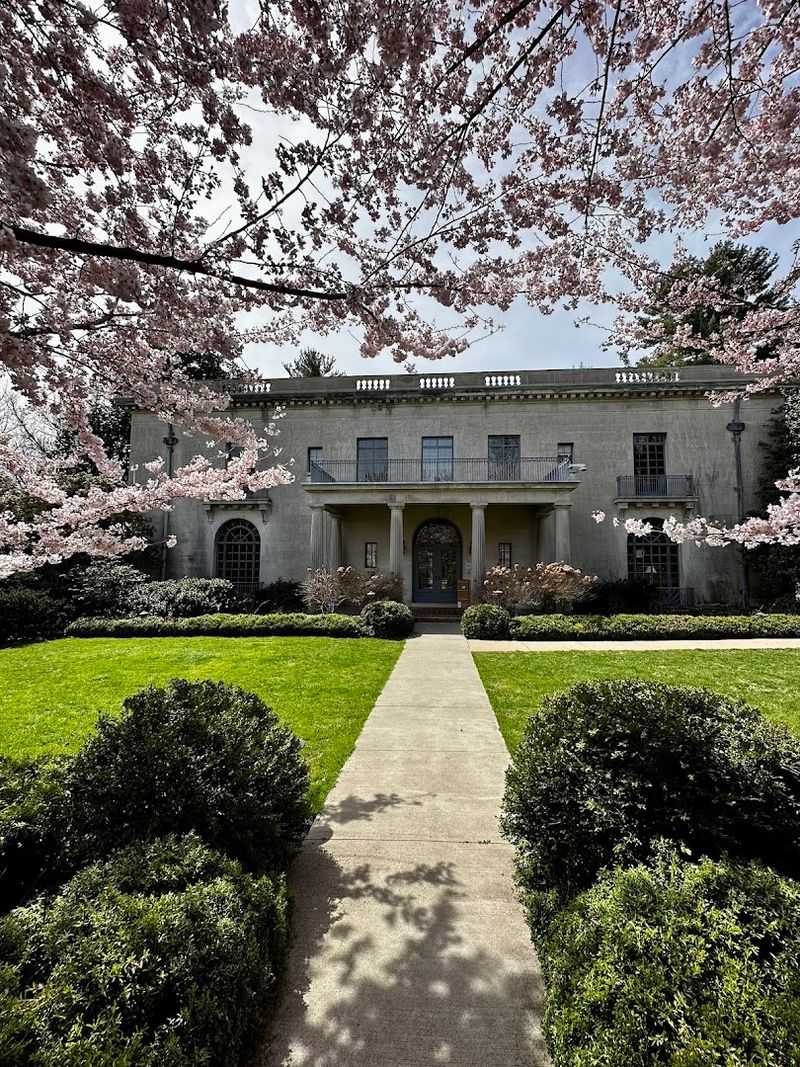
Behind a pair of gates in a residential Montclair neighborhood, six acres of gardens unfold around an elegant Mediterranean-style villa. The Van Vleck family owned this property for more than a century, and the grounds still feel less like a public attraction than a particularly fortunate invitation into someone’s private estate.
Paths curve beneath mature trees, formal beds soften into shady corners, and the white-columned house provides a handsome backdrop even though its interior is generally closed to casual visitors.
The horticultural star is the collection of rhododendrons and azaleas, especially when spring turns the grounds into a display of pink, purple, red, and white.
Seasonal plantings, a wisteria-covered courtyard, woodland gardens, and the occasional outdoor art installation give repeat visitors something new to notice. Admission is free, and the gardens are open from dawn to dusk throughout the year, making this an unusually easy outing to fit around brunch or an afternoon coffee.
Parking lots are available at the Van Vleck Street and North Mountain Avenue entrances, but the quiet setting deserves quiet behavior in return. Pets, picnics, bicycles, and ball games are not permitted.
Come for a slow walk, sit on a bench long enough to forget the time, then continue into downtown Montclair when hunger finally catches up.
2. Willowwood Arboretum – Far Hills
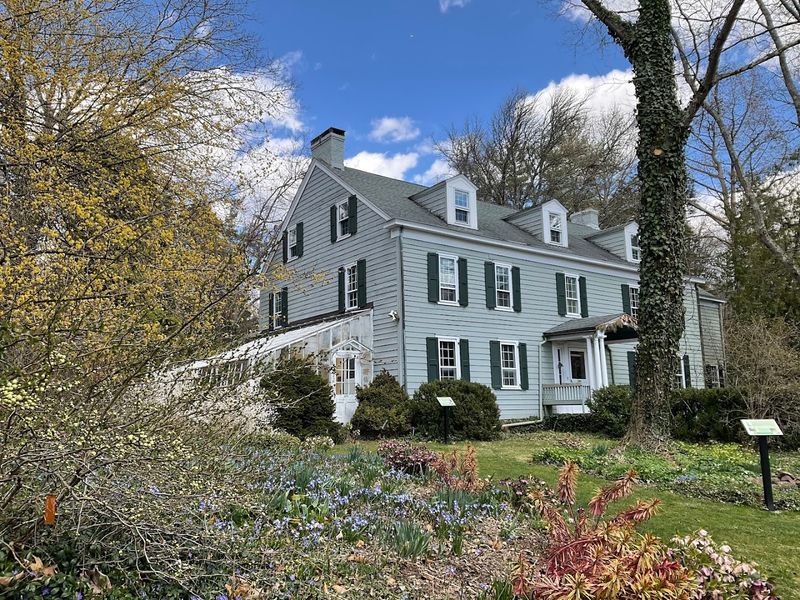
Lilacs perfume the paths in spring, roses carry the show into summer, and witch hazels provide an unexpected flash of color during the colder months. That steady seasonal rhythm is what makes Willowwood Arboretum such a satisfying Sunday destination: there is never one single “correct” time to visit.
More than 2,100 kinds of native and exotic plants fill the property, arranged across formal gardens, rolling meadows, woodland edges, and the grounds of a historic country estate.
Brothers Henry and Robert Tubbs began collecting plants here after purchasing the farm in 1908, and their horticultural curiosity still shapes the place.
Rather than presenting one polished garden after another, Willowwood allows rare specimens, old trees, stone walls, and open fields to mingle in a way that feels comfortably unforced. Follow the garden paths near the residence, look for state champion trees, or stretch the outing along the meadow trails.
The lawns are open for picnicking, so bring lunch and claim a patch of shade; there is no food sold on the grounds. Admission is free, personal photography is welcome, and Sunday hours generally run from 8 a.m. until sunset.
Pets are not allowed, and sturdy shoes are useful if recent rain has softened the trails. This is the place for people who enjoy gardens but do not need every hedge standing at attention.
3. James A. McFaul Environmental Center – Wyckoff
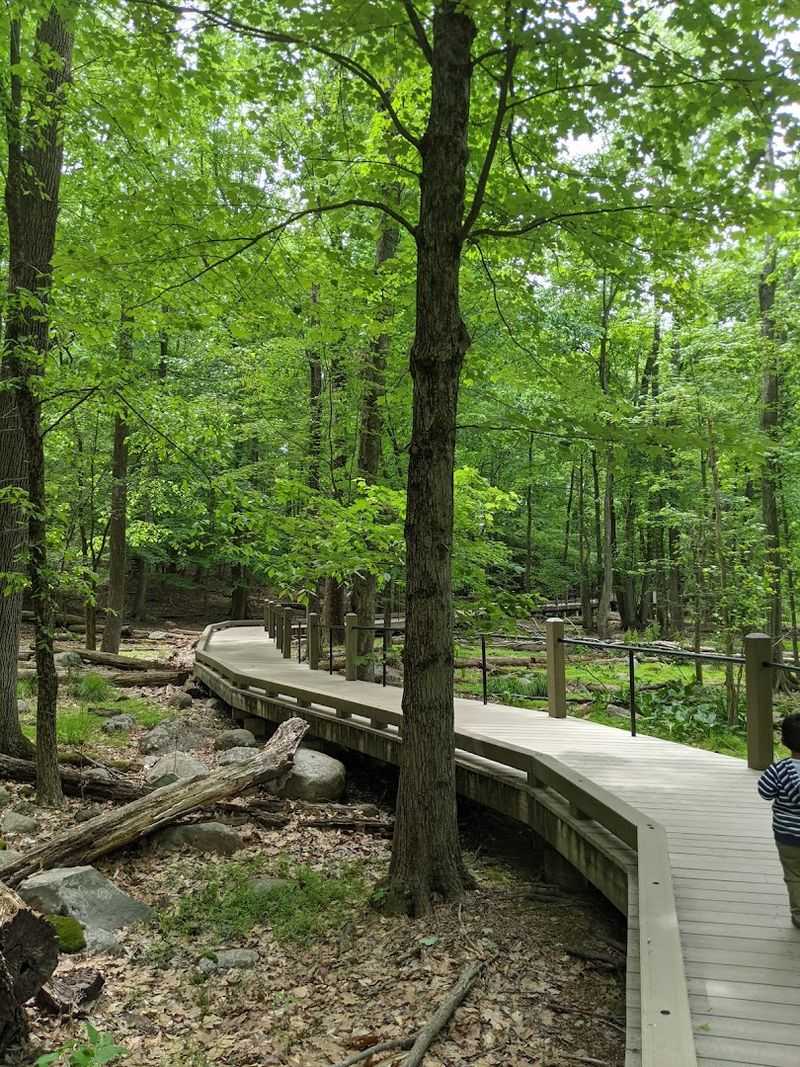
A former pig farm might not sound like the raw material for a peaceful retreat, but Bergen County worked a remarkable transformation on these 81 acres. Today, the James A.
McFaul Environmental Center is a wildlife sanctuary threaded with walking paths, ornamental gardens, ponds, and wooded habitat.
The trails are gentle enough for an unhurried family outing, and there is plenty to watch along the way: waterfowl moving across the pond, songbirds working the trees, turtles sunning near the water, and seasonal flowers attracting butterflies and bees.
Inside the environmental center, educational exhibits introduce visitors to local plants, animals, and ecosystems without turning the afternoon into a classroom assignment. One of the most memorable areas houses non-releasable native wildlife, giving visitors a closer look at animals that could not safely return to the wild.
The grounds are carefully maintained but retain enough woodland character to feel like an actual nature walk rather than a landscaped municipal park. Benches placed throughout the property encourage frequent pauses, which is exactly the correct pace here.
Weekend hours begin in the morning and vary somewhat by season, while the museum portion keeps slightly shorter hours than the surrounding park.
Admission is free, parking is straightforward, and the manageable trail network makes this a useful choice when everyone wants fresh air but nobody wants to commit to a strenuous hike.
4. Pyramid Mountain Natural Historic Area – Montville
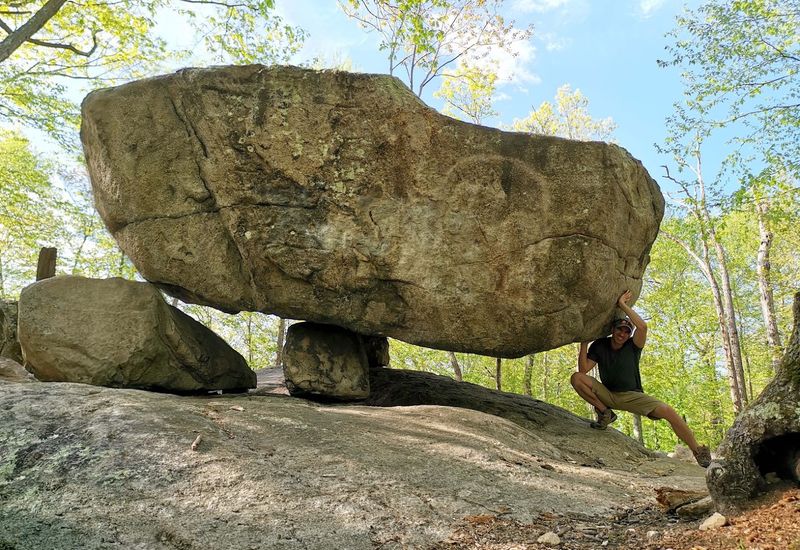
Tripod Rock looks as though a giant carefully balanced a boulder on three smaller stones and then disappeared before anyone could ask questions. Glaciers deserve the credit, but the sight still gives Pyramid Mountain its storybook quality.
The enormous glacial erratic sits within more than 1,600 acres of forest, wetlands, rocky ridges, and narrow valleys crossed by roughly 19 miles of trails.
Reaching it requires a real hike rather than a quick stroll, yet the route is approachable for reasonably active visitors who allow plenty of time and wear shoes suited to roots and rocks.
Other landmarks include Bear Rock, Whale Head Rock, quiet reservoir views, and an overlook where the Manhattan skyline appears beyond the trees on a clear day.
The terrain is noticeably rugged compared with a neighborhood nature trail, which makes the outing feel like a small adventure without requiring a drive to the Delaware Water Gap.
Download or photograph a map before setting out, choose a loop that matches your group’s ability, and do not assume every path will be flat simply because the elevation is modest. Trails remain open from sunrise to sunset, although the visitor center follows separate seasonal hours and may be closed on summer Sundays.
Leashed dogs are welcome. Arrive early because the parking area can fill, particularly when cool temperatures and fall color create ideal hiking weather.
5. Ken Lockwood Gorge Wildlife Management Area – Califon
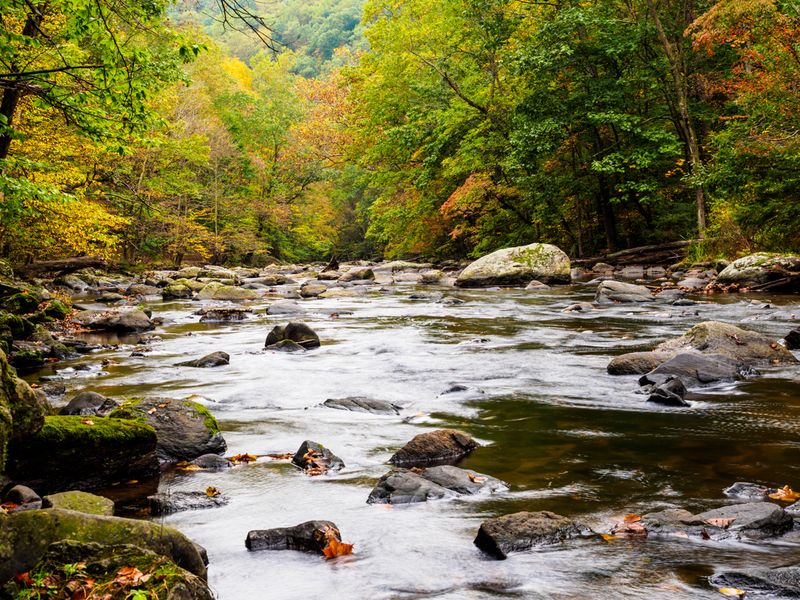
The South Branch of the Raritan River does most of the talking here, rushing over stones beside a narrow, unpaved road enclosed by steep wooded slopes. Ken Lockwood Gorge feels surprisingly remote for central New Jersey, particularly once the entrances fall behind and the sounds of traffic disappear beneath moving water.
A roughly two-and-a-half-mile stretch through the gorge provides an easy route for walking and cycling, with repeated opportunities to stop beside pools, small rapids, and mossy rock formations.
Fly-fishing is a major draw, and it is common to see anglers standing quietly in the river while hikers pass beneath hemlocks and hardwoods overhead.
Autumn brings rich color, spring delivers energetic water, and summer offers deep shade, although each season can also bring muddy or uneven conditions. The route is not difficult, but sturdy footwear makes the loose stones more comfortable.
Parking is limited near the access points, and vehicles may be restricted along the gorge road, so an early start keeps the logistics simple. Bring water and anything else you need because there are no concession stands or elaborate visitor facilities waiting around the bend.
This is a stripped-down Sunday outing in the best sense: walk beside the river, find a sunny rock, watch the current for a while, and return when you are ready rather than when an itinerary says you should.
6. Bamboo Brook Outdoor Education Center – Chester Township
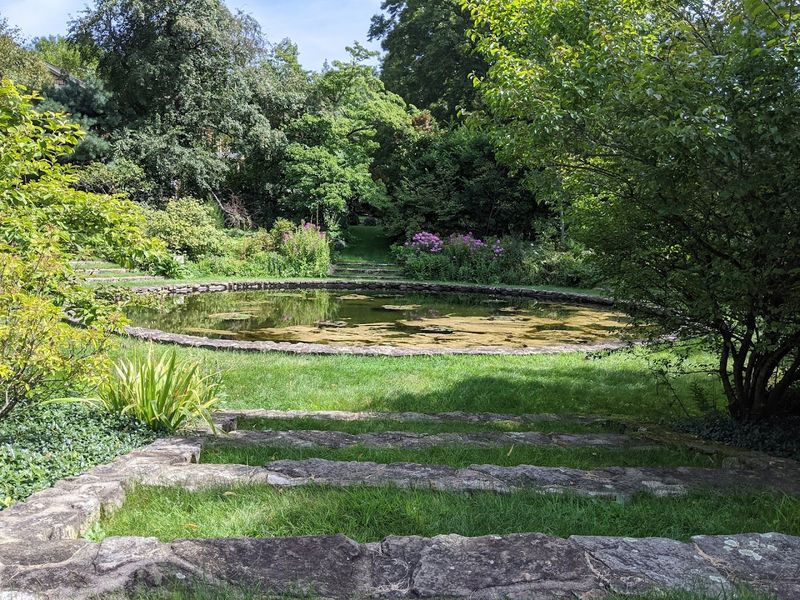
Long before landscape architecture became a common career for women, Martha Brookes Hutcheson was reshaping this former farm into a sequence of terraces, pools, alleys, meadows, and carefully framed views.
Her early-20th-century design remains the heart of Bamboo Brook, giving the property an artistic order that reveals itself slowly as you walk.
Stone steps lead between garden levels, water channels connect reflective pools, and old farm buildings sit naturally within the wider landscape. Beyond the formal areas, trails continue through fields and woods, allowing a Sunday visit to move easily from garden stroll to gentle hike.
The beauty here is less about beds packed with showy blooms and more about proportion, texture, and the way each opening directs the eye toward another part of the property. It is especially appealing in the morning, when low light picks out the stonework and the grounds remain hushed.
Bamboo Brook also shares a trail connection with neighboring Willowwood Arboretum, opening the possibility of a longer walk for visitors with extra time and energy. Admission is free, the grounds are generally open daily, and parking is available near the entrance.
Bring comfortable shoes because grassy and woodland sections can hold moisture after rain. There is no need to study landscape design before arriving; simply follow the paths and notice how often a seemingly casual turn produces a perfectly arranged view.
7. Deep Cut Gardens – Middletown
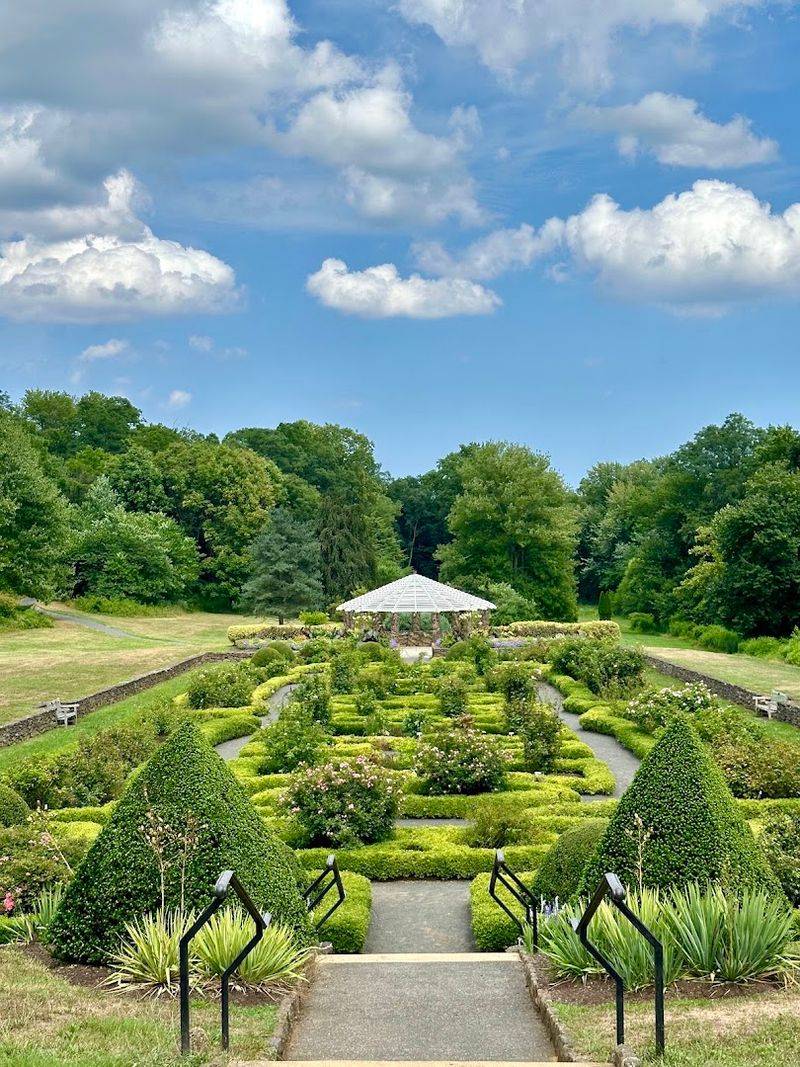
More than 180 rosebushes fill the renovated parterre at Deep Cut Gardens, producing the kind of color that can convert a quick stop into an entire afternoon. Fifty-two rose varieties share the formal display, but this 54-acre horticultural park has far more than one photogenic centerpiece.
Paths wander through display gardens filled with native and cultivated plants, while a koi pond, greenhouse, bonsai collection, and changing seasonal beds reward anyone willing to explore beyond the first burst of blooms.
The grounds function as a living catalog for home gardeners, so labels and thoughtful plant combinations offer plenty of ideas to quietly steal for the backyard.
Inside the horticultural center, visitors can ask gardening questions or browse reference materials, and families can sometimes borrow free garden exploration backpacks on a first-come basis. The park opens daily at 8 a.m. and closes at dusk, with free admission and parking.
Pets are not permitted, which helps preserve the calm around the gardens and pond. Late spring and early summer bring the biggest rose display, but autumn foliage, tropical greenhouse plants, and evergreens give the place value well outside peak bloom.
Take one careful circuit, return to whichever bench had the best view, and let the rest of the day remain undecided. Deep Cut asks very little from visitors and provides plenty in return.
8. Historic Walnford – Upper Freehold
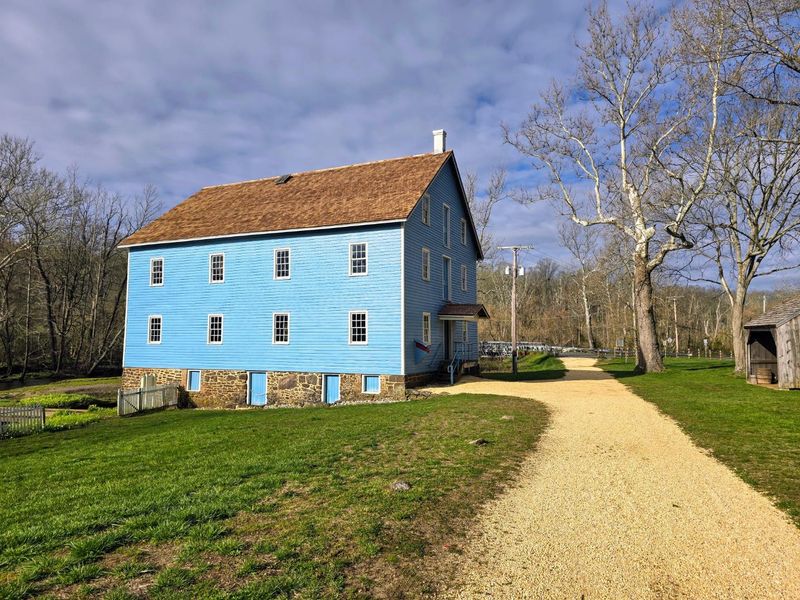
At scheduled times on weekends, the machinery inside Waln’s Mill comes alive and corn is ground into meal using a system rooted in the 19th century.
The brief demonstration provides a satisfying centerpiece for a visit to Historic Walnford, a preserved country estate surrounded by the fields, woods, and wetlands of Crosswicks Creek Park.
The property traces more than two centuries of change, beginning as an industrial village and family farm before evolving into an elegant rural retreat. Visitors can explore the stately Waln House, built in 1773, then wander among the gristmill, carriage house, corn crib, and other agricultural buildings.
A small flock of Buff Orpington chickens supplies the appropriate farmyard commentary. Milling demonstrations are typically offered several times on Saturdays and Sundays from April through November, and both admission and parking are free.
The historic buildings generally open from 9 a.m. to 4 p.m., while the wider grounds keep seasonal park hours. Allow time for the surrounding landscape rather than treating the house as the entire attraction; the creek and old structures are especially handsome on a clear afternoon.
The approach along rural Upper Freehold roads adds to the experience, making Walnford feel farther from suburban New Jersey than it really is. It is history delivered without velvet-rope stiffness, complete with turning gears, weathered barns, clucking chickens, and enough open space for a leisurely walk afterward.
9. Franklin Parker Preserve – Chatsworth
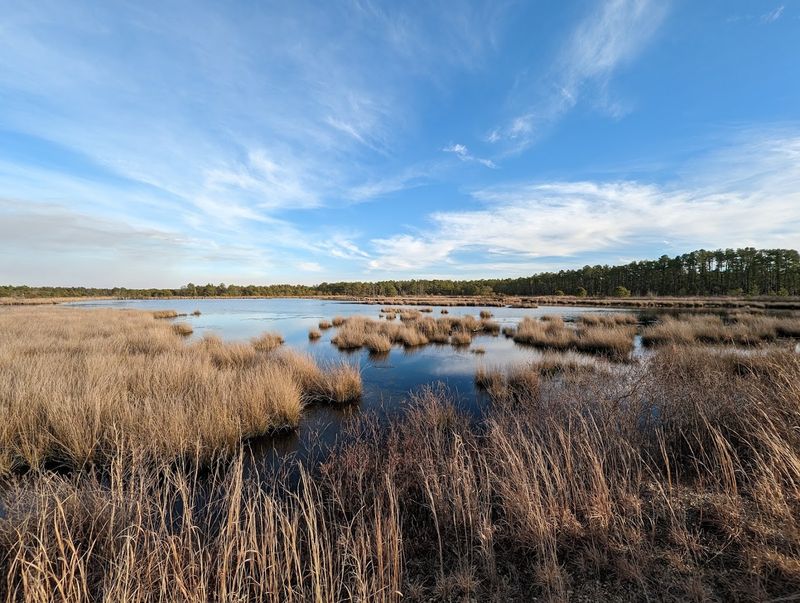
Straight roads, enormous skies, and dark water reflecting rows of pitch pines give Franklin Parker Preserve a visual language unlike almost anywhere else in New Jersey.
This 11,000-plus-acre preserve occupies a former cranberry farm in the heart of the Pine Barrens, where old bogs have become wetlands supporting birds, rare plants, amphibians, and other wildlife.
Four marked trails total nearly 21 miles, while a rerouted portion of the Batona Trail crosses the property for hikers seeking a longer day. For a relaxed Sunday, choose a shorter route near the Chatsworth Lake entrance and spend more time watching the water than counting mileage.
Sandy roads and broad dikes make parts of the preserve feel open and easy, but the scale can be deceptive. Carry a trail map, bring more water than you think you need, and remember that loose sand can make walking or cycling slower.
There are no cafés, gift shops, or ornamental gardens here—just bogs, cedar swamps, blueberry fields, pine-oak forest, and the occasional bald eagle overhead. That lack of polish is precisely the point.
Morning and late-afternoon light bring out the copper, blue, and deep green tones in the landscape, while insect repellent is valuable during warmer months. Pair the walk with a stop in nearby Chatsworth, but give the preserve enough time to work its quiet magic before returning to civilization.
10. Whitesbog Historic Village – Browns Mills
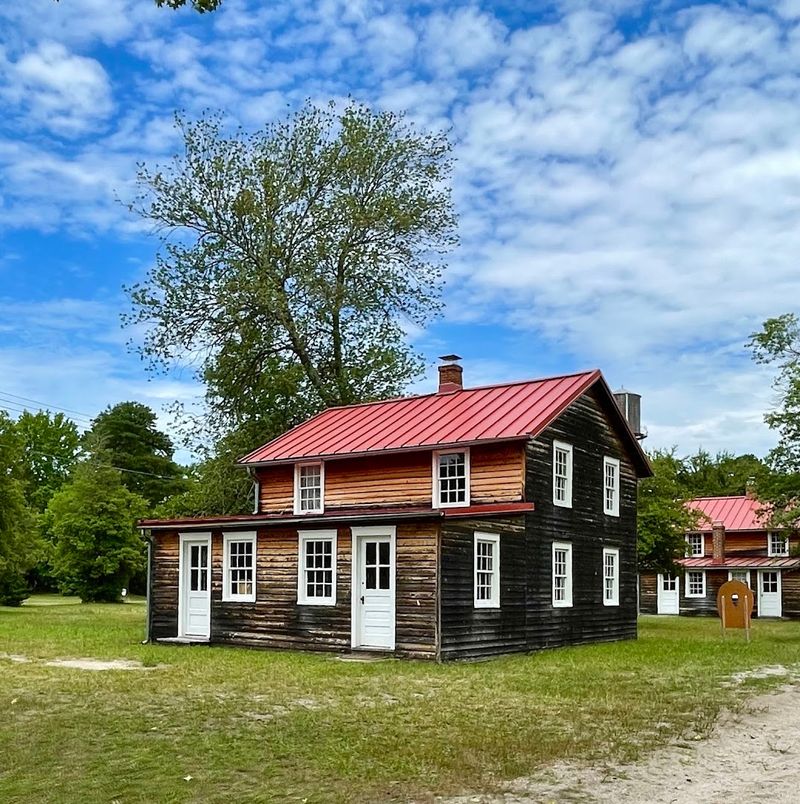
New Jersey’s beloved blueberry owes part of its history to this cluster of weathered buildings and sandy farm roads.
At Whitesbog, Elizabeth Coleman White worked with botanist Frederick Coville to develop the first cultivated highbush blueberry in the early 20th century, turning the former cranberry company town into an important piece of agricultural history.
Visitors can wander among workers’ cottages, packing buildings, the general store, and White’s home before following trails around cranberry bogs and into the surrounding Pine Barrens. The combination is what makes the village ideal for Sunday: part open-air museum, part nature preserve, and entirely free of big-attraction hurry.
Interpretive signs explain the people and farming operations that shaped the site, while seasonal programs may include village tours, music, blueberry celebrations, and cranberry harvest activities.
The trails remain accessible beyond store and museum hours, but checking the current schedule is wise if entering the buildings matters to you.
Walking and bicycling are both popular, and the flat terrain keeps the outing approachable, though sandy surfaces call for practical shoes. Bring binoculars because bog edges attract plenty of birdlife.
In summer, blueberry history feels especially vivid; in fall, red cranberry beds and changing foliage transform the palette. Even in winter, the empty lanes and old structures possess a stark beauty that suits an unhurried afternoon.
11. Maurice River Bluffs Nature Preserve – Millville
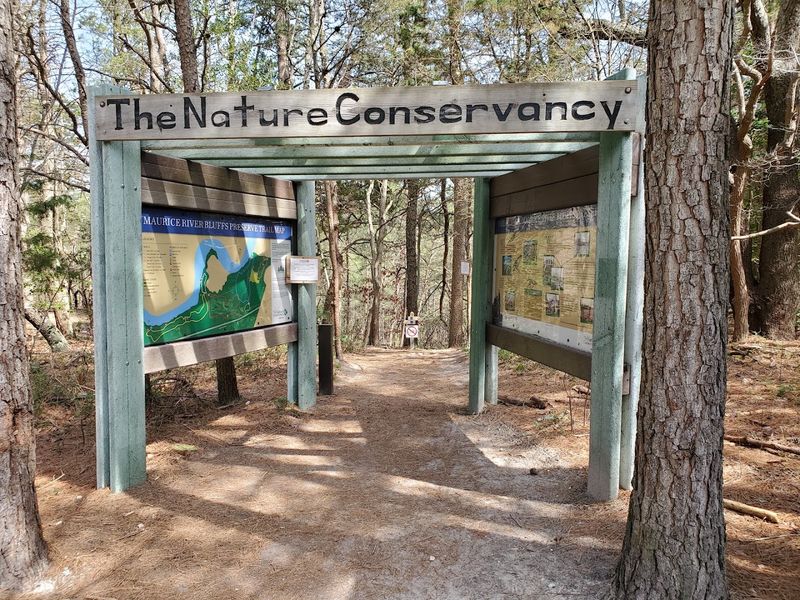
Hills are not what most people expect beside South Jersey’s tidal landscapes, which makes the first climb at Maurice River Bluffs a pleasant surprise.
The preserve protects more than 500 acres overlooking the federally designated Wild and Scenic Maurice River, with over five miles of walking trails crossing woods, valleys, freshwater ponds, and high ground above broad wild-rice marshes.
Follow the Blue Trail toward the floating dock for open water views and a chance to spot osprey or bald eagles. Other routes pass a bird blind, a 35-foot footbridge, remnants of an old stone farmhouse, and traces of the property’s former sand-mining operations.
Benches and picnic tables appear in well-chosen locations, making it easy to turn a hike into a slow lunch with river scenery. Separate trails accommodate mountain bikers, while the walking routes range from nearly flat to sections with steps and steeper slopes.
The preserve is open during daylight hours throughout the year, leashed dogs are permitted, and a sizable parking lot keeps arrival simple. Bring binoculars during spring and fall migration, when the Maurice River corridor becomes especially active with songbirds and raptors.
Construction of an accessible wellness garden may cause temporary changes to some trail markers through 2026, so follow posted signs. For maximum Sunday satisfaction, save the river overlook for last and stay until the light begins to soften.
12. Red Bank Battlefield Park – National Park
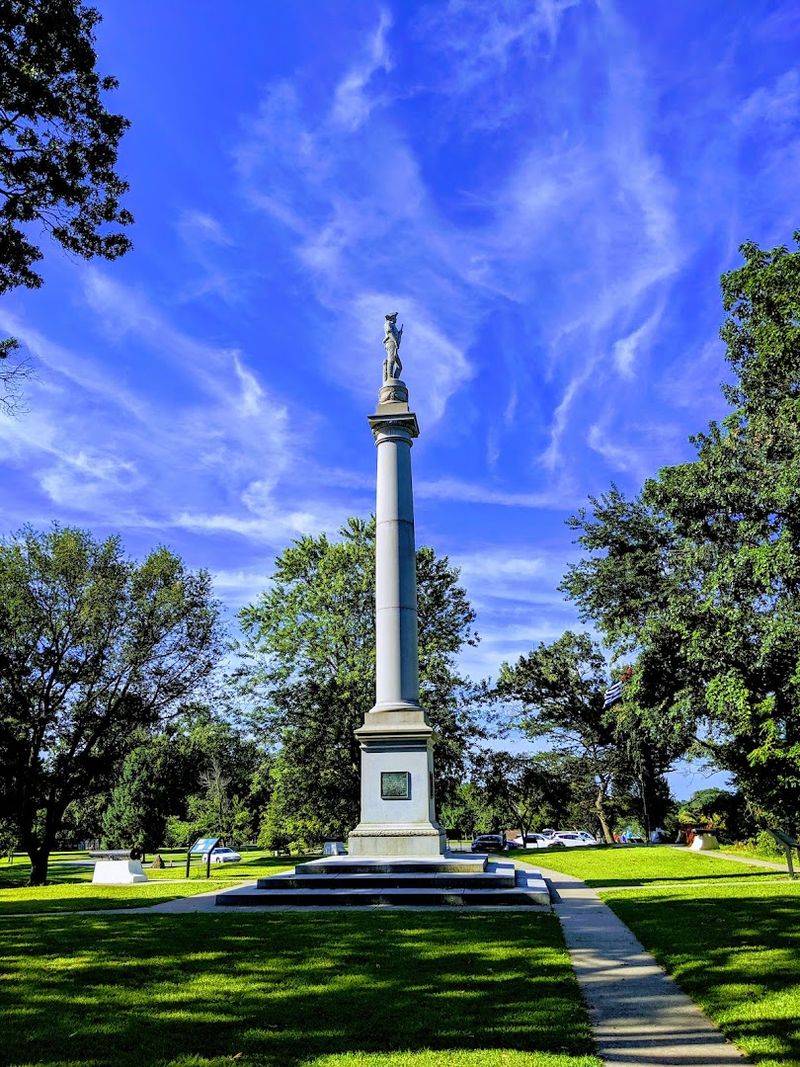
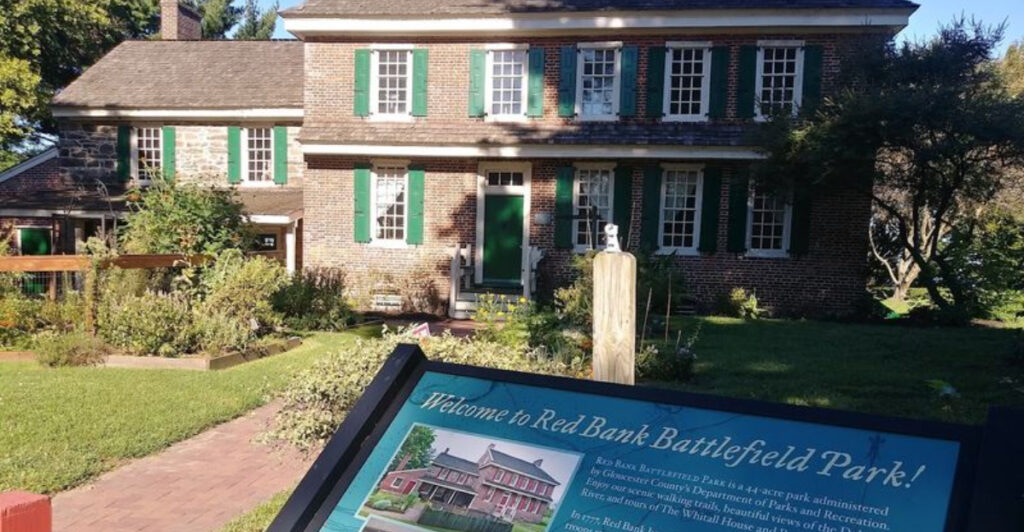
A broad lawn rolls toward the Delaware River, cargo ships slide past in the distance, and the Philadelphia skyline hovers on the opposite bank. The scene feels built for picnics, yet Red Bank Battlefield Park also holds one of South Jersey’s most consequential Revolutionary War stories.
Fort Mercer once stood here, and in October 1777, American forces defeated a much larger Hessian attack during the Battle of Red Bank. Monuments and interpretive markers trace the battlefield, while the James and Ann Whitall House—built in 1748—adds a human perspective to the military history.
The house served as a field hospital after the battle and now offers seasonal tours, generally from Thursday through Sunday between April and October. Historic gardens beside the house contain vegetables, medicinal herbs, dye plants, and flowers representative of the 18th century.
During summer, the park’s butterfly house adds another reason to arrive before lunch, with limited morning tour hours on select days. Even when the buildings are closed, the riverfront setting justifies the trip.
Walk the paved paths, read the battlefield markers, and bring a blanket for the shaded picnic areas. Families will appreciate the open space and playground, while history-minded visitors can linger over the archaeological story still emerging from the grounds.
Few places combine a serious past with such an easygoing present, which is exactly why this riverfront park belongs on a Sunday list.