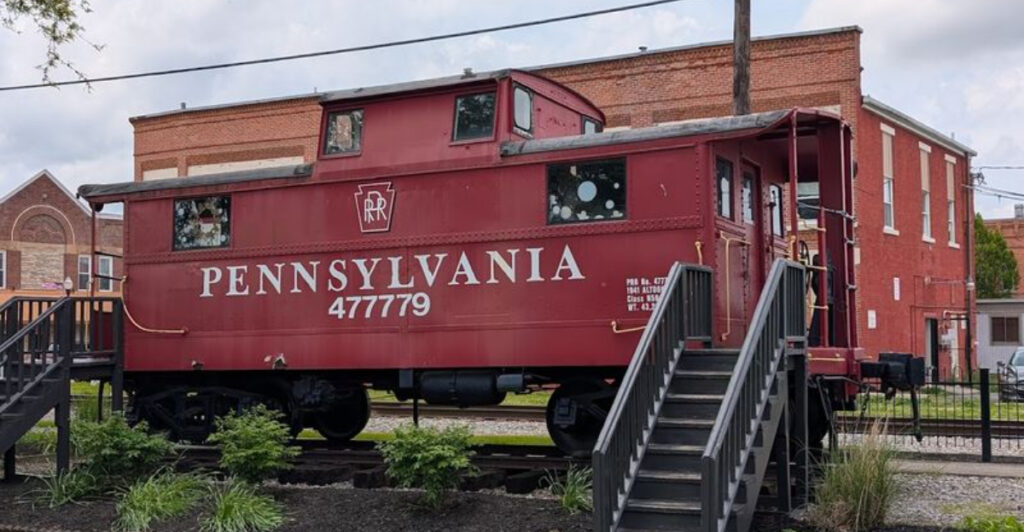
Ohio is one of those states that turns a simple drive into a story, especially when old railroad depots start appearing between lakefront towns, river communities, canal villages, and quietly proud small cities. If you are planning a 2026 road trip and want stops that feel more memorable than another chain exit, these historic train depots offer the kind of atmosphere that makes you slow down, look closer, and imagine the movement that once shaped the state.
Some of these places are polished museums with major exhibits, while others are smaller local treasures where you can still feel the volunteer passion behind every restored bench, display case, and carefully preserved artifact. What ties them together is that each stop reveals a different side of Ohio history, from industrial expansion and passenger rail elegance to freight routes, hometown preservation, and the communities that grew up around the tracks.
You are not just visiting old buildings here. You are tracing the way Ohio connected people, products, and places across the Midwest.
Whether you love architecture, photography, local museums, transportation history, or just finding road trip stops that break up the drive with something genuinely interesting, these thirteen depots are worth adding to your route. They are spread across the state in a way that can inspire a full loop or several weekend getaways, and each one offers a slightly different mood, from grand urban drama to rural nostalgia.
If you want your Ohio road trip to feel richer, more grounded, and full of overlooked character, these are the depot stops to put on your list.
1. Dennison Railroad Depot Museum, Dennison
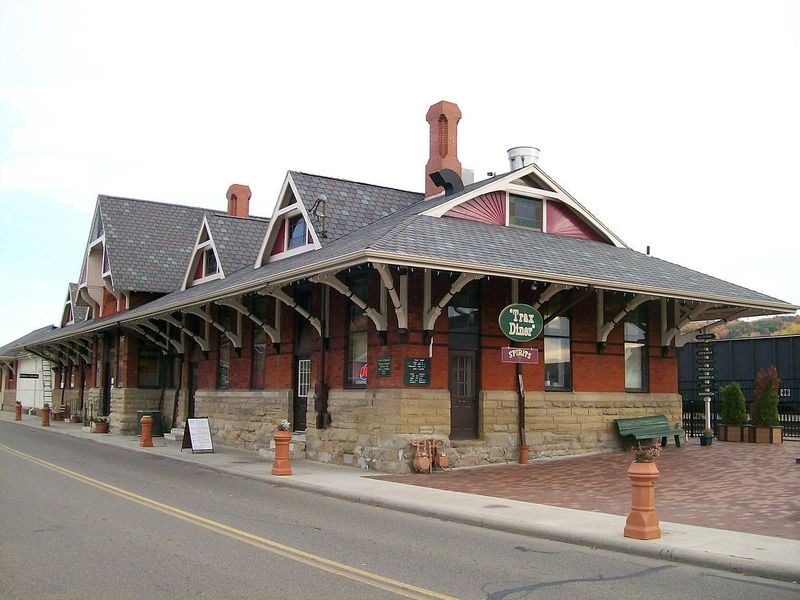
If you want a road trip stop that instantly drops you into Ohio’s railroading past, this one is easy to love. The restored station in Dennison feels substantial, welcoming, and deeply tied to the town around it.
Instead of seeming frozen behind glass, the museum has the lived-in energy of a place that still matters to local memory and statewide history.
One of the most compelling angles here is how strongly the depot connects to wartime travel, railroad operations, and the everyday movement of people across Ohio. Exhibits help you picture crowded platforms, urgent departures, and the way rail lines once stitched together communities that now seem far apart by car.
You are not just looking at old artifacts, because the building itself does much of the storytelling.
Architecturally, the station gives you plenty to appreciate, especially if you enjoy sturdy early twentieth century civic design. The brick exterior, broad roofline, and platform areas make it photogenic without feeling overproduced for tourists.
It works equally well as a quick stop for curious travelers or a longer visit for anyone who likes reading displays and soaking up details.
What makes Dennison Railroad Depot Museum especially rewarding on an Ohio road trip is its balance. It feels accessible for families, interesting for history buffs, and atmospheric enough for travelers who simply want a memorable stop between destinations.
I would put it high on any 2026 route because it captures both transportation history and hometown pride in a way that feels authentic. When you leave, you are likely to remember not only the depot itself, but also the sense that Ohio’s railroad story was built in places exactly like this.
2. Conneaut Railroad Museum, Conneaut
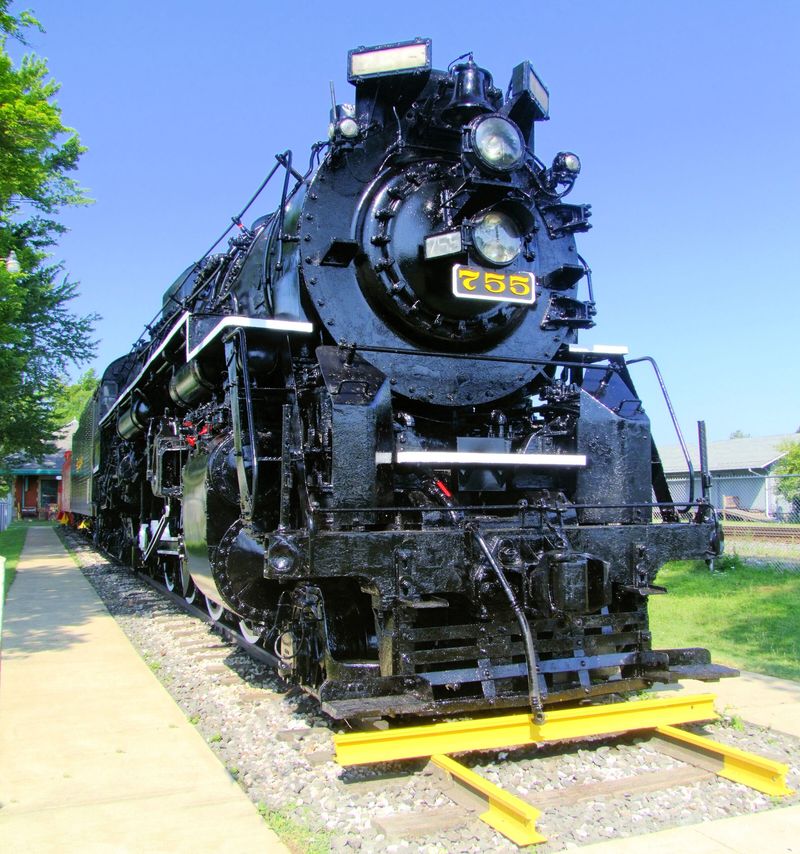
For a road trip stop near Lake Erie that mixes local character with transportation history, this museum delivers more than you might expect. The setting in Conneaut gives the visit a slightly different feel from inland depots, because you sense how rail, industry, and lakeside commerce overlapped in northeastern Ohio.
That regional context makes the museum feel rooted, not generic.
Inside and around the site, you can usually expect a close look at how trains shaped the community’s development. Rather than telling a broad national story only, the museum helps you understand what rail service meant to this particular part of Ohio, from jobs and shipping to passenger movement and local identity.
That focus gives the experience warmth and makes even modest displays feel more personal.
This is the kind of place where train enthusiasts can enjoy the specifics while casual travelers still have a good time. The scale is approachable, so you do not need to commit half a day to appreciate it, yet there is enough substance to justify getting off the highway.
If you like pairing a museum stop with a scenic drive, Conneaut also fits nicely into a northeastern Ohio route.
What I like most about Conneaut Railroad Museum is the sense of place. It feels like a stop that belongs exactly where it is, reflecting the rhythms of an Ohio town shaped by transportation corridors and lake region history.
In 2026, when so many road trippers are looking for meaningful small museums instead of only major attractions, this depot-style stop stands out. You leave with a clearer picture of how railroad heritage still anchors local pride in communities that might otherwise be easy to pass by.
3. Marion Union Station, Marion
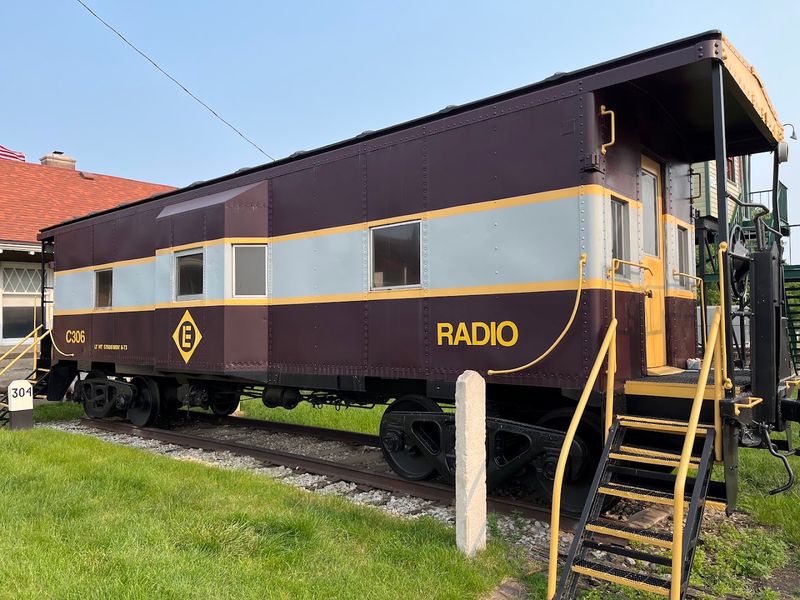
If your ideal depot stop includes serious railroad atmosphere, this is one of Ohio’s most iconic places to pull over. The historic station in Marion has a reputation that reaches beyond local interest, especially among people who love watching trains where active lines still create real excitement.
Even if you are not a dedicated railfan, the scale and significance are immediately clear.
There is something thrilling about standing near a place that still reflects the intensity of rail traffic that once defined so many Midwestern communities. Marion Union Station connects you to Ohio’s role as a crossroads, where movement, scheduling, freight, and passenger service all shaped the rhythm of daily life.
The setting encourages you to imagine what the station meant when rail travel was central to how people experienced distance.
The architecture and viewing opportunities make this stop especially rewarding for photographers. Strong lines, historic materials, and the possibility of modern trains passing through create a satisfying contrast between preservation and living railroad culture.
You can appreciate the site as a museum piece, but you can also enjoy it as a dynamic place where railroad history still feels active.
On a 2026 Ohio road trip, Marion Union Station is the kind of destination that can become a highlight rather than a quick break. It appeals to families, history lovers, and anyone who gets energized by places with a clear identity.
I would recommend giving yourself time to look around, read up on the station’s past, and simply watch the rail corridor do what it has done for generations. Few depot stops in Ohio communicate the state’s long transportation story with this much power, authenticity, and visual drama.
4. Peninsula Depot, Peninsula
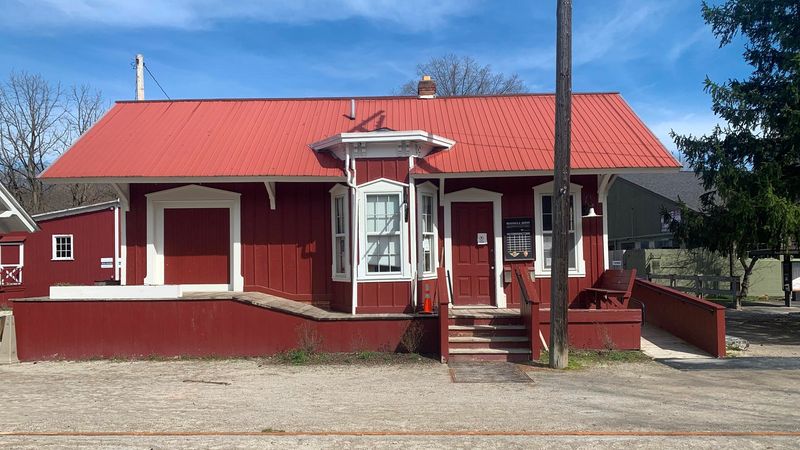
Some depot stops work because of sheer railroad importance, and others win you over through setting and charm. This one in Peninsula has the advantage of both, especially if you are exploring the scenic heart of northern Ohio.
The historic station feels closely connected to the landscape, which gives your visit a refreshing blend of transportation history and outdoor appeal.
Because Peninsula sits in an area known for natural beauty and recreational travel, the depot carries a slightly different mood from urban terminals or freight-focused museums. It suggests a gentler pace, where trains are part of a broader story about regional movement, tourism, and the communities that grew along the route.
That combination makes it especially enjoyable for travelers who like variety in a road trip day.
You can appreciate the depot as architecture, as local history, and as a gateway to one of Ohio’s most appealing settings. It is the kind of stop where a short visit can easily turn into a longer wander, especially if you pair it with nearby trails, scenic drives, or time spent exploring the village itself.
For families, couples, and solo travelers, it feels easy and rewarding rather than demanding.
What makes Peninsula Depot stand out in 2026 is how effortlessly it fits into a full Ohio itinerary. You get the nostalgia of a historic station, the visual appeal of a well-loved small-town landmark, and the added benefit of being in an area that already invites lingering.
I like stops that offer more than one reason to visit, and this is exactly that kind of place. By the time you leave, the depot often feels less like a checklist attraction and more like one of the most pleasant pauses on the whole trip.
5. Cincinnati Museum Center at Union Terminal, Cincinnati
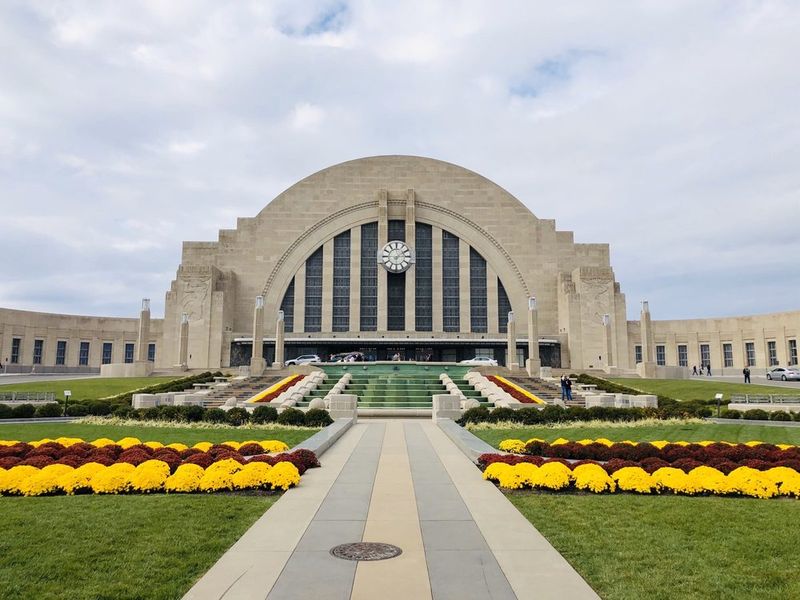
If you want one depot stop on your Ohio road trip that feels absolutely unforgettable, this is the one to prioritize. The immense scale, sweeping design, and civic presence of Union Terminal in Cincinnati make it far more than a simple station museum.
It is one of those places where the building itself is the star before you even step inside.
The Art Deco architecture is bold, elegant, and unmistakably dramatic, giving you the sense that train travel once carried real ceremony. As part of the Cincinnati Museum Center, the site also offers layers of experience that go beyond railroad history alone, which is ideal if you are traveling with people who have different interests.
You can admire design, learn local history, and still feel the transportation legacy at the center of it all.
Unlike some smaller depots that depend on intimate charm, this stop thrives on grandeur. Vast interior spaces, strong geometric forms, and carefully preserved historic features make it a dream for photography and for anyone who appreciates ambitious public architecture.
Even if you arrived knowing very little about railroad terminals, you would still leave impressed by the building’s scale and confidence.
For a 2026 road trip, Cincinnati Museum Center at Union Terminal offers the kind of stop that can anchor an entire day. It is educational without feeling dry, visually spectacular without feeling empty, and deeply tied to Ohio’s story of mobility, commerce, and urban growth.
I would call it essential because it shows how rail infrastructure could also be art, symbolism, and public identity. When you stand in front of that massive facade, you are not just seeing an old terminal.
You are seeing one of Ohio’s most powerful historic landmarks, period.
6. Gallipolis Railroad Freight Station Museum, Gallipolis
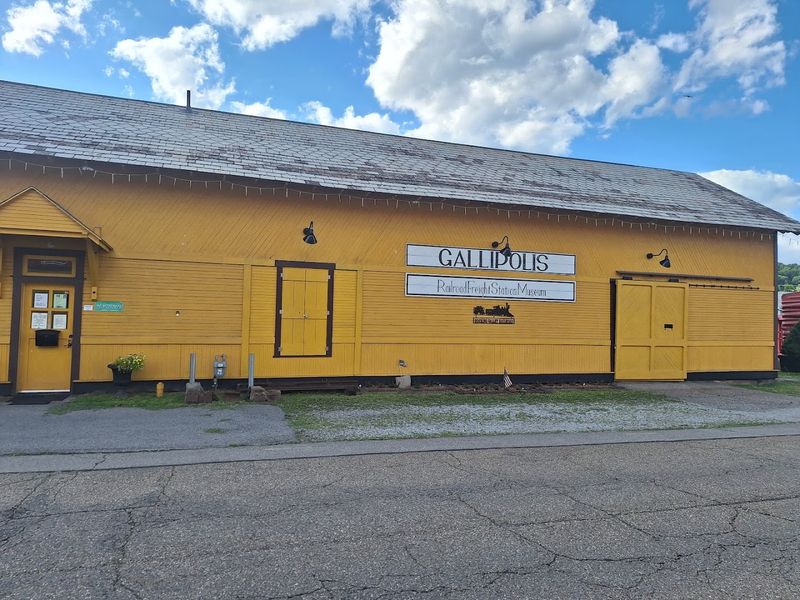
Not every memorable railroad stop is about glamorous passenger travel, and that is exactly why this museum is worth your time. In Gallipolis, the freight station focus reveals a practical side of Ohio history that often gets overlooked by casual travelers.
You start thinking less about elegant departures and more about the goods, labor, and logistics that kept communities alive.
That perspective is especially valuable in a river town, where transportation networks overlapped in meaningful ways. The museum helps you understand how freight movement connected Gallipolis to larger economic systems across Ohio and beyond, giving the town a stronger sense of historical weight.
Even if the building is modest compared with famous terminals, the story it tells is essential.
There is also something appealing about visiting a museum that feels grounded in everyday reality rather than spectacle. A freight station carries a working-class energy that can make the experience feel more immediate and relatable.
If you enjoy local history told through the practical structures people depended on, this stop will likely resonate more than you expect.
On a 2026 Ohio road trip, Gallipolis Railroad Freight Station Museum makes an excellent change of pace. It gives you a different lens on railroad heritage, one centered on commerce, community survival, and the less glamorous side of progress that still shaped the state.
I like how it broadens the trip by reminding you that rail history was never only about passengers heading somewhere exciting. Often, it was about supplies, shipments, schedules, and steady work.
That grounded story feels very Ohio, and it makes this depot museum an insightful stop for travelers who want more than surface-level nostalgia.
7. Jefferson Depot Village, Jefferson
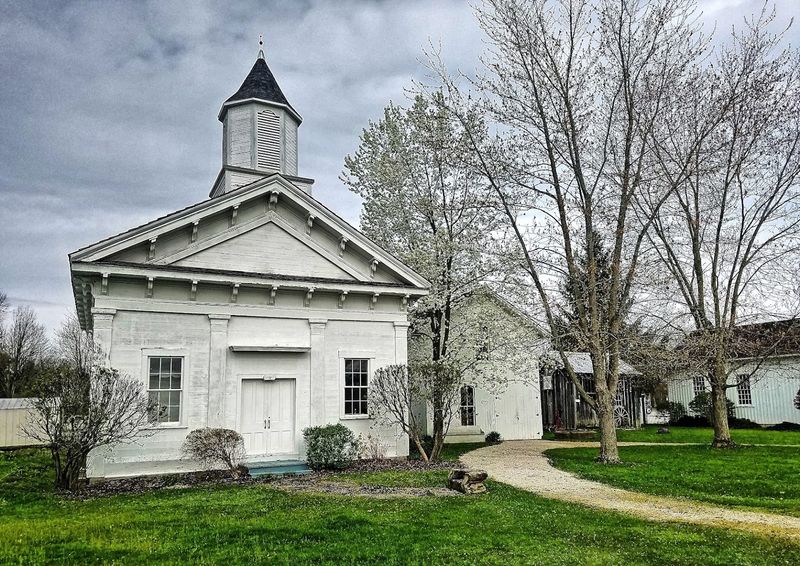
If you enjoy historic sites that give you more than a single building to explore, this stop should be on your list. The depot in Jefferson is part of a broader village setting, which creates a fuller sense of how railroad life intersected with everyday community life in Ohio.
Instead of an isolated station, you get a richer historical environment.
That village context makes the experience feel immersive without becoming overwhelming. You can move from the depot to surrounding structures and exhibits, building a more complete picture of local history, work, travel, and small-town development.
For road trippers, that means better value from one stop and more variety in what you are seeing.
The railroad component still anchors the visit, but it benefits from being surrounded by evidence of the wider world the trains served. You start to notice how depots were not just transportation points.
They were community connectors tied to commerce, communication, and daily routines. That broader interpretation can make the visit especially rewarding for families or travelers who want context, not just train facts.
What I find appealing about Jefferson Depot Village is its sense of balance. It offers enough railroad history to satisfy the theme of a depot road trip, while also showing how those tracks fit into ordinary Ohio life.
In 2026, when many travelers are looking for experiences that feel educational but still relaxed, this is a smart addition to a route through northeastern Ohio. It is the kind of place where you can take photos, learn something meaningful, and enjoy the slower rhythm of a preserved historic setting.
That combination gives the depot lasting appeal beyond the obvious railfan audience.
8. Olmsted Falls Depot and Model Railroad Museum, Olmsted Falls
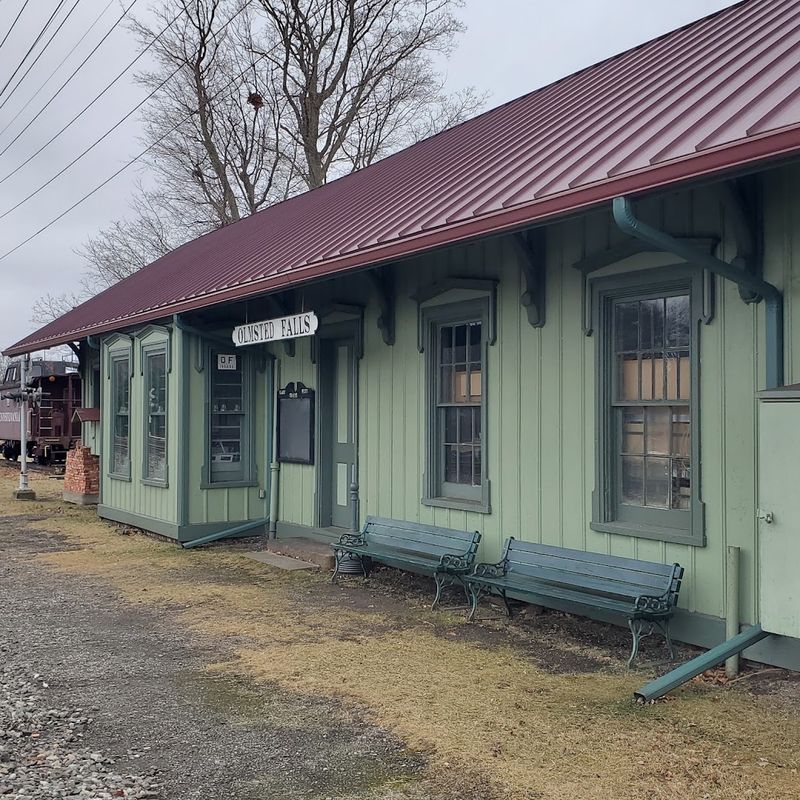
For travelers who like their history served with a little hands-on charm, this depot museum is an easy recommendation. The Olmsted Falls setting already has the appeal of a pleasant historic community, and the museum adds another layer through its focus on both the depot itself and model railroading.
That dual personality makes the stop especially friendly for mixed-age groups.
The historic structure gives you the authentic railroad backdrop, while the model displays can make the broader story easier to visualize. Instead of only reading about routes, equipment, and operations, you often get a miniature world that helps those systems click into place.
That can be a huge plus if you are traveling with children or adults who prefer visual learning.
There is also something delightfully personal about a museum like this. Model railroads often reflect patience, local enthusiasm, and an obvious love of detail, which helps the space feel inviting rather than formal.
Combined with the depot setting, that creates an experience that is nostalgic without becoming overly sentimental.
As a 2026 road trip stop, Olmsted Falls Depot and Model Railroad Museum works because it offers both substance and approachability. You can appreciate the railroad history, enjoy the craftsmanship of the models, and spend time in a community that feels worth exploring beyond the museum itself.
I like stops that create conversation in the car after you leave, and this one has that quality. Some people will remember the depot architecture, others the tiny trains and careful layouts, and others the town’s atmosphere.
Put together, those elements make it one of Ohio’s more unexpectedly delightful historic depot visits.
9. Ada Pennsylvania Station and Railroad Park, Ada
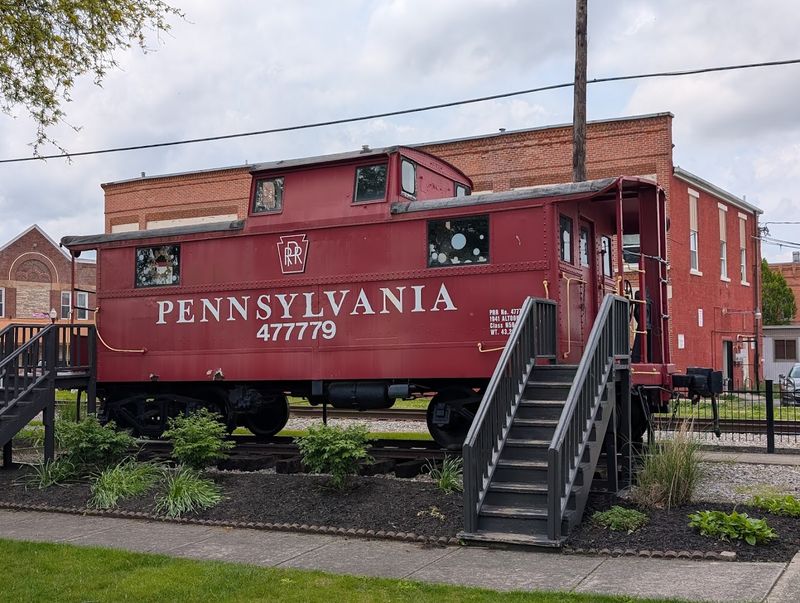
Some railroad stops stand out because they feel proudly local, and this one has exactly that quality. In Ada, the preserved station and railroad park create a visit that is straightforward, approachable, and rooted in the community’s own story.
It may not have the grandeur of a huge city terminal, but that is part of its appeal.
The Pennsylvania Railroad connection gives the site added historical interest, especially if you enjoy tracing how major rail systems shaped small Ohio towns. Here, the story becomes tangible through the station setting and surrounding park features, which help frame the railroad as a long-term presence rather than a distant memory.
You can sense how tracks once influenced routines, business, and identity.
This is also the kind of stop that fits beautifully into a slower road trip day. You can stretch your legs, take a few good photos, and spend enough time to appreciate the site without rearranging your entire schedule.
That flexibility makes it attractive for travelers who want meaningful stops without turning every destination into a major production.
What I like about Ada Pennsylvania Station and Railroad Park is that it captures an important truth about Ohio rail history. Not every valuable site has to be dramatic to matter.
Sometimes the most rewarding places are the ones that preserve a specific local connection with care and clarity. In 2026, when road trippers are increasingly drawn to smaller heritage stops that feel genuine, Ada deserves attention.
It offers a clean, honest look at how a railroad station could shape a town’s life and remain part of its identity long after the height of passenger rail had passed. That quiet authenticity gives this stop lasting road trip value.
10. Nordson Depot, Amherst
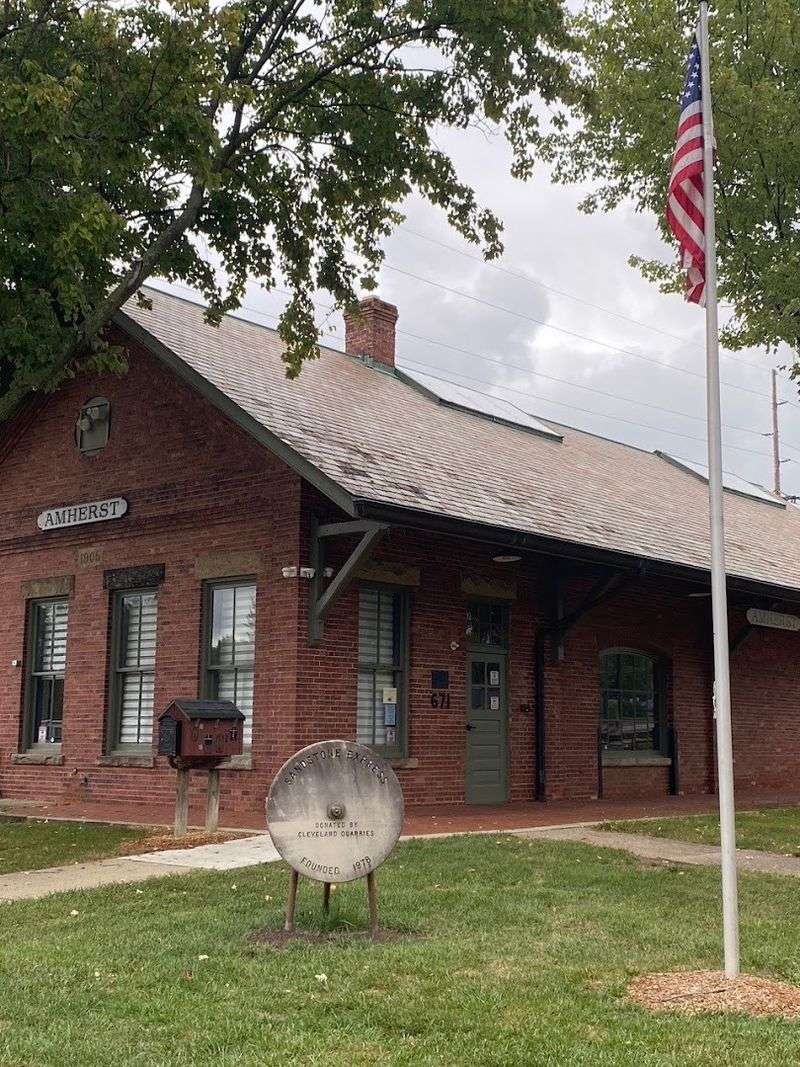
If you appreciate preserved railroad landmarks that reflect local investment and adaptive reuse, this stop in Amherst is worth a look. The historic depot has presence, and its survival says something encouraging about how Ohio communities continue to value transportation heritage.
You can feel that this is not just an old building left standing by accident.
Amherst has long been associated with rail activity, so the depot fits naturally into the town’s broader identity. Visiting helps you understand why railroad history still matters there, not as abstract nostalgia but as part of a community story that residents recognize and maintain.
That sense of continuity often makes a preserved depot more interesting than its size alone would suggest.
From a road trip perspective, Nordson Depot works well because it is easy to appreciate even on a tighter schedule. It gives you visual character, a tangible link to Ohio’s rail past, and a reason to spend a little extra time in Amherst.
If you are someone who enjoys finding places that are meaningful precisely because they are not overhyped, this kind of stop can be very satisfying.
For 2026 travelers, Nordson Depot adds useful variety to a statewide depot itinerary. It represents the middle ground between major museum destinations and tiny obscure markers, offering enough substance to justify the detour while still feeling relaxed and local.
I would recommend it especially to anyone building a northern Ohio route with a mix of larger attractions and smaller historical pauses. The depot may not overwhelm you, but that is not the point.
Its value lies in the way it quietly preserves a piece of Amherst’s railroad identity and lets you experience another chapter of Ohio history up close.
11. Lyons and Area Historical Museum Depot, Lyons
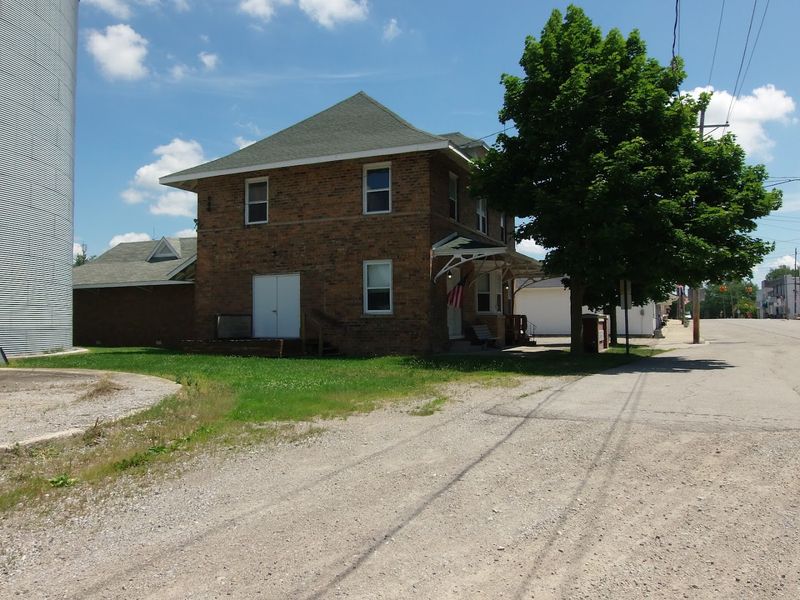
When a road trip calls for a stop that feels small, sincere, and genuinely local, this depot museum fits beautifully. In Lyons, the scale is modest, but that can actually make the visit more personal and memorable.
You are less likely to feel rushed and more likely to notice the details that reveal how railroad history touched everyday life.
Smaller museums like this often do their best work by connecting big transportation themes to local stories. Instead of overwhelming you with broad timelines, they show how a specific Ohio community developed around the depot, what kinds of movement shaped the area, and why preservation still matters now.
That local focus can make the history feel surprisingly immediate.
The building itself helps carry the experience. Even if the site is not elaborate, a preserved depot has a natural storytelling power through its layout, scale, and materials.
You begin picturing waiting passengers, shipments arriving, and the practical routines that once made rail service essential to towns like Lyons.
As a 2026 road trip stop, Lyons and Area Historical Museum Depot offers something many travelers say they want but do not always find. It feels unpretentious, grounded, and tied to a real place rather than packaged only for tourism.
I like destinations that encourage curiosity without demanding a huge time commitment, and this is one of them. If your Ohio route includes rural stretches or back roads, this depot museum can become one of those pleasant surprises that gives the trip texture.
It reminds you that railroad heritage is not only preserved in famous stations. It also survives in quiet towns where people cared enough to save a meaningful piece of their own history.
12. Glendale Heritage Preservation Museum, Glendale
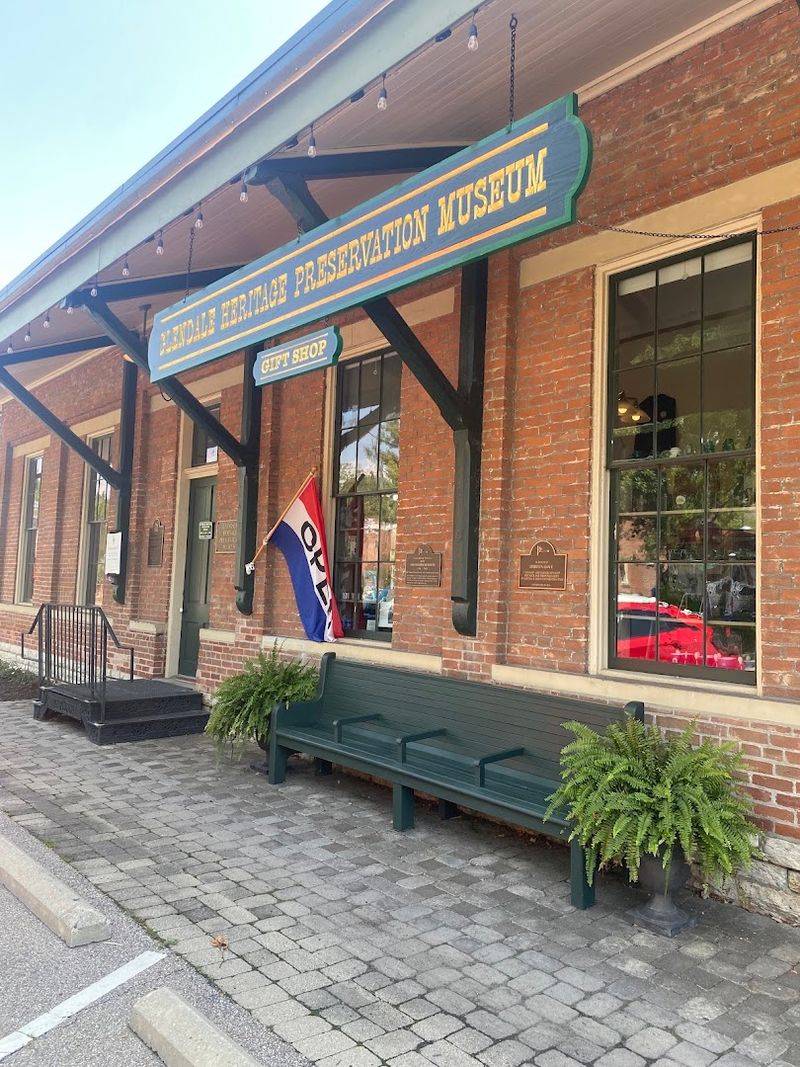
Although this stop is broader than a railroad-only museum, it still belongs on a depot-themed Ohio road trip because of how well it captures place. Glendale is known for historic character, and the preservation effort helps frame the transportation story within a beautifully maintained community setting.
That larger context can make the railroad connections feel more meaningful.
Rather than isolating trains from everything else, the museum experience encourages you to see how movement, development, architecture, and civic identity fit together. In a village like Glendale, that matters, because transportation history shaped not just commerce but the very look and feel of the place.
You are reading the landscape as much as the exhibits.
This is a good stop for travelers who want a break from museum experiences that feel too narrow. The historical atmosphere extends beyond one room or one building, so you can pair your visit with a walk through the surrounding area and enjoy a fuller sense of local heritage.
That makes it especially attractive for couples, photographers, and anyone who likes scenic historic districts.
On a 2026 Ohio road trip, Glendale Heritage Preservation Museum adds sophistication and variety to a list of depot stops. It reminds you that railroad history often works best when seen as part of a larger community story rather than as an isolated technical subject.
I would recommend it to travelers who enjoy connecting architecture, town planning, and transportation into one experience. While it may not satisfy someone looking only for large-scale train displays, it offers something equally valuable: a chance to understand how a preserved Ohio village still carries the imprint of the networks that once connected it to the wider region.
13. Elmore Train Depot Museum, Elmore
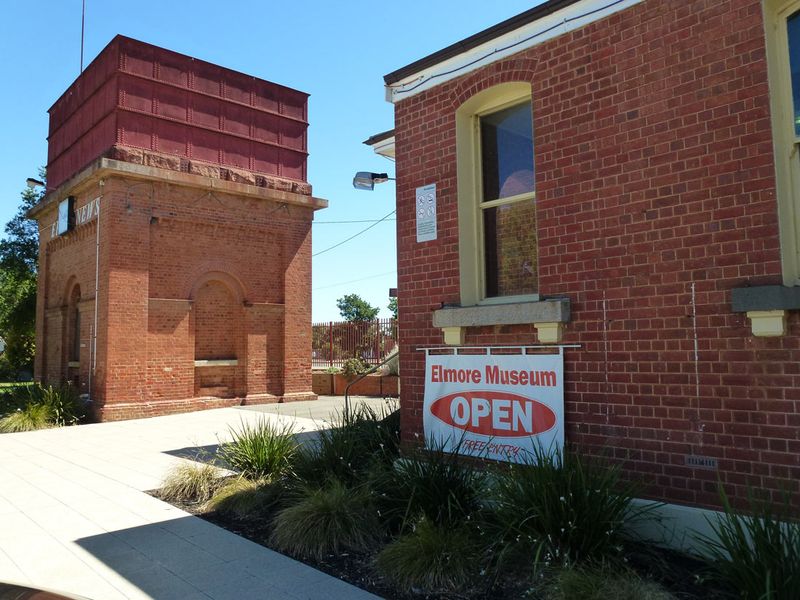
If you are ending an Ohio depot road trip and want a stop that feels classic, friendly, and easy to appreciate, this museum is a strong choice. The preserved depot in Elmore delivers exactly the kind of railroad atmosphere many travelers hope to find on back-road detours.
It has that appealing sense of being both a landmark and a community memory keeper.
What makes the visit work is its simplicity. You can focus on the station itself, the railroad heritage it represents, and the way a small town continues to honor a transportation past that helped shape local life.
That clarity is refreshing, especially after larger attractions that can sometimes bury the core story under too many layers.
The setting is well suited to road trippers who enjoy photogenic stops and manageable museum visits. A depot like this invites you to slow down, read the displays, and imagine the steady flow of arrivals and departures that once gave structure to the town.
Even a short visit can leave you with a stronger sense of how railroads connected everyday Ohio places.
For 2026 travelers, Elmore Train Depot Museum feels like the kind of stop that quietly rounds out a statewide itinerary. It may not be the biggest or flashiest destination on this list, but it reflects the heart of why depot road trips are enjoyable in the first place.
I appreciate places that let history remain understandable, human, and close at hand, and this museum does that well. It offers a satisfying reminder that Ohio’s railroad story lives not only in famous terminals and major junctions, but also in smaller communities that preserved their stations with care.
That makes Elmore a fitting final stop and a genuinely worthwhile one.