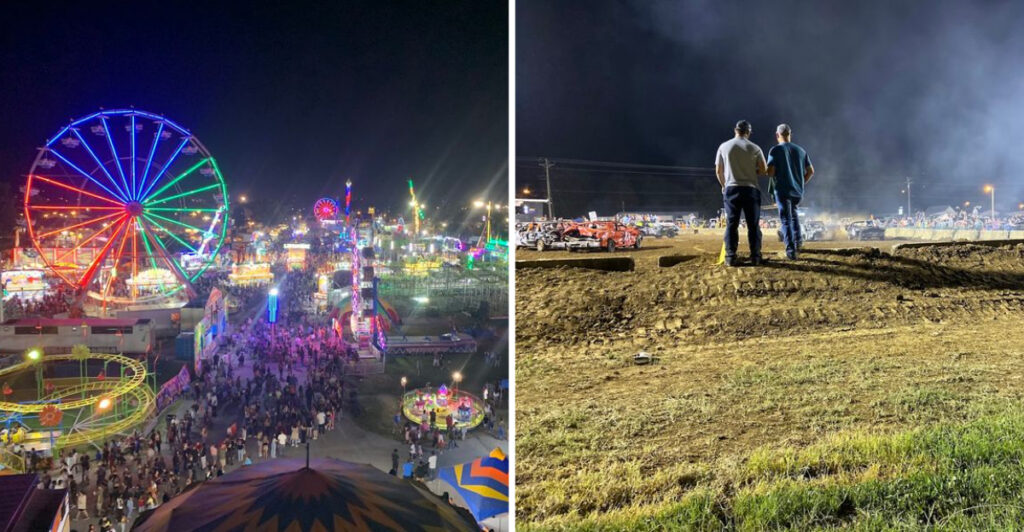
Tennessee transforms into a celebration of rural heritage every summer and fall when country fairs pop up across the state. These aren’t just carnivals with rides and cotton candy—they’re genuine community gatherings where agricultural traditions meet small-town charm. From livestock competitions to homemade pie contests, each fair offers a glimpse into the heart of Tennessee’s countryside and the people who keep these traditions alive year after year.
1. Lebanon (Wilson County Fair – Tennessee State Fair)
Lebanon sits just east of Nashville, but once you arrive during fair season, the big city feels a world away. The Wilson County Fair has been drawing crowds for generations, and it’s earned its reputation as one of the state’s premier agricultural showcases. You’ll find everything from prize-winning cattle to expertly crafted quilts that took months to complete.
What makes Lebanon’s fair scene particularly special is its connection to the broader Tennessee State Fair tradition. The fairgrounds come alive with the sounds of carnival rides mixing with livestock auctions and blue-ribbon competitions. Local farmers bring their finest produce, and the pride in their eyes when displaying giant pumpkins or perfect tomatoes is absolutely genuine.
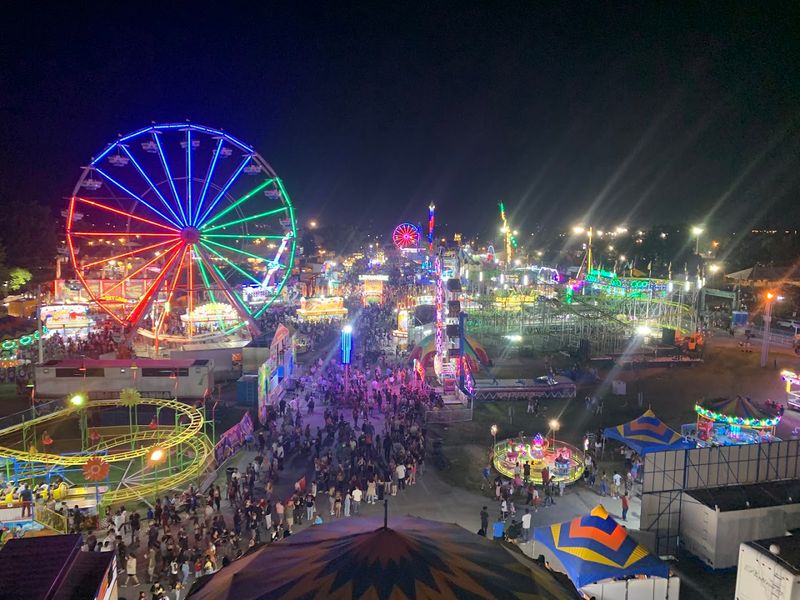
The midway offers classic fair rides that light up the evening sky, while food vendors serve up everything from funnel cakes to smoked turkey legs. But the real draw is watching 4-H kids showing their animals with nervous excitement and careful preparation. These young exhibitors represent the future of Tennessee agriculture, and their dedication shines through in every groomed cow and perfectly presented project.
Lebanon’s downtown adds another layer to the fair experience. Historic buildings and locally owned shops give visitors a reason to explore beyond the fairgrounds. The town embraces its fair heritage wholeheartedly, with businesses getting into the spirit and welcoming the influx of visitors who come to celebrate rural Tennessee life in all its glory.
2. Gallatin (Sumner County Fair)
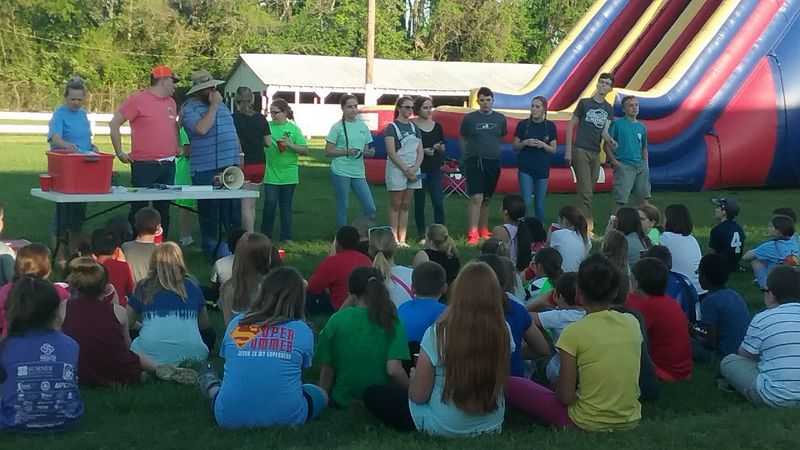
Gallatin’s Sumner County Fair carries a legacy that stretches back over a century, and you can feel that history in every corner of the fairgrounds. Old exhibition buildings with high ceilings and worn wooden floors house displays that connect directly to the region’s agricultural past. Farmers who’ve been coming here since childhood now bring their own grandchildren, creating a multigenerational experience that’s increasingly rare.
The livestock shows draw participants from across Middle Tennessee, with beef cattle competitions being particularly prestigious. Watching a teenager guide a massive Angus bull around the show ring with confidence and skill is genuinely impressive. These aren’t just farm kids playing around—they’re serious competitors who’ve invested countless hours in raising and training their animals.
Beyond agriculture, the fair celebrates Sumner County’s artistic side through extensive craft competitions. Quilts, woodworking, photography, and baked goods all vie for ribbons and bragging rights. Walking through these exhibits reveals the incredible talent hidden in small communities, from intricate needlework to perfectly layered cakes that look too beautiful to cut.
Evening entertainment brings the community together under string lights and stars. Local bands play on the main stage while families spread blankets on the grass. The carnival section offers thrills for adventure seekers, but many visitors prefer simply strolling the grounds, running into neighbors, and soaking up the atmosphere that makes Gallatin’s fair feel like coming home.
3. Cookeville (Putnam County Fair)
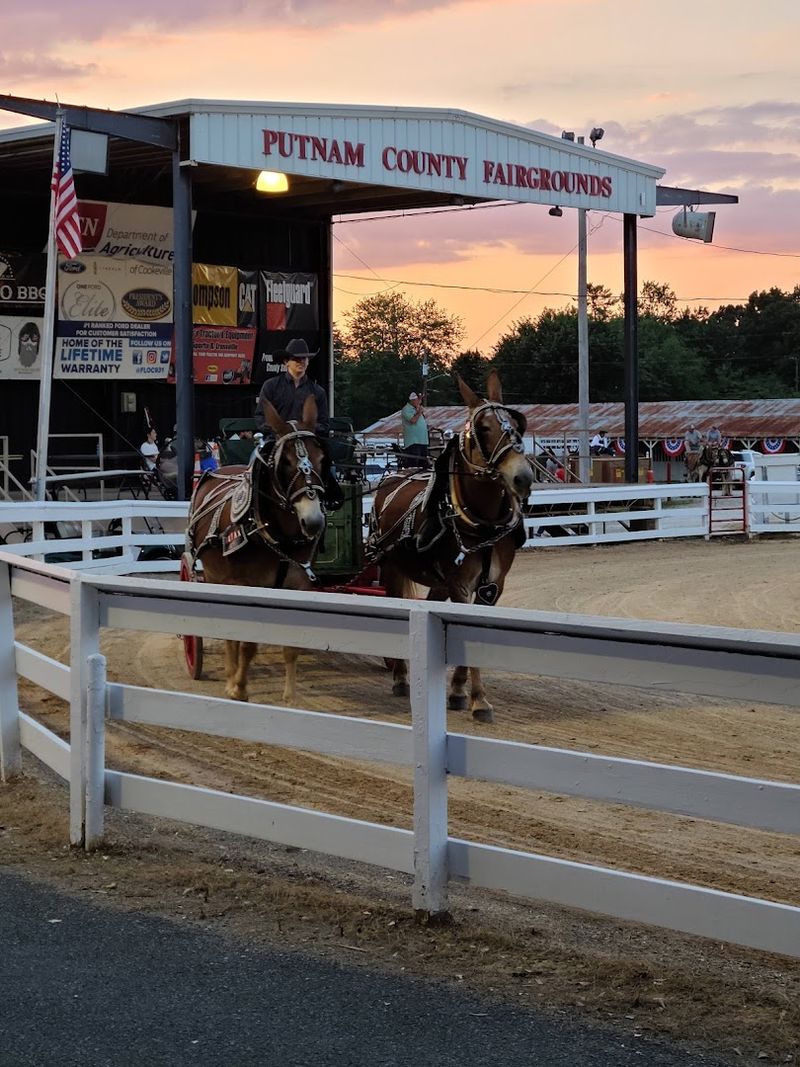
Cookeville serves as the hub of the Upper Cumberland, and the Putnam County Fair reflects the region’s mountain heritage beautifully. Set against rolling hills, the fairgrounds offer a picturesque setting that enhances the entire experience. You’ll notice the livestock here includes more sheep and goats than in Middle Tennessee fairs, reflecting the area’s terrain and farming traditions.
The fair’s agricultural exhibits showcase what grows well in the Upper Cumberland’s climate and soil. Apples, berries, and other fruits that thrive in slightly cooler temperatures make impressive displays. Local honey producers bring their finest jars, and the variety of flavors—from sourwood to wildflower—demonstrates the region’s biodiversity.
Cookeville’s fair has embraced its role as a regional gathering point. Families drive in from surrounding counties, making it a reunion of sorts for people who might not see each other regularly. The atmosphere feels welcoming and inclusive, with fairgoers genuinely interested in connecting with others rather than just rushing from ride to ride.
One standout feature is the emphasis on youth agricultural education. FFA chapters from multiple schools participate enthusiastically, and their projects demonstrate impressive knowledge and dedication. Watching these students explain their agricultural experiments or discuss their livestock breeding programs reveals a depth of understanding that would surprise most city dwellers.
The fair serves as their showcase, and they rise to the occasion with presentations that would impress any audience.
4. Sparta (White County Fair)
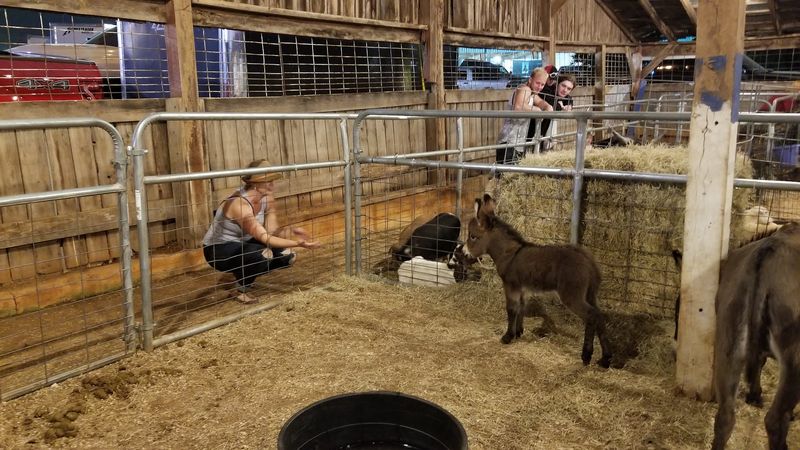
Sparta embodies small-town Tennessee, and the White County Fair perfectly captures that intimate, everybody-knows-everybody feeling. The fairgrounds aren’t massive or flashy, but that’s exactly the point. This fair stays true to its agricultural roots without trying to become something it’s not.
You won’t find elaborate corporate sponsorships or over-the-top entertainment—just honest celebration of rural life.
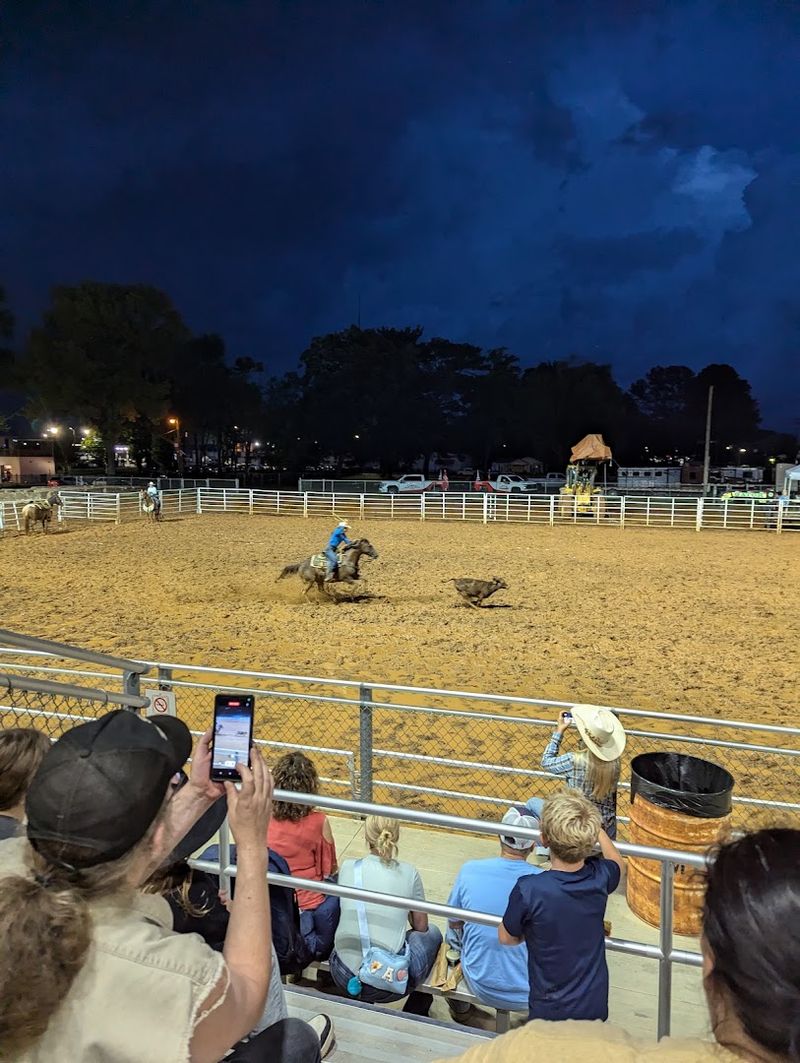
The horse shows draw particularly strong participation here. White County has a thriving equestrian community, and the fair gives riders of all ages a chance to demonstrate their skills. From western pleasure to barrel racing, the variety of events keeps spectators engaged for hours.
Young riders take their turns alongside experienced competitors, and the supportive atmosphere encourages everyone to do their best.
Agricultural displays focus heavily on what local families actually grow and raise. The emphasis on practicality over spectacle means you’re seeing real working farms represented, not just showpieces bred specifically for competition. Conversations with exhibitors reveal genuine passion for their work and willingness to share knowledge with anyone interested in learning.
The fair’s modest size actually works in its favor. You can see everything in an evening without feeling rushed or overwhelmed. Kids can run around with relative freedom while parents chat with friends they haven’t seen since last year’s fair.
Food comes from local organizations rather than national vendors, giving meals a homemade quality that tastes noticeably better than typical carnival fare.
5. Lawrenceburg (Middle Tennessee District Fair)
Lawrenceburg hosts something special—a district fair that draws participants from multiple counties across southern Middle Tennessee. This regional scope elevates the competition level considerably, with the best exhibitors from each county bringing their top entries. The result is a fair that feels bigger and more diverse than typical county celebrations while maintaining authentic agricultural focus.
Livestock competitions here are particularly intense. When you’re competing against the best from several counties, every detail matters. The grooming, training, and presentation reach impressive levels, and judges scrutinize entries with exacting standards.
Walking through the barns reveals the incredible effort behind each animal on display, from meticulously braided manes to animals trained to stand perfectly still during evaluation.
The midway stretches longer than most county fairs, with carnival rides and games creating a substantial entertainment district. Yet the agricultural exhibits remain the heart of the event, positioned prominently and given the respect they deserve. This balance between traditional fair elements and modern entertainment creates an experience that appeals to multiple generations simultaneously.
Lawrenceburg’s location in the Tennessee Valley gives the fair a distinctive character. The surrounding landscape of rolling farmland and distant ridges provides a beautiful backdrop, especially during evening hours when the setting sun paints the sky in shades of orange and pink. Local vendors sell everything from handcrafted furniture to homemade preserves, giving visitors chances to take home genuine pieces of southern Middle Tennessee craftsmanship.
6. Athens (McMinn County Fair)
Athens sits in the Tennessee Valley between Chattanooga and Knoxville, and the McMinn County Fair reflects the best of East Tennessee agriculture. The region’s rich soil and favorable climate produce exceptional crops, and the fair’s agricultural exhibits showcase this abundance beautifully. Tomatoes, corn, and beans reach sizes that seem almost exaggerated, though they’re entirely real and grown right here in McMinn County.
The fair has maintained strong community involvement over decades. Local businesses sponsor events and exhibitions, creating a sense of shared ownership that goes beyond mere attendance. When you talk to vendors and exhibitors, you hear pride in what the fair represents—a celebration of McMinn County’s identity and values that happens once each year.
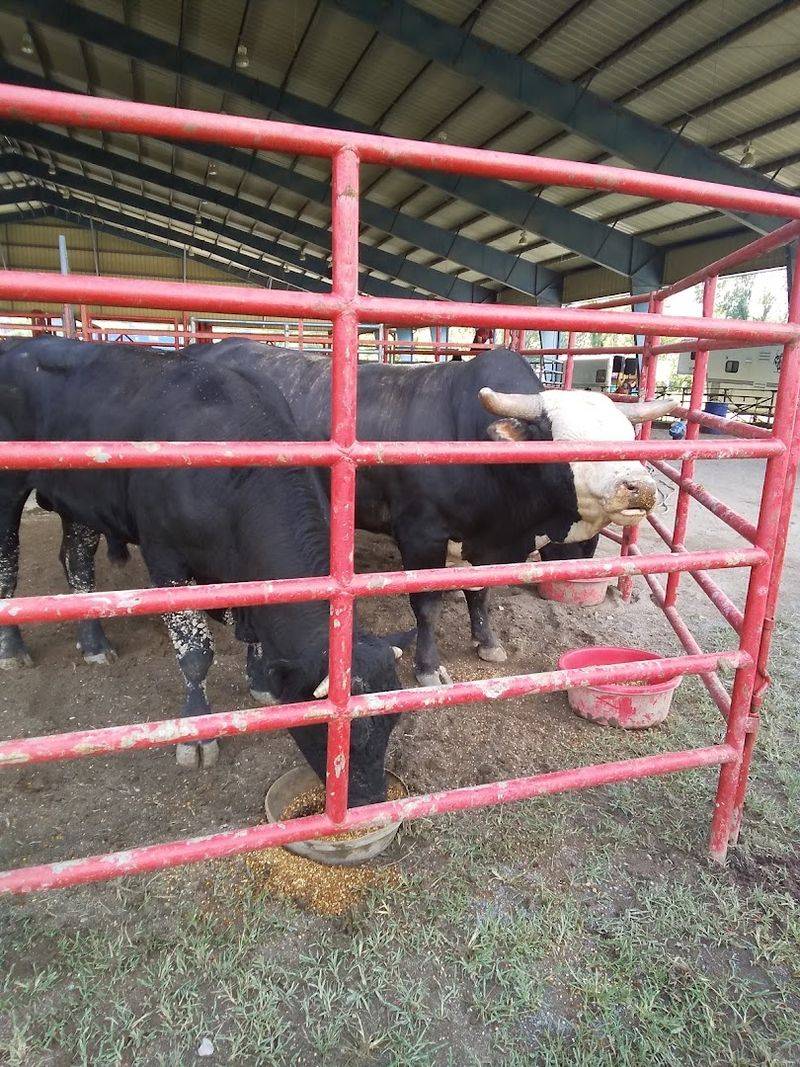
Cattle shows draw serious competitors, with Angus and Hereford breeds particularly well-represented. The quality of livestock on display demonstrates the sophistication of local farming operations. These aren’t hobby farms or weekend projects—they’re working agricultural enterprises where families derive their livelihoods from the land and animals they tend.
Evening entertainment includes live music that leans heavily toward country and bluegrass, genres that resonate deeply in East Tennessee. The sounds drift across the fairgrounds as families settle in for concerts under open skies. Food vendors serve regional specialties that you won’t find everywhere, including Tennessee-style barbecue and locally made ice cream that disappears quickly on hot summer nights.
Athens knows how to throw a fair that honors tradition while keeping things fresh.
7. Greeneville (Greene County Fair)

Greeneville carries significant Tennessee history as the hometown of President Andrew Johnson, and the Greene County Fair has its own lengthy heritage. The fairgrounds sit in a valley surrounded by Appalachian foothills, creating a setting that’s quintessentially East Tennessee. When you attend this fair, you’re experiencing traditions that have endured through generations of mountain families.
Tobacco once dominated Greene County agriculture, and while farming has diversified, the fair still includes tobacco competitions that showcase expert curing and handling techniques. Watching judges evaluate tobacco leaves might seem arcane to outsiders, but for local farmers, these competitions represent serious business and valuable recognition of their skills.
The fair’s craft sections reflect Appalachian heritage through quilting, woodworking, and food preservation displays. Jars of canned vegetables and fruits line shelves in rainbow arrangements, each one representing hours of work during harvest season. The quilts often feature traditional patterns passed down through families, with stitching so precise it’s hard to believe they’re handmade.
Kids flock to the carnival rides, but many also participate enthusiastically in agricultural competitions through 4-H and FFA programs. Seeing young people engaged with farming and rural traditions offers hope that these practices won’t disappear despite societal changes. Their enthusiasm and knowledge prove that country fairs serve an educational purpose beyond entertainment, connecting younger generations to the land and skills that built Tennessee communities from the ground up.
8. Newport (Cocke County A&I Fair)
Newport sits at the edge of the Great Smoky Mountains, and the Cocke County A&I Fair brings together agricultural and industrial elements in a unique combination. The “A&I” designation reflects the county’s mixed economy, where farming coexists with manufacturing and tourism. This blend creates a fair atmosphere that’s broader than purely agricultural celebrations, though farming remains central to the experience.
Mountain agriculture differs from farming in Tennessee’s flatter regions, and the fair’s exhibits reflect these distinctions. Crops suited to hillside growing and cooler temperatures predominate, while livestock tends toward smaller breeds that navigate steep terrain more easily. Local honey producers showcase varieties influenced by mountain wildflowers, creating flavors you won’t find in other parts of the state.
The fair’s industrial component includes exhibits from local manufacturers and craftspeople who demonstrate traditional Appalachian skills. Blacksmithing, woodturning, and other trades that once sustained mountain communities get displayed alongside modern manufacturing techniques. This juxtaposition of old and new illustrates how Cocke County has evolved while maintaining connections to its heritage.
Entertainment options range from bluegrass concerts to demolition derbies, covering the spectrum of rural Tennessee preferences. The carnival section offers standard rides and games, but the real attraction is the overall atmosphere—friendly, welcoming, and genuinely proud of what Cocke County represents. Visitors from nearby Gatlinburg and Pigeon Forge sometimes wander over seeking authentic mountain culture, and the fair delivers exactly that without pretense or commercialization.
9. Hohenwald (South Central Area Fair)
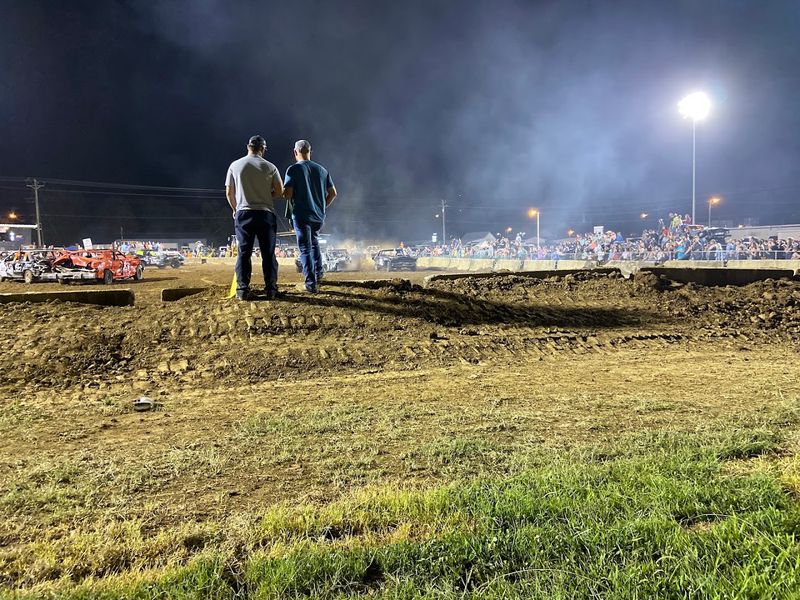
Hohenwald becomes a lively gathering place each year during the South Central Area Fair, one of Middle Tennessee’s favorite celebrations of agriculture, family traditions, and small-town community spirit. The fair brings together visitors of all ages with a full schedule of attractions, including exciting carnival rides, live music performances, livestock exhibitions, agricultural displays, pageants, arts and crafts, and friendly competitions that highlight local talent. Food vendors line the fairgrounds with everything from smoked barbecue and fresh lemonade to funnel cakes, corn dogs, roasted corn, and other classic fair treats, giving guests plenty of delicious options throughout the day.
Beyond the rides and entertainment, the South Central Area Fair offers a chance to experience the welcoming atmosphere that makes Hohenwald such a charming destination. Families can explore exhibits showcasing local farming traditions, browse handmade goods from regional artisans, and enjoy community events that have been passed down through generations. Whether you’re watching the livestock competitions, listening to live country music, or simply strolling the midway with something sweet in hand, the fair captures the warmth and hospitality that define small-town Tennessee.
For anyone looking to experience an authentic country fair filled with tradition, fun, and local flavor, Hohenwald is a destination that’s well worth the trip.