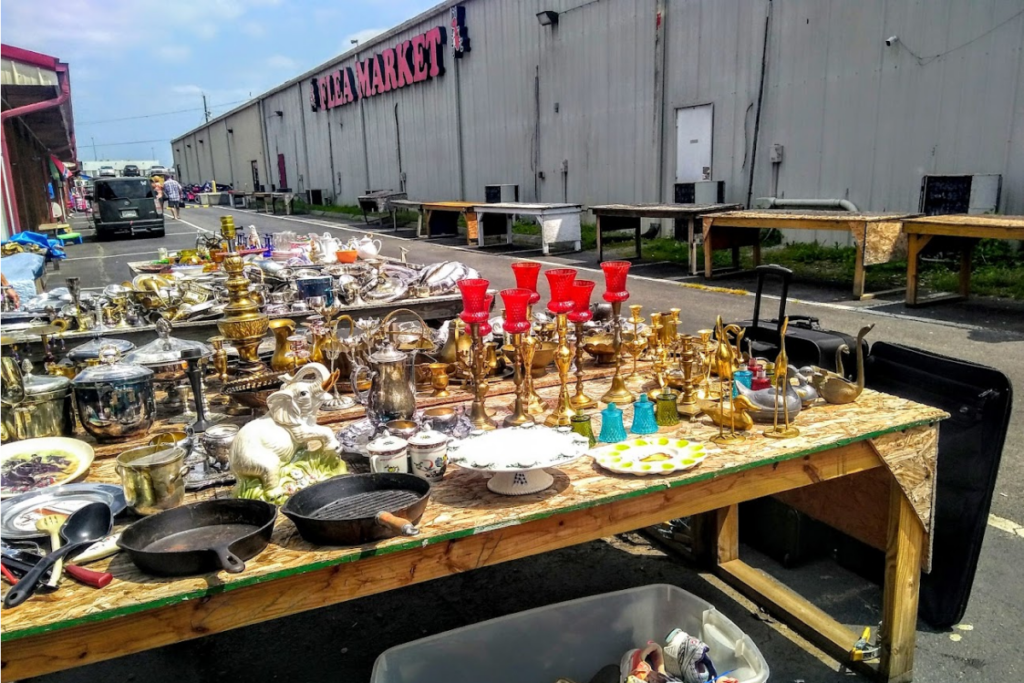
Walking through a Tennessee flea market with just thirty-five dollars might sound like window shopping, but these sprawling outdoor bazaars prove that small budgets can score big finds. From vintage furniture that just needs a little love to collectibles worth ten times what you paid, swap meets across the state offer treasure-hunting opportunities that feel more like adventures than errands.
Whether you’re furnishing an apartment, searching for that one missing piece to complete a collection, or simply enjoy the thrill of discovering something unexpected, these markets deliver more value per dollar than most retail stores ever could.
Pack some cash, wear comfortable shoes, and get ready to haggle your way to some seriously satisfying deals.
1. Nashville Flea Market — Nashville
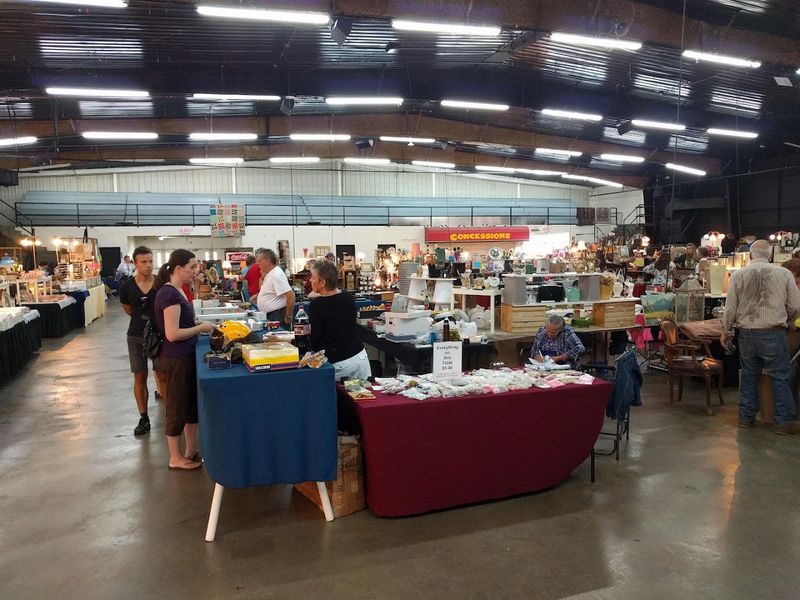
Held monthly at The Fairgrounds Nashville, this market transforms ordinary weekends into full-blown treasure expeditions. Hundreds of vendors set up shop selling everything from mid-century modern chairs that cost a fraction of what you’d pay at vintage boutiques to quirky kitchen gadgets your grandmother probably owned.
The sheer variety means you can furnish an entire room, update your wardrobe, and still have money left for lunch from one of the food trucks parked nearby.
What makes this market especially budget-friendly is the willingness of vendors to negotiate as closing time approaches. That lamp marked at forty dollars? Offer twenty-five as vendors start packing up, and you might walk away with a deal that makes you feel like a bargaining genius. Clothing racks overflow with denim jackets, band tees, and dresses that look straight out of fashion magazines from decades past.
Collectors find this market particularly rewarding because the rotating vendor lineup means new inventory appears every month. One visit might yield vintage postcards and old vinyl records, while the next could uncover Depression-glass dishes or retro advertising signs.
The indoor sections provide relief during unpredictable Tennessee weather, though the outdoor areas often hide the best deals.
Arriving early gives you first pick of freshly unloaded merchandise, but late afternoon shopping comes with its own advantages when sellers would rather make a sale than haul items back home. Household goods like mixing bowls, picture frames, and storage containers cost pennies compared to department store prices.
Thirty-five dollars stretches surprisingly far when you’re willing to hunt through tables piled high with secondhand surprises that just need someone to appreciate them again.
2. Crossville Flea Market — Crossville
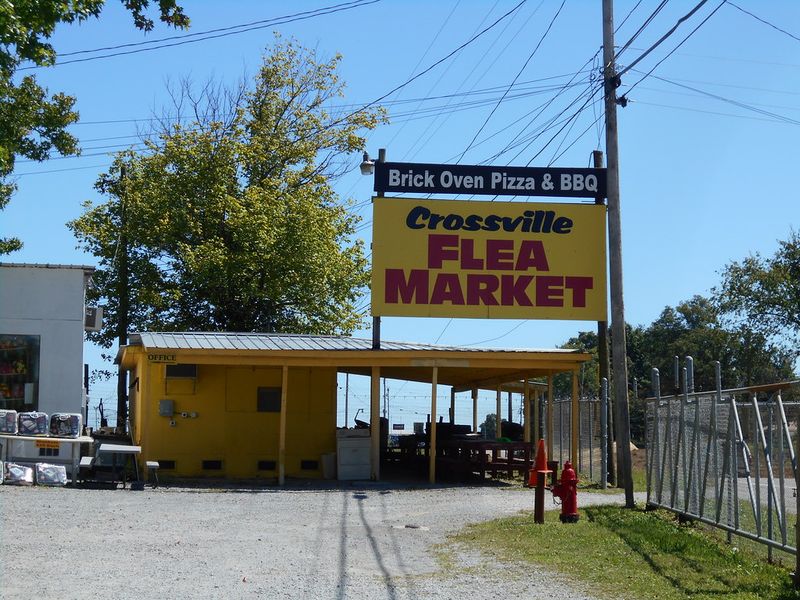
Since 1977, this sixty-acre marketplace has been proving that bigger really can mean better when it comes to bargain hunting. The sheer size means you could spend an entire Saturday wandering between vendor spaces and still discover new sections selling things you didn’t know you needed.
Tools that would cost triple at hardware stores sit alongside fresh produce, handmade crafts, and collectibles that range from genuinely valuable to delightfully weird.
Bargain hunters appreciate how this market mixes practical merchandise with purely fun finds. You might come looking for a replacement hammer and leave with that plus a vintage lunch box, homemade jam, and a set of mismatched teacups perfect for your kitchen.
The variety keeps shopping interesting rather than overwhelming, and vendors who’ve been setting up here for years know their regular customers by name.
Home goods sections overflow with everything needed to stock a kitchen, decorate a living room, or organize a garage without breaking the bank. Thirty-five dollars can easily cover a mixing bowl set, a few serving platters, and decorative items that add character to bare walls.
The outdoor layout means plenty of fresh air and space to spread out, though comfortable shoes become essential after the first hour of walking.
What sets Crossville apart from smaller markets is the unexpected merchandise that appears each week. One vendor might specialize in old farm equipment while their neighbor sells nothing but costume jewelry and vintage purses.
This unpredictability makes every visit feel like a new adventure rather than a routine shopping trip, and the low prices mean experimenting with unusual purchases won’t wreck your budget if they don’t work out exactly as planned.
3. Great Smokies Flea Market — Kodak
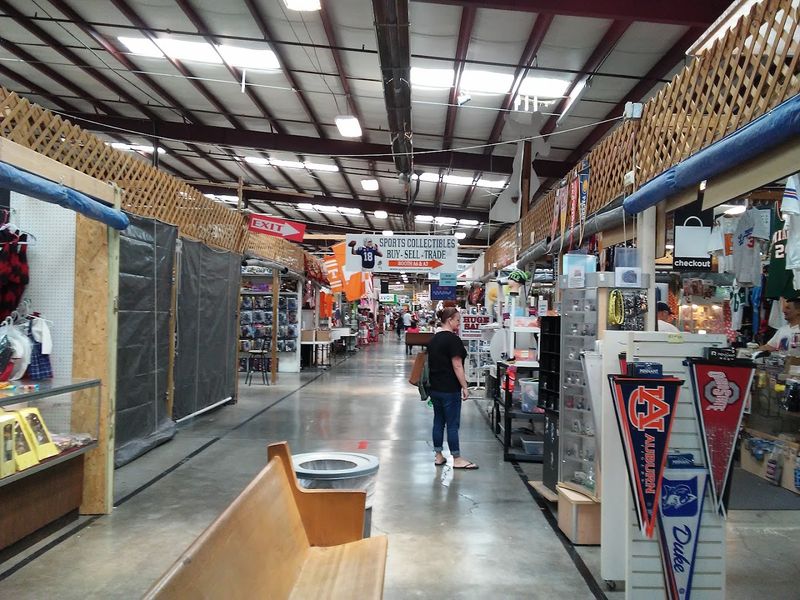
Positioned as one of East Tennessee’s premier bargain destinations, this market combines the best of indoor comfort with outdoor browsing opportunities. The mix of covered and open-air vendor spaces means weather won’t completely derail your treasure-hunting plans, and the sheer number of sellers ensures that even picky shoppers find something worth buying.
Antiques share space with everyday household items, creating an eclectic shopping environment that feels more like exploring than errand-running.
Clothing sections offer everything from barely-worn name brands to vintage pieces that fashion bloggers would pay premium prices to own. Thirty-five dollars can easily outfit you with several complete outfits if you’re willing to dig through racks and try things on.
Kids’ toys fill entire booths with action figures, dolls, board games, and outdoor play equipment that cost a fraction of retail prices, making this an excellent stop for parents stretching holiday or birthday budgets.
Food vendors provide fuel for marathon shopping sessions, and the décor sections showcase items ranging from rustic farmhouse chic to retro kitsch that adds personality to any space. What really makes this market special is how vendors curate their booths with genuine care rather than just dumping merchandise on tables.
Organized displays make browsing easier and help shoppers spot quality items without having to sort through complete chaos.
Regular visitors develop strategies for covering the most ground efficiently, but first-timers should simply wander and see what catches their eye. The indoor sections work perfectly for focused searching when you need something specific, while outdoor areas encourage leisurely browsing that often leads to unexpected discoveries.
Prices stay consistently reasonable, and most vendors happily negotiate on larger purchases or multiple items from their booth.
4. Tri-Cities Flea Market — Bluff City
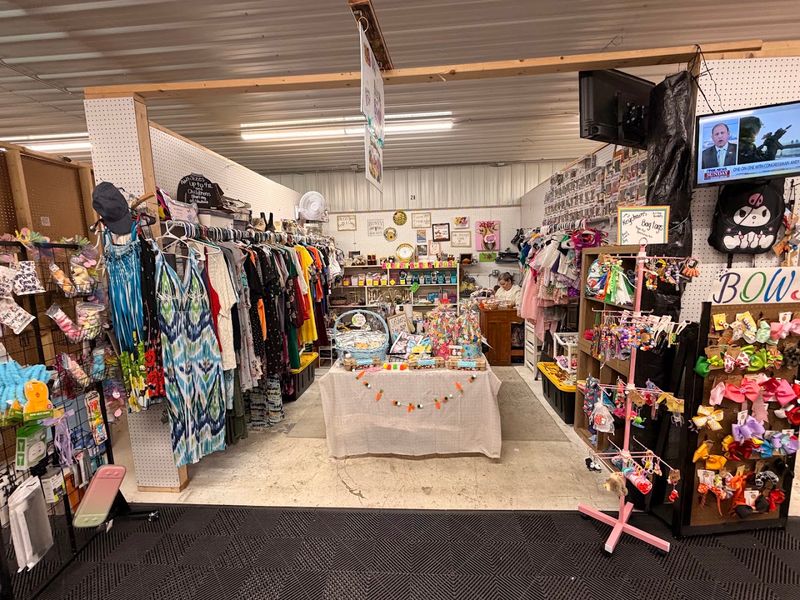
Sprawling across more than thirty acres with space for over a thousand vendors, this weekend market operates on a scale that turns casual shopping into a full-day event. The sheer size means serious variety, from artisans selling handmade soaps and jewelry to dealers specializing in vintage tools and farm collectibles.
Walking the entire market requires stamina, but the payoff comes in discovering booths selling exactly what you didn’t know you were looking for at prices that seem almost too good to be true.
Handmade goods get prominent placement here, with local craftspeople offering items you won’t find in chain stores. Wooden cutting boards, hand-poured candles, knitted blankets, and custom artwork provide unique gift options that cost less than generic department store purchases.
The antiques sections attract serious collectors, but casual browsers find plenty of affordable vintage pieces that add character to modern homes without requiring authentication certificates or insurance riders.
What makes thirty-five dollars go far at this market is the mix of price points across different vendor types. Some booths cater to serious antique collectors with higher-end merchandise, while others focus on volume sales of inexpensive household goods and secondhand items.
Smart shoppers hit the budget-friendly sections first to maximize their purchasing power, then browse the pricier areas for ideas and inspiration.
Weekend timing means families can make flea market trips into full outings, and the outdoor setting provides entertainment beyond just shopping. Kids enjoy the festival-like atmosphere while parents hunt for deals on everything from kitchen gadgets to garden decorations.
Vendors who travel the regional flea market circuit often save their best inventory for this location because of the high customer traffic, so the selection tends to be fresher and more interesting than smaller weekly markets offer.
5. Jonesborough Flea Market — Telford
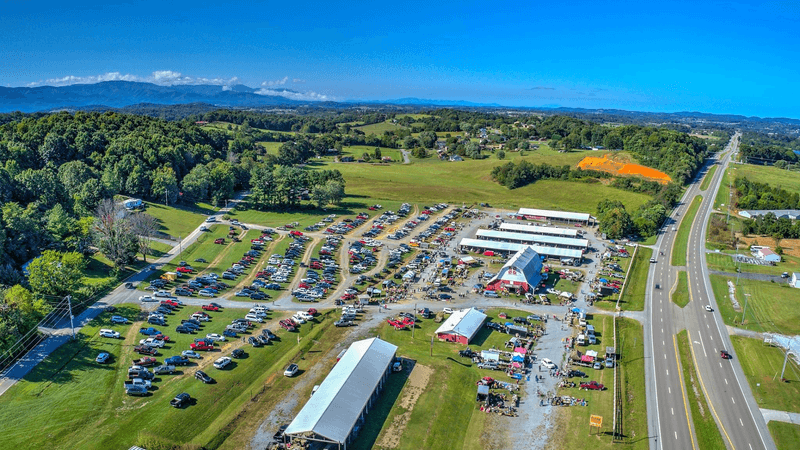
Rain or shine, every Sunday brings vendors and bargain hunters together at this sprawling market that refuses to let weather dictate business hours. The commitment to weekly operation means regular inventory turnover, so repeat visitors constantly discover new merchandise rather than seeing the same items week after week.
Antiques and clothing form the backbone of many booths, but the real character comes from unexpected additions like farm equipment, fresh produce, and tools that serious DIYers appreciate finding at flea market prices.
Clothing racks overflow with options for every season and style preference, from workwear that can handle actual labor to vintage dresses perfect for special occasions. Thirty-five dollars can easily cover several quality pieces if you’re willing to inspect seams and check for stains rather than grabbing items blindly.
The mix of vendors means some specialize in specific niches while others operate as general secondhand dealers, creating variety that keeps browsing interesting.
Farm-related goods attract rural shoppers looking for practical items, but even city dwellers find uses for sturdy baskets, vintage crates, and decorative pieces with agricultural origins. The crafts sections showcase local talent, with handmade items that cost less than mass-produced alternatives while offering better quality and unique designs.
Sunday scheduling makes this market perfect for weekend warriors who work traditional weekday schedules, and the reliable operation means you can plan visits without checking whether the market is actually happening. Vendors who commit to weekly setup tend to be serious about their businesses, which translates to better customer service and more willingness to negotiate on prices.
The secondhand treasures range from genuinely valuable antiques to purely decorative junk, but sorting through everything becomes part of the fun when prices stay low enough that mistakes don’t hurt.
6. Flea Traders Paradise — Sevierville
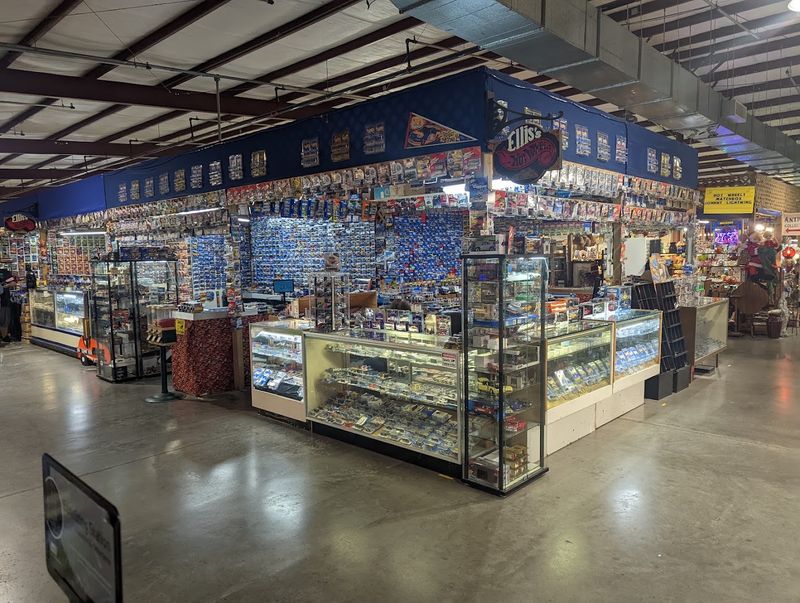
Indoor booths create a controlled shopping environment that works perfectly when Tennessee weather turns unpredictable or summer heat becomes oppressive. The covered layout means you can browse comfortably regardless of what’s happening outside, and the organized rows of vendors make navigation easier than sprawling outdoor markets where you might lose track of interesting booths.
Collectibles fill many spaces, offering everything from vintage advertising tins to old comic books that serious collectors and casual browsers both appreciate.
Household items dominate several sections, with kitchen gadgets, storage containers, and decorative pieces priced to move quickly. Thirty-five dollars stretches impressively when you’re shopping for practical items rather than rare antiques, and most vendors price merchandise to encourage multiple-item purchases.
Toys attract families with kids, offering action figures, dolls, and games that provide entertainment without the premium prices that big-box retailers charge.
Vintage pieces range from genuinely old items with historical value to retro reproductions that capture nostalgic aesthetics without requiring careful preservation. The indoor setting means delicate items stay protected from weather damage, so you’ll find glassware, ceramics, and paper goods in better condition than outdoor markets typically offer.
Smoky Mountain souvenirs provide tourist-oriented merchandise, but locals appreciate these sections too when looking for gifts that capture regional character.
What makes this market particularly shopper-friendly is the consistent vendor presence and organized layout that lets you develop efficient browsing strategies. First-time visitors can cover the entire market in a few hours, while experienced shoppers know which booths refresh inventory most frequently.
The indoor atmosphere encourages longer browsing sessions without the fatigue that comes from walking acres of outdoor vendors in direct sunlight, and climate control means you can shop comfortably year-round rather than limiting visits to mild-weather months.
7. Miss Lucille’s Marketplace — Clarksville
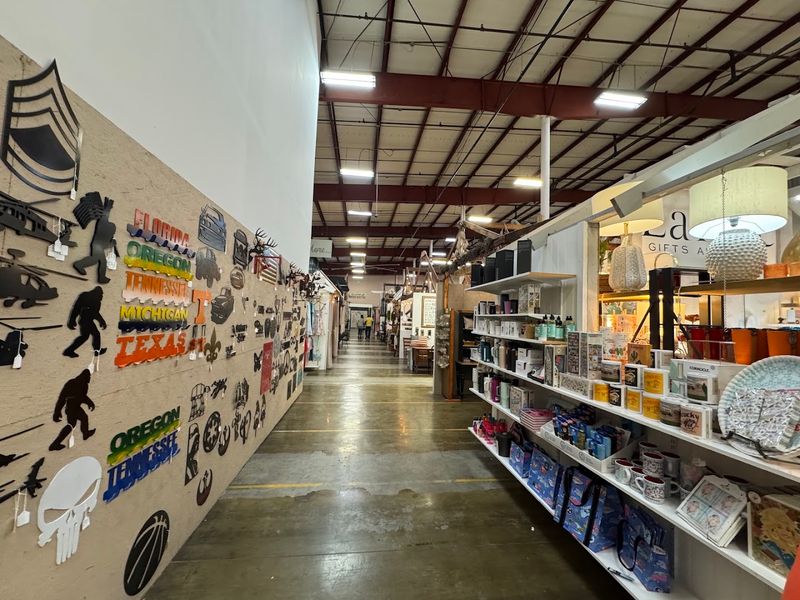
Fifty-four thousand square feet of climate-controlled shopping space houses over two hundred vendors in a setting that feels more curated than your typical outdoor swap meet. The polished presentation doesn’t mean inflated prices, though—bargains still abound for shoppers who take time to explore thoroughly.
Vintage décor specialists offer furniture pieces, wall art, and decorative items that interior designers would charge consultation fees just to recommend, but here you can browse freely and make purchasing decisions based purely on personal taste and budget.
Handmade goods from local artisans provide gift options and home accessories that mass retailers can’t match for uniqueness or quality. Thirty-five dollars might not furnish an entire room, but it can definitely score accent pieces that transform bland spaces into personalized environments.
Furniture sections showcase everything from complete dining sets to individual chairs and tables that just need minor repairs or fresh paint to become statement pieces.
Small affordable finds fill the gaps between larger merchandise, with jewelry, kitchen accessories, and seasonal decorations priced for impulse purchases. The indoor marketplace format means you can shop comfortably during extreme weather, and the organized layout helps prevent the overwhelming feeling that sometimes comes with massive outdoor flea markets.
Vendors tend toward specialization rather than general secondhand dealing, so booth quality stays consistently high.
What separates this marketplace from traditional flea markets is the shopping experience itself—clean aisles, good lighting, and thoughtful displays make browsing feel more like visiting an antique mall than digging through garage sale leftovers. The polished atmosphere attracts vendors who take pride in their merchandise and presentation, which translates to better customer service and more accurate pricing.
Regular shoppers develop relationships with favorite vendors who alert them when specific items arrive, creating a personalized shopping experience that big-box stores can’t replicate regardless of their marketing budgets.
8. Dog Days Flea Market — Ardmore
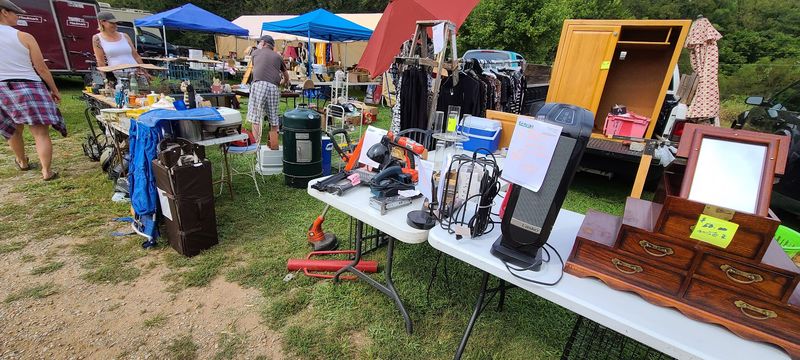
This old-school country market embraces its rural roots without apology, creating an authentic flea market experience that feels increasingly rare as markets modernize and gentrify. Tools fill multiple vendor spaces, offering everything from hand saws and hammers to specialized equipment that farmers and DIY enthusiasts actively use rather than display as vintage décor.
The practical focus means prices stay grounded in utility value rather than inflated by trendy vintage aesthetics, so your thirty-five dollars buys functional merchandise that actually works.
Farm-related goods attract shoppers from agricultural communities, but even suburban visitors find uses for sturdy buckets, rope, and storage containers that cost pennies compared to hardware store prices. Locally made items showcase regional craftsmanship, from homemade preserves to hand-carved wooden items that reflect genuine skill rather than mass-production efficiency.
Secondhand merchandise ranges across every category imaginable, creating the kind of chaotic abundance that makes flea market shopping feel like genuine treasure hunting.
Low-cost deals define the market’s appeal, with vendors pricing items to sell quickly rather than holding out for maximum profit. This volume-over-margin approach means bargain hunters consistently find merchandise priced below market value, especially on practical items without collectible cachet.
The country market atmosphere encourages friendly haggling and conversation, so shopping becomes a social experience rather than anonymous retail transactions.
What makes this market special is its resistance to the polished marketplace trend that’s transforming flea markets into curated vintage malls. The rough-around-the-edges authenticity attracts shoppers who remember when flea markets meant actual bargains rather than repurposed antique stores.
Vendors know their merchandise and their customers, creating an environment where expertise gets shared freely and deals get made based on relationships rather than posted prices. Thirty-five dollars goes further here than at fancier markets because the focus stays on moving merchandise rather than creating Instagram-worthy shopping experiences.