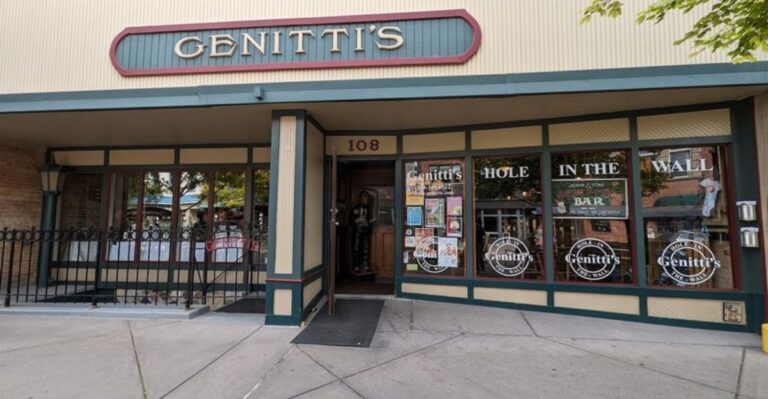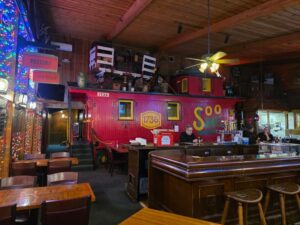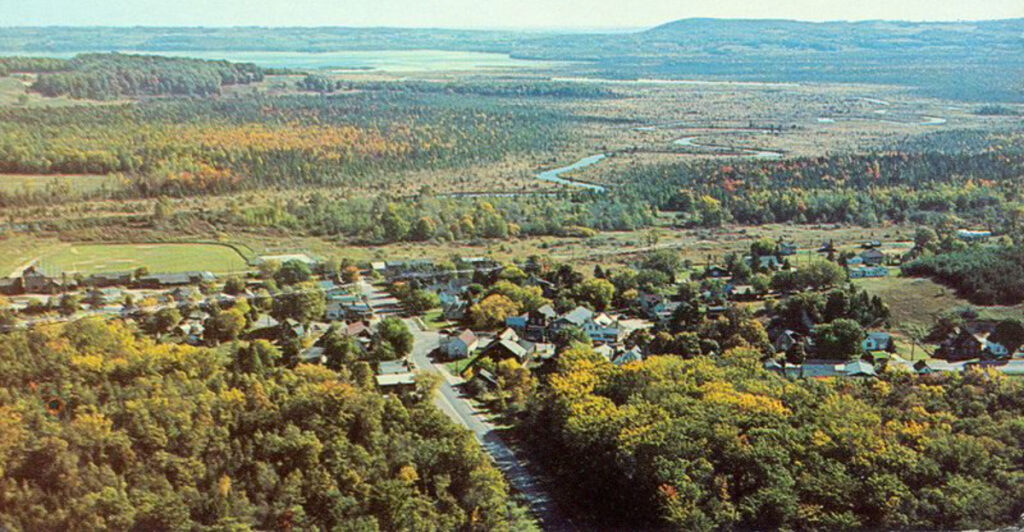
A small town can change the mood of a drive faster than expected. In Cedar, Michigan, that shift comes with scenic northern roads, compact charm, deep local roots, and just enough offbeat personality to make a quick stop feel like the right decision.
Its size is part of the appeal, but the real draw is how much texture fits into such a small place. One turn can lead to local flavor, quiet streets, and the kind of easy character that makes a detour feel more memorable than the main route.
For anyone looking to freshen up a northern Michigan road trip, Cedar makes a surprisingly rewarding chapter.
A Tiny Downtown With Real Presence
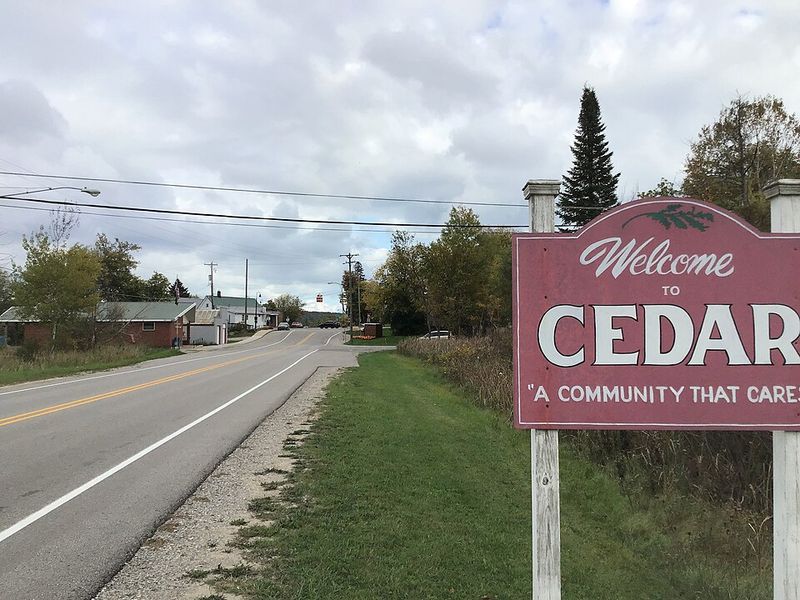
Cedar does not announce itself with oversized attractions or dramatic entry points. Instead, the town appears with the quiet confidence of a place that knows exactly what it is: a compact crossroads community surrounded by open land, wooded stretches, and the broader beauty of Leelanau County.
That understatement is part of the fun, because the visual shift from highway motion to small-town stillness happens fast.
Once you slow down, details start doing the heavy lifting. Low buildings, simple facades, practical signage, and a main intersection create a scene that is modest at first glance but much more distinctive when you actually look at it.
Cedar is not polished into sameness, and that gives the town a welcome edge against the usual blur of convenience stops and interchangeable strip development.
The scale also changes how you move through it. You are not navigating a destination built around long lines, oversized parking zones, or staged entertainment districts.
You are entering a place where a short walk reveals the whole center, and that compressed layout makes every storefront, mural, market sign, and front porch detail feel more noticeable.
That is where Cedar becomes more interesting than larger towns with louder reputations. It offers contrast.
On a road trip, contrast is often what wakes you up, and Cedar delivers it through proportion, pacing, and the simple pleasure of finding somewhere that still reads as a real community first, not a corridor built to catch passing traffic for five minutes and release it. Even before you eat, shop, or explore farther out, the town has already changed the rhythm of your day.
Where Cedar, Michigan Wears Its Heritage Openly
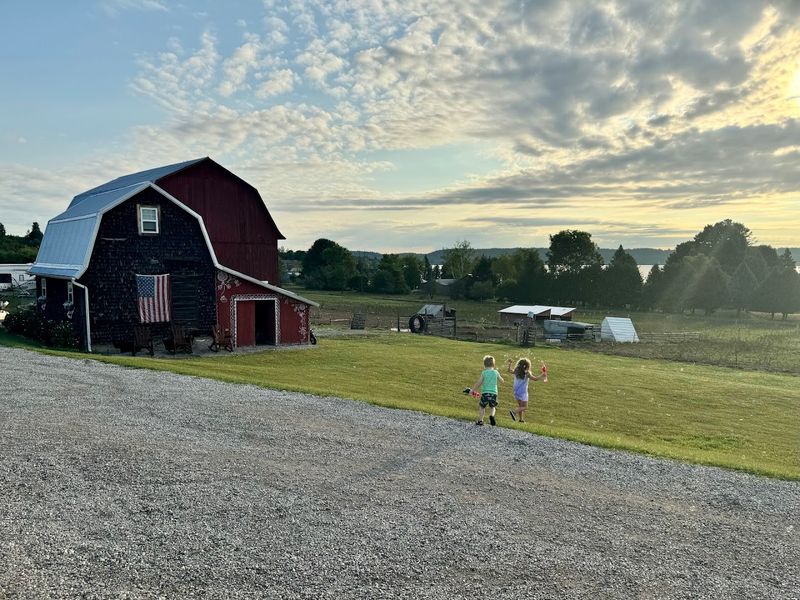
One reason Cedar stands out so quickly is that its identity is unusually clear. In many small towns, heritage gets reduced to a plaque, a themed weekend, or a few decorative references.
Here, the Polish roots associated with Cedar are woven more directly into the town’s personality, giving the place a cultural shape that is easy to notice even during a short stop.
You see it in names, in food cues, in event traditions, and in the way Cedar is discussed across the region as a town with its own specific background rather than a generic northern Michigan village. That matters on the road because specificity creates curiosity.
A place with a recognizable story pulls you to look closer, ask more questions, and stay longer than originally planned.
Cedar’s heritage does not read as frozen museum material. It works more like an everyday thread running through commerce, conversation, and local gathering spaces.
The result is a town that feels grounded rather than themed, with cultural signals that still seem tied to ordinary life instead of being arranged only for visitors.
That distinction changes the experience. You are not scanning a downtown for a single selfie moment and then moving on.
You are stepping into a place where local history still shapes what is sold, served, and celebrated, which gives a quick stop more substance than expected. Even if you arrive knowing almost nothing about Cedar, that cultural clarity gives the town immediate texture.
It becomes easier to understand why this small community maintains such a durable reputation in Leelanau County, and why a simple detour here can feel richer than an hour spent in a much bigger place with less personality on the surface.
The Food Stop That Changes the Whole Detour
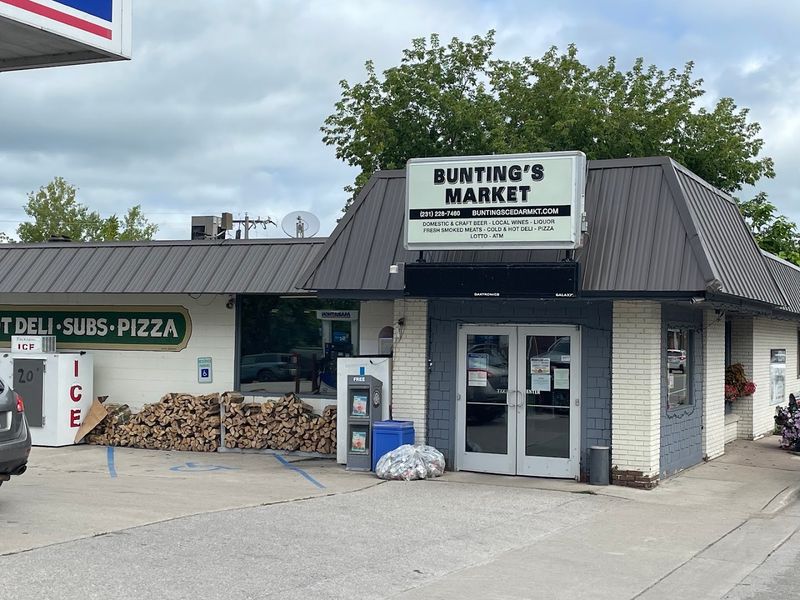
Every memorable road trip town needs a food angle, and Cedar understands that better than places that rely only on scenery. This is where a quick stop can turn into lunch, extra purchases for later, and the realization that your car now smells significantly better than it did twenty minutes ago.
In a region full of beautiful drives, food is often the deciding factor that turns a pass-through into a planned return.
Cedar’s strongest culinary appeal is not flashy dining. It is the pleasure of substantial, regionally rooted fare that makes sense in a small agricultural community with a strong cultural identity.
Delis, markets, baked goods, smoked items, and prepared foods fit naturally into the town’s character, giving you options that feel practical and distinctive at the same time.
That mix matters. Road-trip food is often either forgettable convenience or overly precious destination dining.
Cedar lands in a more useful middle ground where the offerings can be flavorful, filling, and tied to local traditions without becoming a production. You can pick up lunch, browse for specialty items, and leave with the satisfying sense that the stop added something concrete to the day.
There is also a visual pleasure to food here. Counters, coolers, handwritten signs, stacked goods, and the steady in-and-out rhythm of a community-oriented shop create their own kind of travel scene.
You are not only eating in Cedar; you are observing how a small town feeds itself and its visitors. That makes the stop more layered than a scenic overlook or novelty attraction.
By the time you head back onto the road, Cedar has done what the best small towns do: it has become associated with appetite, curiosity, and the strong chance that you will start planning your next excuse to swing through again.
Backroads, Orchards, and the Scenic Setup Around Town
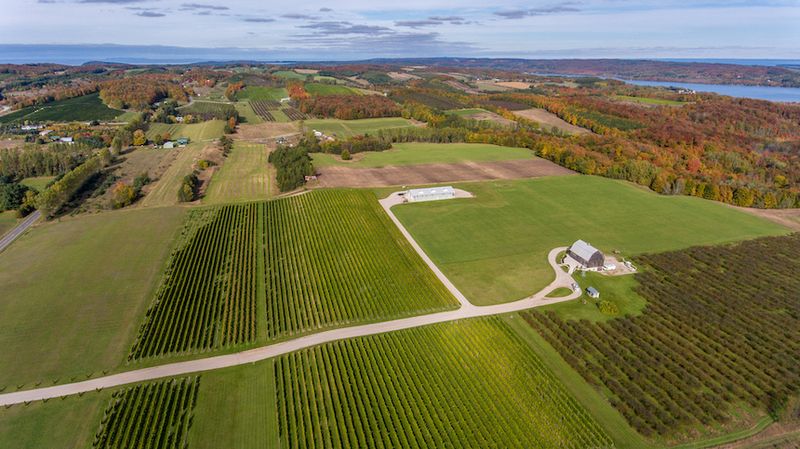
Cedar works especially well on a road trip because the surrounding landscape does so much of the storytelling. The town sits within a larger Leelanau County setting of fields, orchards, woods, and gently changing terrain, so the approach never feels isolated from the experience itself.
Driving in and out is part of the attraction, not just the space between attractions.
This matters if your idea of a good detour includes visual variety rather than nonstop activity. Around Cedar, the roads can shift from open agricultural views to tree-lined stretches, then back to glimpses of farms, houses, and seasonal color.
That alternation gives the area a natural pacing that suits unhurried exploration and makes even short drives feel more rewarding.
The town also benefits from location without needing to dominate the map. Cedar is not trying to compete with larger waterfront destinations for scale or spectacle.
Instead, it offers an inland counterpoint, one rooted in working landscapes and local routines. That difference makes a day in this part of Michigan feel fuller, because your route can include shoreline elsewhere and still gain something entirely separate here.
If you arrive with windows down in warm weather or with autumn color building around the roads, Cedar’s surroundings do a lot to sharpen the town’s personality. The village center feels connected to the land around it rather than dropped in as a disconnected service stop.
You notice produce stands, farm cues, and the practical beauty of a place where scenery and livelihood overlap. For travelers who like places that reward the drive as much as the stop, Cedar has a quiet advantage.
It turns ordinary mileage into atmosphere, and it gives your route a stretch that feels rooted, textured, and refreshingly unmanufactured.
Small-Town Rhythm Instead of Tourist Overload
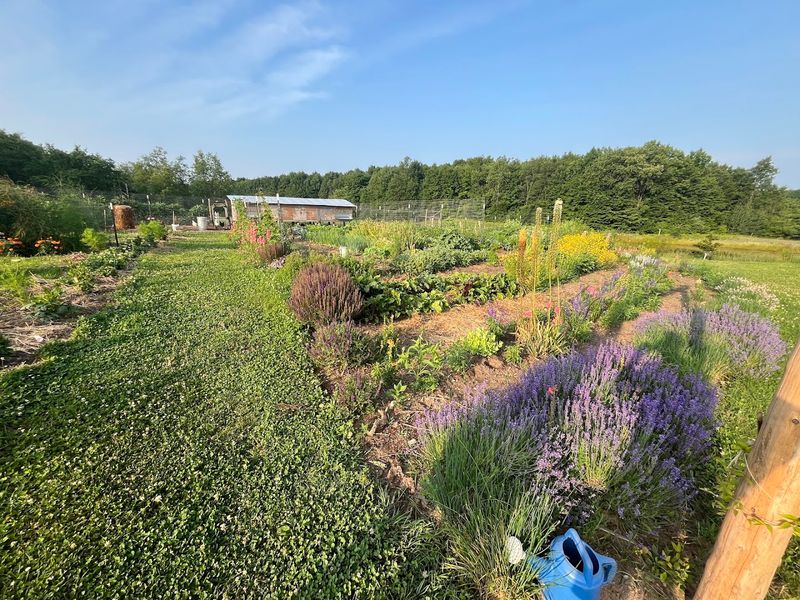
Some places become exhausting the minute you arrive. Parking gets tense, sidewalks clog, and every appealing detail competes with crowds, noise, or a schedule built around peak-hour pressure.
Cedar offers a different kind of energy, and that shift can be the most refreshing part of the stop if your road trip has included busier northern Michigan destinations.
The town’s appeal comes partly from restraint. There is enough activity to keep the place lively, especially when shops and food stops are open, but the scale stays manageable.
You can look around without rushing, notice buildings without stepping around lines, and piece together the town’s character through ordinary movement rather than spectacle.
That calmer rhythm makes Cedar useful in a practical sense too. It is the sort of place where you can reset the day: stretch your legs, pick up provisions, grab lunch, and enjoy a slower pace before getting back behind the wheel.
Instead of feeling trapped in a destination machine, you get the sense of a town that still functions for the people who live nearby.
That local continuity is important. Cedar does not need constant performance to stay interesting, and that gives it more durability than spots that only work when every seasonal business is in full swing.
Even on a quieter day, the village can still be appealing because its structure, heritage, and commercial life are compact enough to read quickly and distinct enough to hold attention. For travelers, that means less pressure to optimize every minute.
You are free to wander, notice, and let the stop unfold at a human pace. On a long drive, that can be more valuable than another dramatic attraction, because Cedar restores attention instead of demanding all of it.
When to Go and How to Fit Cedar Into a Northern Michigan Drive
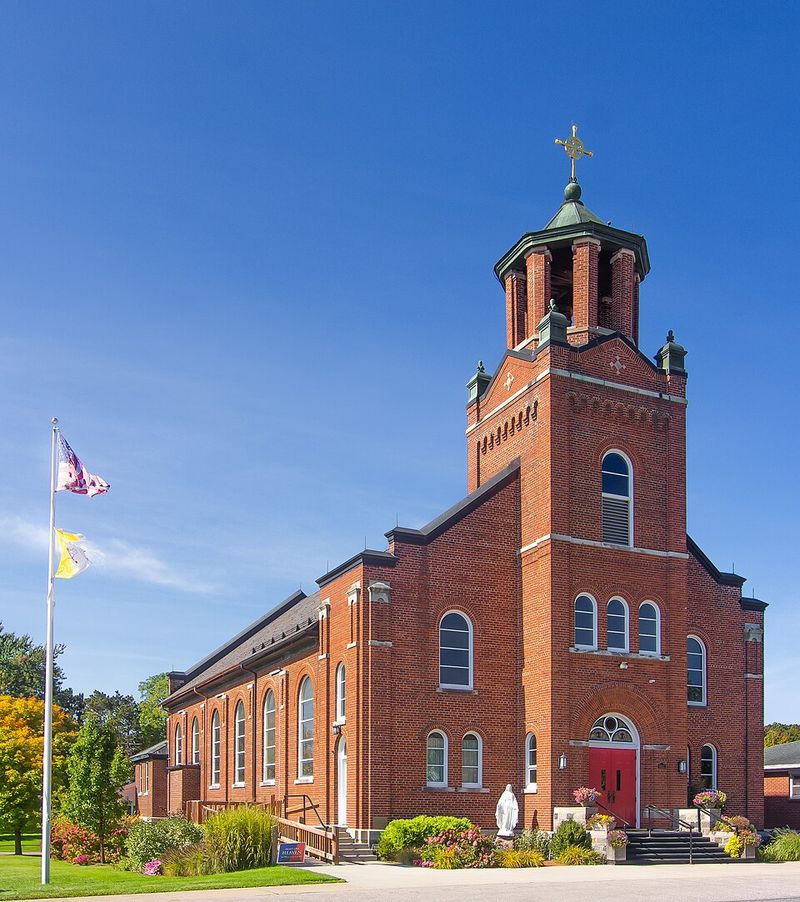
Cedar is easy to underestimate if you think only in terms of single-destination travel. The smarter approach is to treat it as a high-value stop within a broader northern Michigan route, especially if you are exploring Leelanau County by car.
In that context, the town becomes less about checking off attractions and more about improving the overall shape of your day.
Summer is the most straightforward season for a first visit because businesses, produce, and drive-worthy scenery tend to align well with road-trip habits. Early fall adds another advantage through color and harvest atmosphere, making the roads around town especially attractive.
Cedar can still be enjoyable outside those windows, but warm-weather and autumn timing give the place its most immediately rewarding rhythm.
As for pacing, this is not a town that demands an entire day unless you are building in nearby stops and a slow lunch. A shorter visit works well because Cedar’s compact center makes orientation simple.
You can arrive, park, walk, browse, eat, and return to the road without wasting time on logistics, which is exactly why the stop works so well for travelers covering more ground.
The best strategy is to arrive curious rather than overprogrammed. Leave enough room to wander into a market, inspect what is in season, or linger over lunch without watching the clock too hard.
Cedar rewards that flexibility because the charm is cumulative, built from the combination of setting, food, heritage, and pace rather than one blockbuster attraction. If your route includes lakeshore towns, wineries, beaches, or scenic overlooks elsewhere in the county, Cedar supplies a different note that keeps the day from becoming repetitive.
It is compact, practical, and specific, which is a very efficient combination when you want a road trip stop to add character without hijacking the itinerary.
Why This Little Crossroads Stays in the Itinerary
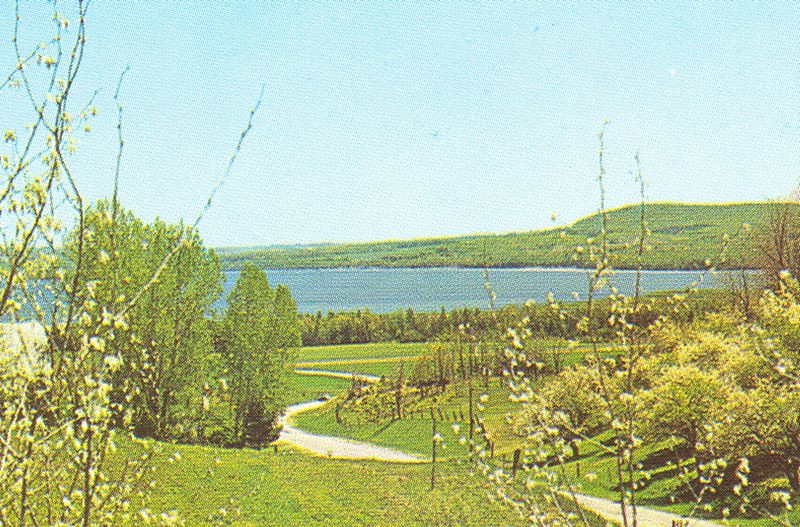
Cedar’s best trick is that it makes a road trip more textured without asking for much in return. The town is small, easy to fit into a route, and visually modest compared with bigger northern Michigan names.
Yet once you factor in the cultural identity, the food appeal, the surrounding farmland, and the slower pace, the stop begins to outweigh places that are far louder about their attractions.
That difference is important for travelers who are tired of formula. Cedar does not depend on grand staging, polished destination branding, or a checklist of oversized highlights.
Instead, it succeeds through concentration. Several good things are packed closely together, and each one sharpens the others: heritage gives context to the food, the landscape gives context to the town, and the town gives structure to the drive.
There is also a useful sense of scale here. Because Cedar can be experienced without friction, the visit feels additive rather than exhausting.
You are not surrendering half a day to parking, waiting, and navigating crowds. You are stepping into a compact place with enough distinction to shift the tone of the trip, then carrying that change in mood and appetite back onto the road.
That is why Cedar belongs in the conversation about memorable Michigan detours. It is not trying to be dramatic, and that restraint makes its personality more believable.
You leave with actual specifics, not just a vague sense that you stopped somewhere pleasant: a recognizable heritage, a practical main street, solid food prospects, scenic backroads, and a village center that interrupts monotony in exactly the right way. For anyone building a drive through this corner of the state, Cedar offers the kind of stop that quietly improves the whole route, then earns a place on future itineraries with very little effort.
Share this story