A handwritten farm-stand sign advertising tomatoes can feel like a small miracle after one too many painful supermarket receipts. Add a gas station board that does not make you reconsider every unnecessary errand, and suddenly an ordinary South Jersey back road starts looking rather appealing.
New Jersey will never be mistaken for the country’s bargain basement, but everyday costs do not land with equal force in every corner of the state.
Away from affluent commuter suburbs and heavily traveled resort districts, several communities benefit from competing supermarkets, independent markets, nearby farms, walkable commercial streets, and filling stations that serve year-round residents rather than captive tourists.
Some are old industrial cities finding new footing. Others are compact boroughs surrounded by fields, rivers, forests, or bayshore marshes.
None is frozen in time, and prices naturally change, but these 12 towns offer something increasingly rare: a quieter pace where routine shopping can still feel manageable.
1. Millville
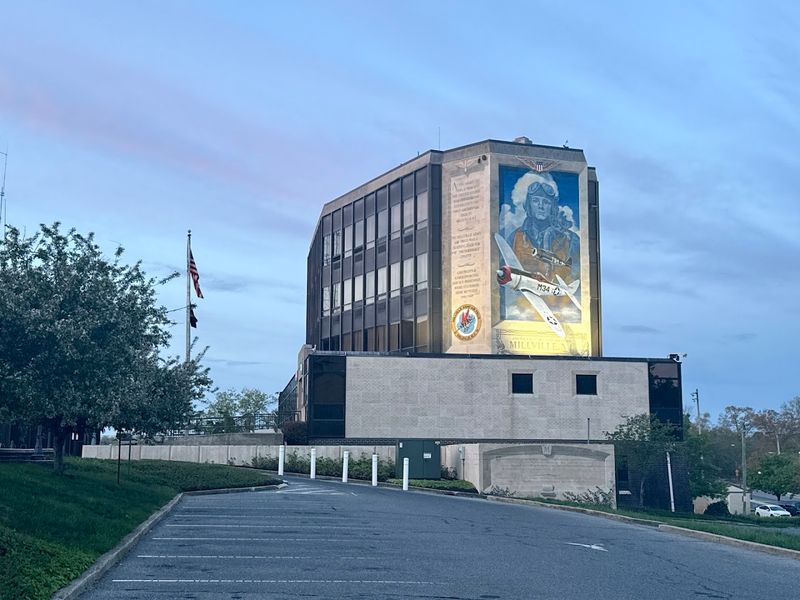
Follow the Maurice River into Cumberland County and the scenery begins to loosen up: fewer crowded interchanges, more open land, and plenty of reminders that this is still farm country. That setting gives Millville a practical advantage when grocery day arrives.
Large supermarkets compete with smaller neighborhood stores, discount retailers, seasonal produce stands, and farm markets scattered around the surrounding countryside.
Shoppers willing to follow weekly specials or buy fruits and vegetables in season can often assemble a cart without the premium attached to wealthier suburbs farther north.
Fuel is similarly competitive along the town’s main commercial corridors, especially around Route 47 and Route 55, where multiple stations serve both residents and passing drivers. Millville also gives people reasons to stay close to home rather than burning through a tank in search of entertainment.
The Glasstown Arts District brings galleries, studios, murals, and local events to High Street, while nearby WheatonArts explores the city’s long association with glassmaking.
For a quieter afternoon, the Maurice River and surrounding natural areas offer paddling, birdwatching, and waterside scenery without a costly admission ticket.
Parking is generally straightforward, errands rarely require elaborate planning, and much of daily life is concentrated within a manageable radius. Millville’s appeal is not that everything is impossibly cheap.
It is that groceries, fuel, recreation, and breathing room can still fit together without every outing turning into a financial calculation.
2. Bridgeton
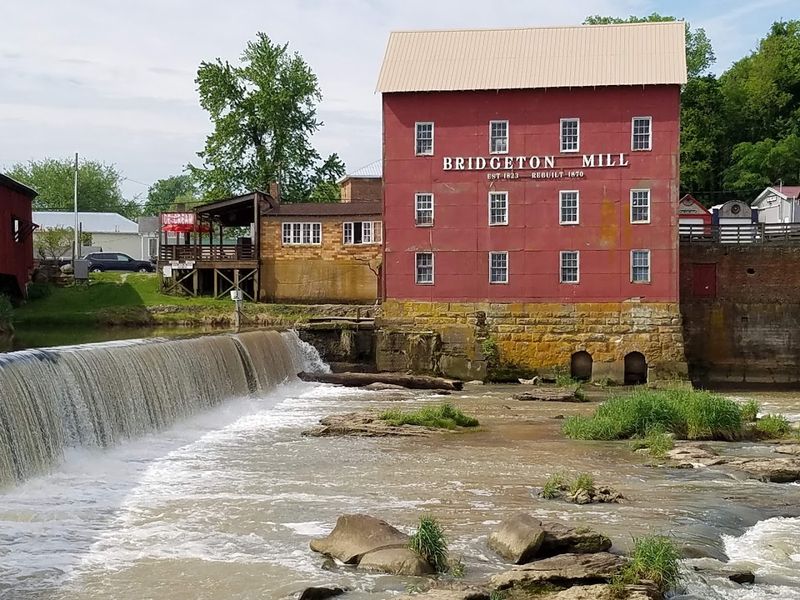
Victorian houses, a broad riverfront park, and one of the country’s oldest zoos make Bridgeton look far more elaborate than its everyday price structure might suggest.
This Cumberland County seat is surrounded by some of New Jersey’s most productive agricultural land, so seasonal shopping can begin well before anyone reaches a conventional supermarket.
Roadside stands and farm markets bring local corn, tomatoes, peppers, peaches, and berries into easy reach, often with fewer layers between the grower and the customer.
Within town, full-size grocers share the market with independent food shops and neighborhood businesses, giving careful shoppers room to compare rather than accept a single convenient price.
Gas stations along the major approaches to Bridgeton also compete for local traffic, and the absence of shore-season congestion helps keep fuel stops comparatively routine. The town’s slower rhythm adds another kind of savings.
A family afternoon at Cohanzick Zoo does not require an admission fee, and the surrounding Bridgeton City Park has walking paths, picnic areas, a lake, and enough space to make a packed lunch feel like a proper outing. Downtown’s historic buildings and the Cohansey River provide scenery without a ticket counter.
Bridgeton has rough edges alongside its architectural beauty, but it remains refreshingly unpolished and practical. This is a place where people still plan meals around what is growing nearby, combine several errands into one short loop, and find inexpensive ways to fill a Saturday without spending the week’s grocery budget.
3. Vineland
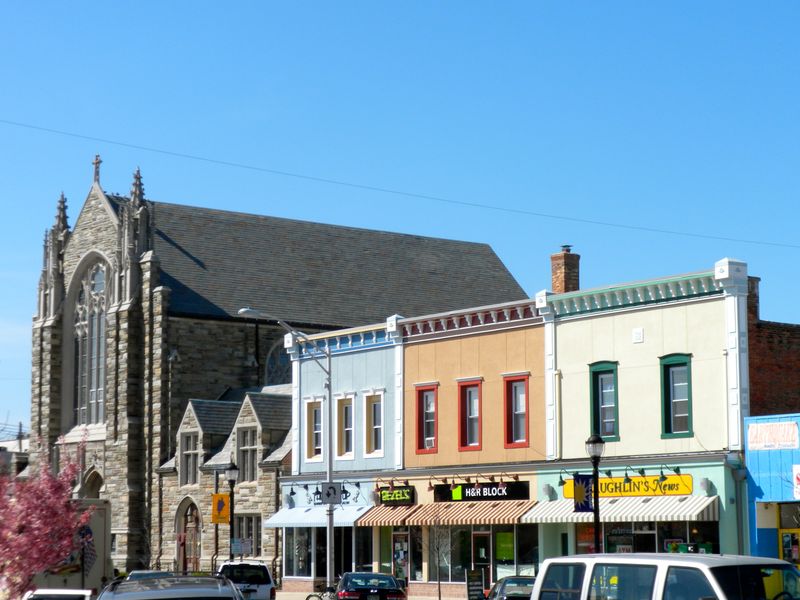
The scale of Vineland is the first surprise. Although it is officially a city, its enormous footprint includes commercial strips, residential neighborhoods, fields, orchards, and roads that can feel almost rural within minutes.
That mix creates an unusually broad shopping landscape. National supermarkets, warehouse-style retailers, independent grocers, bakeries, butcher shops, and produce markets all compete for households across the region.
Instead of being locked into one upscale store, residents can choose where to buy pantry basics, fresh meat, international ingredients, or seasonal produce.
The surrounding farms are especially useful during South Jersey’s long growing season, when roadside signs announce everything from sweet corn and blueberries to squash and apples.
Vineland’s major roads also hold a dense collection of filling stations, allowing drivers to compare prices without traveling far out of the way. Route 47 and Landis Avenue handle plenty of traffic, yet the city’s wide layout generally keeps routine errands from feeling like a battle for space.
Landis Avenue remains the civic heart, with restaurants, shops, and the restored Landis Theater adding character to a town built on practicality. Vineland also sits close to destinations such as Parvin State Park, where hiking, picnicking, and lake views cost little or nothing.
The real advantage here is choice. A resident can shop sales at a major retailer one week, buy produce directly from a farm the next, and fill the tank at whichever nearby station is posting the better number that morning.
4. Pleasantville
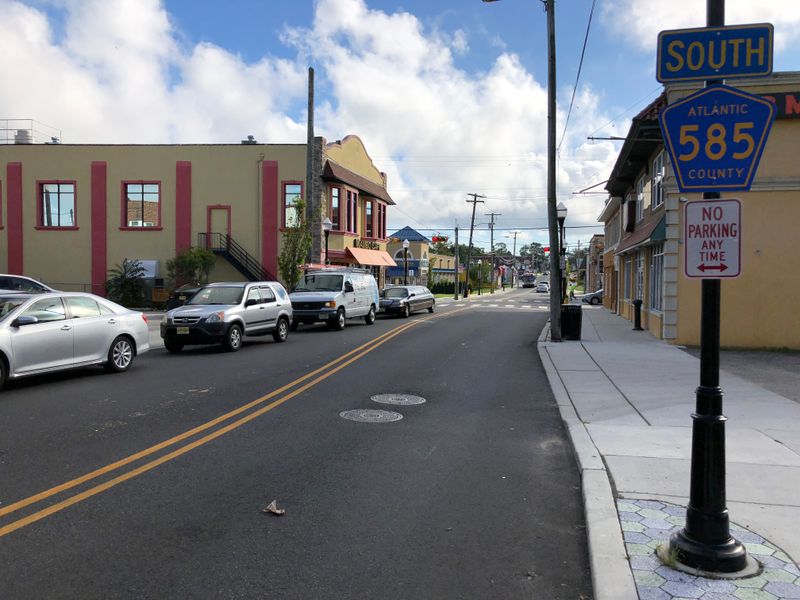
Two miles can make a startling difference near the Jersey Shore. Atlantic City’s casino towers are visible from parts of Pleasantville, yet this compact community functions as a year-round working town rather than a resort district.
Its stores serve residents buying Tuesday-night dinner, not visitors stocking a beach rental at convenience prices. Along and around Main Street, shoppers can find conventional groceries alongside Latin American markets, Asian food stores, bodegas, bakeries, and small specialty shops.
That variety is valuable for anyone who compares prices, buys staples in larger quantities, or prefers inexpensive cuts and ingredients that are sometimes overlooked by mainstream supermarkets.
The Black Horse Pike adds another layer of competition, with multiple commercial centers and fuel stations positioned along a heavily traveled route.
Drivers can check several signs during the same trip instead of committing to the first pump they encounter near the boardwalk. Pleasantville’s compactness can also reduce how often the car is needed.
Restaurants, shops, medical offices, and bus connections cluster near downtown, while the Pleasantville–Somers Point bike path provides an eight-mile route through neighboring communities. It is useful for recreation, but it also gives cyclists a practical alternative for shorter trips.
When residents do want the beach, Atlantic City, Ventnor, and Ocean City are close enough for an easy outing without paying to live in the middle of a resort zone. Pleasantville offers access to the Shore’s employment and attractions while keeping daily shopping rooted in the needs of locals.
5. Egg Harbor City
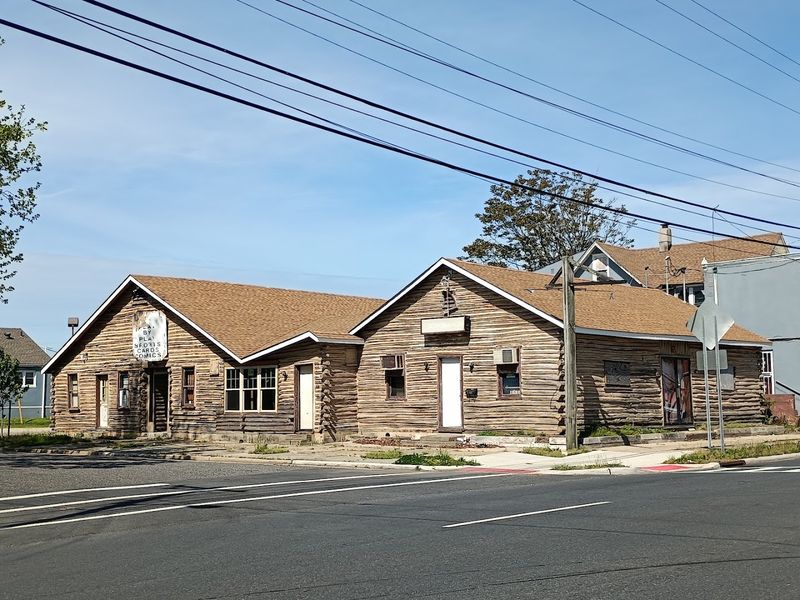
A quiet railroad platform, low-rise storefronts, and wooded roads set Egg Harbor City apart from the busier communities closer to Atlantic City. The town was founded by German immigrants in the 19th century, and traces of that heritage remain in its street names, historic buildings, and nearby wineries.
Today, its small size encourages a straightforward style of daily life. Independent food stores, convenience markets, farm stands, and larger retailers in neighboring communities give residents several ways to stock a kitchen without relying on resort-area shops.
The surrounding Atlantic County countryside produces blueberries, vegetables, wine grapes, and other seasonal goods, so summer and early fall can be particularly rewarding for anyone who buys close to the source.
Fuel stations along White Horse Pike serve commuters, residents, and through traffic, creating more competition than the town’s sleepy appearance might suggest.
The New Jersey Transit rail station is another practical asset. Trips toward Atlantic City or Philadelphia can occasionally replace a longer drive, especially for households trying to control fuel and parking expenses.
Egg Harbor City is also close to the vast Wharton State Forest, where hiking, paddling, fishing, and Pine Barrens scenery provide an inexpensive escape. The town does not offer endless shopping or nightlife, and that is partly the point.
Errands are simple, roads calm down quickly beyond the central corridor, and entertainment often means a forest trail, a local event, or an unhurried meal. It is a modest place with enough connections to remain convenient.
6. Keansburg
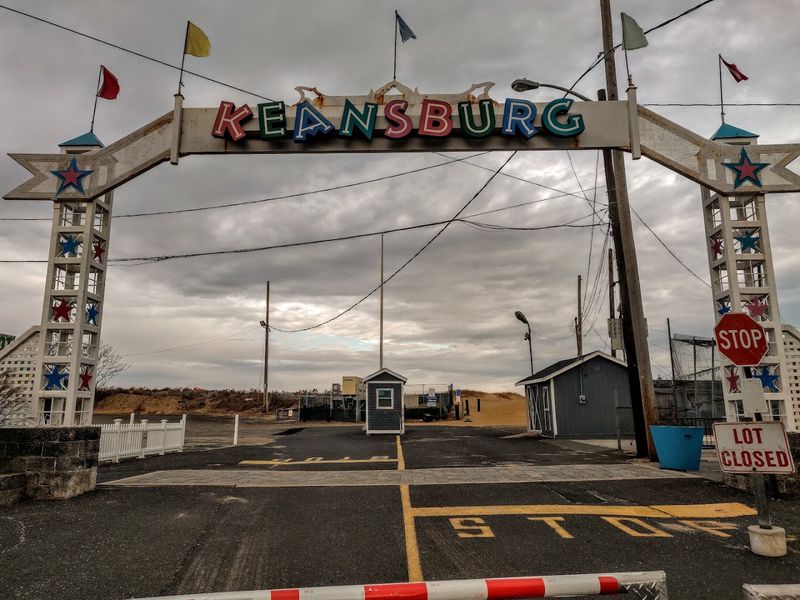
Bayshore towns in Monmouth County are not usually associated with bargain living, which is exactly why Keansburg catches people off guard. It occupies a stretch of Raritan Bay far removed in mood from the polished beach communities farther south.
Fishing boats, modest homes, neighborhood businesses, and the old-fashioned Keansburg Amusement Park give it a blue-collar character that has survived waves of Shore development.
Everyday food shopping is supported by local markets in town and larger supermarkets in nearby Hazlet and Middletown, allowing residents to compare weekly promotions without heading deep into the county.
Highway 36 is lined with commercial centers and filling stations, and that concentration helps drivers shop around for fuel while completing other errands on the same route. Keansburg’s location can also keep recreation costs under control.
A walk along the bay, a sunset view toward the New York skyline, or a few hours at nearby waterfront parks requires little more than time. The amusement park can be approached selectively, too, with families choosing a few rides or visiting during special promotions rather than committing to the cost of a full-scale resort day.
Commuter options include buses and nearby ferry service from Belford, which may reduce driving for some workers. Keansburg has endured serious storms and ongoing rebuilding, so it should not be romanticized as untouched.
Its strength lies in resilience and informality: a genuine waterfront community where residents can enjoy salt air without automatically inheriting the luxury pricing associated with much of Monmouth County.
7. Phillipsburg
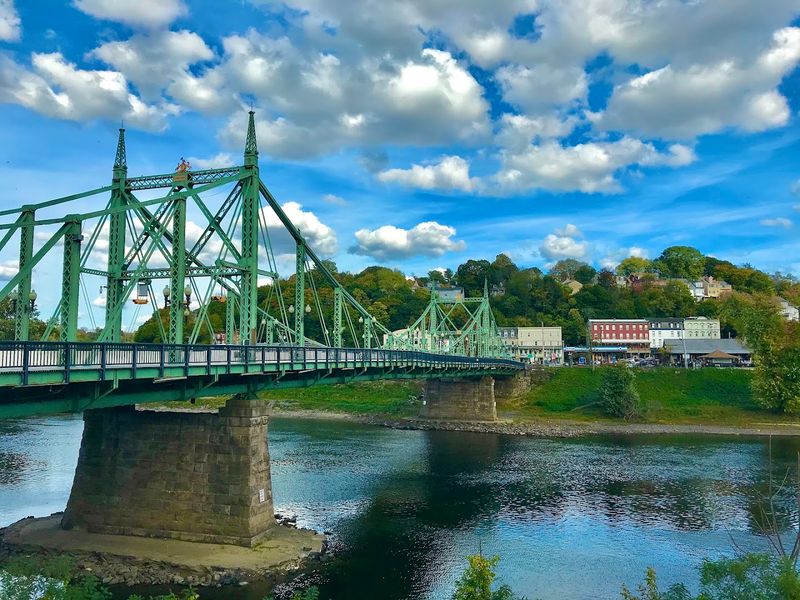
Stand near the Delaware River in Phillipsburg and Pennsylvania feels close enough to factor into the weekly shopping plan—because it does. Easton sits directly across the water, creating a two-state retail area where supermarkets, discount chains, independent food shops, and fuel stations compete for the same customers.
Residents can watch promotions on both sides of the river, choose among several commercial corridors, and combine errands without driving toward the pricier reaches of North Jersey.
The town’s Route 22 corridor is particularly useful for comparison shopping, with grocery options and multiple filling stations located within a relatively short distance.
Farm country begins quickly outside the urban center, bringing seasonal markets, orchards, and roadside produce into the mix. Phillipsburg also has a walkable core shaped by its railroad and industrial past.
Historic brick buildings line downtown streets, while views of the Delaware and Lehigh rivers lend the area a rugged beauty. Free or low-cost diversions include riverfront walks, local parks, community events, and quick trips into the surrounding Warren County countryside.
Even Easton’s farmers market and downtown attractions are only a bridge away. Traffic around Route 22 can become busy, so experienced locals often time errands outside the heaviest commuting periods.
Still, the town’s border position remains a meaningful advantage. Phillipsburg may not have the polished image of some Delaware River communities, but it offers something more useful to budget-conscious households: competition, convenience, and access to two distinct markets without the living costs of a fashionable river town.
8. Lindenwold
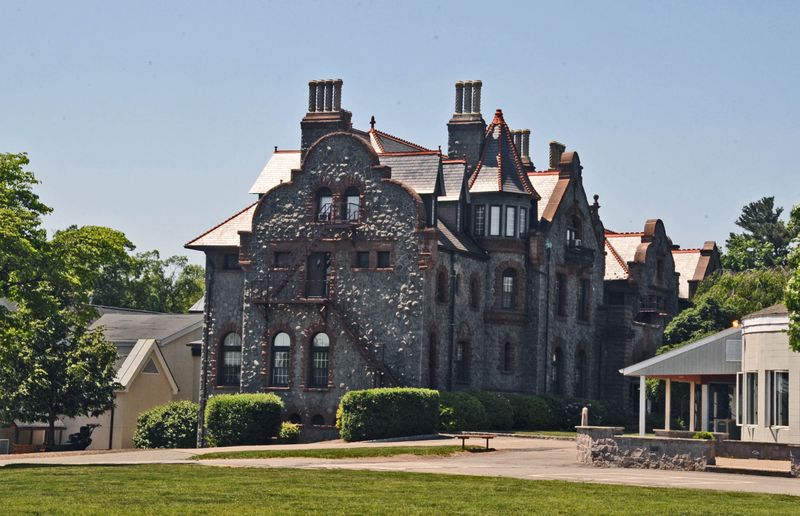
The whir of a PATCO train pulling into Lindenwold tells you a great deal about why this Camden County borough can be economical. Residents have direct rail access toward Philadelphia without needing to pay city parking rates or fill the gas tank for every commute.
New Jersey Transit’s Atlantic City Line also stops here, turning the station into one of South Jersey’s more useful transportation hubs.
That connectivity sits alongside a dense network of supermarkets, discount grocers, international food stores, and major retailers spread through Lindenwold and neighboring Voorhees, Stratford, Clementon, and Berlin.
Competition is not an abstract concept here; shoppers can change stores within a few minutes when another weekly circular offers the better deal. Independent markets add affordable produce, spices, rice, meat, and pantry staples from a wide range of culinary traditions.
Fuel stations cluster around major roads such as the White Horse Pike, where steady commuter traffic encourages visible price competition. Lindenwold’s residential streets are generally removed from that commercial bustle, providing a calmer home base than the map might suggest.
The borough also has parks and recreation areas for inexpensive downtime, while Clementon Park, shopping centers, and restaurants sit close by when residents want more activity. Lindenwold is not a postcard village, and it does not pretend to be one.
Its value is logistical. Groceries, transit, fuel, and everyday services are concentrated within a compact area, making it easier to compare costs, reduce unnecessary mileage, and handle a week’s errands without surrendering an entire Saturday.
9. Woodbury
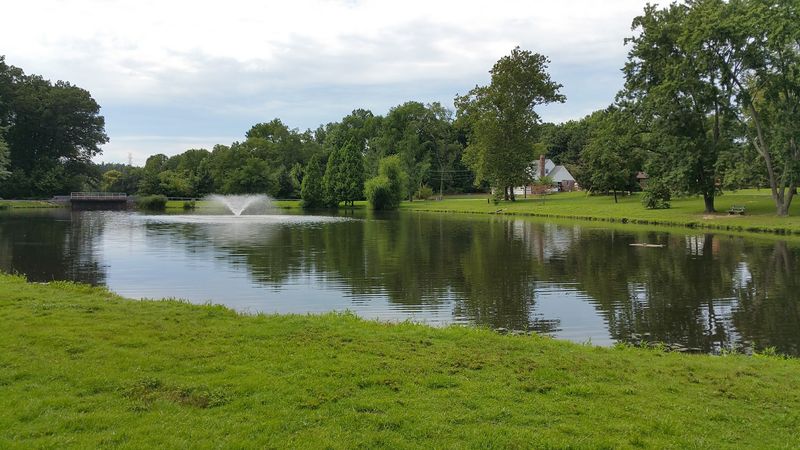
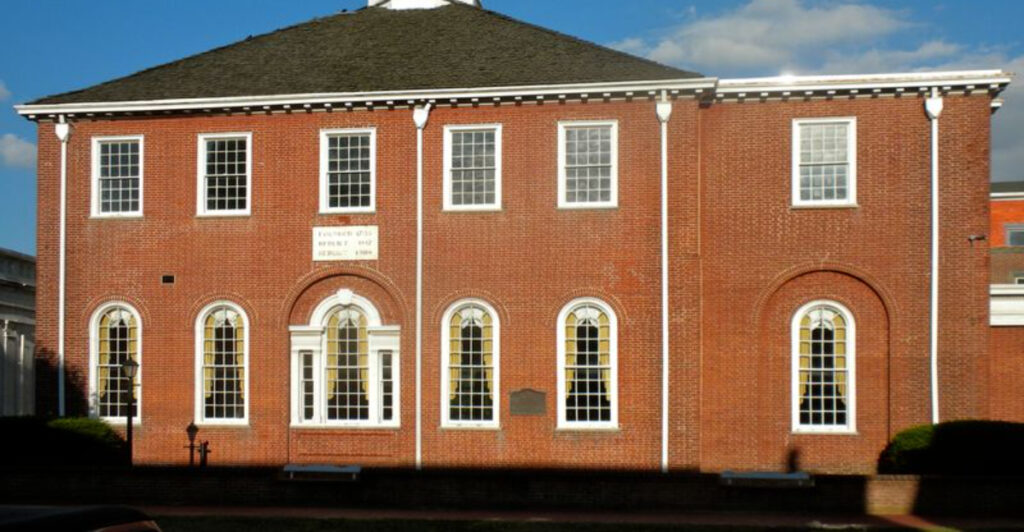
Broad Street carries centuries of history through the middle of Woodbury, passing the courthouse, churches, brick storefronts, and residential blocks shaded by mature trees. Unlike many historic towns, however, Woodbury remains grounded in everyday commerce.
Small grocers, pharmacies, restaurants, and service businesses share the area with larger supermarkets and discount retailers in nearby Deptford and West Deptford. That proximity gives residents access to big-box competition without placing them directly inside a sprawling retail district.
A household can chase a supermarket special, visit an independent butcher or bakery, and stop for produce without turning the outing into a countywide expedition.
Fuel stations along Broad Street and the surrounding state routes serve both local traffic and drivers moving between Camden and Gloucester counties, making price comparison relatively easy.
Woodbury’s walkable center offers another small but meaningful advantage. Some residents can reach shops, public offices, schools, and restaurants on foot, saving short car trips that quietly add up over a month.
Public buses connect the town with larger employment and shopping centers as well. When the errands are finished, there are low-cost pleasures close at hand: a stroll through the historic district, time in a neighborhood park, or a short drive to the trails and wetlands around Red Bank Battlefield Park.
Woodbury feels established rather than manufactured. Its appeal comes from being compact, connected, and surrounded by enough retail variety to keep ordinary purchases from carrying boutique-town markups.
10. Salem
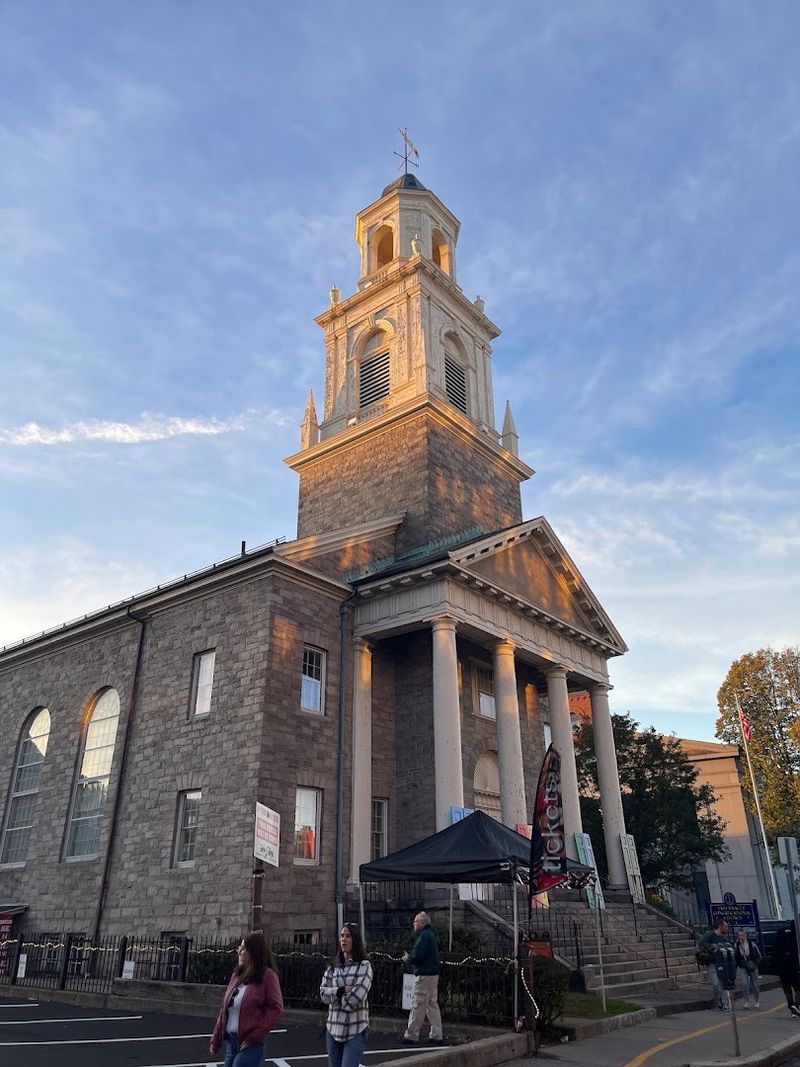
The enormous Salem oak that once stood beside the Friends Meetinghouse became a symbol of endurance for good reason. This Delaware River city has watched industries, shipping patterns, and commercial fortunes change repeatedly, yet its historic street plan and close-knit character remain.
For food shoppers, Salem’s location in one of New Jersey’s most rural counties is a genuine asset. Farms and roadside stands throughout the region sell seasonal vegetables, fruit, eggs, baked goods, and meats, often within a short drive of town.
Conventional stores cover basic household needs, while trips toward Pennsville or Carneys Point expand the selection without requiring a long journey.
Gas stations along Routes 45 and 49 serve local residents, farm traffic, and drivers heading toward the Delaware Memorial Bridge, giving motorists several opportunities to compare prices.
Salem’s modest scale helps keep mileage down as well. Downtown, the county courthouse, municipal offices, and neighborhood services sit relatively close together.
The city’s architecture provides an absorbing free walking tour, with Colonial, Federal, and Victorian buildings appearing along streets that rarely feel hurried. Nearby, the river, marshes, and agricultural back roads offer birdwatching and quiet drives.
Salem faces economic challenges, and anyone considering a move should evaluate individual neighborhoods carefully. Yet the town’s affordability story is inseparable from its setting: this is a county seat surrounded by working farmland, not a curated weekend village.
For people who value practical shopping, historic texture, and a pace that leaves room for conversation, Salem deserves a closer look.
11. Penns Grove
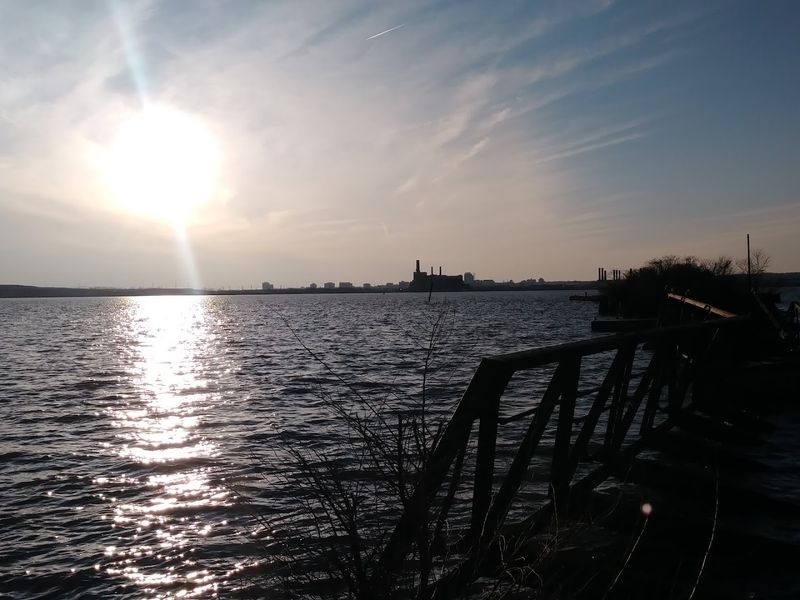
At the western edge of New Jersey, Penns Grove looks across the Delaware River toward industrial Delaware rather than toward Manhattan. That orientation shapes everything from commuting patterns to shopping habits.
Residents can reach supermarkets, discount stores, pharmacies, and fuel stations throughout the Penns Grove–Carneys Point area without venturing onto the state’s more expensive northern corridors.
Nearby Route 130 gathers many everyday businesses along a direct path, which makes it possible to check fuel prices, buy groceries, and handle household errands in one loop.
The Delaware Memorial Bridge also places tax-free Delaware shopping within reach, though tolls and travel time mean the trip makes the most sense when several purchases are combined.
Closer to home, Salem County farms provide seasonal produce and locally made foods that can stretch a grocery budget while supporting growers only a few miles away.
Penns Grove itself is compact, with a traditional street grid and a waterfront that recalls the borough’s industrial and shipping history. River views are free, local parks offer room to unwind, and the flat terrain makes short bicycle trips feasible for confident riders.
This is not a manicured riverside escape; vacant properties and economic hardship are part of the local picture. What Penns Grove provides is functional affordability in a strategic location.
For households connected to jobs in Salem County, Gloucester County, or Delaware, the combination of nearby retail competition, regional road access, and modest everyday expectations can make the borough surprisingly workable.
12. Clayton
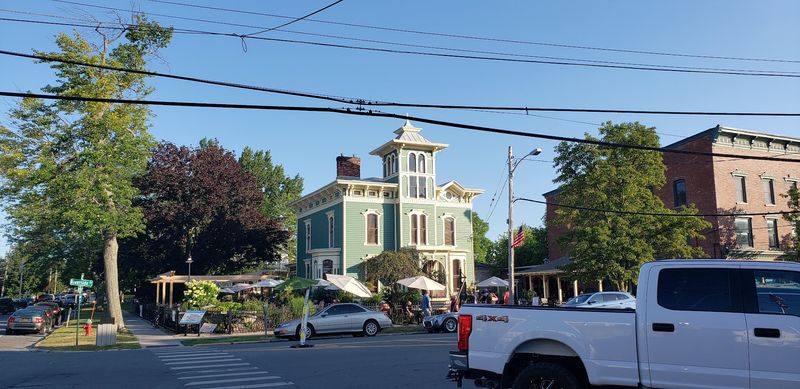
There is a point on the drive into Clayton when suburban Gloucester County begins to give way to fields, woods, and a noticeably wider horizon. The borough sits close enough to larger shopping districts for convenience but far enough away to retain a small-town cadence.
Grocery shoppers can use local markets for quick necessities, compare major supermarkets in neighboring communities, and take advantage of farm stands throughout the surrounding agricultural area.
Summer brings tomatoes, corn, peaches, and blueberries; autumn shifts the roadside tables toward apples, pumpkins, and squash.
Buying what is abundant in season can make fresh food noticeably easier on the budget. Gas stations along Delsea Drive and nearby routes compete for drivers traveling between Glassboro, Franklinville, and Vineland, so motorists are rarely limited to a single convenient pump.
Clayton’s compact layout also keeps most local trips short. Schools, parks, shops, and municipal services are clustered within a borough measuring only a few square miles.
Scotland Run Park lies just beyond town, offering wooded trails, a lake, paddling, playgrounds, and picnic areas without the expense of a commercial attraction. Glassboro’s restaurants and Rowan University events are close enough for variety, yet Clayton avoids much of the traffic and pricing pressure around the campus.
The result is a useful middle ground: residents have access to regional shopping and entertainment while returning home to quieter streets, easy parking, and back roads where the next produce stand is never very far away.