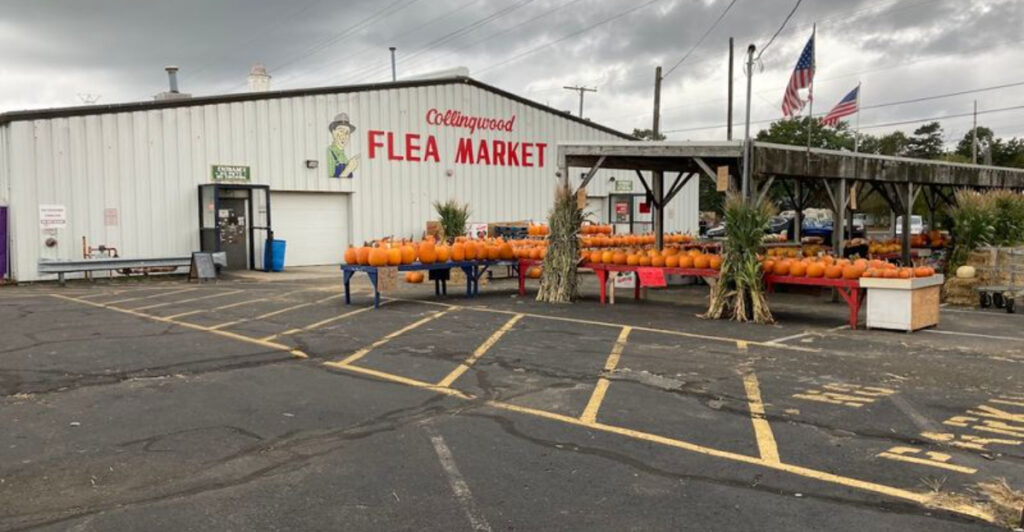
A vintage Pyrex bowl, a box of baseball cards, and an orange cargo tricycle may have absolutely nothing in common, but at Collingwood Auction and Flea Market, they can all appear within the same ten-minute stroll.
Spread across 25 acres near Farmingdale, this wonderfully unpredictable marketplace replaces polished storefronts with crowded tables, weathered display cases, and the occasional cardboard box that rewards anyone willing to dig.
More than 500 outdoor merchants can set up across the grounds, while a 60,000-square-foot building holds another 100 indoor tables and booths.
That means a quick browse can easily turn into a half-day hunt involving antique furniture, discounted groceries, vintage clothing, old records, hand tools, and objects too unusual to categorize.
Collingwood has been part of the local landscape since 1957, yet its inventory never stands still. The market changes with every vendor, every weekend, and practically every turn down an aisle.
Collingwood Has Been a New Jersey Treasure-Hunting Tradition Since 1957
Long before shoppers came looking for vintage band shirts and collectible cards, Collingwood was largely about produce and livestock. The market opened on March 2, 1957, after founder Cliff Schneider relocated his flea market business from Keyport.
His original operation, Cliff’s Keyport Auction, was threatened when the state expanded Route 36 through its location. Schneider moved south into a part of Monmouth County that still had plenty of working farms, establishing what would become one of the state’s most enduring bargain-hunting institutions.
As nearby farmland gradually gave way to housing developments during the 1960s, Collingwood changed with its surroundings. Fewer local farmers arrived with agricultural goods, while more residents began renting tables to clear unwanted items from basements, garages, and attics.
By the 1970s, dealers were also bringing closeouts and factory overages to the market, offering new merchandise at prices that could compete with conventional retailers. That combination of household castoffs, commercial bargains, and genuine antiques still defines Collingwood today.
The market’s history includes a dramatic setback. On September 1, 1992, a fire caused by a faulty ice machine destroyed the main building.
Rather than disappear, Collingwood reopened its outdoor market just over a month later on October 10. The indoor building returned in December 1993, keeping the family business and its community of merchants moving forward.
That resilience helps explain why Collingwood feels more like a local institution than a temporary collection of tables. Some New Jersey families have visited for generations, with former childhood treasure hunters now leading their own kids through the aisles.
The merchandise changes constantly, but the basic ritual remains familiar: arrive in the morning, follow whatever catches your eye, and leave carrying something you never expected to find.
Twenty-Five Acres Turn Every Visit Into an Adventure
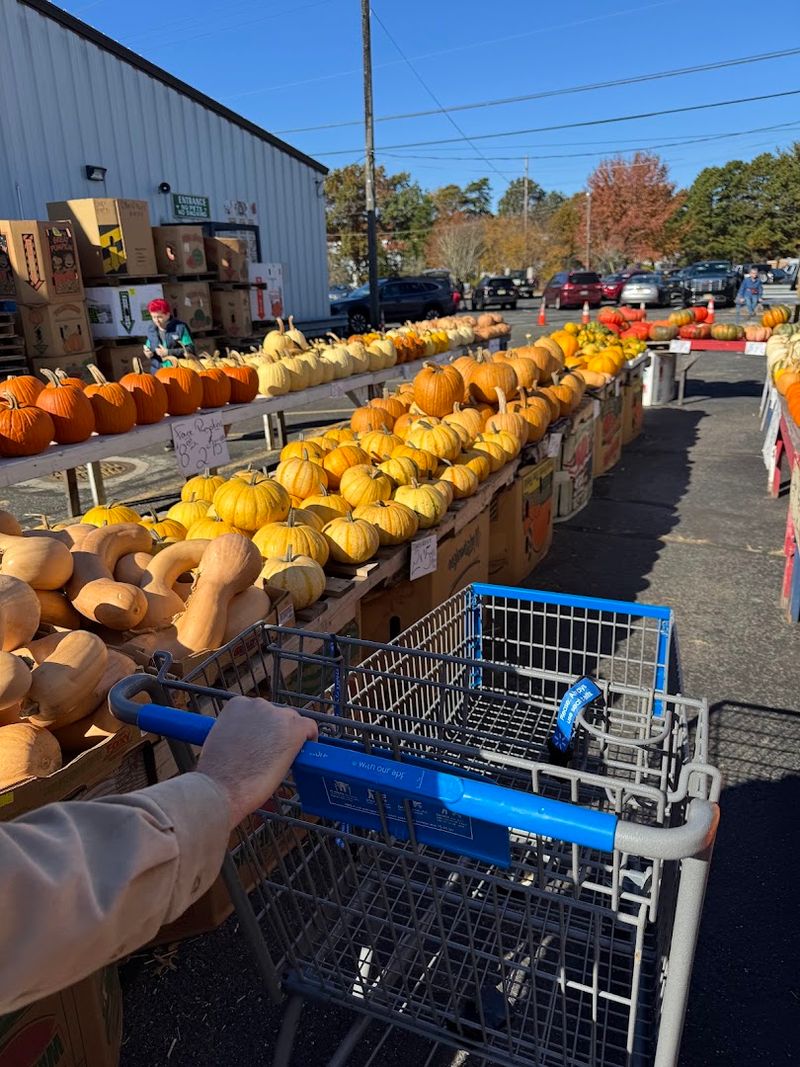
The scale becomes obvious before the shopping even begins. Cars stream into the large lot off Route 33, and the collection of buildings, vendor spaces, canopies, tables, and open-air aisles stretches far beyond what a first-time visitor might expect.
Collingwood occupies 25 acres near the border of Howell and Wall townships, about half a mile west of the Collingwood Circle. Its mailing address says Farmingdale, but its reputation extends well beyond that small Monmouth County community.
This is not the kind of place where shoppers follow a neat loop and see everything in 20 minutes. The outdoor market can resemble a temporary neighborhood assembled from folding tables and pop-up tents.
One aisle may lean heavily toward tools and household goods, while the next brings plants, toys, electronics, or boxes of records. A professional dealer with carefully tagged merchandise might be set up beside a family emptying a garage, which means both the selection and the prices can shift dramatically within a few steps.
The size encourages wandering. Shoppers might arrive searching for a small kitchen table and become distracted by old road signs, fishing gear, framed artwork, or a stack of cookbooks with handwritten notes inside.
There is always another row to inspect, and the most interesting object is often partially hidden beneath something far less promising. That element of chance keeps Collingwood from feeling like a conventional shopping center.
Weather affects how much of the property comes alive. Clear weekend mornings generally bring the strongest outdoor turnout, while rain and winter cold can thin the open-air aisles.
The indoor market, however, provides a dependable fallback throughout the year. With food counters and restrooms available on the grounds, visitors can pause without ending the expedition.
Comfortable shoes are not a cute suggestion here. Twenty-five acres can turn casual browsing into a surprisingly respectable walking day.
More Than 500 Outdoor Vendors Bring the Thrill of the Hunt
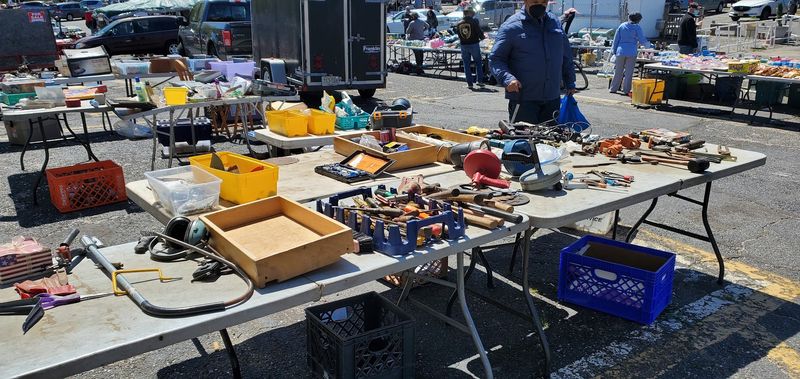
On a busy morning, the outdoor section delivers Collingwood at its most unpredictable. More than 500 merchants can fill the property, creating rows where nearly every table tells a different story.
There may be old carpenter’s planes with handles worn smooth by decades of work, mismatched china rescued from a dining-room cabinet, and plastic bins filled with toys that have not appeared on store shelves since the 1980s. Nothing is arranged by an algorithm, and that is exactly the point.
The outdoor sellers range from established dealers to weekend vendors clearing out their homes. Serious collectors may display jewelry, coins, furniture, or vintage glassware with careful labels, while casual sellers spread everything across a tarp and let shoppers investigate.
These less polished tables often create the best moments. A dusty box can contain an overlooked vinyl pressing, a discontinued kitchen pattern, or the missing piece needed to complete an old tool set.
Prices are rarely uniform. Some sellers mark every item, others quote a number when asked, and many leave a little room for negotiation.
A friendly offer is part of the culture, especially when buying several pieces, but aggressive haggling over an already inexpensive item will not earn anyone local-bargain-hunter credibility. Cash makes these conversations easier and can help close a deal without the complications of card fees or payment apps.
There is also a sense of urgency outdoors. Indoor merchants occupy established booths, but a weekend seller may not return with the same inventory—or return at all.
Waiting until the end of the visit can save a few dollars if an item remains unsold, but it can just as easily mean watching someone else carry it toward the parking lot. The outdoor market is busiest when the weather cooperates, so spring, summer, and crisp fall weekends tend to offer the fullest experience.
Even then, no two mornings are identical. Collingwood’s real attraction is not knowing whether the next table will hold a bargain, a curiosity, or an object that somehow manages to be both.
A Massive Indoor Market Keeps the Bargain Hunting Going Year-Round
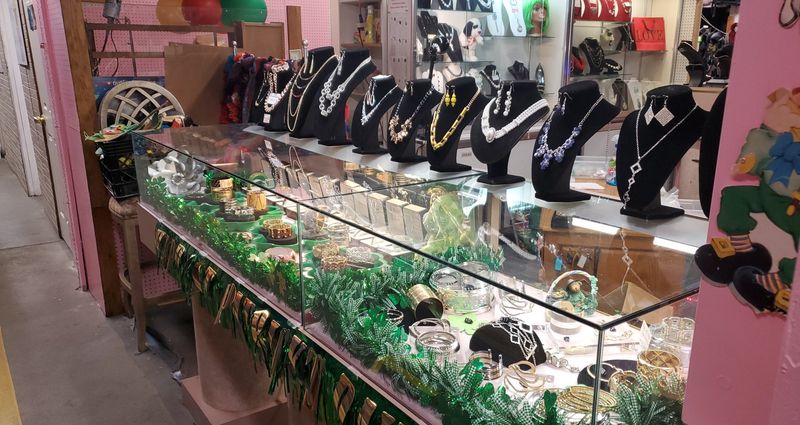
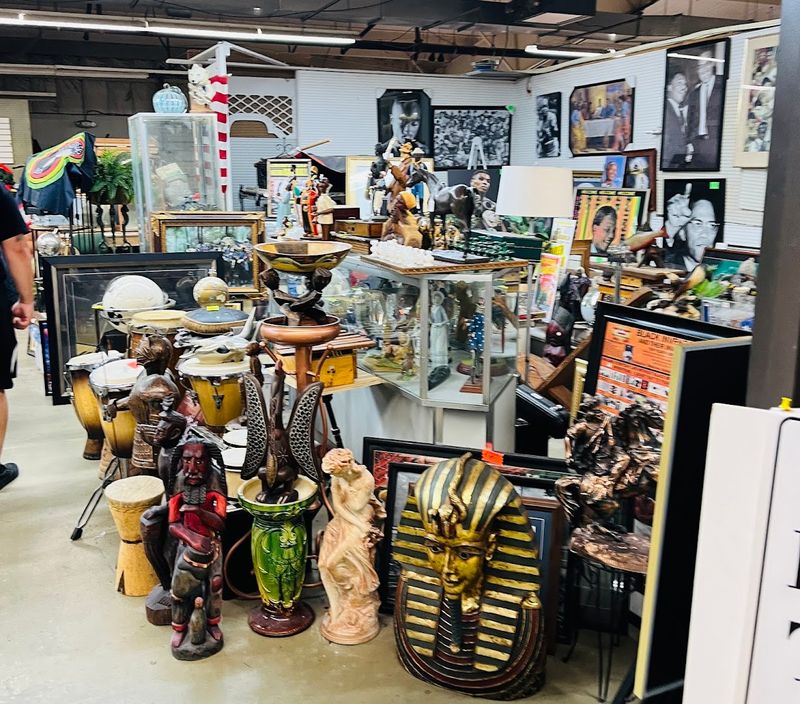
Step inside the main building and the market’s rhythm changes. The temporary canopies and open tables give way to permanent aisles filled with established booths, glass cases, hanging displays, shelves, and small specialty shops.
The building covers roughly 60,000 square feet and contains about 100 indoor tables and booths, giving shoppers plenty to explore when rain, summer heat, or winter wind makes the outdoor section less inviting. Many indoor merchants specialize, so browsing becomes more focused without losing Collingwood’s sense of discovery.
The current vendor mix includes shops devoted to clothing, jewelry, crystals, coins, sports cards, comics, hardware, fishing equipment, small appliances, and vintage merchandise.
Someone hunting for collectibles can move from The Card Exchange to Comic Crypt, while shoppers interested in jewelry can compare several booths carrying fashion pieces, gold, and antiques.
The market is not limited to secondhand goods. Indoor vendors also sell new clothing, household essentials, surplus products, closeouts, and practical merchandise.
That blend explains why regulars may arrive looking for groceries or a replacement appliance rather than a rare antique. Collingwood can function as both a treasure hunt and a place to complete surprisingly ordinary errands.
Food is woven into the indoor layout as well. The vendor directory includes Collingwood Sub Shop, Kenny’s Pizza, The Breadbox Bakery, J&S Produce, Nosh Nook Pickles, El Capitan Seafood, and several snack and meal counters.
These are useful stops during a long browse, particularly for shoppers who arrive near the 8 a.m. opening and remain through lunch. The building also makes Collingwood a genuine year-round destination.
Outdoor participation naturally rises and falls with the forecast, but the permanent booths keep the market operating through New Jersey’s less cooperative seasons. A wet Sunday may not deliver hundreds of vendors outside, yet there are still enough indoor aisles to turn the visit into several productive hours of bargain hunting.
Antiques, Clothing, Collectibles, and Curious Finds Fill Every Corner
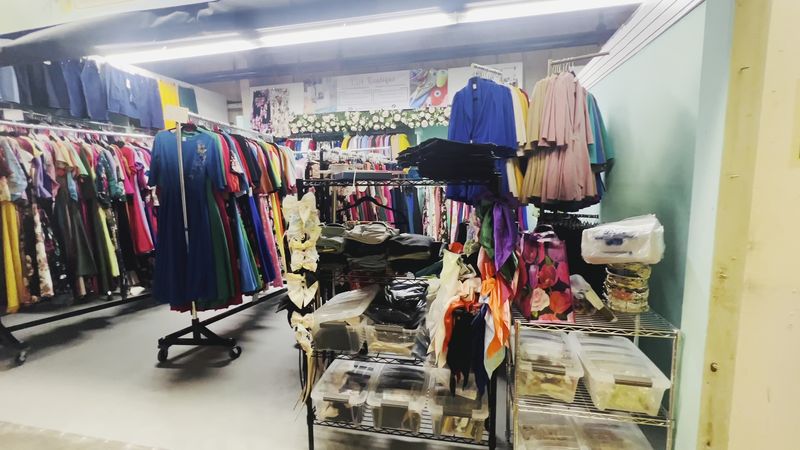
A market this large refuses to fit neatly into one category. Collingwood carries genuine antiques, but it is not an antique mall where every object sits beneath perfect lighting with a carefully researched price tag.
It also has discounted new products, everyday household goods, local food vendors, vintage clothing, and enough eccentric merchandise to make “What is that?” one of the most common questions heard in the aisles.
Collectors can search for coins, sports memorabilia, comic books, jewelry, trading cards, die-cast vehicles, and old advertising pieces.
Music fans may encounter vinyl records, cassettes, instruments, or rock-and-roll gifts. Home decorators can browse furniture, lamps, framed artwork, mirrors, glassware, pottery, and hardware rescued from older buildings.
The inventory can jump from midcentury furniture to a modern phone accessory within the same row. Vintage clothing brings its own surprises.
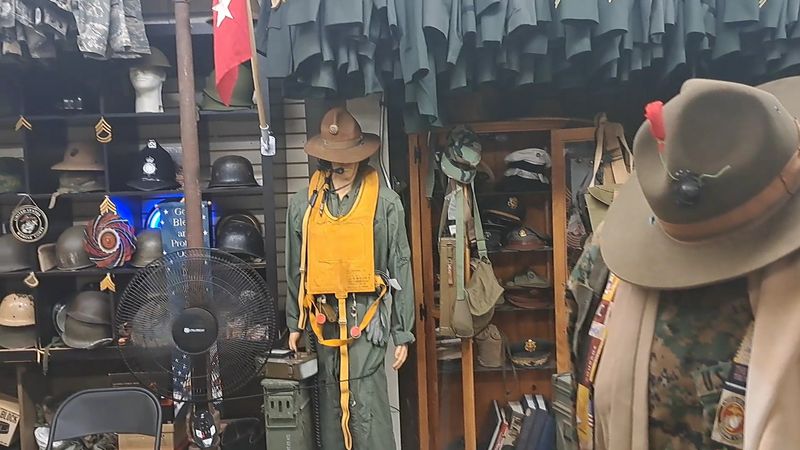
Jackets, handbags, military-inspired pieces, costume jewelry, old T-shirts, and formalwear can appear beside racks of new apparel and shoes. Condition varies, so a promising find deserves a careful look at zippers, seams, buttons, stains, and labels.
The same rule applies to electronics and small appliances. A low price feels less impressive if the item cannot be tested or needs a difficult-to-find component.
Some of Collingwood’s most memorable objects resist sensible description. Decorative signs share space with unusual tools, novelty gifts, crystals, stuffed characters, old cameras, fishing tackle, and pieces that might become art supplies in the hands of the right buyer.
One shopper sees obsolete clutter; another sees the final touch for a themed room or the perfect birthday gift for an impossible-to-shop-for relative. That wild range is what separates the market from a standard retail trip.
Shoppers may arrive with a list, but Collingwood rewards curiosity more than efficiency. The practical purchase often ends up sharing a bag with something unnecessary, inexpensive, and too wonderfully strange to leave behind.
Arrive Early With Cash and Plenty of Time to Explore
The smartest Collingwood visits begin before the parking lot reaches its busiest point. The market is currently open Friday through Sunday from 8 a.m. to 5 p.m., though vendor participation can vary by day, season, and weather.
Weekend mornings generally provide the strongest outdoor selection, especially when the forecast is dry. Arriving close to opening offers first access to newly displayed merchandise and makes it easier to cover the grounds before the midday crowds settle in.
Cash remains the most useful payment method. Some established merchants accept cards or digital payments, but outdoor sellers may operate strictly with bills.
Smaller denominations help when negotiating, and they prevent the awkward moment of asking someone to break a hundred-dollar note for a five-dollar purchase.
A reusable tote is useful for books, records, clothing, and small household items, while shoppers considering furniture should bring a tape measure and confirm that the piece will actually fit in their vehicle.
Clothing calls for an extra layer of preparation because fitting rooms are not guaranteed. Knowing basic measurements can prevent an exciting vintage purchase from becoming a permanent closet decoration.
Collectors should inspect fragile goods for cracks, chips, missing parts, or repairs, and electronic items should be tested whenever possible. Flea-market purchases are commonly final, so this is not the place to rely on an easy return.
The property’s size also deserves respect. Comfortable shoes, water, and a few hours of unscheduled time make the day far more enjoyable.
Photographing an aisle marker or nearby booth can help when deciding to return for an item, because “somewhere past the tools and near the jewelry” becomes less useful after several dozen rows.
At 1350 Route 33 near Farmingdale, Collingwood remains an old-fashioned marketplace built around patience, conversation, and chance.
The best bargain may be sitting in plain sight, but finding it usually requires looking past quite a few things nobody needs.