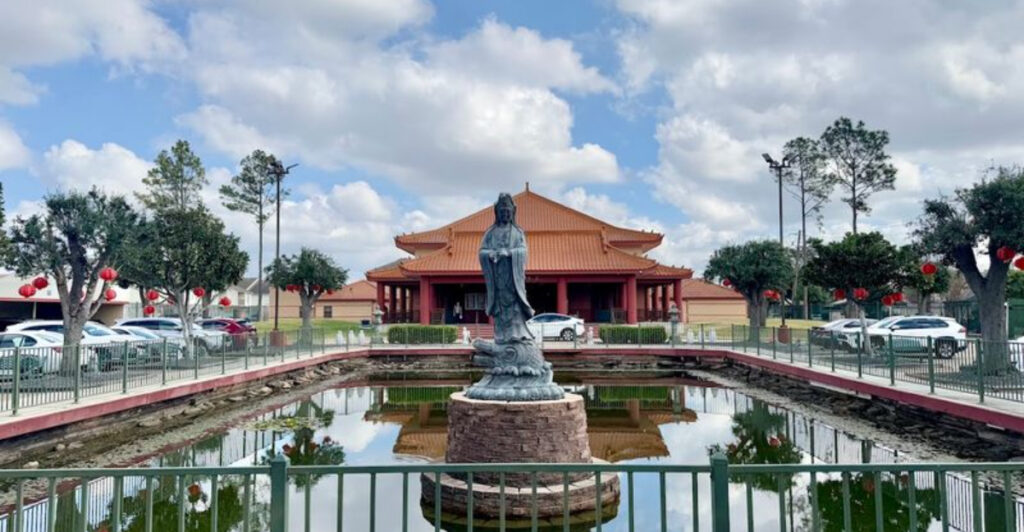
In southwest Houston, a remarkable Texas treasure awaits—a massive white jade Buddha statue that attracts visitors from around the world. The Jade Buddha Temple houses this stunning centerpiece alongside a thriving community dedicated to sharing Buddhist teachings in English. Whether you’re seeking spiritual growth, cultural exploration, or simply a peaceful escape from Houston’s hustle, this hidden gem offers something truly special that most Texans don’t even know exists.
1. The Magnificent White Jade Buddha Statue
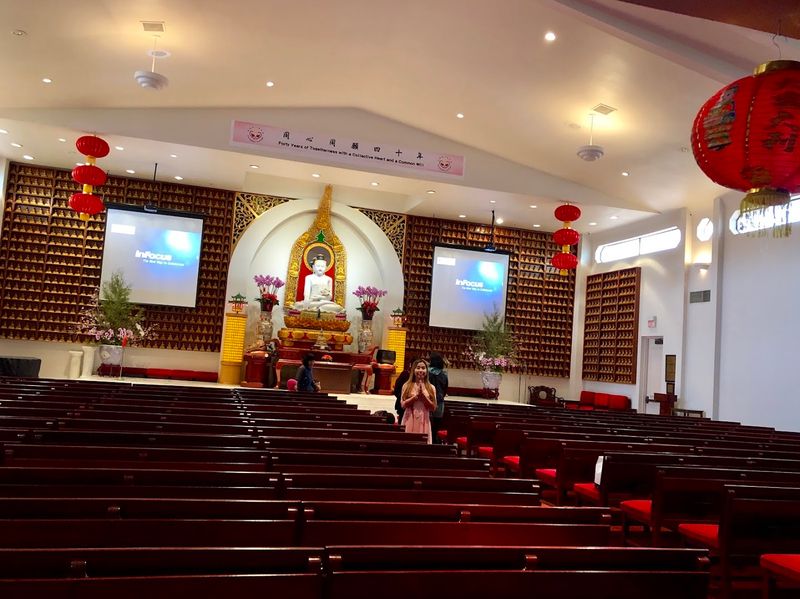
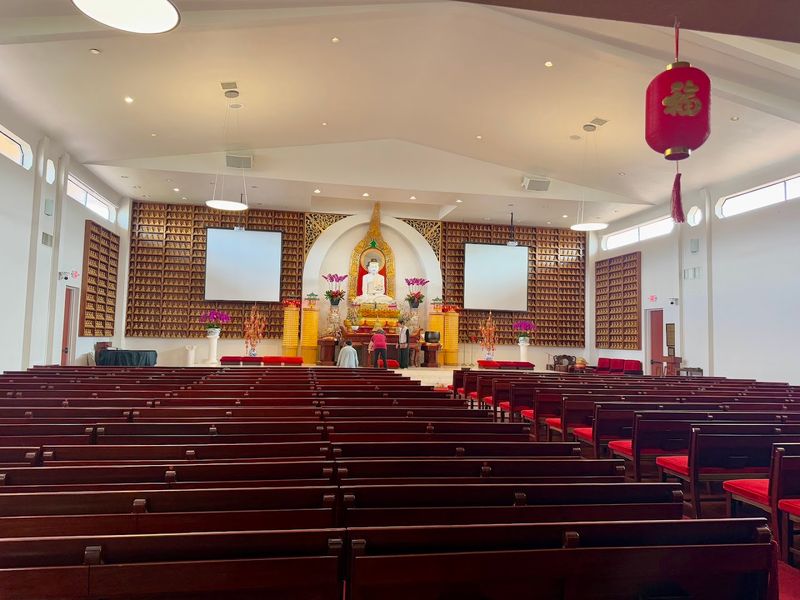
Standing as the crown jewel of this Houston temple, the white jade Buddha commands attention the moment you step into the main prayer hall. Carved from precious jade stone, this enormous statue represents years of craftsmanship and devotion. The sheer scale catches first-time visitors completely off guard, especially those who stumble upon the temple without knowing what awaits inside.
The statue’s serene expression and intricate details showcase the incredible skill required to work with jade at this magnitude. Soft lighting illuminates the figure, creating an atmosphere that feels worlds away from the busy Houston streets just outside. Visitors often spend extended periods simply sitting in the presence of this remarkable work of art.
During COVID closures, many missed experiencing the main hall, but the temple has since reopened this spectacular space. The jade Buddha serves not just as a religious icon but as a cultural treasure that bridges Eastern traditions with Western audiences. Photography policies vary, so respectful visitors should ask staff before snapping pictures.
The combination of artistic mastery and spiritual significance makes this statue more than just a tourist attraction. It anchors a living, breathing community where ancient wisdom meets modern Houston life. Few Texas landmarks can match the quiet power this jade Buddha radiates throughout its sacred space.
2. English Dharma Classes That Welcome Everyone
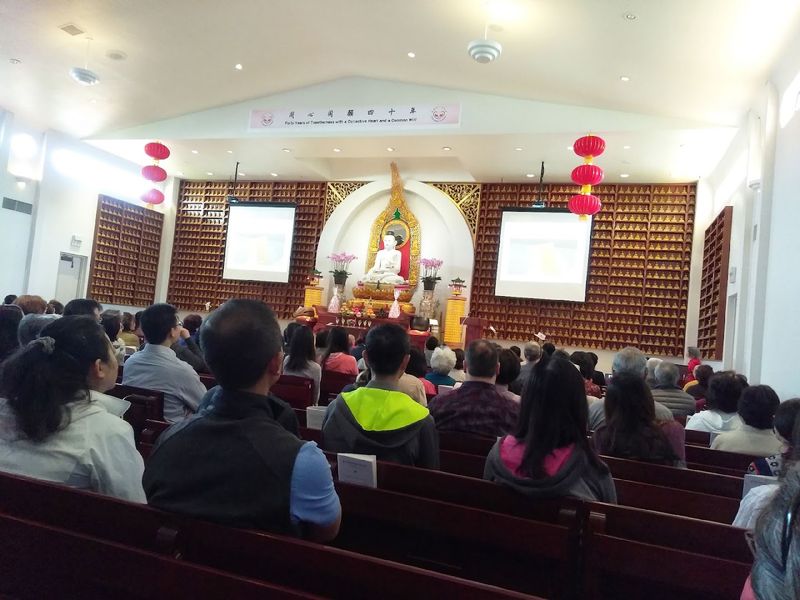
Sunday mornings at Jade Buddha Temple bring together seekers from all backgrounds for English-language Dharma talks that make Buddhist philosophy accessible to everyone. Hunter White leads these sessions, creating a welcoming space where newcomers and experienced practitioners sit side by side. The teaching style breaks down complex concepts into relatable ideas without dumbing down the profound wisdom.
What sets these classes apart is their genuine inclusivity. Reviewers consistently mention feeling welcomed and loved from their very first visit, regardless of their religious background or knowledge level. The speakers offer tremendously insightful perspectives that help attendees gain broader understanding of Buddhist teachings.
Monday evenings feature Nikaya Reading clubs focused on Majjhma Nikaya study and discussion, perfect for those wanting deeper textual engagement. Online reading groups tackle works like “The Way to Buddhahood” by Master Yin Shun, with Bhante serving as an eloquent guide through these traditional texts. His scholarly approach spans all Buddhist traditions while remaining engaging and clear.
The diverse community reflects Houston’s multicultural character, bringing together people who might never cross paths otherwise. Classes serve both veteran scholars and complete beginners, offering multiple entry points into Buddhist practice. This educational programming transforms the temple from a static monument into a dynamic learning center where ancient teachings address contemporary life challenges.
3. The Tranquil Kwan Yin Chapel
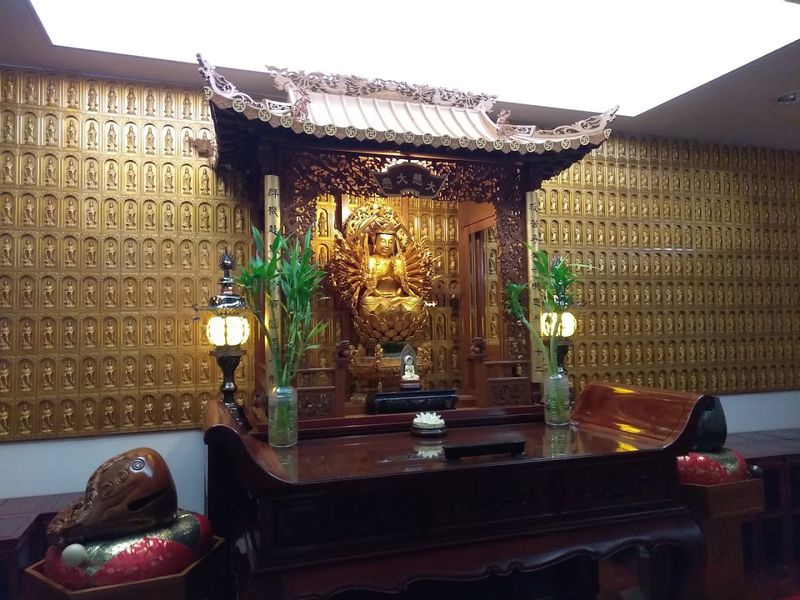
Behind the main temple building, the Kwan Yin Chapel offers an intimate sanctuary for meditation and quiet reflection. This smaller space carries an extremely tranquil energy that visitors describe as soothing and restorative. Even when the main hall was closed during pandemic restrictions, this chapel remained a refuge for those seeking peace of mind.
The lighting, silence, and overall aura create perfect conditions for decompressing from daily stress. Unlike the grander main hall, this chapel feels more personal and approachable. Only a handful of worshippers typically occupy the space at any given time, preserving its meditative quality.
Kwan Yin, the bodhisattva of compassion, presides over this sacred room with a gentle presence. The chapel’s design encourages visitors to connect with themselves through meditation and contemplation. Many find that just sitting quietly here for twenty minutes provides more mental clarity than hours of conventional stress relief.
The chapel demonstrates that spiritual spaces don’t need to be massive to be powerful. Its compact size actually enhances the sense of protection and comfort. First-time visitors often discover this rear chapel accidentally and end up spending more time here than anywhere else on the grounds, drawn by its unpretentious serenity and welcoming atmosphere.
4. A Retreat Center in Hempstead’s Nature
Beyond the Houston temple, the organization maintains a nature-themed branch retreat center in Hempstead, Texas, about an hour northwest of the city. This rural property provides extended opportunities for practitioners seeking deeper immersion in meditation and Buddhist study. The natural surroundings create an environment conducive to the kind of focused practice that’s challenging to maintain amid urban distractions.
Retreats typically span multiple days, allowing participants to step completely away from their regular routines. The Hempstead location embraces Texas’s natural beauty while providing structured guidance for spiritual development. Trees, open spaces, and quieter rhythms replace Houston’s concrete and constant motion.
These retreat experiences complement the regular Sunday teachings by offering intensive practice periods. Attendees return to their daily lives with renewed clarity and practical tools for maintaining mindfulness. The center welcomes both experienced meditators looking to deepen their practice and curious newcomers wanting to try extended silent periods.
Having both urban and rural locations gives the Jade Buddha community remarkable flexibility. City dwellers can access weekly teachings without long drives, while the Hempstead property serves those ready for more committed practice. This two-location model reflects thoughtful understanding of how different people engage with spiritual development at different stages of their journey.
5. Traditional Oriental Architecture and Gardens
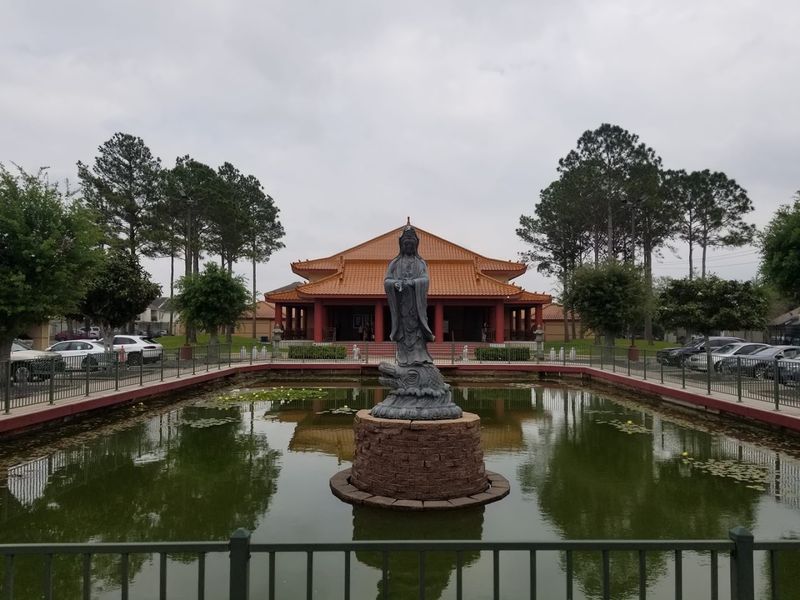
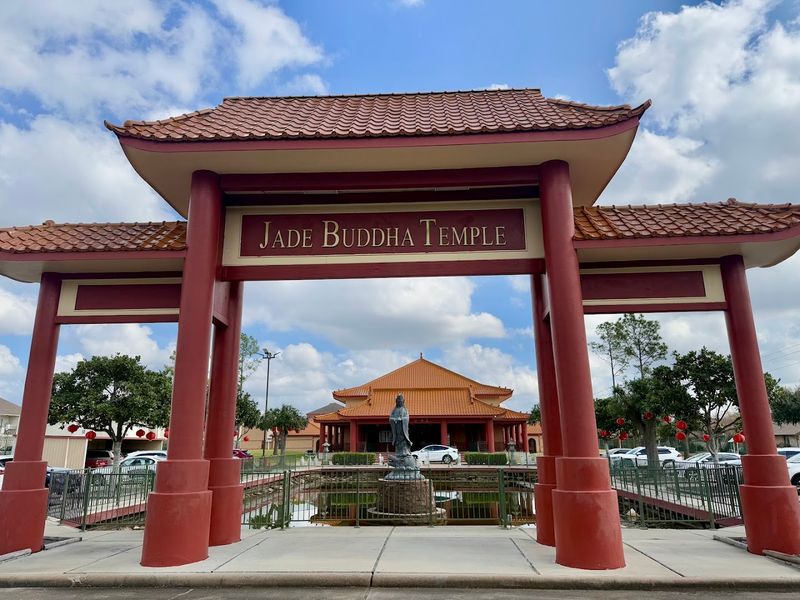
The temple’s architecture transports visitors straight to East Asia without leaving Texas soil. Traditional Oriental design elements shape every aspect of the building’s appearance, from roof lines to decorative details. This isn’t some watered-down Western interpretation but an authentic representation of classical temple construction that honors centuries of architectural tradition.
Gardens surrounding the buildings enhance the overall aesthetic while providing peaceful walking areas. The landscape design complements the structures rather than competing with them, creating visual harmony throughout the property. Tourists seeking Instagram-worthy backdrops find plenty of photogenic corners, though the temple’s purpose extends far beyond social media appeal.
Maintaining these traditional buildings in Houston’s climate requires dedicated effort and resources. The staff’s commitment to preservation ensures that future generations can experience this cultural treasure. Clean, well-maintained grounds reflect the Buddhist principles of mindfulness and respect that guide the community.
For many Houston residents, this temple represents their only direct contact with authentic Asian religious architecture. The educational value rivals any museum exhibit, except here the buildings serve their original sacred purpose. Visitors gain appreciation for how architecture itself can communicate spiritual values through proportion, orientation, and decorative symbolism embedded in every structural choice.
6. Friendly Staff and Welcoming Community
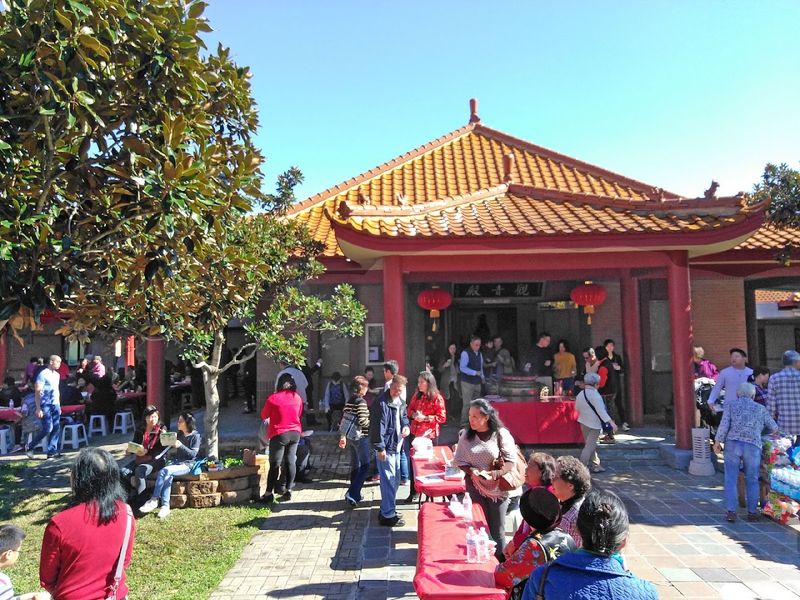
Walk through the temple doors and you’ll immediately notice something special about the people here. Staff members and regular attendees consistently demonstrate the kind of genuine kindness that can’t be faked or trained. Multiple reviews spanning nearly a decade mention feeling welcomed and loved, suggesting this warmth represents core community values rather than superficial politeness.
The acceptance extends to people from all backgrounds, belief systems, and experience levels. Whether you’re Buddhist, curious about Buddhism, or simply seeking a quiet place to think, nobody pressures you to conform or convert. This openness creates a safe space for authentic spiritual exploration.
Long-time community members remember faces and make efforts to help newcomers feel included. The calm demeanor that many practitioners exude comes not from forced composure but from genuine practice and understanding. These are people who’ve found something valuable and want to share it without attachment to outcomes.
In a world where religious communities sometimes feel exclusive or judgmental, the Jade Buddha Temple stands out for its radical inclusivity. The diversity reflects Houston’s multicultural character while demonstrating how shared values can unite people across differences. Visitors from 1999 still return when passing through town, testament to lasting connections formed here that transcend typical organizational membership.
7. Affordable Vegetarian Meals and Community Gatherings
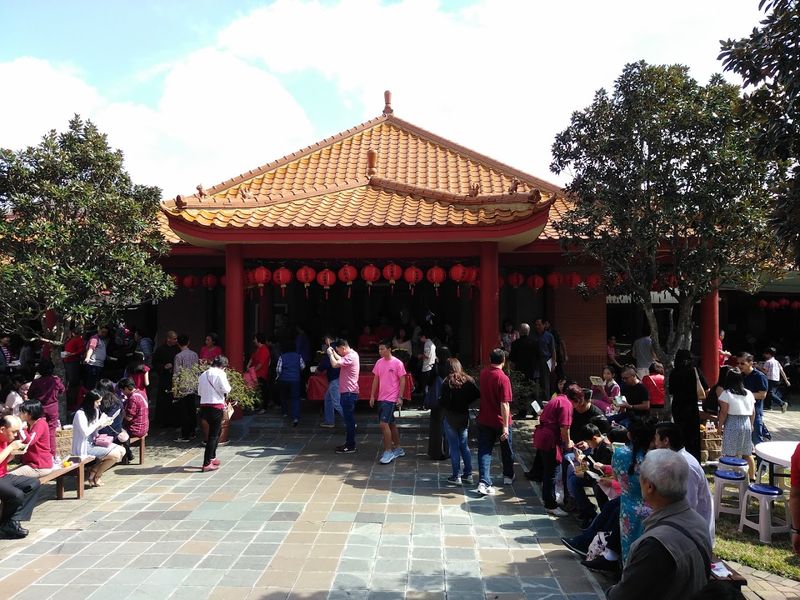
After Sunday Dharma talks, attendees can grab a plate of delicious vegetarian food for just five dollars. This simple meal service transforms educational sessions into genuine community gatherings where conversations continue over shared food. The cooking reflects traditional Asian vegetarian cuisine, offering flavors many Western visitors haven’t experienced before.
The affordable pricing ensures that financial constraints never prevent anyone from participating in community life. Five dollars barely covers a fast-food meal these days, making this home-cooked vegetarian spread an incredible value. More importantly, eating together builds bonds that pure instruction never could.
Buddhist vegetarian cooking follows specific principles that extend compassion to all living beings. The meals provide practical introduction to plant-based eating that might inspire attendees to explore vegetarian options in their own kitchens. Recipes often incorporate vegetables, tofu, rice, and flavorful sauces that prove vegetarian food can be satisfying and delicious.
These communal meals recall ancient Buddhist traditions of offering food and sharing resources within the sangha. Modern Americans often eat alone or rush through meals, missing the social and spiritual nourishment that comes from breaking bread together. The temple’s meal service preserves this valuable practice while adapting it to contemporary Houston life, creating weekly opportunities for connection that extend beyond formal teaching periods.
8. Connection Between Science and Buddhism
One particularly fascinating aspect of the temple’s educational programming explores intersections between Buddhist philosophy and modern science. Special Dharma talks examine how ancient contemplative insights align with contemporary neuroscience, psychology, and physics. These discussions attract intellectually curious attendees who appreciate evidence-based approaches to understanding consciousness and reality.
Buddhist meditation practices have become subjects of serious scientific research in recent decades. Studies document measurable brain changes in experienced meditators, validating claims about mental training that Buddha made 2,500 years ago. The temple’s willingness to engage with scientific findings demonstrates confidence that truth remains consistent across investigation methods.
These science-focused talks help bridge the gap for Western audiences who might dismiss Buddhism as mere superstition. By showing how contemplative practices produce verifiable results, teachers make ancient wisdom accessible to skeptical modern minds. The approach respects both scientific rigor and spiritual depth without forcing artificial conflicts between them.
Speakers bring tremendous insight to these complex topics, breaking down research findings and philosophical concepts for general audiences. Attendees leave with expanded understanding of how meditation affects brain function, how quantum physics relates to Buddhist concepts of emptiness, and how psychological research confirms teachings about suffering and attachment. This intellectual engagement complements devotional and meditative aspects of practice, offering multiple pathways into Buddhist wisdom.