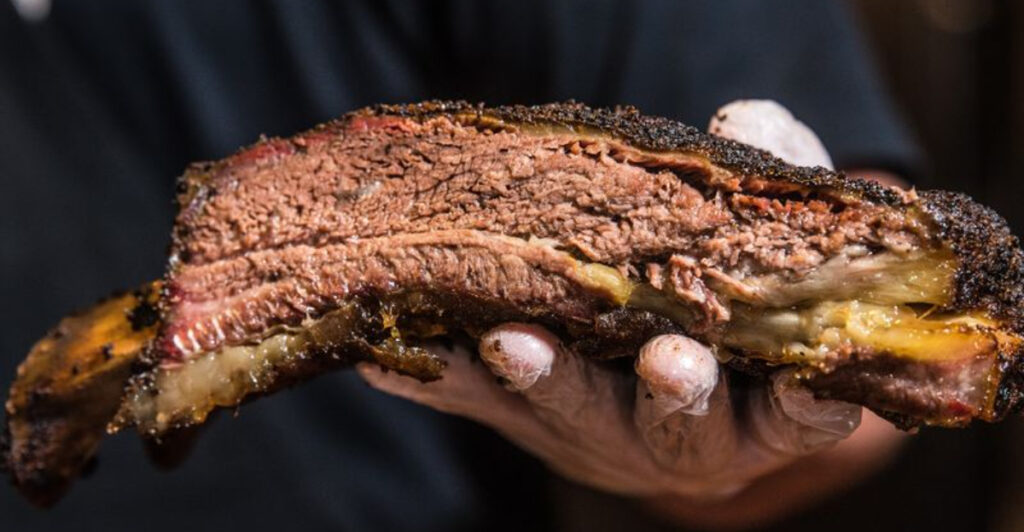
Walking into a Texas BBQ joint is like stepping into sacred territory. The smell of smoke, the sight of perfectly charred meat, and the unspoken rules that govern every interaction create an atmosphere unlike anywhere else. True Texans know there are certain phrases that should never cross your lips when you’re standing in line at a legendary smokehouse, and saying them out loud might just earn you some serious side-eye from the pitmaster and regulars alike.
1. “Can I Take a Quick Picture of the Pit?”
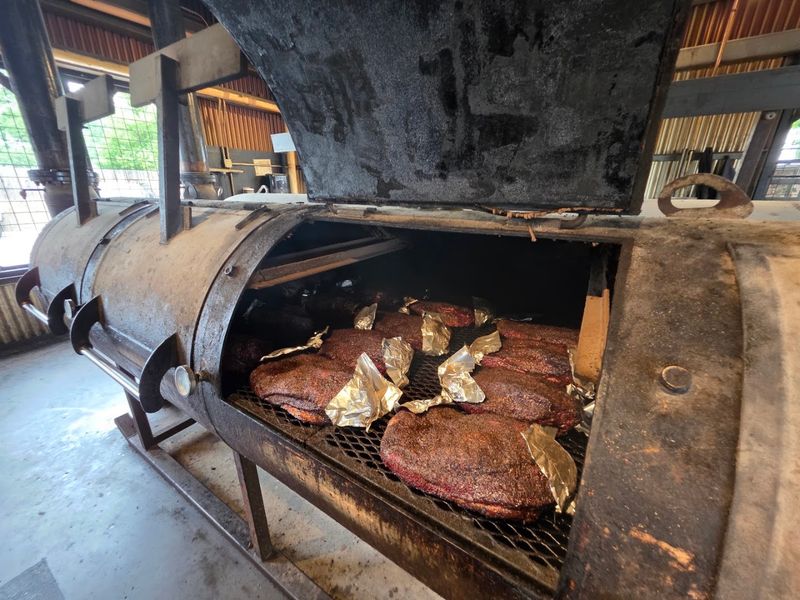
Asking to photograph the pit at a Texas BBQ joint shows you don’t understand the sacred relationship between pitmaster and fire. These smokers aren’t Instagram props or tourist attractions. They’re workstations where serious craft happens, and interrupting that process for a photo op demonstrates a fundamental misunderstanding of BBQ culture.
Pitmasters wake up at ungodly hours to tend their fires, maintaining precise temperatures for twelve to eighteen hours straight. When you ask to snap a quick pic, you’re essentially asking them to pause their carefully orchestrated dance with heat and smoke. The timing matters tremendously when you’re dealing with hundreds of pounds of meat that need constant attention.
Real BBQ enthusiasts know the pit area is off-limits unless you’re invited back there by the pitmaster themselves. It’s a workspace filled with extreme heat, sharp tools, and heavy equipment. Safety concerns aside, there’s an element of proprietary technique involved that pitmasters guard carefully.
The smoke, the wood selection, the positioning of meat—these aren’t just random choices. They represent years of experimentation and family secrets passed down through generations. Treating it like a photo opportunity trivializes the expertise required to produce world-class brisket.
If you want to appreciate the pit, do it respectfully from the customer side of the counter. Watch how the smoke rolls, notice the wood stacked nearby, observe the pitmaster’s movements when they emerge. True appreciation doesn’t require a camera pointed at someone’s livelihood.
It requires respect for the craft and understanding that some things are meant to be experienced rather than captured for social media. The best BBQ joints earn their reputation through quality, not through becoming viral sensations on Instagram.
2. “I’ll Have the Pulled Pork.”
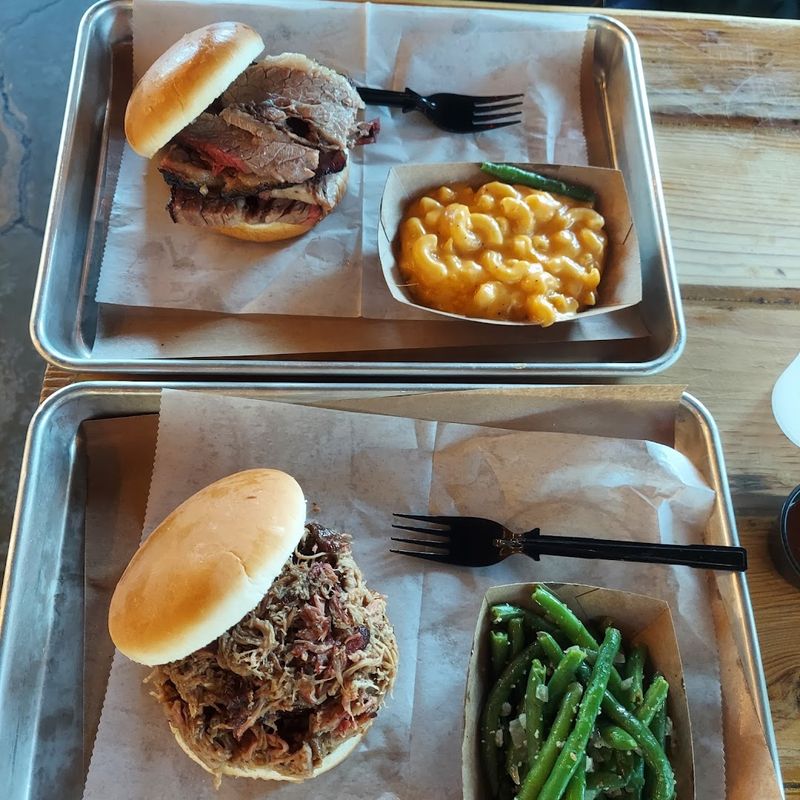
Ordering pulled pork at a Texas BBQ establishment is like walking into a pizzeria in Naples and asking for a cheeseburger. Sure, they might have it on the menu to accommodate tourists or transplants, but you’ve just announced to everyone within earshot that you’re not from around here. Texas BBQ culture revolves around beef, specifically brisket, and that’s non-negotiable.
The Lone Star State built its BBQ reputation on the backs of cattle ranches that dot the landscape from the Panhandle to South Texas. Smoking beef became the natural choice when you’ve got access to quality cattle and mesquite or oak wood. Pulled pork belongs to the Carolinas and Tennessee, where pork reigns supreme and vinegar-based sauces flow freely.
When you order pulled pork in Texas, you’re missing the entire point of why people drive hours to visit legendary smokehouses. The brisket represents the pinnacle of low-and-slow cooking technique. It takes genuine skill to transform a tough cut of meat into tender, smoky perfection with a beautiful bark and that coveted pink smoke ring.
Pitmasters dedicate their lives to perfecting brisket, not pork shoulder. They source specific cuts from trusted suppliers, experiment with rubs that complement beef’s natural flavors, and maintain fires at precise temperatures for half a day or longer. Asking for pulled pork suggests you’re indifferent to this craftsmanship.
Real Texans know the proper order: brisket first, always. Maybe some ribs or sausage on the side if you’re particularly hungry. Pulled pork doesn’t enter the conversation unless you’re actively trying to start an argument about regional BBQ superiority.
If you genuinely prefer pork, that’s fine—but recognize you’re in beef country now, and when in Rome, or rather when in Texas, you eat what the locals eat with pride.
3. “Can You Make It Well Done?”
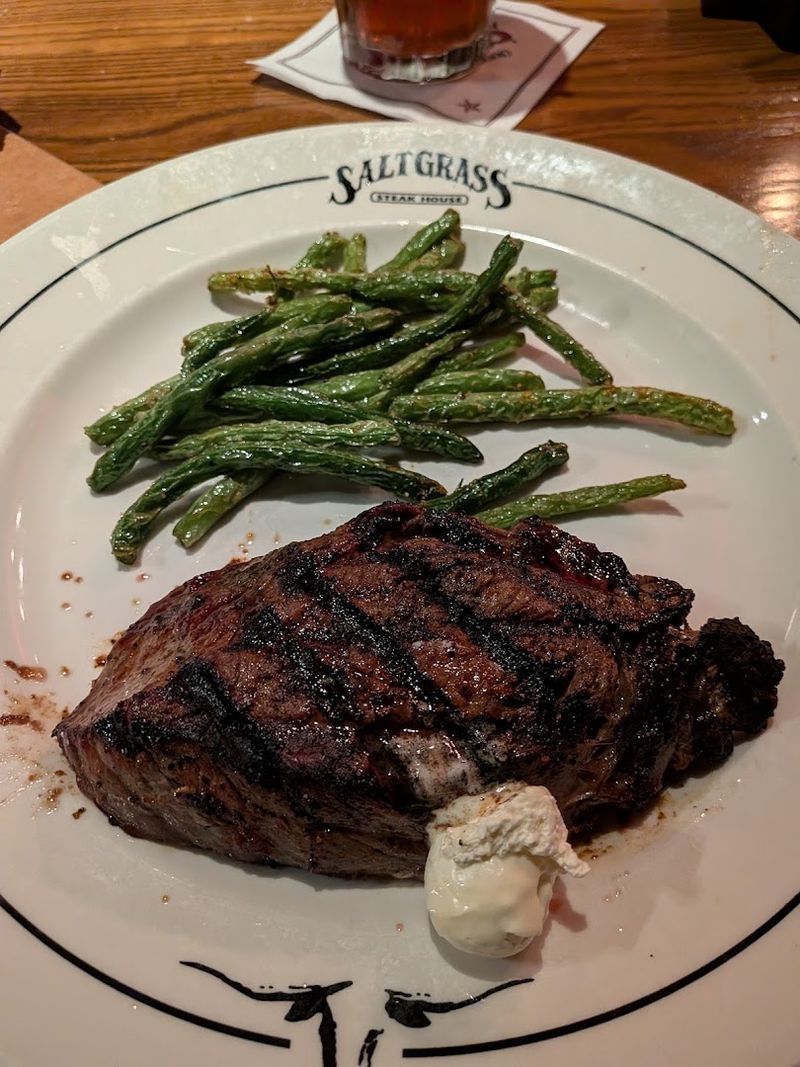
Requesting well-done meat at a BBQ joint reveals a complete misunderstanding of how smoking works and what makes great brisket special. The pitmaster has already spent twelve to sixteen hours cooking that brisket to absolute perfection. It’s done when it’s done, and asking for it cooked more is essentially requesting they ruin it specifically for you.
Brisket reaches its ideal state when the internal temperature hits around 203 degrees Fahrenheit, give or take a few degrees depending on the particular cut. At this point, the collagen has broken down into gelatin, the fat has rendered beautifully, and the meat achieves that perfect tenderness where it pulls apart with minimal effort. Cooking it beyond this point turns it dry, tough, and frankly inedible.
The pink color you see in properly smoked brisket isn’t a sign of undercooking—it’s the smoke ring, a badge of honor that shows the meat has been kissed by smoke for hours. This pink hue comes from a chemical reaction between nitrogen dioxide from the burning wood and myoglobin in the meat. It’s completely safe to eat and highly desirable among BBQ aficionados.
Texans understand that trusting the pitmaster is part of the experience. These folks have forgotten more about cooking meat than most people will ever know. When they slice your brisket and hand it over, they’re giving you the result of years of practice and generations of accumulated knowledge.
Asking for well-done suggests you think you know better than someone who’s dedicated their life to this craft. It’s insulting to their expertise and shows you’re approaching BBQ with a steak-house mindset that simply doesn’t apply. Great brisket doesn’t need modifications or special requests.
It needs appreciation for what it already is: perfectly cooked, smoky, tender beef that represents the pinnacle of Texas culinary tradition.
4. “Can I Get Some Extra Sauce on That Brisket?”
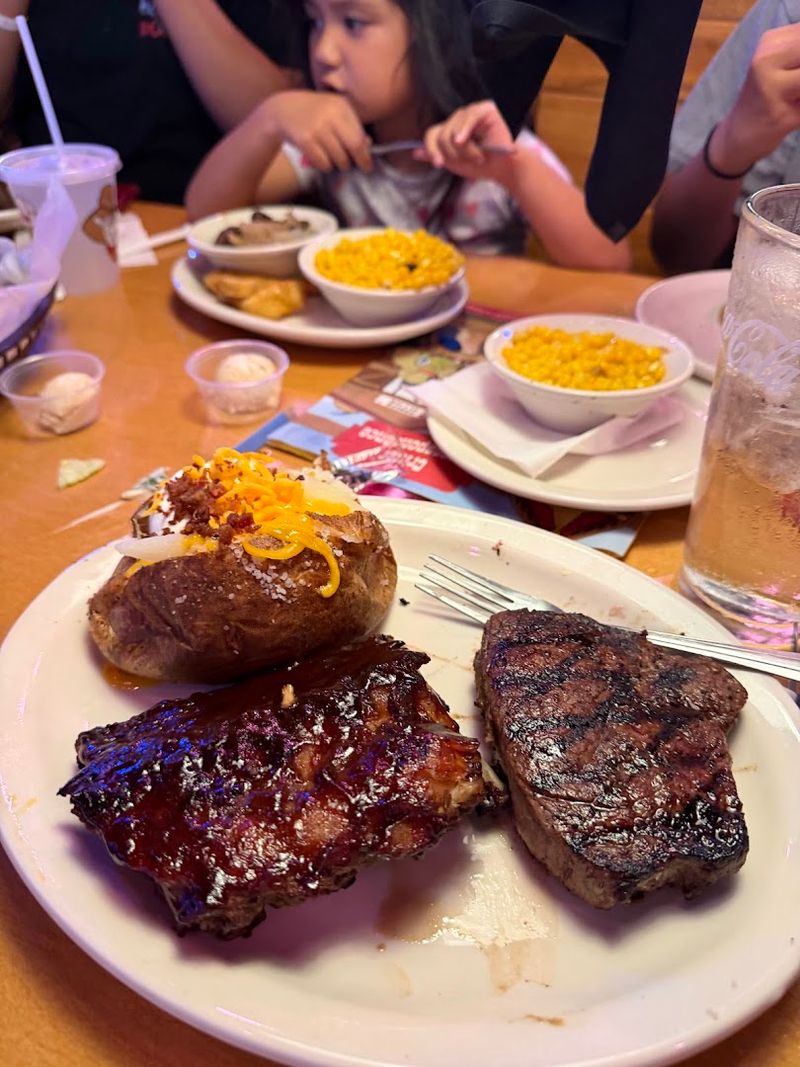
Nothing announces your outsider status faster than drowning properly smoked brisket in sauce before you’ve even tasted it. Quality Texas BBQ doesn’t hide behind sauce—it stands proudly on its own merits of smoke, seasoning, and technique. Sauce is available, sure, but it’s meant as a light accent, not a swimming pool for your meat to float in.
Central Texas BBQ tradition emphasizes the natural flavors of beef enhanced by smoke and a simple salt-and-pepper rub. The bark that forms on the outside of brisket during hours in the smoker creates a flavorful crust that sauce would only mask. That beautiful mahogany exterior represents chemistry, patience, and skill that deserves to be tasted on its own.
When you immediately request extra sauce, you’re telling the pitmaster their meat isn’t good enough to stand alone. It suggests you expect it to be dry or flavorless, which is frankly insulting when you’re dealing with someone who’s been tending fire since three in the morning. Great brisket doesn’t need sauce to be moist or flavorful—it achieves both through proper cooking technique.
The moisture in excellent brisket comes from rendered fat and properly broken-down connective tissue, not from sauce poured over the top. When you bite into a slice, you should taste smoke, beef, and seasoning first. If you want a touch of sauce after experiencing the meat’s natural flavor, that’s acceptable, but leading with sauce shows you’re missing the point entirely.
Real Texans know that sauce preferences vary by region—East Texas goes sweeter, South Texas adds heat—but everywhere in the state, sauce plays second fiddle to the meat itself. It’s a condiment, not a main ingredient. If you find yourself needing lots of sauce to enjoy brisket, you’re either at a subpar joint or you haven’t developed an appreciation for what good BBQ actually tastes like.
Either way, keep that request to yourself.
5. “What’s Your Secret Rub Recipe?”
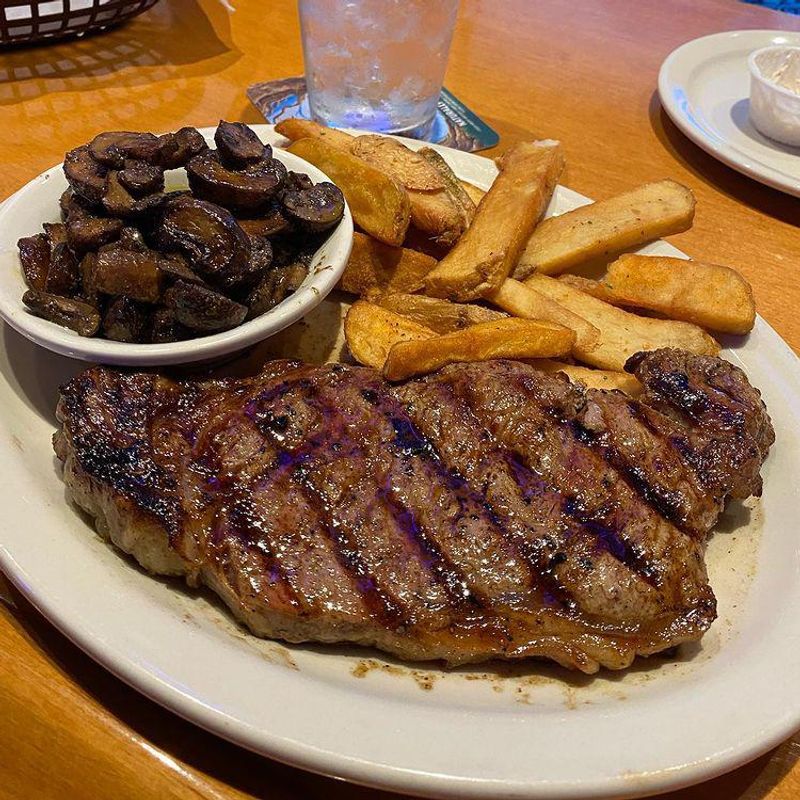
Walking up to a pitmaster and asking for their secret rub recipe is like asking a magician to explain their best trick while they’re performing it. These recipes represent years of experimentation, family tradition, and competitive advantage. They’re not conversation starters or friendly exchanges of information—they’re proprietary secrets that help distinguish one BBQ joint from another in an incredibly competitive landscape.
Many legendary Texas pitmasters use deceptively simple rubs, often just coarse black pepper and kosher salt in specific ratios. But the simplicity is misleading because the magic lies in the proportions, the grind size of the pepper, the type of salt used, and how it’s applied to the meat. These seemingly minor details create major differences in the final product.
Asking for the recipe puts the pitmaster in an awkward position. If they share it, they’re giving away something valuable that took time to develop. If they refuse, they might seem unfriendly or secretive, even though they’re just protecting their business interests.
It’s a lose-lose situation created by a question that should never be asked.
True BBQ enthusiasts understand that part of the appeal is the mystery and the uniqueness of each establishment. You don’t visit Franklin Barbecue, Louie Mueller, or Snow’s expecting them all to taste identical. The variations in rubs, smoking techniques, and wood choices create the diversity that makes Texas BBQ culture so rich and worth exploring.
If you’re genuinely interested in BBQ techniques, there are respectful ways to learn. Take a class, read books by respected pitmasters, experiment at home, or simply observe and appreciate without demanding insider knowledge. Asking directly for secret recipes shows you view BBQ as just food rather than craft, commerce, and culture intertwined.
Respect the artistry by enjoying the results without trying to extract trade secrets over the counter.