Ohio makes learning feel bigger, brighter, and a lot more exciting when kids can touch, test, build, and explore their way through science centers and hands-on museums across the state. From space history and giant dinosaur exhibits to maker labs, water play, and kid-sized towns, these places turn school subjects into real experiences that stick with you long after the visit ends.
Families, teachers, and curious travelers all have good reasons to keep these spots on their 2026 list because they mix fun with useful lessons in science, nature, engineering, creativity, and problem-solving. If you are hoping to find Ohio destinations where a day trip can spark questions, big laughs, and maybe even a future career dream, this guide will point you toward places where learning feels less like homework and more like an adventure waiting around the next corner.
1. COSI, Columbus

Few places make curiosity feel this electric. The moment you step inside, the mix of motion, color, and noise tells you that COSI in Columbus is not the kind of museum where people quietly shuffle past glass cases.
Instead, visitors are invited to push buttons, test ideas, and see what happens when science gets personal. One room may pull you toward space, while another turns the human body, weather, or engineering into something you can actually try with your own hands.
Families often like COSI because it works for different ages at the same time. Younger kids can explore simple building and water activities, while older children and teens can spend longer with design challenges, physics stations, and problem-solving exhibits that reward patience.
The planetarium and large special exhibits can add even more to a visit, so it helps to check the schedule before you go. If there is an IMAX-style film or traveling exhibit that matches your child’s interests, planning around that can make the day feel even more memorable.
Comfort matters here, too, because the museum is large. Wear shoes meant for lots of walking, arrive early if you can, and pick one or two must-see areas so nobody gets tired from trying to do everything at once.
Another smart tip is to leave room for surprise. COSI is at its best when kids get the chance to wander a little, notice a station they did not expect to love, and stay with it long enough to ask better questions.
By the end of the day, many visitors leave with that happy kind of brain-tired feeling. COSI does a great job of proving that science is not just something to read about in class, it is something you can test, feel, and remember.
2. Great Lakes Science Center, Cleveland

Right by the Cleveland waterfront, science gets a fresh breeze at Great Lakes Science Center. The location alone gives the visit extra energy, and once you are inside, the hands-on exhibits keep that momentum going.
Many guests come for the interactive displays that connect science to everyday life in clear, fun ways. Energy, weather, motion, and technology all show up in exhibits designed to make kids experiment first and explain later.
One of the strongest parts of this museum is how well it ties learning to Ohio’s real-world innovation story. Space fans often enjoy the NASA Glenn Visitor Center features, which help visitors connect classroom science to research, flight, and engineering happening in the region.
That local connection makes the museum feel grounded instead of random. A child can look at a display about propulsion or electricity and start to understand that scientists and engineers in Ohio work on these ideas for real.
Parents planning a visit should check showtimes and special programs ahead of time. Live demonstrations and films can break up the day nicely, especially for kids who like a change of pace between exhibit halls.
Since the museum sits near other Cleveland attractions, some families turn it into part of a full downtown day. That can be a great idea, but it helps to protect enough time for unplanned exploring because many children end up spending longer than expected at favorite stations.
Another plus is the range of learning styles the center supports. Builders, readers, tinkerers, and kids who learn best by moving around can all find something that clicks.
Great Lakes Science Center makes science feel active, local, and useful. It is the kind of place where lakefront views, space history, and hands-on challenges come together in a way that keeps the whole trip lively.
3. Imagination Station, Toledo
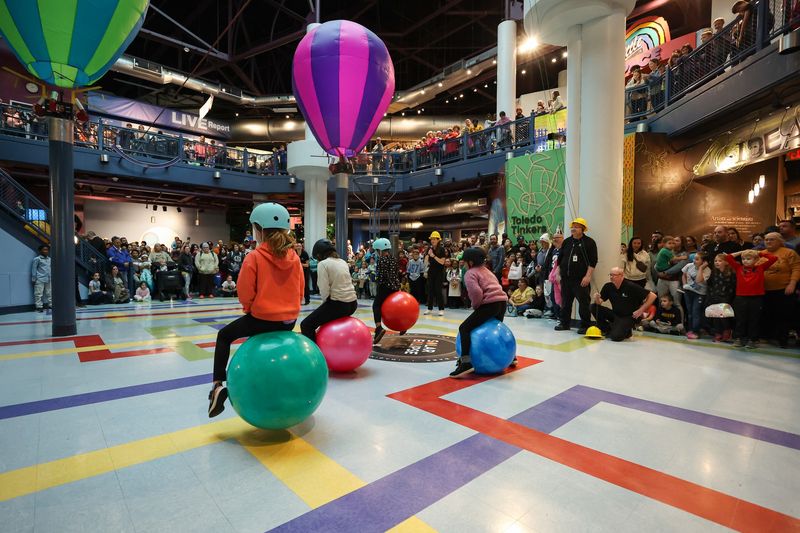
Some museums whisper, but Imagination Station in Toledo feels like it talks with its hands. Kids are encouraged to build, spin, test, and laugh their way through exhibits that turn science into a full-body activity.
The energy here is one of its biggest strengths. A child who says science sounds boring can end up racing from one station to the next, suddenly eager to understand how air pressure, motion, light, or force actually works.
Live demonstrations often become the high point of the day because they add surprise and drama. Seeing a science idea happen right in front of you can make a lesson feel much more real than reading about it in a textbook.
There is also a playful spirit that helps visitors relax. Instead of worrying about getting the right answer right away, kids can try things, make mistakes, and learn by changing their approach, which is exactly how good experimenting works.
If you are visiting with children who have lots of energy, this museum can be a very good fit. Plan for movement, quick shifts in attention, and a lot of excited pointing as kids spot the next thing they want to touch.
Adults can make the visit even richer by asking simple follow-up questions. What changed, what surprised you, and why do you think that happened are often enough to turn a fun moment into a stronger learning moment.
Food, breaks, and pacing matter, especially if you want everyone to last through the whole outing. A short rest in the middle can help kids come back with fresh attention and enjoy more of what the museum offers.
Imagination Station succeeds because it keeps the mood bright while still delivering real science ideas. It feels welcoming, active, and easy to enjoy, which is exactly why so many families remember it as more than just another museum stop.
4. Boonshoft Museum Of Discovery, Dayton
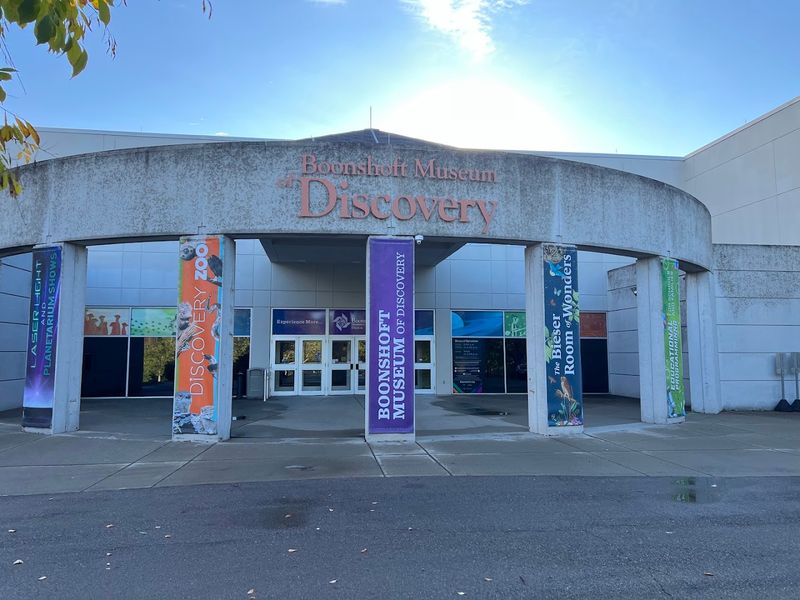
A museum with animals, science, and discovery under one roof already has a strong head start. Boonshoft Museum of Discovery in Dayton stands out because it blends natural history, hands-on learning, and family fun in a way that feels easy and welcoming.
One moment you might be looking closely at science exhibits, and the next you could be visiting animal areas that spark questions about habitats, adaptation, and care. That variety helps children stay interested because the experience keeps changing.
Parents often appreciate that the museum offers more than one kind of learning. Kids who love space or weather can find that, while children who connect more with living things may be drawn to the animal encounters and nature-focused exhibits.
The museum can also feel less overwhelming than some giant institutions, which is useful for younger children. Instead of rushing through huge halls, families can slow down, notice details, and let kids return to an exhibit they want to try again.
For school-age visitors, Boonshoft can open the door to bigger ideas without making them feel too heavy. Exhibits about the human body, the natural world, and scientific observation often work best when adults encourage kids to compare what they see with their own daily experiences.
Checking the day’s schedule is a smart move because planetarium programs, animal talks, or special activities can shape your visit. A planned highlight gives the day structure, while open time between events leaves space for surprise discoveries.
Bring patience for the exhibits your child loves most. Sometimes the strongest learning happens when a kid spends ten extra minutes repeating one activity and slowly figuring out the pattern.
Boonshoft Museum of Discovery offers a gentle mix of wonder and practicality. It reminds visitors that science is not only about machines and formulas, but also about animals, people, patterns, and the living world all around us.
5. The Works: Ohio Center For History, Art And Technology, Newark

History, art, and technology do not always share the same room, but The Works in Newark makes that mix feel natural. A visit here can surprise families who expect a standard science center and instead find a place where invention and creativity meet.
The museum often leaves a strong impression because it connects ideas instead of keeping them in separate boxes. A child can move from learning about industry and local history to seeing how design, making, and problem-solving all work together.
That approach is helpful for kids who do not think of themselves as science people. When technology is linked with art and hands-on building, it becomes easier to see that curiosity belongs to everyone, not just future engineers.
One memorable part of The Works is its connection to making and materials. Exhibits and programs can show how tools, craftsmanship, and experimentation shape both everyday objects and bigger changes in a community.
Adults may find that the museum starts good conversations about how towns grow and how jobs, inventions, and local history connect. For children, those ideas become easier to understand when they can touch exhibits and watch skills in action rather than only hearing dates and facts.
It is smart to look for demonstrations or special workshops before visiting. If glass, engineering, or maker-style programming is on the calendar, that can turn an already interesting trip into a standout day.
Because The Works covers several themes, visitors may enjoy it most by following their own curiosity instead of trying to force a perfect route. Let one exhibit lead naturally to the next, and the museum starts to feel like a story unfolding.
The Works offers something a little different from many science destinations in Ohio. It shows that learning can be mechanical, artistic, historical, and practical all at once, which gives the whole experience a grounded, creative personality.
6. OH WOW, Youngstown

Bright, busy, and built for action, OH WOW in Youngstown knows how to keep young minds moving. The museum leans into hands-on STEM fun, which makes it especially appealing for families with children who learn best by doing.
Instead of long explanations, many exhibits invite kids to jump in and start experimenting right away. That quick start matters because once children feel successful and curious, they are more willing to keep exploring harder ideas.
The setting works well for a family outing because there is a playful rhythm to the experience. You can move from building challenges to motion-based activities to exhibits that ask kids to observe, predict, and test their own ideas.
For adults, one of the nicest things about OH WOW is how naturally it supports conversation. A simple activity can easily turn into a chat about balance, gravity, teamwork, or why a design worked the second time but not the first.
Young children often enjoy the museum’s bright atmosphere and approachable scale. Older kids can still stay engaged when they are encouraged to think like inventors and make small changes to improve what they are building or testing.
If your child likes to repeat activities, allow time for that. Repetition may look simple, but it often means a child is noticing details, comparing results, and building confidence through trial and error.
OH WOW can be a great stop for a shorter trip or a larger day in Youngstown. Because it is easy to enter and start exploring quickly, it suits families who want something educational without the pressure of a huge all-day plan.
There is a cheerful, practical spirit here that makes science feel friendly. OH WOW proves that a museum does not need to be enormous to make a strong impact, especially when its exhibits invite kids to think, move, and create at the same time.
7. AHA! A Hands-On Adventure, A Children’s Museum, Lancaster
Sometimes the best learning hides inside play that looks simple at first. AHA!
A Hands-On Adventure in Lancaster gives children room to pretend, build, explore, and solve problems in ways that feel natural instead of forced.
This museum is especially useful for younger visitors because it understands how children learn through movement, role play, and repetition. A kid pretending to shop, build, or run part of a tiny world is also practicing planning, communication, and observation.
That is what makes AHA! more valuable than it may appear from a quick glance. Beneath the cheerful exhibits, children are testing ideas about how communities work, how objects fit together, and how their own choices shape what happens next.
Families with elementary-age children often find that the museum feels manageable and inviting. Kids can settle into one area, create their own little storyline, and gain confidence because the exhibits are designed to be touched and used, not simply admired.
Parents do not need to overteach here. In fact, the visit often goes better when adults join the play, ask a few curious questions, and let the child stay in charge of the pretend world for a while.
Because many experiences are open-ended, no two visits feel exactly the same. One child may focus on imaginative play, while another becomes absorbed in building, sorting, or figuring out how different parts of an exhibit connect.
It helps to slow down and resist the urge to rush toward the next station. Children often get the most from AHA! when they have enough time to invent a game, change the rules, and discover something new on their own.
AHA! A Hands-On Adventure offers a softer kind of science and museum learning, but it still matters deeply.
It shows that curiosity starts early, and that growing a thoughtful, confident learner can begin with one playful afternoon in Lancaster.
8. Ohio Valley Museum Of Discovery, Athens
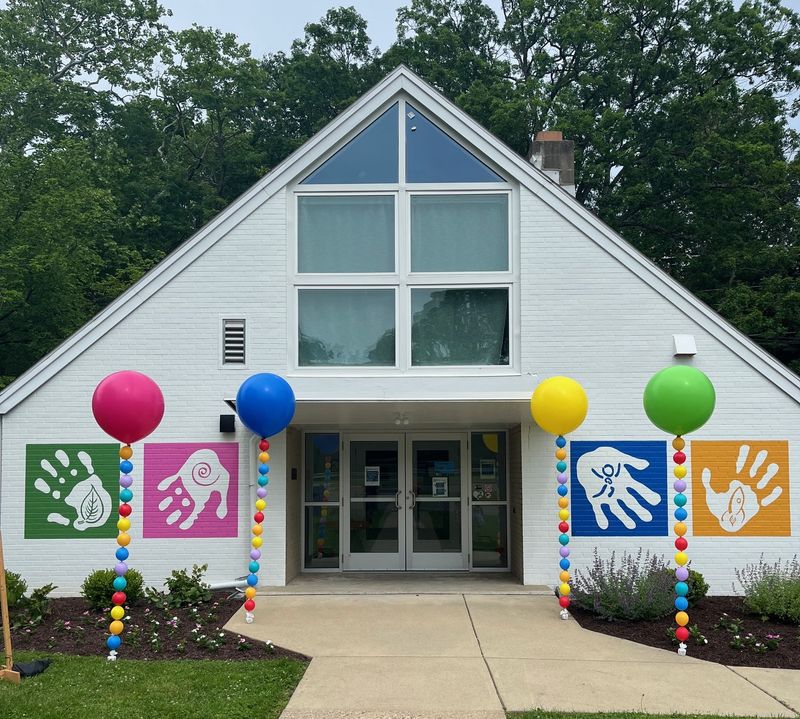
Small museums can surprise you, and Ohio Valley Museum of Discovery in Athens is a good example. It brings hands-on learning to families in a way that feels personal, approachable, and closely tied to the idea that curiosity should belong to every community.
Rather than trying to overwhelm visitors with endless choices, the museum creates spaces where children can focus. That can be a real advantage, especially for younger kids who sometimes learn better in a setting that feels friendly instead of huge.
Hands-on exhibits give children chances to test ideas through play, movement, and simple experiments. Those moments matter because they help build habits of noticing, asking questions, and sticking with a challenge long enough to solve part of it.
For families in southeastern Ohio, the museum can feel especially meaningful as a local learning hub. Kids do not have to travel to a major city to experience interactive science and discovery, and that access can help make learning feel like part of everyday life.
Visitors may enjoy the museum most when they enter with an open schedule and a flexible mindset. Instead of racing from one station to the next, it helps to watch what captures a child’s attention and let that interest guide the pace.
Adults can support learning here with simple comments and gentle prompts. Try asking what a child notices first, what changed after one adjustment, or what they want to try differently next time.
The museum also works well for repeat visits because children often engage in new ways as they grow. An activity that feels like pure play one year may become a problem-solving challenge the next.
Ohio Valley Museum of Discovery carries a community spirit that makes it easy to appreciate. It may not rely on giant scale or flashy presentation, but it offers something just as valuable, a welcoming place where kids can practice curiosity close to home.
9. Museum Of Natural History And Science At Cincinnati Museum Center, Cincinnati
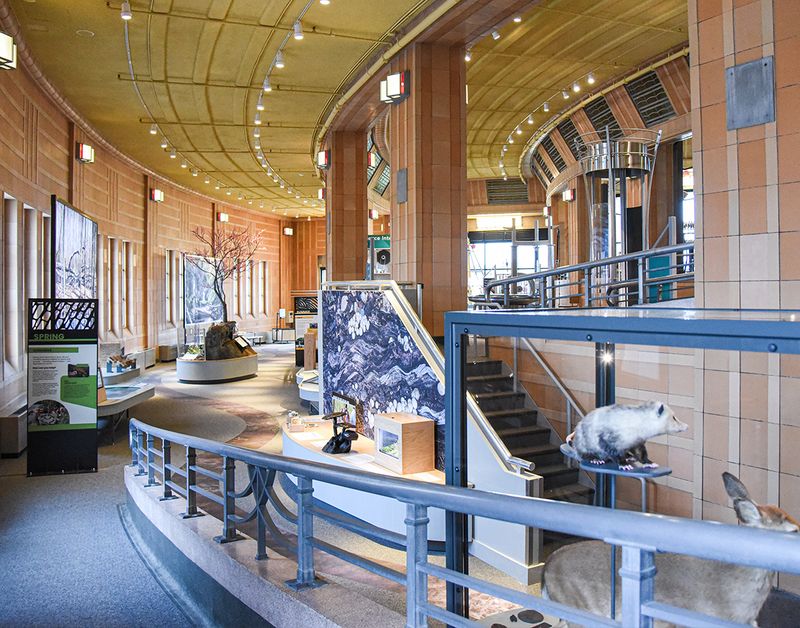
Walking into Cincinnati Museum Center already feels special, and the Museum of Natural History and Science adds another layer of wonder. The setting has a sense of grandeur, yet the exhibits still give families plenty of ways to connect science and history to real life.
Many visitors remember the big visual moments first, such as fossils, large displays, and immersive environments. Those striking scenes help children feel excited before they even begin reading signs or trying interactive features.
The museum shines when it helps kids see the story of the natural world over time. Earth science, ancient life, and the development of living things become easier to picture when exhibits place visitors close to dramatic examples and carefully built environments.
Another strength is the variety of topics packed into one destination. A family can move from natural history to science-focused exploration and leave feeling like the day offered both adventure and solid learning.
Because the museum is part of a larger center, it helps to make a plan before arriving. Decide whether your main focus is natural history, another museum section, or a combination, so your group keeps enough energy for the parts that matter most.
Children often benefit from a scavenger-hunt style approach here. Pick a few things to notice, such as the biggest fossil, the strangest animal adaptation, or the exhibit that best explains how the Earth changes over time.
Breaks are useful, especially in a large destination with many choices. A rest at the right moment can keep kids from fading halfway through an otherwise exciting day.
The Museum of Natural History and Science at Cincinnati Museum Center delivers both scale and substance. It invites visitors to think about deep time, changing landscapes, and life on Earth in a way that feels vivid, memorable, and rooted in one of Ohio’s most impressive museum spaces.
10. Cleveland Museum Of Natural History, Cleveland
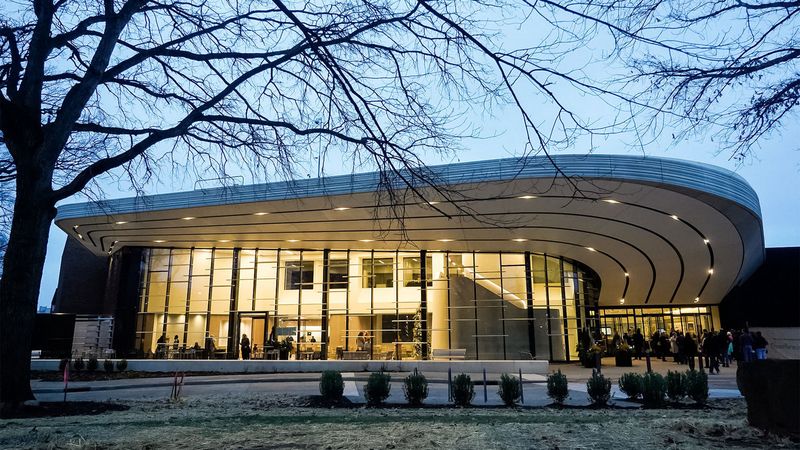
Dinosaurs, geology, wildlife, and big questions about Earth all come together at Cleveland Museum of Natural History. For many families, it is the kind of place that inspires quiet staring one minute and excited fact sharing the next.
Natural history museums have a different flavor from many hands-on science centers, but that does not make them less adventurous. When children stand in front of towering fossils or study the details of animals and minerals, they begin building a sense of how large and connected the natural world really is.
What makes this museum rewarding is its ability to spark curiosity across many subjects at once. A child interested in dinosaurs may suddenly become curious about ancient climates, while another who starts with animals may leave talking about habitats and conservation.
Parents can help turn the visit into a stronger learning experience by slowing the pace. Instead of trying to see every case and hallway, pick a handful of exhibits and spend more time asking what your child notices about shape, size, color, movement, or survival.
Depending on the timing of your visit, special exhibitions or updated spaces may add even more value. Checking ahead is useful, especially in 2026, when programming, exhibit improvements, or temporary installations could shape what you most want to see.
This museum also works well for older children who enjoy reading and comparing information. The topics often invite deeper thinking, which makes it a good place for kids ready to move from simple fascination into stronger observation and discussion.
A notebook or phone photo list can make the day more interactive. Encourage children to keep track of three favorite discoveries and explain why those exhibits stood out.
Cleveland Museum of Natural History offers a thoughtful kind of excitement. It reminds visitors that learning is not always noisy or fast, and that sometimes the biggest adventure begins by looking closely at a bone, a rock, or the long history of life on Earth.
11. Armstrong Air And Space Museum, Wapakoneta
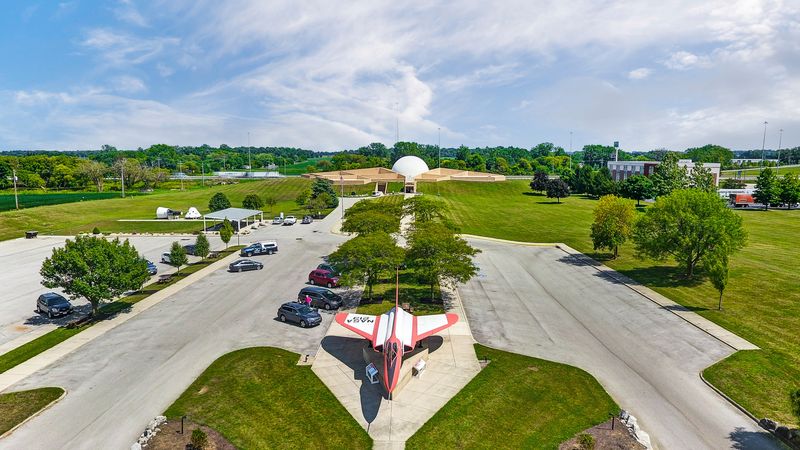
Few Ohio museums connect dreams and discipline as clearly as Armstrong Air and Space Museum in Wapakoneta. The story of flight and space exploration feels bigger when visitors remember that Neil Armstrong came from Ohio and became the first person to walk on the moon.
That hometown connection gives the museum real emotional pull. Kids can see that extraordinary achievements begin in ordinary places, which is a powerful lesson for any young visitor with a big imagination.
Inside, exhibits help explain the science, engineering, and history behind aviation and space travel. Instead of space feeling like a faraway fantasy, the museum brings it down to human scale through artifacts, information, and stories about training, technology, and courage.
Families often find that the museum works especially well for children who love rockets, astronauts, or machines. At the same time, kids who prefer stories to technical details may connect strongly with the personal side of the exhibits and the determination required for exploration.
Before visiting, it helps to talk with children about the moon landing and why it mattered. Even a short bit of background can make the displays more meaningful once they see how much work, planning, and teamwork went into each step.
Take your time with the timeline and mission-focused areas. Space history can move quickly if you rush, but slowing down helps children understand that each major success came after years of testing, setbacks, and careful problem-solving.
A visit here can also lead naturally into hands-on learning later at home or school. Kids often leave wanting to build rockets, learn more about the planets, or ask deeper questions about how people survive and work in space.
Armstrong Air and Space Museum gives Ohio one of its most inspiring science destinations. It blends state pride, world history, and the thrill of exploration into a visit that encourages children to think far beyond the horizon.
12. Buckeye Imagination Museum, Mansfield
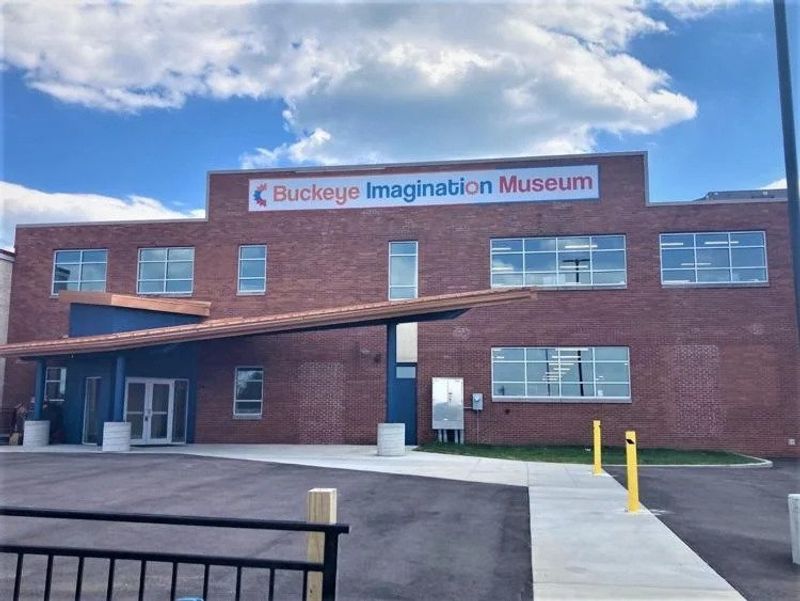
Play can look light on the surface while doing serious work underneath, and Buckeye Imagination Museum in Mansfield understands that well. The museum invites children to step into active, creative spaces where they can explore ideas by pretending, making choices, and testing how things work.
For many families, the appeal starts with the cheerful design and child-friendly setup. Kids can move with purpose from one area to another, and that freedom often leads to richer learning than a tightly controlled experience would.
Pretend play has real value because it helps children practice language, planning, and social thinking. When kids take on roles, solve little problems, and build stories together, they are also learning how systems and communities function.
The museum can be especially rewarding for younger children and early elementary ages. Instead of expecting them to absorb a lot of formal information, it meets them where they are and gives them ways to learn through action, repetition, and imagination.
Parents can get more out of the visit by noticing what their child returns to again and again. Repeated interest often points to a skill or idea the child is trying to understand more deeply, whether that means building, organizing, caring for others, or inventing a scenario.
Another strength is that adults can participate without taking over. Joining the pretend world, following the child’s lead, and adding just a few questions can make the experience feel shared rather than directed.
If possible, avoid packing the day too tightly around this stop. Children usually enjoy the museum more when they know they have enough time to settle in, switch ideas, and stay with their favorite area as long as they want.
Buckeye Imagination Museum offers a warm kind of adventure. It shows that learning in Ohio is not always about giant machines or dramatic experiments, sometimes it grows from creativity, confidence, and the freedom to imagine how the world works.
13. Akron Children’s Museum, Akron
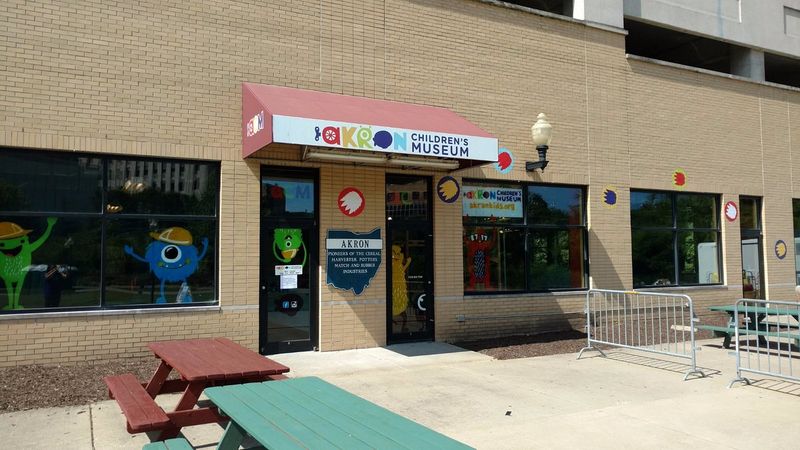
A busy child can turn curiosity into a full workout at Akron Children’s Museum. The space is built around hands-on discovery, giving kids chances to move, touch, create, and figure things out through active play.
What stands out most is the museum’s welcoming feel. Children do not need special background knowledge to enjoy it, and that makes the learning more inviting right from the start.
Exhibits often encourage simple experimentation, imaginative problem-solving, and social interaction. Those three elements together can be very powerful because they help children practice both thinking skills and everyday life skills at the same time.
For parents of younger children, the museum can be a strong choice for an easy day out that still feels meaningful. Instead of trying to keep kids focused on information they are not ready for, the museum uses movement and play to build comfort with exploring new ideas.
That does not mean the learning is shallow. A child stacking, sorting, pretending, or redesigning an activity is practicing attention, persistence, and flexible thinking, which are all important foundations for later science and math learning.
One helpful strategy is to let the child lead for a while before offering suggestions. When children choose their own path, they often become more invested in the activity and more willing to keep trying when something does not work the first time.
Because the museum is made for engagement, expect excited noise and lots of back-and-forth movement. Snacks, water, and a calm moment outside or in a quiet corner can help reset energy if the visit starts to feel too busy.
Akron Children’s Museum brings a playful finish to any list of Ohio learning adventures. It proves that a museum visit does not have to feel formal to be valuable, and that some of the best lessons begin with hands, imagination, and the confidence to explore.