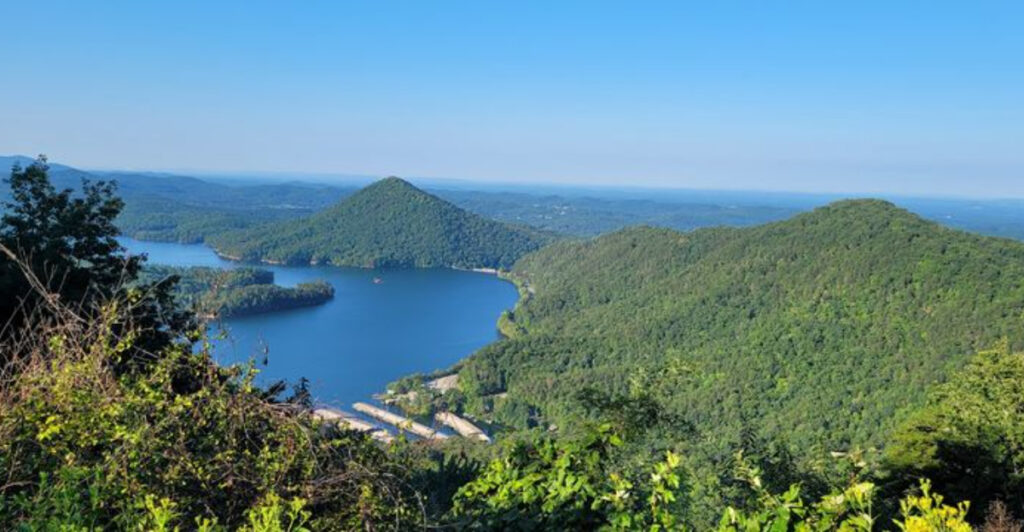
Lake Ocoee sits tucked away in the mountains of southeastern Tennessee, and its story is way more interesting than you might think. While many people know the Tennessee Valley Authority for building massive dams across the region, Lake Ocoee actually came from a dam built decades before the TVA even existed. The lake’s history connects to America’s early power companies, Olympic whitewater competitions, and some of the most beautiful scenery you’ll find anywhere in the state.
The Dam That Started It All
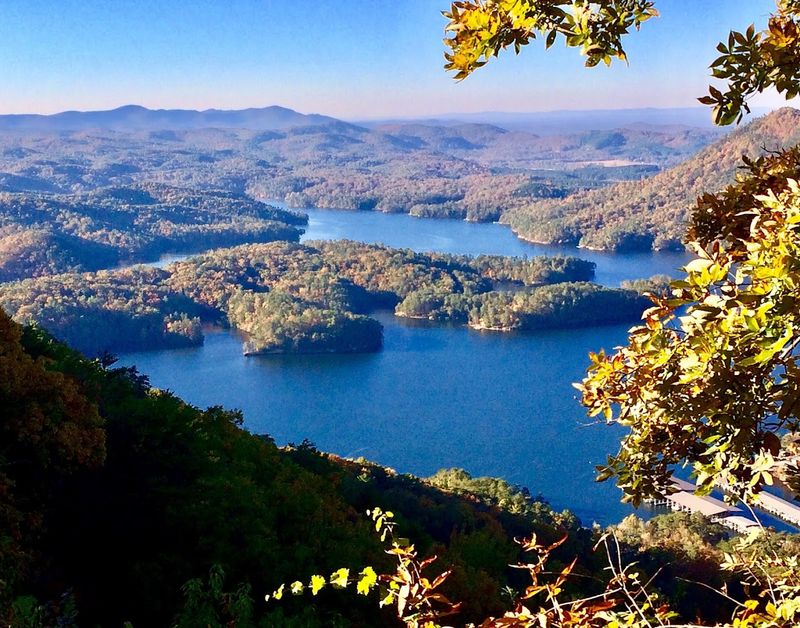
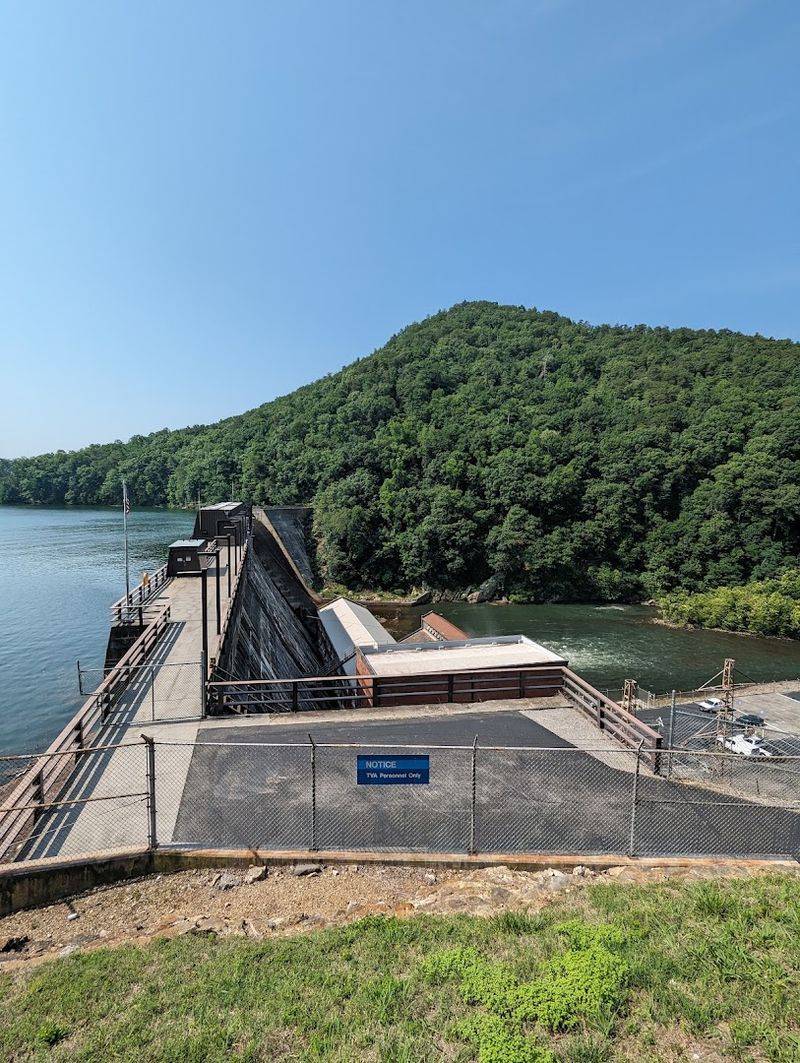
Back in 1910, the Tennessee Copper Company needed serious power for their mining operations in nearby Copperhill. They built what’s now called Ocoee Dam No. 1, creating the lake that stretches along Highway 64 today. This wasn’t some government project or grand public works initiative—it was a private company trying to keep their mines running.
The dam stands 30 feet tall and might not look like much compared to modern structures, but it was a big deal back then. It flooded the Ocoee River valley and changed the entire landscape of this corner of Tennessee. The powerhouse still operates today, generating electricity more than a century after construction crews finished the job.
When the TVA formed in 1933, they didn’t build Lake Ocoee—they inherited it. The TVA eventually took control of the dam and the lake, but by then, the water had been there for over two decades. That makes Lake Ocoee older than the New Deal programs most people associate with Tennessee’s dam-building era.
Visitors driving along the winding road today probably don’t realize they’re passing a piece of early industrial history. The lake blends so naturally into the mountain scenery that it’s easy to forget humans created it. But that dam from 1910 kicked off the transformation of the Ocoee River into the recreation destination it is now, with whitewater rapids downstream and calm waters perfect for fishing and quiet afternoons on the shore.
A Lake Born From Industry, Not Conservation
Most Tennessee lakes came from flood control or public electricity projects. Lake Ocoee had a completely different origin—it existed to power copper mines that were chewing through the mountains near the Georgia border. The Tennessee Copper Company wasn’t thinking about recreation or environmental benefits when they dammed the Ocoee River.
Those mines in Copperhill were massive operations that stripped the surrounding hillsides bare. The smelting process released so much sulfur dioxide that nothing could grow for miles around. Old photographs show a landscape that looks more like Mars than Tennessee, with red dirt and not a single tree in sight.
The company needed cheap, reliable electricity to keep processing ore, and hydroelectric power from the Ocoee River solved that problem. They built the dam, flooded the valley, and got the power they needed. The lake was just a byproduct of keeping the mines profitable.
Ironically, Lake Ocoee now represents something completely opposite to its industrial roots. The area around the lake has recovered beautifully, with thick forests covering the mountains and crystal-clear water filling the reservoir. What started as an environmental disaster zone transformed into one of Tennessee’s prettiest mountain getaways.
The mines eventually closed, but the lake remained, finding new purpose as a place where people come to escape the noise and stress of modern life instead of creating it.
The Scenic Drive Everyone Raves About
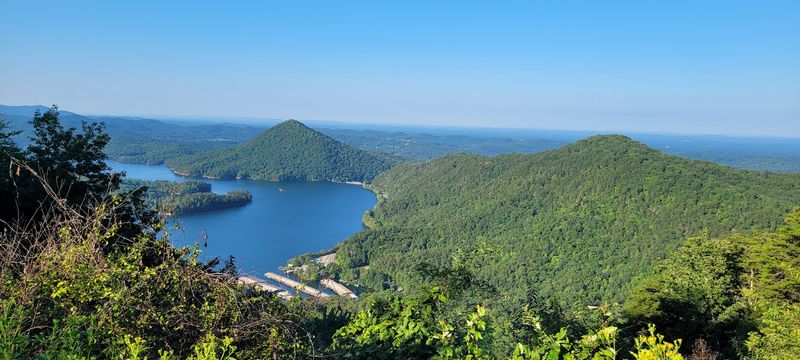
Highway 64 follows Lake Ocoee’s shoreline for several miles, and people consistently call it one of the most beautiful drives in the Southeast. The road curves along the water with the Cherokee National Forest rising on both sides, creating views that make you want to pull over every few hundred feet.
You’ll notice the pulloffs mentioned in visitor reviews—they’re there for good reason. The road can get busy, especially during summer weekends, and some drivers like to take their time soaking in the scenery. If someone’s riding your bumper, just slide into one of those designated spots and let them pass while you enjoy the view.
The lake stretches out calm and blue-green, reflecting whatever mood the sky happens to be in that day. Mountains covered in hardwood forests frame the water, and depending on the season, you might see brilliant fall colors or the fresh green of spring growth. Even in winter, when the trees are bare, the landscape has a stark beauty that’s worth the drive.
Local photographers know this stretch of highway well—the light changes throughout the day, creating different scenes from the same vantage points. Early morning fog sometimes sits on the water, and late afternoon sun turns everything golden. It’s the kind of drive where you leave home planning to just pass through, then end up stopping multiple times because you can’t help yourself.
The road itself is well-maintained and safe, though it does wind quite a bit, so take your time and enjoy the ride.
Fishing for Big Spotted Bass
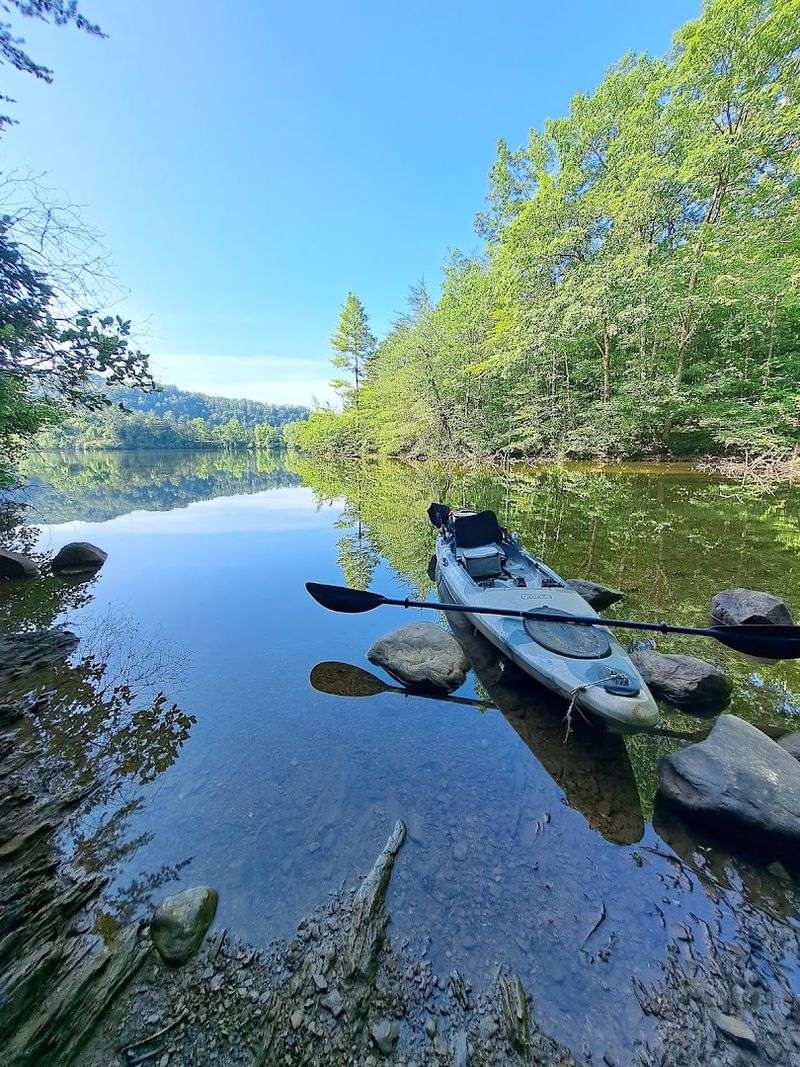
Anglers who know Lake Ocoee talk about the spotted bass with a mix of respect and frustration. These fish grow big in the cold mountain water, but getting them to bite requires patience and skill. When you do hook one, though, you’ll understand why people keep coming back.
Spotted bass thrive in the rocky structure and clear water that Lake Ocoee provides. They’re not as easy to catch as their largemouth cousins, being more selective about what they’ll strike. The lake’s cooler temperatures mean slower growth but healthier fish populations that can reach impressive sizes.
Local anglers suggest trying different techniques depending on water levels and seasons. The lake level fluctuates based on power generation needs, which affects where fish hold and how they feed. When the water’s high, fish spread out into newly flooded areas.
When it drops, they concentrate in deeper channels and around remaining structure.
You won’t find the fishing pressure here that you’d encounter at more famous Tennessee lakes. Fewer boats mean less competition and a more peaceful experience on the water. Some days you might have entire coves to yourself, which is rare for quality bass fishing in the modern South.
The key is persistence—spotted bass don’t give themselves up easily. But that’s part of the appeal for serious anglers who’d rather work for a few good fish than catch dozens of small ones. The mountain setting and clean water make every trip worthwhile, even when the fish aren’t cooperating.
The Sandbar Where Dogs and Volleyball Reign
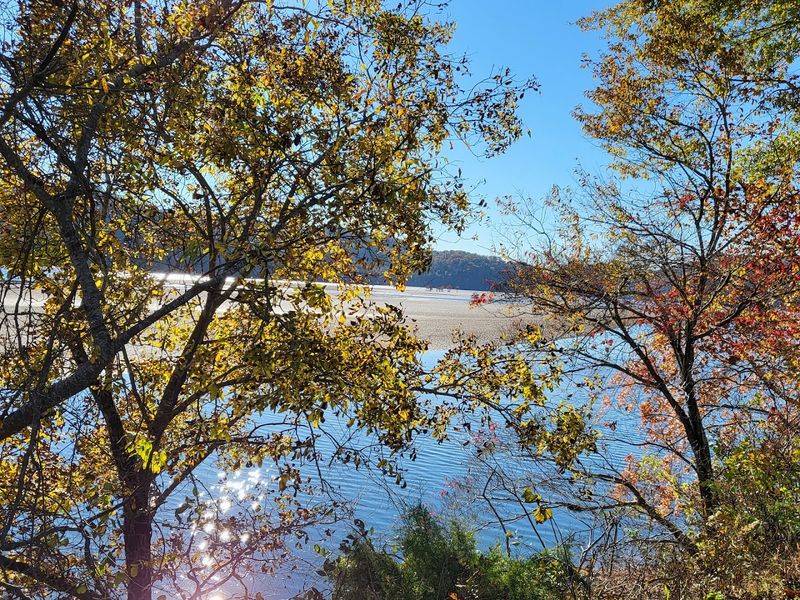
Not many people know about the sandbar at Lake Ocoee, which keeps it from getting overcrowded even on busy summer weekends. It’s become a favorite spot for locals who want to let their dogs run free and for groups looking to set up a volleyball net without fighting for space.
The sandbar appears and disappears depending on lake levels, but when it’s exposed, it creates a natural beach area that’s perfect for wading and playing. Dogs absolutely love it—there’s something about the combination of sand, shallow water, and open space that brings out their inner puppy, regardless of age.
People bring coolers, set up chairs, and spend entire afternoons here without ever feeling crowded. The water stays shallow for quite a distance from shore, making it safe for kids and dogs alike. You can throw a ball for your retriever or just sit in the shallows and cool off on a hot Tennessee day.
Volleyball games pop up regularly when groups claim their spot early. The sand provides decent footing, and the mountain backdrop makes for a much prettier setting than any indoor court. It’s casual, friendly competition where strangers often join in and everyone’s welcome.
Finding the sandbar requires either local knowledge or a willingness to explore the access points along the lake. It’s not heavily marked or advertised, which helps maintain its low-key atmosphere. Bring your own supplies since there aren’t facilities right at the sandbar, and pack out whatever you pack in to keep this hidden gem pristine for the next visitors.
A Quiet Lake That Hasn’t Been Discovered
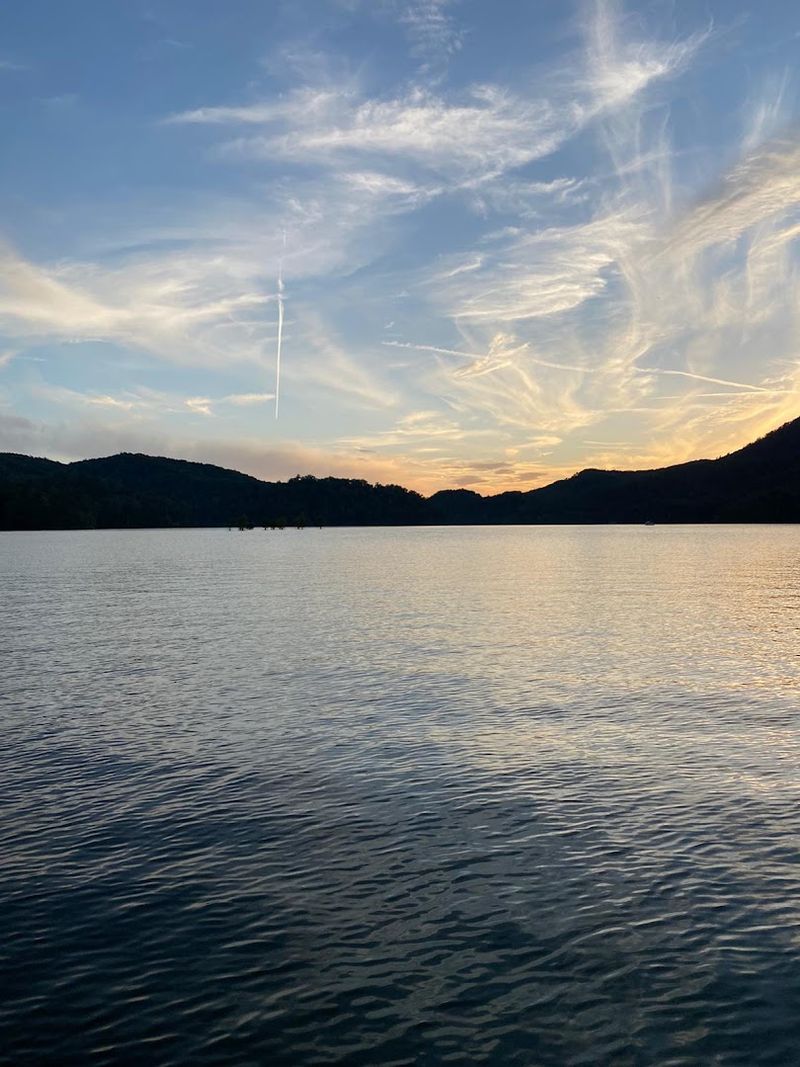
While other Tennessee lakes get packed with boats creating traffic jams on the water, Lake Ocoee remains surprisingly peaceful. Visitors consistently mention how few boaters they encounter, even during peak season. That tranquility is becoming increasingly rare on Southern lakes.
Several factors keep the crowds away. The lake isn’t huge compared to places like Norris or Cherokee, so it doesn’t attract the big houseboat and party barge crowd. The focus here leans more toward quiet recreation—fishing, kayaking, and just enjoying the scenery—rather than jet skis and wakeboarding.
Access points are limited compared to more developed lakes, which naturally controls how many people can use the water at once. There aren’t massive marinas or commercial development lining the shores. What you get instead is a more natural experience where you can actually hear birds and wind in the trees between the occasional boat motor.
That quietness extends to the shoreline too. You won’t find jet ski rental operations or loud music echoing across the water. People come here specifically because it’s not that kind of lake.
They want to fish in peace, paddle without dodging traffic, or just sit at a pulloff and watch the water without constant noise.
The lack of crowds means you can visit on a whim without worrying about finding parking or dealing with chaos. Weekdays are especially serene, but even summer Saturdays don’t turn into the madhouse you’d find at more popular destinations. Lake Ocoee has managed to stay under the radar, and people who know it seem happy to keep it that way.
The Olympic Connection You Probably Forgot
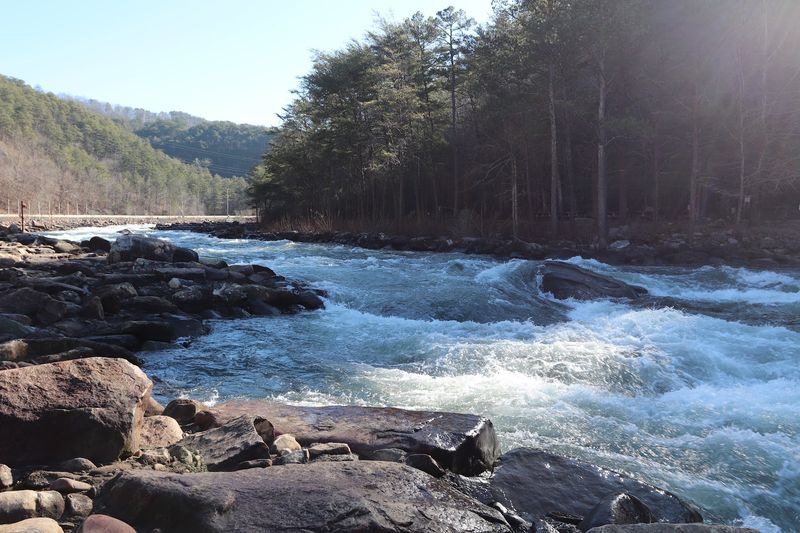
Here’s something that surprises most visitors: the Ocoee River below the lake hosted whitewater events during the 1996 Atlanta Olympics. Those rapids that form when water releases from the dams became an Olympic venue, putting this corner of Tennessee on the world stage for a brief moment.
The river naturally creates Class III and IV rapids when water flows through the gorge downstream from Lake Ocoee. Olympic organizers built a special course with artificial features to create consistent conditions for competition. Athletes from around the world came to these Tennessee mountains to race through churning water and technical obstacles.
After the Olympics ended, the whitewater course remained, and the Ocoee became one of the most popular rafting destinations in the Southeast. Commercial outfitters run trips down the river regularly during release seasons, giving regular people a chance to experience the same rapids Olympians navigated.
The connection between calm Lake Ocoee and the wild whitewater below shows how dams completely transform rivers. Upstream, you’ve got peaceful water perfect for fishing and quiet paddling. Downstream, when they open the gates, you’ve got some of the best whitewater in the region.
It’s two completely different experiences from the same water source.
Most people enjoying Lake Ocoee’s serenity don’t realize they’re sitting above what was once an Olympic venue. The lake and the rapids exist because of those early dams built for copper mining, but they’ve both found new lives serving recreation instead of industry. That Olympic legacy adds another layer to Lake Ocoee’s already fascinating story.
Perfect for When You Need Actual Peace
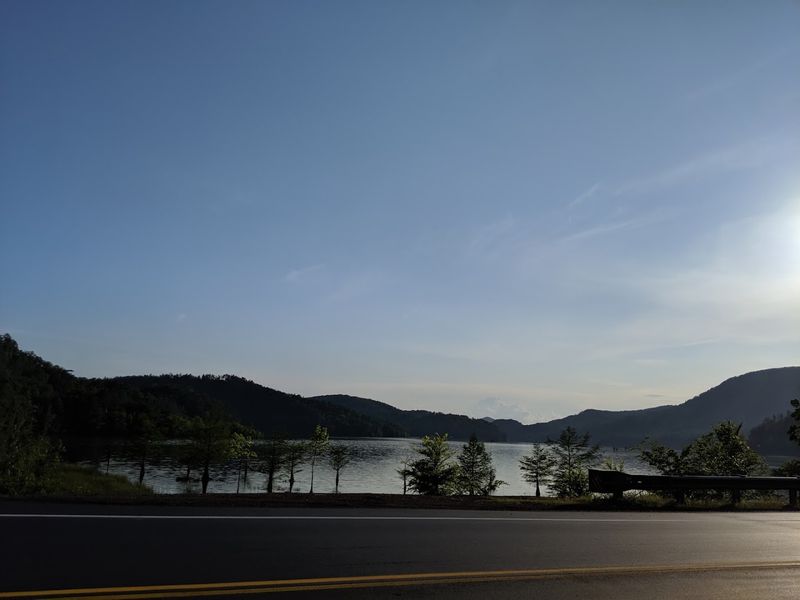
Sometimes you just need to get away from everything—not to a crowded tourist spot, but to a place where you can actually think and breathe. Lake Ocoee delivers that kind of peace without making you drive to the middle of nowhere or hike for miles.
The setting helps enormously. Mountains surround you, but you’re still accessible by regular roads. The water stays clean and clear, reflecting sky and trees in a way that naturally calms your mind.
You can find a spot along the shore, sit down, and just exist for a while without anyone bothering you.
People mention this quality repeatedly in their reviews—the tranquility, the serenity, the peacefulness. Those aren’t words you see describing most lakes anymore. But Lake Ocoee genuinely provides what those words promise.
It’s not trying to be an entertainment destination or an adventure hotspot. It’s just a beautiful lake in the mountains where you can relax.
You might feed the fish from shore as the sun sets, watching the light change on the water. Or drive the scenic highway with your windows down, pulling off whenever something catches your eye. Maybe you’ll bring a book and read in your car at a pulloff, glancing up occasionally to make sure the view is still real.
The lack of commercial development means no loud music, no crowds, no pressure to do anything except what you actually want to do. In a world that constantly demands your attention, Lake Ocoee offers something increasingly valuable—a place where you can disconnect and just be.