Nestled on the quieter side of the Great Smoky Mountains, Pittman Center offers a peaceful escape surrounded by some of the most breathtaking scenery in Tennessee. This small mountain town is known for its winding scenic roads, forested hillsides, crystal-clear streams, and easy access to the Great Smoky Mountains National Park without the crowds often found in neighboring tourist destinations. Visitors can enjoy hiking, fishing, wildlife viewing, and leisurely drives that showcase the area’s natural beauty in every season, from vibrant spring wildflowers to brilliant fall foliage.
Despite its tranquil setting, Pittman Center is just a short drive from Gatlinburg, giving travelers the perfect balance of outdoor adventure and nearby attractions. Local cabins, riverside accommodations, and welcoming mountain hospitality make it an ideal destination for anyone looking to slow down and experience the Smokies at a more relaxed pace. Whether you’re searching for panoramic mountain views, peaceful nature trails, or a quiet weekend getaway, Pittman Center delivers an authentic Smoky Mountain experience that’s easy to fall in love with.
Greenbrier Entrance to Great Smoky Mountains National Park
Most visitors flock to the main Gatlinburg entrance, but locals know that Greenbrier offers something far more special. This lesser-traveled gateway sits right on Pittman Center’s doorstep and opens up a world of hiking trails, swimming holes, and old-growth forest that feels refreshingly uncrowded. The Middle Prong Trail alone is worth the drive, winding past remnants of old logging operations and leading to cascades that seem to appear around every bend.
What makes Greenbrier truly magical is the sense of discovery you get here. Park along the gravel road and you’ll find families wading in crystal-clear mountain streams while kids hunt for salamanders under smooth river rocks. Summer brings out the tubers and picnickers, but even on busy weekends, you can hike just a quarter-mile and find yourself in peaceful solitude.
The Porters Creek Trail is another Greenbrier gem that showcases why this area deserves more attention. Spring transforms the forest floor into a wildflower wonderland, with trilliums and violets carpeting the path in whites and purples. You’ll pass historic structures including an old cantilever barn and a schoolhouse that whisper stories of the mountain families who called this home generations ago.
Ramsey Cascades Trail, though challenging, rewards determined hikers with the park’s tallest waterfall at 100 feet. The eight-mile round trip gains serious elevation, but watching that massive cascade thunder down moss-covered boulders makes every step worthwhile. Just remember to start early because parking fills up faster than you’d expect for a “secret” spot.
Access through Greenbrier also means you’re positioned perfectly for exploring the Cosby area, another underrated section of the Smokies. The whole region around Pittman Center functions as your personal basecamp for adventures that skip the crowds and deliver authentic mountain experiences. Between the swimming, hiking, and pure scenic beauty, Greenbrier proves that sometimes the best views come from the roads less traveled.
Webb Creek Cascades and Swimming Holes
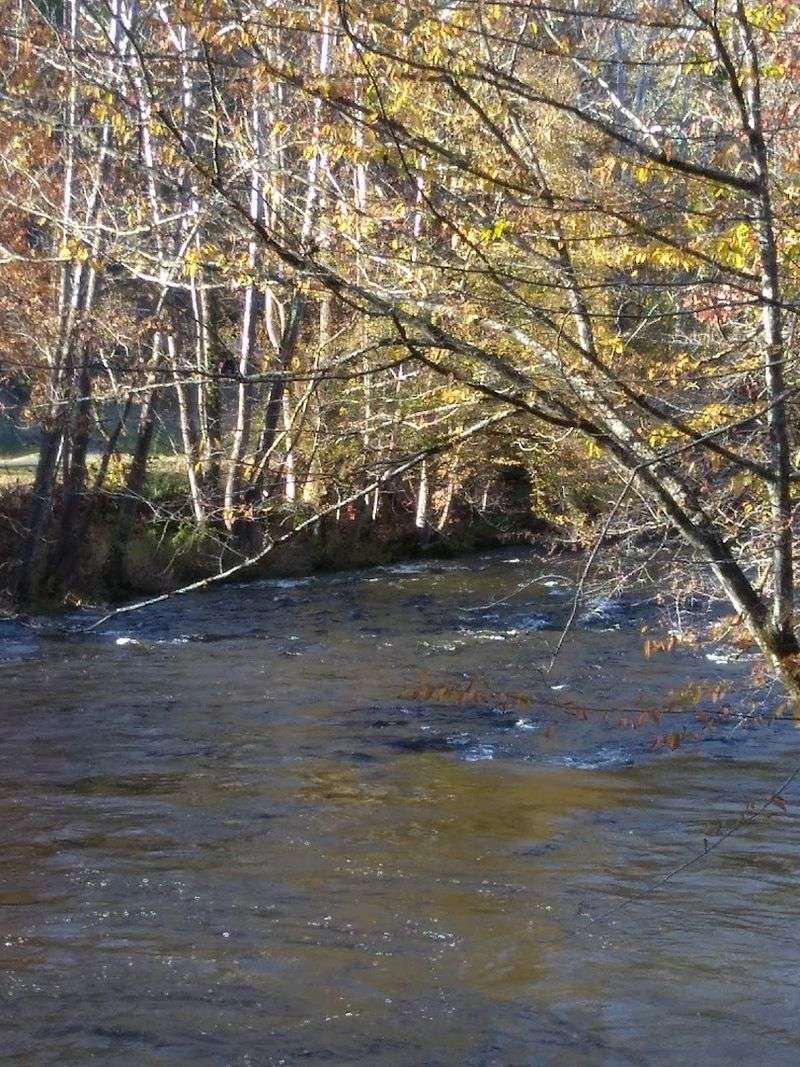
Follow the sound of rushing water and you’ll discover why Webb Creek has earned legendary status among East Tennessee swimming spots. This collection of cascades and pools along Webb Creek Road provides the perfect escape when summer heat settles over the mountains. Unlike commercial water parks charging admission, these natural swimming holes offer free entertainment with scenery that can’t be manufactured.
The creek tumbles down the mountainside in a series of drops and slides, creating pools deep enough for jumping and shallow areas perfect for younger kids. Smooth boulders line the banks, providing natural seating for parents who want to keep watch while soaking their feet. The water stays cold year-round thanks to its mountain source, which feels absolutely perfect when temperatures climb into the 90s.
Local families have been coming to Webb Creek for generations, and you’ll often find the same spots occupied by folks who’ve been visiting since childhood. There’s an unwritten code here about respecting the area, which means packing out your trash and leaving the natural beauty intact. This community stewardship has kept Webb Creek pristine despite its popularity with those in the know.
Access points dot Webb Creek Road, though parking can get tight on summer weekends. Your best bet is arriving before noon or visiting on weekdays when you might have entire sections to yourself. The road itself is paved but narrow, so drive carefully and watch for pedestrians walking between swimming spots.
Bring water shoes because those beautiful rocks can be slippery, and the creek bottom isn’t always smooth. A cooler with snacks and drinks makes for an ideal afternoon, though remember that alcohol isn’t permitted in this area. Photography enthusiasts should pack their cameras because the way sunlight filters through the canopy and dances on the water creates stunning shots.
What sets Webb Creek apart from other swimming holes is its proximity to town while maintaining that backcountry feel. You’re minutes from Pittman Center’s main road but feel like you’ve stumbled onto a hidden paradise that tourists haven’t discovered yet.
Historic Pittman Center United Methodist Church
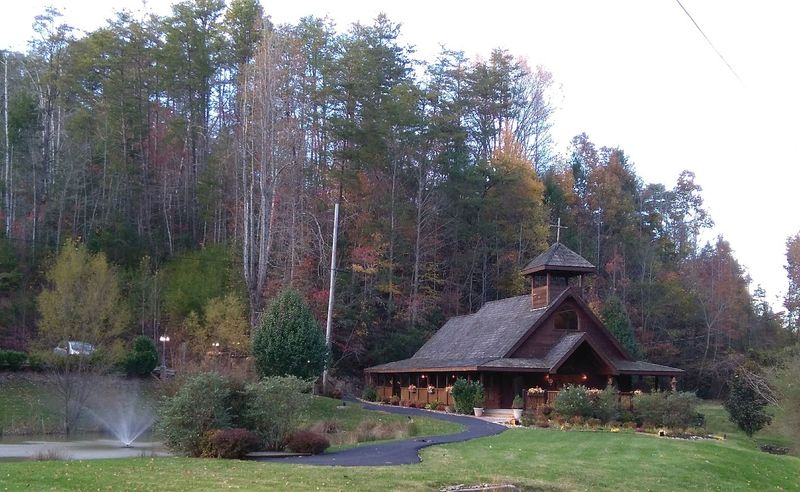
Standing since 1921, this white-steepled church represents the heart and soul of Pittman Center’s history. The building itself tells the story of Appalachian determination, constructed by mountain families who hauled lumber and drove nails to create a spiritual home for their community. Walking through those doors feels like stepping back to a simpler time when neighbors knew each other by name and church socials were the highlight of the social calendar.
The church’s origins trace back even further to a mission school established in 1920 by Eli and Elizabeth Pittman. These Methodist missionaries recognized that mountain children needed education and spiritual guidance, so they dedicated their lives to serving this remote community. The town itself bears their name as a tribute to their lasting impact on the area.
Inside, you’ll find original woodwork and pews that have supported generations of worshippers. The simplicity of the sanctuary reflects mountain values where function mattered more than fancy decoration. Sunlight streams through tall windows, illuminating the pulpit where countless sermons have been delivered over the past century.
The church remains active today, with services that welcome both longtime members and visitors passing through. There’s something powerful about worshipping in a space where your great-grandparents might have sat, singing hymns that echo off the same walls. Community events still gather here, continuing traditions that bind Pittman Center residents together across generations.
Photographers love capturing the church against its mountain backdrop, especially when morning mist clings to the peaks behind the steeple. Fall brings an explosion of color that frames the white building in reds, oranges, and golds. Even if you’re not religious, the historic significance and architectural charm make this church worth a respectful visit.
The cemetery beside the church holds stories of pioneer families who settled these mountains and built lives from the rugged land. Reading the weathered headstones provides glimpses into the hardships and triumphs of early Pittman Center residents. This sacred ground connects present-day visitors to the roots of this mountain community in tangible, moving ways.
Scenic Drives Along Highway 321
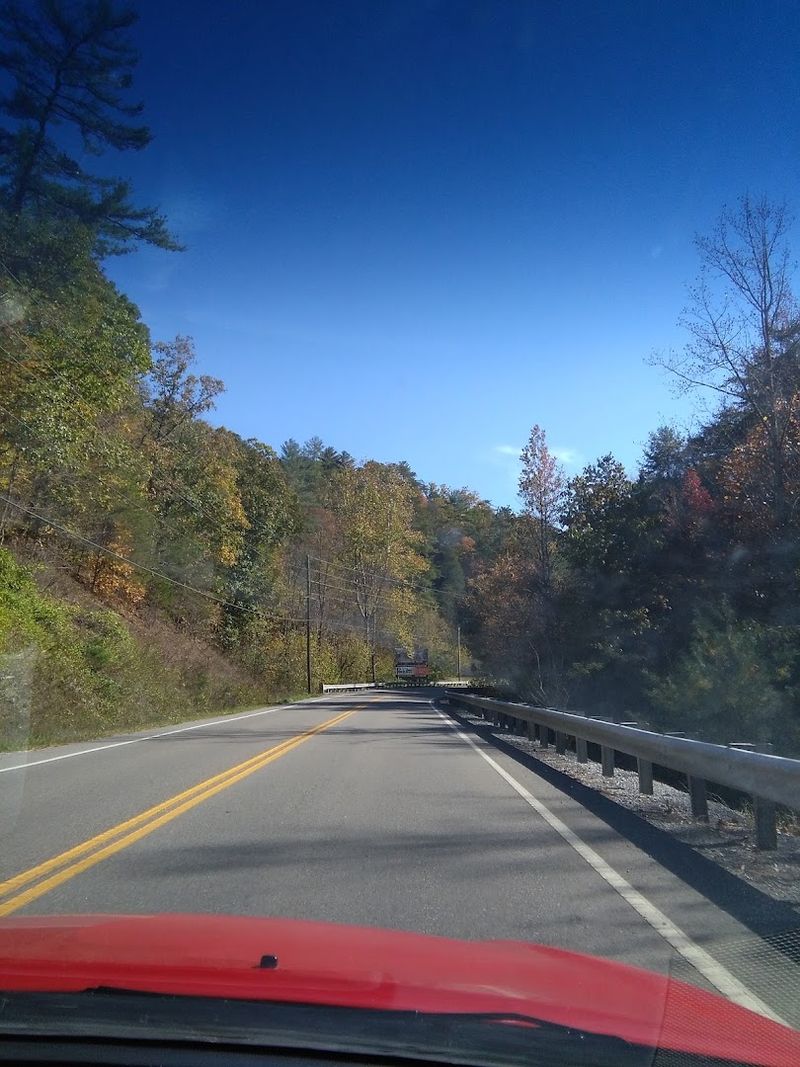
Highway 321 cuts through Pittman Center like a ribbon unfurling across mountain terrain, offering some of the most spectacular roadside views in the Smokies. Unlike the heavily trafficked Newfound Gap Road, this route maintains a more intimate scale while delivering panoramas that make you want to pull over every quarter-mile. The pavement rises and falls with the natural contours of the land, revealing new vistas around each curve.
Fall transforms this drive into an absolute masterpiece of color. Maples blaze red against the evergreen backdrop of pines and hemlocks, while poplars add golden accents that shimmer in the autumn light. You’ll find yourself slowing down not because of traffic but because missing even a moment of this display feels criminal.
Spring brings a different kind of magic when dogwoods and redbuds explode with white and pink blooms. The mountains seem to wake up gradually, with greenery creeping up the slopes as temperatures warm. Wildflowers line the roadside, and if you crack your windows, the fresh mountain air carries scents of earth and new growth.
Several pull-offs along 321 provide safe spots to stop and really absorb the scenery. Bring binoculars because wildlife sightings happen regularly, from black bears ambling across hillsides to wild turkeys strutting through clearings. Early morning and late afternoon offer the best lighting for photography, with long shadows adding depth and drama to the mountain layers.
The drive connects Pittman Center to both Gatlinburg and Cosby, making it a practical route that happens to be gorgeous. Many visitors use 321 purely as transportation and miss the experience entirely by rushing through. Locals know to budget extra time for this stretch, treating the drive itself as an attraction rather than just a means to an end.
Winter offers yet another perspective when bare trees reveal mountain shapes hidden by summer foliage. Occasional snow dusts the peaks, creating Christmas card scenes that feel almost too perfect to be real. The road stays open year-round, though winter drivers should watch for ice on shaded sections and always check conditions before heading out.
Mountain Views from Pittman Center Elementary School Area
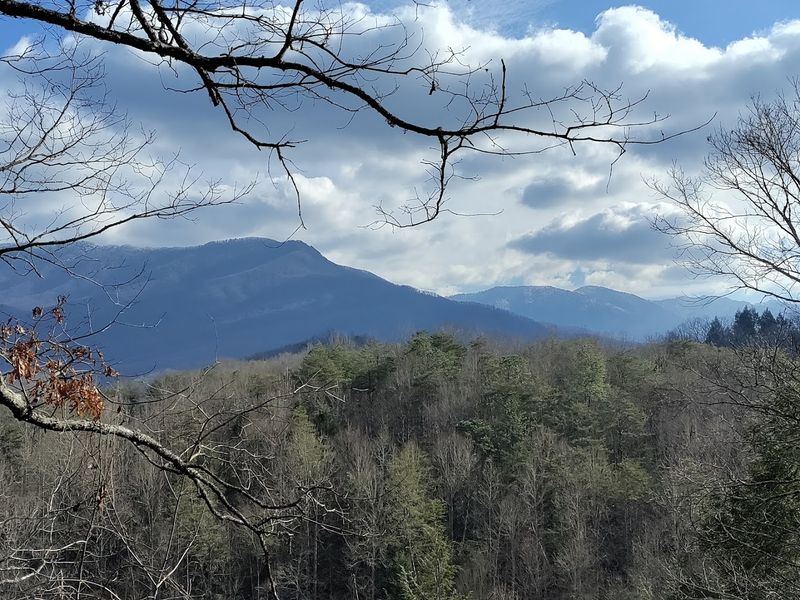
Sometimes the best viewpoints aren’t marked with official signs or tourist infrastructure. The area around Pittman Center Elementary School offers sweeping mountain panoramas that rival any designated overlook, and you’ll rarely encounter crowds jockeying for the perfect photo angle. Open fields in this section of town frame the Smokies in a way that showcases their true grandeur, with multiple ridgelines stacking up toward the horizon.
What makes these views special is the foreground context they provide. Rather than just looking at mountains from a highway pull-off, you’re seeing them as local residents do every single day. Farmland and pastures add pastoral charm to the scene, reminding visitors that Pittman Center remains a living community rather than a manufactured tourist destination.
Morning light works magic here, painting the mountains in soft pastels as mist burns off the valleys. The peaks seem to float above the fog, creating an ethereal quality that photographers dream about. If you’re an early riser, grabbing coffee and parking somewhere safe to watch sunrise over these ridges becomes a memory you’ll carry home.
The elementary school itself represents Pittman Center’s commitment to maintaining community even as surrounding areas explode with development. Seeing kids play with these mountains as their backdrop puts the whole region in perspective. This isn’t just scenery; it’s the literal and figurative landscape that shapes young lives growing up in this special place.
Sunset brings equally impressive displays when the western sky ignites with color and the mountains turn to dark silhouettes. The lack of light pollution means stars emerge brilliantly once full darkness settles, with the Milky Way visible on clear nights. Bring a blanket and spend an evening stargazing with mountain profiles adding drama to the celestial show.
These views change with seasons in ways that keep locals from ever taking them for granted. Spring green gradually deepens to summer emerald before exploding into fall fireworks and settling into winter’s muted tones. Each season offers its own version of beauty, proving that Pittman Center’s scenery never gets old no matter how many times you’ve seen it.
Emerts Cove Covered Bridge
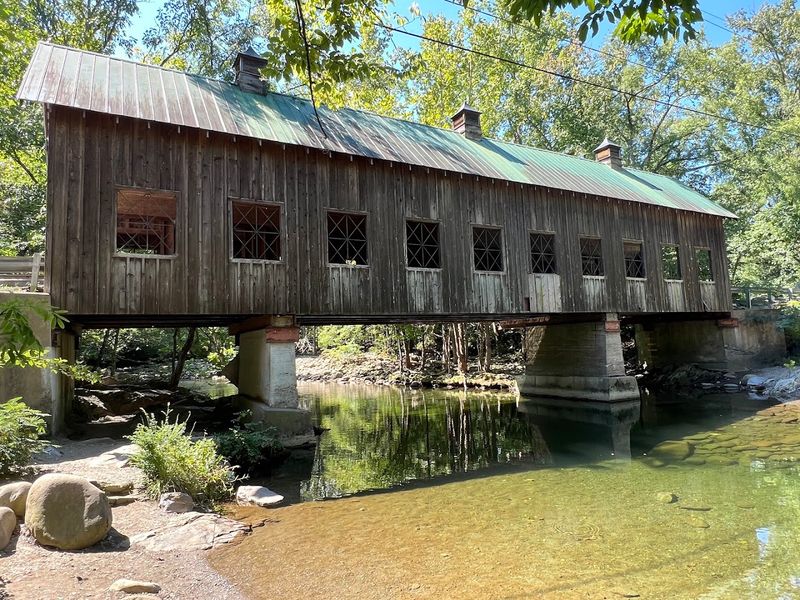
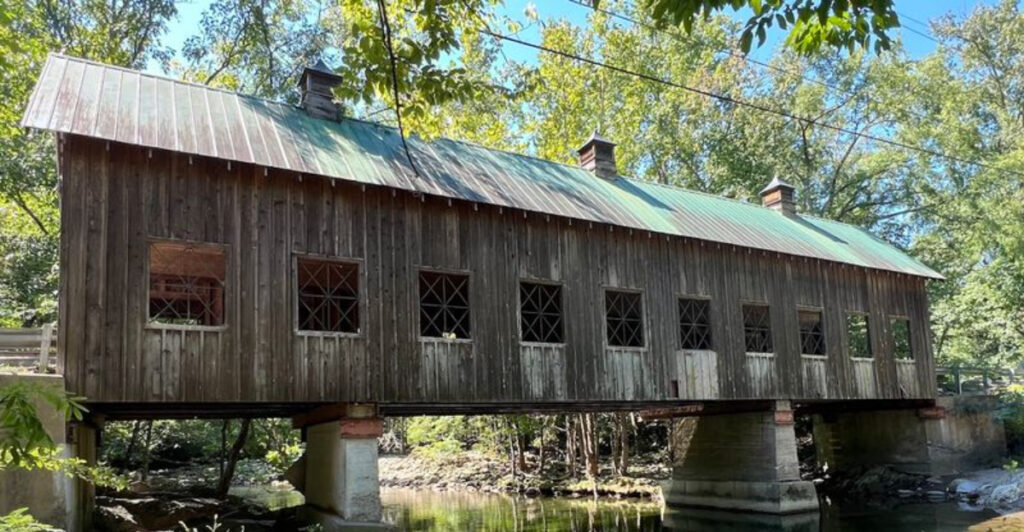
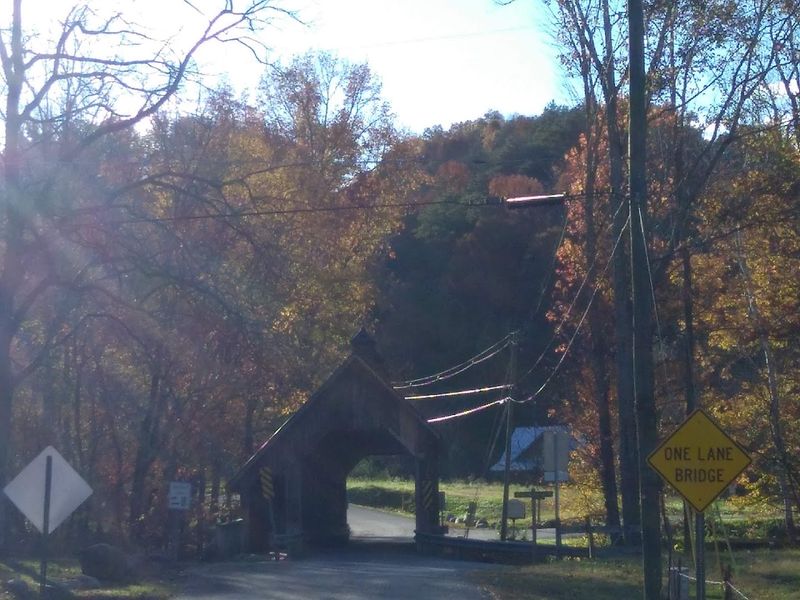
Just a short drive from Pittman Center proper, the covered bridge at Emerts Cove stands as one of the few remaining examples of this classic American structure in the Smokies region. Built in the traditional style with weathered red siding and a peaked roof, the bridge spans a creek that babbles underneath regardless of season. Walking through the cool shade of the covered span feels like crossing a threshold into Tennessee’s past.
The bridge serves a practical purpose, carrying vehicles across the water, but it’s become an attraction in its own right for photographers and history buffs. The way it frames the surrounding landscape creates natural compositions that practically beg to be captured on camera. Fall foliage reflected in the creek below the bridge produces images worthy of gallery walls.
Emerts Cove itself deserves exploration beyond just the bridge. This rural valley maintains the agricultural character that once defined all of Sevier County before tourism transformed the region. Horses graze in fields, old barns lean at angles that defy physics, and the pace of life moves to a rhythm set by seasons rather than theme park schedules.
The covered bridge tradition dates back to practical concerns about protecting wooden spans from weather, but these structures have evolved into beloved landmarks that communities rally to preserve. This particular bridge represents the kind of heritage tourism that Pittman Center does well, offering authentic historical connections without commercializing them into something artificial.
Visiting requires a bit of local knowledge since the bridge isn’t heavily promoted in tourist materials. Ask at any Pittman Center business and folks will happily provide directions, often adding their own stories about the bridge and the families who’ve lived in Emerts Cove for generations. That personal connection to place makes the visit richer than any interpretive sign could manage.
Bring a picnic and spend time absorbing the peaceful atmosphere that pervades this area. Creek sounds mix with birdsong and the occasional vehicle rumbling across the bridge’s wooden planks. It’s the kind of spot where you realize that rushing through life means missing the small moments that actually matter most.
The covered bridge stands as a reminder to slow down and appreciate craftsmanship, history, and natural beauty all rolled into one charming package.
Wildlife Viewing Opportunities Throughout Pittman Center

Bordering the national park means Pittman Center sits squarely in prime wildlife territory where encounters with native species happen regularly. Black bears wander through town often enough that residents know to secure garbage and avoid leaving pet food outside. Seeing a bear amble across someone’s yard or cross the road ahead of your car ranks as thrilling rather than unusual in this mountain community.
White-tailed deer browse at forest edges morning and evening, often in groups that include spotted fawns during spring and summer. They’ve grown accustomed to human presence without losing their wild wariness, creating perfect opportunities for observation and photography. Patient watchers can spend hours studying deer behavior as they feed, interact, and navigate their mountain home.
The bird diversity around Pittman Center impresses serious birders and casual observers alike. Wild turkeys strut through clearings in impressive flocks, while overhead raptors like red-tailed hawks circle on thermal currents. Songbirds fill the forest with music, from cheerful chickadees to the haunting calls of wood thrushes echoing through the hollows.
Elk reintroduced to the Smokies have expanded their range into areas around Pittman Center, particularly in the Greenbrier and Cosby sections. These massive animals create unforgettable wildlife moments when you spot a bull with a full rack of antlers or watch calves stay close to protective mothers. Fall brings the elk rut when bulls bugle challenges that carry across valleys, adding a primordial soundtrack to the mountains.
Smaller creatures deserve attention too, from the raccoons that investigate campsites to the countless salamander species hiding under logs and rocks. The Smokies are called the Salamander Capital of the World, and Pittman Center’s streams and forests support numerous species. Flipping rocks along creek banks often reveals these secretive amphibians in colors ranging from bright red to mottled gray.
Responsible wildlife viewing means maintaining safe distances and never feeding animals, no matter how cute or seemingly tame they appear. Bears that become food-conditioned often end up destroyed, making your snack sharing potentially a death sentence. Binoculars and telephoto lenses let you observe wildlife intimately while respecting the space they need to remain wild and healthy in their mountain sanctuary.