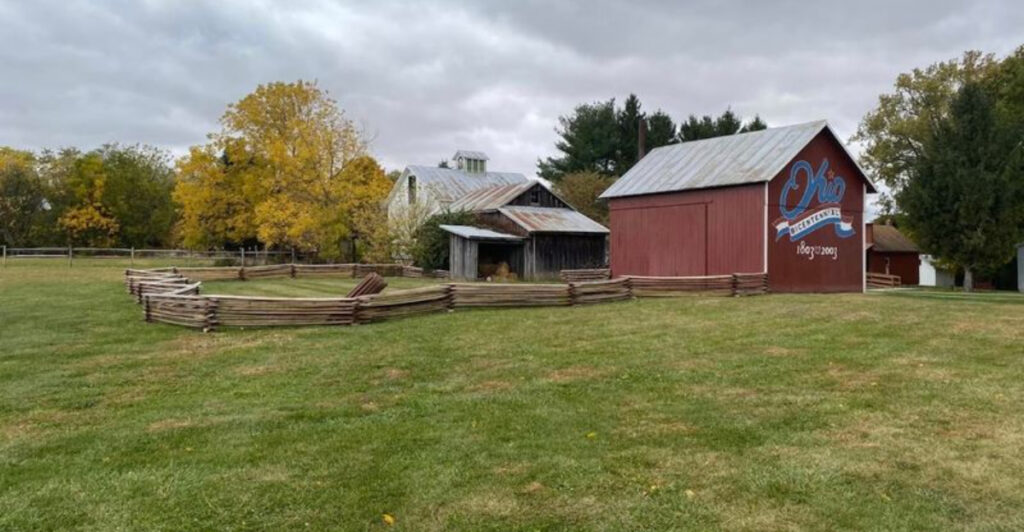
Summer in Ohio is a great time to step away from screens and walk into the past. Around the state, living history villages, old forts, working farms, and restored neighborhoods let families see how people cooked, built, traveled, traded, and solved problems long before modern life became easy, and that hands-on experience can make history feel real in a way no textbook ever could.
From blacksmith sparks and log cabins to costumed guides and old-time gardens, these places help kids and adults understand how Ohio grew, why different communities mattered, and how everyday work shaped the state we know today. If you want day trips that mix fun, learning, and a little summer adventure, these Ohio destinations offer stories you can walk through, hear, and sometimes even try for yourself.
1. Sauder Village, Archbold
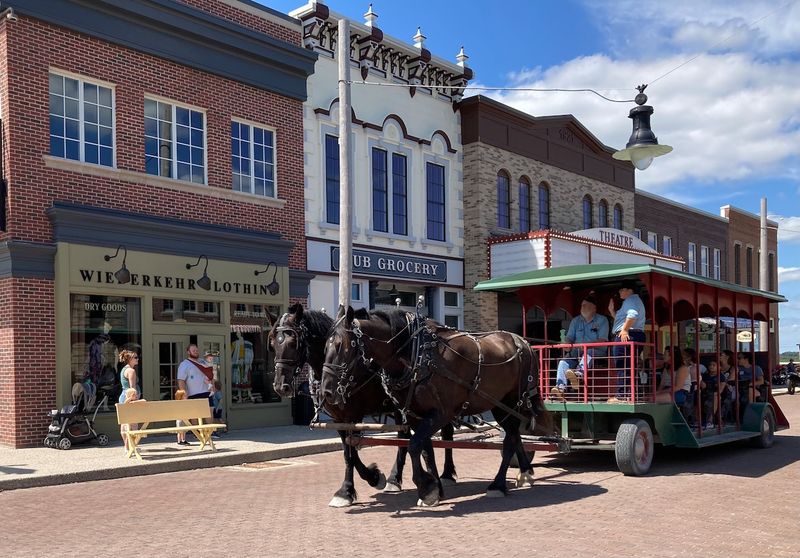
The first sound you may notice is the ring of a hammer on hot metal, and that is a good clue that Sauder Village is not a quiet museum. In Archbold, this living history site brings Ohio’s past to life with working shops, historic homes, and costumed interpreters who show how daily tasks were done.
Families can wander through buildings that represent different time periods and learn how people baked bread, made tools, sewed clothing, and managed farm chores. Kids often enjoy watching simple jobs turn into real lessons, because grinding grain or pumping water suddenly feels more interesting when you can see it happen.
Summer is a smart time to visit because the grounds feel lively and the outdoor spaces are easy to explore at a relaxed pace. Comfortable shoes, sunscreen, and a refillable water bottle will help you stay happy while moving from one area to the next.
One of the best parts of Sauder Village is its variety. A blacksmith shop may grab your attention first, but the gardens, barns, schoolhouse, and homes help build a fuller picture of Ohio life in earlier centuries.
Try asking interpreters questions instead of rushing past. Many of them know fun details about tools, recipes, chores, and local customs, and those small facts can turn a regular stop into the moment your child remembers most.
If your group includes different ages, let everyone pick one feature they want to see most. That simple plan keeps the day balanced and makes the visit feel personal instead of forced.
Sauder Village works especially well for summer explorers because it mixes open-air fun with clear, hands-on learning. By the time you leave, Ohio history feels less like a list of dates and more like a collection of real people doing real work.
2. Hale Farm & Village, Bath
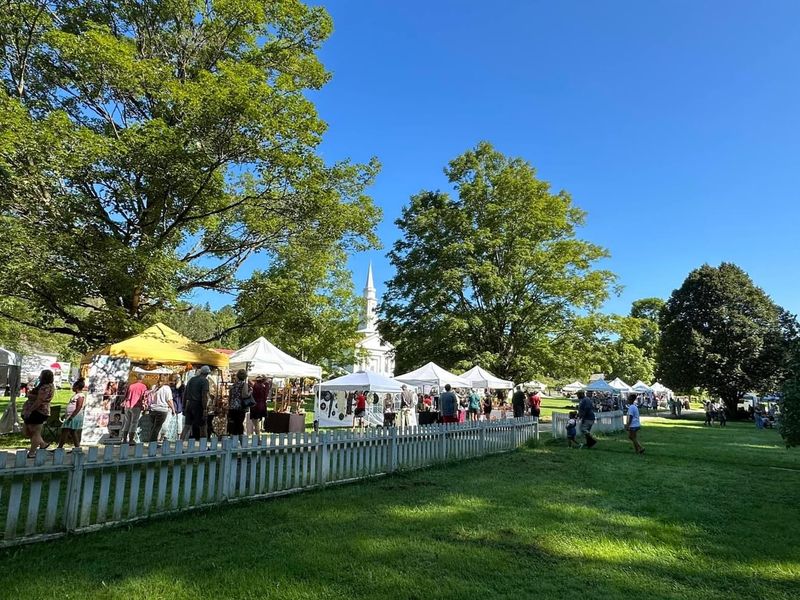
Some places make history feel polished and distant, but Hale Farm and Village feels earthy, busy, and close to real life. Set in Bath, this well-known Ohio attraction shares the story of Western Reserve life through farm buildings, village shops, gardens, and demonstrations that show how people worked with their hands every single day.
Visitors can watch craftspeople shape metal, spin fibers, or prepare food using older methods that took patience and skill. Seeing those jobs up close helps kids understand that ordinary chores once required teamwork, planning, and a lot more time than they do now.
The grounds are spread out, so a morning start is a good idea in summer. Cooler temperatures make walking easier, and early arrivals often get a calmer experience before the busiest hours begin.
Bring snacks, but also leave room for treats or seasonal offerings if available during your visit. A small notebook can be fun too, especially for children who like drawing wagons, barns, tools, or animals they see along the way.
Hale Farm and Village stands out because it connects big history to everyday choices. A simple kitchen, a field of crops, or a small workshop can spark conversations about weather, trade, transportation, and family life in Ohio long ago.
Adults will appreciate the setting as much as kids do, because the village has a peaceful rhythm that encourages slow looking. Rather than racing through, pause at each stop and notice the textures of wood, brick, fabric, and soil.
By the end of the day, the past feels less like a chapter and more like a neighborhood. For summer explorers who want a fuller picture of rural Ohio, Hale Farm and Village offers a thoughtful trip with plenty to see, hear, and remember.
3. Historic Roscoe Village, Coshocton
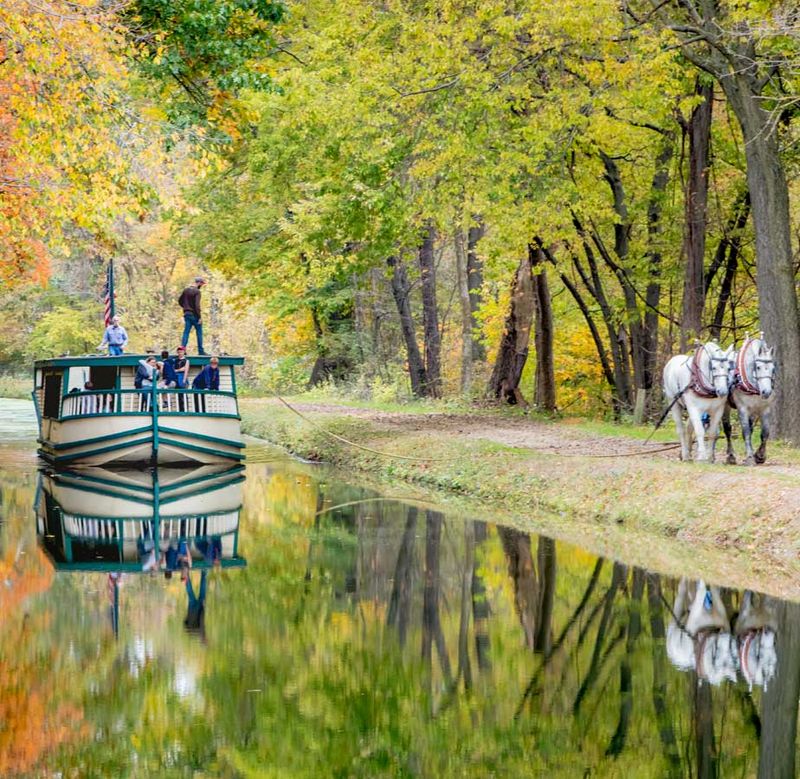
A walk through Roscoe Village can feel like stepping into a story about canals, trade, and small-town ambition. In Coshocton, this restored canal-era community helps visitors picture the days when the Ohio and Erie Canal shaped travel, jobs, and the movement of goods across the state.
Unlike a single-building museum, Historic Roscoe Village gives you a whole streetscape to explore. Brick buildings, storefronts, and period details create a strong sense of place, making it easier to imagine merchants, travelers, and workers moving through town during Ohio’s canal years.
Summer is an excellent season for strolling here because the outdoor setting encourages an easy pace. You can explore with grandparents, younger children, or teens without feeling trapped indoors for hours.
Before you go, read a little about Ohio’s canal system so the visit has extra meaning. Once you arrive, look for clues about how goods were stored, sold, and transported, because those practical details reveal why Roscoe mattered so much.
One nice feature of this destination is its balance of history and charm. Even kids who do not think they like history often respond to the village feel, because it seems less like a formal lesson and more like a place where real people lived and worked.
Try turning the visit into a small challenge by asking your group to spot signs of canal influence, such as building styles, trade connections, or transportation themes. That keeps everyone engaged and encourages careful observation.
Historic Roscoe Village is a strong pick for summer explorers who enjoy walking, noticing details, and learning how transportation changed Ohio. The visit makes a useful point in a simple way: when people found better ways to move products and connect towns, the whole state began to grow differently.
4. Historic Schoenbrunn Village, New Philadelphia
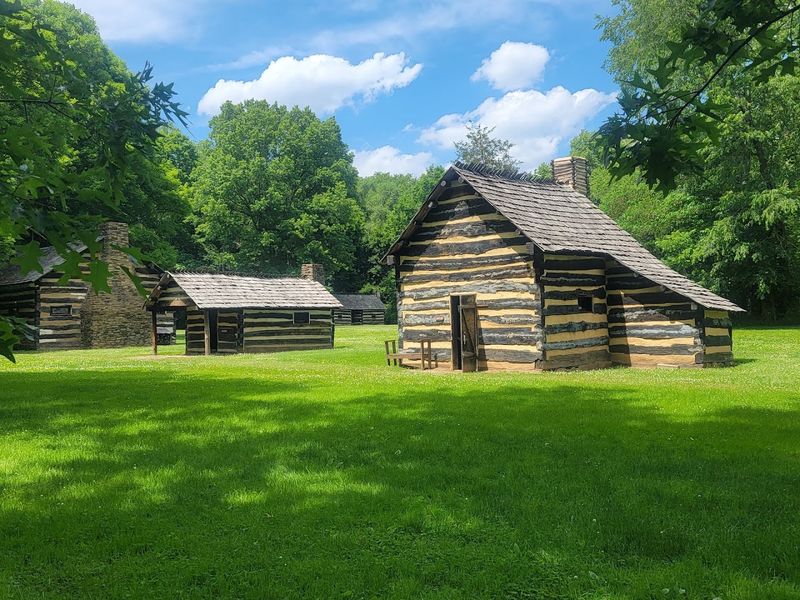
Quiet paths and log buildings give Schoenbrunn Village a thoughtful mood that feels different from louder tourist stops. Located in New Philadelphia, this reconstructed settlement tells the story of a Moravian mission village founded in the 1770s, making it one of the earliest organized settlements in Ohio.
History here is not only about buildings. It is also about faith, community, contact between cultures, and the challenges of creating a settlement on the frontier.
Because the site has a calmer atmosphere, it works well for families who enjoy a slower visit with room to think. Instead of hurrying, take time to read signs, notice how the cabins were arranged, and imagine what daily life looked like for the people who lived there.
Summer light makes the open spaces especially attractive, and the village setting is easy to photograph. A hat and water bottle are useful, since much of the experience happens outdoors.
One reason Schoenbrunn stands out is that it opens the door to deeper conversations. Kids can learn that early Ohio history involved many groups with different goals, beliefs, and experiences, and that makes the story richer than a simple tale of pioneers moving west.
Ask children to compare one cabin to their own home. How many rooms would they need, what tools would be missing, and what chores would take longer.
That small exercise helps them connect with the past in a personal way. It also reminds adults how much comfort and convenience have changed over time.
For summer explorers, Historic Schoenbrunn Village offers a meaningful stop that feels peaceful without being dull. The village shows that Ohio’s earliest communities were shaped by cooperation, hardship, and hope, and those ideas still matter when we think about how places begin and grow.
5. Historic Zoar Village, Zoar
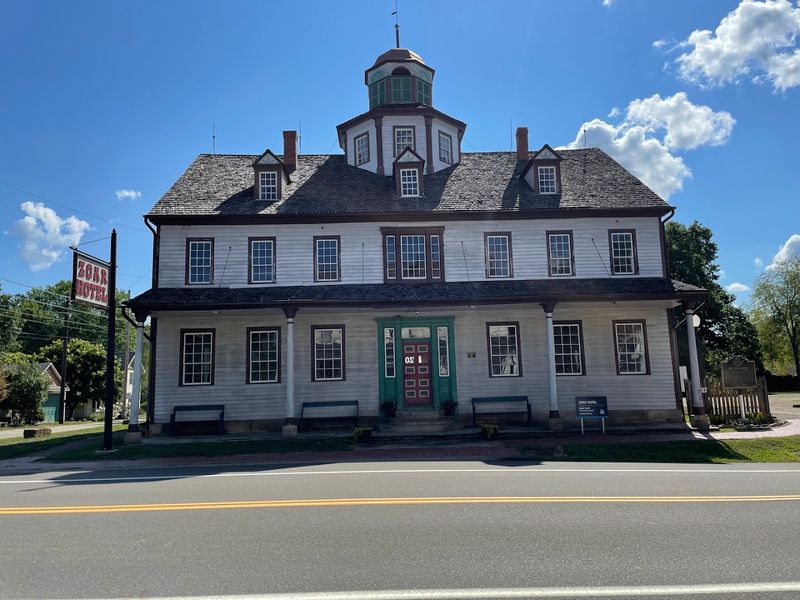
Not every old village tells the same kind of story, and Zoar proves that right away. This historic community in Zoar shares the unusual history of German separatists who built a communal society in Ohio, creating a place where work, faith, and shared responsibility shaped everyday life.
Walking through Historic Zoar Village gives visitors a chance to see how a planned community functioned long ago. The buildings and layout show that this was more than a collection of homes, because the village was designed around cooperation and the needs of the group.
Summer is a pleasant season to visit because gardens and streets help the village feel welcoming instead of distant. Families can move at an easy pace and talk about what it might be like to share work, space, and resources with neighbors.
One helpful way to explore is by looking for clues about community life. Ask who cooked, who farmed, who repaired things, and how decisions might have been made when many people depended on each other.
Zoar can spark great discussions for older kids and adults because it shows a different approach to building a town. Rather than focusing only on individual success, the village invites visitors to think about what people can accomplish when they organize around common beliefs.
The site also helps explain that Ohio history includes immigrant stories, religious history, and experiments in community life. That broadens the picture far beyond battles and famous political figures.
If you want to make the day more memorable, let each family member choose one building and explain why it matters. That turns the visit into a shared conversation instead of a one-way lesson.
Historic Zoar Village is a rewarding summer stop for explorers who like places with personality. Its story is different, its setting is appealing, and its lessons about teamwork, identity, and daily life still feel fresh when you walk the village streets.
6. Fort Meigs, Perrysburg
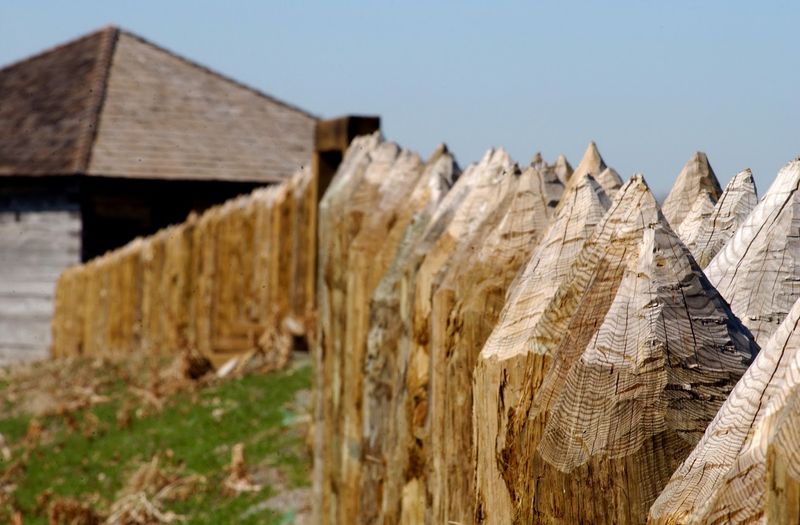
Cannons, wooden walls, and a wide-open fort make Fort Meigs feel bold from the moment you arrive. In Perrysburg, this reconstructed War of 1812 fort introduces visitors to a key chapter in Ohio history, when control of the region mattered greatly during conflict between the United States and Britain and their allies.
The scale of the site helps younger visitors understand that forts were serious places built for defense, supply, and survival. Walking the grounds gives a stronger sense of danger and planning than reading a short paragraph in school ever can.
Summer is a lively time to go, especially if special events or reenactments are scheduled. Hearing demonstrations and seeing people in period clothing can make the visit feel active and memorable, even for kids who usually claim history is boring.
Before visiting, review a simple timeline of the War of 1812. Knowing who fought, why the war mattered in the Great Lakes region, and how Ohio fit into the story will help everyone understand what they are seeing.
Fort Meigs works well because it combines military history with practical questions. How did soldiers eat, sleep, communicate, and stay safe inside a fort built mostly from wood and earth.
Those details often grab children’s attention more than speeches or dates. A cannon may be exciting, but the everyday side of fort life is what makes the place easier to imagine.
Wear weather-friendly clothes because much of the visit happens outdoors, and open ground can feel hot in midsummer. Binoculars can be fun too, especially for children who like looking across the grounds and imagining lookout duty.
Fort Meigs is one of Ohio’s strongest living history stops for summer explorers who enjoy action and big stories. It teaches that Ohio was not just a quiet place on the map, but an important setting where military strategy, geography, and courage all came together.
7. Johnston Farm & Indian Agency, Piqua
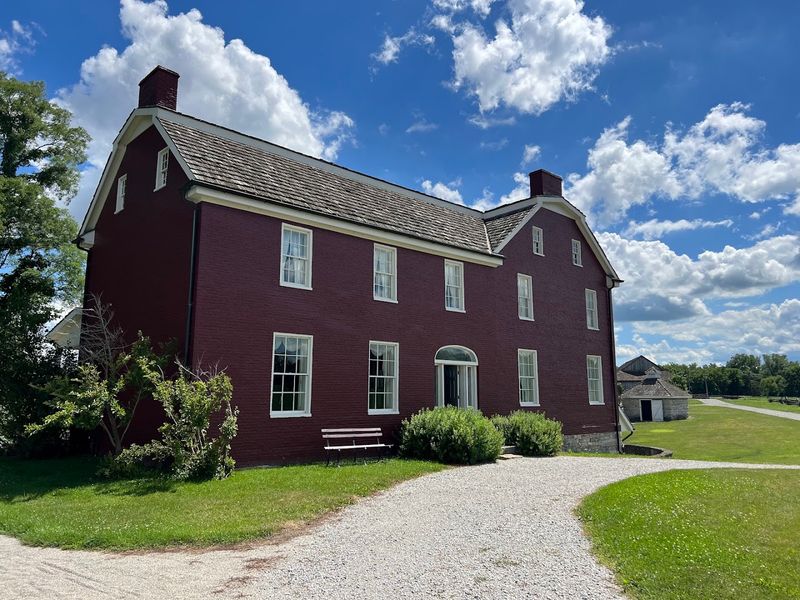
Some historic places ask visitors to think about hard topics, and Johnston Farm and Indian Agency does that in a meaningful way. Located in Piqua, this site connects farm life, canal history, and relations between the United States government and Native nations, giving travelers a broader view of Ohio’s past.
That mix makes the visit especially valuable. Instead of telling only one type of story, the site shows how land, politics, transportation, and cultural contact shaped life in the region.
Summer visitors can enjoy the outdoor setting while also exploring exhibits that explain why the Indian Agency mattered. This is a strong stop for families ready to move beyond simple pioneer stories and learn how many voices were part of Ohio history.
If younger children are with you, focus on a few clear ideas. Talk about what an agency was, why people needed places to negotiate, and how travel by canal later changed movement and trade.
One practical tip is to pace the day so no one gets overloaded with information. Start with the grounds, farmhouse, or scenic areas, then move into the heavier historical material when everyone is settled and curious.
The site can also open good discussions about fairness, promises, and how governments make decisions that affect communities. Those questions are still relevant today, which helps history feel useful instead of far away.
Johnston Farm stands out because it does not flatten the past into a cheerful postcard. It gives summer explorers a chance to enjoy a beautiful Ohio location while also learning that the state’s story includes cooperation, conflict, negotiation, and change.
Bring water, comfortable shoes, and a willingness to ask thoughtful questions. By the end of the visit, children may leave with more than facts, because they can begin to understand that history is made by people with different needs, hopes, and power, all meeting in the same place.
8. Carillon Historical Park, Dayton
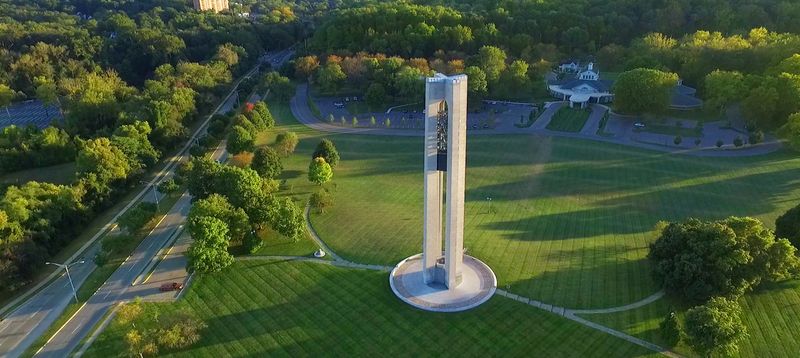
If your family likes inventions as much as old buildings, Carillon Historical Park is a terrific match. Found in Dayton, this large history park highlights Ohio stories tied to industry, transportation, invention, and community life, all in a setting that feels open, active, and easy to explore during summer.
One of the biggest strengths of the park is its range. Visitors can move from historic structures to exhibits about early cars, bicycles, printing, flight-related themes, and the many practical ideas that helped shape Dayton and the state.
Because there is so much to see, it helps to choose a few focus points before you arrive. A child who loves machines might care most about transportation, while another visitor may be drawn to buildings, local stories, or the famous bell tower on the grounds.
Summer is a smart season for this visit because the outdoor campus invites wandering between stops. You can slow down under shady spots, take photos, and let kids burn off some energy without feeling trapped in one exhibit hall.
Carillon Historical Park is a strong reminder that living history is not only about cabins and farm tools. Ohio’s past also includes creative problem-solving, manufacturing, and bold thinking that changed daily life for people far beyond the state.
Try asking your group to find one invention or machine that made work faster, safer, or easier. That simple game helps children connect past technology to the tools they use today.
Comfortable shoes are a must, and checking the schedule ahead of time can help you catch demonstrations or special seasonal activities. A little planning can turn a good visit into an excellent one.
For summer explorers, this Dayton destination offers a fresh style of history adventure. It shows that Ohio’s story is not only about preserving the past, but also about understanding how ideas, machines, and determined people helped build the future.
9. Heritage Village Museum, Sharonville
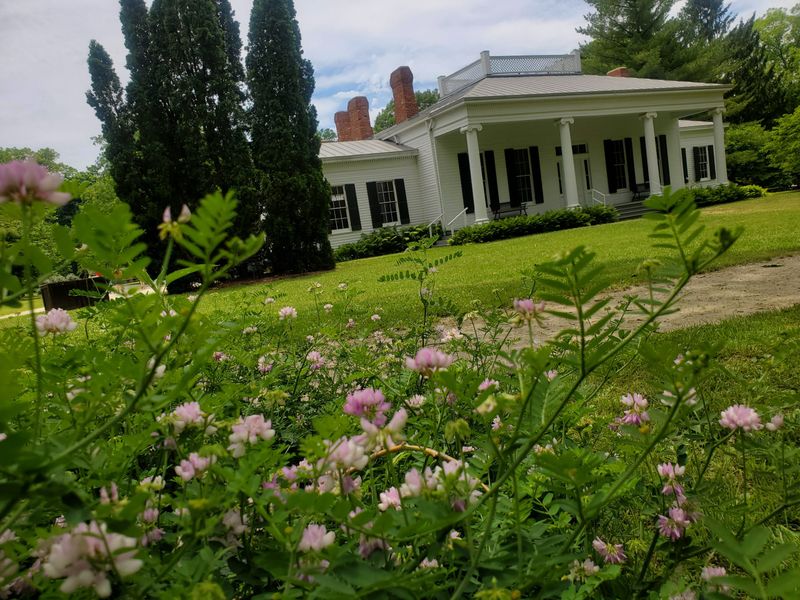
Tucked into Sharonville, Heritage Village Museum feels like a small surprise waiting among the trees. This recreated 19th-century village gathers historic buildings from around southwest Ohio and arranges them in a way that helps visitors picture home life, work, school, and community traditions from long ago.
The setting has a friendly scale that makes it less overwhelming than some larger sites. That can be especially helpful for families with younger children who do better when the day feels simple, walkable, and full of quick discoveries.
During summer, the shaded areas and open spaces create a pleasant rhythm for exploring. You can move from cabin to church to schoolhouse and keep the experience varied without too much backtracking.
One fun way to visit is to let kids imagine they are new settlers arriving in Ohio. Which building would they visit first, what supplies would they need, and what jobs would they know how to do.
That playful approach makes the village more than a collection of old structures. It turns each stop into part of a living puzzle about how communities were built from scratch.
Adults may enjoy the architecture and local detail, while children often connect more strongly with the human side of things. A one-room schoolhouse, kitchen tools, or narrow beds can say a lot about what daily life expected from people in another century.
If you are trying to build a summer of affordable and educational Ohio outings, Heritage Village Museum deserves a spot on the list. It offers enough variety to hold attention, yet it remains calm enough for real conversation and close observation.
Bring curiosity and take your time. By the end, visitors often realize that local history does not have to be grand to be memorable, because even modest homes and small public buildings can tell big stories about how Ohio families lived, learned, and worked together.
10. Historic Lyme Village, Bellevue
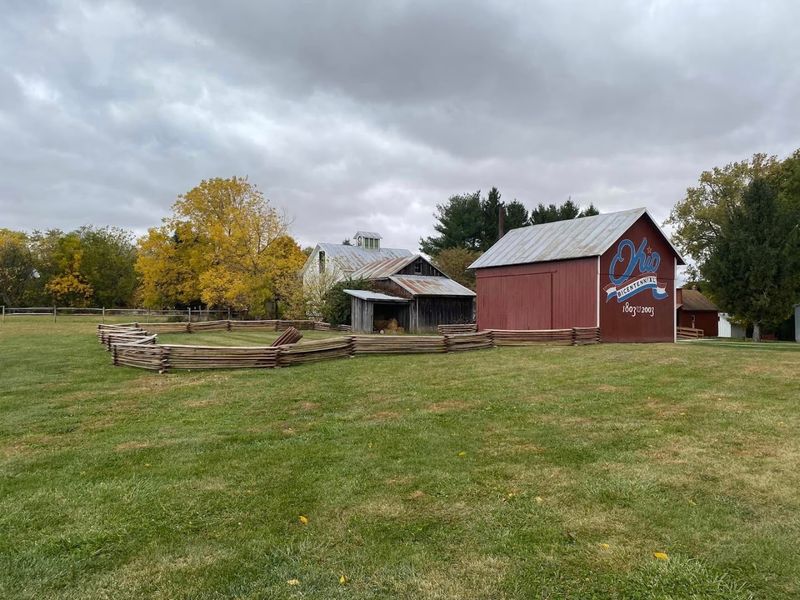
There is something appealing about a historic village that feels a little less famous and a little more personal. Historic Lyme Village in Bellevue offers exactly that kind of experience, giving summer visitors a chance to explore restored buildings that reflect everyday life in Ohio during the 1800s.
The site includes homes and community structures that help explain how a village functioned when neighbors depended on each other for learning, worship, trade, and survival. Instead of a single theme, Lyme Village shows how many parts had to work together to keep a town going.
Summer is a lovely time to visit because the grounds invite quiet walking and easy observation. This destination works especially well for travelers who enjoy slower outings where every building tells a piece of the story.
To make the most of the trip, ask each child to choose one building and become the group’s expert on it. They can notice details, read signs, and later share what that place contributed to village life.
That method keeps everyone involved and helps children feel ownership over what they are learning. It also breaks the visit into manageable parts, which is useful when attention spans are short.
Historic Lyme Village has a pleasant, grounded quality that makes Ohio history feel close to home. Rather than focusing on huge national events, it shows how ordinary people built routines, institutions, and relationships that shaped their communities over time.
Pack water and plan for a relaxed pace so no one feels rushed. If your family enjoys discussing how daily life has changed, this village provides plenty of examples, from work spaces to household tools.
For summer explorers, Lyme Village offers a calm but rewarding adventure. It reminds visitors that the history of Ohio was created not only by generals and inventors, but also by teachers, farmers, shopkeepers, and families who made small villages matter through steady effort and shared purpose.
11. Slate Run Living Historical Farm, Canal Winchester
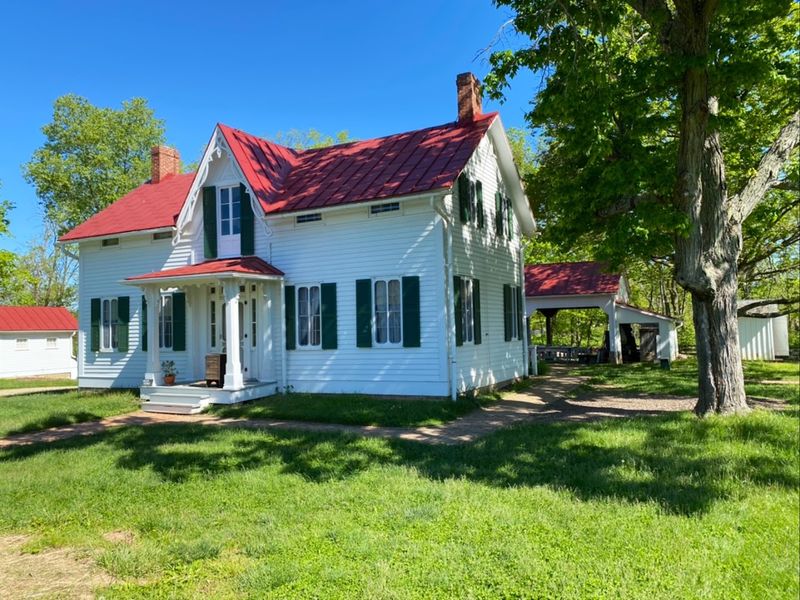
Roosters, gardens, muddy boots, and real farm chores give Slate Run a wonderfully hands-on feel. Near Canal Winchester, this working historical farm recreates rural Ohio life in the 1880s and shows visitors what it took to run a farm before tractors, electric tools, and grocery store convenience.
Because the site focuses on active agricultural work, it can feel especially real to children. Animals need care, crops need attention, and every season brings different jobs, which helps visitors understand that farm life was full of constant effort.
Summer is an ideal time to go because the fields, gardens, and livestock areas are at their most vivid. You are more likely to see meaningful activity when the farm is in full growing season.
Dress for a real outdoor visit, not a polished museum trip. Closed-toe shoes, sun protection, and clothes that can handle dust or grass are smart choices.
One of the best things about Slate Run is how clearly it explains the link between work and survival. A meal did not begin at a store, and clean clothing, sturdy barns, and healthy animals all depended on steady labor from morning to night.
Children often respond well when you compare farm tasks from the 1880s to chores at home today. Which jobs are still familiar, which ones disappeared, and which tools have changed the most.
That conversation makes the visit feel relevant. It also helps kids appreciate the effort behind things they usually take for granted, like eggs, vegetables, milk, and warm shelter.
Slate Run Living Historical Farm is one of Ohio’s strongest summer history adventures for families who like action and authenticity. The place smells like soil, sounds like work, and offers a vivid lesson that history was built not only in cities and forts, but also in fields where ordinary families depended on skill, weather, and persistence.
12. Fort Recovery State Museum & Monument, Fort Recovery
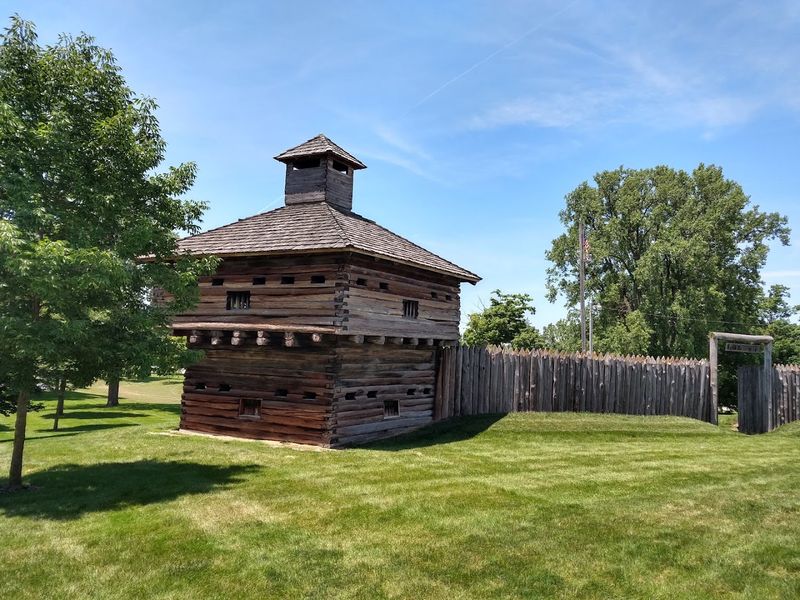
Few places in Ohio carry a story as intense as Fort Recovery. In the village of Fort Recovery, this museum and monument area helps visitors learn about major frontier conflicts of the 1790s, including the struggles that shaped control of the Northwest Territory and changed the future of the region.
The subject matter here can feel serious, but that is part of why the site matters. It gives families a chance to see that Ohio history includes difficult moments of warfare, loss, and contested land, not just cheerful pioneer scenes.
Summer is a good season to visit because the grounds are easier to enjoy when the weather is fair. A trip here works best when paired with some background reading, so children know the basic outline of the conflict before they arrive.
Once on site, encourage everyone to pay attention to names, maps, and timelines. Frontier history can be confusing, and those details help connect the monument, museum exhibits, and the broader Ohio story.
Fort Recovery stands out because it encourages respectful reflection as well as learning. Visitors can think about how military campaigns affected both soldiers and Native communities, and why control of this land mattered so deeply.
For older kids, this can be a strong place to discuss how history is remembered. Monuments, museums, and preserved sites all shape what later generations notice, question, and value.
Bring water and plan for time both indoors and outdoors. A slower pace is helpful here, since the importance of the site becomes clearer when you stop to read and talk rather than rush through.
For summer explorers who want an Ohio destination with real historical weight, Fort Recovery State Museum and Monument offers an unforgettable visit. The site shows that the state’s beginnings were shaped by conflict as well as settlement, and understanding that full story makes Ohio’s past more honest and meaningful.
13. Caesar’s Creek Pioneer Village, Waynesville
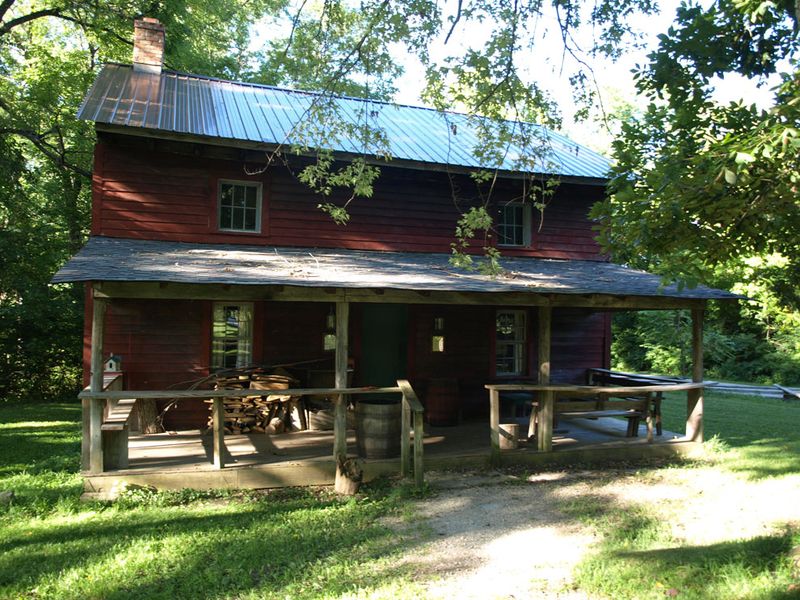
Log cabins have a way of firing up the imagination, and Caesar’s Creek Pioneer Village uses that strength well. Near Waynesville, this village gathers historic structures that help visitors picture frontier and pioneer life in Ohio, from simple homes to practical buildings used for work, trade, and community needs.
The site has an old-fashioned charm that makes it easy to explore without feeling rushed. For families who enjoy imagining what it would take to build a life from almost nothing, this is a satisfying and very visual stop.
Summer is a smart time to go because the village atmosphere feels most inviting when paths are dry and the landscape is green. The outdoor layout also gives kids room to move, which can make them more open to learning.
One useful approach is to play a packing game before you arrive. Ask children what five things they would bring if they were moving to frontier Ohio, then compare those choices to the tools and spaces they see during the visit.
That simple activity makes the village come alive. Instead of staring at old cabins, kids begin asking better questions about food, safety, weather, sleeping, cooking, and the hard work of starting over.
Caesar’s Creek Pioneer Village is also a nice reminder that history happened in ordinary places. A rough-hewn wall, a cooking hearth, or a handmade table can tell just as much about Ohio’s development as a famous battlefield or statehouse room.
Be sure to wear comfortable shoes and leave time for unplanned stops. Sometimes the most memorable part of a visit is not the biggest building, but a small detail that helps a child suddenly understand how people adapted to frontier conditions.
For summer explorers, this Waynesville destination offers a sturdy, down-to-earth adventure. It invites visitors to imagine courage in practical terms, showing how Ohio families used labor, resourcefulness, and patience to create homes and communities in a demanding new landscape.