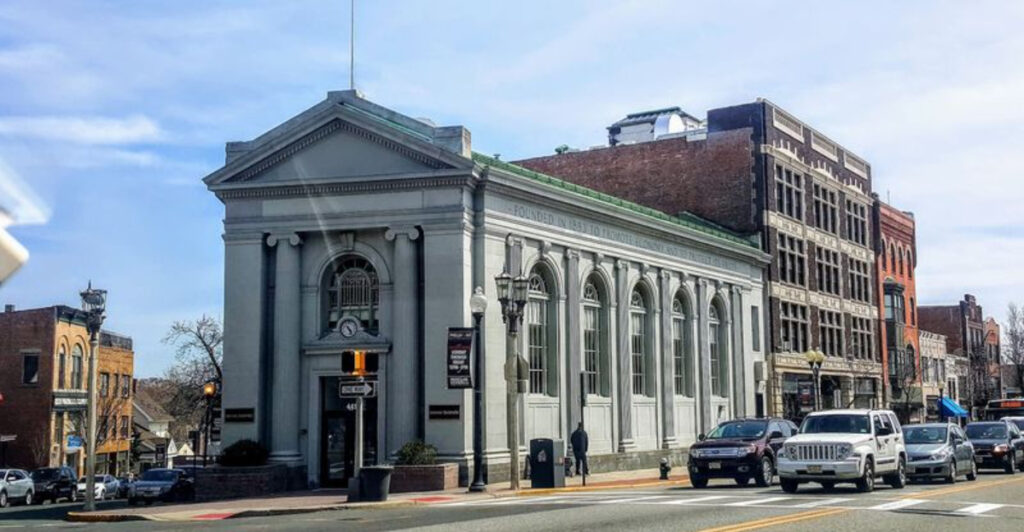
A century-old clock watches over Upper Montclair while commuters hurry toward the train, coffee cups in hand and Manhattan-bound plans already underway. A few miles south, Bloomfield Avenue is waking up with bakery cases, restaurant kitchens, independent shops, and sidewalks that rarely stay quiet for long.
Montclair manages a tricky balancing act: it offers the food, culture, and restless energy people love about a major city while preserving leafy streets, historic homes, neighborhood parks, and a pace that leaves room to breathe. To be clear, this Essex County community is not bargain-basement New Jersey.
Housing and property taxes can still command serious money. The value comes from how much daily life delivers in return, especially compared with Manhattan’s smaller spaces and relentless costs.
With six shopping districts, acclaimed restaurants, theaters, festivals, free green spaces, and multiple train stations, Montclair makes an ordinary Tuesday feel considerably richer than its position on the map might suggest.
Montclair Delivers Big-City Energy Without the Manhattan Price Tag
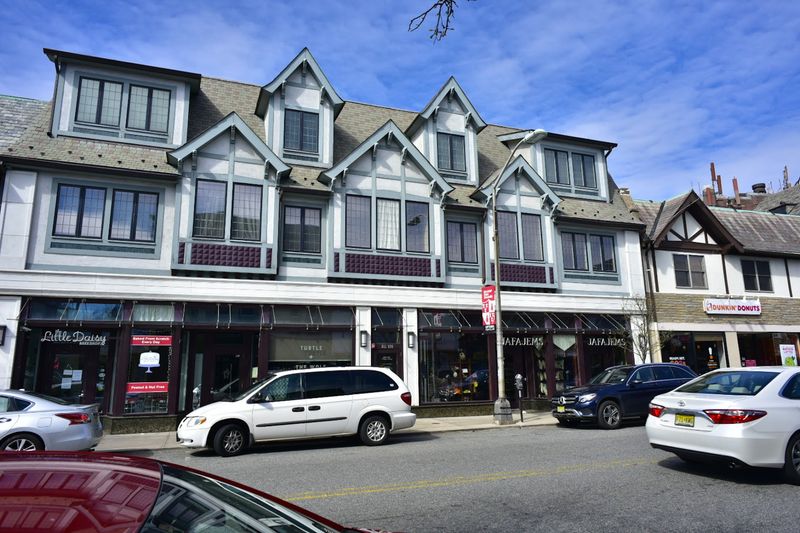
Just about 12 miles west of Manhattan, Montclair feels close enough to borrow the city’s ambition without inheriting every one of its headaches.
The township has busy commercial corridors, crowded brunch spots, nationally recognized cultural events, and a population with tastes that stretch well beyond standard suburban fare.
Yet it also has front porches, mature trees, quiet side streets, and places where finding a patch of grass does not require squeezing between hundreds of strangers. That combination is the real source of Montclair’s value.
Nobody should mistake it for one of New Jersey’s cheapest places to buy a house. Its handsome Victorians, Tudors, Colonials, and Arts and Crafts homes attract plenty of competition, and local property taxes can make first-time buyers swallow hard.
Still, residents gain access to a lifestyle that often requires a Manhattan address elsewhere. Dinner, live music, an independent movie, and a late coffee can all fit into one evening without a bridge or tunnel entering the equation.
Daily errands also feel less punishing. Groceries, fitness classes, schools, libraries, restaurants, and parks are distributed across several compact neighborhoods rather than concentrated in one distant shopping center.
Some households can reduce how often they drive, particularly when they live near a train station or business district. Apartment dwellers may also find more breathing room than the same monthly budget would secure across the Hudson.
Montclair is less about living cheaply than living fully. The price of admission is real, but so is the return: space, culture, convenience, and a community that does not shut down when the commuter train pulls away.
Six Distinct Shopping Districts Keep Everyday Life Interesting
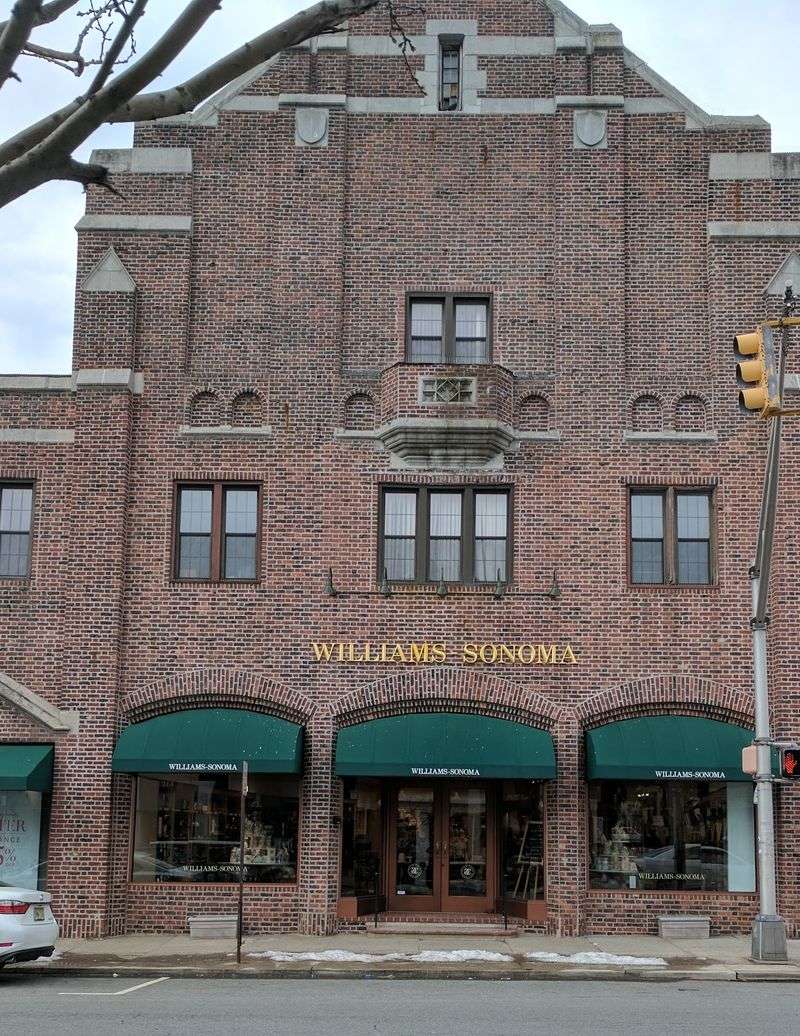
Montclair does not have one downtown that tries to handle everything. It has six recognized business districts, each with its own rhythm, regulars, and reasons to linger.
Montclair Center is the largest, spreading along Bloomfield Avenue and nearby streets with restaurants, cafés, entertainment venues, and independent stores. Church Street, with its closely packed storefronts and outdoor tables, creates an especially walkable pocket where an errand can easily turn into lunch.
Upper Montclair looks and feels different. Tudor-style buildings line parts of the district, the landmark clock at Valley Road and Bellevue Avenue has been keeping watch for more than a century, and the nearby train station gives the neighborhood a distinctly commuter-friendly pulse.
Watchung Plaza is smaller and more intimate, built around everyday pleasures such as coffee, books, casual meals, and local services. The independent Montclair Book Center helps give this part of town its bookish personality, with shelves of new, used, and rare titles that reward patient browsing.
Walnut-Grove mixes galleries, restaurants, bakeries, and the Saturday Montclair Farmers’ Market, held seasonally in the Walnut Street station parking lot. Frog Hollow runs along Valley Road near Edgemont Memorial Park, making it easy to pick up lunch and eat beside the pond.
Then there is the South End, a lower-key district with neighborhood businesses and the Martin Luther King Jr. Peace Garden. Together, these areas make Montclair feel larger and more varied than its footprint suggests.
Residents do not have to repeat the same weekend routine because a different cluster of shops is always waiting a few minutes away. Better still, much of the pleasure costs nothing more than a walk and a little curiosity.
A Remarkable Dining Scene Brings the World to Your Doorstep
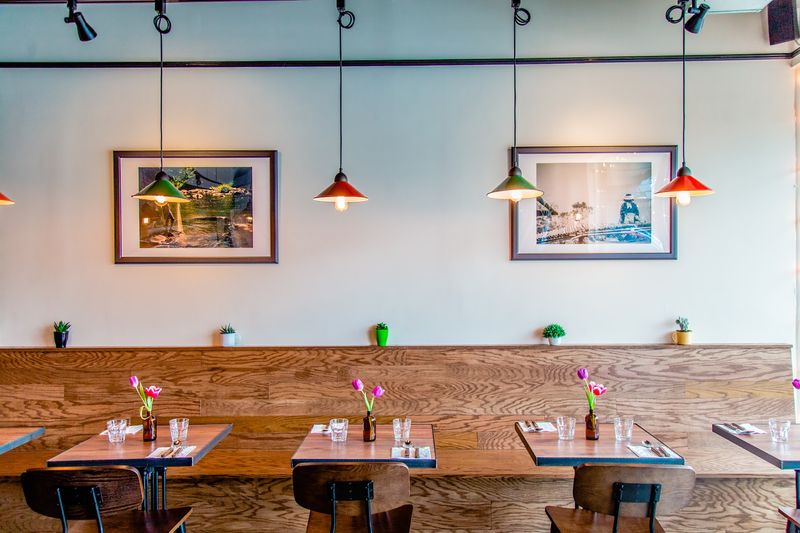
Order carefully in Montclair, or dinner may become the beginning of a long-term obsession. The local dining scene covers an impressive amount of ground, from French cooking and Northern Thai curries to handmade pasta, Ethiopian platters, ramen, Mediterranean grills, and polished American comfort food.
Faubourg brings a modern brasserie sensibility to Bloomfield Avenue, complete with a sleek dining room, an inviting bar, and a landscaped outdoor area that feels far removed from the traffic out front.
Turtle + the Wolf takes a more relaxed approach to seasonal American cooking, serving shareable dishes and substantial mains in a neighborhood setting.
At SLA Thai in Upper Montclair, the kitchen reaches beyond predictable takeout standards with khao soi, Northern Thai sausage, massaman short ribs, and seafood cooked with aromatic herbs and house curry pastes.
Mesob has long made communal dining part of the experience, arranging Ethiopian stews, vegetables, and spiced meats over injera that doubles as both bread and utensil.
Raymond’s remains a reliable Church Street gathering place for eggs, pancakes, burgers, and people-watching, especially when its sidewalk tables fill on a clear morning. Montclair Bread Company supplies the sweeter side of town with brioche doughnuts and creative seasonal flavors that can make a sensible breakfast plan disappear quickly.
There are special-occasion restaurants here, but the city’s culinary strength is not limited to expensive dining rooms. Pizza counters, bakeries, coffee shops, delis, and lunch spots make the variety accessible on ordinary days too.
Many restaurants are BYOB, allowing diners to avoid a steep bar tab while still turning dinner into an occasion. Instead of paying for a train into Manhattan and then paying Manhattan menu prices, residents can eat remarkably well close to home—and be back on their own sofa before the city crowd reaches Penn Station.
Museums, Theaters, and Festivals Make Culture Easy to Find
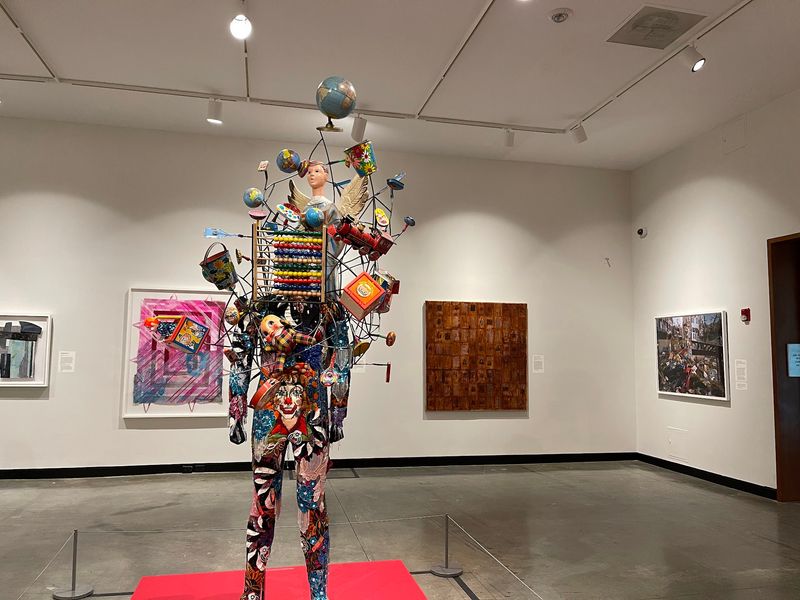
A terracotta building on South Mountain Avenue holds one of Montclair’s strongest arguments for staying local. The Montclair Art Museum has built its identity around American and Native American art, with a collection spanning centuries rather than chasing whatever happens to be fashionable this month.
Its galleries are manageable enough to explore without turning a museum visit into an endurance event, while rotating exhibitions provide reasons to return. Standard adult admission is $17, children younger than 12 enter free, and several community access programs make visits free or discounted for eligible guests.
A short distance away, the Wellmont Theater occupies a former 1920s movie house that now welcomes touring musicians, comedians, and live productions. The ornate interior gives even a modern concert a little old-school drama.
Film has an equally strong presence. The Clairidge shows independent, international, documentary, and mainstream releases throughout the year, while the Montclair Film Festival turns the township into a regional cinema destination each fall.
The 2025 festival drew more than 23,000 attendees to over 140 films, events, and conversations, and the 2026 edition is scheduled for October 16 through 25. Montclair State University adds dance, theater, music, and experimental productions through Peak Performances at the Alexander Kasser Theater.
Community events make the cultural calendar feel even broader. The Montclair Jazz Festival brings live music into public spaces, and the Montclair Literary Festival gathers authors and readers for talks, interviews, and workshops.
This is culture woven into everyday life rather than saved for an occasional trip. A resident can see a gallery exhibition on Friday, catch a film on Saturday, and hear live music on Sunday without crossing the Hudson or calculating how much a Manhattan parking garage will charge for the privilege.
Beautiful Parks Offer Plenty of Free Ways to Spend the Day
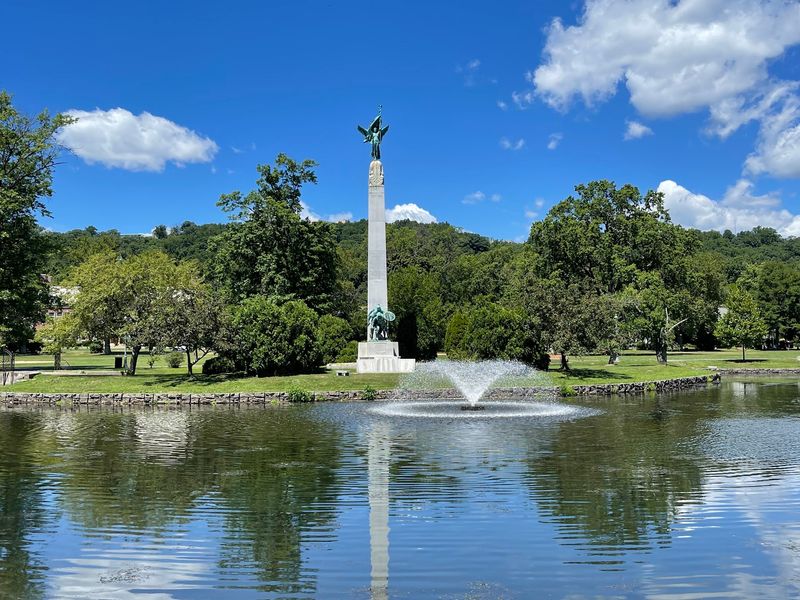
When Montclair needs room to exhale, it has more options than a place this close to New York City has any right to possess. Edgemont Memorial Park sits near the center of town with a pond, walking paths, playground, and a striking World War I memorial rising from the water.
Families spread out on the grass, runners circle the paths, and ducks patrol the shoreline with the confidence of longtime residents. Anderson Park offers a different kind of beauty.
Designed by the Olmsted Brothers firm, the historic green space blends broad lawns, mature trees, and winding paths into a landscape that feels composed without feeling fussy. On Montclair’s border with Bloomfield, Brookdale Park expands the possibilities across more than 121 acres.
Its amenities include a 1.5-mile fitness course, a quarter-mile running track, tennis courts, sports fields, playgrounds, an archery field, and a formal rose garden. Free summer concerts turn the park’s meadow into an outdoor music venue where the preferred seating is whatever blanket you remembered to bring.
For a wilder afternoon, Mills Reservation covers wooded slopes and trails along First Watchung Mountain. Its rocky paths lead toward an overlook where the Manhattan skyline appears beyond the trees, close enough to recognize but far enough away to appreciate the quiet.
Eagle Rock Reservation provides another memorable skyline view along with hiking trails and the Essex County September 11th Memorial. These spaces add genuine value to daily life because they do not require reservations, memberships, or complicated plans.
A walk after dinner, an hour at the playground, a trail run, or a picnic beneath old trees can all happen on impulse. In a region where entertainment costs climb quickly, Montclair’s parks keep some of the best hours of the week completely free.
Direct Trains to Manhattan Make the Location Even More Valuable
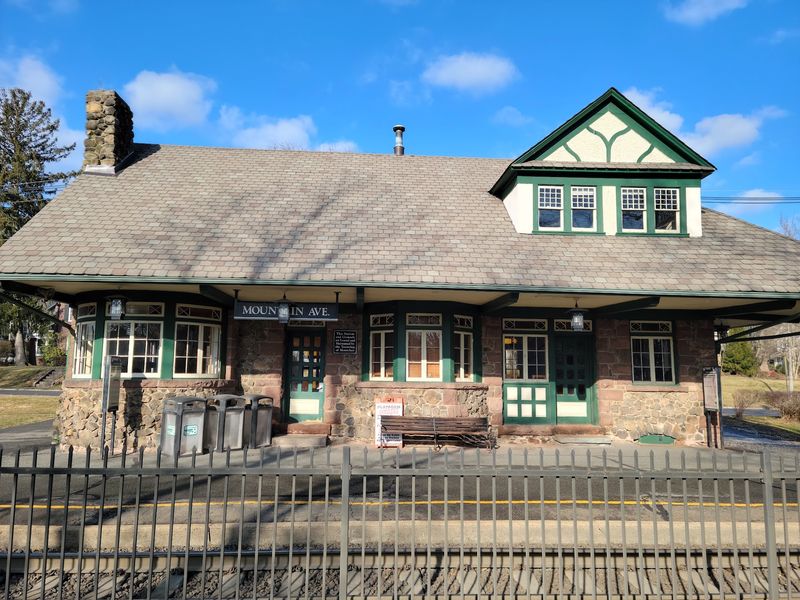
Seven NJ Transit stations serve Montclair along the Montclair-Boonton Line, an unusually generous setup for a suburban community of its size.
Bay Street, Walnut Street, Watchung Avenue, Upper Montclair, Mountain Avenue, Montclair Heights, and Montclair State University place rail access near several different neighborhoods rather than forcing every commuter toward a single crowded platform.
On regular weekday schedules, Midtown Direct trains provide service toward New York Penn Station, while other trains connect through Hoboken, where riders can continue by PATH, ferry, or another transit option.
The exact trip varies by station and train, but journeys from the more central stops can take roughly 35 to 50 minutes when service runs smoothly.
That is close enough for a Manhattan job, Broadway performance, museum visit, or dinner reservation without making Manhattan the center of every day. The arrangement also changes what residents can reasonably expect from a suburban lifestyle.
Someone living near Bay Street can walk to Montclair Center, dine on Bloomfield Avenue, and take a train into the city without starting a car. Watchung Avenue and Upper Montclair stations anchor their own commercial districts, allowing commuters to pick up coffee, groceries, or dinner on the way home.
Rail service is not flawless—delays, weekend limitations, and occasional infrastructure work are part of the bargain—but the underlying connectivity remains a major advantage.
Montclair offers enough restaurants, shops, parks, and entertainment to stand on its own, then places one of the world’s largest cities within commuting distance.
That is what makes the township feel rich: Manhattan remains available whenever it is wanted, but daily life no longer has to pay Manhattan prices to feel complete.