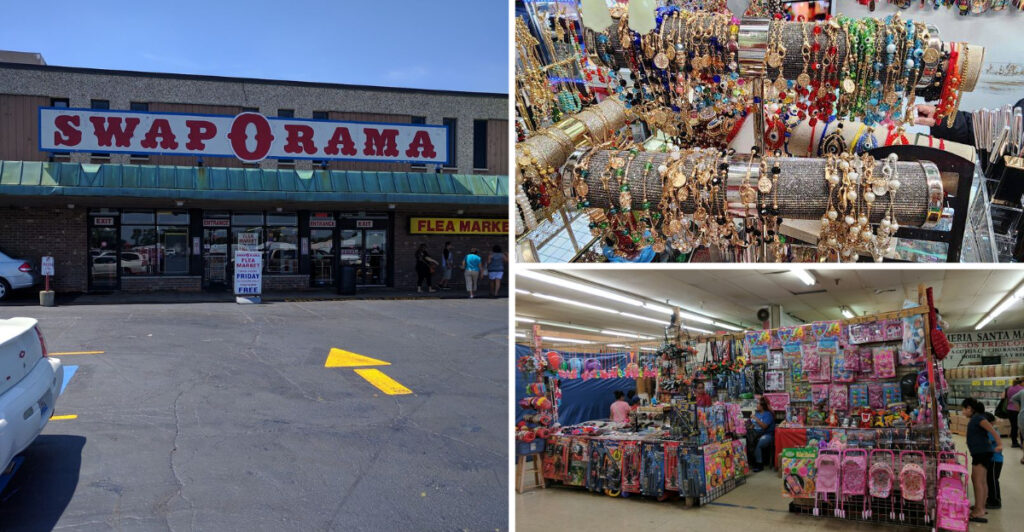
Treasure hunting is always more exciting when you never know what you’ll discover next. Swap-O-Rama Flea Markets in Melrose Park draws shoppers with hundreds of vendors offering everything from clothing, tools, and fresh produce to collectibles, jewelry, home goods, and unique bargain finds.
The lively atmosphere, diverse selection, and ever-changing inventory mean no two visits are exactly alike, making it easy to spend hours exploring the aisles. Whether you’re searching for a specific item or simply enjoying the thrill of the hunt, this longtime Illinois flea market delivers one of the state’s most entertaining shopping experiences.
A Busy Maze of Tables, Aisles, and Quick Surprises
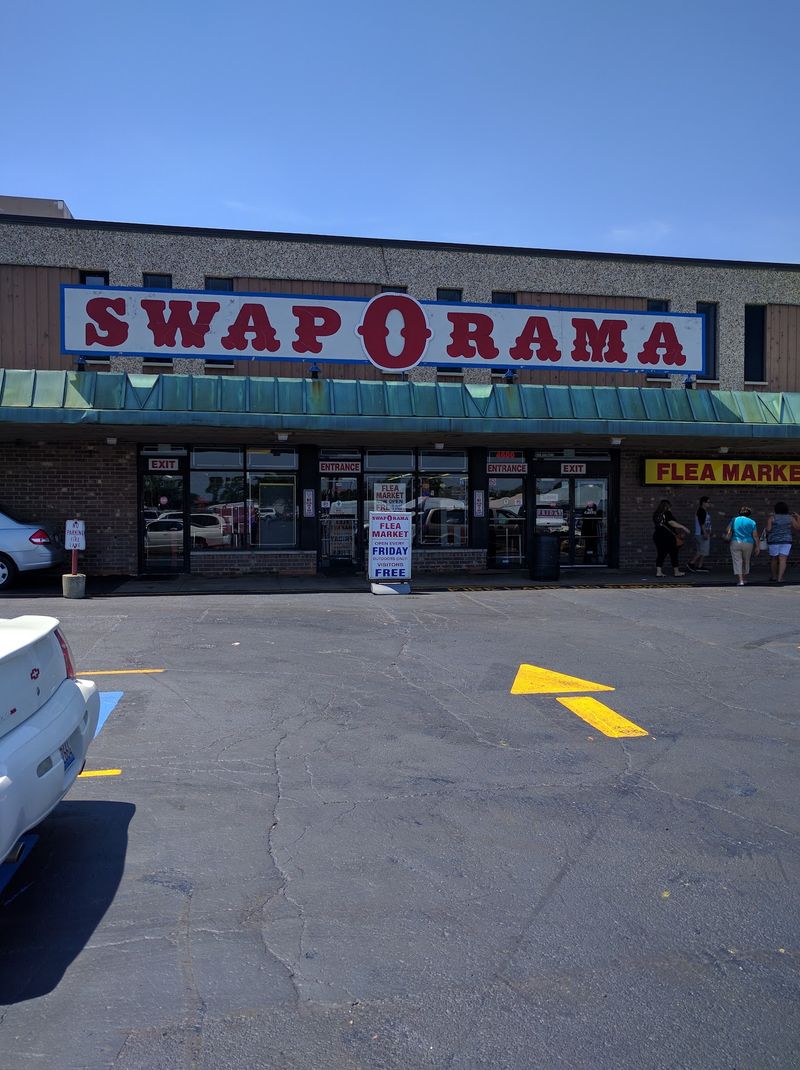
Some shopping trips have a plan. A trip to Swap-O-Rama works better when curiosity takes over. The market spreads across indoor and outdoor spaces, so the first big impression is not one single display, but a long chain of small scenes, each one pulling attention in a new direction.
One aisle might be stacked with socks, phone accessories, and T-shirts. A few steps later, the view shifts to cookware, framed pictures, old tools, toys, costume jewelry, or boxes filled with items that look like they came from a garage, a storage room, or a back shelf someone finally decided to clear out.
That constant change gives the place its energy. The setup also rewards patient walkers. Instead of rushing toward the first cheap price tag, it helps to scan slowly, compare tables, and notice how the same kind of item may show up in different spots with different prices.
A necklace at one booth, for example, might sit beside a repair counter elsewhere, while similar household goods can range from brand new packages to clearly used pieces.
That variety makes Swap-O-Rama more than a straight line of identical stalls. It behaves like a neighborhood crossroads where practical needs meet impulse buys.
A shopper can arrive wanting a simple pack of shirts and leave holding fruit, a watch battery, kitchen utensils, and a decorative object that was never on the list.
For first-timers, the smartest move is to accept the visual overload and treat it as part of the experience. The market is at its best when each turn feels a little unpredictable, and every crowded table suggests there may be one useful, funny, or oddly perfect item tucked between the obvious ones.
Treasure Hunting Here Means Looking Past the Obvious
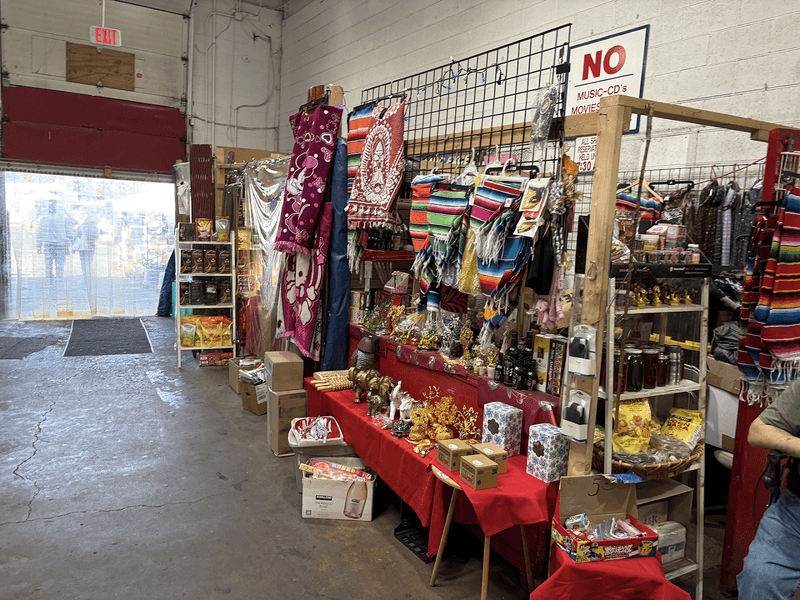
A great flea market does not hand over its best finds in the first ten seconds. At Swap-O-Rama, the real fun often starts when a shopper looks beyond the most obvious piles and notices the small details hidden in plain sight.
That is where the market earns its treasure-hunt reputation. Not every booth sells rare antiques, and that actually helps explain the appeal. The mix leans toward useful goods, low-cost accessories, everyday clothing, repair services, produce, and random objects that seem strangely specific.
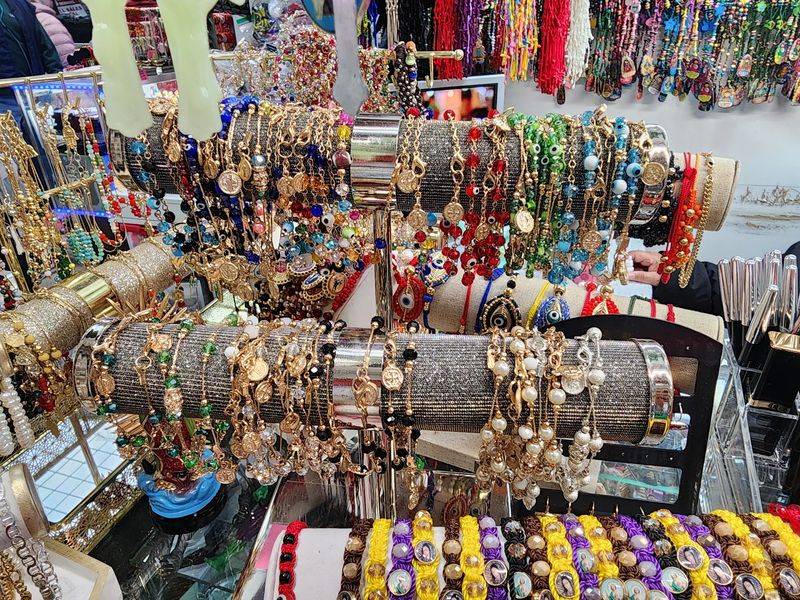
A shopper might spot pretty jewelry beside phone add-ons, fridge magnets shaped like fruit, or a practical tool sitting next to decorative pottery.
The surprise comes from the overlap. New merchandise shares space with older pieces, collectible odds and ends, and items with no clear category except that somebody thought they were worth bringing to the table.
That loose blend creates the kind of shopping where people keep saying they only came to browse, then leave with two bags.
Good treasure hunting here depends on paying attention to condition, price, and usefulness. It is smart to check closely, ask questions, and compare more than one vendor before buying.
Similar products can vary, especially in a market with many independent sellers handling their own stock and setting their own prices.
The best discoveries are often practical rather than fancy. A repaired bracelet, a cheap shirt that fits just right, produce sold at a better rate than expected, or a tool that solves a problem at home can feel more satisfying than any polished department store purchase.
Swap-O-Rama turns the ordinary act of shopping into a game of noticing, choosing, and occasionally finding something that was not needed until it suddenly seemed impossible to leave behind.
Fresh Produce, Pecans, and Snack Stops Break Up the Hunt
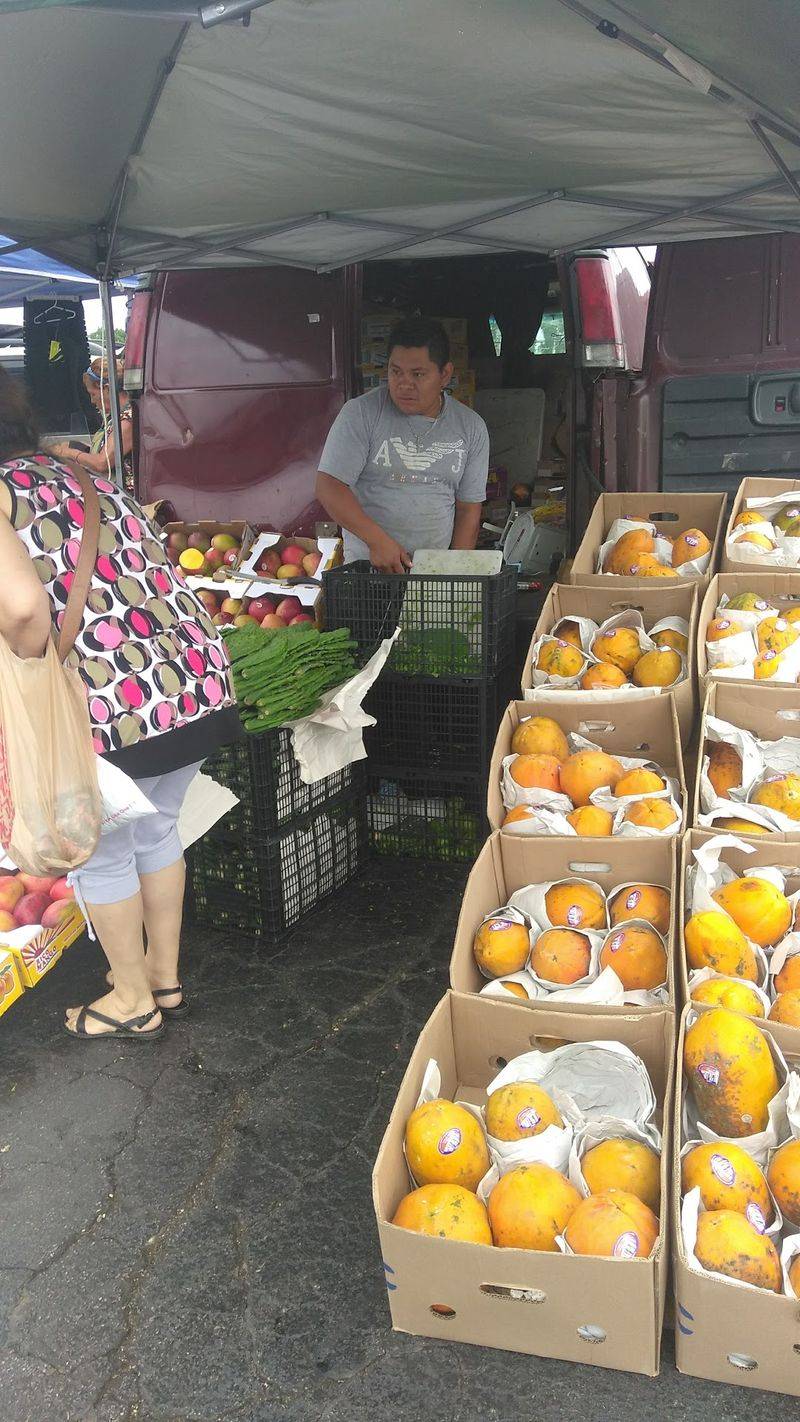
Nothing resets a long flea market walk like the sight of bright produce and something good to eat. Swap-O-Rama is not limited to clothing racks and bargain bins.
Food, fruit, vegetables, nuts, and snack stops add a whole extra layer to the visit, and they change the rhythm of the market in a useful way.
After a stretch of browsing tools, accessories, or household goods, the produce area introduces color fast. Piles of fruits and vegetables create a fresh visual break from packaged merchandise.
Fresh produce and pecans have become some of the market’s best-known purchases, which suggests many regulars treat this stop as part shopping errand, part weekend outing.
That matters for families and practical shoppers. A place that lets people pick up shirts, look at jewelry, then grab produce for home runs on a different kind of logic than a standard retail center.
The market becomes less about one big purchase and more about stacking small wins throughout the morning. Food also gives the visit a social pace. Instead of moving nonstop from stall to stall, shoppers can pause, regroup, and decide where to head next.
A snack in hand makes it easier to keep browsing, especially when the market is crowded and the number of tables starts to blur together.
There is also a smart shopper lesson here. Prices can vary between vendors, so it helps to compare before buying large amounts of produce or nuts.
One stand may offer a better deal than the next, even when the items look similar. That little bit of checking is part of the market skill set.
At Swap-O-Rama, the food side is not a side note. It is one of the reasons the place works as a full morning destination instead of a quick in-and-out stop.
Right Near the Entrance, Skill Still Matters
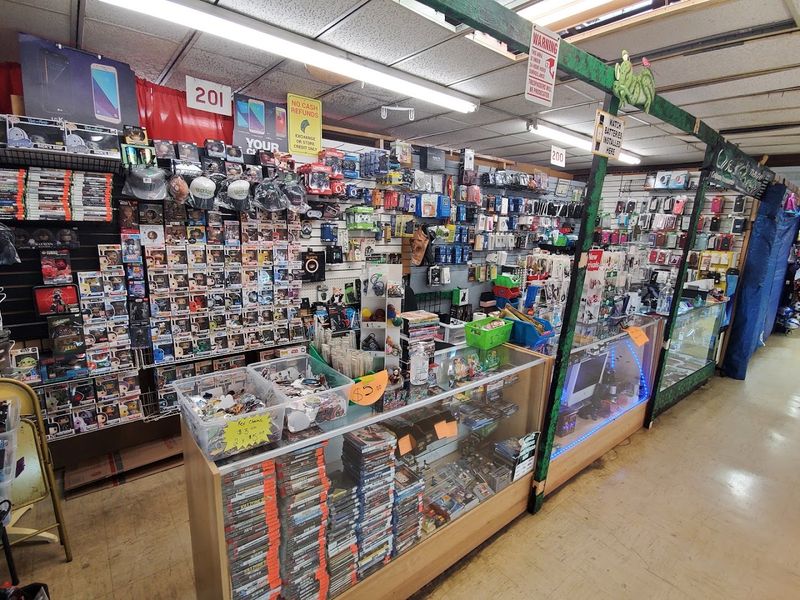
Plenty of flea market purchases are impulse buys. One of the most interesting things at Swap-O-Rama is that some booths offer the opposite: repair, adjustment, and know-how.
That difference gives the market a layer many people do not expect when they hear the words flea market. A jewelry repair counter near the entrance stands out because it turns shopping into service. Instead of only selling new pieces, the booth connects with the older habit of fixing things that still have life left in them.
Cleaned jewelry, replaced stones, resized or repaired bracelets, and fresh watch batteries all point to a more hands-on kind of market culture.
That matters because repair changes the idea of value. A simple ring is not just a product on a table if it can be restored.
A watch with a dead battery is not junk if someone nearby can make it useful again before the shopper leaves. In a market full of quick choices, that kind of practical skill slows the experience down in a good way.
It also adds trust when handled clearly. Buyers should still ask about pricing before work begins and make sure they understand what service is being offered.
In a busy setting with many independent vendors, clear questions are part of smart shopping, especially when items have personal or sentimental value.
Swap-O-Rama works best when it mixes bargain hunting with old-fashioned service, and repair booths show that blend clearly. One shopper may be searching for a cheap phone accessory.
Another may be carrying a bracelet clasp that snapped months ago and finally found the right place to fix it. In that moment, the market becomes more than a collection of tables. It becomes a place where objects are sold, restored, and sent back into everyday use.
Why Swap-O-Rama Still Matters in Illinois
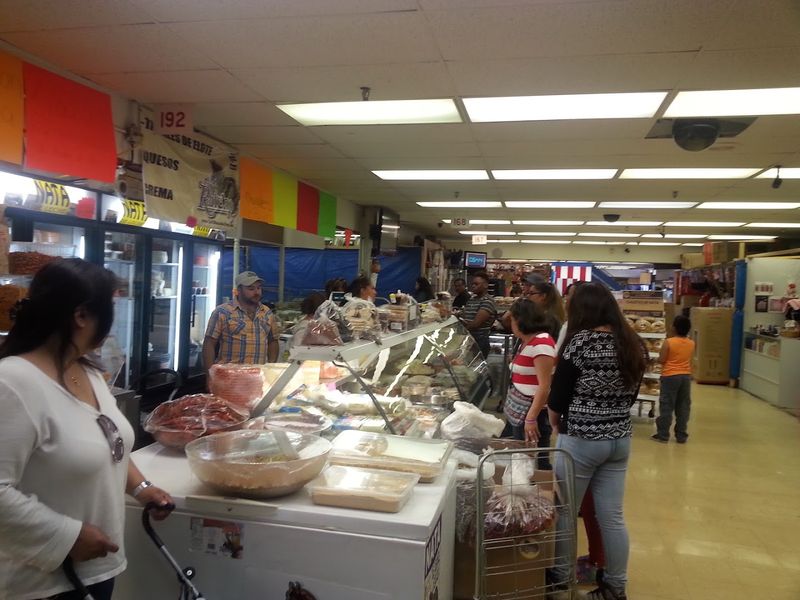
Long before online carts and same-day delivery became normal, places like Swap-O-Rama gave shoppers a different kind of marketplace.
The reason it still matters in Illinois has less to do with polished presentation and more to do with how many roles one place can play at once. It is a shopping stop, a small business platform, a weekend routine, and a social meeting ground.
The vendor mix tells that story well. Some sellers bring general merchandise, some focus on produce, some handle clothing, and others specialize in repairs or niche items.
That patchwork setup means the market reflects the people working there as much as the products on the tables. A booth can feel like a small family business, a side hustle, or a longtime routine built over years.
That local connection gives the market a different pulse from chain retail. Conversations matter. Price comparisons happen in real time. Products are explained by the person selling them, not by a shelf label.
Even when the merchandise is uneven, the human side of the exchange stays visible. Swap-O-Rama also shows how flea markets adapt. Some shoppers arrive hoping for antiques and leave with produce or inexpensive basics instead.
Others come for low-cost clothes, household items, or unexpected novelty pieces. The market does not depend on one narrow identity. It survives by being flexible enough to serve many needs at once.
That flexibility is a big reason a place like this holds onto relevance. In one trip, a shopper can compare prices, support small vendors, grab food, and walk through a slice of local commerce that still feels active rather than automated.
Swap-O-Rama is not trying to be fancy. Its importance comes from function, repetition, and the steady stream of people who keep showing up because a market built on variety still has a place in the Chicago area shopping landscape.
Go Later Than Dawn and Wear Your Patient Shoes
Plenty of markets reward the earliest birds. Swap-O-Rama requires a little more strategy. The market is often busiest later in the morning, when more vendors have finished setting up. A better plan is to give the market time to wake up.
That one detail shapes the whole visit. Showing up closer to the stronger part of the morning can mean fuller aisles, more complete displays, and a better sense of what is actually available that day.
Since the market runs Friday through Sunday, timing also changes the feel. Friday can be lighter, while weekend days tend to carry more energy and more people.
Comfort matters just as much as the clock. This is a place for walking, pausing, backtracking, and scanning tables without rushing.
Good shoes make a real difference, especially when moving between indoor and outdoor sections. A small bag, cash backup, and a little patience help too, even when some vendors accept cards.
Parking deserves attention before arrival. The market offers free parking, but comments about traffic and crowded lots suggest it can get hectic during busy periods.
Using the designated parking areas and arriving with extra time is the safest move. That avoids stress and keeps the start of the trip from turning into a scramble.
One more practical habit can improve the day: compare before buying. Similar goods may appear at several booths with different prices and quality levels.
A quick first lap helps build a mental map before making final picks. Swap-O-Rama is more enjoyable when treated like a slow browse instead of a speed run.
The people who do best here are usually the ones who expect a little chaos, stay flexible, and let the market reveal itself in stages.
The Best Finds Are Often the Ones No List Could Predict
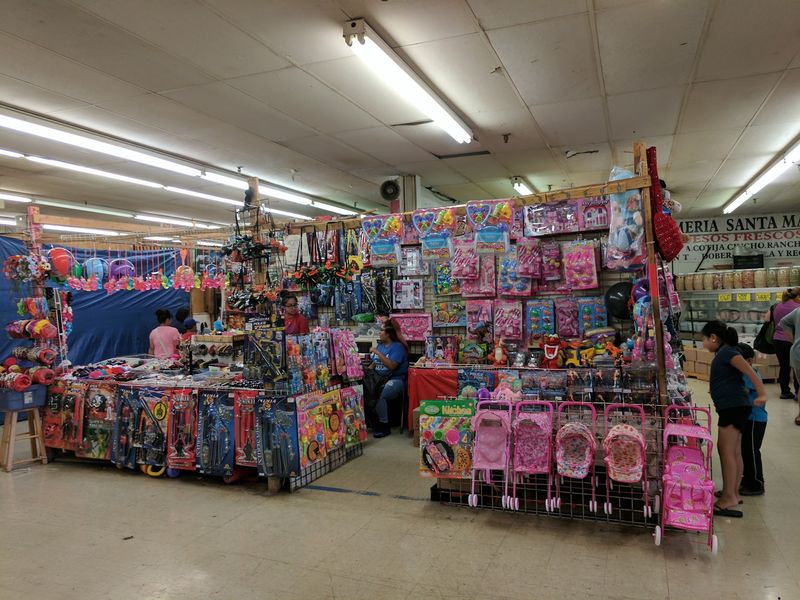
The funniest part of a Swap-O-Rama visit is how often the best purchase is the one nobody planned for. A shopping list might start with cheap clothes or a household basic, then get sidetracked by a repair booth, a snack, a bargain toy, or a decorative object that would never appear in a regular store run.
That unpredictability is the market’s strongest feature. Large retail chains sort products into neat departments and predictable aisles. Swap-O-Rama works by collision.
Useful and odd items sit near each other, and that arrangement encourages spontaneous choices. A shopper can move from practical to playful in less than a minute, which keeps the experience lively even when not every table is a winner.
That mix also explains why the market can attract very different kinds of shoppers. Some are price hunters searching for low-cost clothes, produce, or general merchandise.
Others are browsers who enjoy the visual noise and the chance of spotting something unusual. Both groups can succeed because the market allows many kinds of small victories.
Of course, the place is not polished, and that is part of the deal. Smart shoppers should inspect items, confirm totals before paying, and stay aware in busy areas.
The market rewards attention more than speed. A careful buyer often walks away happier than someone who grabs the first thing that looks cheap.
By the end of the trip, the value of Swap-O-Rama is not only measured by how much money stayed in a wallet. It is measured by the strange and satisfying range of things that passed through one morning.
A peach, a pair of socks, a repaired watch, a handful of pecans, and a random little trinket can add up to a shopping story far more interesting than anything waiting under bright lights in a standard big-box aisle.