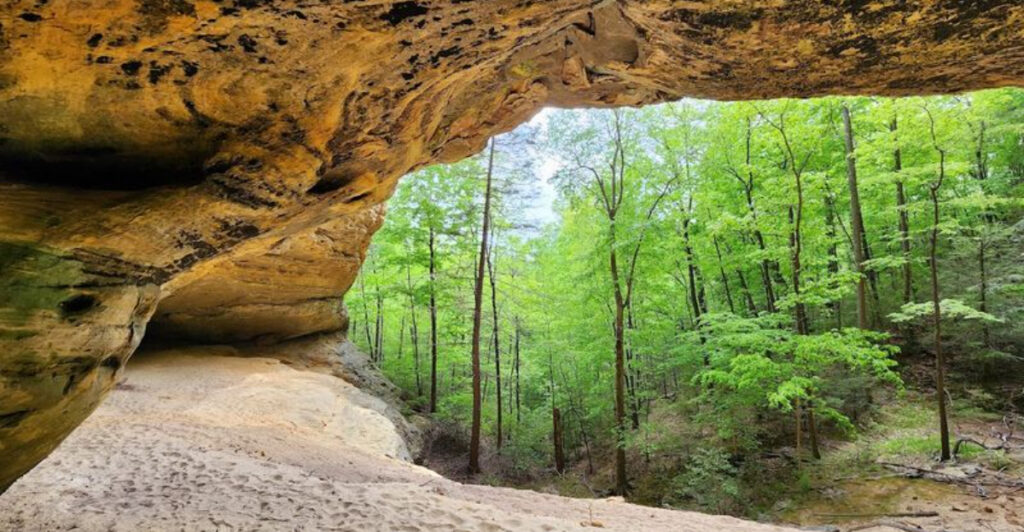
Tennessee holds some incredible secrets tucked away from the usual tourist trails. Beyond the bright lights of Nashville and Memphis, quiet nature preserves wait to show you a completely different side of the state. These hidden spots offer peaceful trails, rare wildlife, and landscapes so beautiful they will make you want to come back again and again.
Whether you are looking for a quick escape or a full day of exploration, these preserves deliver exactly what nature lovers crave.
1. Radnor Lake State Natural Area, Nashville
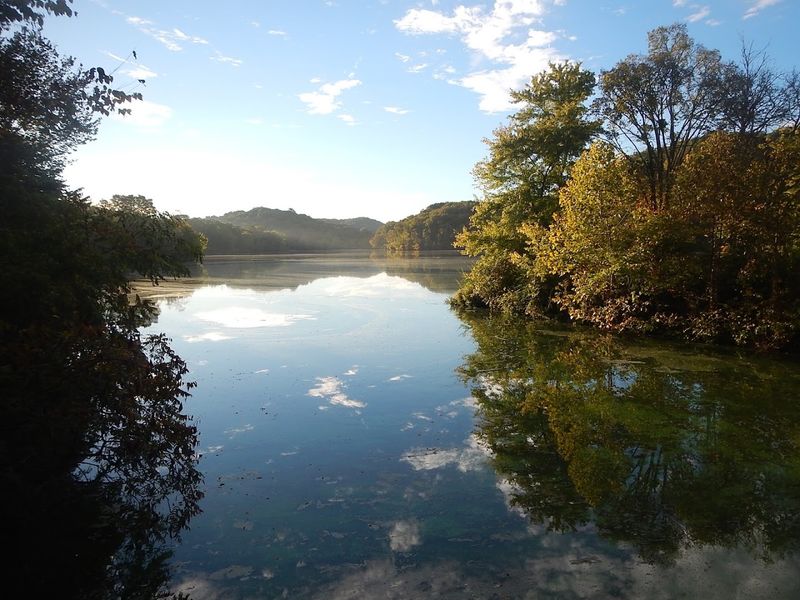
Right in the middle of Nashville sits a nature preserve that feels like it exists in a different world entirely. Radnor Lake covers over 1,300 acres of protected wilderness where you can spot everything from great blue herons to river otters. The lake itself started as a water source for steam engines back in the 1800s, but now it serves as a peaceful refuge for both wildlife and people who need a break from city noise.
Six miles of trails wind around the lake, giving you options whether you want an easy stroll or a more challenging hike up the ridges. The South Lake Trail is paved and perfect for families, while the Ganier Ridge Trail climbs higher for those who want a workout with rewarding views. Early mornings bring out the most wildlife, so set your alarm if you want to see deer grazing near the water.
No bikes, pets, or boats are allowed here, which keeps things quiet and protects the animals. This rule might seem strict, but it is exactly why the preserve feels so untouched and special every single time you visit.
2. Beaman Park Nature Center, Nashville
Beaman Park sprawls across more than 1,500 acres in northwest Nashville, offering a wild escape that most locals still have not discovered. The preserve protects limestone sinkholes, caves, and creeks that create unique habitats you will not find just anywhere. Hiking here feels like stepping into a nature documentary, with rock formations and hidden hollows around every bend in the trail.
The trail system includes over five miles of paths that range from easy to moderately difficult. Little Marrowbone Creek runs through the property, creating cool spots perfect for taking a break on hot summer days. Spring brings wildflowers that carpet the forest floor in purples, whites, and yellows that seem almost too bright to be real.
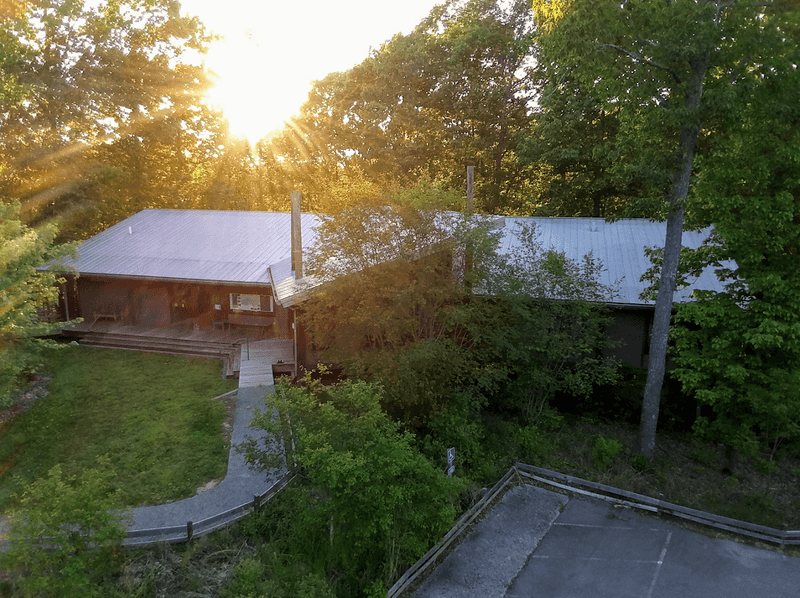
The Nature Center building itself offers educational programs and information about what makes this ecosystem so special. Staff members lead guided hikes throughout the year, teaching visitors about native plants and the importance of protecting these natural areas. If you want to understand Tennessee ecology better while getting some exercise, this place checks both boxes perfectly.
3. William B. Clark State Natural Area, Rossville
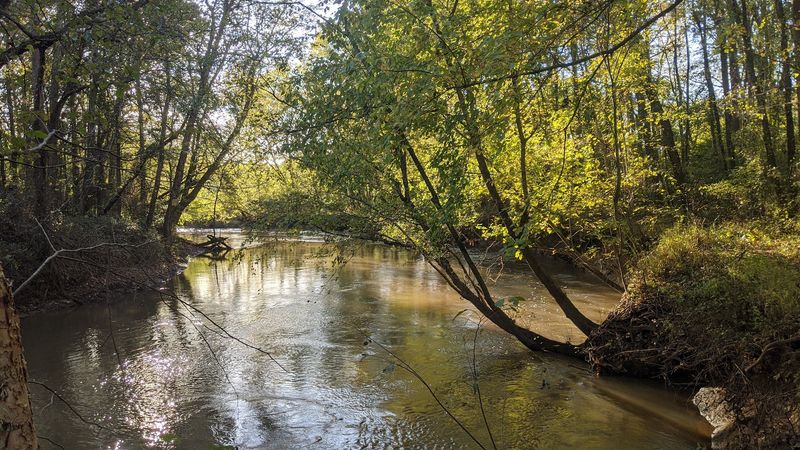
Tucked along the edge of Fayette County, this 158-acre preserve protects one of the most impressive limestone bluff systems in West Tennessee. William B. Clark State Natural Area might be small compared to some preserves, but what it lacks in size it makes up for in geological drama.
The exposed rock faces tell stories that go back millions of years, and the unique habitat supports plant species that struggle to survive anywhere else.
Walking through this preserve feels different than hiking in typical Tennessee forests. The limestone creates alkaline soil conditions that favor rare plants like the glade cress and fame flower. These species thrive in the thin, rocky soil where most other plants would give up completely.
The preserve does not have developed trails or visitor centers, which means you need to be comfortable with a more rugged experience. Wear sturdy shoes and watch your footing on the rocky terrain. This lack of development is actually part of the charm, keeping the area quiet and pristine for those willing to explore it on its own terms.
4. Pogue Creek State Natural Area, Jamestown
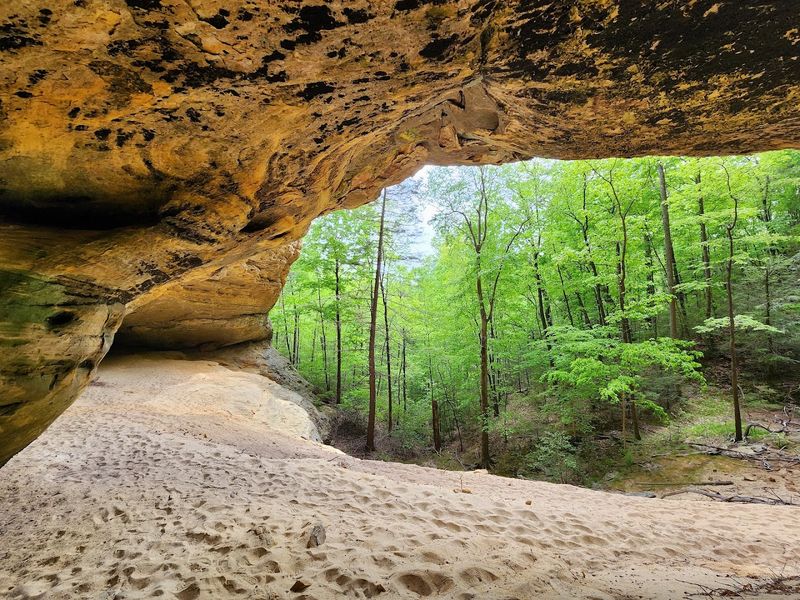
Pogue Creek carves through the Cumberland Plateau, creating a gorge so beautiful it earned protection as a state natural area back in 1974. The 1,100-acre preserve sits near Pickett State Park, but far fewer people know about it, which means you can enjoy the waterfalls and rock shelters without crowds. Clear water tumbles over sandstone ledges, creating pools that reflect the surrounding cliffs in mirror-like perfection.
The gorge itself drops more than 300 feet in elevation, with steep walls covered in hemlocks and rhododendrons. Hiking here requires good balance and a willingness to scramble over rocks, but the effort pays off with views that belong on postcards. Spring brings rushing water that makes the creek roar, while fall turns the hardwood forest into a patchwork of reds and golds.
This preserve protects habitat for several rare species, including certain salamanders that live only in these cold, clean mountain streams. Respect the fragile ecosystem by staying on established paths and never disturbing the wildlife or plants you encounter along the way.
5. Bridgestone-Firestone Centennial Wilderness WMA & Chestnut Mountain State Natural Area, White County
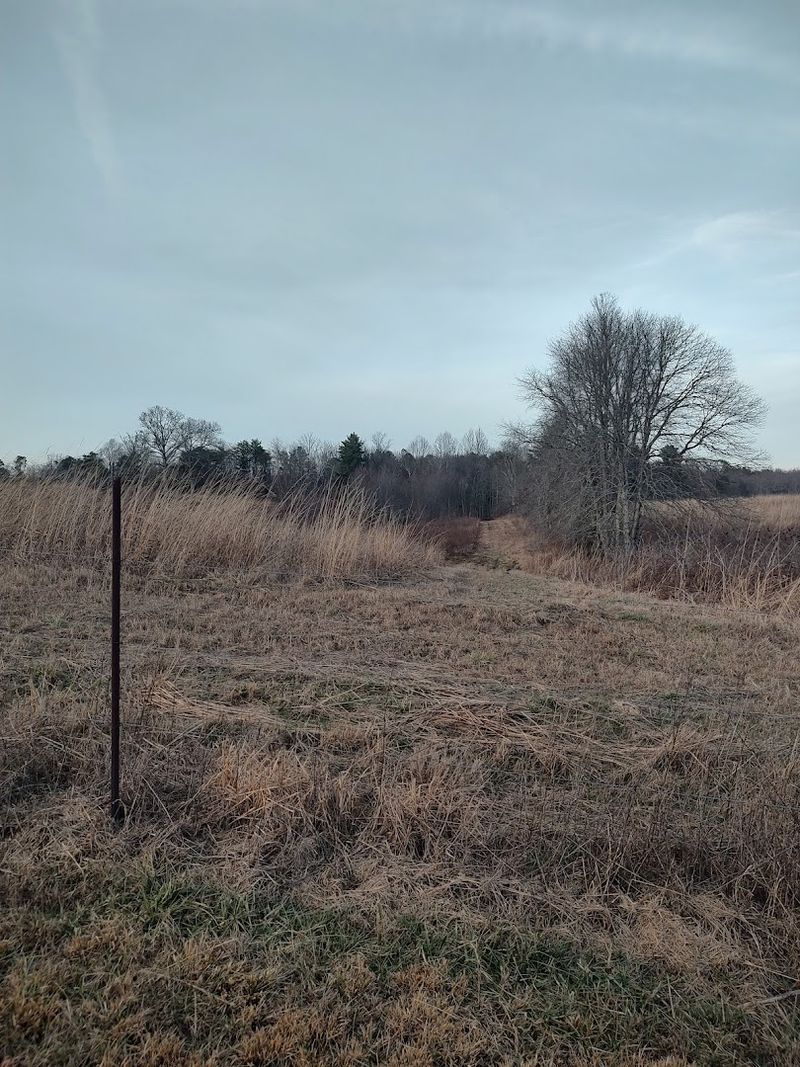
This massive protected area combines wilderness management land with a state natural area to create one of the largest undeveloped tracts in the region. Over 10,000 acres of rugged mountain terrain stretch across White County, offering serious hikers the kind of backcountry experience that is getting harder to find. The preserve includes Chestnut Mountain, which rises to elevations that create cooler temperatures and different plant communities than the valleys below.
Trails here challenge even experienced hikers with steep climbs and rocky sections that demand attention. The reward comes in the form of panoramic views that stretch for miles across the Cumberland Plateau. On clear days, you can see ridge after ridge fading into blue distance, reminding you just how much wild land Tennessee still protects.
The wilderness management area allows hunting during certain seasons, so check regulations before you visit and wear bright colors during fall and winter. This multi-use approach helps fund conservation while giving different groups access to enjoy the land in their own ways. Just remember that solitude comes standard here, so prepare accordingly with maps, water, and proper gear.
6. Clear Creek Preserve, Wartburg
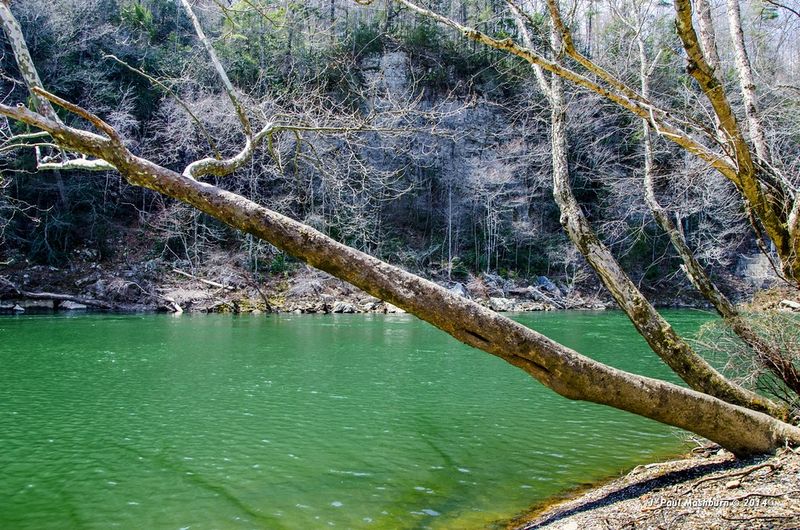
Clear Creek flows through a stunning gorge system that cuts deep into the Cumberland Plateau near Wartburg. The Nature Conservancy protects this 3,000-acre preserve, keeping it wild for the rare plants and animals that call these cliffs and streams home. Water quality here stays remarkably high, supporting aquatic life that cannot tolerate pollution or habitat disturbance.
The gorge creates microclimates where you can find plant species more common in the Appalachian Mountains to the east. Hemlocks shade the creek, keeping water temperatures cool even during hot summer months. Rhododendrons bloom in early summer, adding splashes of pink and white to the green landscape.
Limited public access means you need to contact The Nature Conservancy ahead of time to arrange a visit, but this restriction protects the sensitive ecosystem. Guided hikes happen periodically, offering chances to learn from experts about what makes this preserve ecologically significant. The extra effort required to visit makes the experience feel even more special when you finally get to explore these protected canyons and streams.
7. Big Cypress Tree State Natural Area, Greenfield
A single tree inspired the creation of this state natural area, and what a tree it is. The champion bald cypress that grows here measures over 40 feet in circumference, making it one of the largest trees east of the Mississippi River. This ancient giant has been growing for more than a thousand years, standing as a living connection to Tennessee history that predates European exploration.
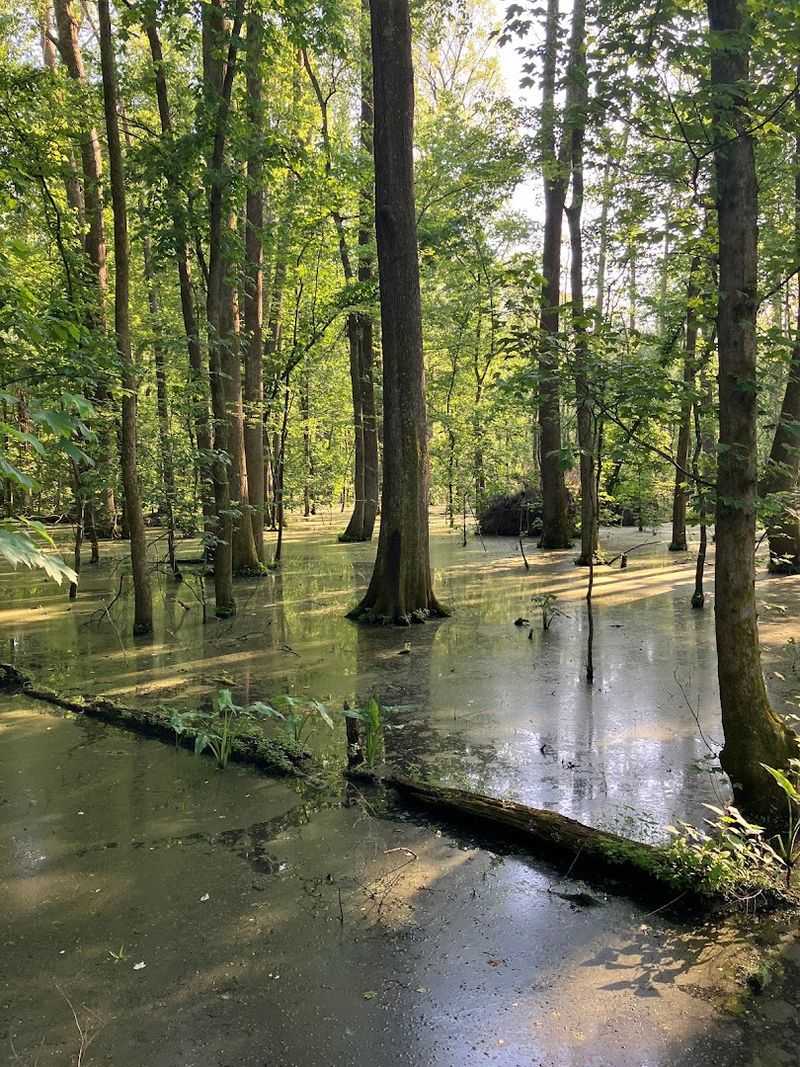
The tree grows in a wetland environment typical of West Tennessee river bottoms, surrounded by water that keeps its roots wet throughout the year. Bald cypress trees thrive in these conditions, developing the characteristic knees that stick up from the water around their bases. The preserve protects not just the champion tree but also the surrounding bottomland hardwood forest that provides crucial wildlife habitat.
A boardwalk makes the tree accessible even when water levels are high, letting you get close enough to truly appreciate its massive size. The preserve is small and the visit can be quick, but standing next to a living thing that has survived for a millennium puts your own timeline into humbling perspective.
8. Frozen Head State Park & Natural Area, Wartburg
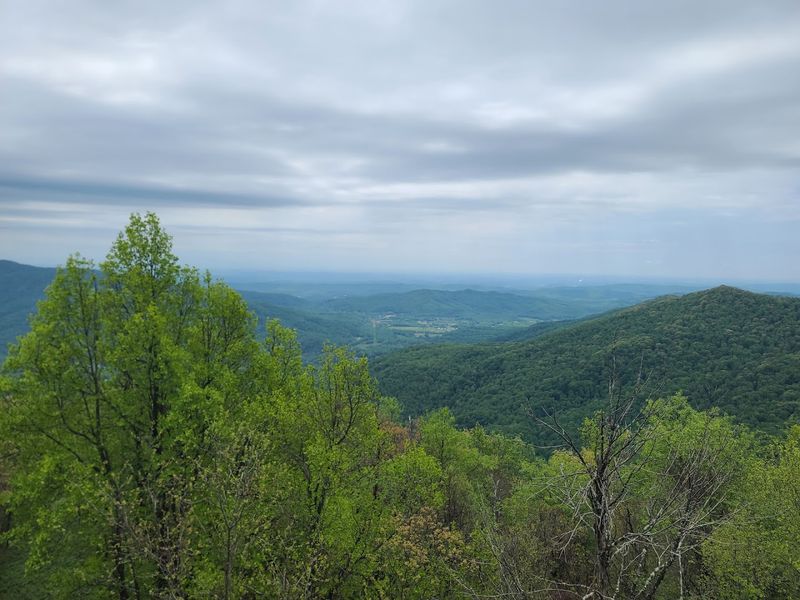
Frozen Head rises to 3,324 feet, creating the kind of mountain environment that feels more like North Carolina than Middle Tennessee. The state park and natural area combination protects nearly 24,000 acres of rugged terrain, with trails that challenge serious hikers and reward them with spectacular views. The park gets its unusual name from the way clouds often cap the summit, making it look frozen even during warmer months.
Over 50 miles of trails crisscross the park, ranging from easy nature walks to brutal climbs that test your endurance. The Chimney Top Trail ranks as one of the toughest day hikes in Tennessee, gaining over 2,000 feet of elevation in just a few miles. Reaching the tower at the summit gives you 360-degree views that make every bit of effort worthwhile.
The park also hosts the famous Barkley Marathons, an ultra-running event so difficult that most participants do not finish. You do not need to be an ultra-runner to enjoy Frozen Head, though. Easier trails explore creek valleys and old homestead sites, offering plenty of beauty without the brutal climbs that make the park famous among serious hikers.