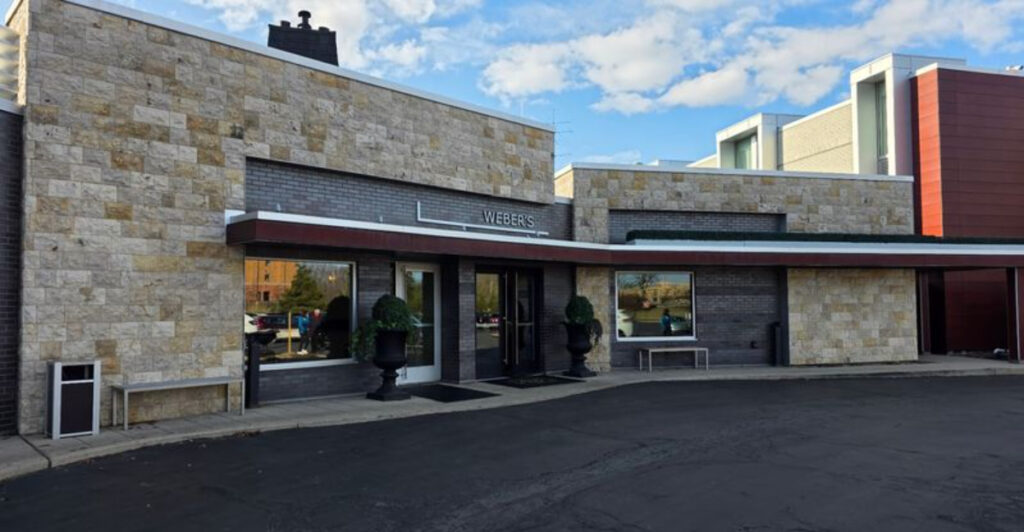
Prime rib has a way of making dinner feel serious before the first slice even hits the plate. In Ann Arbor, Michigan, Weber’s Restaurant has built part of its long-running reputation around treating that classic cut with the kind of care that keeps people coming back for special meals, family dinners, and nights that need a little more weight than usual.
The appeal is not just the beef, but the whole experience around it — polished service, old-school confidence, and a dining room that knows how to make a meal feel memorable. For anyone wondering how one dish can help define a restaurant for generations, Weber’s makes a strong case.
A Jackson Avenue Landmark With Real Presence
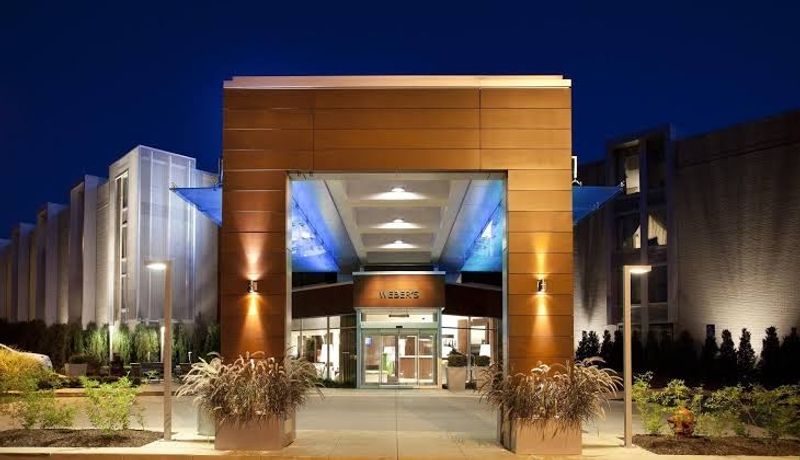
Some restaurants announce themselves with noise. Weber’s Restaurant does it with confidence, sitting along Jackson Avenue with the kind of broad, established presence that suggests it has been part of Ann Arbor life for a very long time.
Before a menu even lands on the table, the setting already hints that dinner here is meant to be more than a quick stop.
The location helps shape that mood. It is easy to reach, practical for locals, and simple to work into a visit for anyone passing through town, yet the place does not read like a generic roadside operation.
Large dining spaces, polished details, and a sense of scale give it a more formal identity, one that fits celebrations, business meals, and nights when a regular dinner will not do.
That first visual impression matters because prime rib is a dish tied to tradition. A restaurant serving it well needs a backdrop that feels steady and sure of itself, and Weber’s has that advantage.
The building, the lighting, and the orderly flow all create a frame for a meal built around old-school comfort rather than passing food trends.
Even the practical details support the experience. Convenient parking removes one common headache, and the size of the restaurant allows it to handle everything from date nights to larger gatherings.
Instead of feeling cramped or hurried, the arrival feels organized, which sets the pace for what comes next.
By the time the host leads diners inside, the message is already clear. Weber’s is not chasing novelty.
It is leaning into permanence, polish, and the kind of classic restaurant identity that makes a prime rib dinner sound exactly right.
Prime Rib That Understands Restraint
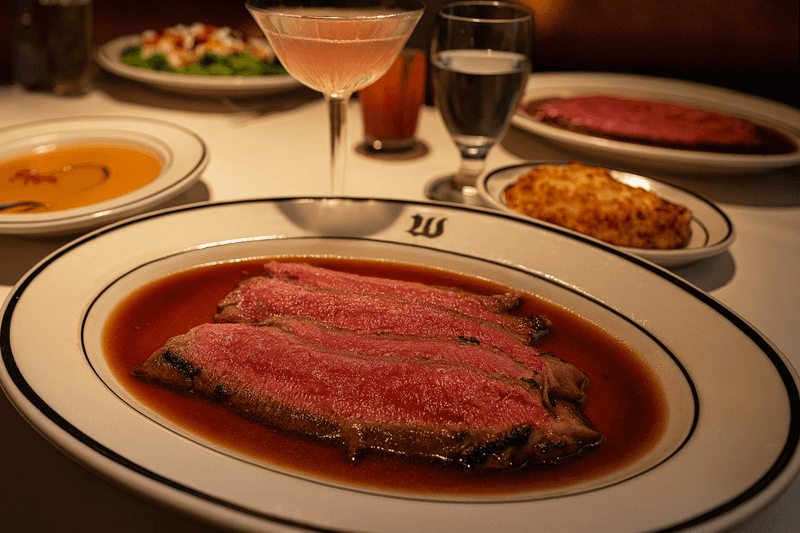
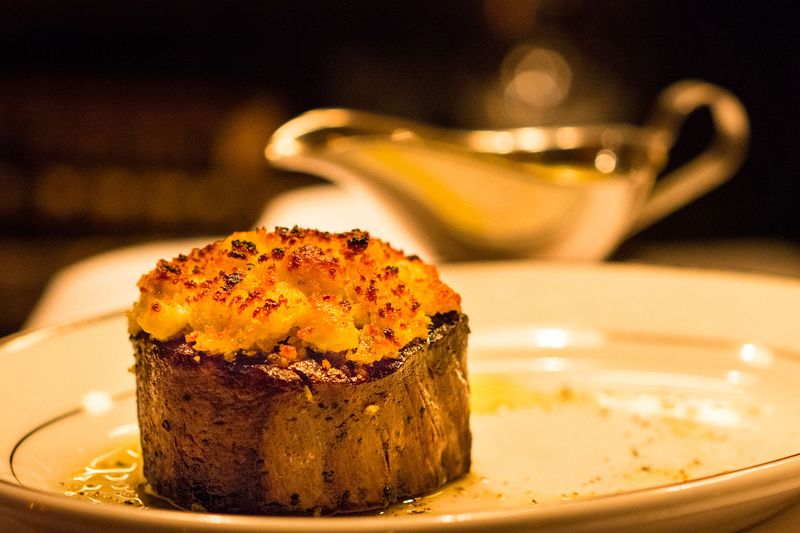
Great prime rib does not need tricks, and that is part of the point at Weber’s Restaurant. The dish stands out because it respects the basics: a generous cut, a tender interior, a seasoned exterior, and the kind of careful cooking that lets the beef stay at the center of the plate.
When a restaurant is known for prime rib, every choice around that plate has to show discipline.
At Weber’s, the appeal seems rooted in balance instead of showmanship. Prime rib should arrive juicy, rich, and easy to cut, with enough browning on the outside to add contrast without overpowering the meat itself.
A creamy horseradish sauce adds a cool, sharp bite that keeps the richness from becoming too heavy, which is one reason the meal lands so well.
Portion size matters here too. Prime rib is a dish people order when they want a full dinner, not a tiny tasting plate, and Weber’s has built a reputation around delivering a substantial steakhouse-style experience.
That gives the meal a sense of occasion, whether the table is marking an anniversary, a work celebration, or simply a night out that deserves more than the usual routine.
The smartest move for first-timers is simple: order the prime rib at the temperature preferred, keep the sides classic, and let the main dish do the talking. There is no need to overbuild the meal with too many competing flavors.
Prime rib is already the event.
That confidence is what makes the dish memorable. Weber’s does not seem interested in reinventing prime rib.
It succeeds by treating an old favorite with enough care that the original version still feels complete, satisfying, and hard to beat.
Beyond the Beef, the Classic Steakhouse Extras Hold Up
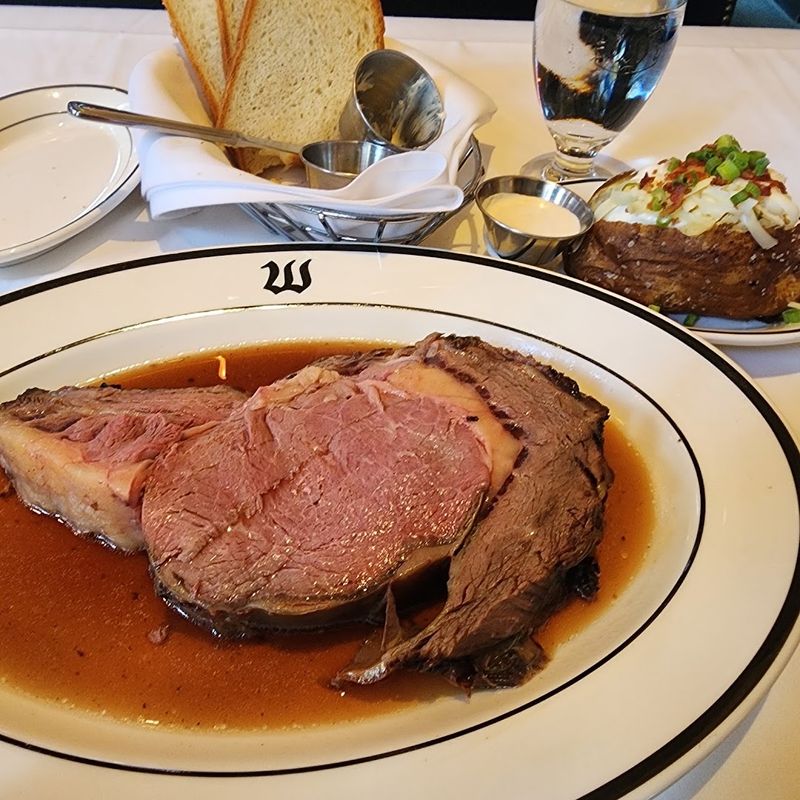
A prime rib house earns trust not only through the main cut, but through everything surrounding it. Weber’s Restaurant appears to understand that fully, building meals with the familiar extras that make a steakhouse dinner feel rounded, generous, and satisfying from beginning to end.
The supporting cast is not decoration here. It gives the signature dish room to shine.
Start with the table basics and the tone becomes clear. Bread served with smoked whitefish pate adds a regional touch and gives diners a savory first bite that feels more thoughtful than a plain butter basket.
Soups such as French onion or lobster bisque deepen that classic restaurant rhythm, where a meal unfolds in steps instead of racing straight to the entree.
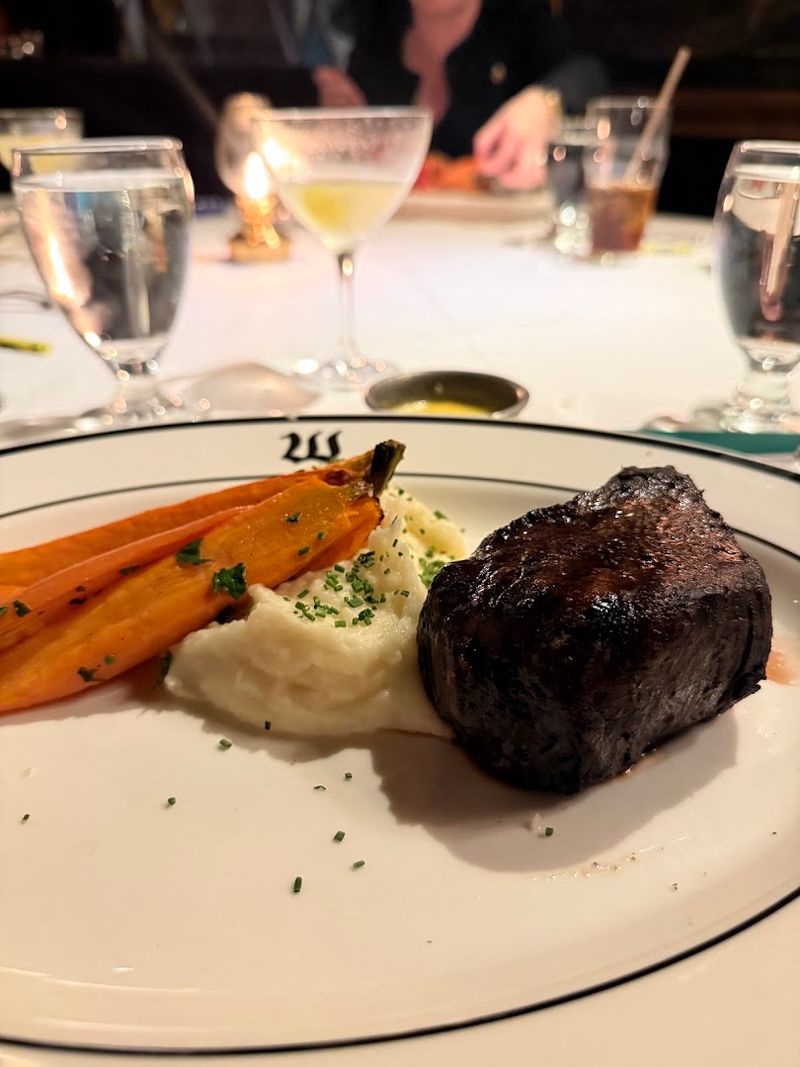
Sides matter just as much. Prime rib paired with a potato and a salad keeps the plate grounded in tradition, which is exactly what many diners want from a place like this.
A house salad with fruit and almonds, creamy potatoes, or other steakhouse staples can lighten the richness of the beef and make the whole dinner feel more complete rather than one-note.
There is also value in the wider menu. Crab cakes, shrimp cocktail, French dip, lamb, duck, and seafood choices suggest a kitchen that is not trapped by one headline item, even if prime rib remains the star.
That flexibility helps mixed groups, since not every table arrives with the same craving.
The smartest takeaway is practical. Come hungry enough to build a full meal and avoid treating the prime rib as a stand-alone order.
At Weber’s, the extras appear designed to support the experience, and when those pieces click together, dinner becomes a well-paced classic instead of a single strong plate.
Michigan Supper Club Energy, Minus the Stiffness
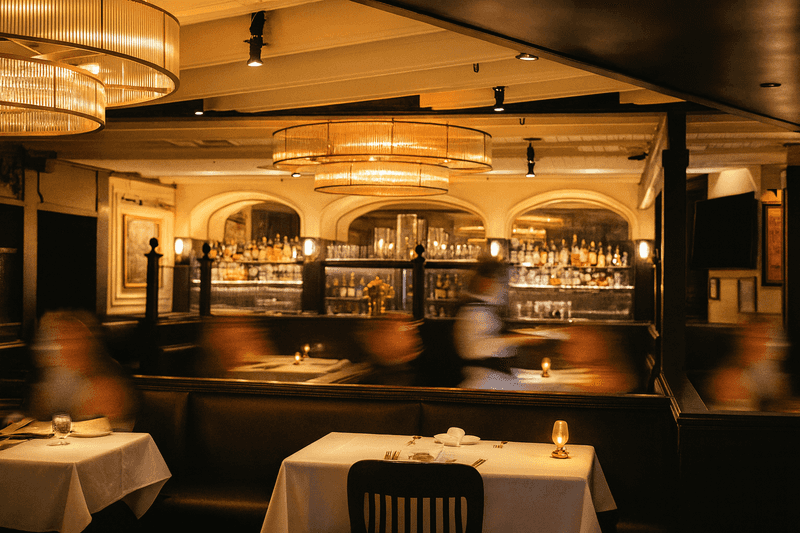
Some dining rooms can feel fancy in a way that makes everyone sit up too straight. Weber’s Restaurant seems to avoid that trap by mixing polish with comfort, creating a room that works for anniversaries, office dinners, family gatherings, and a relaxed meal that simply happens to include prime rib.
That balance is harder to pull off than it looks.
The details help. Booths, warm lighting, clean lines, and live music give the space a supper-club edge that suits a classic menu.
Piano and jazz touches can make a room feel dressed up, but when they are paired with attentive service and comfortable seating, the result is inviting instead of intimidating.
That matters for a dish like prime rib because the meal carries a built-in sense of occasion. Diners often want the comfort of a familiar steakhouse, but they also want enough style to justify ordering something rich, traditional, and celebratory.
Weber’s appears to hit that middle ground. It has enough elegance for milestone dinners without becoming overly formal or cold.
The service style seems to support the same idea. Knowledgeable recommendations, smooth pacing, and a professional attitude can shape the whole evening, especially when a table includes different ages or a larger group.
A restaurant built around big entrées and classic hospitality has to keep the room moving without making anyone feel rushed.
For readers deciding whether the place fits their mood, the answer depends less on dress codes and more on energy. Weber’s reads as polished but usable, classy but not fragile.
That is a strong combination, because a great prime rib dinner should feel special enough for a celebration and easy enough that ordering dessert still sounds like a very smart decision.
A Long-Running Ann Arbor Name That Still Knows Its Role
Restaurants do not stay relevant for decades by accident. Weber’s Restaurant has the kind of local standing that suggests it learned long ago how to serve more than food.
It also serves continuity, the comforting idea that one address can carry birthdays, work dinners, holiday gatherings, and special milestones across different stages of life.
That long-running identity gives the prime rib extra meaning. A dish like this belongs in places with roots, where tradition is not performed for style points but folded into everyday operation.
Prime rib asks for patience, consistency, and a kitchen that understands how people want the meal to feel, not just how they want it to look in a photo.
Weber’s also benefits from being part of Ann Arbor rather than floating outside it as a trend-driven destination. In a city known for university traffic, visiting families, and a mix of local routines and special-event dining, a steady restaurant can play many roles at once.
It can be a celebration spot, a comfortable business choice, or the dinner people save for when they want old-school quality without guessing what the meal will be.
The family-owned reputation often associated with Weber’s fits that picture too. Even without turning the whole story into nostalgia, there is value in a place that still presents itself with clear standards and a strong sense of house identity.
That can be seen in the service expectations, the broad menu, and the commitment to a signature item that has not been pushed aside by changing trends.
In Ann Arbor, Michigan, that kind of steadiness matters. Weber’s is not trying to be the newest room in town.
Its strength comes from understanding exactly what role it plays and then delivering that role with enough consistency to make prime rib part of its lasting name.
How To Order Like You Planned the Night Well
A little planning can make Weber’s Restaurant even better, especially if prime rib is the goal. Since the place can get lively on busy evenings, the smoothest experience often comes from treating dinner here like an occasion instead of a last-minute backup.
That does not mean making it complicated. It just means choosing the right moment and ordering with purpose.
For a classic first visit, dinner is the move. Start with a soup or a seafood appetizer, settle into the pace of the room, and keep the spotlight on the prime rib rather than scattering attention across too many rich dishes.
A crisp salad, a potato, and the horseradish sauce already create a full steakhouse structure, so there is no need to overdo the table.
Timing also matters. Weekends and celebration hours can be busier, which adds energy but may also mean more waiting for larger parties.
Smaller groups may find the rhythm easier to enjoy, especially if the goal is a relaxed meal with room for conversation, drinks, and possibly dessert. The restaurant also serves earlier in the day, but the prime rib experience naturally fits the slower mood of an evening meal.
Mixed groups can order comfortably because the menu offers alternatives beyond beef, which helps when one person wants seafood and another wants a steakhouse plate. That flexibility makes Weber’s useful for family dinners and work gatherings, where everybody rarely wants the same thing.
It is a practical strength, not a side note.
The smartest strategy is simple. Arrive hungry, give the meal time, and treat the prime rib as the anchor rather than one option among many.
Weber’s works best when diners lean into the full format: appetizer, entree, a little music in the background, and enough space in the night for one more course.
Why the Prime Rib Reputation Actually Makes Sense
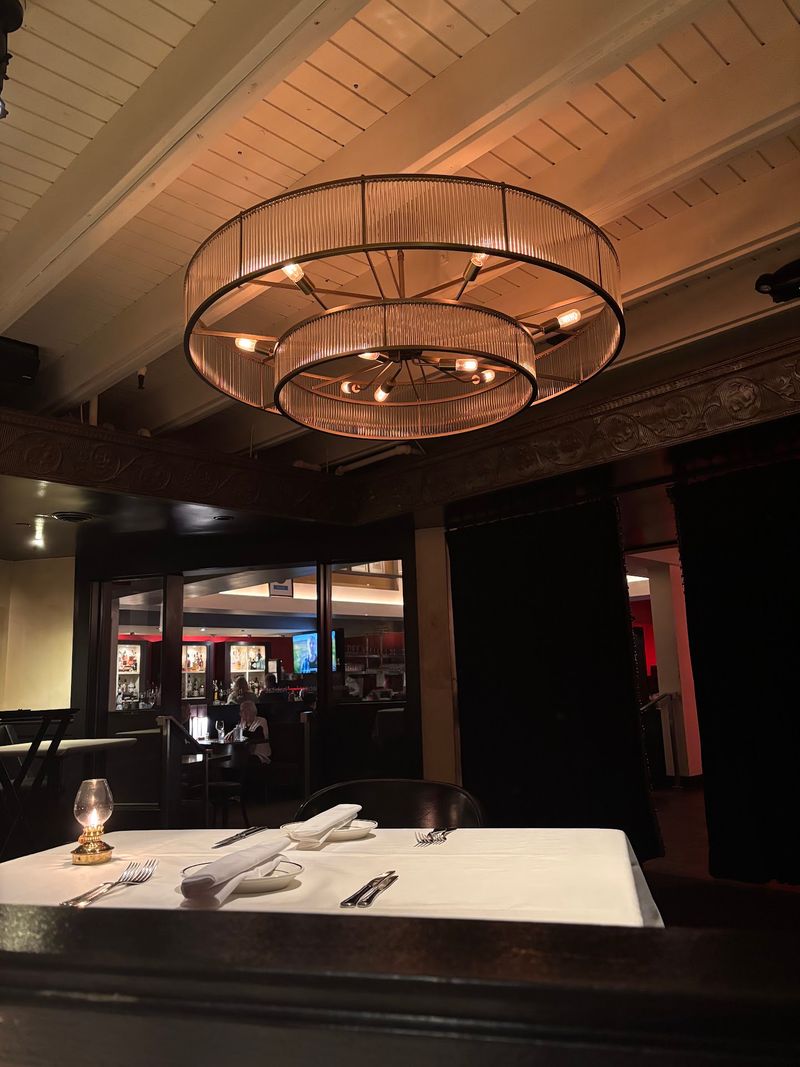
Some restaurant reputations sound bigger than the actual experience. Weber’s Restaurant seems to avoid that problem by matching its prime rib identity with the right setting, menu structure, and dining style.
When all three line up, the result is not hype. It is a restaurant doing a classic thing very well and understanding why that still matters.
The prime rib itself is only one part of the equation, even if it is the headline. A strong version of this dish needs the right room around it, the right pace of service, and the right kind of menu support.
Weber’s offers that larger framework through its traditional steakhouse approach, comfortable polish, and clear respect for full dinners rather than quick transactions.
Its local staying power also adds weight. In a restaurant landscape where many places chase novelty, Weber’s has more to gain by sharpening what already works.
That focus appears in the way the meal is built, from classic starters to satisfying sides to a dining room suited to celebrations and longer conversations. Prime rib belongs in a place that knows how to hold attention without acting flashy, and Weber’s fits that role well.
For readers scanning for the headline answer, here it is. Weber’s has mastered prime rib not by turning it into a stunt, but by protecting the features that made the dish famous in the first place: tenderness, richness, proper accompaniments, and a setting that gives dinner a little ceremony.
Few meals benefit from restraint more than this one.
That is why the restaurant stands out in Michigan. Weber’s does not need gimmicks to make its case.
A long-established address, a classic supper-club spirit, and a carefully handled cut of beef are enough. When those pieces come together, prime rib stops being old-fashioned and starts looking timeless.