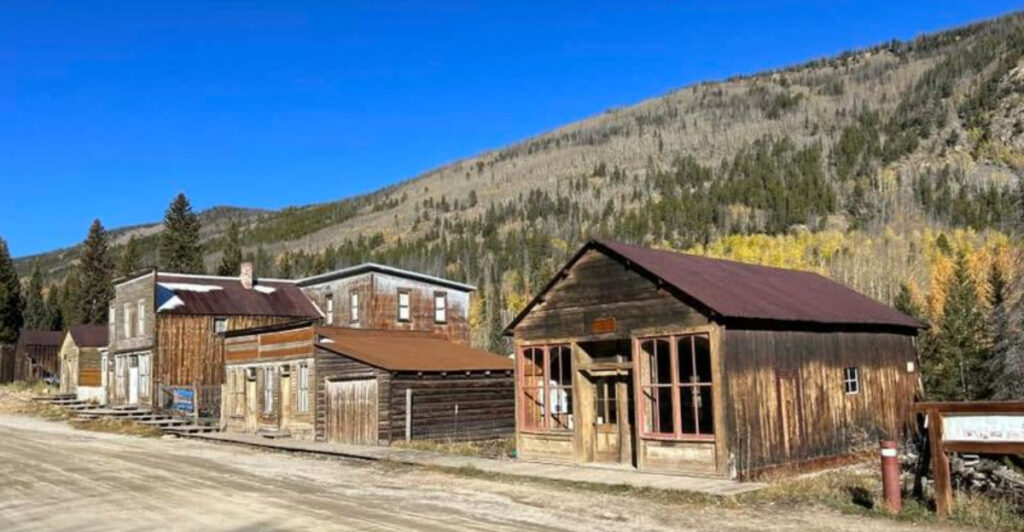
Colorado’s mining boom may have faded, but many of its ghost towns remain remarkably well preserved. Scattered across mountain passes, remote valleys, and alpine basins, these abandoned communities still feature weathered cabins, old storefronts, mining structures, and quiet streets that offer a fascinating glimpse into life more than a century ago.
Exploring them is like stepping into the past, where the echoes of Colorado’s frontier days still linger among the peaks. Whether you’re a history enthusiast, photographer, or road-trip explorer, these 8 ghost towns provide some of the state’s most unforgettable journeys through time.
1. Independence Ghost Town
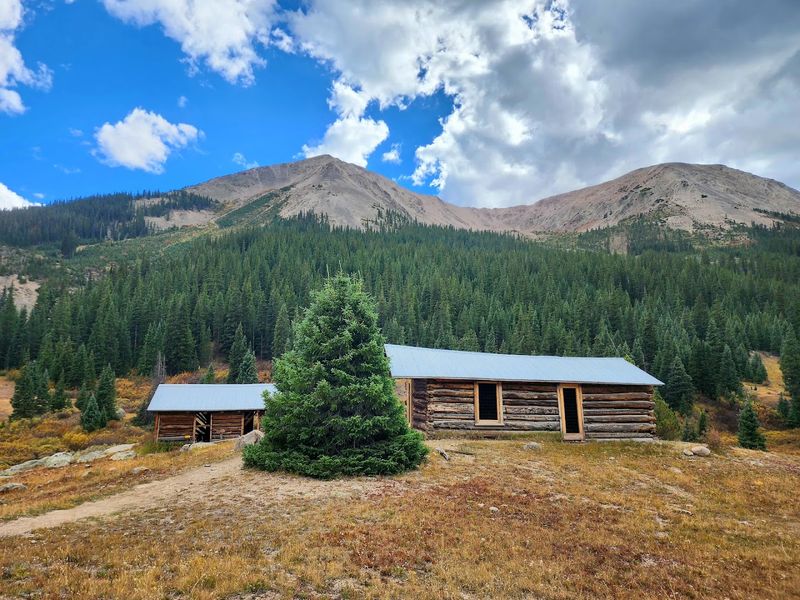
High on Independence Pass, this former gold camp delivers a dramatic first impression before a visitor even steps out of the car. The setting is wide open, windy, and surrounded by mountain views that make the old cabins look small against the landscape.
Because it sits right off Highway 82, it is one of the easiest ghost towns to reach without giving up that remote, high-country look.
Independence grew during Colorado’s gold rush years, and the remaining buildings still show how tough daily life must have been at nearly 11,000 feet. Weathered cabins, rough wooden walls, and simple layouts remind visitors that comfort came second to survival.
Interpretive signs help connect the empty structures to real jobs, real families, and the short but intense rush that brought people here.
A visit works best when paced slowly. Start with the preserved buildings, then take time to notice smaller details like window frames, tools, fencing, and the shape of the old streets. Those pieces often tell more of the story than one quick photo stop.
Summer and early fall usually offer the clearest access, but conditions at this elevation can change fast. Bring a jacket, drink water, and expect cooler air even on sunny days.
Morning light is especially good for photos because it sharpens the textures of the cabins and keeps the mountains crisp in the background.
Independence also works well for travelers who want history without a long hike or a rough vehicle road. It can fit into a scenic drive, yet it never feels like a throwaway roadside stop.
Between the preserved townsite and the huge alpine backdrop, the place gives a strong picture of Colorado mining life in one memorable sweep.
2. Saint Elmo
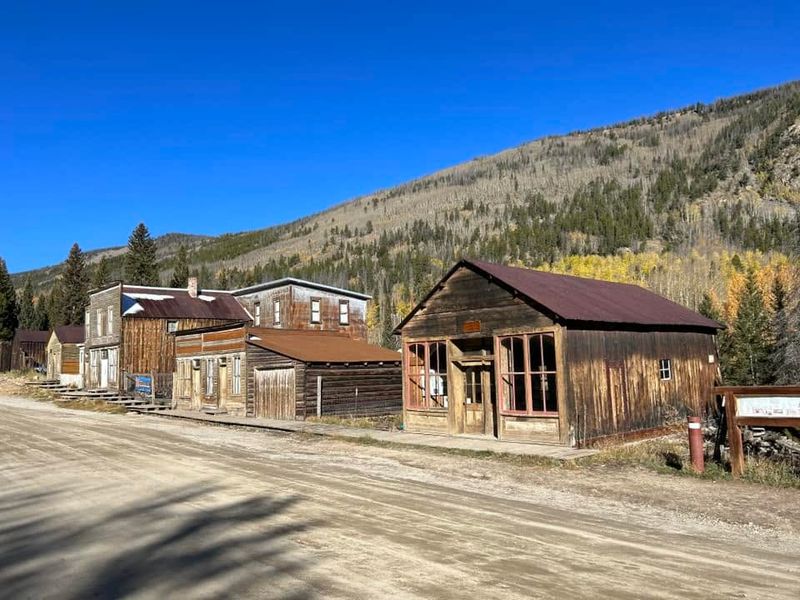
Saint Elmo looks less like a vanished town and more like a movie set that somebody quietly left in place. Its main street still stands with rows of wooden storefronts, cabins, and mining buildings that give a strong sense of shape and scale.
For many travelers, that first walk down the road is the moment old Colorado suddenly becomes easy to picture. Set in Chalk Creek Canyon, the town has a mountain setting that adds color without stealing attention from the buildings.
The structures are the real draw, especially because so many remain standing in a way that clearly outlines the former business district. Instead of trying to imagine where the town used to be, visitors can follow it almost building by building.
Saint Elmo is popular, so a little timing helps. Going earlier in the day can mean better parking, softer light, and a calmer stroll.
That makes it easier to notice details like porch posts, false fronts, faded paint, and narrow gaps between buildings where daily work once happened.
Wildlife is often part of the experience here, and that can be fun for families, but it is smart to keep the focus on safe viewing rather than feeding animals. Respecting posted signs and staying on open public areas helps protect both the town and the creatures that live nearby.
A simple walk is enough to enjoy the place without turning it into a rush from one photo to the next. Saint Elmo works especially well for first-time ghost town explorers because the site is easy to understand.
The street layout is clear, the preserved structures are memorable, and the canyon scenery frames everything neatly. It offers that Old West look people hope to find, but with enough substance to hold attention long after the visit ends.
3. Ashcroft
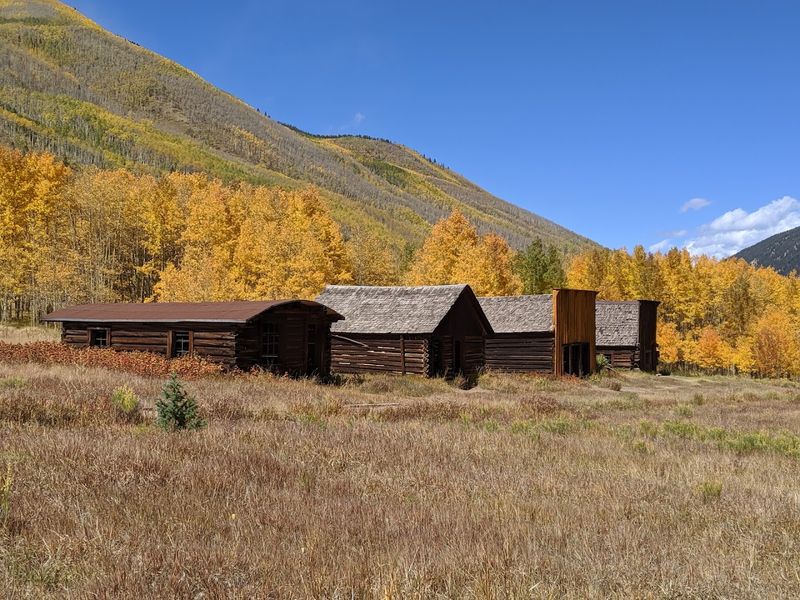
Ashcroft has a quieter kind of drama. Instead of crowding visitors with buildings, it spreads its history across an open alpine meadow where cabins, trails, and mountain slopes share the scene.
That extra breathing room makes the town easy to explore and especially rewarding for anyone who likes history paired with big landscapes.
During the silver boom, Ashcroft briefly outpaced Aspen, which adds an interesting twist to its story. Today, the remaining structures hint at that burst of ambition without needing grand ruins to prove it.
Small cabins and standing buildings do the job well, especially when seen against the peaks rising around Castle Creek Valley.
Boardwalk trails are one of the best parts of visiting here. They help guide people through the site in a way that protects the ground while also making the route simple and readable.
Families, casual walkers, and photographers can all move through the area without much guesswork. Fall is a standout season because golden aspens turn the valley into a bright frame for the weathered wood.
Summer also has plenty going for it, with green meadows and clear views that make the site feel broad and airy. Either way, layered clothing is a smart move since mountain weather can swing quickly.
Ashcroft rewards patience more than speed. Pause long enough to look past the obvious buildings and notice how the town sits in the valley, where roads likely ran, and how people once used the land around them.
That wider view helps the place make sense. For visitors who want a ghost town with strong scenery and a straightforward walking experience, Ashcroft stands out. It is easy to appreciate, easy to photograph, and easy to remember.
The blend of silver-boom history, preserved structures, and seasonal color gives this site a look that stays with people long after the drive back to Aspen.
4. Animas Forks
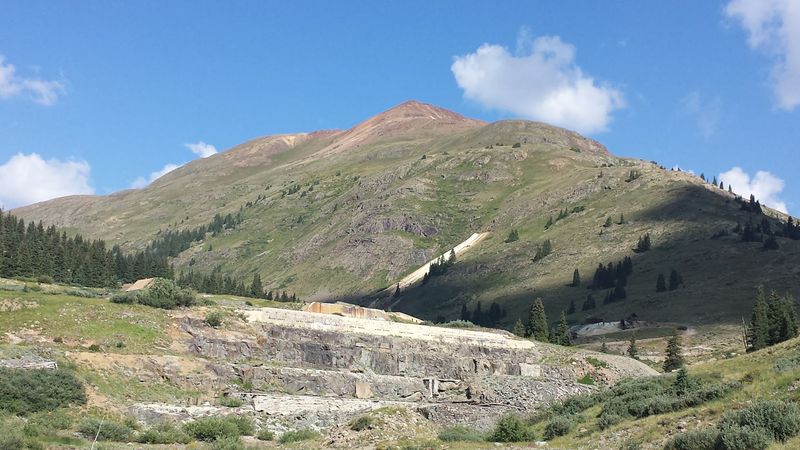
Animas Forks makes an entrance. The road in sets the tone with rough terrain, big views, and the sense that the modern world is slipping farther away with every mile. By the time the buildings appear in their high mountain basin, the town already feels earned.
Located above 11,000 feet in the San Juan Mountains, Animas Forks is one of Colorado’s most striking ghost towns. Several restored buildings still stand, and the two-story Duncan House is the one most visitors remember first.
Its height and shape make it a natural landmark, especially with steep peaks lifting behind it on every side. The site is best approached with preparation.
A four-wheel-drive vehicle is usually the practical choice, and checking current road conditions before heading out can save a lot of trouble.
High elevation also means stronger sun, cooler air, and fast weather changes, so water, snacks, and extra layers belong on the packing list.
Once there, slow down and walk the town rather than viewing it only from the road. The restored structures, old street layout, and open setting help explain why a mining settlement once held on in such a tough place.
Small details stand out too, especially rooflines, siding, and the way the buildings sit against the slope. Photography is excellent here because the scenery is already built into every angle.
Morning and late afternoon light often bring out the textures of the wood while keeping the surrounding mountains bold and sharp. Even simple snapshots tend to look dramatic at this elevation.
Animas Forks is a good pick for travelers who want history with a bit of backcountry grit. The road demands attention, but the reward is a townsite that still reads clearly in the landscape. Few places combine preserved mining buildings and alpine scale quite so effectively.
5. Vicksburg
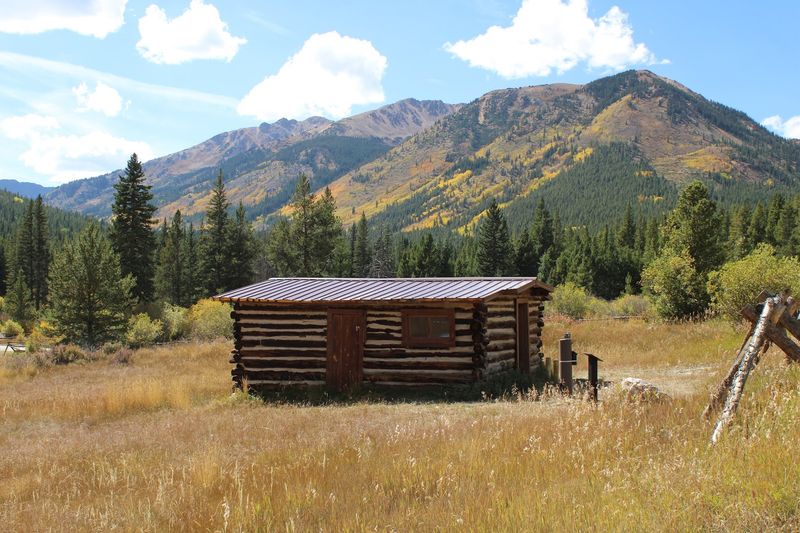
Vicksburg does not need grand ruins or a famous main street to make an impression. Its strength comes from calm surroundings, tidy preserved cabins, and a mountain valley setting that encourages visitors to stay awhile instead of rushing through.
Compared with busier ghost towns, the whole place can feel more personal and easier to absorb. Near Buena Vista in Lake County, Vicksburg preserves several log cabins linked to its silver mining past. The buildings are modest, but that is part of their charm.
They show the everyday side of mining-town life, where work, weather, and practical construction mattered more than flashy design.
The valley around the town adds a lot to the visit. In summer, wildflowers brighten the edges of the scene, while fall brings strong color to the slopes and trees nearby. Panoramic views stretch outward without overwhelming the small human scale of the cabins.
Because the experience here is quieter, it helps to approach Vicksburg with a slower mindset. Walk carefully, read any posted information, and pay attention to layout and distance between structures.
Those details reveal how people organized life in a place that had to function through changing seasons and uncertain mining prospects.
Good shoes are useful, and so is an extra layer, since even peaceful valleys can turn cool fast. A camera helps, but the best moments often come from simply standing still and noticing the contrast between rough-hewn logs and the broad landscape around them.
It is an easy place to picture smoke from a stove or the sound of boots on packed ground. Vicksburg suits travelers who want history without crowds and scenery without too much effort.
It may not shout for attention, yet it leaves a strong impression through balance, quiet, and preservation. That combination gives the town a steady presence that lingers long after the visit is over.
6. Winfield
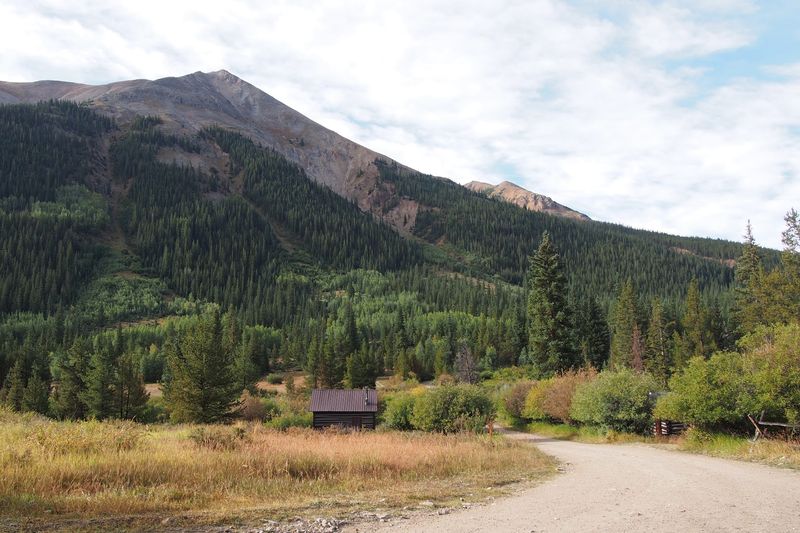
Winfield has a bigger, broader look than many mountain ghost towns. Spread across an alpine meadow beneath towering fourteeners, it gives visitors room to see how a mining settlement once fit into the landscape instead of appearing as a tight cluster of ruins. That open setting is a large part of its appeal.
Just beyond Vicksburg in Lake County, Winfield grew during the silver boom and still holds several sturdy log cabins and historic structures. The buildings show the practical side of mountain construction, with shapes and materials built to handle long winters and hard use.
Even without a packed main street, the town remains easy to read. One advantage here is that history and outdoor recreation overlap naturally. Hikers, photographers, and casual sightseers often pass through the same area, which gives Winfield a lively but not overly busy character during the warmer months.
It is a good place to mix a town visit with time on nearby trails. Because of that, planning helps. Visitors heading to hike should still leave enough time to walk among the structures and notice how the old town was arranged.
People coming mainly for history may want to arrive earlier, before trail traffic grows and afternoon weather begins to build over the peaks.
The meadow setting changes how the place photographs. Instead of narrow canyon views, Winfield offers wide angles, open sky, and a clear look at the mountains rising behind the remaining cabins.
Morning light often works best for bringing out texture in the wood without flattening the background. Winfield is especially good for travelers who do not want to choose between local history and a classic Colorado day outside.
The preserved buildings provide enough detail to make the past understandable, while the surrounding terrain keeps the visit active and scenic. Few ghost towns blend old mining structures and trailhead energy in quite the same way.
7. Carson Ghost Town
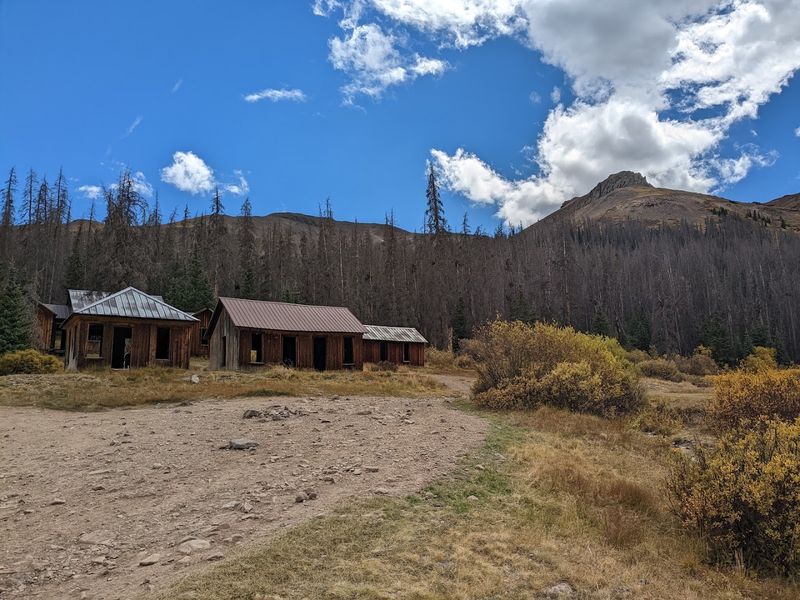
Carson is the kind of place that makes a map look small. Nearly 12,000 feet above sea level, it sits deep in high country where the route matters almost as much as the destination.
That remoteness gives the town a stronger punch than places reached by a quick paved-road stop. Travelers who make the challenging four-wheel-drive approach are rewarded with preserved mining buildings and huge views across the San Juan Mountains.
The setting is severe, open, and striking, which helps explain both the town’s appeal and its hardships. Standing structures in a place this exposed create a vivid contrast between human effort and the scale of the land.
Preparation is not optional here. A suitable vehicle, current road information, extra water, layers, and a realistic time plan all matter.
Afternoon storms can build fast in the high country, and the elevation alone can slow people down more than expected.
Once in Carson, it helps to walk with care and pay attention to spacing between buildings, slope angles, and signs of former work areas. Those clues often reveal how the settlement functioned day to day.
The remaining structures are compelling on their own, but the real story grows clearer when viewed as part of a working mining camp in a harsh setting.
Photos come out best when the weather is stable enough to let the mountain backdrop show its full shape. Crisp light can make the wood grain, rooflines, and rough terrain stand out beautifully.
Still, this is one of those places where memory can beat the camera, simply because the scale is hard to capture. Carson is best suited for people who enjoy a little effort with their history. The road, the altitude, and the isolation all shape the experience.
Taken together, they make the preserved buildings feel less like exhibits and more like survivors in one of Colorado’s highest and toughest old mining landscapes.
8. Teller City
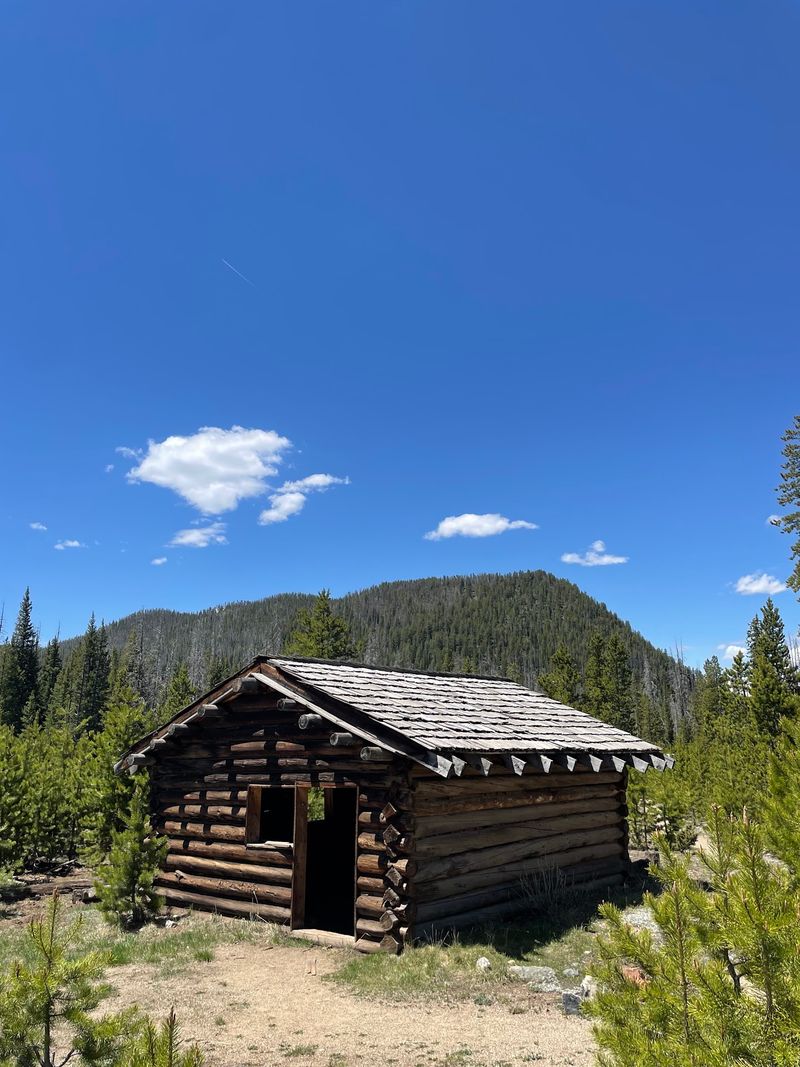
Teller City trades polished preservation for mystery. Instead of a neat row of standing storefronts, visitors find cabin remains, stone foundations, mine relics, and scattered traces in the forest.
That patchwork look gives the site a different kind of power, one built from clues rather than complete scenes. Deep within the Medicine Bow-Routt National Forest in Jackson County, Teller City boomed in the early 1880s before fading quickly after the silver market collapsed.
The remains are more broken up than at some better-known ghost towns, but the layout still rewards patient wandering. Bits of structure, old materials, and changes in the ground help outline where a busy camp once stood.
The final approach usually requires a high-clearance four-wheel-drive vehicle during summer, so this is not a casual detour. That extra difficulty keeps the visit quieter and adds to the sense of stepping into a place many travelers overlook.
Road conditions can shift, so checking local information ahead of time is a smart move. Because the ruins are scattered, moving slowly is the best strategy. Look for foundation lines, cabin sites, and signs of mining work rather than expecting one obvious center.
The forest setting changes the experience too, since trees soften the town’s edges and make discoveries appear one by one.
Teller City is also a good reminder that not every ghost town survives in postcard form. Some hold their history in fragments, and those fragments can be just as interesting.
They ask visitors to observe, compare, and imagine how a once-booming camp functioned before the rush disappeared.
For travelers who enjoy back roads and less crowded historic sites, Teller City delivers a strong finish. The scenery is excellent, the setting is remote, and the remains reward close attention. It may require more effort and more imagination, but that is exactly what gives the place its lasting pull.
Share this story