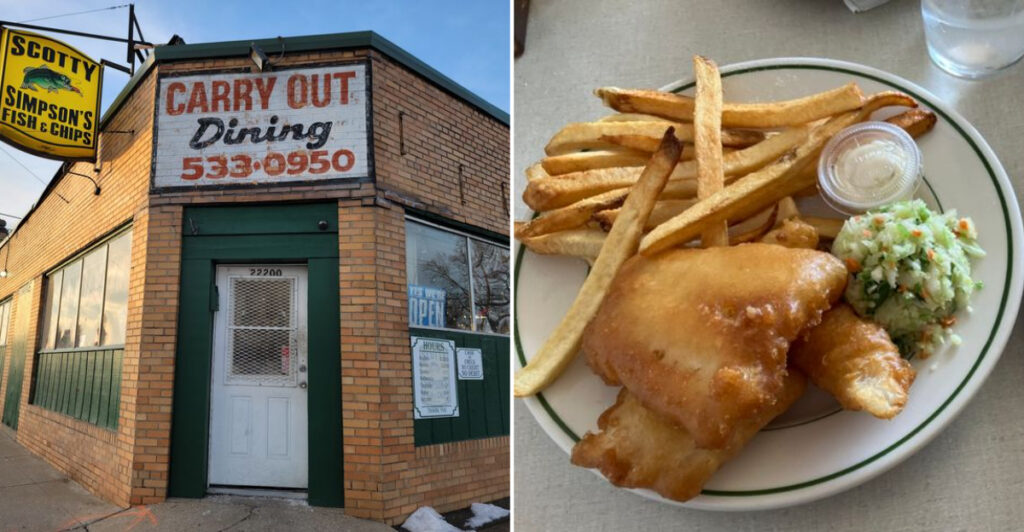
Flashy design matters a lot less when the cod comes out crisp, golden, and exactly as promised. In Detroit, Michigan, Scotty Simpson’s Fish & Chips has built its reputation on old-school seafood comfort, hot plates, friendly service, and a steady neighborhood rhythm that keeps generations coming back.
The appeal is simple in the best way: flaky fish, satisfying sides, no unnecessary distractions, and the confidence of a place that knows what it does well. Restaurants like this show how a straightforward meal can become part of a community’s routine.
For anyone chasing classic Michigan fish and chips with real local history, Scotty Simpson’s still makes the case one plate at a time.
Golden Cod That Steals the Whole Show
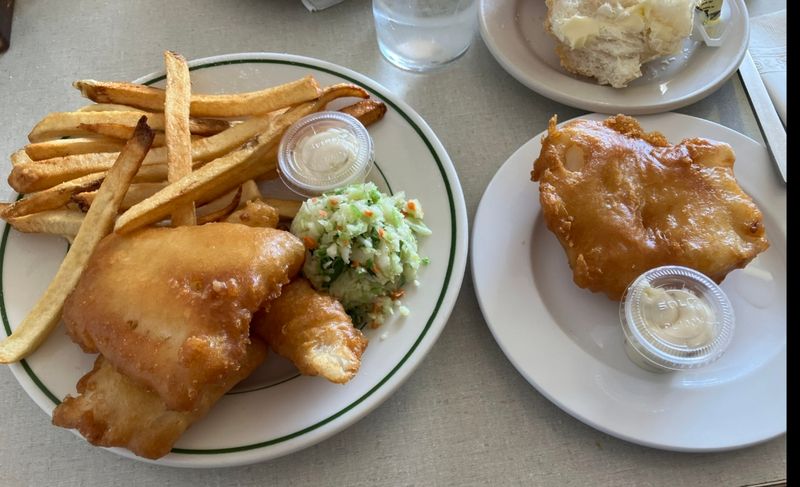
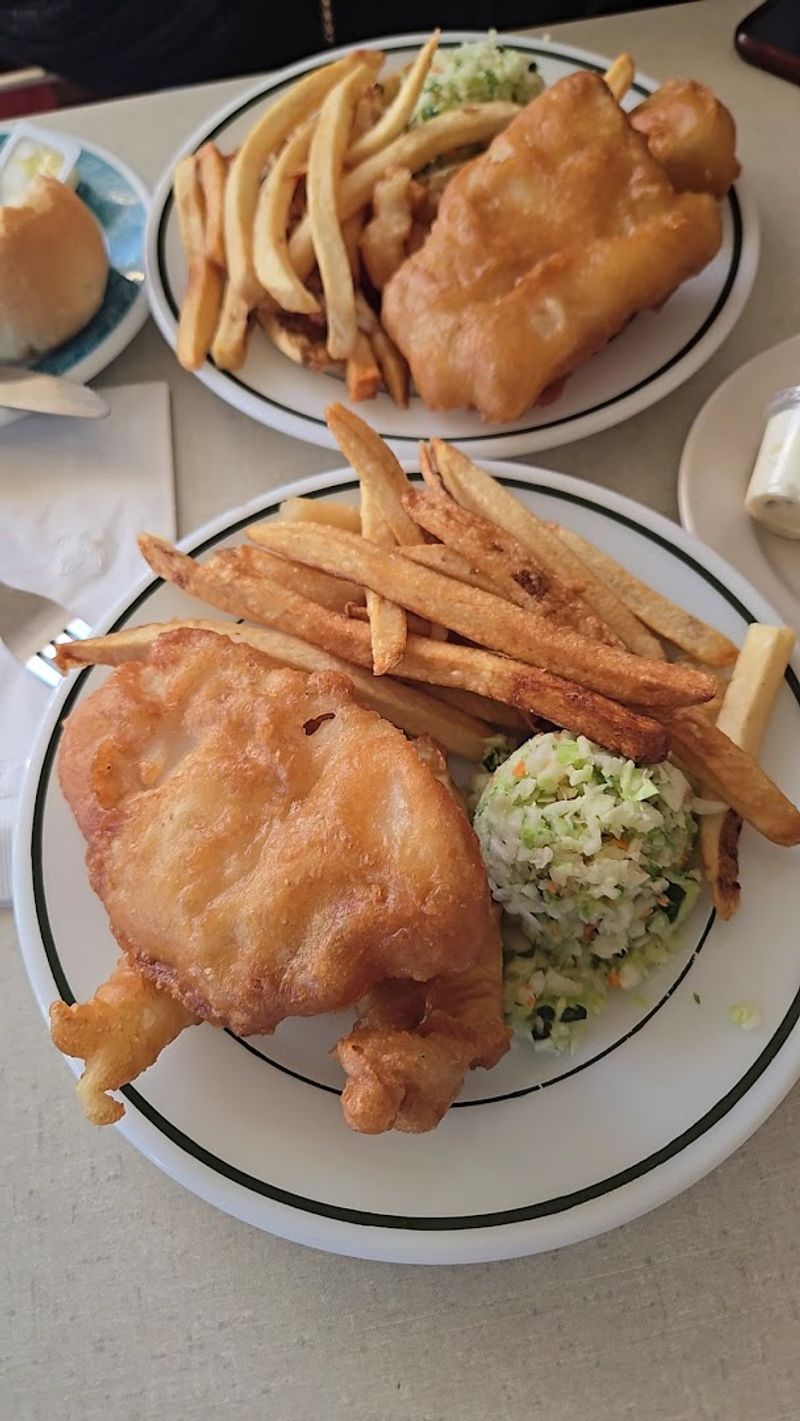
One bite tells the story fast. The cod at Scotty Simpson’s Fish & Chips arrives with a crisp shell that breaks cleanly, then gives way to tender white fish that stays moist instead of turning heavy or dry.
That contrast is the whole point of great fried fish, and it explains why the cod holds center stage here.
The batter matters just as much as the fish itself. A thick coating would bury the flavor, but a lighter crust lets the cod stay noticeable in every bite.
The outside brings crunch, color, and salt, while the inside stays flaky and soft, so the texture keeps changing in a good way from first bite to last.
Plates usually come with familiar sides, but the cod is clearly the reason to order. Fries, slaw, tartar sauce, and a roll help round out the meal, yet none of them try to compete with the fish.
That balance works well for diners who want comfort food without a menu that feels crowded or confusing.
Timing also plays a part. Fried seafood needs to hit the table hot, and this kind of meal makes the biggest impression when the coating is still crisp and the steam is still rising from the fillet.
A squeeze of lemon or a dip in tartar can add brightness, but the cod does not need much help. For anyone trying Scotty Simpson’s for the first time, ordering the fish is the clearest way to understand why this simple restaurant became a favorite in the first place.
It is a focused dish, well executed, and that kind of consistency earns loyalty more effectively than any trend ever could.
A Detroit Dining Room With Zero Need for Flash

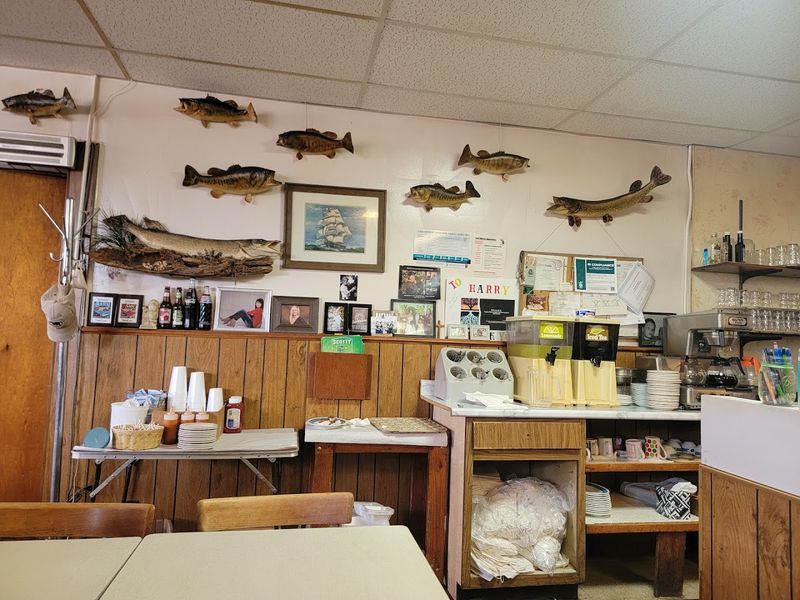
Not every restaurant needs polished brick walls or trendy neon signs to catch attention. Scotty Simpson’s works in the opposite direction, leaning into a no-frills look that puts the meal first.
The room reads as practical, familiar, and lived-in, which fits fish and chips far better than anything sleek or showy.
That plain style does more than save space for the food. It sets expectations in a useful way, telling diners they are here for a dependable plate rather than a performance.
When the surroundings stay simple, little details become easier to notice, like the scent of hot batter, the movement of servers carrying fresh orders, and the quick shift in mood when food lands at the table.
There is also a comfort in places that resist constant reinvention. A dining room that keeps its old rhythm can feel steady in a city where businesses often change fast.
Families, regular lunch crowds, and first-timers can all read the room the same way: come in, get settled, and pay attention to what is coming out of the kitchen.
That setting supports the restaurant’s strongest quality, which is clarity. The experience is easy to understand.
Order fish, expect honest portions, enjoy the hot meal while it is fresh, and leave without feeling buried under gimmicks. For younger diners, it can be a reminder that local favorites do not always look dramatic from the outside.
For older regulars, the unchanged style carries its own kind of appeal because it connects present-day lunch with past routines. Scotty Simpson’s does not need to manufacture charm.
The room already has a working identity built over time, and that quiet confidence helps make the cod taste even more like the main event.
Michigan Fridays, Midday Crowds, and the Smart Time to Go
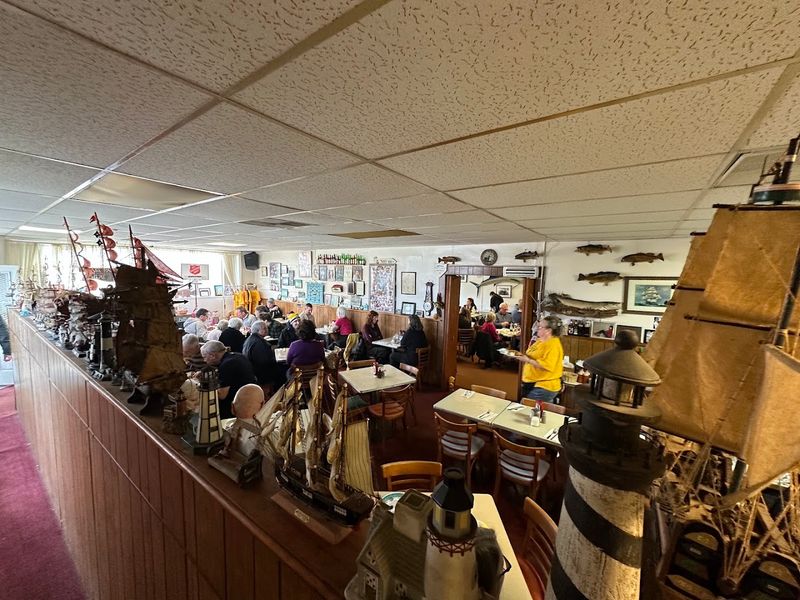
By the middle of the afternoon, the clue is already there. A busy room at an off-peak hour usually means the place has a loyal following, and Scotty Simpson’s shows that kind of pattern.
The flow of customers suggests people know when to slide in before the strongest rush while still getting their fish hot and fresh.
Planning helps at a restaurant like this. The posted hours are tighter than many chain spots, with service running Tuesday through Friday at lunch and early dinner, plus a shorter Saturday window.
Sunday and Monday are closed, so treating the visit like a small event rather than a last-minute backup plan is the smartest move.
Friday stands out for fish and chips almost everywhere, and that tradition still carries weight here. Anyone hoping for a calmer meal may want to aim for a weekday lunch or a mid-afternoon visit, when the room can move at a smoother pace.
Arriving with a little flexibility makes the whole stop easier, especially for groups or families with hungry kids.
There is one more practical detail that matters right away: cash is the safer plan. Knowing that before leaving home prevents the annoying scramble that can turn a simple lunch into a chore.
Parking is available, which makes the trip easier for diners coming from other parts of Detroit or the wider metro area. In other words, Scotty Simpson’s rewards people who prepare a little.
Check the hours, bring cash, and avoid waiting until the busiest possible minute. That small bit of planning opens the door to the kind of old-school fish dinner that works best when it feels easy, direct, and on schedule instead of rushed from the start.
The Sides Keep the Plate Moving
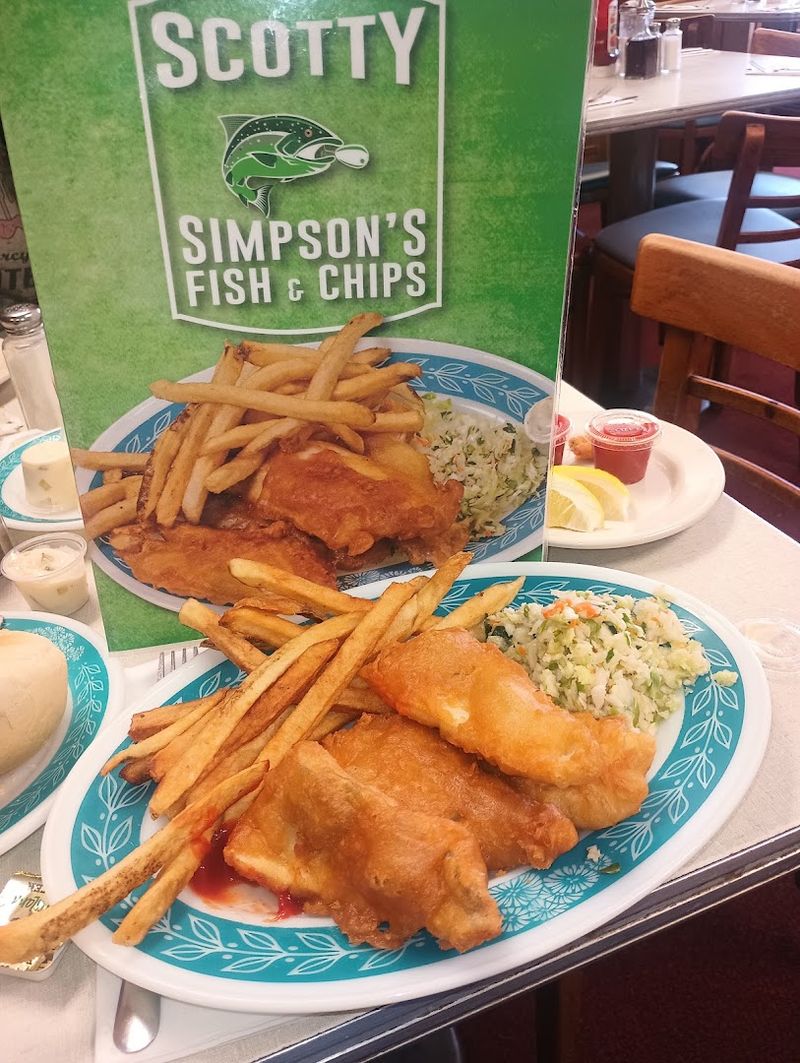
A great fish plate can fall apart if everything around it feels like an afterthought. At Scotty Simpson’s, the cod leads, but the sides help the meal keep its rhythm.
Fries, slaw, tartar sauce, lemon, and a roll each play a small supporting part, giving the table different textures and little pauses between bites of hot fish.
The fries matter most because they fill the role usually promised by the word chips. Here, the plate tends to lean more toward French fries than thick British-style chips, which changes the feel of the meal but not necessarily the enjoyment.
Crisp edges, soft centers, and a splash of malt vinegar can give them extra life, especially beside seafood with a light batter.
Coleslaw brings the cooling contrast. Fried food benefits from a cold, crunchy side that cuts through richness, and slaw handles that job better than anything warm would.
Tartar sauce does similar work in a creamier way, while lemon adds brightness for anyone who wants the fish to taste sharper and cleaner.
Then there is the roll, one of those details that can seem minor until it arrives warm on the table. Bread has a way of making a seafood lunch feel complete, and it softens the edge of all that crunch.
A full plate like this gives diners options. Some will stack bites in a careful order, moving from fish to fries to slaw.
Others will go straight for the cod and circle back later. Either way, the setup is useful because it keeps the meal from feeling one-note.
Scotty Simpson’s does not need a giant menu to create variety on the plate. A few familiar extras, handled well, are enough to support the star without pulling attention away from it.
More Than Nostalgia on Fenkell Avenue
Some restaurants survive for years. Others become part of family timelines, where one generation points across the table and says they came here as a child too.
Scotty Simpson’s carries that kind of long-running neighborhood presence, and it changes the way the meal is understood. Lunch here is not only about hunger.
It is also about continuity.
That matters on Fenkell Avenue, where a business with staying power becomes more than a place to buy food. It turns into a marker people use to measure time, reunions, habits, and city change.
A plate of fish can connect grandparents, parents, and kids without needing a speech about history. The routine does the work on its own.
There is a practical side to that legacy as well. Restaurants that remain busy for decades usually learn what should never be tampered with.
Scotty Simpson’s appears to understand that restraint is part of its identity. Rather than chasing every dining fad, it has stayed focused on familiar seafood, quick service, and a room that still makes sense to longtime regulars.
Calling a place local does not automatically make it significant. What gives Scotty Simpson’s weight is how strongly it seems tied to repeated visits across many years.
A childhood meal, a Friday lunch, a stop during a trip back to Detroit, or a family outing during spring break can all fit inside the same walls without the restaurant changing its basic character. That steadiness gives the cod extra meaning because the food becomes tied to rhythm and return.
On a city level, spots like this help hold local food culture together. They preserve a straightforward style of dining that newer restaurants often skip, and they do it without turning themselves into museum pieces.
The story stays active every time another plate reaches the table.
Quick Service, Warm Staff, and a Meal That Moves
Good fried fish has a short window where it is at its best, so service speed is not a small detail here. Scotty Simpson’s benefits from getting food out while the batter still snaps and the fillet is still steaming.
Fast service turns quality from a kitchen achievement into a full dining experience.
The human side matters just as much. In a modest neighborhood restaurant, warmth from the staff can shape the pace of the whole room.
A quick greeting, efficient seating, and steady table checks make the visit feel organized without becoming stiff. That is especially useful when families, older regulars, solo lunch diners, and first-timers are all sharing the same space.
There is also a nice match between the menu and the service style. Because the restaurant is known for doing a smaller set of things well, the experience can stay focused.
Orders are easier to place, kitchen output stays clearer, and people spend less time decoding endless options. That kind of simplicity is often underrated in casual dining.
For fish and chips, rhythm is everything. Long delays can flatten fries, cool the fish, and break the mood before the first bite even happens.
Scotty Simpson’s seems built around avoiding that problem. The staff keeps the meal moving, and the food gains from that efficiency.
Friendly attention also lowers the barrier for newcomers who may not know the setup, the hours, or the cash-only detail before arriving. Instead of feeling lost, they can settle in quickly and focus on the plate in front of them.
In a city full of places competing for attention, steady service is one reason a straightforward restaurant can rise above louder spots. Here, the cod gets the headline, but the people carrying it to the table help protect everything that makes it good.
Why the Simple Menu Works Better Than a Giant One
A short menu can be a strength when a restaurant knows exactly where its skills land. Scotty Simpson’s Fish & Chips is built around that idea.
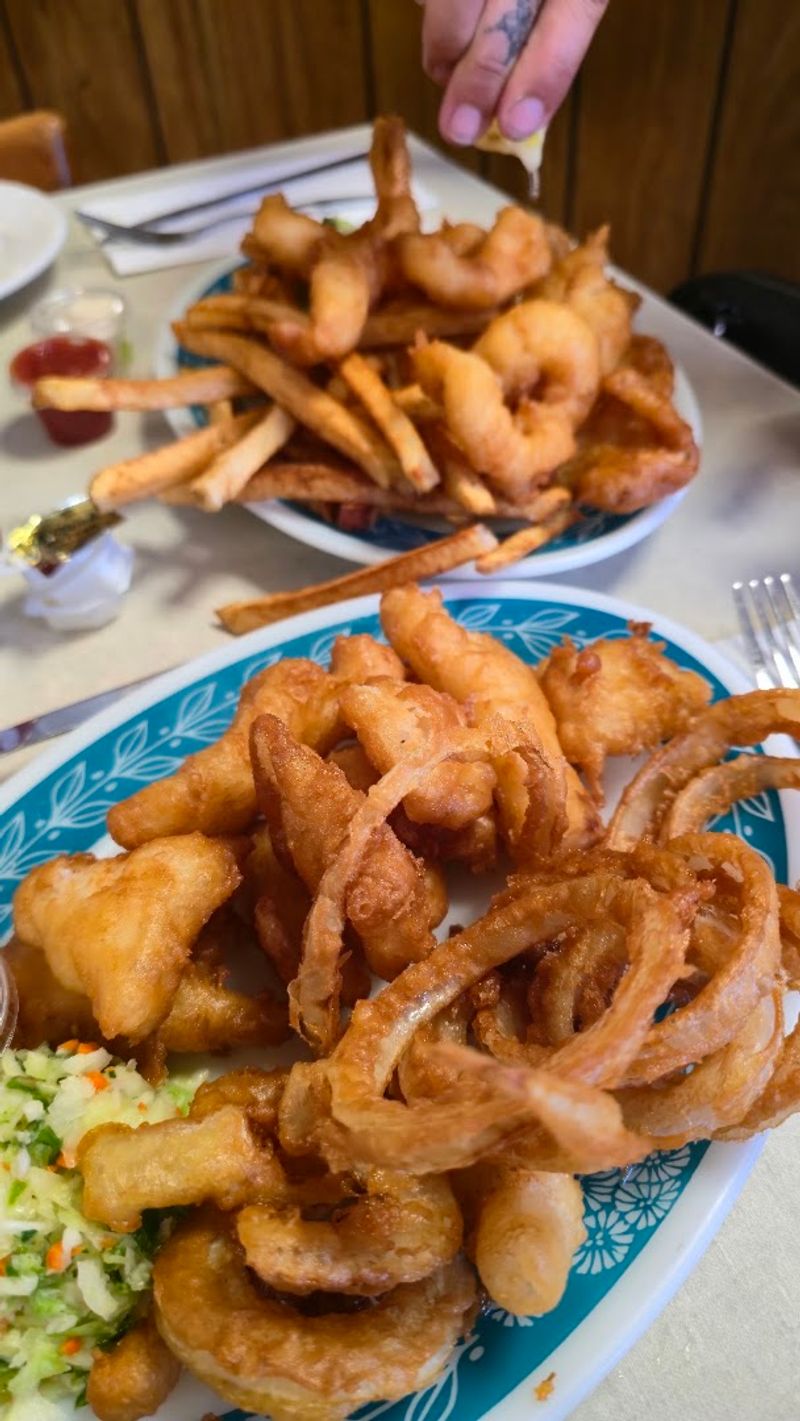
Instead of stretching into every possible seafood trend, it keeps attention on battered fish, shrimp, familiar sides, and a few comfort-food extras that fit the house style.
That focus helps the kitchen protect quality. Batter can stay consistent, frying can stay controlled, and each plate arrives with a clear purpose.
Diners are not pushed into overthinking the order. Go with cod, try shrimp, add onion rings or slaw, maybe save room for pie, and the meal already makes sense without a long decision tree.
There is also a quiet confidence in offering fewer choices. A giant menu often signals compromise, while a smaller one suggests repetition, and repetition is how cooks sharpen timing and texture.
Fish and chips depend on precision more than they depend on novelty. The oil temperature, the coating, the moisture in the fish, and the speed of service all matter more than endless variety.
That does not mean every side or extra will become someone’s favorite part of the meal. Different diners will land on different combinations, and that is normal.
The point is that the core of the menu is easy to trust because it is narrow enough to maintain identity. For a first visit, the smartest move is to order around the specialties instead of treating the place like a general diner.
Let the cod lead, consider a fish-and-shrimp combination for range, and notice how the whole experience becomes more coherent when the restaurant stays in its lane. Scotty Simpson’s stands out not by trying to be everything on the block, but by doing one category with discipline.
In a crowded food world, that kind of restraint can be far more satisfying than endless options.