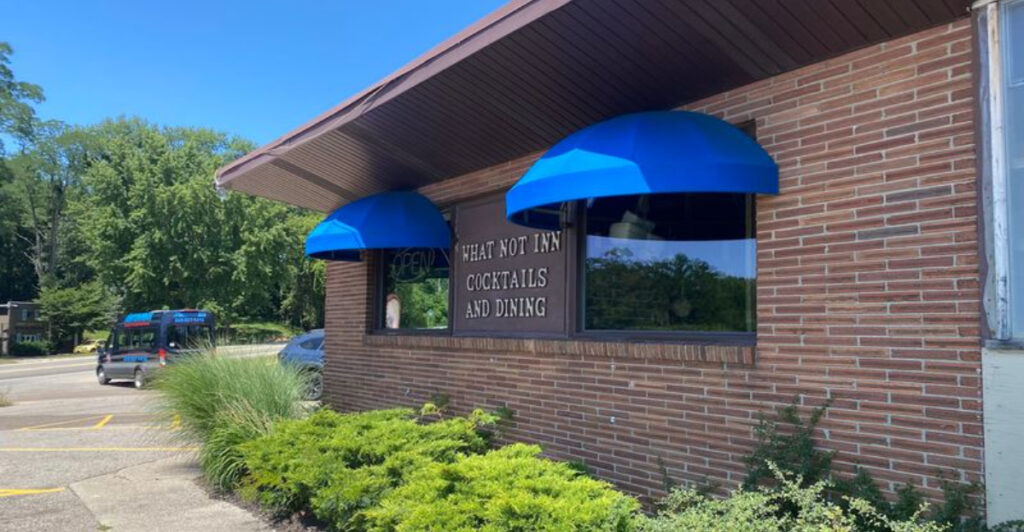
Easy-to-miss restaurants often make the best small-town discoveries. In Fennville, Michigan, What-Not-Inn has that kind of pull, giving locals a familiar gathering place and travelers the satisfying feeling that they found something with real personality.
The laid-back roadside setting, warm woodsy style, hearty food, and unpolished charm all work together in a way that feels deeply suited to small-town Michigan. It is not trying to be sleek or trendy, which is exactly why the stop feels memorable.
For anyone who likes restaurants with character, comfort, and a little surprise around the corner, this Fennville favorite deserves a closer look.
A roadside stop that catches you off guard
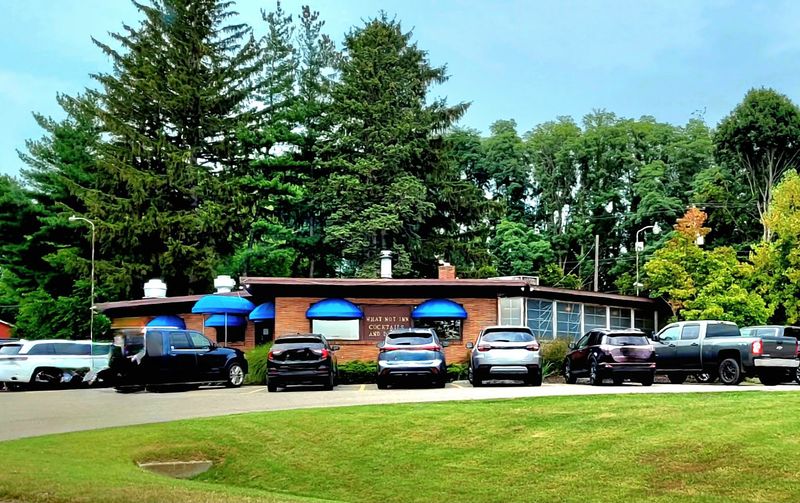
At first glance, the setting gives off a practical road-trip vibe. What-Not-Inn sits near the Fennville exit at a busy country crossroads, which makes it easy to reach but still separate from polished tourist strips.
That location matters because it lets the place stay useful for locals while still surprising anyone passing through on the way to the lakeshore.
The building presents itself with a simple, unfussy confidence. Instead of flashy design or trendy signs, the appeal starts with the feeling that this is a place built for real meals, not quick impressions.
Cars in the lot, a visible entrance, and the steady rhythm of people coming and going all suggest a restaurant that has found its own lane.
Then the contrast kicks in. A traveler might expect a basic roadside diner, but the setting hints at something more rooted and memorable.
It works as a checkpoint between inland farmland and Lake Michigan beach country, which gives the restaurant a natural mix of workers, weekenders, and families looking for a dependable stop.
That blend shapes the whole experience before anyone even sees a menu. A place near the highway can easily become forgettable, yet this one seems to hold attention by refusing to act slick or overplanned.
It is convenient, yes, but convenience is not the whole story.
For anyone deciding whether to pull in, the best advice is simple: do not judge it by the road alone. The outside promises a sturdy local restaurant, and the inside carries that idea much further.
In a part of Michigan where many memorable food stops hide in plain sight, this one makes a strong case for slowing down and taking the turn.
Log beams, darker corners, and a room with its own mood
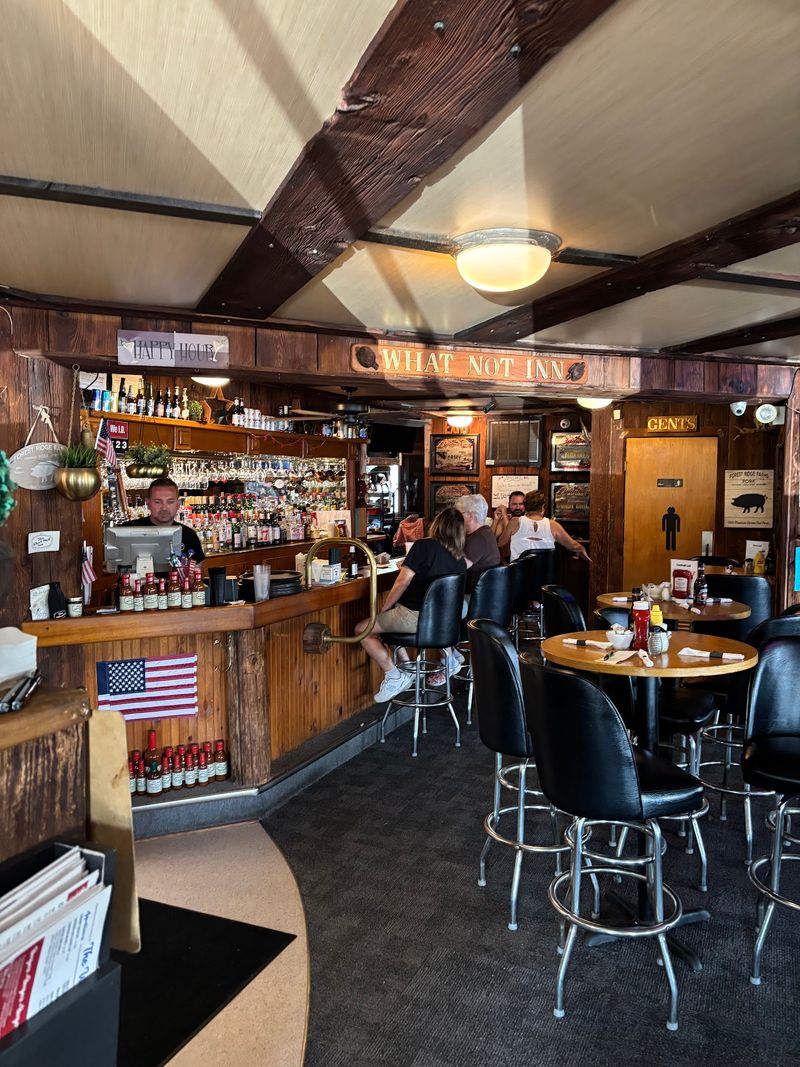
Step inside and the visual story changes fast. Wood tones, exposed log beams, and a darker main dining room create the kind of roadhouse look that fits western Michigan better than anything sleek or glossy.
The design is not trying to impress with perfection. It wins by giving the room shape, texture, and a clear sense of place.
One detail makes the layout more interesting than a standard tavern-style dining room. Alongside the deeper, wood-heavy section, there is also a lighter space that has been compared to a greenhouse or glass room.
That shift in mood matters because it gives diners a choice. Some tables feel tucked in and cabin-like, while others offer a brighter seat that changes the pace of the meal.
Small restaurants often struggle when every corner looks exactly the same. Here, the mix of spaces adds personality without feeling staged.
A lunch with sunlight pouring through glass can feel very different from dinner in the darker room with a fuller crowd and the buzz of the bar nearby.
The rustic style also supports the menu in a practical way. Fried fish, burgers, soup, onion rings, and hearty plates make more sense in a room with wood beams and sturdy chairs than in a sleek modern setting.
The space and the food speak the same language, which helps the whole place feel settled.
If seating choice is available, take a second to look around before sitting down. A brighter table may suit a relaxed midday stop, while the deeper-toned main room fits a slower dinner or a night with music.
Either way, the setting does more than decorate the meal. It helps explain why this restaurant keeps its own identity so clearly.
Fish fry fame and the plates people plan around
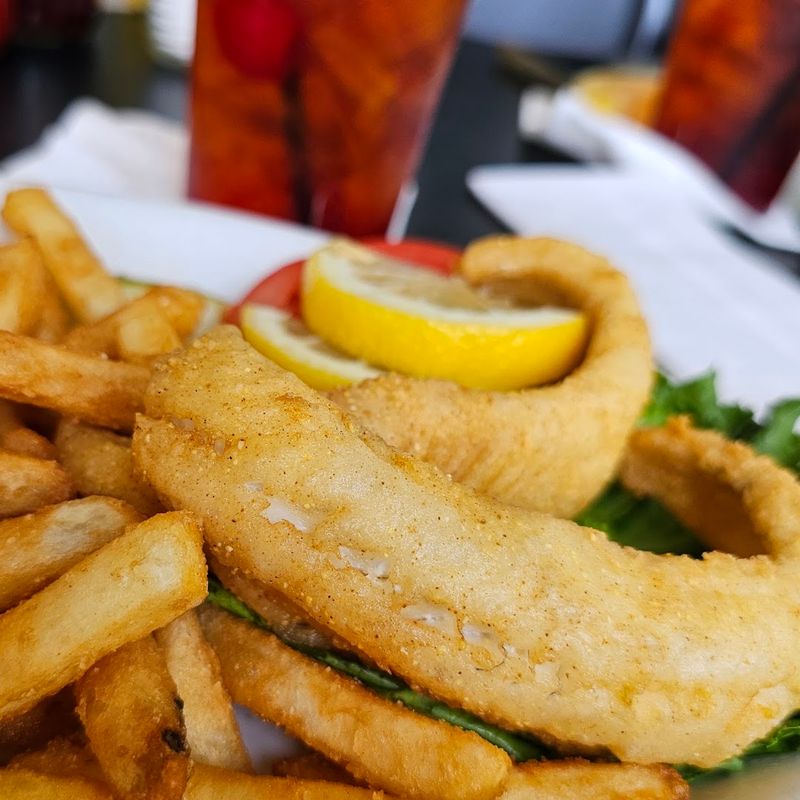
Friday gives the menu extra energy here. The all-you-can-eat fish fry has become one of the clearest reasons the restaurant draws loyal regulars and curious first-timers alike.
A special like that is more than a meal. It creates a routine, and routines are often the backbone of small-town restaurants that last.
Fish appears again and again among the dishes tied most closely to the place. Perch dinners stand out, and the descriptions attached to them are specific in the best way: lightly breaded, served hot, and paired with sides that do not feel like afterthoughts.
Coleslaw, fries, hushpuppies, broccoli, and side salads all help frame the plate as solid and satisfying rather than overly dressed up.
There is a practical side to that popularity. A fish fry works especially well in this part of Michigan because it fits both local habits and travel patterns.
Beach traffic, cottage weekends, and scenic drives all create diners who want familiar comfort food done well. Fish baskets and perch dinners answer that need without overcomplicating it.
The wider menu keeps the restaurant from being boxed into one identity. Burgers, shrimp baskets, soups, burritos, pizza appetizers, and fried chicken all show up in the conversation around the food.
That range helps mixed groups settle in without one person having to compromise too much.
Timing matters if fish is the goal. Friday can be busy, especially on holiday weekends, so a little patience goes a long way.
Going in with the right expectation helps the experience. Order the fish if that is what drew you in, choose sides that sound good instead of defaulting, and treat the meal like a proper stop instead of a rushed pit break.
That is where the restaurant seems to hit its stride.
More than one good order, if you know how to build your meal
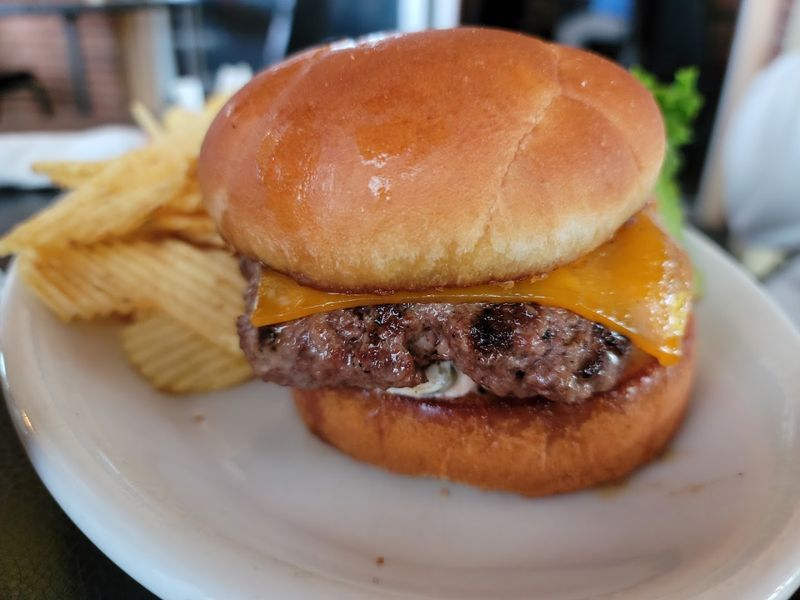
Not every strong restaurant depends on one famous plate. At What-Not-Inn, the smarter move may be to notice how many different menu paths can lead to a satisfying meal.
That flexibility helps explain why the place works for lunch, dinner, and even weekend breakfast hours instead of only excelling in a single niche.
Burgers have earned attention for simple reasons that matter. Good meat, a fluffy toasted bun, and solid fries can carry a whole lunch without any need for extras.
Shrimp baskets, onion rings, sweet potato fries, and soup add more options for anyone who wants comfort food with a little choice built in. Even a pizza appetizer has found a place in the mix, which suggests the kitchen is serving a broad crowd rather than chasing one trend.
Dessert adds another layer. Coconut cake stands out as a house favorite, and rich options like lava cake turn the finish into more than a token menu section.
For a roadside restaurant, that matters. A memorable dessert can change a quick stop into a full occasion, especially for families or couples driving through the area.
The best strategy is to order with the restaurant’s strengths in mind. Hearty American standards seem to fit the room, the pace, and the kitchen style better than trying to force something ultra-light or overly customized.
Adding upgraded sides when they sound appealing can also make a familiar order feel a bit more special.
If the group cannot agree on one direction, this is where the menu earns its value. One person can go for fish, another for a burger, another for soup or a basket, and dessert can still pull everyone back to the same happy ending.
That kind of range is not flashy, but it is useful, and useful is often exactly what turns a stop into a tradition.
Why Michigan locals notice the rhythm, not just the menu
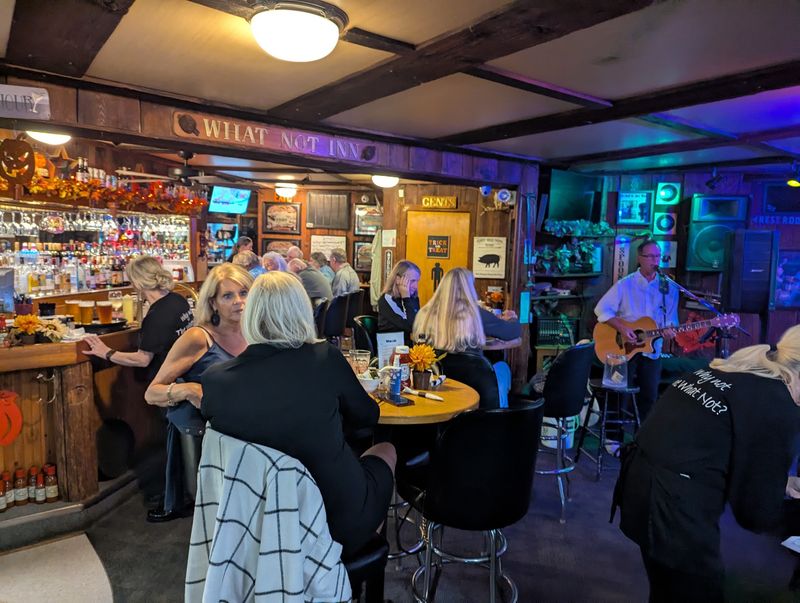
A restaurant like this is best understood by its rhythm. On a quiet lunch, the room can read as easygoing and comfortable.
On a packed Friday night or holiday weekend, the pace changes, the wait stretches, and the dining room becomes a busier machine. That difference is not a flaw in itself.
It is part of how a well-known local place operates when demand hits all at once.
Service at What-Not-Inn seems strongest when judged with that rhythm in mind. Friendly, attentive help appears often in the picture, especially when the house is moving at a manageable speed.
Even when delays happen, the broader pattern points to a team working through a full room rather than a polished chain-style system built around rigid timing.
That distinction matters because expectations shape the experience. A traveler expecting instant service may miss the point of a place tied closely to local habits, specials, and event nights.
A diner arriving ready for a real sit-down meal will likely handle the pace more easily, especially if the room is clearly full and the staff is juggling multiple tables.
The presence of a full bar also changes the tempo. Some groups settle in for drinks, food, and conversation rather than a quick in-and-out meal, which naturally slows the room in a different way.
On certain evenings, live music adds one more layer and turns dinner into a longer hangout.
The practical takeaway is simple. If timing is tight, aim for an off-peak lunch or an earlier dinner.
If the goal is to soak up the local energy, go when the place has some buzz and let the meal unfold at its own speed. Small-town restaurants often reveal themselves through movement, not perfection, and that is especially true here.
Best times to go, and how to plan the stop smartly
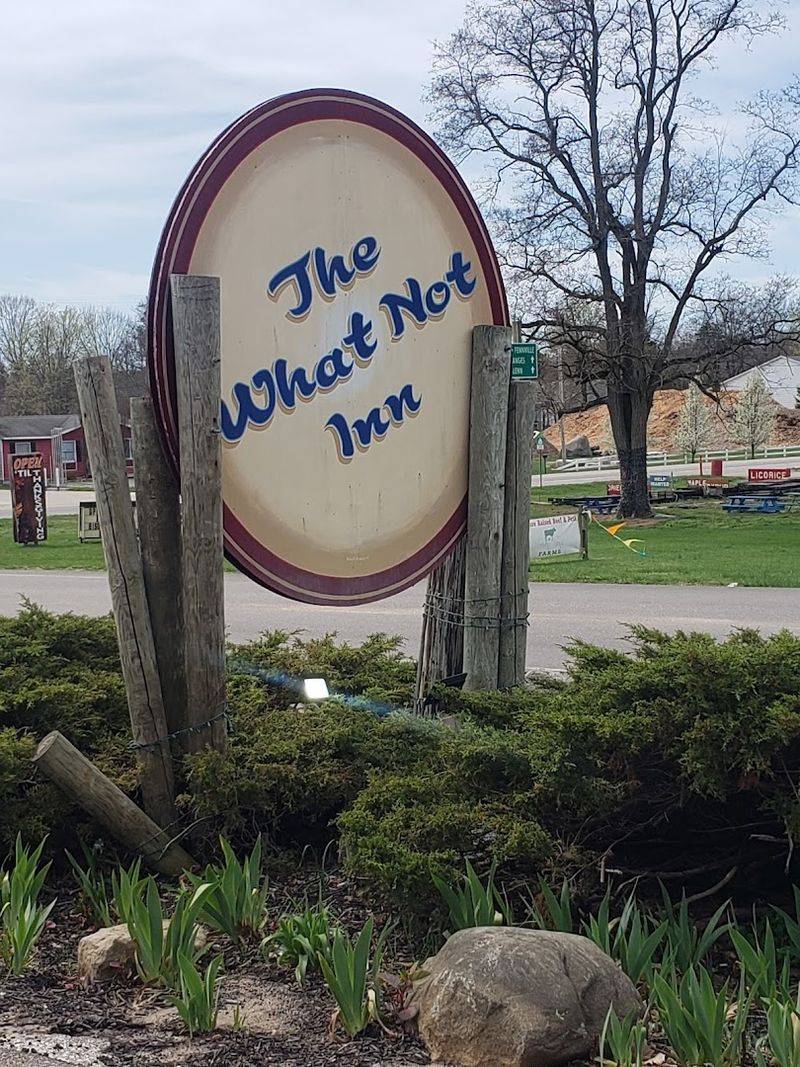
Good planning can turn a decent stop into a very smooth one. What-Not-Inn keeps a schedule that gives it different personalities across the week, with midday and evening service on most open days and earlier weekend openings for breakfast.
That means the same restaurant can fit a lunch break, a dinner outing, or a slower weekend start depending on when the trip happens.
Closed on Tuesday, open from 11 AM most other weekdays, and starting at 8 AM on Saturday and Sunday, the timing creates useful options for travelers headed toward the lakeshore and for locals building a weekend around errands or family plans. Breakfast and brunch-style visits on the weekend offer a different angle from the better-known dinner crowd.
Weekday meals may also give diners more breathing room than a packed Friday night fish special.
Location plays a major role in planning. Sitting near the highway and a crossroads, the restaurant works especially well as a pause between destinations.
That makes it easy to combine with a drive to South Haven, Saugatuck, nearby orchards, farm markets, or Lake Michigan access points without needing a major detour.
There are a few smart moves for first-timers. Arrive a little early if a popular special is the goal, especially on Friday.
If the group wants a quieter meal, avoid peak evening rushes and choose lunch or an earlier dinner. Weekend mornings may appeal to anyone who likes a rustic setting without the later crowd noise.
Most of all, build enough time for an actual sit-down visit. The restaurant may be conveniently placed, but it is not a place to treat like a gas-station snack break.
A little patience, a seat that matches your mood, and the right time of day can make the stop land exactly the way a local would want it to.
The real reason locals stay quiet about it
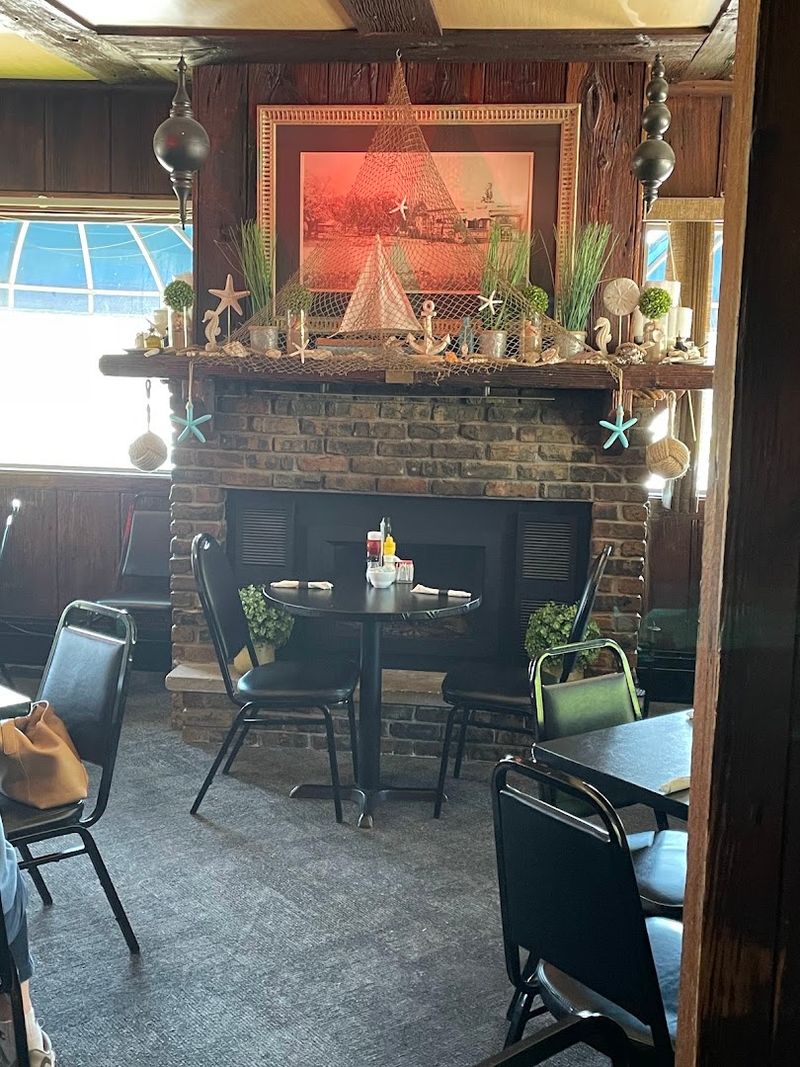
Every town has a few places that do not need loud promotion. What-Not-Inn fits that category because its appeal is easy to disturb.
Once too many people chase the same spot for the same photo-friendly reasons, the balance can shift. A restaurant built on routine, familiarity, and local traffic works best when it is discovered at a natural pace.
Here, the draw is not one giant gimmick. It is the combination of roadside convenience, woodsy rooms, hearty American food, dessert that gets talked about, and a social rhythm that changes with the hour.
None of those pieces alone would be enough. Together, they create a place that serves several jobs at once.
It can handle a family dinner, a fish-fry tradition, a casual lunch, or a stop during a drive across West Michigan.
That layered usefulness is often what locals protect, even if they never say so directly. They know the value of a place where the setting has character, the menu gives everyone something workable, and the room still belongs to the community instead of performing for outsiders.
The restaurant seems most interesting when approached with that respect.
There is also a lesson here for travelers. Not every memorable food stop needs a dramatic backstory or a perfect track record.
Sometimes the appeal lies in a place being real enough to have busy nights, favorite orders, odd little details, and regulars who understand when to go and what to order.
That is the strongest case for What-Not-Inn. It is not polished into sameness, and it does not need to be.
In a region full of seasonal movement and destination dining, this Fennville restaurant holds onto a more grounded identity. Pull in hungry, pay attention to the room, order the kind of food the place clearly knows well, and the local secret starts to make sense.