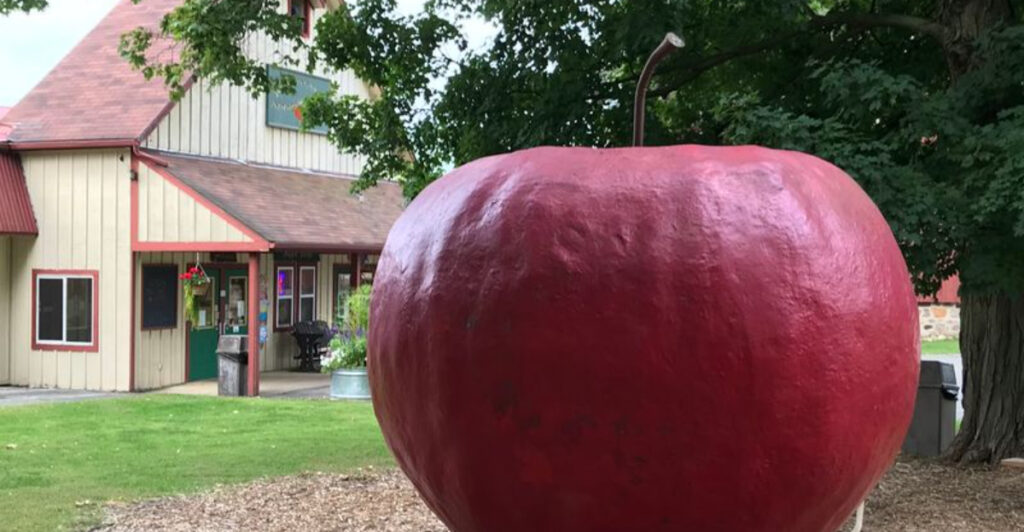
Quick stops have a way of stretching out when cider, wine, donuts, and orchard air are all working together. In Grand Rapids, Michigan, Robinette’s Apple Haus & Winery turns its 4 Mile Road setting into a full farm-country outing with wine tasting, bakery treats, orchard charm, and the kind of lively atmosphere that makes people linger longer than planned.
The appeal is not just one feature, but the whole mix: something to sip, something sweet to take home, and enough seasonal energy to make the visit feel bigger than a simple errand. For wine fans, families, and road-trippers alike, this longtime Michigan favorite makes the drive feel easy to justify.
A winery visit wrapped in orchard scenery
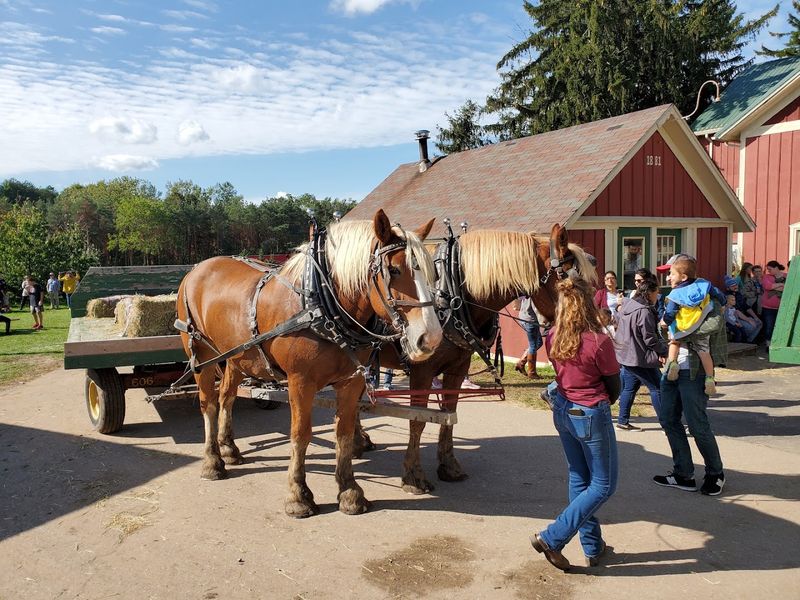
Long drives feel easier when the destination offers more than a tasting counter. At Robinette’s Apple Haus & Winery, the setting does a lot of the work before a single glass is poured.
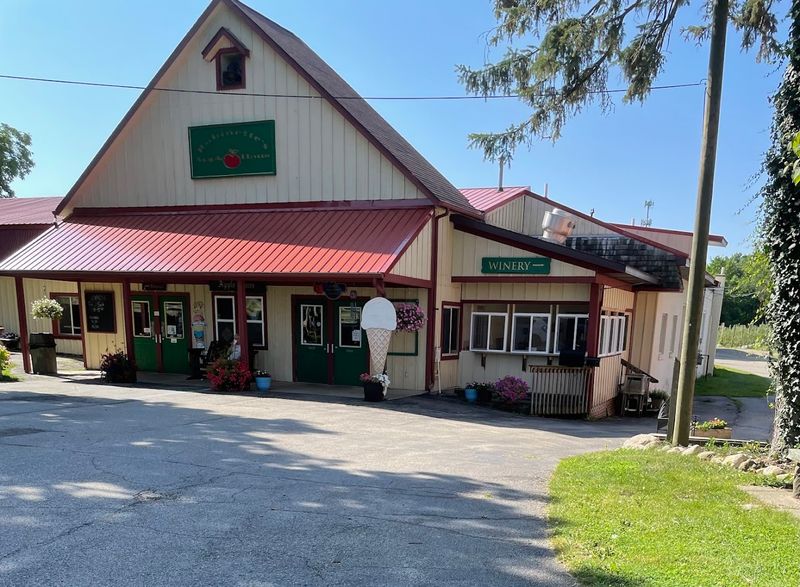
Orchard land, farm buildings, and a broad country property create a scene that instantly separates it from a downtown tasting room.
The appeal starts with contrast. One minute the route runs through the Grand Rapids area, and the next the property opens into a place shaped by apples, trees, and open space.
That shift gives the winery a relaxed tone that suits fruit wine especially well, because the surroundings connect the drink to the land around it.
Instead of treating wine as a formal, hush-hush activity, Robinette’s places it inside a full farm experience. Visitors can move between the Apple Haus, the bakery side of the business, outdoor attractions, and the tasting area without feeling locked into one kind of outing.
That flexibility matters for groups with different interests, especially when not everyone wants to spend the whole visit focused on wine alone.
There is also a practical side to the setting. Loads of parking, room to walk, and a spread-out layout make it easier to settle in and stay awhile.
For travelers coming from outside Grand Rapids, that helps the stop feel rewarding rather than rushed.
Wine lovers often chase dramatic vineyard views, but Robinette’s wins people over in a different way. The property offers a strong sense of place rooted in West Michigan farm country, where cider, apples, baked goods, and bottles all belong together.
The whole scene gives the winery visit a fuller shape, and that broader experience is a big reason people are willing to drive the extra distance.
The tasting room keeps the trip focused on wine
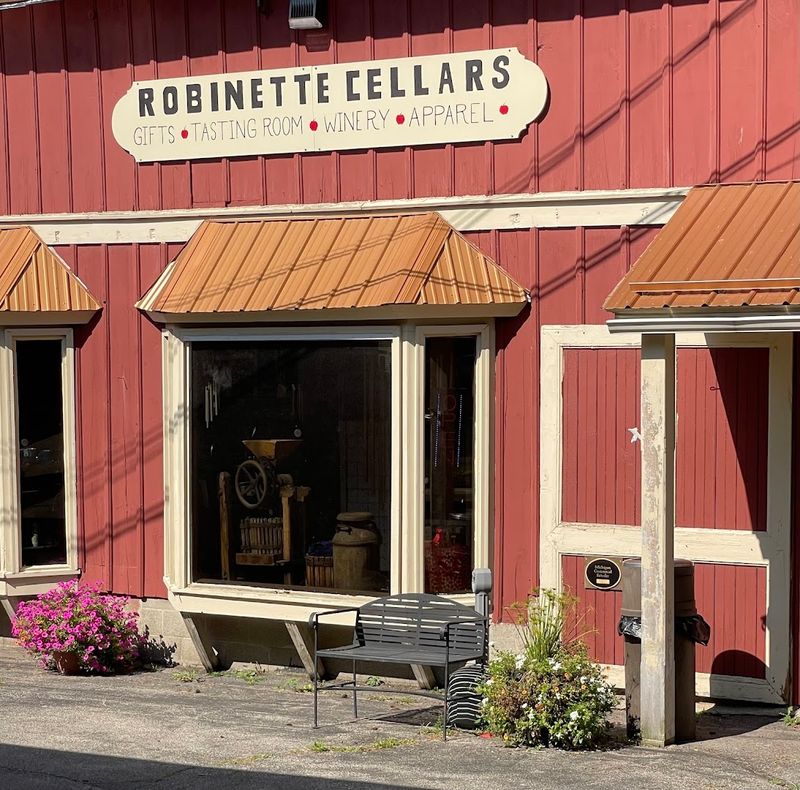
For all the donuts, cider, and farm fun around the property, the wine tasting still anchors the visit for adults. Robinette’s gives travelers a clear reason to make the drive by offering a tasting experience that is easy to understand, simple to join, and tied closely to the rest of the farm.
It is not trying to be intimidating, and that is part of the draw.
The tasting format has been described as affordable, with a set number of pours and even a glass included. That detail turns a quick sample into a small keepsake, which makes the experience feel more complete.
Return visitors have also mentioned bringing the glass back for a discount, a smart touch that rewards repeat stops and builds habit around the place.
The lineup appears to lean into approachable fruit-driven choices rather than only dry, serious bottles meant for experts. That wider reach matters because many travelers visit in mixed groups where some want sweet pours, some want something sparkling, and others just want to try a few local flavors without acting like sommeliers.
Robinette’s seems built for that kind of crowd.
There is also a useful sense of scale here. This is not a giant production facility where guests get lost in the shuffle, but it is not so tiny that the wine program feels like an afterthought either.
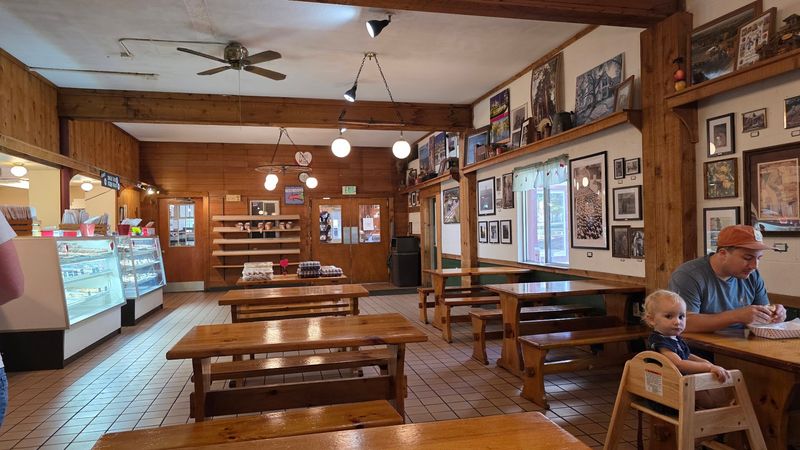
The tasting room stands as a real attraction on the property.
For anyone planning a stop, the best move is to treat the tasting as the center of the adult experience, then build the rest of the afternoon around it. Start with wine, note a favorite bottle, and then roam the grounds or the Apple Haus.
That order helps the winery stay front and center instead of becoming a side note.
Cider donuts and sweet extras turn one stop into a tradition
Here is where the place gets sneaky in the best way. A winery can earn the drive, but the warm donuts are what make many travelers plan the return trip before they even leave the parking lot.
Robinette’s has built a reputation that reaches beyond bottles, and the bakery side of the property gives the whole visit a richer payoff.
Fresh cider donuts show up again and again as a signature draw, often described as warm, soft inside, and crisp outside. That matters because a strong food memory can shape an entire destination.
Even wine-focused visitors end up linking the tasting with a paper bag of cinnamon sugar donuts, and that pairing is much more fun than a standard cheese plate.
The sweet lineup goes further than donuts alone. Candy apples, cookies, turnovers, and other baked treats help the Apple Haus work like a farm market, snack stop, and gift stop at the same time.
Add hot cider, cold cider, coffee, or ice cream, and suddenly the winery visit becomes part of a larger food outing.
There is a practical tip hidden inside all that temptation. Busy fall weekends can bring a long donut line, so early arrival makes a real difference for anyone trying to avoid peak waits.
Going sooner in the day also helps travelers shop, taste, and explore outdoors before the property gets more crowded.
Robinette’s stands out because the food side does not compete with the wine side. Instead, each part strengthens the other.
A bottle purchase feels more natural when visitors are already carrying pastries, apples, or cider to the car. For many families and couples around West Michigan, that blend of tasting room and bakery counter is exactly why the drive feels like a seasonal ritual rather than just another errand.
Michigan history gives the bottles more weight
Age matters when it is tied to a place that still has real activity humming through it. Robinette’s is presented as a 110-year-old Michigan winery, and that long run changes the way the visit lands.
A tasting carries more meaning when it happens inside a business connected to generations of orchard life rather than a brand-new concept built last season.
The property is rooted in a part of Michigan where fruit growing is a serious tradition, and Robinette’s fits naturally into that landscape. Apples, cider, bakery goods, and wine do not look like random add-ons here.
They reflect a business shaped over time by local agriculture and by the habits of families who come back year after year.
That history also helps explain why the place attracts both regulars and first-time road trippers. Longtime visitors often fold it into family routines, while newcomers arrive curious about a spot that has lasted this long in a competitive region.
Longevity suggests that Robinette’s has figured out how to balance seasonal fun with products people actually want to buy.
There is a useful way to think about the old age of the business. It does not just mean old buildings or nostalgia.
It means systems, recipes, orchards, and traditions have had time to settle into a pattern that works, which gives the entire stop a grounded, confident rhythm.
Wine fans who care about local identity will likely appreciate that the winery is part of a broader Michigan fruit story, not an isolated tasting room dropped into a tourist zone. That connection gives each bottle a stronger local context.
When people drive hours to Robinette’s, they are not only chasing a pour. They are heading toward a long-running farm and winery operation that reflects a piece of West Michigan history still active in the present.
Beyond the glass, the property stays busy
Some wineries are built for one short tasting and a fast exit. Robinette’s works differently.
The property has enough going on that a wine stop can stretch into a full afternoon, which is a major reason the place draws drivers from well beyond the immediate Grand Rapids area.
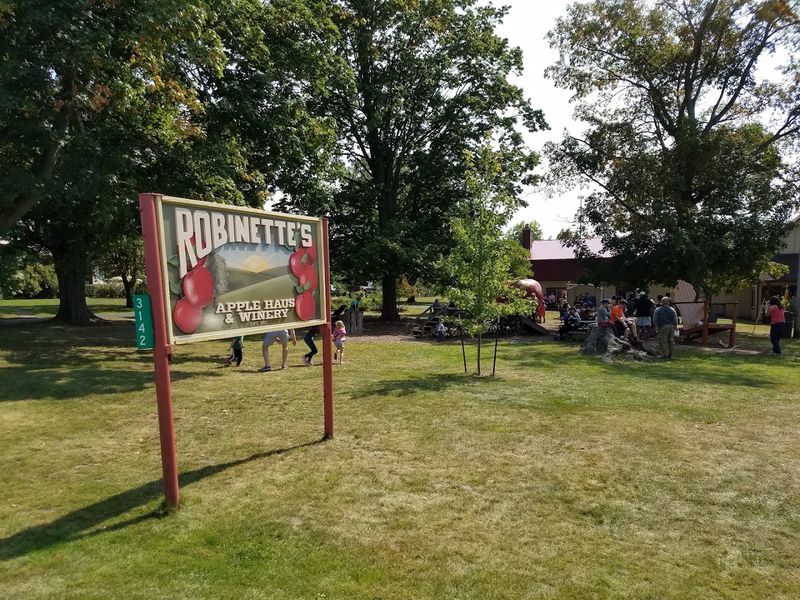
Seasonal attractions add movement to the visit. Depending on the time of year, the grounds may include apple picking, cherry picking, wagon rides, trails, a corn maze, and kid-friendly play features.
Special events such as runs or wellness gatherings have also taken place on the property, giving the farm a lively rhythm that goes far beyond standing at a bar with a flight sheet.
That range matters for real-life travel planning. One person in the group may care most about fruit wine, another may want fresh donuts, and a child may just want open space or a jumping pillow.
Robinette’s can handle that mixed-energy crowd better than many wineries because there are several ways to spend time between tastings and shopping.
The outdoor layout also helps the visit breathe. Instead of packing everyone into one room, the farm experience spills outward into paths, orchards, and activity zones.
Even those who skip the paid attractions can still enjoy the simple pleasure of walking the grounds, watching the seasonal flow, and seeing how the orchard side supports the rest of the business.
For travelers driving in from a distance, this variety increases the value of the trip. It is easier to justify a long ride when the destination can fill a morning or afternoon without feeling repetitive.
Robinette’s gives wine lovers a welcome bonus: the tasting may spark the visit, but the broader property keeps the day from flattening into a single errand with a bottle bag at the end.
How to plan the best day at Robinette’s in Michigan
A little planning can turn a nice stop into a smooth, satisfying day. Robinette’s Apple Haus & Winery keeps regular hours during its open days, generally running from 8 AM to 5:30 PM on Tuesday through Saturday, while Sunday and Monday are closed.
That schedule makes timing especially important for anyone driving in from farther away.
The smartest move is to arrive earlier rather than later, especially in fall. Morning or late morning gives travelers a better shot at shorter lines for popular bakery items and more time to explore the grounds at an easy pace.
It also leaves room for shopping, tasting, and outdoor attractions without the pressure of squeezing everything into the final hour.
Adults interested in wine should check the tasting room first, then build around it. Doing that early helps identify bottles worth buying before carrying pastries, apples, or extra bags around.
If the group includes children, it is also useful to remember that the wine tasting portion may not fit every family setup at the same moment, so a split plan can make the day easier.
Comfort matters too. Wear shoes that work for walking on farm property, and expect the pace to change with the season.
Peak autumn weekends can be busier and more festive, while off-season visits may feel calmer and more focused on the shop, bakery, and winery itself.
One more practical note: this is the kind of place where people often leave with more than they expected. A bottle or two can quickly turn into wine, donuts, apples, cider, and gifts.
Bringing a little extra trunk space is not glamorous advice, but it fits Robinette’s perfectly. The best trip here is the one that leaves enough time, enough room, and enough patience to enjoy each part properly.
Why the long drive makes sense after all
Road-trip destinations usually need one strong reason to pull people in. Robinette’s stacks several of them together.
Wine may be the headline, but the real power of the place comes from how many parts fit neatly into one stop without feeling forced.
There is the tasting room for adults who came ready to sample local bottles. There is the bakery for anyone who wants instant comfort in the form of warm donuts and cider.
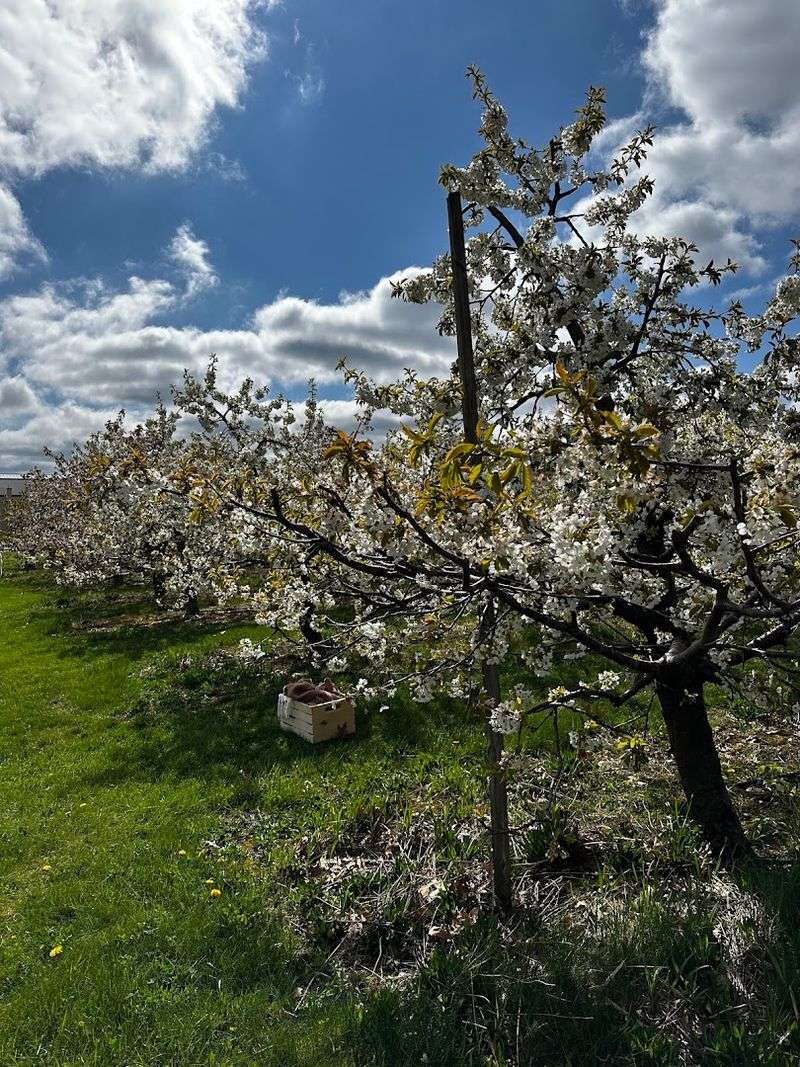
Then there is the property itself, which adds orchards, seasonal activity, and enough space to make the visit feel active instead of cramped.
That combination helps explain why people drive for hours rather than settling for a closer winery. A lot of wine destinations ask visitors to commit to one mood all day, usually either serious tasting or family farm fun.
Robinette’s avoids that narrow lane. It works for couples, families, friend groups, and travelers who want to move between tasting, shopping, snacking, and walking without needing a second destination.
The long history of the business adds another layer. A winery attached to an orchard operation with deep local roots carries a stronger sense of identity than a place built only for quick tourism appeal.
Even simple details, like bringing home fruit wine alongside apples or cider donuts, create a more complete picture of West Michigan than a standard bar-style tasting ever could.
Not every traveler will arrive looking for the same thing, and that is exactly where Robinette’s succeeds. One person may come for the peach wine, another for the cider, another for the corn maze, and someone else for a seasonal tradition dating back years.
By the time the car is loaded up for the ride home, the reason for the drive is usually sitting in plain sight: bottles in the back, sugar on a napkin, and a destination that offered far more than one simple pour.