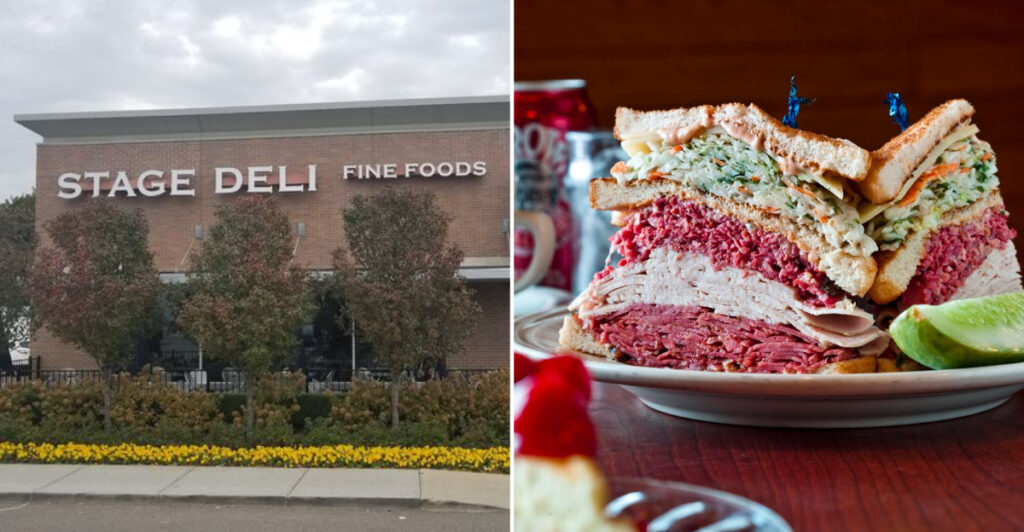
Lunch gets a lot more serious when the sandwich arrives looking like a full commitment. In West Bloomfield Township, Michigan, Stage Deli has built its reputation on big, satisfying deli classics, comforting plates, and the kind of lively dining room that makes a regular meal feel like a local ritual.
The sandwiches may get plenty of attention for their size, but the appeal runs deeper than that: familiar flavors, generous portions, steady service, and a menu built for people who know exactly what they are craving. For anyone looking for a Michigan deli with personality, comfort, and real staying power, Stage Deli gives locals plenty of reasons to keep coming back hungry.
Stacks That Steal the Table
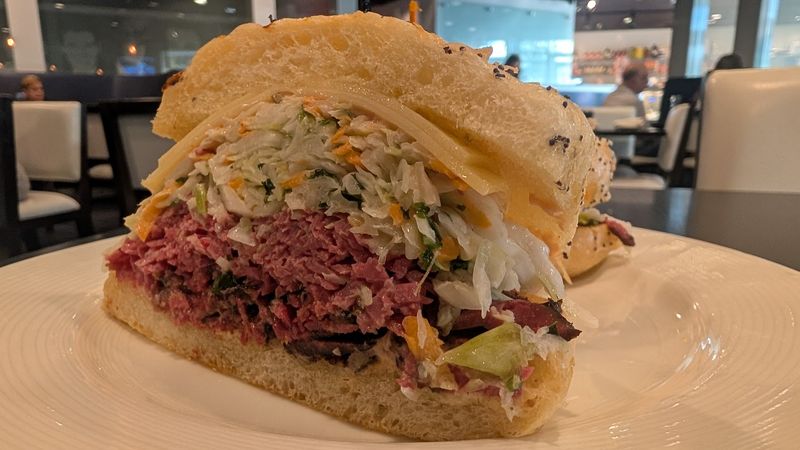
One look at the sandwiches here explains the excitement. Stage Deli is known for deli stacks that arrive with real presence, the kind of plate that makes nearby tables glance over before the server even sets it down completely.
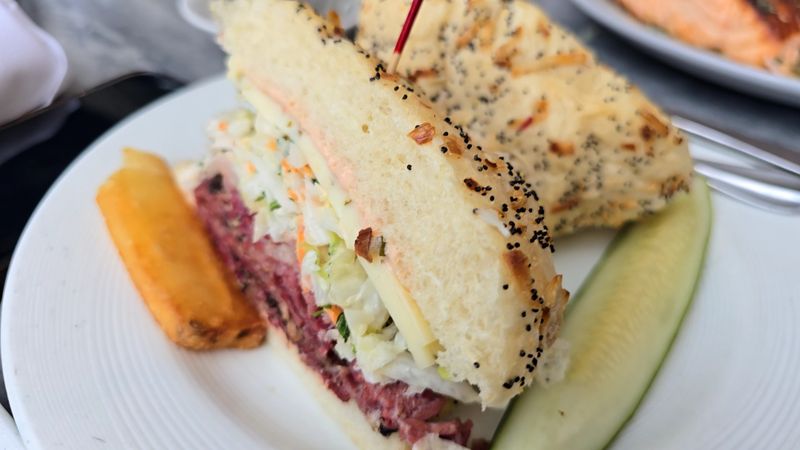
Classic combinations lead the menu conversation, especially corned beef, pastrami, and Reuben-style builds. Rye bread, onion rolls, Swiss, slaw, and other deli staples give the sandwiches a familiar backbone, but the overall effect comes from abundance and balance rather than novelty.
Even when portion debates pop up, the restaurant clearly gives guests options, including regular and larger sizes, which helps different appetites find the right fit.
The visual appeal matters more than it may seem. A deli sandwich should look generous, a little dramatic, and ready to be tackled with both hands, and Stage Deli understands that old-school presentation still carries real power.
When hot meat, soft bread, and cool crunchy sides meet in one basket, lunch stops being a quick errand and starts feeling like an event.
That is part of why the sandwiches get described in such strong terms. They are not tiny, careful cafe pieces built for neat bites.
They are bold deli sandwiches made to satisfy, often rich enough to split, and interesting enough to hold attention from the first bite to the last pickle spear.
For first-timers, the smartest move is simple. Start with one of the house sandwich classics, choose the bread carefully, and expect a meal that leans hearty rather than delicate.
At Stage Deli, the sandwich is not background food. It is the whole reason many people walk through the door.
Where Michigan Meets the New York Deli Mood
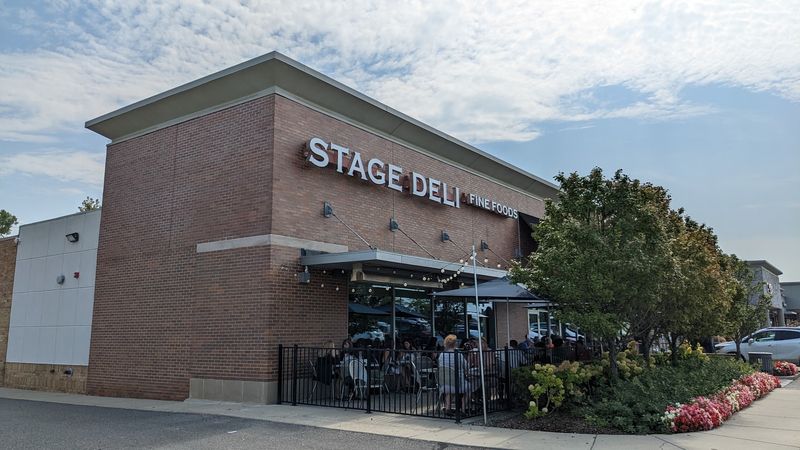
Cold weather and deli food make a strong team, and Stage Deli seems built for that match. The room has the kind of comfortable scale that lets lunch stretch out a little, whether the table is there for a fast sandwich, a family meal, or a longer catch-up over coffee and soup.
The setting adds to the appeal without trying too hard. It is described as stylish, spacious, and easy to settle into, with music that supports the room instead of taking it over.
That combination matters because a deli with a large menu can feel chaotic if the space is cramped or noisy. Here, the layout appears to do the opposite by giving the experience some breathing room.
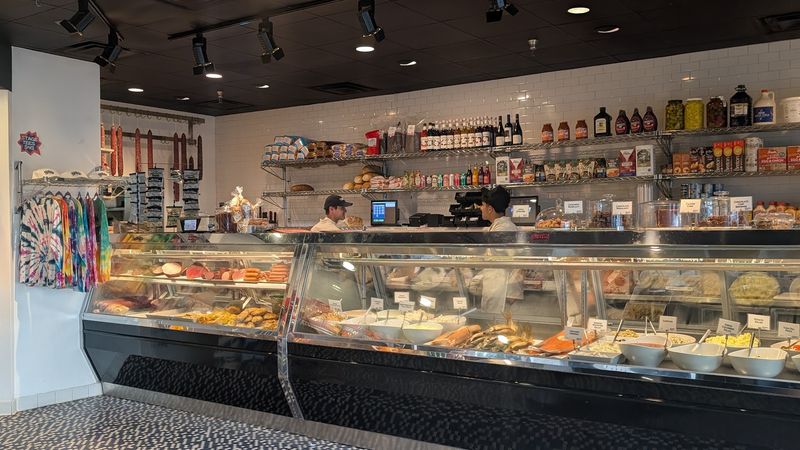
There is also a useful split between the restaurant side and the takeout deli side. That setup tells newcomers a lot about how the place works.
One side supports sit-down meals with full service, while the other lets regulars pick up meats, salads, and desserts without committing to a long visit. It keeps Stage Deli tied to both traditions at once, the neighborhood restaurant and the practical deli counter.
The broader mood lands somewhere between suburban comfort and East Coast deli nostalgia. That is a sweet spot in West Bloomfield Township, where a place needs to feel polished enough for a meeting but relaxed enough for onion rings and a giant sandwich on a snowy afternoon.
Anyone expecting a cramped corner shop may be surprised. Stage Deli presents deli culture in a room made for modern group dining, family lunches, and weekend gatherings.
The setting gives the sandwiches a proper stage, which is fitting for a place with a name like this.
Beyond the Reuben, a Menu That Keeps Wandering
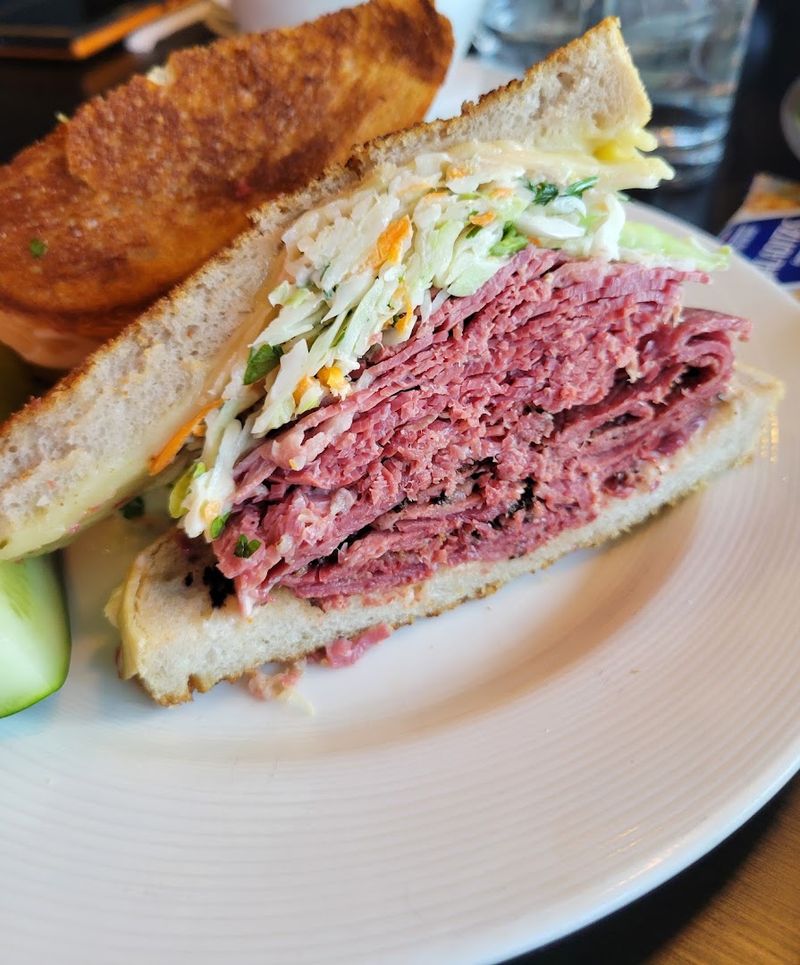
Anybody who comes only for corned beef could miss half the fun. Stage Deli may earn sandwich headlines, but the menu reaches well past the usual deli short list and turns the place into a broader comfort-food stop.
Soups are part of that story, especially matzo ball soup, which has been singled out for its oversized centerpiece and deep comfort on chilly days. Salads also play a big role, including the Maurice, which gives diners a lighter path without pushing them away from the deli spirit.
Smoked fish, whitefish, latkes, schnitzel, onion rings, desserts, and brunch-friendly items widen the field even more. That range helps explain why mixed groups can land here without anyone settling for a backup choice.
The extras matter because a true deli meal is often built around contrasts. Hot sandwich, cool slaw.
Crisp fries, soft rye. Rich meat, sharp dressing.
Sweet babka after something salty. Stage Deli appears to understand that rhythm, giving diners plenty of side roads to explore instead of forcing every order into the same formula.
There is also a practical benefit to such a large menu. Repeat visits do not have to repeat the same experience.
One meal can center on a towering sandwich, the next on broiled fish, soup, and bread, and another on dessert and coffee after shopping nearby. That flexibility makes the restaurant useful in everyday life, not just as a special craving stop.
For newcomers, the best strategy may be to order one signature sandwich and one deli extra for the table. A bowl of soup, a plate of latkes, or a slice of babka turns the meal from simple lunch into a fuller Stage Deli experience, with more than one reason to return.
A Local Fixture on Orchard Lake Road
Some restaurants become part of a community by staying useful year after year, and Stage Deli fits that pattern. Its West Bloomfield Township address places it in a busy local corridor where dependable lunch spots matter, especially ones that can handle solo diners, families, meetups, and takeout orders in the same day.
The deli is also described as storied, which points to a longer presence and a stronger identity than a trend-driven sandwich shop. That matters in a region where diners often want both comfort and consistency.
A Jewish deli tradition carries built-in expectations, from smoked fish and rye to hearty soups and carefully built sandwiches, and Stage Deli seems to operate with clear awareness of that heritage.
Local relevance shows up in smaller practical ways too. There is ample parking, accessibility, kid-friendly service, and enough seating for larger groups.
Those details do not sound glamorous, yet they shape whether a place becomes a real routine stop or just a once-a-year destination. A deli that works smoothly for everyday life earns a different kind of loyalty than a place visited only for novelty.
Stage Deli also appears to function as a halfway meeting point, which says a lot about its role in the area. Friends, relatives, and work contacts can meet there knowing the menu is broad, the room is spacious, and nobody will struggle to find something familiar.
That kind of reliability builds a quiet bond with the neighborhood.
Michigan has no shortage of places selling sandwiches, but not all of them become landmarks in local dining habits. Stage Deli stands out because it connects food, place, and routine.
On Orchard Lake Road, it is not just another lunch option. It is a deli people know how to use, return to, and work into the rhythm of real life.
The Best Order Is a Smart Order
Big menus can be exciting, but they can also slow people down. At Stage Deli, the strongest move is to order with a plan, because the place offers enough choices to overwhelm anyone who arrives hungry and undecided.
Start with purpose. If the goal is to understand why the sandwiches have such a reputation, pick one of the deli staples first.
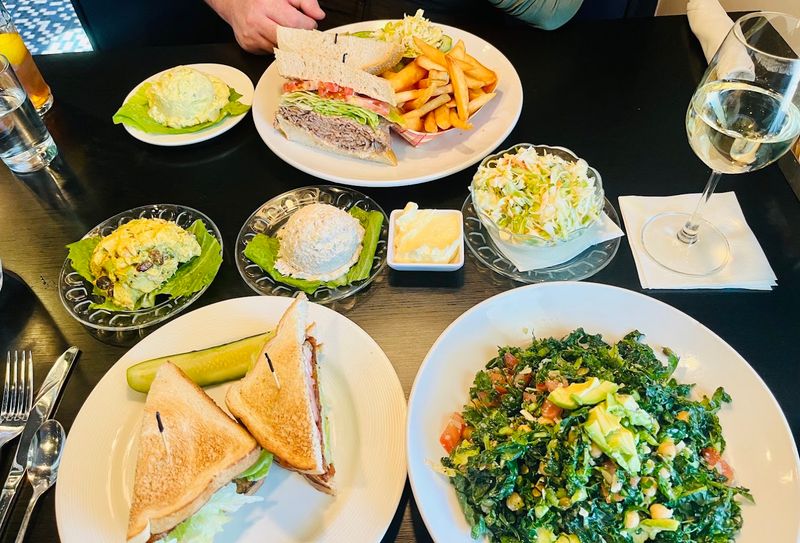
Corned beef, pastrami, a Reuben, or a house specialty sandwich gives the clearest picture of what the kitchen does best. Pairing that main order with a classic side or soup makes even more sense than adding too many random extras.
It creates a meal with the right deli rhythm and gives the bread, meat, and textures room to lead.
Sharing can be a smart tactic here too. Because portions often lean generous, splitting a sandwich and adding a salad, latkes, or onion rings can turn one heavy plate into a better balanced table.
That approach also helps first-time diners sample more than one strength of the menu without overspending or overordering.
Timing matters as well. The restaurant can be busy, especially during peak lunch and weekend windows, so arriving a little earlier or later may make the experience calmer.
Since the deli is closed on Mondays and opens at 11 AM on operating days, planning ahead avoids the most common frustration, showing up ready for a sandwich and finding the doors shut.
There is one more practical tip. If taking food to go, check the order before leaving, especially when size matters.
Carryout and dine-in can feel different with deli food. For the fullest version of the Stage Deli experience, a sit-down meal with fresh bread, hot soup, and a sandwich served right away gives the classics their best chance to shine.
Why the Sandwich Talk Gets So Intense
Every town has a few places that spark unusually strong food opinions. Stage Deli clearly lands in that category, and the reason is not hard to trace.
Sandwiches with real heft, a recognizable deli identity, and a room built for lingering meals create the kind of experience that gets discussed with extra energy.
Part of the intensity comes from expectation. A deli with this reputation invites comparison, not only with nearby lunch spots but with old family favorites and East Coast benchmarks.
When a place steps into that territory, people pay close attention to bread freshness, meat portioning, side choices, and service details. Stage Deli inspires that level of scrutiny because it aims high enough to matter.
Yet the place is not powered by reputation alone. Fresh bread baskets, classic Jewish deli dishes, broad menu choices, desserts, and a flexible dine-in or takeout format all support the central promise.
Even small details, like a good onion roll, a basket of slaw, or a bowl of hot soup on a winter day, help explain why one sandwich can turn into a full craving.
The strongest case for Stage Deli is simple and concrete. It offers a kind of lunch that many people still want but do not always find easily: substantial, familiar, a little celebratory, and rooted in deli tradition rather than fast trends.
That makes the meal easy to talk about in bold terms.
So are the sandwiches really life-changing? Maybe not in the dramatic movie sense.
But they can absolutely reset the standard for what lunch should be. When a sandwich arrives tall, warm, and fully committed to being a deli sandwich, ordinary midday eating suddenly looks much less interesting. That is the kind of change locals are really talking about.