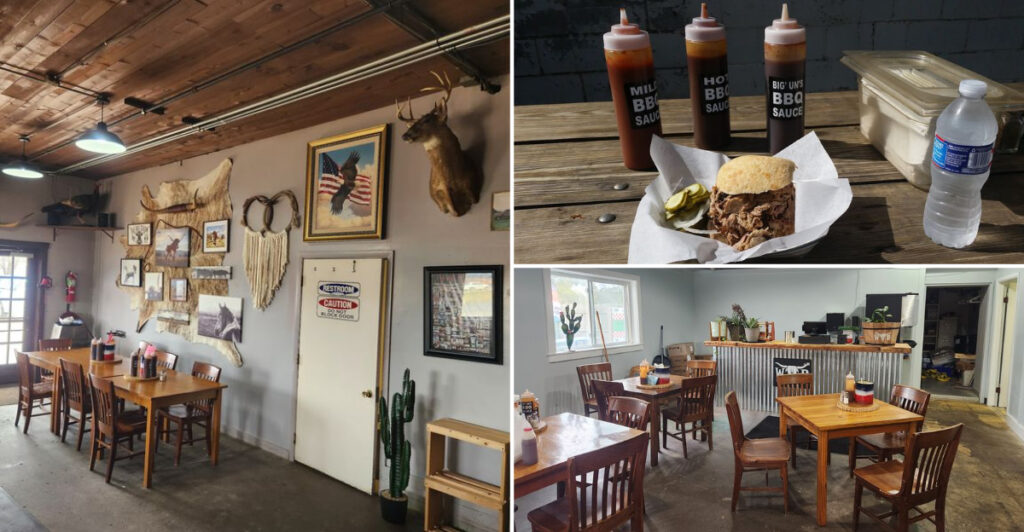
Smoked meat has a way of turning a small roadside stop into a destination. In Jackson, Michigan, West Texas Barbeque Co keeps the setup simple and lets the menu do the heavy lifting, with barbecue built around smoke, patience, and straight-to-the-point flavor.
The short hours, no-fuss feel, and loyal local following only add to the pull, making the place feel like something barbecue fans should plan around instead of stumble into by accident. It is not trying to dress things up, and that confidence is part of the appeal.
For anyone chasing a Michigan barbecue joint with serious character and plenty of smoke, this Jackson spot stands out fast.
Smoke Before Style on Brooklyn Road
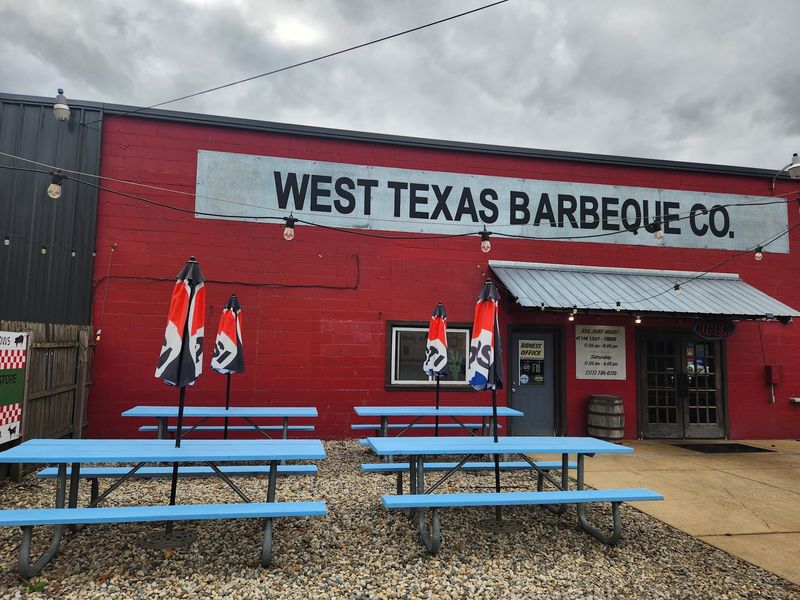
Flashy restaurants usually try to impress with size, lighting, or trendy decor. West Texas Barbeque Co takes a different path, and that is part of why it catches attention so quickly.
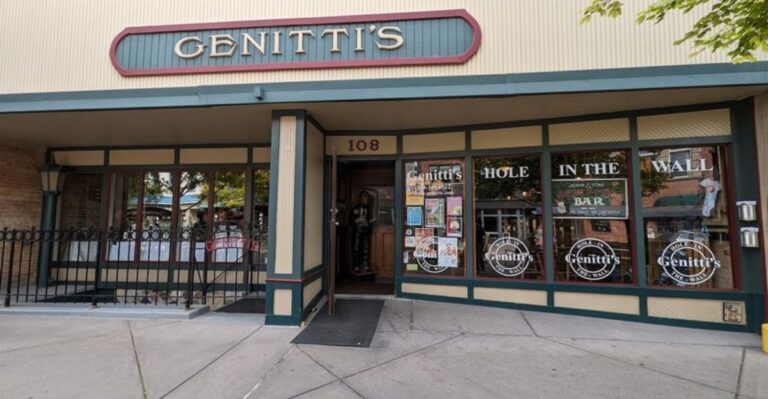
The setting on Brooklyn Road is modest, practical, and easy to miss if a driver expects a giant dining room or a polished destination complex. Instead, the place leans into a stripped-down barbecue identity, the kind that puts the focus on the pit-smoked food rather than on dramatic design choices.
That matters for a road trip stop because the look tells diners what kind of meal they are about to get. This is a counter-serve barbecue joint, not a dressed-up smokehouse trying to act bigger than it is.
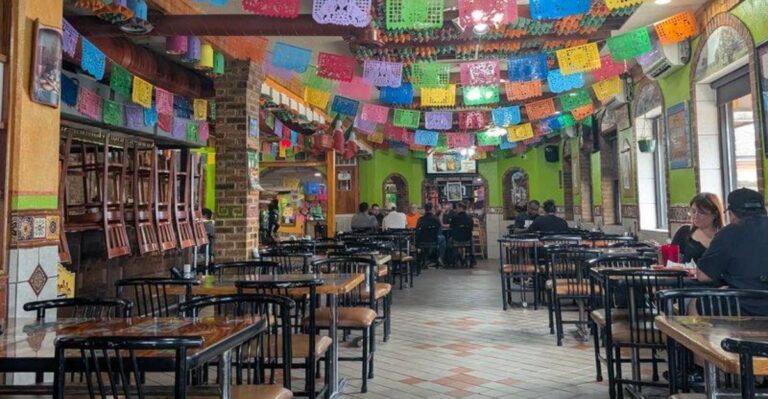
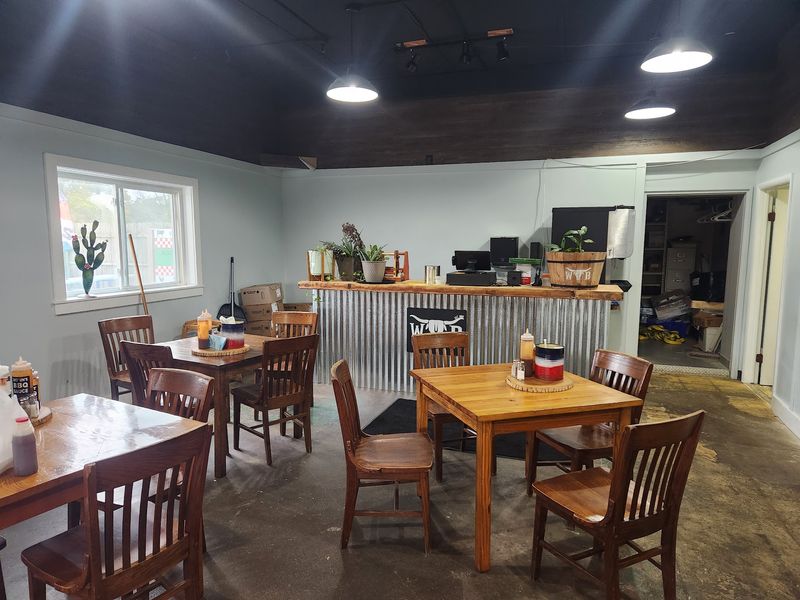
Inside, the tone stays rustic and straightforward. Recent updates to the dining area have made it more comfortable and roomier, but the core personality still centers on function, speed, and the smell of smoked meat doing most of the talking.
For hungry travelers, that plain style can be a plus. A place like this signals that lunch is about brisket, ribs, pulled pork, turkey, and sauces, not decorative plates or complicated menu language.
Jackson is not always the first Michigan city that comes to mind for destination barbecue, which adds to the surprise. Finding a Texas-style smokehouse in a practical roadside location gives the visit a nice underdog quality without turning it into a gimmick.
Anyone planning a stop should pay attention to the location details before heading out. Once there, the visual message is clear: skip the extra fuss, step up to the counter, and let the smoke lead the way.
Brisket Takes Center Stage
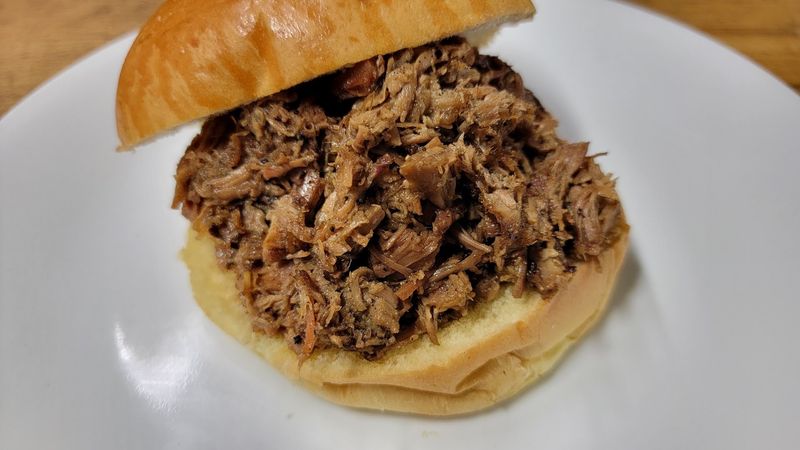
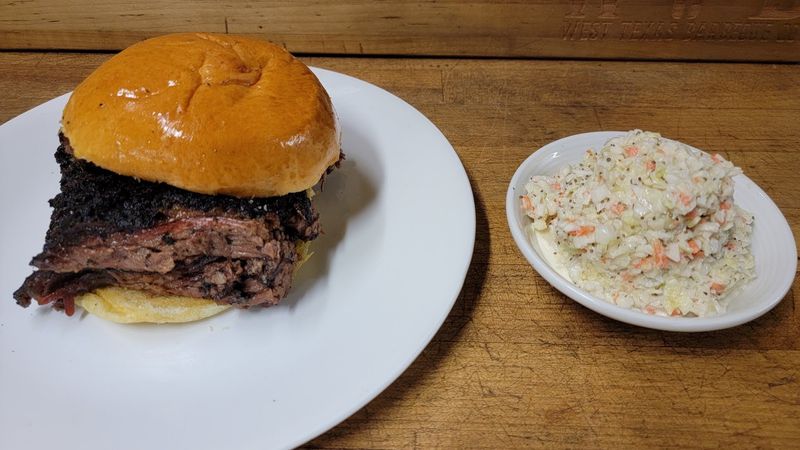
A barbecue place with Texas in its name has one job before anything else: the brisket needs to matter. At West Texas Barbeque Co, that cut is the main event people are most likely to chase.
Brisket is not casual food to make well. It demands time, heat control, patience, and careful slicing, so it often becomes the best test of whether a smokehouse deserves a special stop.
Reports on the brisket here are not perfectly uniform, and that is worth knowing before the drive. Still, when it lands at its best, the praise tends to focus on tenderness, smoke ring, moisture, and the deep beef flavor that barbecue fans want from Texas-style meat.
That strength gives the restaurant its strongest claim to destination status. Even diners with Texas barbecue experience have singled out the brisket as the item that puts the place in serious conversation rather than novelty territory.
Ordering it as part of a platter makes sense for first-timers because it gives a broader look at the kitchen while keeping the spotlight on the signature meat. Sandwich form also works, especially for anyone making a lunch stop and wanting something easier to handle.
One practical tip helps here: go in with the idea that brisket should be the priority, not an afterthought added beside too many sides. In a small smokehouse with limited hours, the smartest move is often to build the meal around the item the restaurant is best known for.
For travelers who plan food stops carefully, that difference is huge. A strong brisket plate can turn a basic lunch in Jackson into the reason the route was chosen in the first place.
Ribs, Turkey, and the Rest of the Meat Board
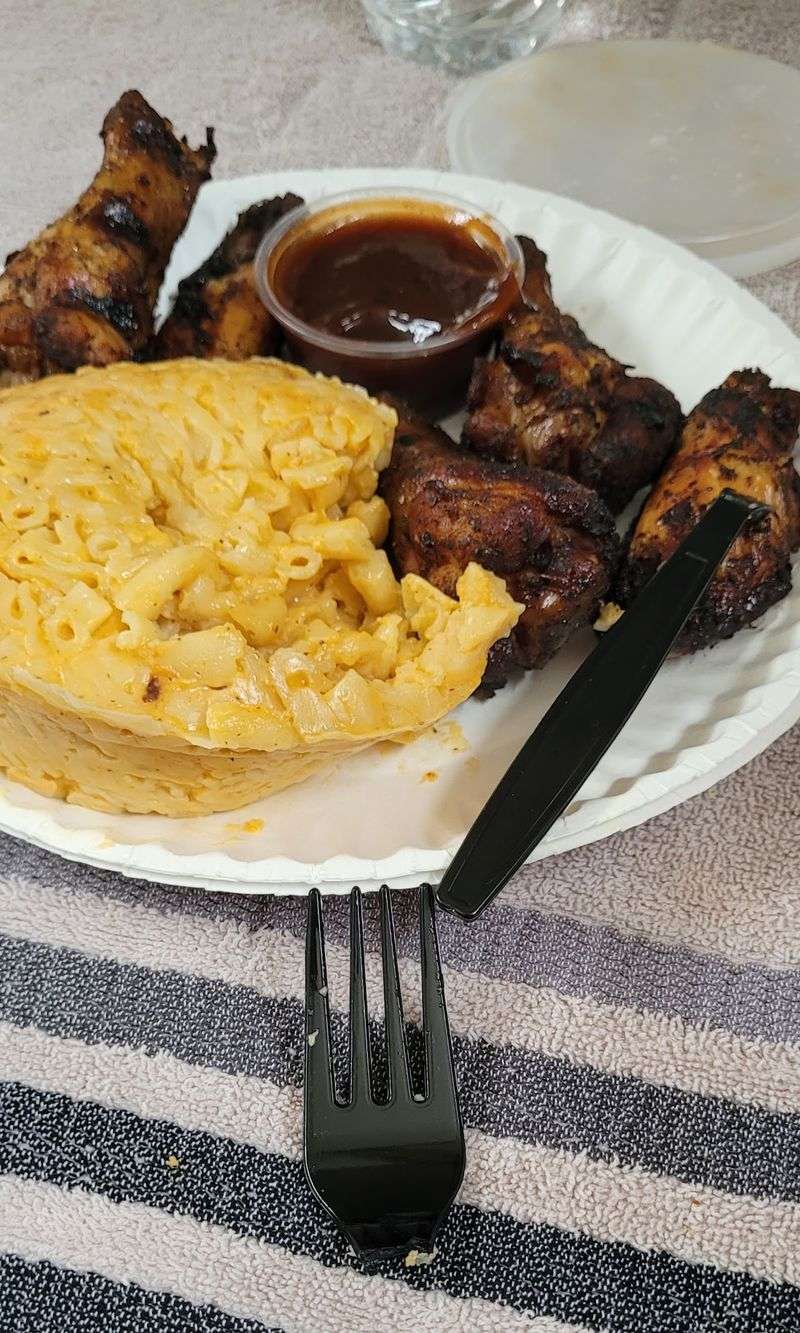
Not every great barbecue stop is a one-meat story. West Texas Barbeque Co earns extra interest because the menu gives drivers more than one reason to pull off the road.
Ribs are a major part of that appeal. They show up again and again as one of the safer bets on the menu, with solid flavor and enough meat to make them a smart pick for diners who want barbecue that eats a little cleaner than pulled pork but still brings that smoky, satisfying bite.
Turkey deserves attention too, mostly because barbecue turkey can be forgettable at weaker places. Here, it has been called a favorite by some diners, which says a lot, since turkey usually becomes the overlooked item on a mixed platter.
Pulled pork and sausage help round out the board. That variety matters for groups or families in the car, since not everyone wants the same texture, the same fat level, or the same style of smoke.
Then there are burnt ends and hot links, the kinds of items that make a barbecue menu more interesting for regulars who have already worked through the basics. A place offering those choices shows some range, even if certain meats land better than others depending on the day.
The best strategy is simple: share across the table. A two-meat or three-meat combination gives a fuller picture of what the kitchen does well and keeps the visit from becoming too tied to one bite or one preference.
That approach also suits the restaurant’s road-trip value. A stop becomes more exciting when a tray arrives carrying different colors, textures, and smoke levels, giving everyone a reason to trade bites before getting back on the highway.
Sauces and Sides Change the Whole Equation
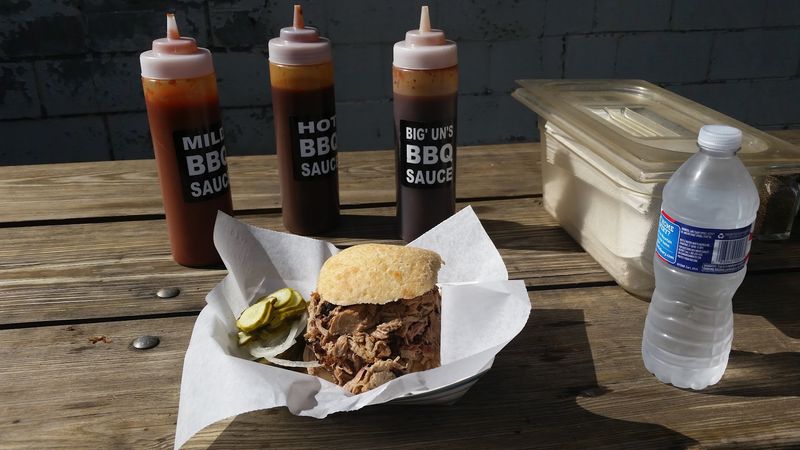
Barbecue can rise or fall on the extras. At West Texas Barbeque Co, the sauces and sides shape the meal in a big way because they add contrast, color, and personality to a smoke-heavy plate.
The sauce lineup is one of the more interesting parts of the experience. Instead of relying on a single standard bottle, the restaurant has offered several options, including bolder choices that bring heat, tang, or a sweeter edge to different meats.
That kind of range matters at a Texas-style place in Michigan. Sauce can help a turkey tray brighten up, give pulled pork more punch, or let ribs shift from classic to playful depending on what lands in the cup.
Sides are a more mixed part of the story, so planning helps. Some items, like baked beans, mac and cheese, slaw, street corn dip, hashbrown casserole, chili, and desserts, have drawn real enthusiasm, while other sides have been described less warmly.
For first-time visitors, that suggests a smart rule: treat the meat as the anchor and choose sides carefully rather than assuming every option plays the same role. If one side sounds especially house-driven or distinctive, it may give the strongest return.
The same goes for sauces. A little sampling can turn a good tray into a more memorable one, especially when one meat responds better to vinegar, another to sweet heat, and another to a thicker, deeper barbecue finish.
Road-food stops work best when every part of the table brings a different job. Here, the strongest version of the meal comes from balancing smoke, salt, sauce, and one or two well-chosen sides instead of loading the tray with filler and hoping for the best.
A Michigan BBQ Stop With Limited Hours and Real Demand
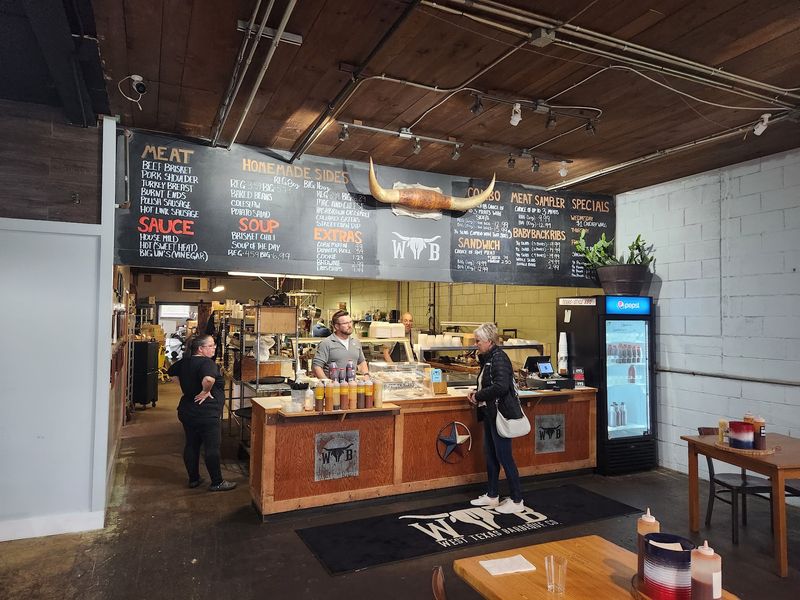
Plenty of food spots claim to be destination-worthy, but their hours tell a different story. West Texas Barbeque Co has a schedule that quickly reminds diners this is not an all-day, anytime stop.
The restaurant is closed on Monday and Sunday, opens at 11 AM on Tuesday through Saturday, and shuts down early several days of the week. Tuesday through Thursday run only until 2 PM, while Friday and Saturday stretch to 6 PM.
That narrow window changes how a visit should be planned. Anyone driving from another part of Michigan cannot treat this place like a spontaneous late-afternoon backup plan, because the timing needs to be part of the route from the start.
Lunch is the center of gravity here, and the rush can show it. Waiting in line has come up as a real factor, especially for anyone trying to squeeze in a meal during a short break.
For travelers, the lesson is easy: arrive with time to spare. A barbecue stop loses its charm fast when the clock becomes the loudest thing at the table.
Earlier in the service window is the safer bet for a first visit. It gives more breathing room for the line, better odds on menu availability, and a less hurried chance to decide between a sandwich, a platter, or a multi-meat order.
Those limited hours also add part of the appeal. Small barbecue joints often build their reputation around focused service rather than endless availability, and that pattern fits here.
Instead of trying to be everything all day, the place sticks to a shorter rhythm, which makes planning the stop part of the overall experience.
Family-Run Energy and a Strong Local Footprint
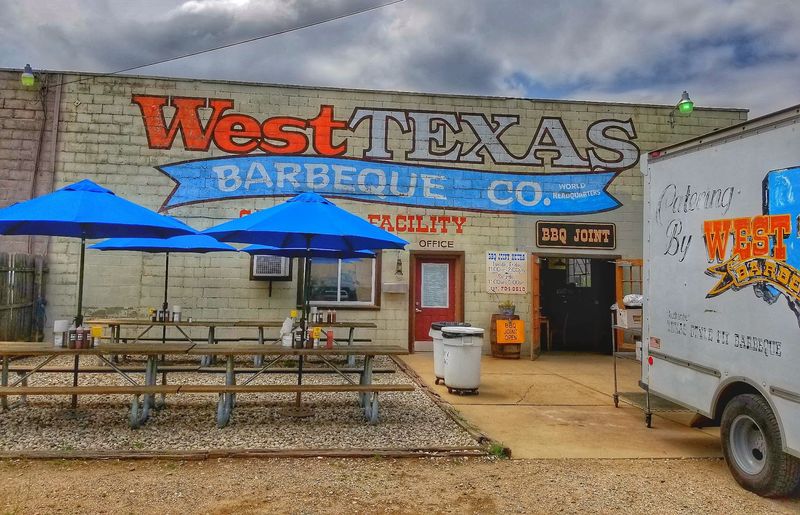
Some restaurants build their identity through branding. West Texas Barbeque Co seems to build much of its standing through repetition, local familiarity, and the kind of steady presence that makes a small business part of a city’s weekly routine.
The restaurant has been described as family-owned, and that detail helps explain its scale and style. Places like this often run with tighter menus, shorter hours, and a more direct service model because the operation is centered on doing one category of food well enough to keep the community engaged.
That local connection shows up in another important way: catering. A barbecue business that handles weddings, work events, and gatherings is doing more than serving lunch trays.
It is becoming part of local celebrations, office meals, and repeat occasions that depend on reliability.
For a traveler, that matters more than it may seem at first glance. Catering work suggests the restaurant is not surviving on novelty traffic alone.
It has to function in a practical, repeatable way for groups that expect enough food, on-time service, and straightforward setup.
The service story also adds texture. Several experiences point to staff stepping in to fix mistakes or handle problems directly, which is often where a small restaurant shows its true character.
Of course, no busy counter-service place gets every interaction right, and that is part of the honest picture. Still, the broader shape of the business is clear: it operates like a rooted neighborhood barbecue spot that has grown by serving actual needs in Jackson, not by chasing hype.
That gives the restaurant more weight than a roadside curiosity. It is a working part of the local food landscape, and that makes a planned stop feel grounded instead of random.
How to Make the Most of the Drive
A little strategy can turn a good meal stop into a much better one. West Texas Barbeque Co rewards diners who arrive with a plan instead of ordering in a rush.
Start with the meat that gives the place its strongest case, then build outward. Brisket is the obvious first choice for many barbecue fans, but pairing it with ribs, turkey, or pulled pork can give a broader picture without overloading the tray.
Sharing works especially well here. A small group can order mixed meats, compare sauces, and pick only one or two sides that sound most appealing rather than filling the table with too many unknowns.
Timing matters almost as much as appetite. Since the restaurant keeps limited hours and lunch can bring a wait, arriving earlier in the day makes the stop smoother and leaves room to enjoy the meal without watching the clock.
Another practical point is payment. A credit card surcharge has been noted, so carrying another payment option may help anyone trying to keep the stop simple.
For out-of-town diners, Friday and Saturday can be the easiest days to work into a longer drive because the closing time stretches later than midweek. That extra flexibility can make a big difference when road construction, weather, or traffic start shifting a schedule.
Most of all, treat the stop like a barbecue mission, not a random add-on. Pick the day, leave enough time, order the meats that show off the smoker, and use the sauces with purpose.
Done that way, this small Jackson restaurant becomes more than a place to eat lunch. It becomes a food destination with a clear game plan behind it.
Why the Detour Makes Sense
Road-trip food has one simple test: would the stop still make sense if it were not directly on the way? West Texas Barbeque Co makes that question interesting because it offers a focused barbecue experience instead of trying to please every kind of diner.
The strongest case for the place comes from its identity. It is a small, no-nonsense Texas-style smokehouse in Jackson with limited hours, a practical setup, and a menu centered on meats that ask for real time and real attention.
That combination gives the restaurant a clear lane. It is not trying to be a giant chain, a polished downtown showpiece, or a broad comfort-food cafe with a little barbecue on the side.
There is also honesty in the experience. The menu has highs and weaker spots, and knowing that makes the visit easier to approach smartly.
Build around the meats with the strongest reputation, stay aware of the schedule, and the stop becomes much more purposeful.
For Michigan diners, the appeal is also geographic. A taste for Texas-style barbecue does not always line up neatly with everyday driving routes in the state, so finding a place in Jackson that takes smoked meat seriously adds useful range to the map.
Then there is the scale of it all. Big food memories do not always come from huge dining rooms or heavily advertised places.
Sometimes they come from a compact restaurant where the line forms early, the trays arrive fast, and the meal is built around smoke, bark, sauce, and a stack of napkins.
That is why the detour makes sense. When a restaurant keeps its focus tight and puts meat at the center, the drive stops feeling like extra effort and starts feeling like the whole point.
Share this story