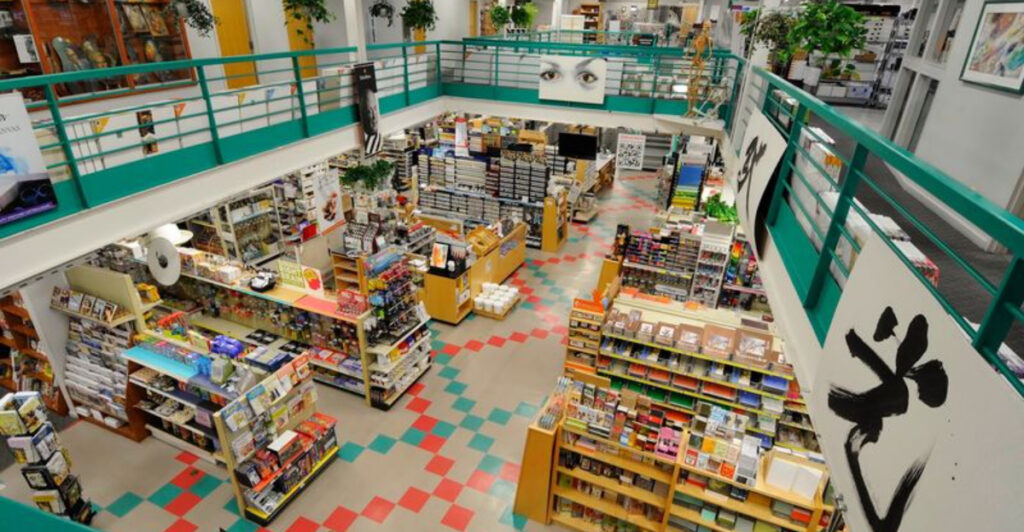
For nearly a century and a half, one Denver institution has been helping artists bring their ideas to life. Founded in 1881, H.R. Meininger Company has grown into one of Colorado’s most respected art supply stores, offering everything from professional paints and sketchbooks to specialty papers, brushes, framing materials, and creative tools for every skill level.
Generations of artists, students, and hobbyists have walked through its doors in search of inspiration as much as supplies. Whether you’re starting your first project or stocking a professional studio, this historic Colorado shop remains a destination where creativity has flourished for well over a century.
A Colorado Creative Landmark on Broadway
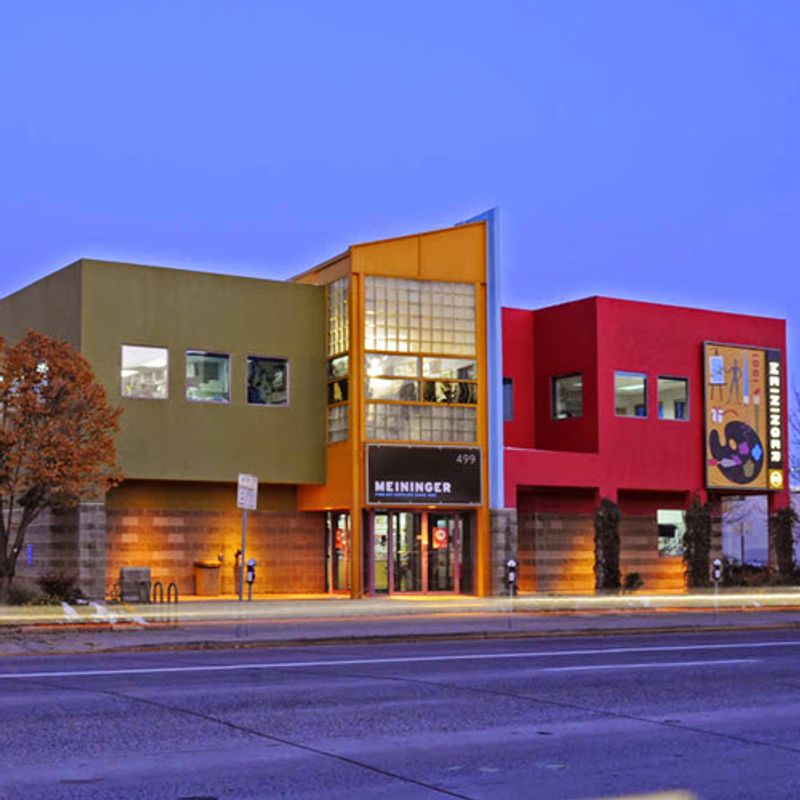
Some stores sell products. Others become part of a city map, the kind of place locals name right away when someone asks where to find serious art materials.
HR Meininger Company on Broadway fits that second group, standing out as a long-running Denver art supply store with a clear purpose and a very specific identity.
The address places it in a central stretch of Denver where errands can turn into discoveries. That matters for an art store, because creative shopping is rarely a simple in-and-out task.
A person might arrive for one sketchbook and end up comparing papers, testing pens, or spotting a tool that solves a problem they have been wrestling with for weeks.
Its long history, tied to 1881, gives the business unusual weight. Plenty of retail spaces come and go, but a company that lasts across so many decades usually does so by adapting while keeping its core promise steady.
In this case, the promise is access to art materials, organized in a way that helps beginners, students, hobbyists, and working artists move from idea to action.
The Broadway location also helps explain why the store matters beyond a single purchase. It acts like a practical supply hub for Denver’s creative life, serving people who paint, draw, letter, journal, print, and build projects by hand.
A store with that reach becomes more than a backdrop. It turns into a regular stop before classes, a resource during creative blocks, and a trusted place to restock after inspiration runs straight through the last sheet of paper or tube of color.
That is the first big reason the company stands out in Colorado. It is not simply old, and it is not simply large. It occupies a useful place in the daily rhythm of making art.
Two Floors Packed With Real Choices
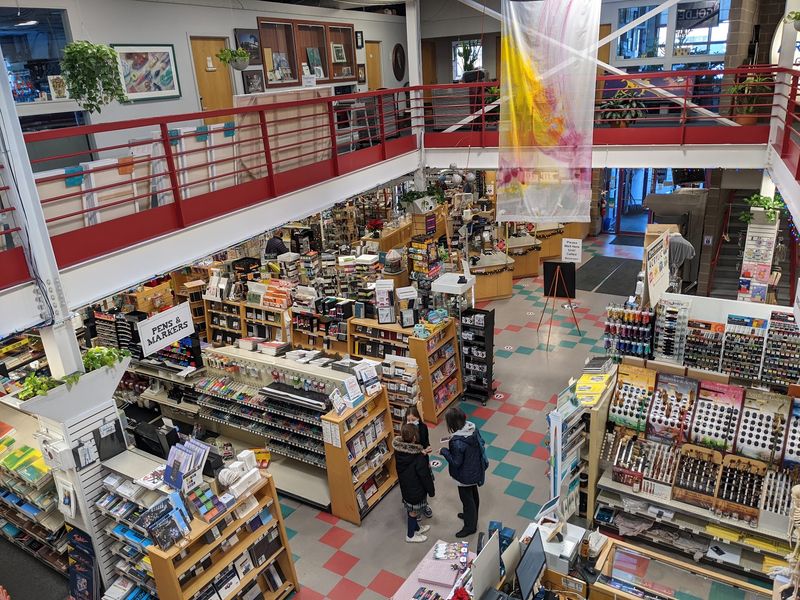
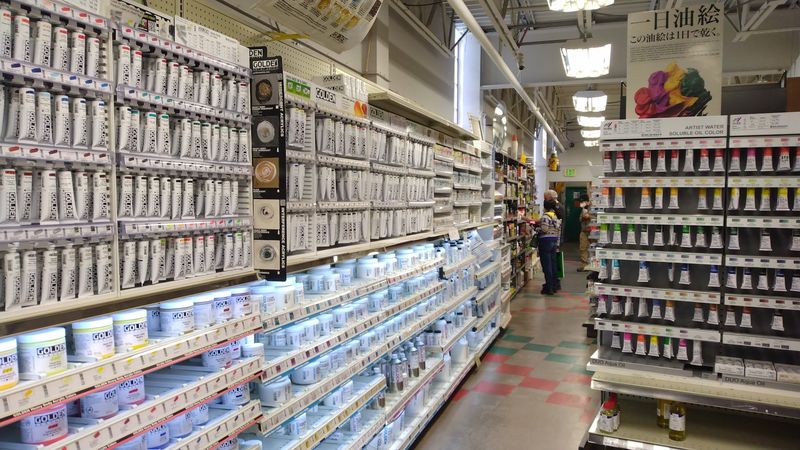
Walking into a massive art store can be thrilling and a little overwhelming at the same time. HR Meininger Company appears to lean into that scale in the best possible way, with two levels and a wide spread of materials that give artists room to compare, browse, and think carefully before buying.
The range is one of the store’s defining strengths. Shelves are stocked with everything from exotic paper and fine writing instruments to paint, calligraphy tools, pottery-related supplies, printmaking materials, airbrush items, pencils, erasers, and studio helpers that keep workspaces cleaner and easier to manage.
That kind of depth changes the shopping experience. Instead of settling for the first acceptable option, people can look at differences in texture, size, price, or intended use.
Selection matters even more in creative work because tiny material changes can affect the final result. A smoother paper can sharpen pen lines.
A different brush shape can change how paint lands. A refillable fountain pen might support slower, more thoughtful writing than a disposable one.
In a store built around variety, those choices become visible instead of abstract. The size also supports discovery. Someone coming in for watercolor may notice gouache.
A shopper curious about journaling may find lettering tools nearby. An artist replacing a single part for an airbrush can leave with better understanding of how their whole setup works.
Large inventory makes those side paths possible. For Denver artists, that broad spread is practical, not flashy. It saves time, encourages smarter buying, and helps people match tools to actual goals instead of guessing online. In a creative city, having a place where materials can be seen together, floor after floor, is a serious advantage.
Pens, Paper, and the Joy of Testing Tools
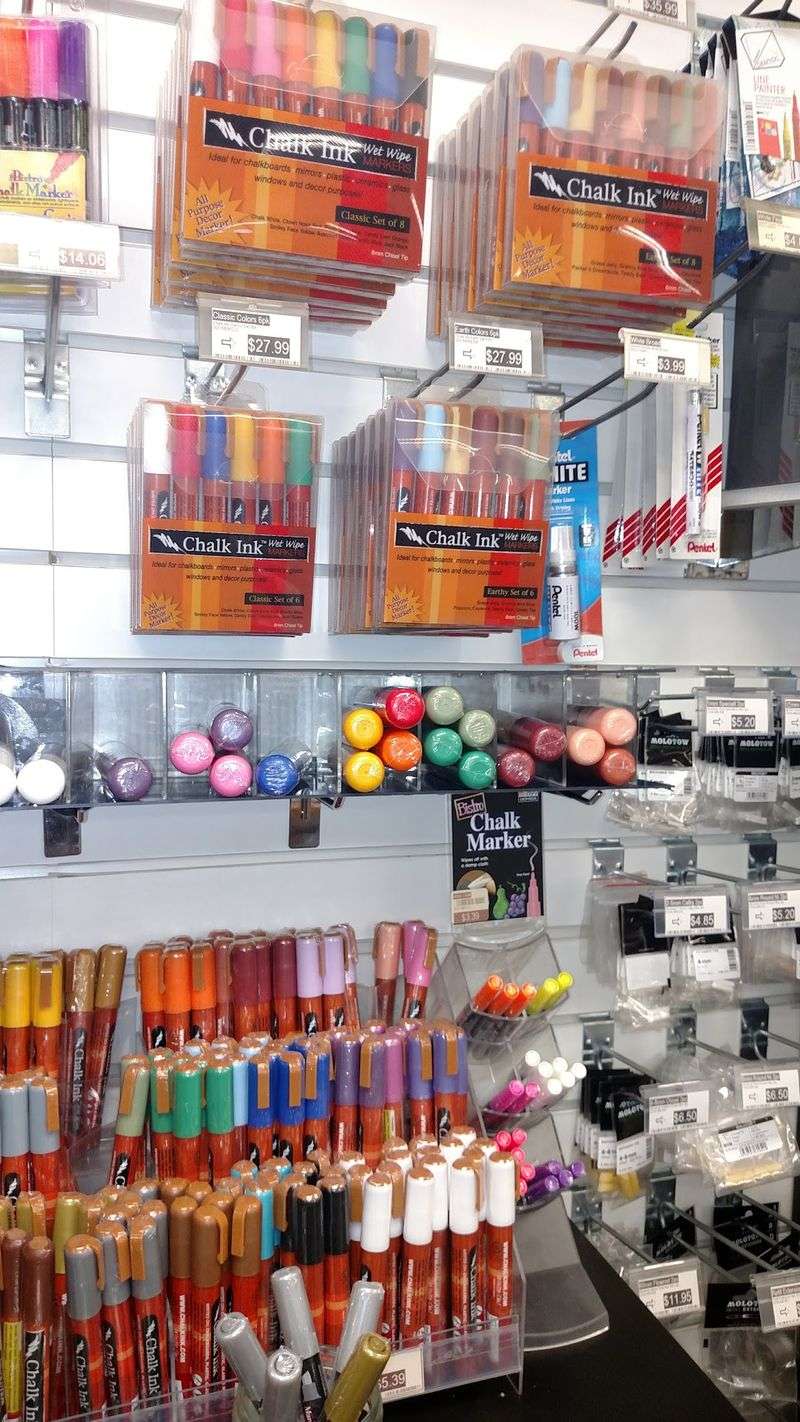
A blank page can be intimidating until the right tool touches it. One of the most interesting parts of HR Meininger Company’s identity is how strongly it connects to tactile art materials, especially pens, inks, papers, and sketchbooks that reward careful hands-on shopping.
That matters because writing and drawing tools are highly personal. Nib size, grip, paper tooth, ink flow, and color saturation can all change how comfortable a person feels.
Buying those items without seeing them in person can be a gamble, which is why a store known for fine writing instruments and specialty paper offers something online carts cannot fully replace.
Shoppers can get help choosing fountain pens, ink options, Blackwing products, calligraphy tools, and beginner-friendly supplies. The useful detail there is not just product variety.
It is the chance to compare price points, ask basic questions without embarrassment, and understand how a tool behaves before carrying it home.
For new artists and writers, that lowers the barrier to entry right away. The paper side of the store matters just as much. A notebook is not merely a container for ideas.
Its weight, finish, and durability influence whether watercolor buckles the page, whether ink feathers, and whether pencil lines erase cleanly. Specialty papers open up even more possibilities for printmaking, collage, lettering, and presentation work.
Practical shoppers can learn a lot by slowing down here. Bring a clear goal, like finding a journaling pen, a travel sketchbook, or paper for metallic ink.
Then compare a few options side by side instead of chasing the most famous brand. For many artists, the best supply is not the fanciest one. It is the tool that makes starting easy.
Since 1881, a Store With Staying Power
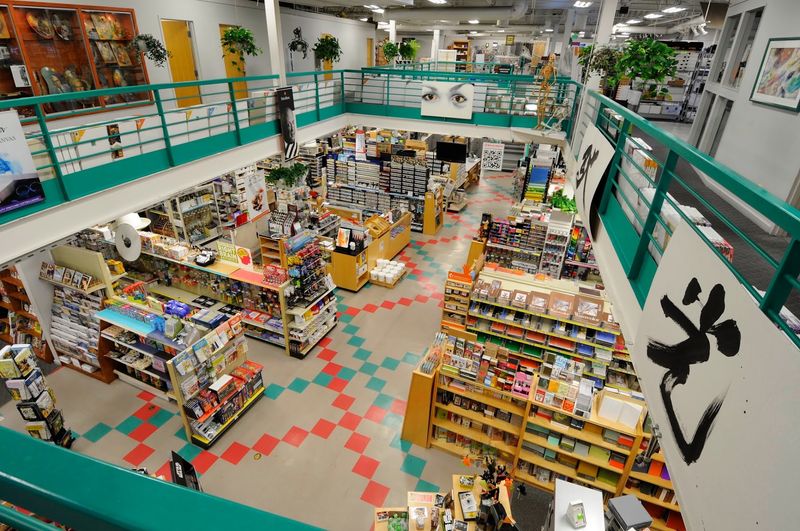
Longevity in retail is never accidental. When a company can trace its roots back to 1881, the first question is not simply how old it is, but why it has remained useful through changing tastes, technologies, and neighborhoods.
HR Meininger Company offers a strong answer through continuity of purpose. Art materials have changed over time. New brands appear, media evolve, and artists work across traditional and digital methods.
Yet the need behind the purchase stays remarkably steady. People still need surfaces, tools, color, storage, replacement parts, and informed guidance.
A business that has lasted this long has likely understood that artists do not only buy objects. They buy support for practice, learning, problem-solving, and experimentation.
Its history also gives the store a deeper local role. In a city that continues to grow, long-running independent businesses help anchor memory and identity.
They show that Denver’s creative life did not begin yesterday. Students, hobbyists, working professionals, and families can all step into the same store and take part in a much longer regional story about making things by hand.
That heritage should not be treated like a museum label. The value comes from seeing old roots paired with present-day usefulness.
A historic art store only remains relevant if it serves current needs well, and Meininger continues to function as an active supply center rather than a nostalgic relic. That distinction is huge.
For readers, the practical takeaway is simple. Visiting a place with real history can sharpen appreciation for the tools in your hands.
A pencil, brush, or pen may look ordinary on a shelf, but in a store connected to 1881, each one sits inside a long tradition of learning, making, revising, and trying again.
Helpful Staff Can Change the Whole Trip
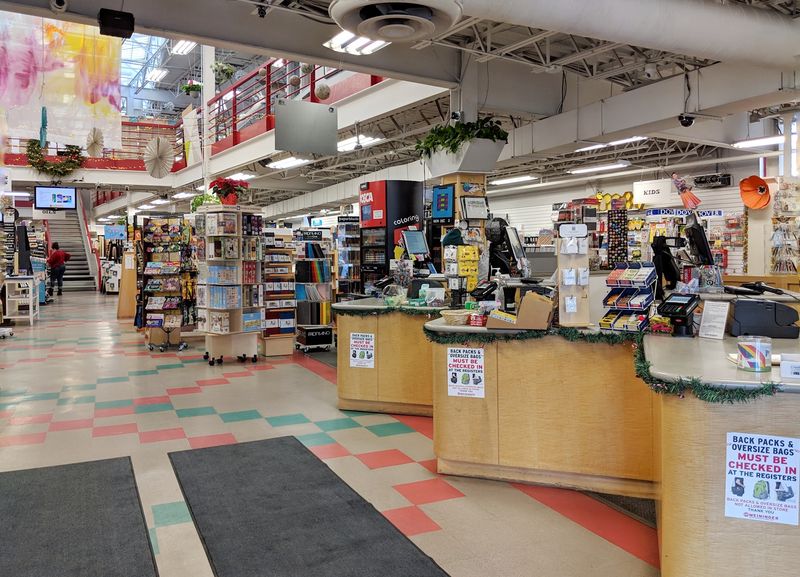
Art stores can either invite questions or quietly scare people off. At HR Meininger Company, one of the clearest strengths in recent public feedback is staff knowledge, especially when shoppers need guidance on technical tools, beginner choices, or unfamiliar materials.
That kind of help matters more here than it would in a simpler retail category. Art supplies come with a learning curve. Fountain pens require filling and care. Watercolor papers react differently based on surface and weight.
Airbrush parts can confuse even experienced users when something stops working. Good staff support can shorten that learning curve fast, saving money and frustration.
Employees explain pen options, recommend products for different budgets, help troubleshoot airbrush equipment, and guide customers through different brands. Those examples show a store operating as an educational space as much as a sales floor.
The benefit is especially meaningful for nervous beginners who may feel out of place in a specialized shop. To stay realistic, not every interaction will be perfect. Large stores, busy hours, and different employee styles can shape a visit.
Overall, the staff help make the store easier to navigate, especially given the depth of the inventory. That is a major advantage when the inventory is wide and the choices are technical.
The smartest way to use that resource is to arrive with a narrow question. Ask for a starter watercolor setup, a durable sketchbook for travel, or a pen that fits small handwriting.
Specific questions usually lead to specific solutions. Shoppers who know their budget should mention that early too, since expert advice works best when it matches real limits.
In a place this large, human guidance can be the difference between wandering and leaving prepared. For many artists, that is every bit as valuable as the merchandise itself.
How to Shop Smart Without Feeling Overwhelmed
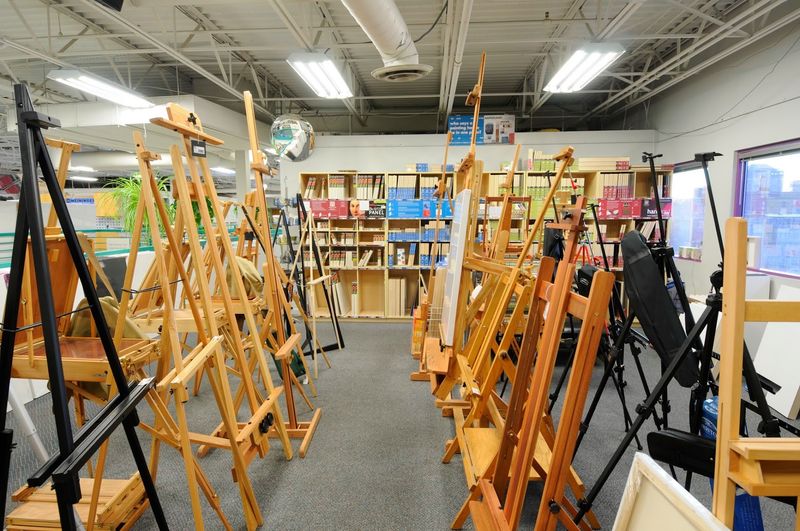
Big art stores are exciting, but they can also scramble a budget in record time. HR Meininger Company appears to be the kind of place where a smart plan helps, because the selection is broad enough to pull attention in ten directions before a shopper reaches the second aisle.
Start with a project, not a mood. That single shift makes browsing more useful. Instead of asking, “What looks fun today?” ask what the work actually needs.
Maybe it is a sketchbook for daily practice, gouache for flat color studies, a fountain pen for journaling, or cleaner tools for keeping a desk manageable. A project-based list trims impulse spending without draining the fun.
Next, give yourself permission to compare. In a store known for organized sections and strong variety, side-by-side viewing is part of the value.
Check paper weights, brush shapes, marker tips, and paint tube sizes. Notice what changes the price and what simply changes the label.
Brand reputation matters, but fit matters more. Time also affects the experience. A quick errand for a pencil and eraser can stay quick if you know where to go.
A first visit deserves more breathing room, especially in a two-level store where one category can lead into another. If a shopper is curious about pens, inks, or specialty supplies, allowing extra time can turn confusion into confident choices.
Budget-wise, a starter kit often beats buying one expensive item and nothing else. A solid basic set can get a person working right away, which is usually better for skill-building than waiting for a perfect setup. The goal is momentum.
That is how this store works best: arrive curious, stay focused, compare carefully, and leave with supplies that match the work ahead, not just the shelf that caught your eye first.
Easy Logistics for a Downtown Supply Run
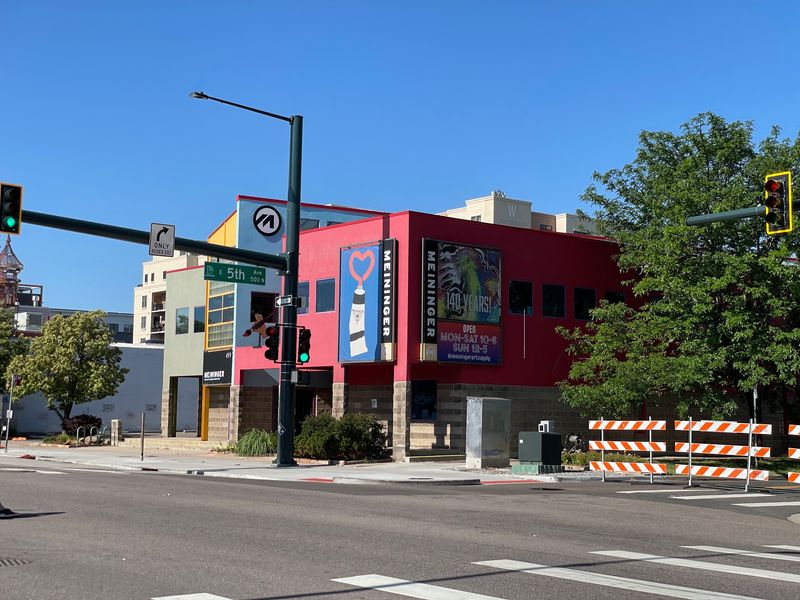
Creative outings are more enjoyable when the practical details do not become a hassle. HR Meininger Company has a useful setup for that, combining a central Denver location with operating hours that are straightforward and a visit pattern that can work for both quick pickups and longer browsing trips.
The store sits at 499 Broadway in Denver and keeps regular daytime hours through the week. Monday through Saturday hours are 10 AM to 6 PM, while Sunday runs from 12 PM to 5 PM.
That schedule makes planning pretty simple. Weekday stops can fit around classes, studio time, or lunch breaks, and weekend visits leave room for slower exploration.
Parking matters too, especially in a city setting where supply shopping can involve carrying bulky paper pads, paint, or other materials. Available information points to dedicated store parking, with metered options nearby as a backup.
That may sound like a small detail, but for shoppers buying more than one or two items, easy parking changes the entire experience. It lowers the friction that can keep people from making a return trip.
The hours also suggest a practical strategy. Sunday may suit relaxed browsing, while weekdays may work better for focused needs and staff questions, especially when a shopper wants guidance on a specific tool or material.
Anyone heading in for a deeper look at pens, papers, or airbrush parts should avoid rushing. Families and first-time visitors can benefit from one more simple idea: split the trip into categories. Start with the must-have item, then browse one additional section for discovery.
That keeps younger shoppers engaged and helps adults avoid the classic giant-store problem of forgetting the original reason for coming.
When logistics are easy, the store becomes easier to use regularly. For an art supply business, that convenience is part of the service.
Why Denver Artists Still Make Room for Meininger
Some places earn loyalty by being trendy. Others earn it by being useful over and over again. HR Meininger Company stands out in the second way, offering a combination of history, scale, specialist tools, and practical support that makes sense for the many different kinds of artists working around Denver today.
Its appeal is broad because creativity is broad. A painter looking for tubes and brushes does not need the same setup as a calligrapher, journaling fan, printmaker, parent shopping for a child, or designer hunting for a precise pen.
Meininger’s apparent strength is that these worlds can exist under one roof without flattening into a generic craft store experience. The categories remain distinct, and that keeps the store useful for serious work as well as casual experimentation.
There is also a social value to a place like this. Creative hobbies can be solitary, and online shopping can make them even more isolated.
A well-run art supply store brings materials, questions, and skill-building into public space. It gives people a chance to compare tools, ask for help, and encounter mediums they might never have searched for on their own.
In Denver, that role carries extra weight because local identity is shaped by more than scenery and growth. It is shaped by institutions that help people make things, teach things, and keep traditions active while new interests emerge.
A store linked to 1881 and still active now fits squarely into that story. The sharpest takeaway is simple. Meininger is not notable only because it has lasted a long time.
It is notable because longevity is matched by daily function. Supplies are organized, categories are deep, hours are manageable, and the store keeps meeting practical creative needs in the present tense. That balance is why it still matters. In a city full of change, artists still need a dependable place to begin.
Share this story