Family recipes give Lebanese food a kind of warmth that trends cannot copy. Across Michigan, these restaurants keep that feeling alive with menus built around familiar dishes, careful seasoning, generous plates, and the kind of cooking that feels rooted in real kitchen history.
The appeal is not just hummus, shawarma, grilled meats, or warm bread, but the small details that make each meal taste personal. These eight Michigan Lebanese restaurants show how tradition can still shape a menu in the best way.
For anyone craving food with comfort, character, and a strong sense of heritage, this list is a delicious place to start.
1. 2Booli – Farmington Hills

Lunch can get boring fast, and that is part of why 2Booli stands out in Farmington Hills. The food leans on Lebanese favorites that people already know, but it presents them in a way that still feels tied to a real home kitchen.
That balance matters when a restaurant wants to feel current without losing the flavor memory behind the dishes.
Menus like this work best when the basics are treated with respect. Creamy hummus, bright pickles, grilled chicken, and fresh pita may sound simple, yet simple food leaves nowhere to hide.
When recipes are built around family habits, even everyday items can carry more character through seasoning, texture, and careful prep.
One smart move here is to pay attention to the smaller plates instead of rushing straight to a large entree. A spread of dips, salads, and warm bread gives a better sense of how the kitchen handles balance, especially the play between lemon, garlic, herbs, and smoke.
Those details often reveal whether a restaurant cooks with memory or just follows a template.
Farmington Hills has no shortage of places to grab a quick meal, so familiarity alone is not enough. 2Booli makes a stronger case by keeping Lebanese staples approachable for new diners while still giving regulars the flavors they came for. That is a useful reminder that family recipes do not have to stay frozen in time to matter.
Go with a group if possible, because Lebanese food shows best when shared across the table. Order a mix of grilled items and cold mezze, then compare textures and sauces instead of focusing on one plate.
The experience becomes less about speed and more about how old recipes can still shape a busy modern meal.
2. Cedarland Restaurant – Dearborn
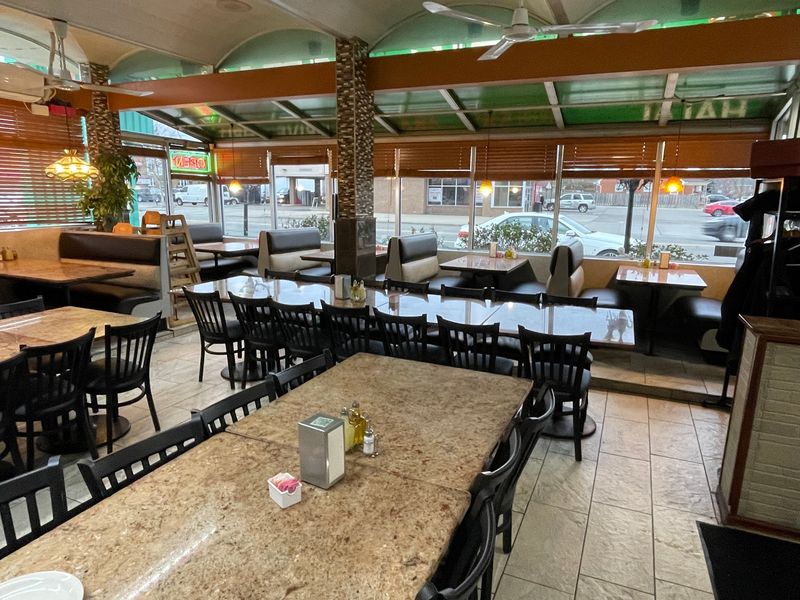
Dearborn knows Lebanese food better than most places in the country, so a restaurant has to do more than serve the standard lineup. Cedarland gets attention because people looking for comfort food often want dishes that taste settled, steady, and familiar.
In a city with high expectations, that kind of consistency says a lot.
Family recipes matter most in foods that many diners grew up eating at home. Lentil soup, rice, stuffed grape leaves, kibbeh, and well-seasoned shawarma all carry a test that is both simple and tough: do they taste cared for.
Restaurants that understand this usually let the food speak through clean flavors rather than oversized tricks.
A good strategy at Cedarland is to notice the meal in layers. Start with soup or salad, move into a few mezze plates, then finish with a grilled or roasted main.
That pace helps the table catch the sharpness of lemon, the warmth of cinnamon or allspice, and the soft contrast between silky dips and crisp vegetables.
Dearborn diners are usually quick to spot the difference between food made for volume and food built on habit. Cedarland fits into the second lane when the meal seems guided by repetition in the best way, the kind learned over years in family kitchens.
That is often why even straightforward dishes can land with more depth.
Bring patience and order broadly rather than locking into one sandwich and moving on. Lebanese cooking shines when several plates overlap, and restaurants with family roots often show their strengths through variety, not just one signature item.
Cedarland makes the case that old recipes still hold up when they remain practical, filling, and full of flavor.
3. Anita’s Kitchen – Ferndale
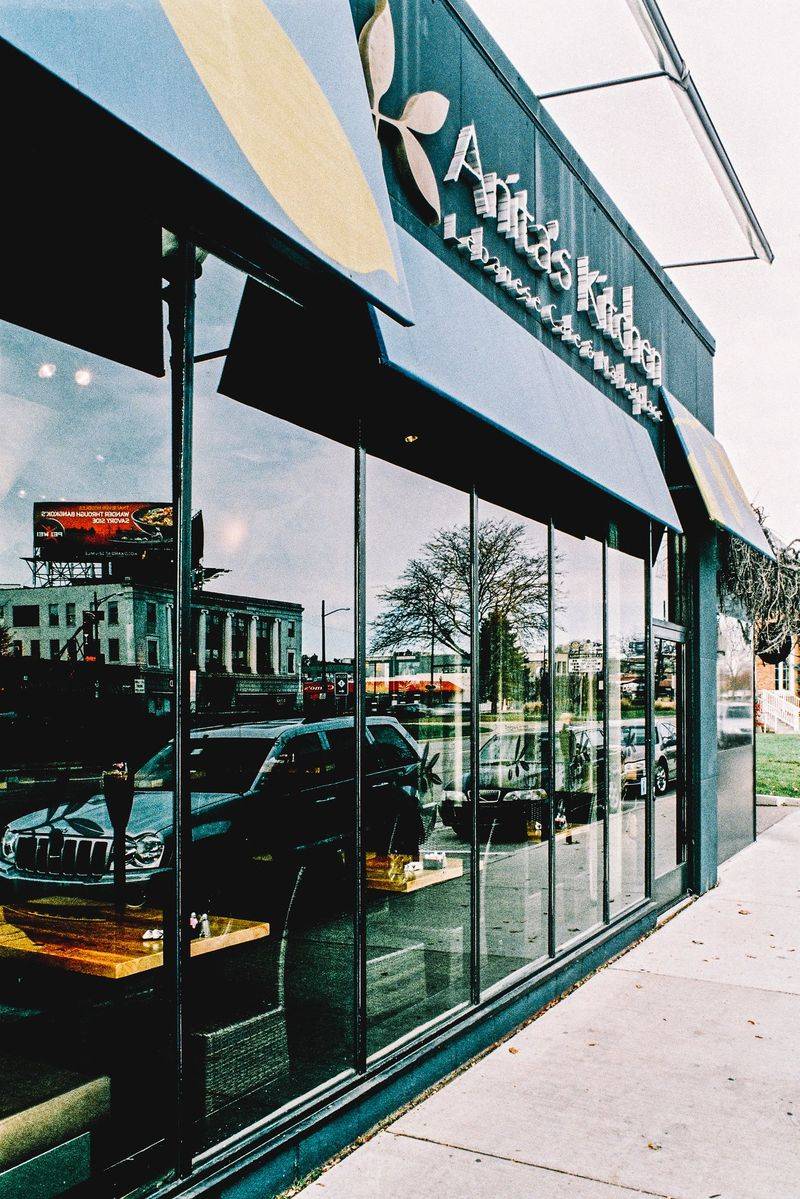
Ferndale tends to like restaurants with personality, and Anita’s Kitchen fits that mood without losing sight of where the food starts. Lebanese cooking can be bright, casual, and easy to love, but it still depends on method.
Family recipes keep that method grounded, especially when breads, dips, and marinades need the right touch rather than a flashy rewrite.
One of the best parts of a place like this is how flexible the menu can feel. A quick lunch, a relaxed dinner, or a table covered in shareable plates all make sense when the cooking is built on familiar combinations.
Garlic, lemon, olive oil, herbs, and warm spices do the heavy lifting, not gimmicks.
Pay special attention to bread and spreads here. Fresh pita, manousheh, labneh, hummus, and similar staples reveal a lot about a kitchen because they rely on timing and balance more than decoration.
When those basics are handled well, everything else on the menu usually follows with more confidence.
Ferndale diners often want food that feels lively but still comforting, and Lebanese recipes are well suited to that mix. Anita’s Kitchen shows how family-driven cooking can stay accessible for newcomers while still giving longtime fans the flavors they expect.
It is a practical kind of appeal, built around meals people can return to on a weeknight without getting bored.
Ordering for the table works especially well if some diners are still learning the menu. Choose a spread with one flatbread, one dip, one salad, and one grilled item, then build bites as you go.
That style turns dinner into a better introduction to Lebanese food and highlights why old household recipes still matter in a city that likes fresh ideas.
4. Leila – Detroit
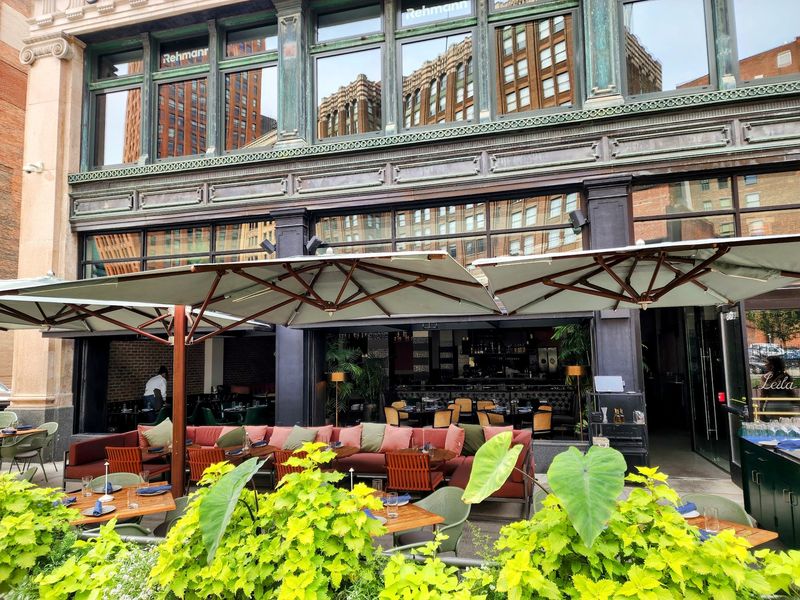
Downtown Detroit has plenty of energy, so a restaurant can easily lean too hard on style and forget the food underneath it. Leila draws interest because Lebanese cooking already has strong foundations, and those foundations hold up even in a more polished setting.
Family recipes are useful here because they give the menu an anchor while the presentation reaches for something sleek.
That matters with a cuisine built on balance. Tart salad, smoky eggplant, rich yogurt sauces, grilled meats, and fresh herbs all need room to stand out without crowding each other.
When a kitchen respects older ways of seasoning and assembling plates, the meal can look modern while still tasting rooted.
A smart plan is to start with a spread of mezze before moving to one larger dish. Smaller plates let the table notice contrast, from cool labneh to charred vegetables to warm bread torn by hand.
Those bites often tell the clearest story about whether a restaurant is drawing from real household cooking instead of only aiming for a polished image.
Detroit diners usually appreciate places that can handle both mood and substance. Leila appears to work in that zone by giving guests a stylish night out without stripping Lebanese food of its familiar core.
That is a tricky balance, and it helps explain why family-based recipes still matter even when the room looks far removed from a home kitchen.
Save time to share dessert or tea if the evening allows. Slowing the pace makes the meal feel less like a checklist and more like a full table experience, which suits Lebanese dining well.
Leila shows that old recipes can travel into a downtown setting and still keep their shape.
5. Ike’s Restaurant – Sterling Heights
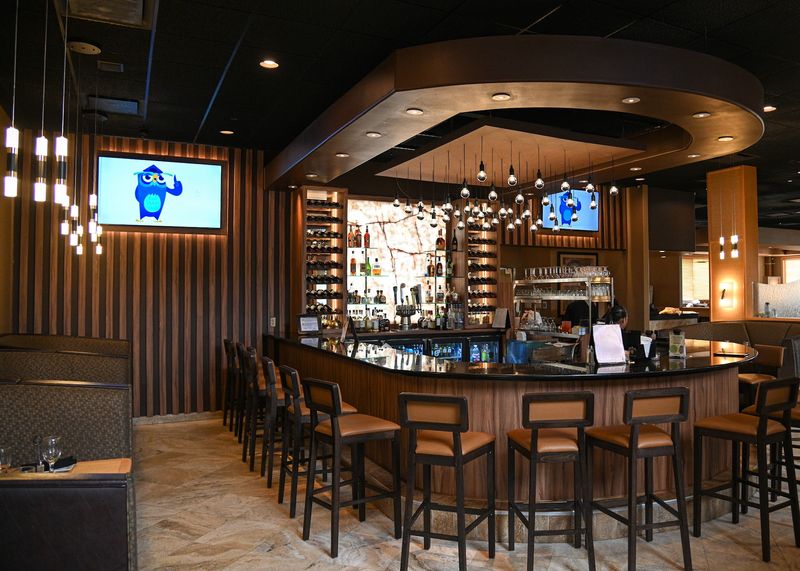
Some restaurants do not need extra noise to make a point. Ike’s in Sterling Heights has the kind of name that suggests regulars, routine, and meals people know well before they sit down.
That can be a real advantage when the draw is family-style Lebanese cooking built on dishes meant to satisfy first and impress second.
Hearty food often reveals tradition better than trend-driven plates do. Rice pilaf, kafta, chicken, soup, salad, and dip combinations can seem modest on paper, but they rely on repetition and judgment.
A recipe passed through a family tends to sharpen those judgment calls, especially around spice levels, texture, and portion balance.
There is also value in a restaurant that understands weeknight dining. Not every meal needs to be an event, and Lebanese food is excellent at covering both comfort and variety in one sitting.
A bowl of soup, a side of hummus, and a grilled entree can feel complete without becoming too heavy or too formal.
Sterling Heights has many dining choices, which makes reliability its own kind of strength. Ike’s seems to fit the places people mention when they want familiar food that still shows care at the kitchen level.
Family recipes help create that trust because they shape the little decisions diners may not name, but definitely taste.
For first-timers, ordering a classic combination is the easiest way to read the menu. Pick one grilled item, one salad, and one spread, then see how the plate handles freshness, seasoning, and warmth.
That simple test often explains why restaurants with deep kitchen habits stay relevant year after year.
Ike’s represents the quieter side of this list, and that matters. Not every Lebanese spot has to chase novelty when solid recipes already know how to do the work.
In places like this, the appeal comes from food that seems built to feed a neighborhood well.
6. Al Ameer Restaurant – Dearborn
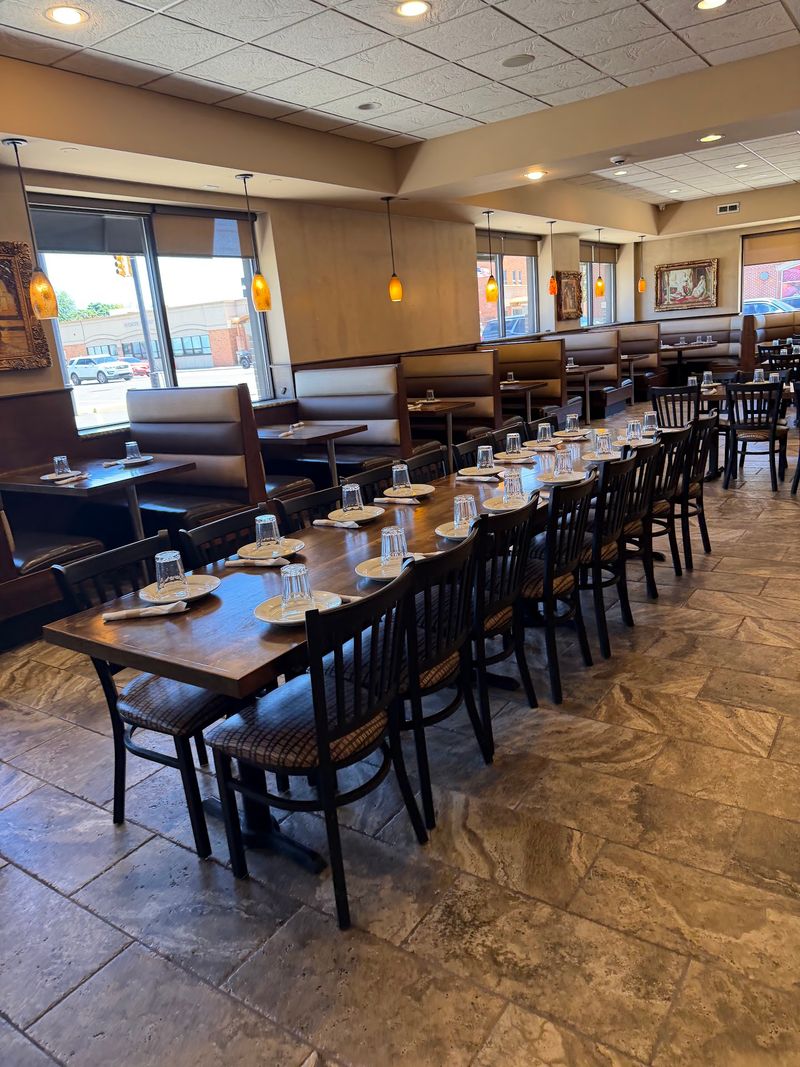
Big reputation or not, a Lebanese restaurant in Dearborn still has to earn its place plate by plate. Al Ameer is often part of the conversation because family-rooted cooking can show up clearly in broad menus that still keep control of flavor.
When a place serves many classics, the challenge is making each one taste deliberate instead of rushed.
That starts with the table basics. Hummus should be smooth, salad should have snap, grilled meats need proper seasoning, and warm bread has to arrive ready to do its job.
None of that is dramatic, yet those are the exact points where inherited kitchen habits matter most.
Dining here makes the most sense when approached as a shared meal. Order a spread that moves across textures, cool and creamy dips next to crisp vegetables, then richer items like kibbeh or mixed grill.
Lebanese food often tells its story through contrast, and a family recipe tradition helps those contrasts stay balanced rather than chaotic.
Dearborn diners tend to know what they like, which creates pressure in a good way. Restaurants cannot glide by on vague charm when people at nearby tables may have strong memories of similar dishes made at home.
Al Ameer benefits from that context because recipes with family roots usually hold up better under close comparison.
Go hungry, but order with a plan. It is easy to overload the table and miss details, especially with larger platters.
A focused mix of dips, salad, and one or two mains gives a stronger read on the kitchen and keeps the meal from turning into background noise.
Plenty of places can serve Lebanese food, but fewer make diners pause over the basics. Al Ameer belongs in this conversation because old recipes still have practical power.
They guide consistency, shape flavor, and help a busy restaurant keep real character in the middle of a full dining room.
7. Phoenicia – Birmingham

Birmingham diners often expect polish, but polish alone cannot carry a Lebanese menu very far. Phoenicia stands out in this discussion because the best versions of this cuisine still depend on old kitchen logic, even when the room reads a little more refined.
Family recipes bring steadiness to a menu that may otherwise drift toward appearance over substance.
There is real skill in making a meal taste clean and layered at the same time. Lemon has to brighten without taking over, herbs should stay fresh, and grilled items need enough char to add depth without turning dry.
Those are learned habits, and restaurants drawing from family tradition often handle them more naturally.
Birmingham is a good setting for diners who want Lebanese food in a slightly dressier frame. That does not have to water anything down.
In fact, a sharper setting can make it easier to notice the precision of a well-made mezze plate, the texture of rice, or the way a sauce ties together a main course.
A helpful approach here is to slow down and order in stages. Start light with salad and spreads, then move into a larger plate once the table has a sense of the seasoning style.
That rhythm leaves more room to appreciate the details that family-rooted cooking tends to protect.
Phoenicia fits readers looking for a restaurant where heritage and presentation can share the same table. The important part is not whether the room looks formal or casual.
It is whether the food still carries the practical wisdom of recipes shaped at home, where balance mattered because dinner had to please real people, not just look good for one night.
That is why places like Phoenicia matter in Michigan’s Lebanese food scene. They show that tradition can move comfortably into a polished suburb without losing its edge.
When the fundamentals stay strong, the setting becomes a bonus rather than a distraction.
8. La Saj Lebanese Bistro – Troy

Fast meals and family recipes do not always get mentioned in the same sentence, yet La Saj in Troy makes that pairing easy to understand. Lebanese food is naturally suited to quick service when the building blocks are strong.
Fresh bread, seasoned meat, sharp pickles, and balanced sauces can deliver a lot of flavor without turning the meal into a long production.
The key is whether speed trims away care or simply trims away delay. Family-based cooking helps on that front because many of the best dishes come from repeatable methods used over and over.
Marinades, dough, spreads, and grill timing all benefit from routines that were learned in kitchens where dinner had to come together reliably.
Troy is full of people looking for practical places to eat, especially during a busy workday or on the way home. A Lebanese bistro can fit that need well if it protects the details that make the cuisine distinct.
Warm saj bread, bright garlic sauce, and well-built wraps or platters should still taste considered, not automatic.
One useful move here is to compare a sandwich-style order with a plated entree. The wrap shows how the restaurant handles bread, fillings, and balance in a compact format.
The platter gives more room to judge rice, salad, dips, and grilled items on their own.
La Saj belongs on this list because family recipes are not only about slow, ceremonial meals. They also shape the everyday lunches and weeknight dinners people actually depend on.
In a city like Troy, that matters a lot.
The best case for a place like this is simple. It proves that heritage can travel through convenient food without getting flattened into sameness.
When old recipes guide the basics, even a quick stop can deliver the kind of flavor that makes Lebanese cooking memorable in the first place.
Share this story