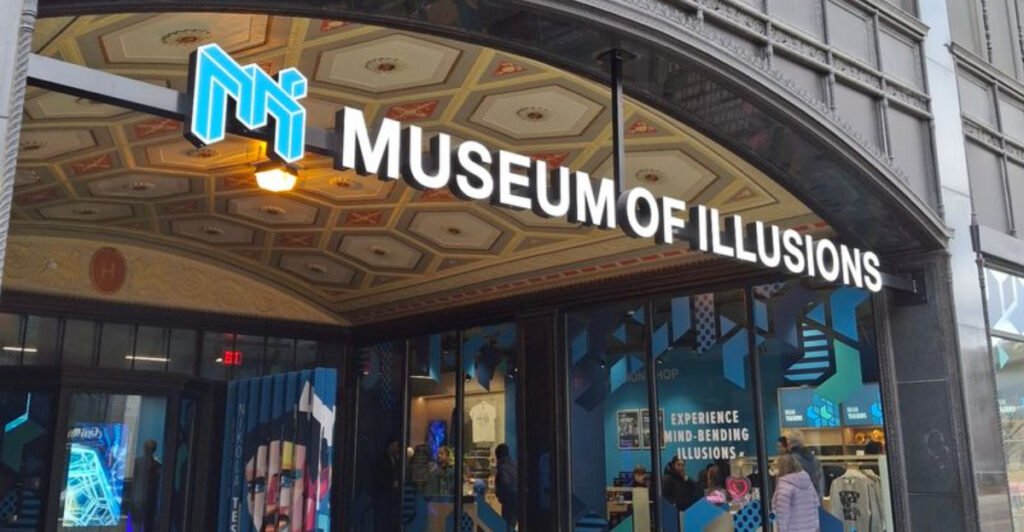
Reality gets a little slippery inside this Woodward Avenue museum. In Detroit, Michigan, the Museum of Illusions turns mirrors, lights, angles, perspective tricks, and interactive rooms into playful puzzles that pull visitors straight into the experience.
Families, friends, and curious day-trippers do more than look from a distance here; they step inside the illusions, test what they think they are seeing, and leave with photos that are almost impossible to explain without showing someone. It is fun, disorienting, and built for the kind of visit where everyone ends up comparing reactions.
For anyone looking for a Michigan museum that feels hands-on, surprising, and easy to share, this Detroit stop delivers.
Woodward Avenue Opens the Door to the Unexpected
A busy downtown block is not where most people expect their sense of balance to be challenged, yet that surprise is part of the fun here. Set along Woodward Avenue in the middle of Detroit, the Museum of Illusions uses its city location well, giving the visit an energetic start before anyone even reaches the first exhibit.
The area around the museum adds a lively frame to the experience. Traffic moves by, people head between shops and attractions, and then suddenly the day shifts from ordinary city exploring to a place built around visual tricks, strange angles, and playful confusion.
That contrast helps the museum stand out. It is not tucked away like a quiet gallery, and it does not ask visitors to lower their voices and keep moving in a straight line.
Instead, it fits right into downtown life while offering something much weirder once the doors open.
Inside, the layout is designed for movement rather than long still moments. Rooms and displays encourage stopping, turning, crouching, and looking twice, which makes the whole visit feel active right from the start.
Families notice that energy quickly because children can engage with the exhibits instead of being told not to touch. Adults catch on just as fast, especially when a simple wall pattern or mirror setup starts creating effects that make no sense at first glance.
The location also makes the museum easy to pair with the rest of a Detroit day. It works as a main event for an hour or two, but it also fits nicely between lunch, a walk downtown, or another nearby stop.
For anyone planning a visit, that urban setting brings one practical detail too. Parking can take a little patience, so arriving early or planning for a garage nearby can make the start smoother and keep the focus on the strange sights waiting inside.
Rooms That Turn Photos Into the Main Event
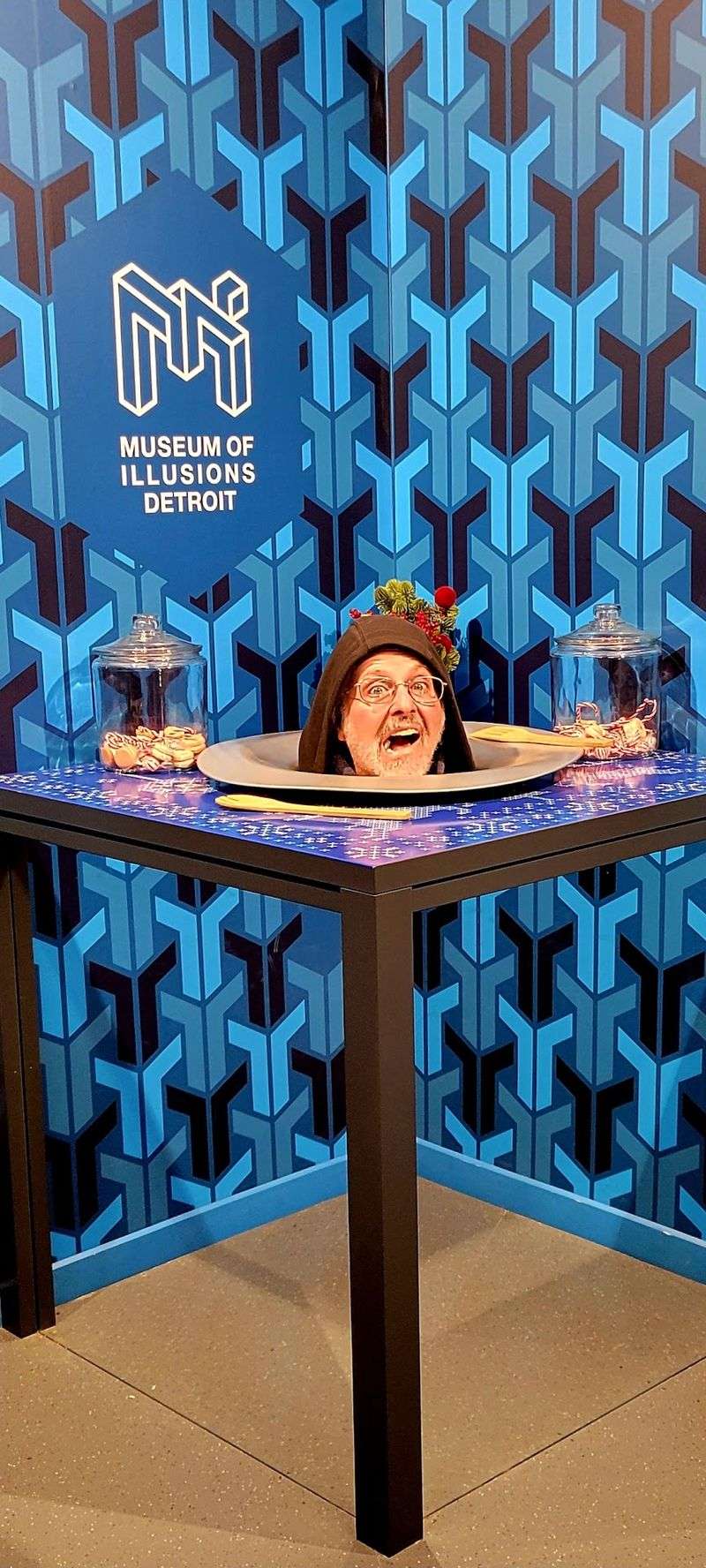
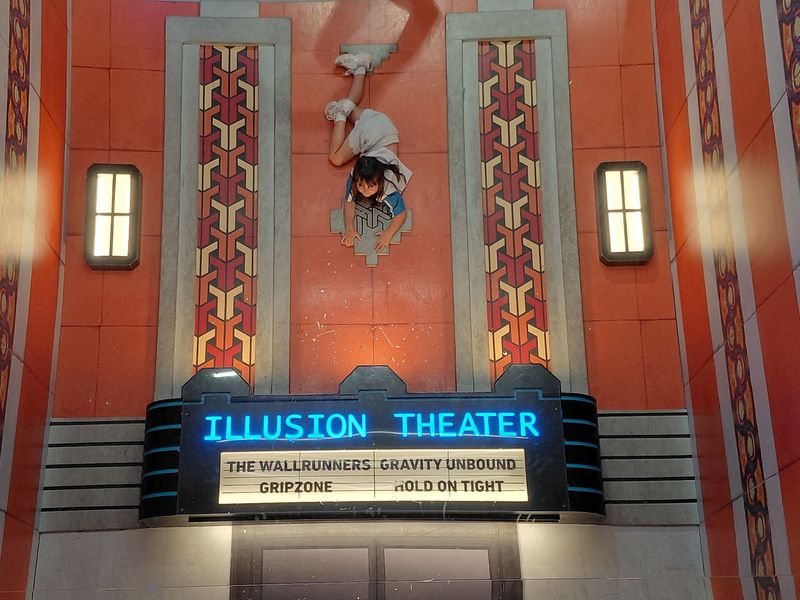
Some museums are best remembered through postcards. This one is built for camera rolls packed with strange, funny, impossible-looking pictures that make friends ask how the shot was even taken.
That photo-friendly design is one of the biggest reasons the museum works so well for groups. Many exhibits are not complete until somebody stands in the right spot, another person lines up the shot, and the image suddenly flips reality in a way the eye alone cannot fully catch.
Size-changing rooms are a perfect example of that trick. One person can appear tiny while another looks enormous, even though both are standing only a short distance apart, and the effect depends on perspective more than special effects.
Mirror setups, tilted spaces, and carefully marked photo points keep the momentum going. Instead of wandering past labels and display cases, visitors become part of the exhibit, which changes the mood from passive viewing to shared problem-solving and laughter.
That makes the museum especially useful for mixed-age outings. Younger kids enjoy the silliness, teens get social-media-ready images, and adults usually end up more amused than expected once they stop trying to act too serious.
Helpful staff can matter a lot here because the best illusion photos often depend on exact positioning. A small shift to the left or a lowered camera angle can be the difference between a confusing picture and one that looks delightfully impossible.
There is also a practical lesson hidden in all that fun. Wearing comfortable clothes and being ready to move around helps, because some of the strongest images come from kneeling, leaning, or stepping into odd corners to match the setup correctly.
By the end of the visit, the museum has usually handed each group a collection of pictures that works as both proof and puzzle. The camera captures the trick, but the brain still wants to argue with what it sees.
The Spinning Tunnel That Scrambles Your Balance
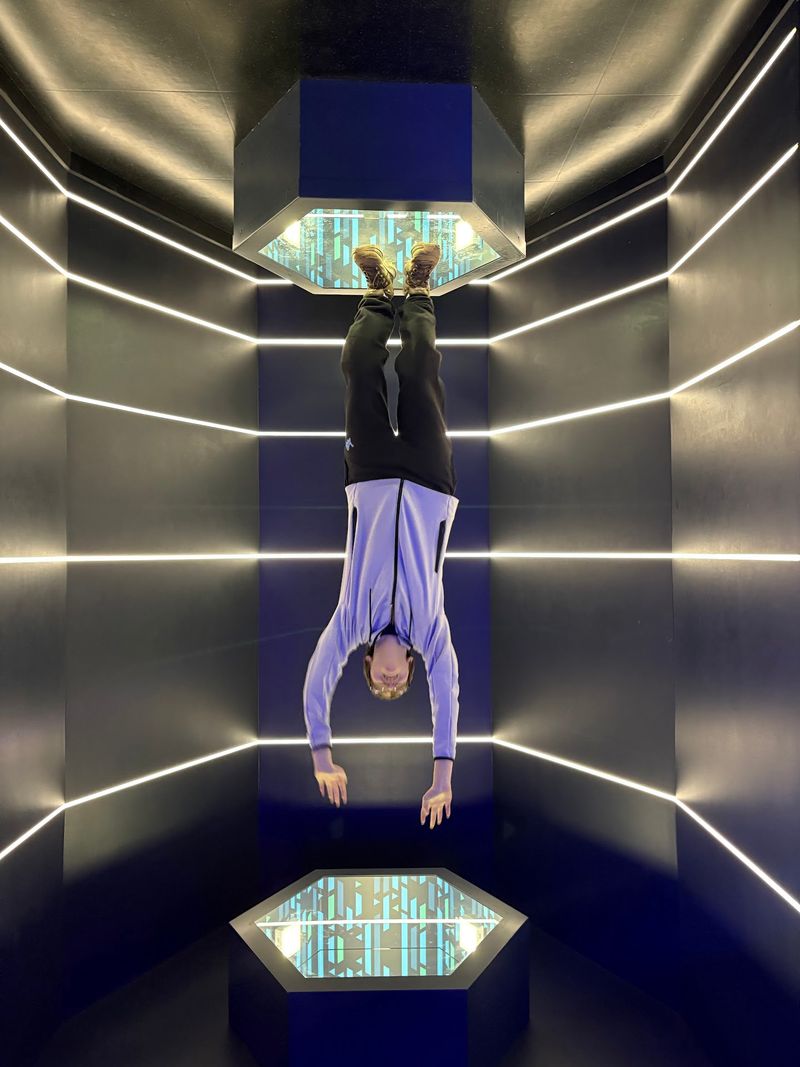
Few museum features create instant drama like a tunnel that makes solid ground seem wildly unreliable. The spinning vortex attraction at the Museum of Illusions is the kind of exhibit that turns a normal walk into a comic struggle for balance.
The setup sounds simple enough at first. A walkway stays firm beneath your feet while the tunnel around it rotates, but the eyes send a message to the brain that the whole world is tilting, swaying, or falling sideways.
That mismatch is exactly why the tunnel is such a standout. It shows, in a direct and physical way, how easily vision can overpower logic, even when the body is standing on a steady surface and the mind knows the trick.
Reactions in this space tend to be immediate. People grab the rails, laugh, slow down, stop halfway, or lean in odd directions because their bodies keep trying to correct a movement that is not really happening.
Unlike an illusion that only works from one camera angle, this one is felt as much as seen. It brings the museum’s big idea into the body itself, which makes the science of perception easier to understand without needing a long explanation on a wall.
For visitors who get dizzy easily, a slower pace is the smart move. Looking at one fixed point, using the handrails, and not rushing through can make the experience more manageable while still letting the effect do its job.
Parents with younger children may want to preview the tunnel before urging anyone forward. Some kids find it hilarious, while others may prefer to watch first and decide whether they want the challenge.
Either way, the exhibit delivers one of the clearest examples of why this museum works. A plain walkway becomes unforgettable once rotating walls convince the body that a calm step has turned into a wobbling adventure.
Puzzle Corners and Brain Teasers Slow the Pace in a Smart Way
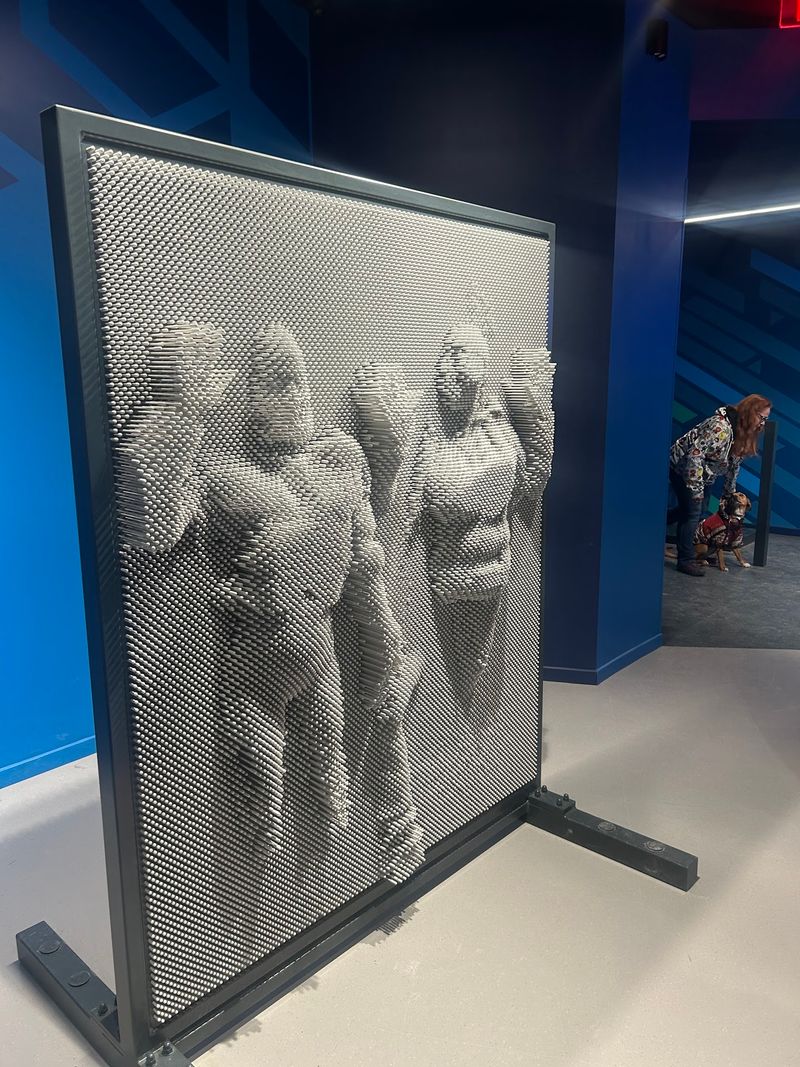
After the bigger visual tricks grab attention, the quieter challenge areas bring a different kind of fun. Puzzle stations and brain games give the museum a thoughtful side, asking visitors to use logic, patience, and pattern recognition instead of just reacting to a surprise room.
That shift in pace is useful because it keeps the visit from becoming one long blur of camera moments. A strong illusion can hit fast, but a tabletop puzzle or mind-bending visual problem invites people to pause, compare ideas, and test a solution together.
Children often jump into these stations with bold confidence, turning pieces quickly and guessing freely. Adults sometimes slow down more, studying details and trying to outthink the game, which can make the challenge even more entertaining to watch.
The educational value comes through naturally here. Without feeling like a classroom lesson, the exhibits show how the brain looks for patterns, takes shortcuts, and sometimes reaches the wrong answer because it wants a quick explanation.
That makes the museum a good fit for families who want more than funny photos. It adds a layer of hands-on learning that supports the larger theme of perception, problem solving, and the strange gap between what seems obvious and what is actually true.
These stations also help groups spread out a little, which can make the visit feel more comfortable during busier times. When one room is full of people lining up for a picture, another corner may offer a chance to reset and explore at a calmer speed.
Visitors can get more out of this section by resisting the urge to rush. Trying a puzzle twice, reading the explanation, or watching how someone else approaches the same problem often reveals more than the first quick attempt.
In a museum built around surprise, these quieter areas do important work. They turn the experience from pure spectacle into a playful lesson about how the mind guesses, misfires, adjusts, and tries again.
A Family Outing in Michigan That Rarely Leaves Anyone Standing Aside
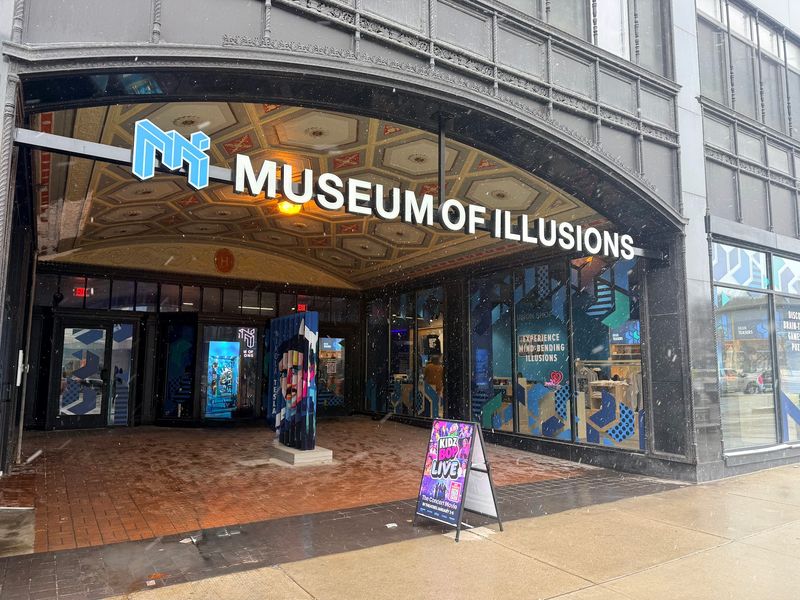
Getting a whole group interested in the same activity can be tricky, especially when ages, energy levels, and attention spans all point in different directions. The Museum of Illusions does a rare thing well by giving kids, teens, adults, and even older visitors clear ways to join in without needing the exact same kind of fun.
Hands-on exhibits help a lot with that balance. Instead of asking everyone to quietly absorb information at the same pace, the museum lets each person engage through movement, observation, problem solving, or photography.
Young children often respond first to the sillier rooms and mirror effects. They laugh at upside-down spaces, size tricks, and strange reflections, while older siblings may focus more on getting the perfect shot or testing how the illusion works.
Adults usually enter thinking they are there for the kids and then end up fully involved. The museum’s strongest trick may be how quickly it turns a simple family stop into a shared activity where every age group has a role, whether that means posing, directing photos, or solving visual puzzles.
Even the typical visit length helps. Many groups spend around forty-five minutes to a little over an hour, which is long enough to feel satisfying but short enough to fit into a larger downtown day without draining younger children.
Practical details make a difference too. Lockers for coats and extra items can lighten the load, which matters in a place where people move, turn, pose, and shift around often.
Families planning a visit should think ahead about timing and ticketing. Buying tickets in advance may cut down on waiting, and going earlier in the day can make it easier to move through popular photo spots with less crowd pressure.
For Michigan families looking for a downtown activity that invites participation instead of passive watching, this museum fills that role neatly. Nobody has to stand off to the side when the exhibits only work best with people inside them.
Helpful Staff Make the Tricks Easier to Understand
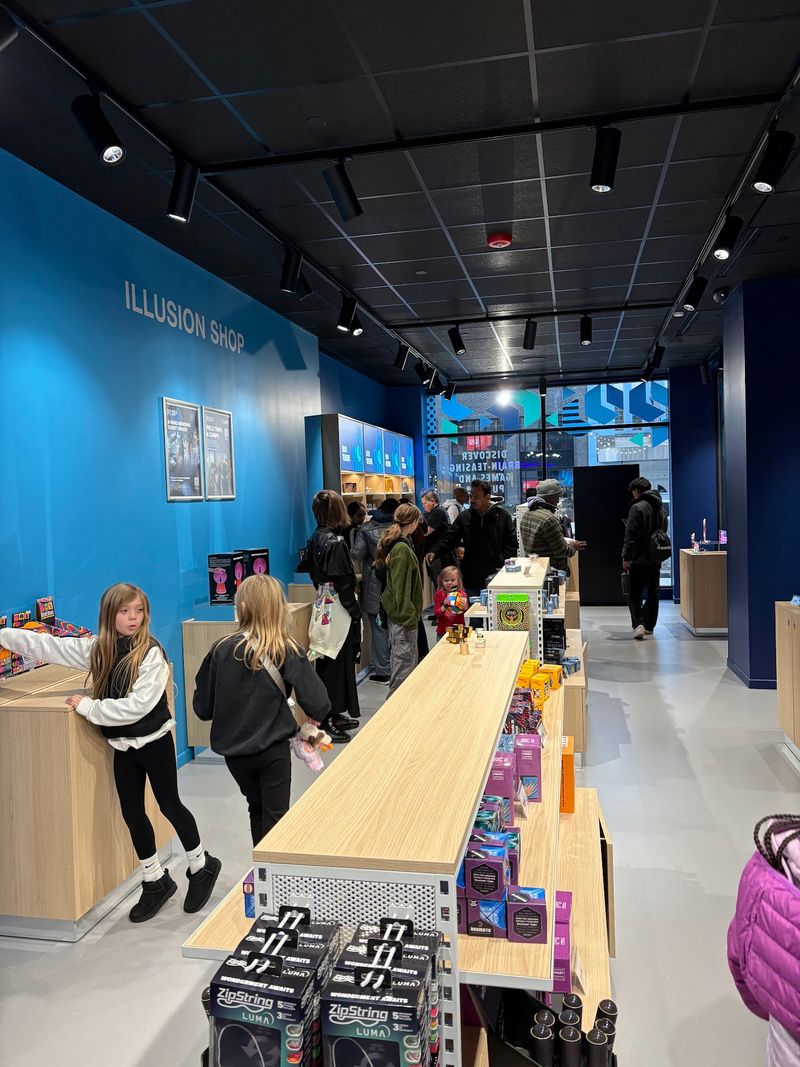
An illusion can be brilliant on paper and still fall flat if nobody knows where to stand or what to look for. At this Detroit museum, staff guidance adds a practical layer that helps the exhibits land the way they are meant to.
That support shows up in small but important ways. A quick explanation at the right moment can reveal why a mirror room works, how to frame a forced-perspective photo, or where to place each person so the image suddenly clicks.
Because many of the displays are interactive, good staffing matters more here than in a museum where objects simply sit behind glass. Visitors are not only learning facts, they are actively trying to trigger an effect, which means timing, positioning, and confidence all shape the experience.
Friendly service also changes the mood for newcomers who may not know whether to move fast or slow, pose seriously or play around, touch the puzzle pieces or hold back. A welcoming team helps remove that uncertainty and gives the space a more relaxed, open feel.
That is especially useful for group photos. When friends or family members are all trying to fit into one illusion shot, someone who can offer a quick suggestion about angle or spacing can save time and turn a near miss into a standout picture.
There is another benefit too. Staff presence helps keep the flow moving in a place where popular exhibits can attract short lines, repeated photo attempts, and plenty of excited second guesses.
Visitors can make the most of that help by asking simple questions instead of guessing. If a room seems confusing or a photo does not look right, a short conversation may unlock the whole setup and make the exhibit much more satisfying.
In a museum centered on visual mischief, guidance does not take away the surprise. It sharpens it.
The trick still delights, but now the path into it is smoother, clearer, and far more fun for the people trying to make sense of what their eyes insist is real.
How to Time Your Visit for the Smoothest Detroit Experience
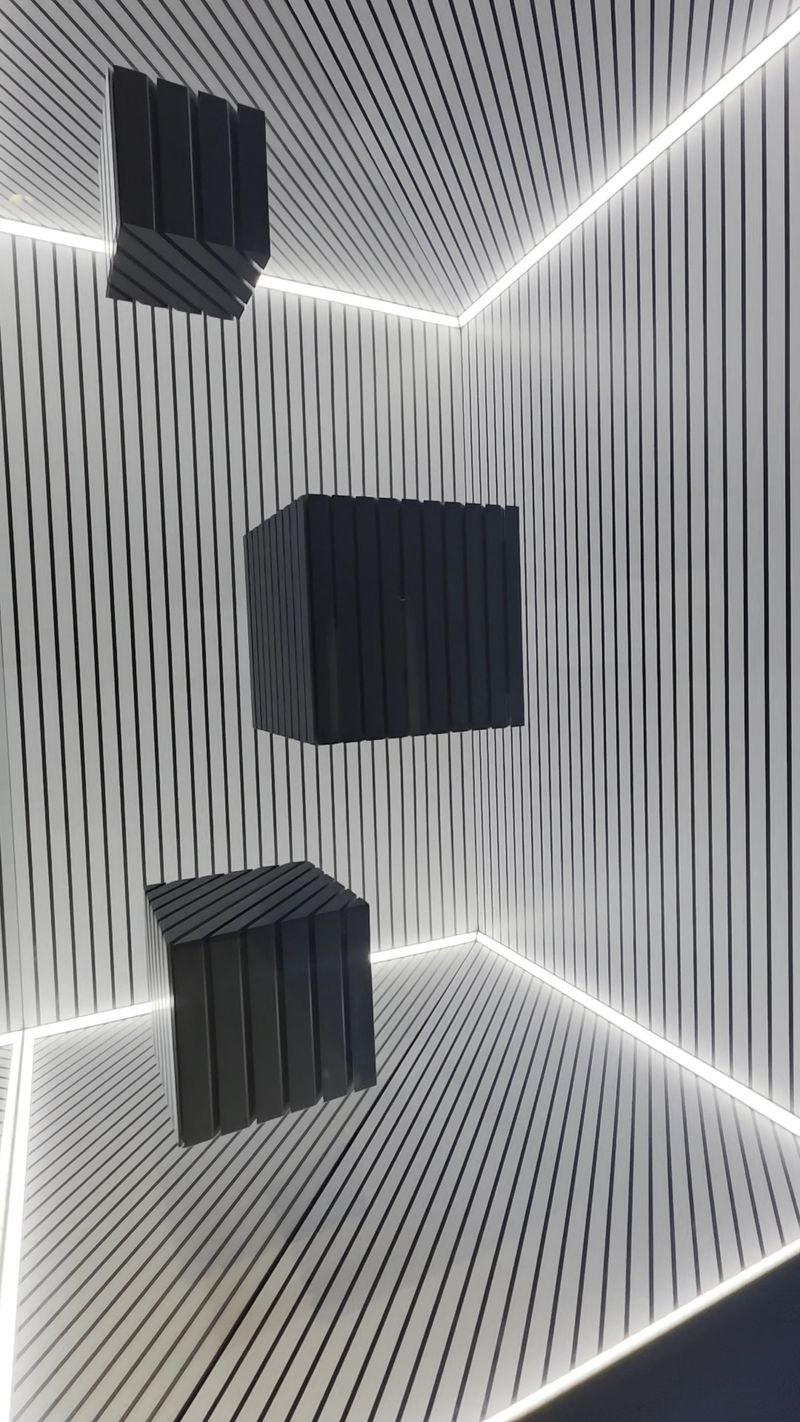
A little planning goes a long way with a place built around interactive rooms and photo setups. The Museum of Illusions is most enjoyable when visitors arrive ready for a short but active experience instead of expecting a long traditional museum tour.
Most people can move through the space in about an hour, though the pace changes depending on crowd levels, how many photos a group wants, and how long everyone spends at puzzles or trick rooms. That makes timing especially important if the museum is only one stop in a larger Detroit outing.
Buying tickets in advance is one of the smartest moves. Since entry can happen in smaller waves during busy periods, online booking may help reduce waiting and make the start of the visit less frustrating.
Early visits can also be helpful, especially for anyone who wants cleaner photo opportunities and a bit more breathing room near popular exhibits. Later evening hours on Fridays and Saturdays create flexibility for date nights or weekend plans, but they may also bring a livelier rush.
Parking deserves attention before arrival. The museum sits in a busy downtown area, so visitors should expect to use street parking or a nearby garage rather than count on an easy dedicated lot right at the door.
A few comfort choices can improve the visit once inside. Travel light if possible, wear shoes that feel steady on your feet, and be prepared for rooms that involve turning, balancing, crouching, and walking carefully through visual tricks.
Families with children may want to talk ahead about taking turns at photo spots. That simple plan can keep the experience moving and help everyone get a chance to enjoy the most popular exhibits without feeling rushed by the next group.
Handled well, the museum fits neatly into the rhythm of downtown Detroit. It works for a weekend family break, a playful date, or an easy add-on between meals and city exploring, all without demanding a full day.
Share this story