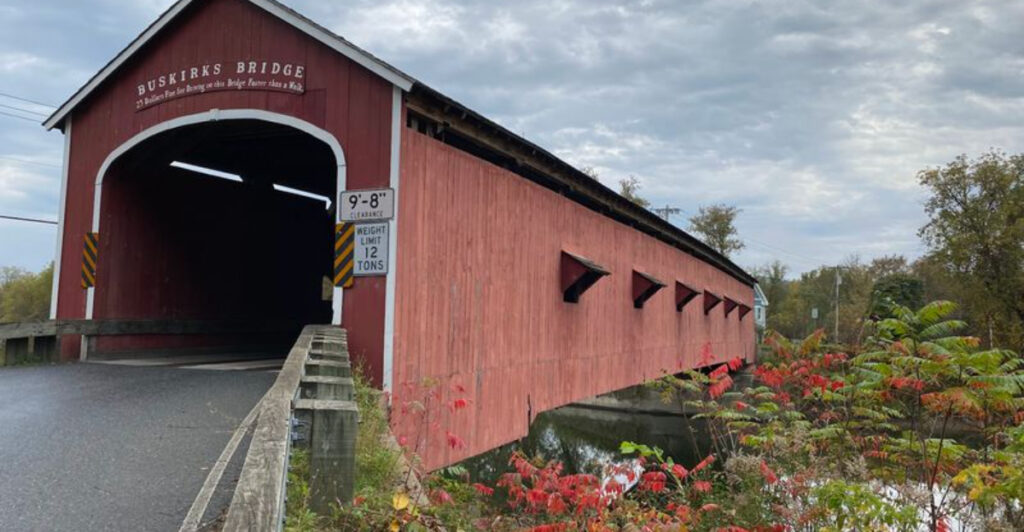
New York is famous for tall buildings, busy streets, and big city lights, but another side of the state feels quiet, old-fashioned, and full of country charm. Tucked into valleys, small towns, and stream crossings, covered bridges remind visitors of horse-and-buggy days, hand-built craft, and the kind of peaceful scenery that seems made for a movie about memory, love, and passing time.
Each one has its own look, local story, and setting, yet they all share something special: they make you slow down, notice the water, trees, and weather around you, and imagine what travel felt like long before highways and traffic signs ruled the road.
If you have ever loved the soft, nostalgic mood of classic bridge stories, these seven New York covered bridges are worth a closer look because they show that you do not need to go to Iowa to find romance, history, and picture-perfect wooden spans hiding in plain sight.
1. Historic Hyde Hall Covered Bridge (Cooperstown)
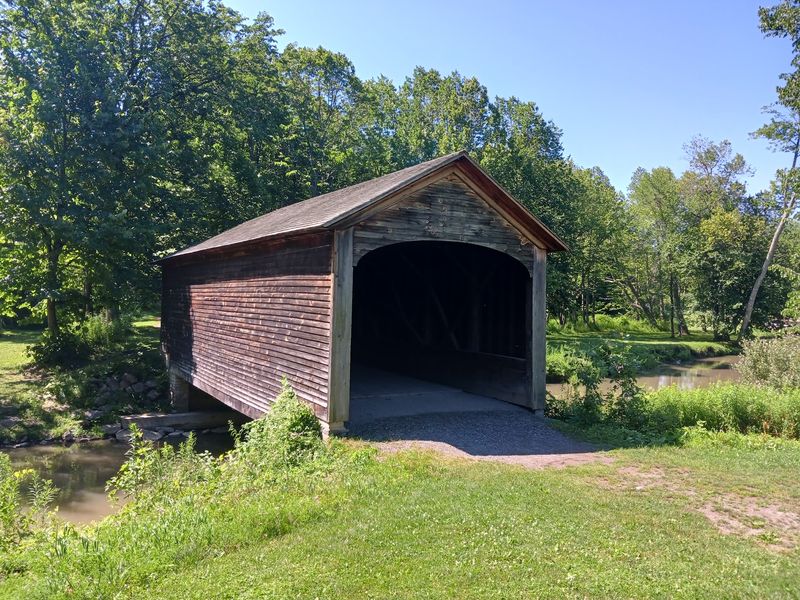
Long before many travelers reach the baseball attractions in Cooperstown, a quieter treasure waits among woods and water.
Historic Hyde Hall Covered Bridge has the kind of graceful, storybook look that makes people stop talking for a second and simply stare, especially when leaves turn red and gold around the span.
Built in 1825, it is known as the oldest covered bridge in New York and one of the oldest surviving covered bridges in the United States.
Its long wooden shape stretches across Shadow Brook near Otsego Lake, and its unusual design gives it extra character for anyone who enjoys old engineering.
Seeing a bridge stand strong for two centuries can make a short visit feel surprisingly meaningful.
The setting adds a lot to the experience.
Since the bridge sits near Hyde Hall and Glimmerglass State Park, you can easily turn one stop into a half day of sightseeing, walking, and taking photos.
Early morning and late afternoon usually bring the prettiest light, and those times also tend to feel calmer if you want a more peaceful look at the bridge without too many people nearby.
Families, casual road trippers, and history fans all have something to enjoy here.
Kids can notice how the bridge looks different from modern concrete crossings, while adults may appreciate the careful wooden framing and the way the landscape seems to hold onto another century.
Bring comfortable shoes if you plan to explore the grounds, and keep your camera ready because reflections in the water can be excellent after a still day.
What makes Hyde Hall especially memorable is the mood it creates.
Instead of feeling like a roadside object you glance at and leave behind, it feels like a scene, almost waiting for characters to walk through it carrying letters, secrets, or old hopes.
For anyone searching New York for a covered bridge with true movie magic, this one easily earns its place near the top.
2. Beaverkill Covered Bridge (Roscoe)
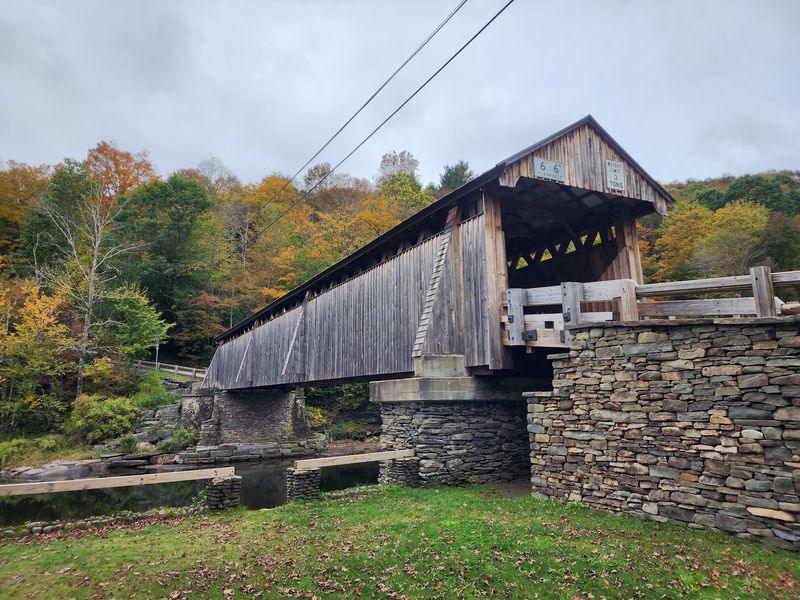
Some bridges feel like they belong in a painting, and the Beaverkill Covered Bridge is one of them.
Resting in Roscoe, a town already loved by anglers and Catskills travelers, this bright red span brings a cheerful pop of color to a landscape filled with water, hills, and clean country air.
Built in 1865, the bridge crosses the Beaver Kill, one of New York’s best-known trout streams.
That location gives it a special identity because the area is tied closely to fly-fishing history, so a visit here blends architecture, local heritage, and outdoor beauty all at once.
The bridge is not just something to look at from a distance.
It is part of a setting that invites wandering, pausing, and taking in the sounds of the creek below.
Roscoe is often called Trout Town USA, and that nickname adds extra personality to the stop.
If you are planning a scenic drive, pair the bridge with nearby river views, local diners, or a walk along the water.
Spring and early fall can be especially rewarding because the stream runs lively and the surrounding trees help frame the bridge in a way that looks wonderful in photos.
Visitors should take a little time to notice details many people miss at first.
The simple wooden sides, the weathered feel, and the bright red color all work together to give the bridge a welcoming look rather than a grand one.
That modest charm is part of why it feels so memorable.
It does not need size or fancy decoration to leave an impression.
There is also something deeply relaxing about this spot.
While some historic places feel stiff or overly protected, Beaverkill feels connected to everyday life in the Catskills, as if it still belongs naturally to the road, stream, and town around it.
For readers chasing a New York bridge with heart, color, and a strong sense of place, this Roscoe favorite absolutely deserves a spot on the list.
3. Downsville Covered Bridge (Downsville)
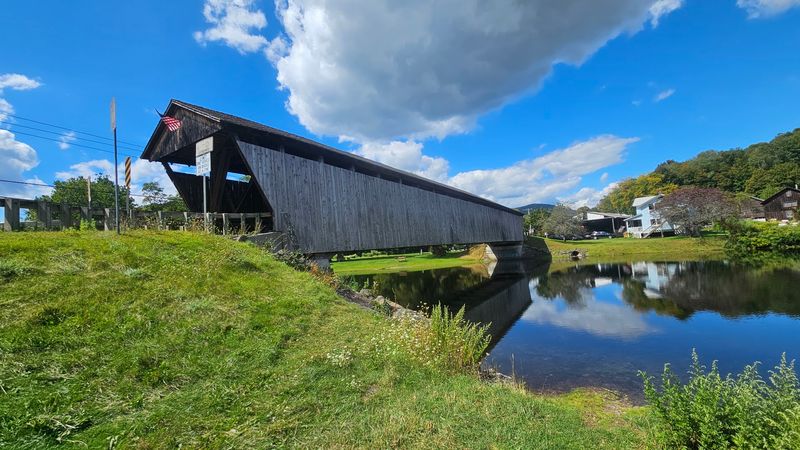
Right in the middle of town, the Downsville Covered Bridge manages to feel both everyday and unforgettable.
Cars pass through it, local life moves around it, and yet the bridge still carries a strong sense of romance, as though a quiet old movie could begin there with one slow shot of the river below.
Completed in 1854, this handsome red bridge crosses the East Branch of the Delaware River in Delaware County.
Its location is one reason it stands out.
Instead of hiding far away on a back road, it serves as part of the town itself, which makes it easy for visitors to experience history without a long detour.
That closeness to shops, streets, and homes gives the bridge a lived-in character many historic places do not have.
Because Downsville sits in a scenic stretch of the Catskills region, the bridge changes its mood with the seasons.
Summer gives it rich green surroundings, fall brings bright color, and winter can make the red structure look striking against snow and gray skies.
If you enjoy photography, stepping back to include the river and nearby landscape will help show why the bridge feels larger than just its wooden frame.
A good visit here does not need a big plan.
Stop, walk around town a little, listen to the water, and notice how naturally the bridge fits into the community.
Families can turn it into a simple lesson about transportation before steel and concrete, while road trippers may just enjoy the feeling of finding something authentic instead of polished for tourists.
Downsville Covered Bridge has a practical side, but that is part of its charm.
It was built to be useful, and it still looks like it belongs exactly where it is.
That mix of beauty and purpose makes it easy to picture in a sweeping story about small towns, changing times, and the places that quietly hold people together year after year.
4. Historic Buskirk’s Covered Bridge (Buskirk)
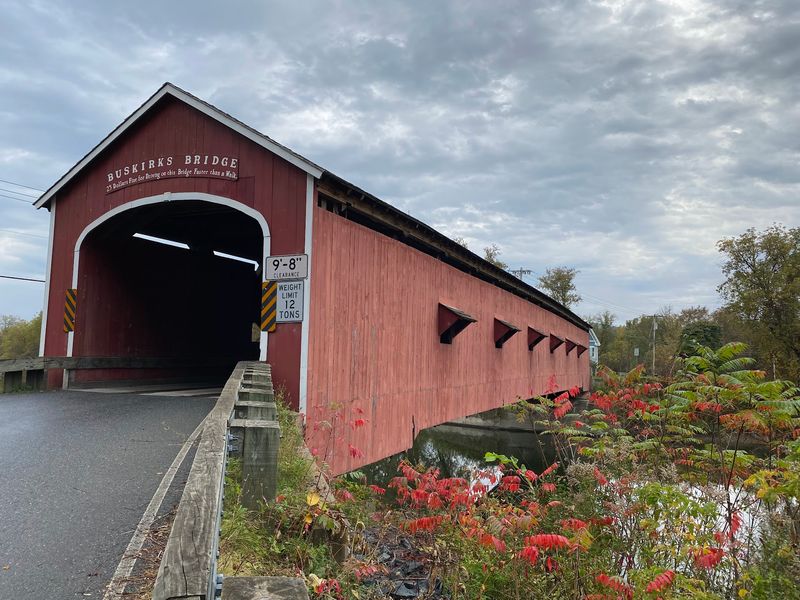
Few bridges can claim two states at once, and that little twist gives Buskirk’s Covered Bridge instant charm.
Standing near the New York and Vermont line, it feels like the kind of place where a simple crossing becomes a small adventure, especially for travelers who enjoy back roads more than busy highways.
The bridge was built in 1850 and spans the Hoosic River.
Its red wooden body and classic covered form make it photogenic, but the border location adds a storybook quality that sets it apart from other bridges in New York.
You are not just looking at old carpentry.
You are visiting a crossing that has linked communities, farms, and travelers for generations in a landscape shaped by river life and rural movement.
Buskirk is quieter than many famous tourist spots, and that is part of the reward.
The bridge offers a more tucked-away experience, one that feels personal rather than crowded.
If you like discovering places that seem almost borrowed from another era, this is the kind of stop that sticks in your memory.
The surrounding scenery, with open land and gentle roads, helps the bridge feel even more timeless.
When planning a visit, give yourself room to slow down instead of rushing in and out.
Notice how the bridge sits within the countryside rather than overpowering it.
Bring a camera with a wide view if possible, since the river and the approach to the bridge help tell the full story.
On a cloudy day, the red wood can stand out beautifully against softer skies and muted fields.
Buskirk’s Covered Bridge also carries a pleasant sense of surprise.
It is not always the first name people mention when talking about New York landmarks, yet that only makes the discovery sweeter.
For anyone wanting a covered bridge that feels remote, historic, and a little unusual, this borderland beauty has the mood, the history, and the setting to belong in a deeply nostalgic film.
5. Historic Newfield Covered Bridge (Newfield)
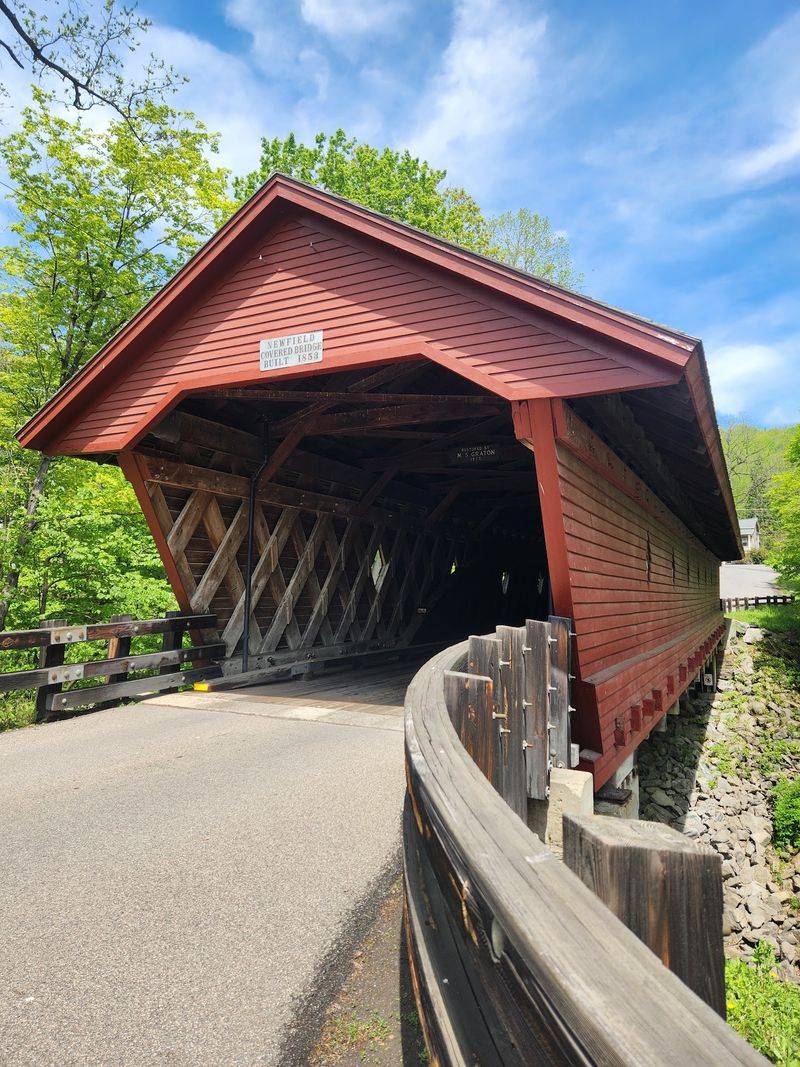
A bridge does not have to be huge to win people over, and Newfield proves that point with ease.
Tucked in Tompkins County near the Finger Lakes region, Historic Newfield Covered Bridge has a friendly, approachable look that feels less like a monument and more like a beloved neighbor from another century.
Dating to 1853, the bridge crosses Cayuga Inlet and reflects the practical building style of its time.
Still, practical does not mean plain.
The red exterior, wooden structure, and compact setting all combine to create a scene that feels inviting and easy to enjoy.
Travelers exploring Ithaca and the nearby countryside often find that this quieter stop gives them a welcome change from busier attractions.
One of the nicest things about Newfield is how naturally it fits into a day of local exploring.
You can pair it with waterfalls, farm stands, country roads, or a casual drive through the area.
Because the bridge is part of a region known for scenic beauty, it benefits from everything around it, from green summer growth to the softer colors that come later in the year.
Even a short stop can feel restful.
Visitors who like historic structures should look at how the bridge balances simplicity and endurance.
It was built for daily use, not for fame, yet that humble purpose is exactly what makes it easy to love.
The bridge feels rooted in community life.
It does not ask for attention loudly.
Instead, it rewards people who take a closer look and appreciate craftsmanship that has outlasted changing roads and changing times.
There is also a warm, almost homey quality here that suits the title of this article well.
Newfield Covered Bridge does not just preserve wood and nails.
It preserves atmosphere.
For readers searching New York for a bridge that suggests slow drives, quiet talks, and the beauty of ordinary places made special by time, this Finger Lakes area favorite deserves an easy yes.
6. Historic Fitch’s Covered Bridge (Delhi)
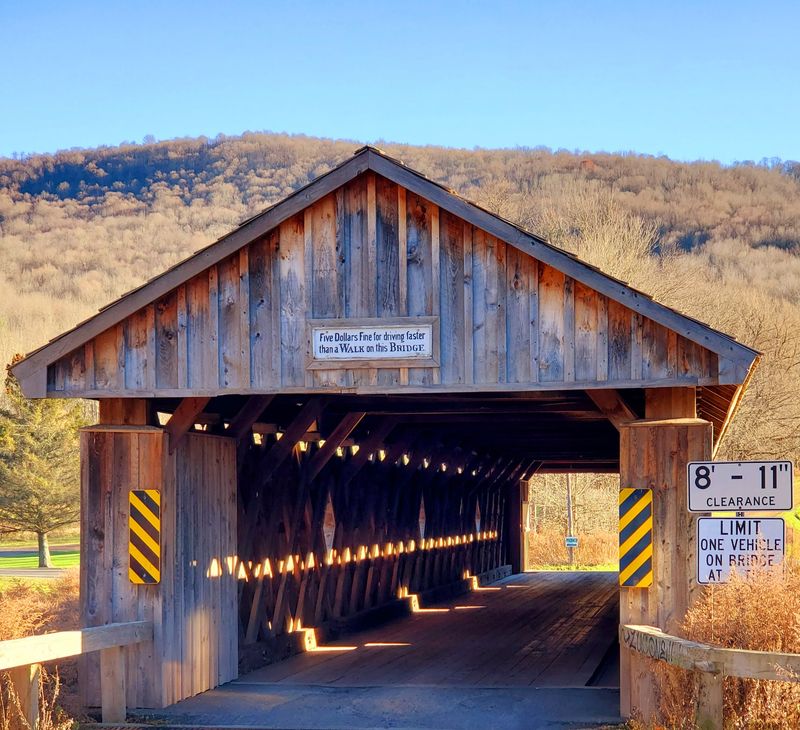
Not every covered bridge in New York wears red, and that is one reason Fitch’s Covered Bridge catches the eye so quickly.
Near Delhi in Delaware County, its lighter color gives it a fresh, almost graceful presence, like a bridge that decided to dress differently while still keeping all the old-fashioned character people hope to find.
Built in 1870, the bridge crosses the West Branch of the Delaware River and stands as an important piece of local history.
The structure is tied to the farming and travel patterns that shaped the region long ago, and its survival helps modern visitors understand how much work and planning once went into something as simple as getting from one side of the water to the other.
That perspective can make the visit feel richer.
The surrounding area adds a lot to the appeal.
Delaware County is known for broad landscapes, rolling hills, and roads that seem made for peaceful drives.
If you visit during fall, the pale bridge can stand out beautifully against strong leaf color, giving photographers a look that feels different from the deeper tones of many other covered bridges.
Even on a calm gray day, the place has a thoughtful, steady beauty.
Planning ahead can make the stop more enjoyable.
Bring layers in cooler months, since river areas can feel breezy, and allow a little extra time for nearby scenic pull-offs.
Instead of rushing through, try standing quietly for a minute and paying attention to the sound of water and the shape of the wooden interior.
Details like that often become the part people remember most.
Fitch’s Covered Bridge has a reflective mood that lingers after you leave.
There is no need for flashy features when the setting, history, and design already do the work so well.
For anyone making a New York bridge tour and hoping for a stop with elegance, regional character, and a slightly different visual style, this Delhi-area landmark fits beautifully into the journey.
7. Historic Perrine’s Covered Bridge (New Paltz)
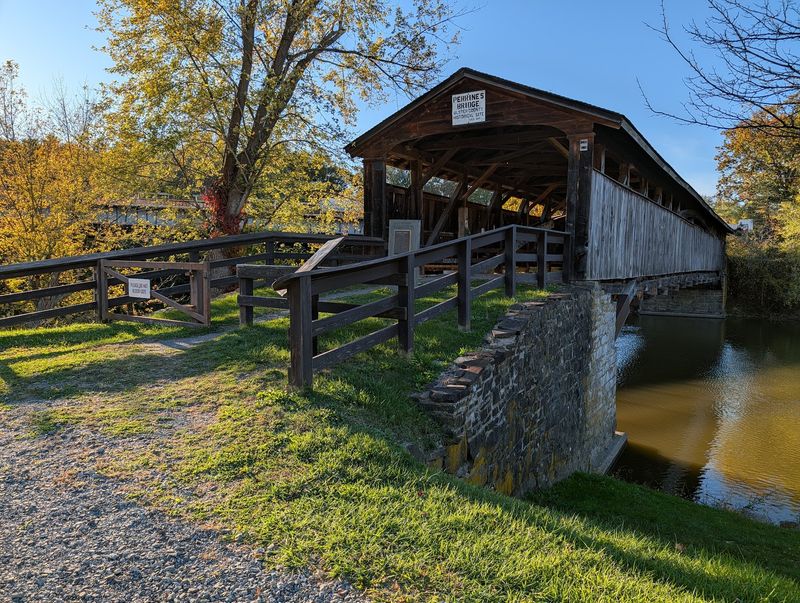
Some places seem made for a lingering final stop, and Perrine’s Covered Bridge has that feeling.
In New Paltz, where history, natural beauty, and weekend exploring come together so well, the bridge offers a warm Hudson Valley version of the classic covered crossing people imagine when they think of old America.
Built in 1844, it spans the Wallkill River and is one of the oldest covered bridges in New York still open to traffic.
That alone makes it worth attention, but the setting gives it extra strength.
New Paltz is already known for historic streets, nearby hiking, and views of the Shawangunk Ridge, so the bridge fits into a larger travel experience that can appeal to many kinds of visitors.
It is easy to add to a day trip without feeling rushed.
Because the bridge sits in a lively and scenic part of the state, it works well for both first-time visitors and repeat travelers.
Families can combine it with local history sites, couples can enjoy a scenic walk nearby, and photographers can use the river and surrounding greenery to frame the bridge in different ways.
Morning light often feels soft and calm here, while later hours can bring warmer color to the wood.
One smart tip is to explore the area on foot after you see the bridge itself.
The wider New Paltz setting helps explain why the bridge matters.
It is not just an old crossing left behind by time.
It remains part of a place where people still care about preserving the look and feel of the past.
That connection gives the bridge more life than a museum piece would have.
Perrine’s Covered Bridge leaves a strong closing impression because it blends accessibility with authenticity.
You do not need a long hike or a hidden map to find its charm.
It is right there, sturdy and welcoming, offering a view into New York’s quieter heritage.
For a bridge with romance, history, and a polished sense of place, this New Paltz landmark belongs on any must-see list.