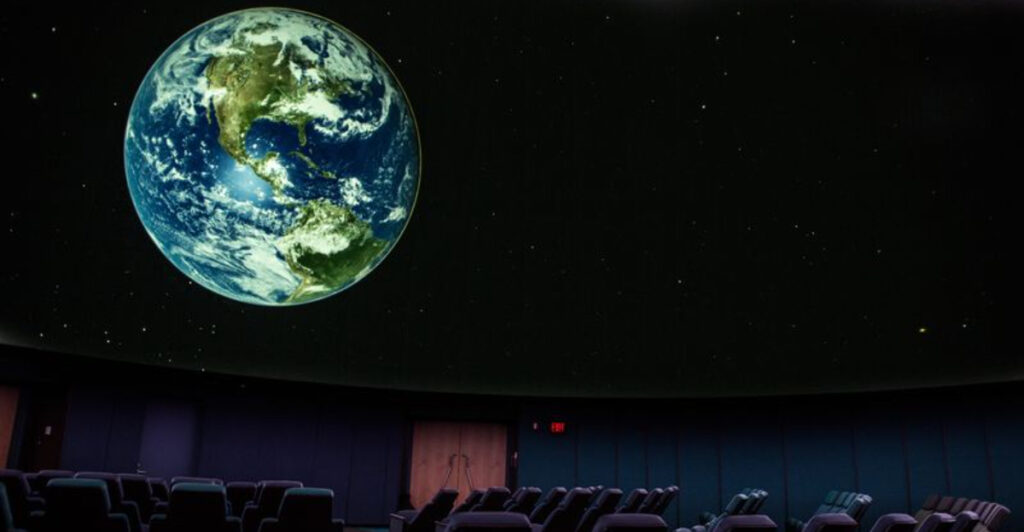
Space feels a lot closer when the night sky stretches across a dome overhead. Across Michigan, planetariums turn stars, planets, galaxies, and big scientific ideas into shows that feel vivid, approachable, and fun for all ages.
Some visits work perfectly for curious kids, while others give grown-up space fans a chance to slow down and look at the universe in a new way. They also make excellent rainy-day backups, school-break outings, and easy family stops when the usual plans need more wonder.
For anyone ready to look up without waiting for a clear night, these Michigan planetariums are worth adding to the list.
1. Shiras Planetarium – Marquette
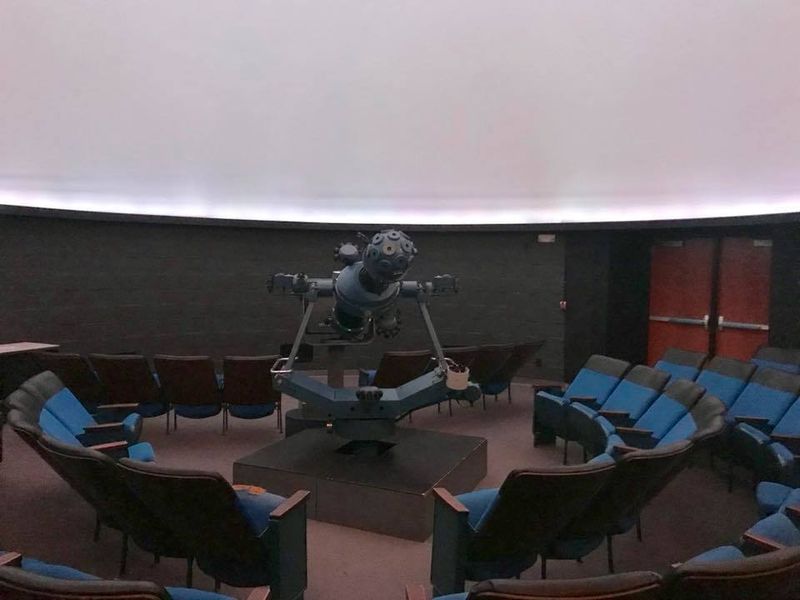
Up in Michigan’s Upper Peninsula, a planetarium visit can turn a regular afternoon into a sky tour without worrying about clouds or cold weather. Shiras Planetarium in Marquette has the kind of local, easygoing appeal that works for school groups, families, and travelers who want a science stop that does not feel overwhelming.
A smaller community planetarium often gives visitors a more relaxed pace. Instead of rushing through a giant complex, guests can settle in, look up, and focus on the dome experience itself, which is the whole point of going.
Marquette is already a place where outdoor scenery grabs attention, so pairing that with an indoor look at stars and planets makes a lot of sense. The visit can be a smart choice during winter, on a rainy day, or after a morning spent exploring near Lake Superior.
For first-time visitors, checking the show schedule ahead of time is helpful because planetariums usually run programs at set hours rather than nonstop. Arriving a little early also makes it easier to get comfortable, read any lobby displays, and help younger kids settle before the lights go down.
Parents can make the most of the trip by asking simple questions before and after the show. Which planet was easiest to spot, what constellations looked familiar, and how the dome changed the way space looked are all good conversation starters that keep the learning going once the program ends.
Shiras fits nicely into a broader Marquette day plan because it adds a different kind of adventure. Instead of climbing a hill or walking a shoreline, visitors get a seat under a projected night sky, which can be just as memorable when the room darkens and the stars begin to appear above everyone.
2. Besser Museum Sky Theater – Alpena

Not every memorable space experience happens in a big city. At the Besser Museum Sky Theater in Alpena, the planetarium can add a bright spark to a museum visit and give northern Michigan travelers a fun break from beaches, drives, and weather changes.
The nice thing about a sky theater inside a museum is the built-in variety. A group can spend part of the day looking at exhibits, then switch gears completely by leaning back under a dome and watching the universe unfold overhead.
That mix works especially well for kids with different attention spans. One child may love the space show, while another may be more interested in history or hands-on displays elsewhere in the museum, so the outing feels balanced instead of narrow.
Alpena visitors planning a stop here should think about timing, not just distance. It helps to match the planetarium schedule with the rest of the day, especially if there are lake activities, road trip miles, or meal stops to juggle before heading back out.
Inside the theater, younger guests often enjoy the simple wow factor first. The giant curved screen, darkened room, and moving stars can grab attention quickly, and that makes it easier for adults to turn the visit into a conversation about seasons, planets, or why the night sky changes through the year.
Besser’s appeal comes from how approachable the experience can be. Nobody needs advanced science knowledge to enjoy a dome show, and that makes the place useful for grandparents with grandkids, parents on a weekend outing, or curious adults who have not been inside a planetarium since a school field trip years ago.
3. Abrams Planetarium – East Lansing
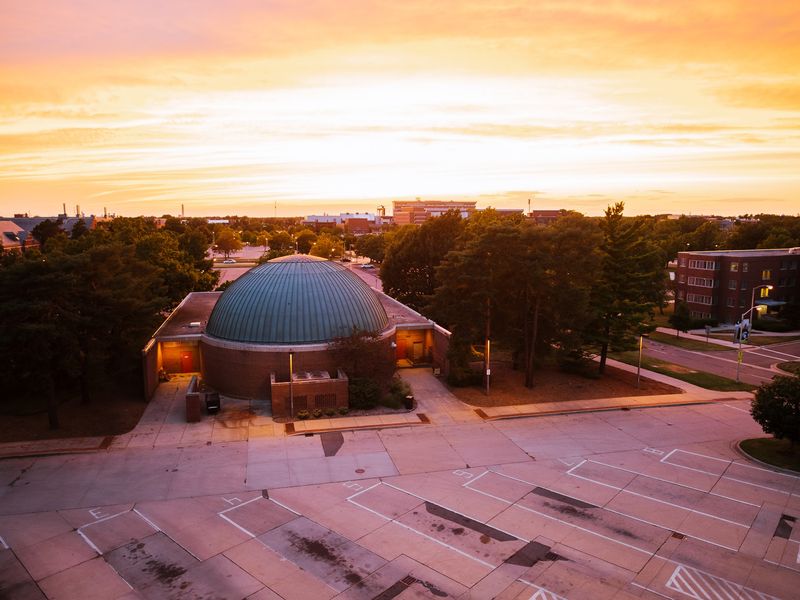
College towns often bring extra energy to science attractions, and Abrams Planetarium in East Lansing benefits from that lively setting. A visit here can fit nicely into a day of campus exploring, casual food stops, and hands-on learning that never talks down to younger visitors.
Because it is connected with a university environment, the planetarium can feel like a natural bridge between school science and real curiosity. Kids get the big-picture excitement of stars and galaxies, while teens may start thinking more deeply about astronomy, physics, or how scientists map the sky.
The best way to enjoy a place like Abrams is to treat it as more than a quick seat-and-leave activity. Give time for parking, for walking in without a rush, and for noticing any displays or event posters that might point to special programs happening that week.
East Lansing is also a practical destination for families who want an outing that mixes fun with learning. A dome show can be the main event, but it also works as a smart anchor between lunch, a campus walk, and any nearby museum or bookstore browsing.
For children who get restless easily, a short preview can help. Explaining that the room will get dark, the seats will face upward, and the show may include narration, music, or moving star maps can make the experience smoother and more comfortable.
Abrams stands out because planetariums often leave people with fresh questions instead of simple answers, and that is a good thing. When visitors step back outside and look at the evening sky later, they may notice more than they did before, which is exactly the kind of spark a strong science outing should create.
4. Hurst Planetarium at Ella Sharp Museum – Jackson
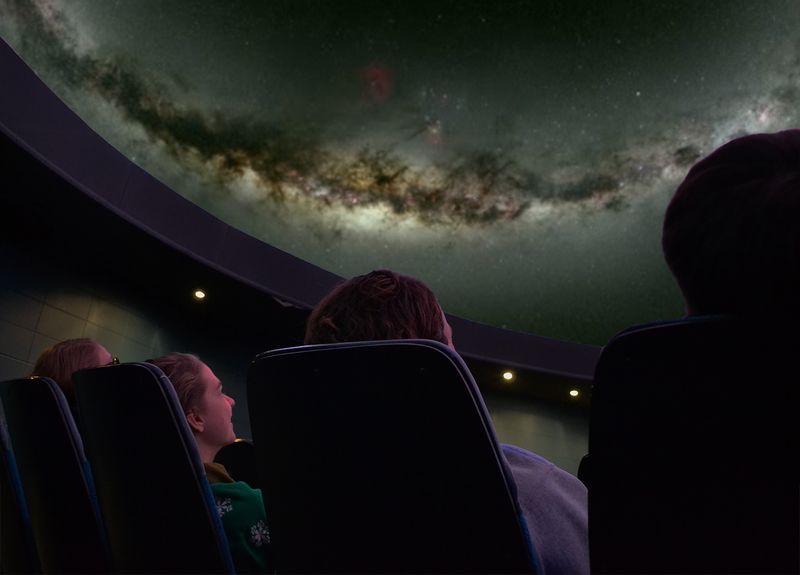
A museum campus can make a planetarium stop feel fuller, and that is part of the appeal at Hurst Planetarium at Ella Sharp Museum in Jackson. Visitors get a chance to shift from galleries or grounds into a dark dome where the focus narrows to stars, planets, and the shape of the sky.
That change of pace matters more than people expect. One minute the day is busy and bright, and the next it becomes quiet, upward-looking, and centered on a guided experience that can help kids and adults slow down together.
Jackson families often look for outings that are fun without being too complicated. A planetarium inside a museum setting solves that nicely because parking, ticketing, and the rest of the day’s activities can stay in one place rather than spread across town.
Another useful tip is to plan for questions afterward. Children frequently notice details adults miss, like why stars appear to move, why some planets look brighter, or why certain constellations are easier to remember once they are shown on a dome.
For visitors traveling through southern Michigan, this stop can also break up a longer drive. Instead of choosing only food or shopping as a road trip pause, a planetarium adds an hour or two of real interest and gives everyone a story to bring home.
Hurst Planetarium works best when expectations stay simple. Go in ready to watch, listen, and enjoy the scale of the projection, then use the rest of the museum visit to connect that sky experience with art, history, or nature, depending on what your group likes most that day.
5. Longway Planetarium – Flint
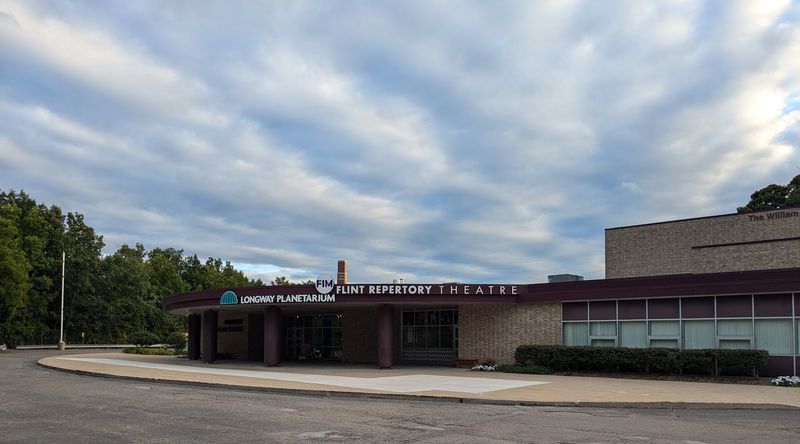
Few places announce their purpose more clearly than a standalone planetarium, and Longway Planetarium in Flint has that classic draw. The building itself sets the tone for a visit focused on astronomy, big visuals, and the kind of dome show that can grab attention before the program even begins.
For many Michigan families, Flint is an easy regional trip, which makes Longway a strong pick for a day outing. The visit can stay simple, but it still feels special because a full dome theater turns science into a shared event rather than a lesson from a screen at home.
That difference matters for kids who learn best by seeing. Constellations, planets, and space travel ideas can be hard to picture from a book page, yet a curved ceiling makes those same topics easier to follow and much more exciting to remember later.
Anyone planning a first visit should look at age fit before choosing a show. Some planetarium programs are built for younger children, while others lean more toward older students, general audiences, or viewers who want deeper science content and less storybook framing.
Comfort also helps. Bringing a light sweater, using the restroom before the show, and reminding children to keep voices low once the room darkens can make the experience smoother for everyone, especially during busy public sessions.
Longway earns attention because it offers a focused version of science fun. There is no need to pretend space is hard to love when stars sweep across the dome and the room suddenly opens into a much larger universe, all while visitors stay seated right in the middle of Flint.
6. Kalamazoo Valley Museum Planetarium – Kalamazoo
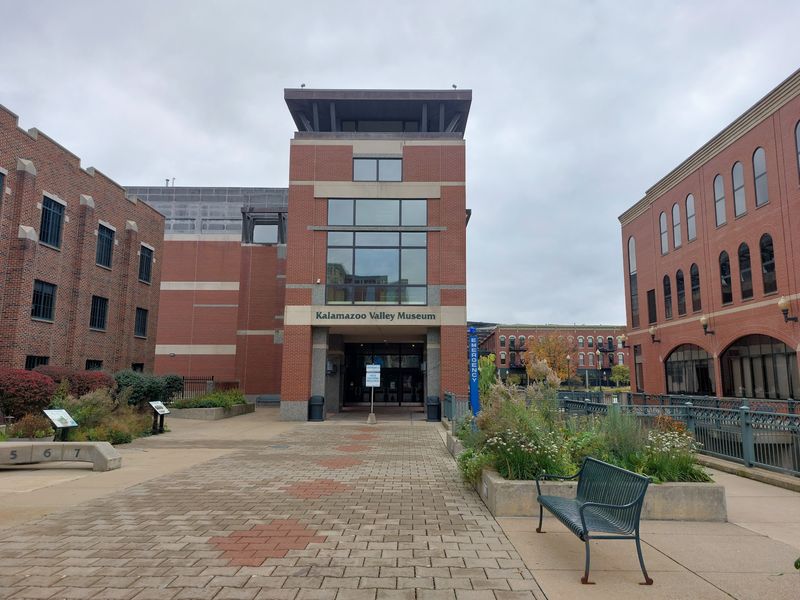
Downtown outings get an extra boost when a planetarium is part of the plan, and Kalamazoo Valley Museum Planetarium can fill that role nicely. The setting makes it easy to pair a sky show with lunch, walking around the city, or extra museum time without turning the day into a long haul.
Planetariums inside multi-use museums are especially helpful for mixed-age groups. One person may be excited about astronomy, another may want local history or science exhibits, and everyone still leaves feeling like the trip had enough variety.
Kalamazoo also has a creative, curious vibe that matches a space-focused stop well. The visit can feel both educational and relaxed, which is a sweet spot for parents hoping to entertain children without relying only on noisy arcades or screens.
Practical planning can improve the experience right away. Check whether shows require a separate ticket, whether seats are first come or assigned, and how long the presentation lasts so younger children are not surprised by the structure once the lights go down.
Another smart move is to connect the dome show to the real sky later that night. Even spotting the moon, finding one bright planet, or noticing how city lights affect visibility can help children understand that astronomy is not trapped inside a theater.
Kalamazoo Valley Museum Planetarium stands out for people who like learning in small, steady steps. The program can open the door, the museum can add context, and the rest of the day can build around that spark, giving visitors an outing that feels organized but never stiff or overpacked.
7. Penske Planetarium at the Michigan Science Center – Detroit
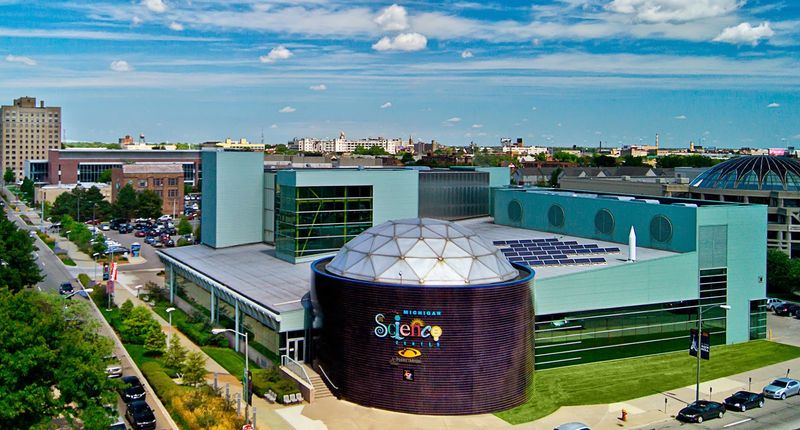
Big city energy meets big sky visuals at the Penske Planetarium in Detroit, and that pairing can make a visit especially memorable. Inside the Michigan Science Center, the dome show becomes part of a larger day packed with hands-on science, which is great for kids who like to move, test, and then sit for a focused experience.
Detroit is a smart spot for a planetarium because the museum visit can anchor a whole downtown plan. Families can build around parking, meals, and nearby attractions, turning one ticketed stop into the center of a full city adventure.
The planetarium itself works well for people who want scale. A large dome can make astronomical ideas easier to grasp, whether the program covers the night sky, solar system basics, or broader space themes that are tough to imagine from classroom posters alone.
Busy museums can feel overwhelming, so pacing matters. Starting with the planetarium can be a good move for some groups, while others may prefer saving it for later when everyone is ready to sit back and cool down after exploring interactive floors.
It also helps to set a meet-up plan for larger family groups, especially when kids and adults want to split up before or after the show. A simple time and place can keep the day running smoothly and prevent the planetarium from becoming the only organized part of the visit.
Penske Planetarium is a strong choice for travelers who want science presented with a sense of size and motion. In a city known for industry, creativity, and reinvention, looking up at a projected universe adds another layer to the day, one that trades traffic and street grids for stars and open space.
8. Delta College Planetarium – Bay City
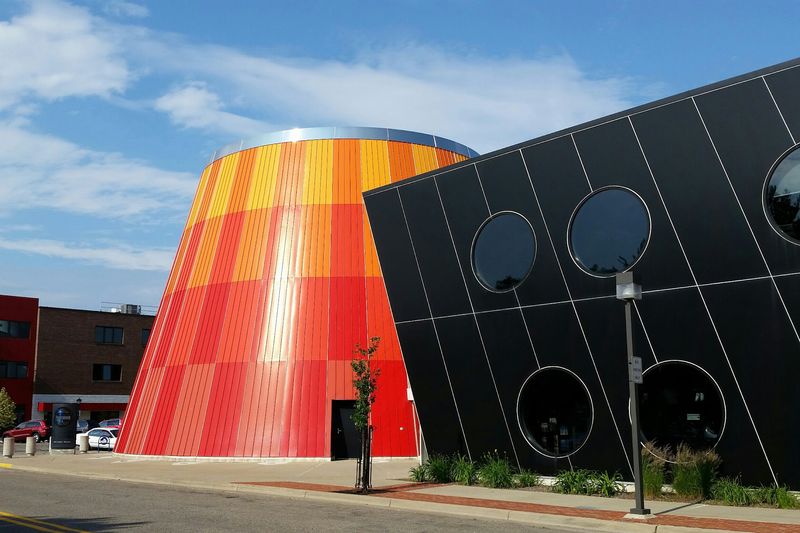
Bay City has a waterfront charm, and a planetarium adds a different angle to that sense of place. Delta College Planetarium gives visitors a reason to swap river views for star fields, which can make a downtown outing feel more layered and a lot less predictable.
A college-connected planetarium often appeals to several kinds of visitors at once. School groups can learn, families can relax into a planned show, and adults on a casual date or weekend trip can enjoy a science activity that does not demand special background knowledge.
The setting helps too. When a planetarium is woven into a downtown area, the experience stretches beyond the dome itself because visitors can pair it with dinner, coffee, or a walk before heading home.
For parents, this can be an easy entry point for astronomy talk. You do not need expert answers ready; simply asking children what they noticed on the dome and what looked different from the real night sky can start a better conversation than a mini lecture ever could.
Timing matters most for travelers. Bay City weather can shift, parking can vary by event traffic, and public show hours are usually fixed, so giving yourself breathing room makes the visit more enjoyable and keeps everyone from arriving stressed.
Delta College Planetarium makes sense for people who want an outing with clear structure. You know where you are going, you know the show will have a beginning and an end, and in between those points you get a brief trip beyond Earth without leaving your seat in downtown Bay City.
9. Roger B. Chaffee Planetarium – Grand Rapids
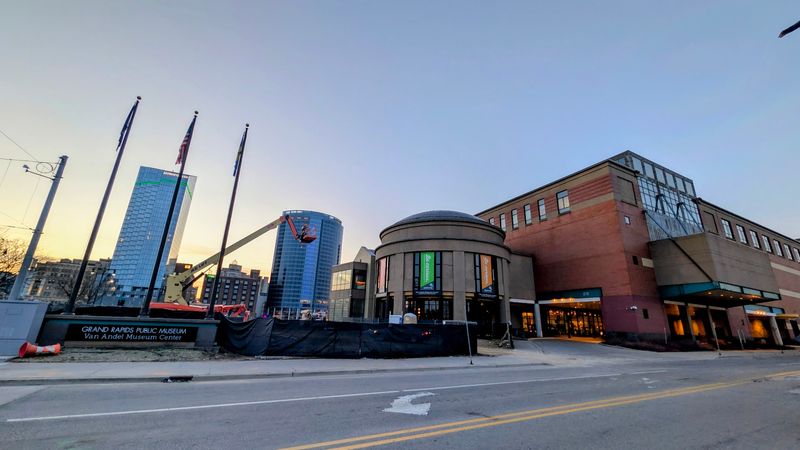
Grand Rapids knows how to do family attractions well, and Roger B. Chaffee Planetarium adds a strong science option to the mix.
A planetarium visit here can slide easily into a museum day, giving everyone a break from walking while still keeping curiosity switched on.
The name also carries a connection to space history, which can spark interest before the show even starts. Kids may not know much about astronauts yet, but a good planetarium visit often opens the door to those stories in a way that feels immediate instead of distant.
Inside a museum setting, the planetarium becomes part of a wider rhythm. Visitors can move from hands-on exhibits to a seated dome program, then back into other galleries, which helps the day stay varied and keeps different age groups engaged.
Grand Rapids travelers should think about crowd patterns, especially on weekends, holidays, or school breaks. Booking ahead when possible, arriving early, and deciding on a lunch plan before entering the museum can save time and lower stress.
For children, the dome can make scale easier to understand. Words like galaxy, orbit, or constellation are interesting, but seeing those ideas spread across a curved ceiling often makes them stick in a much stronger way than reading them from a sign.
Roger B. Chaffee Planetarium is well suited to visitors who want more than a quick attraction but less than an all-day theme park pace.
The result is a science-centered outing with enough visual punch to impress first-time guests and enough educational value to make the trip useful long after everyone heads home.
10. Acheson Planetarium at Cranbrook Institute of Science – Bloomfield Hills
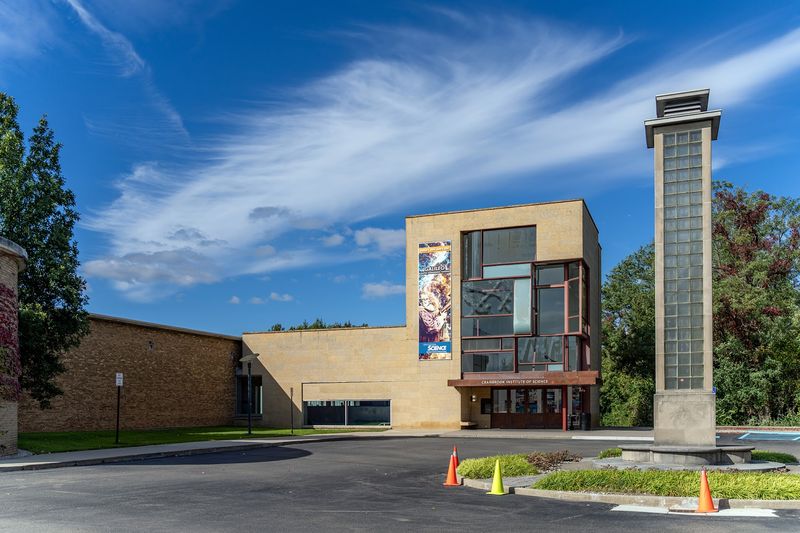
Some planetarium trips feel extra polished, and Acheson Planetarium at Cranbrook Institute of Science has that kind of reputation-friendly setting. Bloomfield Hills already suggests a thoughtful museum day, so adding a dome show can turn a regular visit into one with a strong sense of focus and discovery.
The larger campus experience matters here. Visitors are not only dropping in for a quick program; they can shape the day around science exhibits, museum pacing, and the calm shift that happens when a bright gallery gives way to a dark room full of projected stars.
That contrast is part of the fun for kids who need different kinds of stimulation. Walking, reading, looking closely, then sitting back under the dome gives the outing a natural rhythm that can keep energy steady instead of wearing everyone out too quickly.
Bloomfield Hills also makes this a useful choice for metro Detroit families seeking an educational plan that still feels special. A planetarium often works best when adults treat it as a shared activity, not just a kids event, because the questions raised by the show can pull in every age group.
One good strategy is to connect the museum visit with a simple sky observation later. Try spotting the moon, watching sunset colors, or using a free star map app at night so the planetarium experience continues beyond the building and becomes easier to remember.
Acheson Planetarium fits visitors who enjoy science with a little structure and a little breathing room. The setting invites attention, the dome encourages wonder, and the overall experience can leave families with that rare feeling of having done something both relaxing and mentally active in the same afternoon.
11. Carr-Fles Planetarium – Muskegon
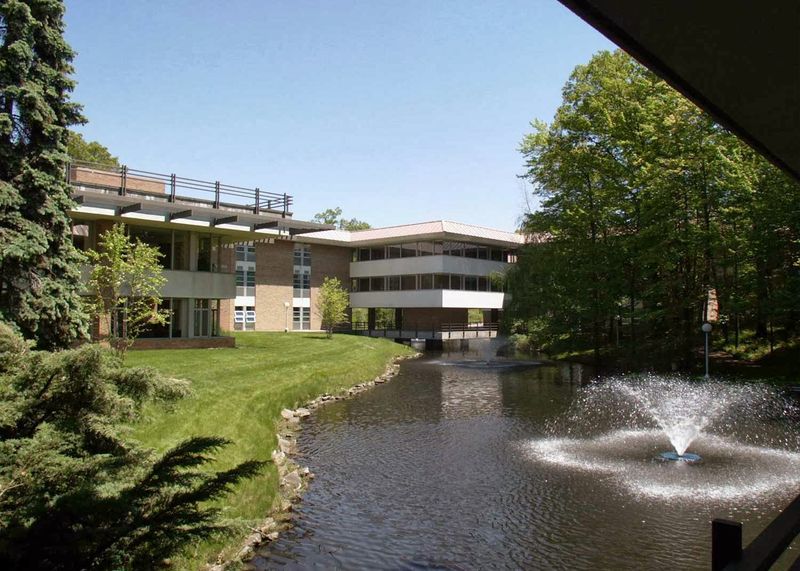
Along Michigan’s west side, a planetarium can be a smart change of pace from beaches and lake weather, and Carr-Fles Planetarium in Muskegon fills that role well. It offers a space-centered outing that works when the forecast shifts, the wind picks up, or the group simply wants an indoor stop with more substance than a typical entertainment venue.
Community-focused planetariums often have a comfortable style that helps first-time visitors relax. The setting can feel less intimidating than a giant complex, which is useful for young children, grandparents, or adults who have not visited a planetarium in years.
Muskegon makes this kind of stop easy to appreciate because the area already encourages looking outward, whether toward the lake horizon or the evening sky. A dome show builds on that habit by turning simple skywatching into something more guided and easier to understand.
Families can get more from the visit by keeping expectations clear. Explain that a planetarium show is part movie, part lesson, and part visual tour, so children know they are going in for a quieter experience than an arcade or trampoline park.
Another good idea is to tie the stop to local nature time. After a space show, even a short walk outside can help kids notice cloud cover, moon phase, or sunset direction, giving them a real-world connection to what they just saw overhead indoors.
Carr-Fles Planetarium stands out as a practical and memorable Muskegon option. It can fit neatly into a weekend plan, broaden a summer lake trip, or rescue a gray weather day with a different kind of horizon, one made of stars, planets, and a ceiling that suddenly seems much farther away than it really is.
12. Planetarium & Dome Theater at the University of Michigan Museum of Natural History – Ann Arbor
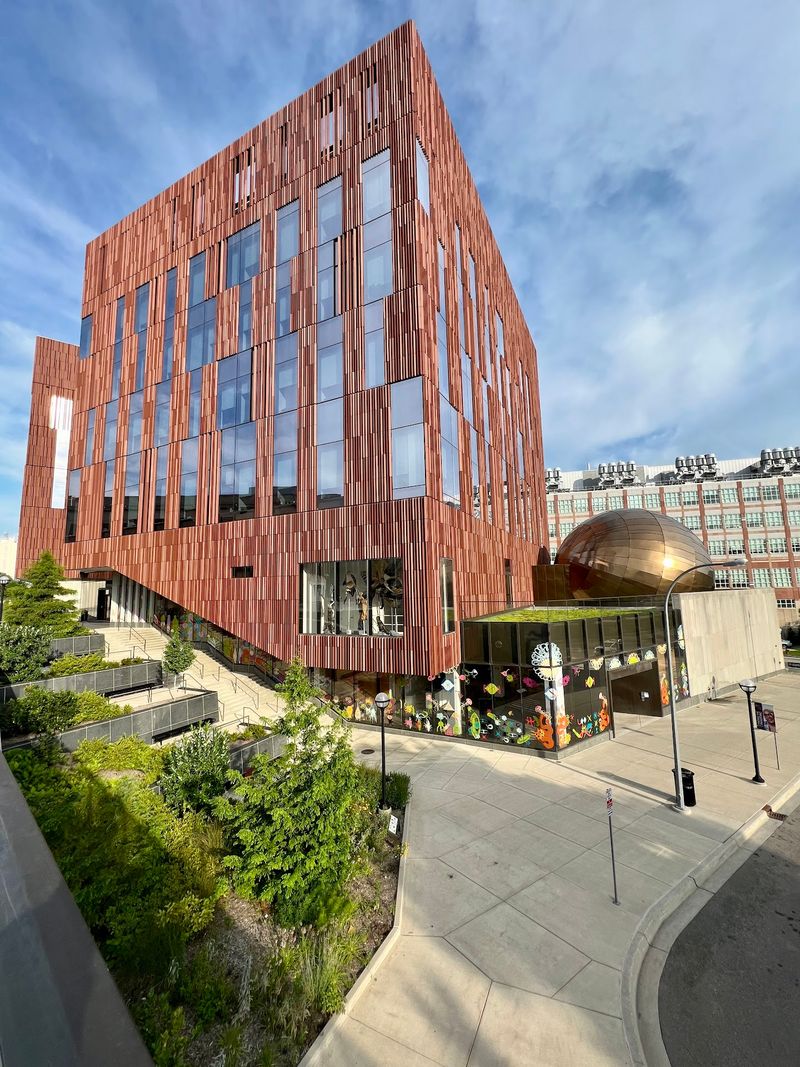
Ann Arbor has a way of making learning part of the day without making it boring, and the Planetarium and Dome Theater at the University of Michigan Museum of Natural History fits right into that style. The setting blends campus energy, museum curiosity, and a big-screen sky experience that can appeal to kids, teens, and adults at the same time.
A university museum planetarium often carries an extra sense of possibility. Young visitors may walk in expecting a fun show and walk out wondering how space scientists study planets, map stars, or create the visuals that sweep across the dome overhead.
The surrounding museum adds even more value. A group can move between natural history displays and the dome theater, which helps connect Earth science and space science in a way that makes both feel more understandable.
Ann Arbor visitors should plan carefully because popular college-town attractions can draw crowds. Checking showtimes in advance, allowing time for parking, and deciding whether the planetarium comes first or later in the visit can make the whole day feel smoother.
It is also a great place for older kids who are ready for deeper questions. Why do seasons change, how far away are stars, and how do we know what distant worlds look like are exactly the kinds of ideas that become easier to explore after a dome show.
The Planetarium and Dome Theater works so well because it turns abstract science into a shared visual event inside one of Michigan’s most curious cities. When the lights dim and the ceiling opens into space, Ann Arbor’s brainy charm gets a cosmic upgrade, and the day suddenly stretches far beyond campus streets.
Share this story