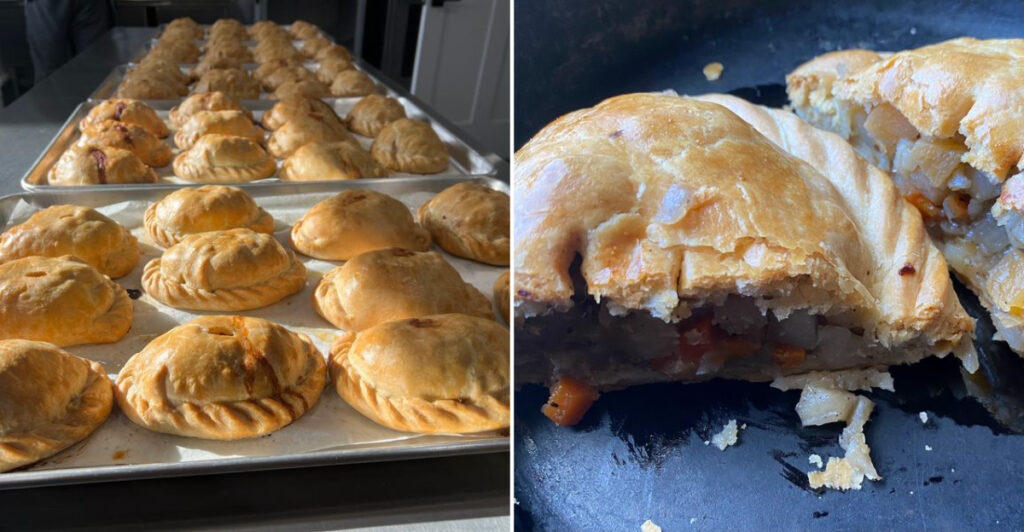
Calumet knows how to turn a humble hand pie into a full Copper Country celebration. Happening August 14 through August 16, 2026, Pasty Fest brings food, history, local pride, and plenty of Upper Peninsula personality into the heart of this historic Michigan town.
The festival celebrates the pasty as more than a hearty meal; it is tied to mining stories, family kitchens, long workdays, and the everyday culture of the Keweenaw. With vendors, community events, and a lively downtown setting, the weekend gives visitors a fun way to understand why this baked classic still means so much here.
For anyone curious about Michigan food traditions with real roots, Pasty Fest is a delicious place to start.
1. A downtown festival built around one iconic meal
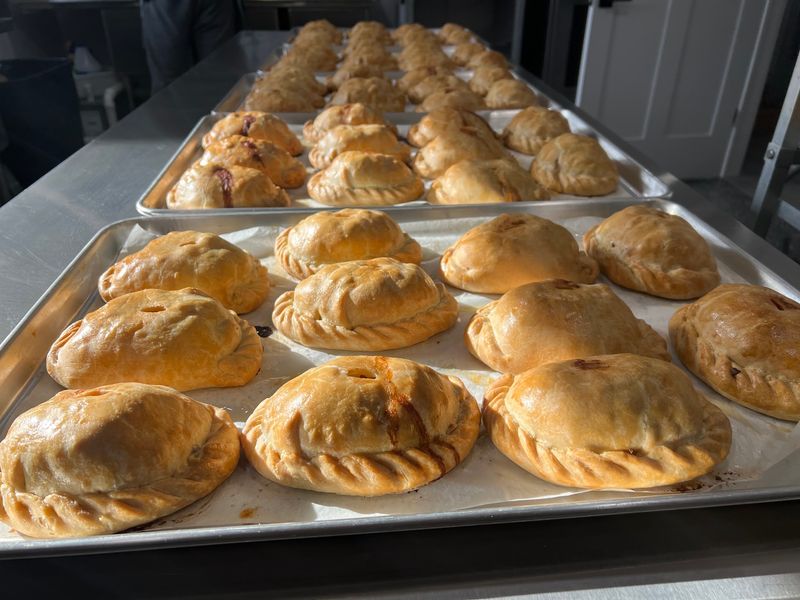
One look at Pasty Fest makes the idea clear fast: Calumet knows exactly how to throw a party for a food that matters. Instead of treating the pasty like a novelty, the festival places it right in the center of town life, where old buildings, busy sidewalks, and local pride give the event a strong sense of place.
The setting helps explain why the celebration works so well.
Calumet is not a giant city built for flashy food events. That is part of the charm.
A festival here feels close to the people who actually make the tradition live on, so the pasty is not separated from its home ground.
Walking through the event, the big attraction is easy to spot, but the mood is broader than lunch. Food lines, conversations, and the sight of hot pastries changing hands turn one familiar dish into a shared local ritual.
Even someone new to the Upper Peninsula can quickly see that the pasty is more than a snack.
That matters because the best food festivals do more than feed a crowd. They show how one item can carry work history, family recipes, and regional identity all at once.
Pasty Fest does that in a way that feels direct and easy to understand.
For first-time visitors, the smartest approach is simple. Arrive ready to walk slowly, look around before buying the first thing in sight, and notice how the event fits into downtown Calumet rather than sitting apart from it.
The buildings, the community turnout, and the focus on one beloved hand pie all work together.
By the time a fresh pasty is in hand, the festival has already made its main point. In Copper Country, this food still belongs to the place that helped make it famous.
2. Why the pasty still rules the table
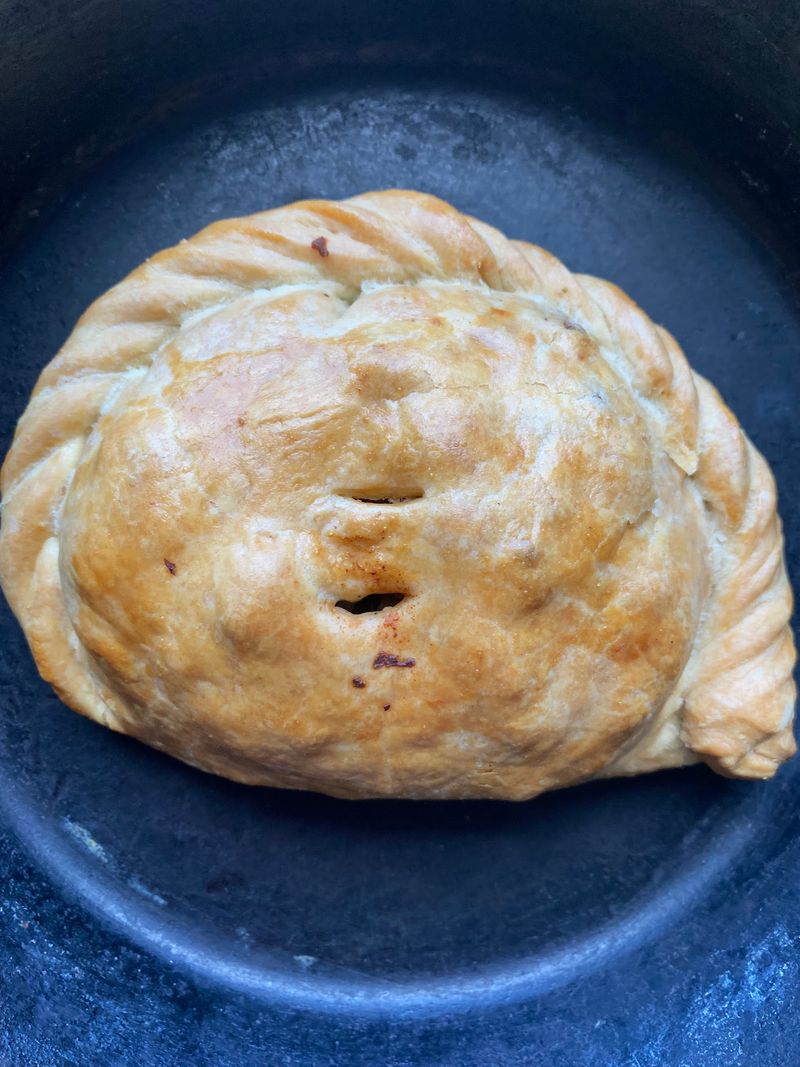
Warm, filling, and easy to carry, the pasty has always been a practical food first. That simple strength helps explain why a whole festival can grow around it without feeling forced.
At Pasty Fest, the hand pie earns its spotlight because it solves a basic hunger in a way that is sturdy, comforting, and deeply local.
A good pasty looks modest from the outside. Under that folded crust, though, the usual mix of meat and vegetables tells a bigger story about working people, family kitchens, and meals built to satisfy for hours.
The shape matters too. It is portable, neat enough to hold, and sturdy enough for a crowd event where people want to walk and eat.
Festival food often leans toward giant portions, bright toppings, or wild combinations. The pasty takes a different route.
Its appeal comes from balance. Crust, filling, seasoning, and heat all have to cooperate, so judging a great one becomes part of the fun.
That is one reason Pasty Fest stands out from more scattered food events. Instead of asking guests to sample ten unrelated things, it asks everyone to pay attention to small differences inside one famous format.
One version may lean classic and earthy, while another may play with spice, vegetables, or richer crust.
Newcomers can make the most of the day by trying more than one style if possible. Eating a traditional version first creates a useful baseline.
After that, bolder choices make more sense, and the festival becomes a lesson in how much range can fit inside a single folded pastry.
By keeping the focus tight, Pasty Fest turns a familiar regional meal into the main event. The result is not flashy.
It is smarter than that, and much more satisfying.
3. Copper Country history tucked inside the crust
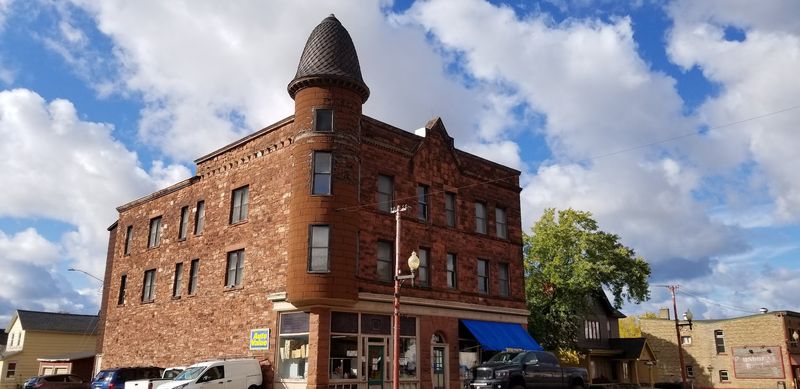
Long before food festivals became weekend attractions, the pasty had already earned a permanent place in Copper Country. Its link to mining history gives Pasty Fest more weight than a simple tasting event.
In Calumet, that connection is hard to miss because the town itself still carries the look and rhythm of an older industrial story.
The pasty became important in places where workers needed a filling meal that could travel well. That practical beginning still shapes how people talk about it today.
Even when modern versions add new flavors, the basic identity stays rooted in usefulness, thrift, and steady nourishment.
Calumet provides the right backdrop for this kind of celebration. Historic streets and long-standing community traditions help the festival feel tied to real local memory instead of a made-up theme.
The food fits the setting naturally, which gives the event a stronger sense of purpose.
For families, that makes Pasty Fest a helpful way to introduce kids to regional history without turning the day into a classroom lecture. A child may first notice the smell of baked crust or a lively crowd, then slowly connect the meal to the people who worked in the area generations ago.
Food can explain a lot when it is placed in the right setting.
Adults who enjoy local culture can also use the festival as a starting point for broader exploration. Spending time in Calumet before or after the event adds context, especially when the architecture and street layout already hint at the town’s mining-era importance.
Pasty Fest succeeds because it does not separate history from appetite. The same object that fills your hands also points backward to labor, migration, and community habits that shaped the Upper Peninsula.
Few festival foods carry that much local meaning while still being so easy to enjoy on the spot.
4. Michigan flavor battles and small-batch bragging rights
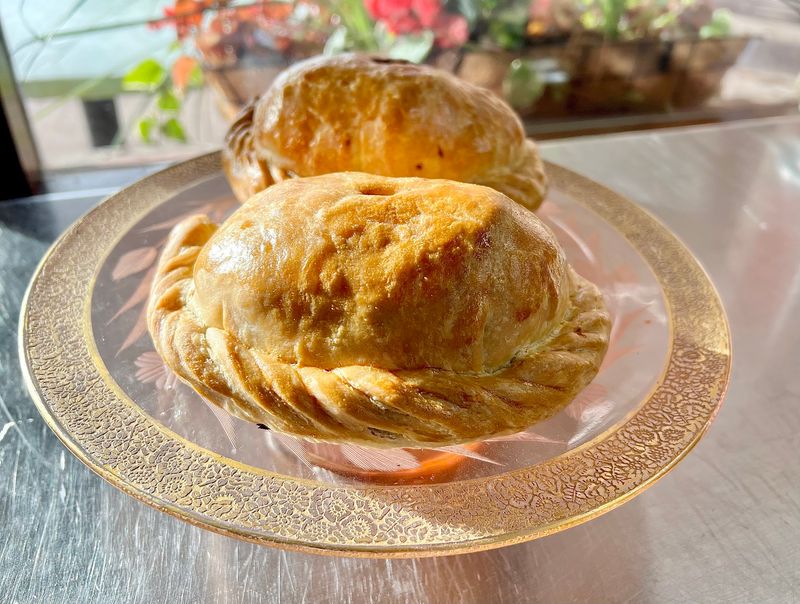
Competition gives Pasty Fest its spark. Once several bakers put their versions of the same beloved food side by side, every detail matters more.
Crust texture, seasoning, filling balance, and even how neatly a pasty holds together suddenly become talking points all over the festival grounds.
That competitive edge is especially fun because the food itself looks humble. At first glance, one baked half-moon may resemble the next.
Then tasting begins, and subtle differences turn into strong opinions. Some styles stay very close to tradition, while others push toward heat, vegetable-forward fillings, or richer flavor combinations.
The contest side of the event helps visitors pay attention. Rather than swallowing lunch in five minutes and moving on, people start noticing the buttery quality of a crust or whether the filling leans too heavy on potato.
A festival focused on one dish needs that level of care, and Pasty Fest appears to welcome it.
Local bragging rights also raise the stakes in a good way. Winning at a festival like this means more than taking home a ribbon.
It can shape where hungry travelers stop, what styles earn buzz, and which names become part of the area’s food conversation. Provided local reviews even point to East Fork Pasty Company as a repeat Pasty Fest winner, which shows how closely some festival results can tie into real hometown reputation.
For visitors, the best strategy is to treat tasting like a comparison rather than a race. Share portions when possible, start with a classic version, and save room for something less expected.
A spicy or vegetarian variation makes more sense after a traditional sample has set the standard.
Because the competition is rooted in skill, not gimmicks, the festival stays interesting from first bite to last crumb. That gives Calumet’s signature event a sharper identity than many food gatherings ever manage.
5. Beyond the classic fold, creative fillings keep things lively
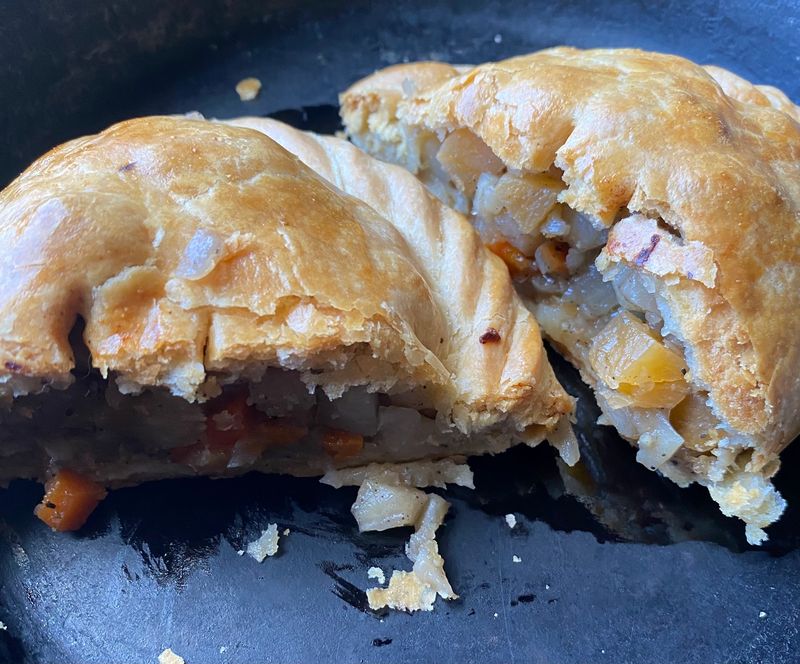
Surprise is part of the fun at Pasty Fest, because the pasty does not always stay in one lane. The classic version remains the anchor, but creative fillings can turn the event from a history lesson into an active tasting adventure.
That mix of respect and experimentation keeps the day fresh.
Traditionalists still have plenty to enjoy. A well-made standard pasty can say more about skill than any unusual recipe ever could.
The crust has to bake well, the filling has to stay moist without turning soggy, and the vegetables need enough seasoning to taste like more than filler.
Then the playful side appears. Based on local business information tied to Calumet’s pasty scene, flavors in the area can move toward jalapeno heat, curry influence, vegetarian options, or other small-batch ideas that break away from the oldest model.
That suggests a broader point about the festival itself. Pasty culture in Copper Country is alive, not frozen.
For hungry visitors, variety matters because it opens the event to more tastes. Someone who usually avoids heavy meat fillings may be happier with a vegetable version.
Another person may discover that spice changes the whole experience, turning a familiar hand pie into something sharper and more layered.
The practical move is to check what vendors are offering before settling on one choice. If the line at a popular table is long, it may still be worth the wait, especially for limited flavors.
Bringing a friend also helps, since splitting different pasties lets you compare more styles without getting too full too fast.
By making room for both old-school and inventive bakers, Pasty Fest gives the famous Michigan hand pie a wider personality. That keeps the event from feeling locked in the past, even while tradition remains the main attraction.
6. How to plan the day without missing the best bites
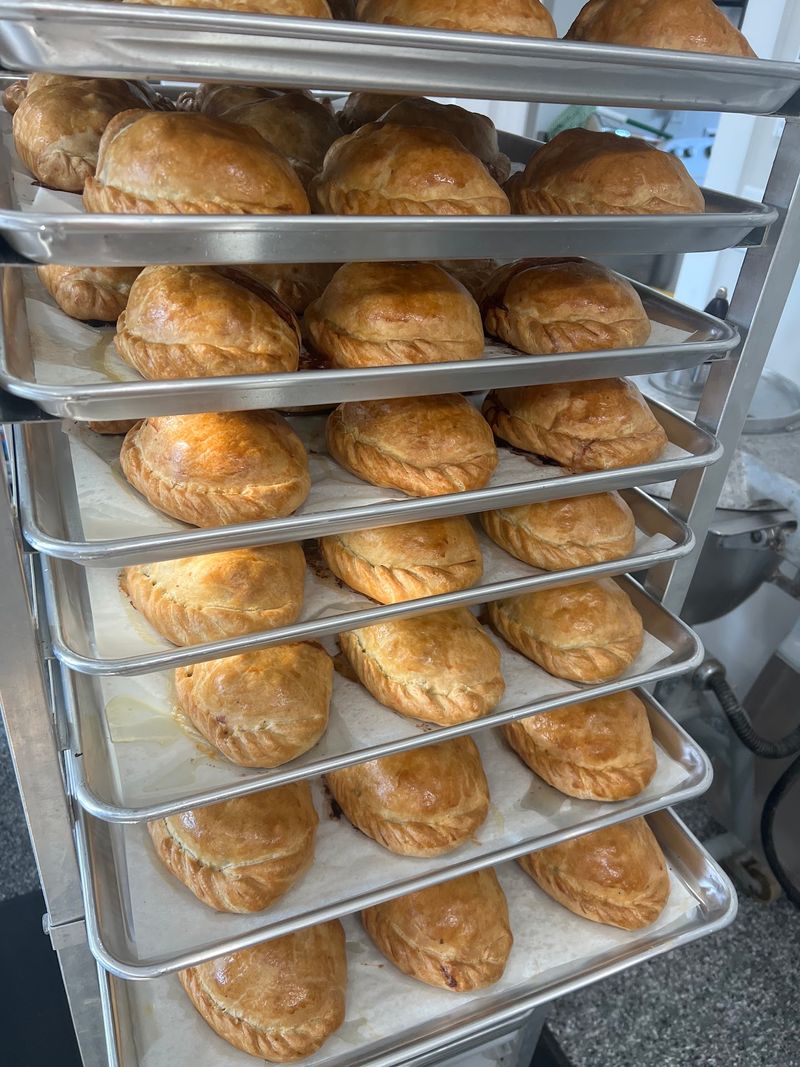
Good planning can make the difference between a smooth, tasty festival day and a rushed one with long waits and missed chances. Pasty Fest may celebrate a simple food, but simple does not mean careless.
Popular items can go quickly, and a compact event works best when people arrive with a loose game plan.
Start with timing. Earlier is usually smarter for any food-centered festival, especially one built around handmade products that may be prepared in smaller batches.
Showing up before peak crowd hours gives more freedom to look around, compare options, and eat before lines build up.
Comfort matters too. Calumet invites walking, standing, and browsing, so practical shoes beat fashion choices that slow the day down.
A light bag, cash backup, water, and an appetite are all useful without turning the outing into a heavy packing exercise.
Food strategy should be intentional. Instead of buying the first pasty in sight, take a quick lap if the setup allows.
Notice which vendors are drawing the biggest interest, what styles are available, and whether there are special flavors that may sell out first.
Families with kids can keep the day easier by sharing a first order rather than committing each person to a full meal right away. That creates room to adjust if one child prefers a milder filling or wants to save room for another snack later.
Adults can do the same if they want to compare more than one version.
Anyone interested in the strongest local names should also remember a lesson from Calumet’s small-batch pasty culture: sought-after bakers can run out. Reviews tied to notable local shops repeatedly mention ordering ahead when possible and planning around limited availability.
Even if festival logistics differ from regular shop service, the larger message still applies. At Pasty Fest, preparation rewards hungry people.
7. The Calumet sendoff that explains the whole obsession
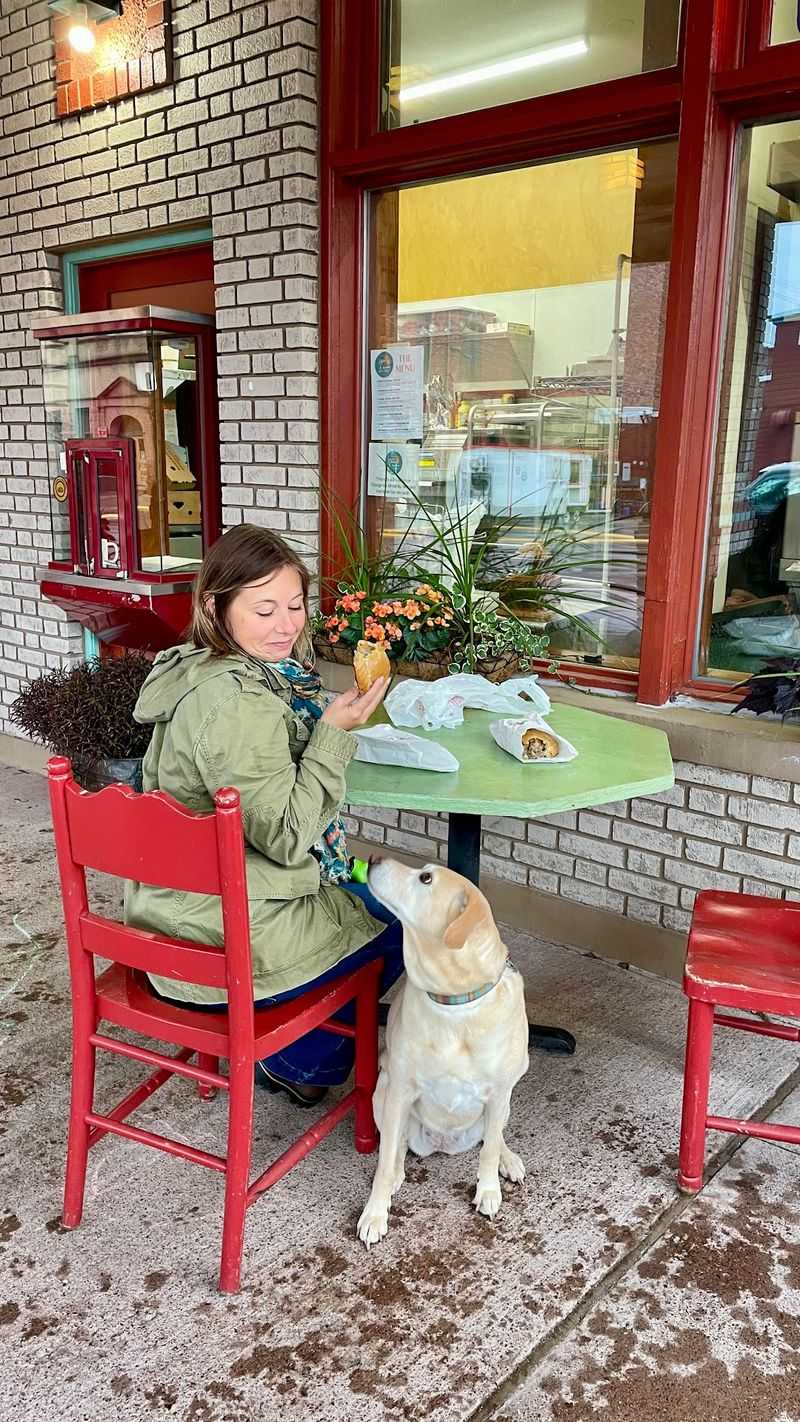
Late in the day, Pasty Fest tells its strongest story without needing a speech. Full hands, folding chairs, downtown sidewalks, and the steady movement of people looking for one more bite show how a regional food becomes a community marker.
Calumet turns that idea into something visible and easy to grasp.
The event stands out because it stays specific. Many festivals try to be everything at once, which can leave very little identity once the music fades and the booths pack up.
Pasty Fest goes the other way. It trusts one famous hand pie to carry the day, and that narrow focus becomes its strength.
There is also a nice balance between local pride and newcomer friendliness. Longtime Upper Peninsula residents already understand the cultural weight of a proper pasty, but first-time visitors are not shut out by insider knowledge.
The format is simple enough for anyone to join. Buy one, taste carefully, compare styles, and watch how seriously a small town can celebrate a baked pocket meal.
Calumet itself helps lock the experience together. A food with mining-era roots, served in a historic Copper Country setting, makes more sense here than it would in a generic fairground.
Place and product support each other. That gives the festival a clarity many travel events never quite achieve.
If there is one takeaway to keep in mind, it is this: Pasty Fest is not only about eating well. It is about seeing how one durable, filling, deeply regional food still organizes memory, competition, creativity, and local business in northern Michigan.
That is a lot for one crust to hold.
By the time the day winds down, the obsession no longer seems mysterious. In Calumet, the pasty is not a side note. It is the headline, and the festival proves why.