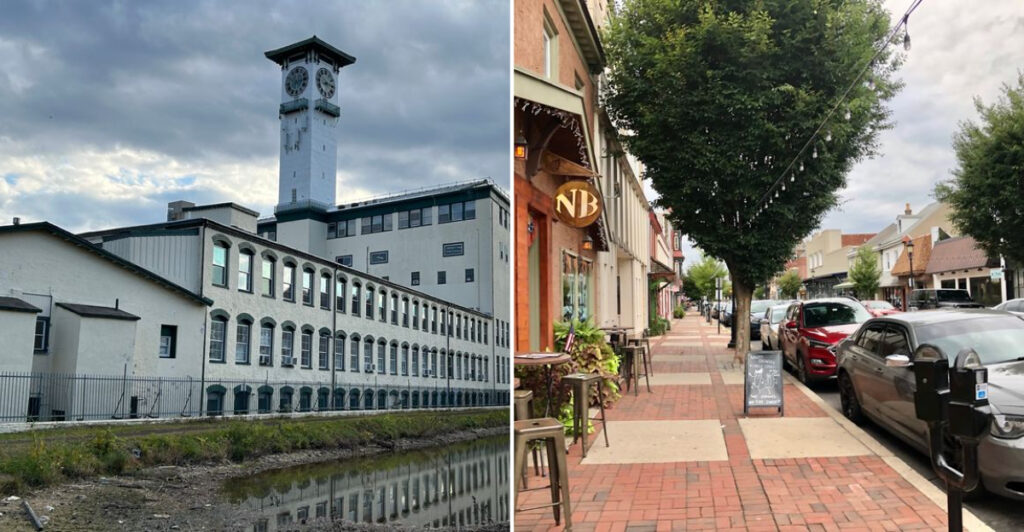
Bristol, Pennsylvania feels like a place where history still lives on every block. Settled in 1681 and incorporated in 1720, it is one of the oldest small towns in the state, yet much of its charm, character, and familiar atmosphere remain intact. Walking through Bristol, visitors can see how the town has changed over time while still holding onto the details that make it unique. From its scenic riverfront setting to its historic streets, local shops, and welcoming public gathering spots, Bristol shows how a community can grow without losing its connection to the past.
The town blends old-world character with modern-day life, creating a place where history is not just remembered but experienced. If you enjoy destinations with strong local character, timeless architecture, and stories around every corner, Bristol offers a rare glimpse into Pennsylvania’s past that still feels authentic today. It is the kind of town where a simple walk can become a journey through generations of history.
1. A Riverfront That Still Sets the Pace
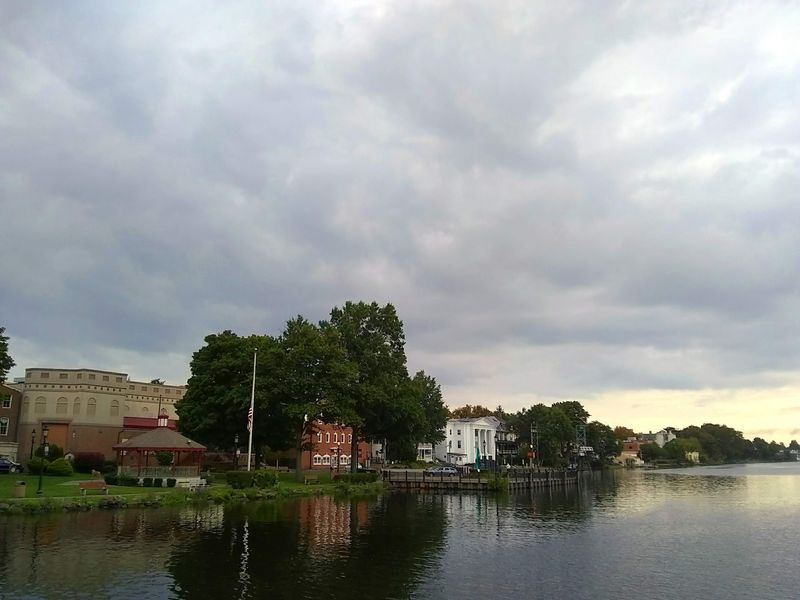
Long before highways and busy shopping centers took over the region, the Delaware River gave Bristol its reason to exist.
Even now, the waterfront still shapes the town’s mood, with slow views, open sky, and a sense that life moves a little easier here.
Standing near the river, you can picture boats, traders, and neighbors gathering much like they did years ago.
Locals and visitors often head to the waterfront for a walk, a quiet break, or a sunset view.
It is a smart first stop if you want to understand Bristol, because the river explains why the town was founded here and why people stayed.
Bring comfortable shoes and take your time instead of rushing.
The riverfront is not just scenery, it is one of the clearest signs that Bristol has held onto its old rhythm while many other towns changed around it.
2. Mill Street Keeps the Old Downtown Feeling Alive
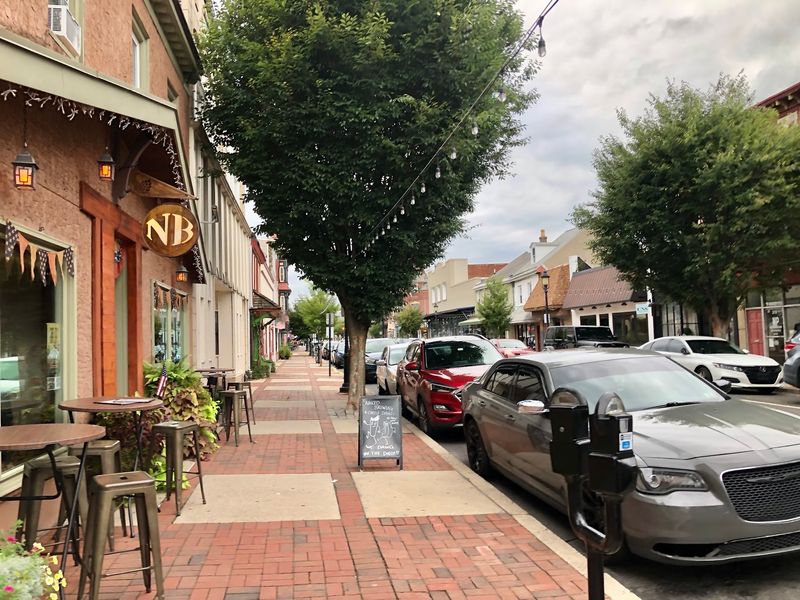
Some downtown streets lose their charm when chain stores move in, but Mill Street still feels personal and rooted.
Its older buildings, walkable layout, and local businesses help Bristol hold onto the kind of main street many towns have already lost.
A stroll here feels less like a quick errand and more like stepping into a living scrapbook.
You will notice details that make the area memorable, like brick fronts, classic windows, and signs that fit the town instead of overpowering it.
Shopping or grabbing a bite here also supports the small businesses that keep Bristol’s center active and friendly.
Try visiting at a relaxed hour when you can really look around.
Mill Street shows that change does not always need to erase a town’s identity, and in Bristol, the downtown still works as both a daily gathering place and a link to earlier decades.
3. Historic Buildings Tell the Story Without Saying Much
One of Bristol’s biggest strengths is easy to miss if you drive through too fast.
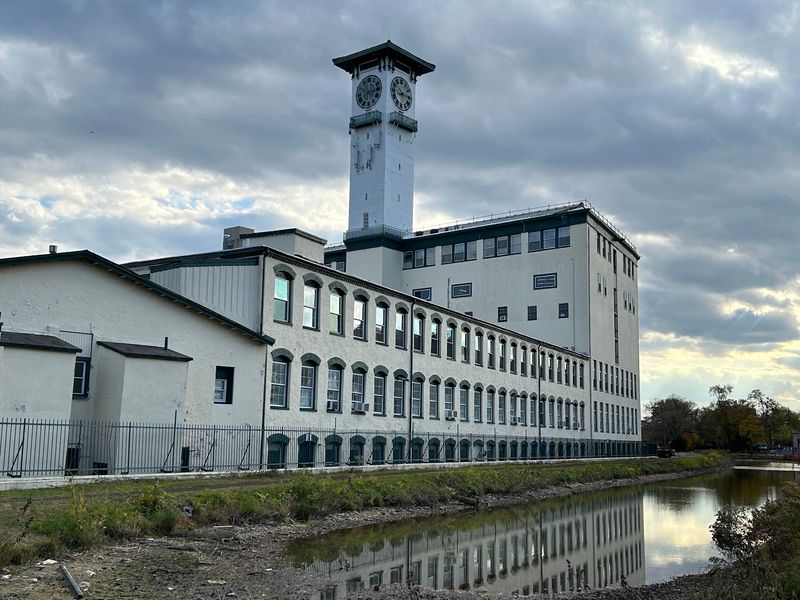
The town’s older buildings are not flashy, yet together they create a strong sense of place that newer developments rarely match.
Walls, rooflines, and narrow lots quietly remind visitors that Bristol has been here for generations.
That kind of preservation matters because it helps people see history in everyday life, not only inside a museum.
A row of old structures can teach as much as a history book when you stop and notice how close homes sit to shops and how older design shaped the streets.
Take photos, look up at the details, and read any local markers you find.
Bristol’s historic architecture gives the borough its steady personality, proving that a small town does not need giant landmarks to feel special when its ordinary buildings have lasted this long.
4. Radcliffe Street Feels Like a Walk Through Another Time
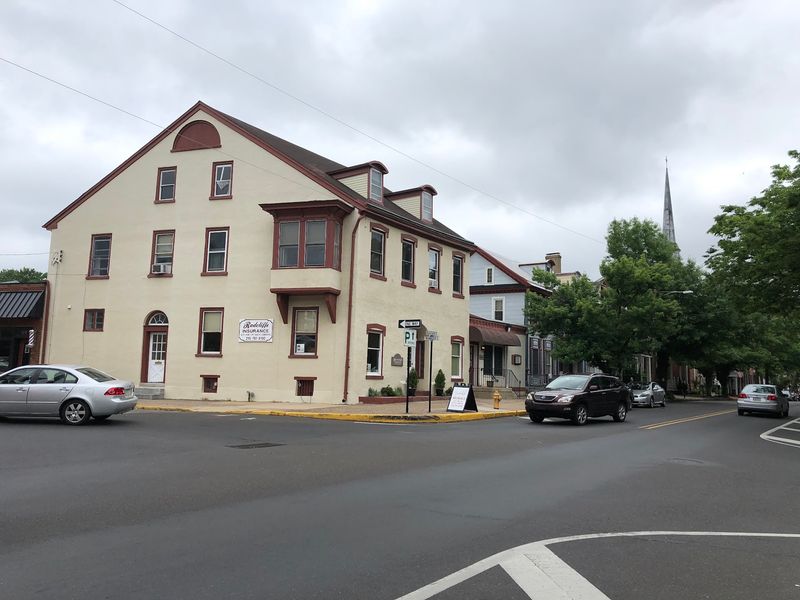
Ask someone what makes Bristol feel unchanged, and they may point you toward a street like Radcliffe.
There, the pace feels calmer, the homes seem full of stories, and the layout still reflects an older way of building towns close to the river.
It is the kind of place where a simple walk becomes the main activity.
Neighborhood streets matter just as much as famous landmarks because they show how people actually lived.
In Bristol, older residential blocks still carry the scale and texture of a long settled community, with houses close together and sidewalks that encourage conversation.
If you visit, be respectful and remember that people live there every day.
What makes streets like Radcliffe memorable is not perfection but continuity, and that steady, lived in character helps explain why Bristol does not feel frozen for tourists, but naturally preserved through ordinary local life.
5. Community Traditions Still Matter Here
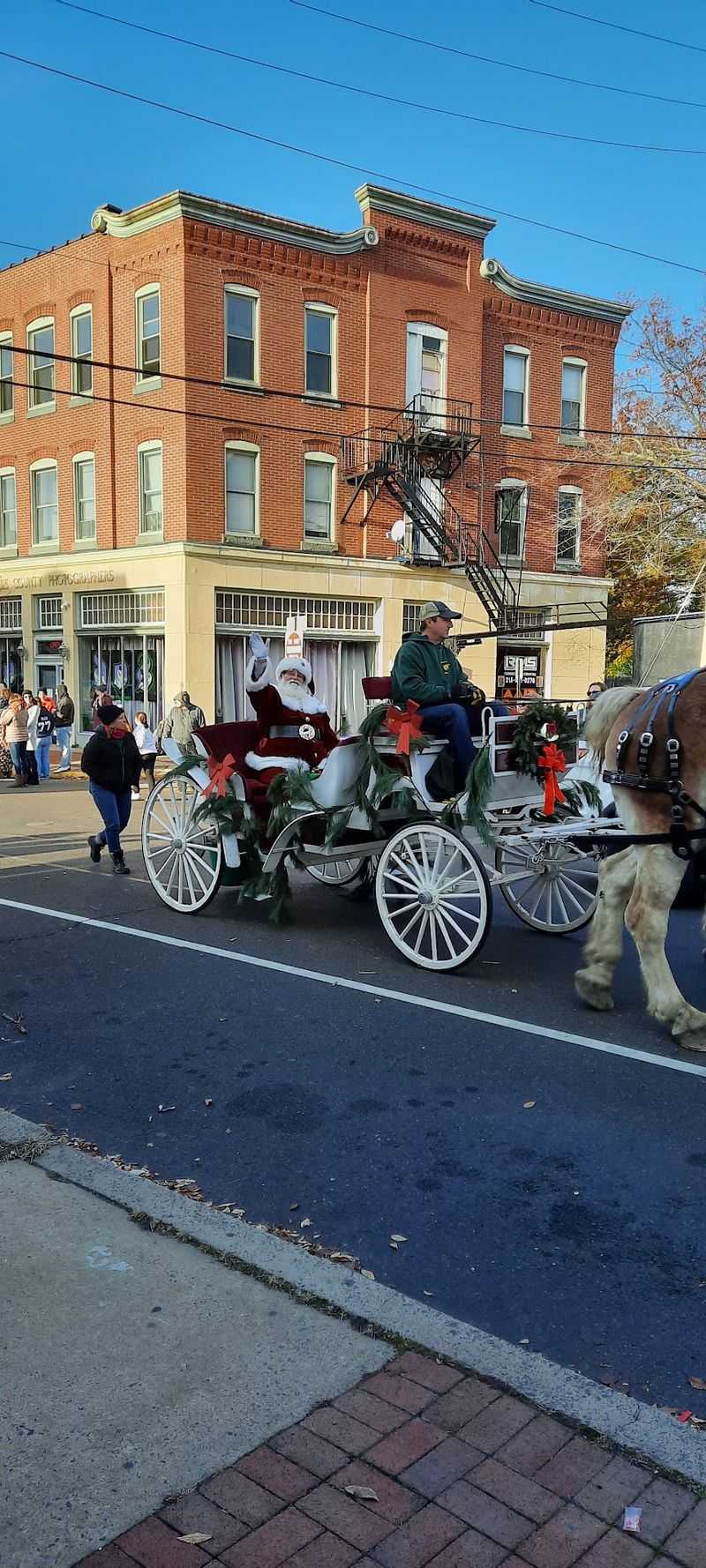
A town does not stay true to itself through buildings alone.
Bristol has held onto something just as valuable: a habit of gathering, celebrating, and showing up for local traditions that make a place feel known instead of anonymous.
That community spirit helps explain why the town still carries an older, close knit character.
Events, seasonal activities, and neighborhood routines give residents shared memories across generations.
When children grow up attending the same local celebrations their parents knew, the town keeps a stronger connection to its past without needing to pretend everything stayed exactly the same.
Visitors can learn a lot by paying attention to how people interact in public spaces.
Bristol feels lasting because its traditions still create bonds between neighbors, and those social ties are often the real reason a historic town survives with its identity intact while other places become hard to recognize.
6. The Borough’s Size Helps Protect Its Character
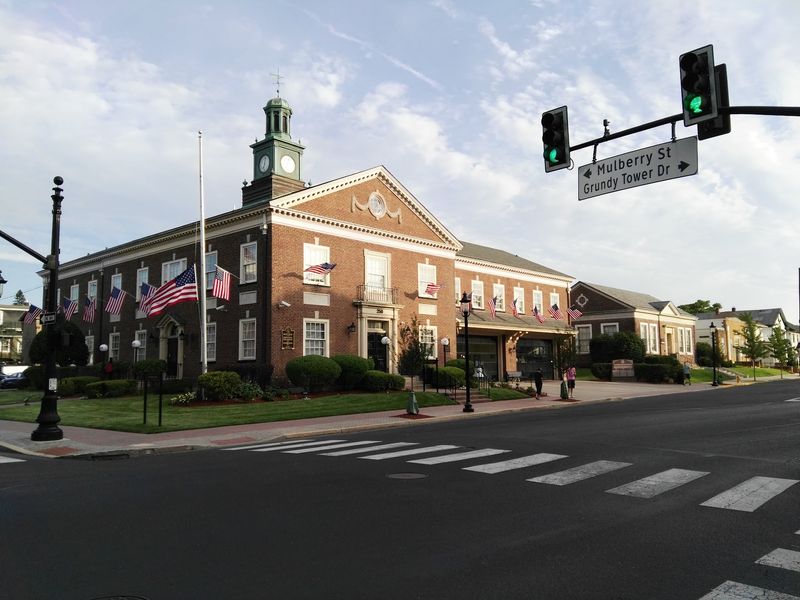
Big growth can change a place quickly, but Bristol’s smaller scale works in its favor.
Because the borough is compact, many of its key streets, buildings, and public spaces still connect in ways that feel human and easy to understand.
You do not need a map every minute because the town still behaves like a true small town.
That size also makes local character easier to notice.
People can walk between important spots, recognize familiar corners, and develop a stronger bond with the town’s layout than they might in a spread out suburb filled with parking lots.
For travelers, that means Bristol is best explored slowly, not as a rushed checkpoint.
Its modest footprint helps protect the older atmosphere people come to see, and it shows that small towns often keep their identity longest when daily life remains centered on connected streets instead of endless expansion.
7. Bristol Balances Everyday Life With Deep History
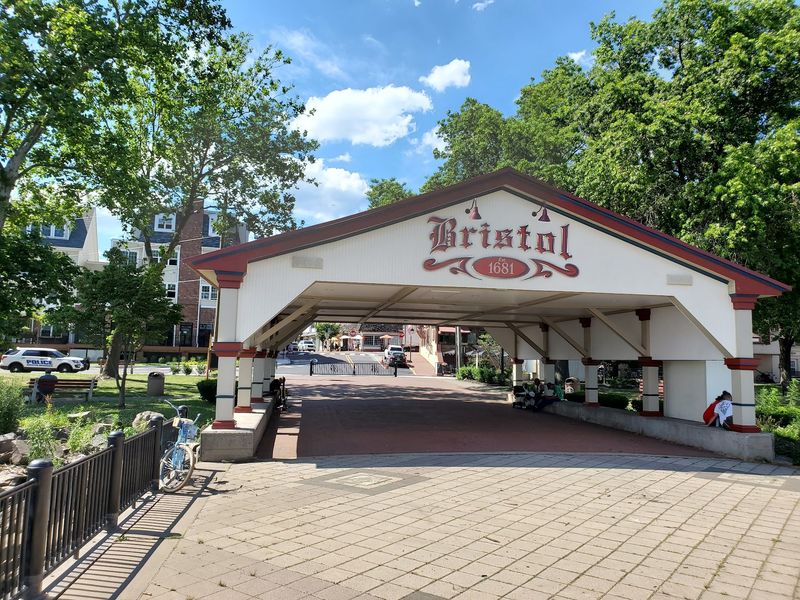
What makes Bristol stand out is not that it looks like a movie set.
The borough still feels real, lived in, and useful, which is exactly why its history feels believable instead of staged.
Children go to school, neighbors run errands, and daily routines unfold in a place shaped by more than three centuries of change.
That blend of ordinary life and old surroundings gives Bristol unusual strength.
Some historic places become so polished that they lose their soul, but Bristol still shows wear, work, and local habits, which can be far more interesting than a spotless version of the past.
If you want the best experience, pay attention to small moments rather than only famous sights.
Bristol has hardly changed in decades because it never stopped being a functioning town, and that honest, everyday quality may be the most impressive historic feature of all.