North Carolina is full of places where kids can play, build, test, climb, and imagine, but some of the best family stops are children’s museums that pull grown-ups in too. Around the state, these museums mix hands-on fun with science, art, stories, and everyday life skills, so a simple outing can turn into a whole afternoon of discovery.
Parents often arrive expecting to watch from the side, then find themselves launching paper projects, exploring exhibits, and losing track of time right along with their kids. If you are planning a family day trip in North Carolina, these spots are worth adding to your list because they make learning feel lively, easy, and genuinely fun for everyone.
1. Nido & Mariana Qubein Children’s Museum (High Point)

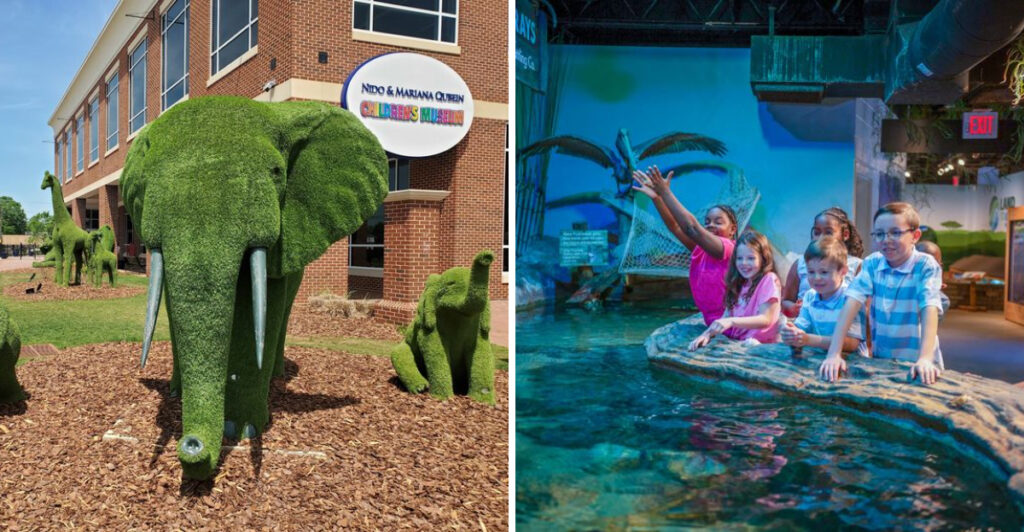
Some family places feel exciting the second you walk in, and that is the energy many visitors hope for at the Nido & Mariana Qubein Children’s Museum in High Point.
Kids are usually ready to touch everything, while parents quickly notice that the exhibits are built with real thought and care.
Instead of standing around waiting for the next stop, adults often end up joining the action because the rooms invite curiosity from every age.
Hands-on museums work best when children can move, try, fail, and try again, and this one fits that style well.
Expect spaces that encourage creative play, problem solving, and open-ended exploration instead of one single right answer.
That matters for families because children learn more when they are active, and parents can use the visit to ask simple questions, notice interests, and see what keeps their child engaged the longest.
A smart plan helps the day go smoother.
Arrive early if you can, especially on weekends or school breaks, because younger kids often enjoy exhibits more before the busiest hours begin.
Pack water, wear easy walking shoes, and let children lead part of the visit so they feel ownership, but save a little time at the end to return to a favorite area instead of rushing out too soon.
High Point gives this museum an extra appeal for local families and travelers looking for a break from parks, shopping, or restaurant stops.
Rainy days become easier when you have an indoor place that feels active rather than cramped.
Parents may appreciate that the museum can spark conversations later at home too, whether the topic is building, teamwork, art, or how something works.
When a museum keeps both children and adults interested at the same time, the outing feels less like filling time and more like making a memory that sticks.
2. Marbles Kids Museum (Raleigh)
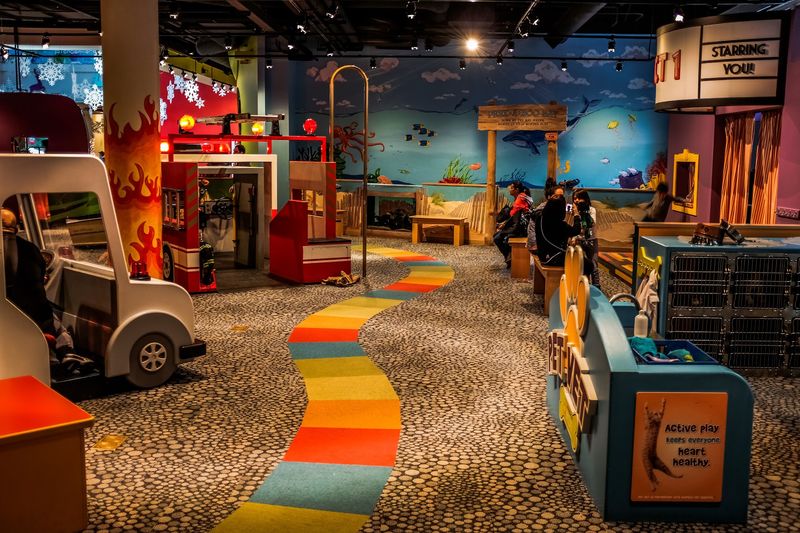
Energy fills the room fast at Marbles Kids Museum in Raleigh, and that lively feeling is a big reason families keep coming back.
Children can jump into pretend play, movement, building, and exploration, while parents often forget they planned to be observers only.
Before long, they are helping run a make-believe shop, testing an activity, or laughing over a challenge that looked easier from across the room.
One strength of a large museum like Marbles is variety.
If one child loves dramatic play and another wants something more active, the different exhibit styles can make the visit feel fair for the whole family.
That variety also helps on longer outings, because kids can shift gears when attention starts to fade instead of melting down from doing the same type of activity again and again.
Raleigh is a convenient base for a museum day, especially if you want to pair your visit with downtown food or another family stop nearby.
To make the most of your time, check ticket details and hours before leaving home, then talk with your kids about what kind of experience they want.
Some children like to race toward everything at once, but others do better with a slower path and a snack break built into the plan.
Marbles works especially well for families who want learning without a classroom feeling.
While children are busy pretending, building, and moving, they are also practicing social skills, decision making, and confidence.
Parents can support that learning by noticing effort instead of just results, such as praising patience, teamwork, or a new idea.
If you have younger kids, bring a change of clothes if active areas are part of your day.
If you have older children, encourage them to teach a younger sibling how an exhibit works.
That simple switch can turn a fun afternoon into a chance for leadership, kindness, and shared discovery that lasts beyond the ride home.
3. Miriam P. Brenner Children’s Museum (Greensboro)
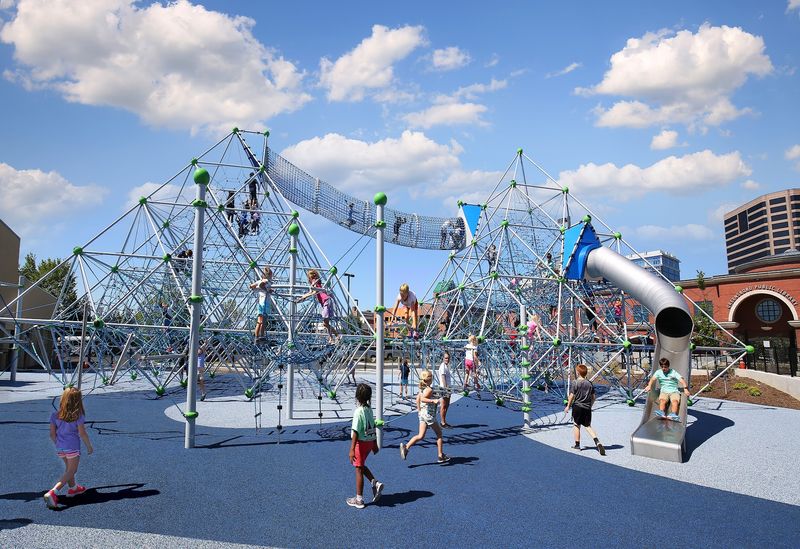
A playful afternoon can sneak up on you at the Miriam P.
Brenner Children’s Museum in Greensboro.
One minute, a parent is checking the schedule or holding a bag, and the next minute, they are helping with pretend play or getting curious about how an exhibit works.
That is part of the charm.
The museum feels designed for children first, but it still gives adults plenty to notice, talk about, and enjoy.
Greensboro families often look for places that balance fun with learning, and this museum does that in an easy, approachable way.
Hands-on exhibits can help children build confidence because they get to make choices and test ideas on their own.
Instead of hearing constant instructions, they can explore at their own pace, which is helpful for shy kids, busy kids, and children who learn best by doing rather than sitting still.
Planning ahead can improve the visit more than people expect.
If your child gets overwhelmed in crowded spaces, a weekday morning may feel calmer and more comfortable.
Bring socks if needed for active play zones, keep snacks for afterward, and take a few photos early, because once everyone gets into the exhibits, phones often stay tucked away while the real fun takes over.
Another nice part of visiting the Miriam P.
Brenner Children’s Museum is how naturally it can turn into conversation time.
You may leave talking about jobs, community roles, teamwork, shapes, motion, or stories children created during pretend play.
That kind of talk matters because it helps kids connect the museum to everyday life in North Carolina, from neighborhoods to schools to simple problem solving at home.
Parents who want to stretch the learning can ask their child to draw a favorite exhibit later or explain one activity to another family member.
Even a short visit can feel full when children are allowed to lead, imagine, and repeat what they love.
For many families, that mix of freedom and structure is exactly what makes the day feel special.
4. Museum of Life and Science (Durham)
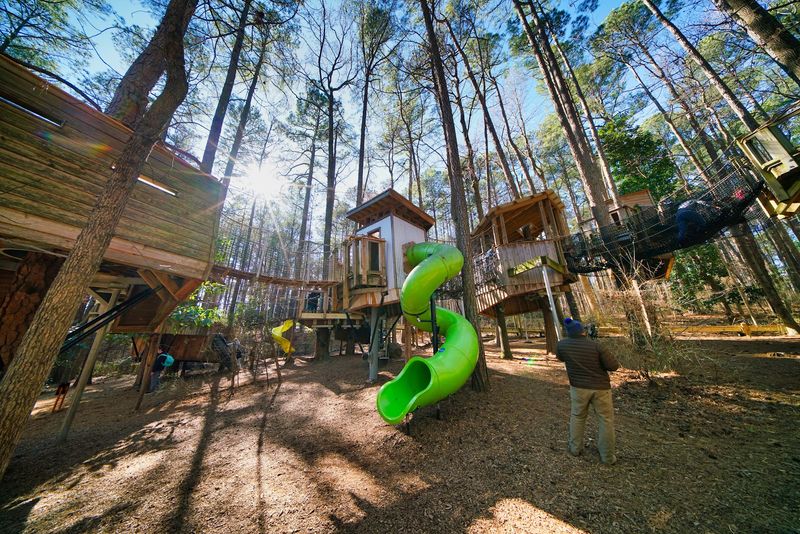
Few family attractions in North Carolina can match the sense of scale and curiosity that comes with a visit to the Museum of Life and Science in Durham.
Kids often move from one discovery to the next with wide eyes, while adults start reading signs, watching demonstrations, and pointing things out just as eagerly.
Because the experience can include both indoor and outdoor spaces, the day often feels bigger and more memorable than a standard museum stop.
Science becomes easier to love when it feels connected to real life, and that is one reason this museum stands out.
Children may explore motion, weather, animals, ecosystems, or simple machines in ways that feel active instead of abstract.
For parents, that creates a chance to support learning without sounding like a teacher.
A quick comment, a shared guess, or a small challenge can turn a fun exhibit into a strong learning moment.
Since this museum can cover a lot of ground, comfortable shoes and a flexible plan are your best friends.
Check the weather before you go, because outdoor areas may shape how long you stay and what you prioritize first.
Families with younger kids may want to begin with the exhibits they most want to see, then leave extra time for wandering, because children often slow down in the places adults least expect.
Durham makes a great setting for a visit like this because the city already has a strong learning and science identity, and the museum fits right into that spirit.
If your child likes asking why, how, or what happens next, this is the kind of place that rewards that curiosity.
It can also help children feel comfortable with trial and error, which is a useful lesson far beyond science.
Not every activity needs a perfect result to be valuable.
Parents can model that by wondering out loud, admitting when they do not know something, and exploring the answer together.
By the end of the day, many families leave tired in the best way, full of fresh questions, happy memories, and the feeling that learning can be an adventure instead of a chore.
5. KidSenses Children’s Interactive Museum (Rutherfordton)
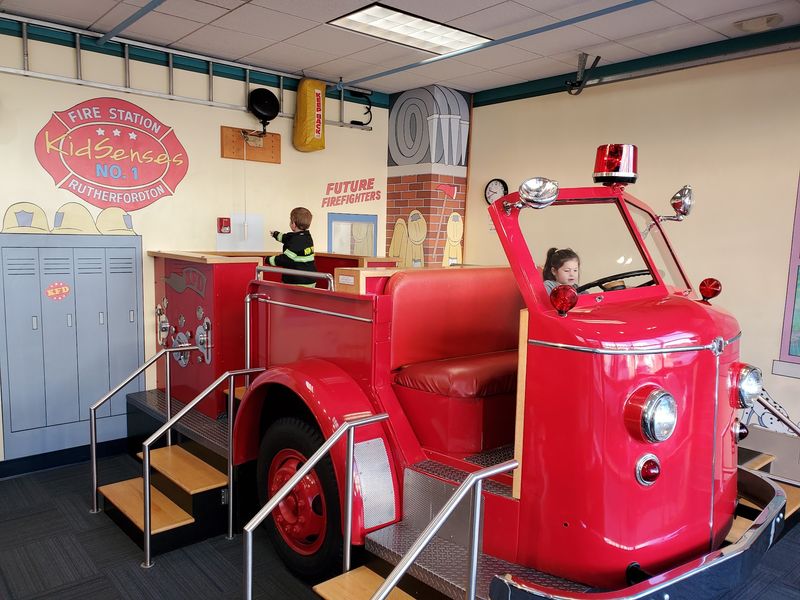
Small-town charm can make a museum visit feel more relaxed, and KidSenses Children’s Interactive Museum in Rutherfordton has that kind of easygoing appeal.
Families often find that the pace feels less rushed than at giant attractions, which can be a gift for younger children who need time to warm up.
Parents may arrive expecting a simple stop, then realize the hands-on exhibits hold attention longer than they guessed.
Interactive museums are especially useful for children who like to learn with their whole body.
Instead of just looking at displays, kids can move through activities that ask them to notice, test, build, and imagine.
That kind of experience can support focus, communication, and confidence, especially when adults step back a little and let children figure out what they want to try first and how they want to approach it.
Rutherfordton is a good reminder that memorable family destinations in North Carolina are not only found in the biggest cities.
A museum visit here can feel personal, manageable, and easier to fit into a wider day of local exploring.
If you are traveling with children of different ages, set a simple meeting point and agree on a loose rhythm, so no one feels pulled along too fast or left behind while others linger.
KidSenses can also be a nice choice for grandparents, babysitters, or relatives visiting from out of town because it gives everyone something to do together without needing expert knowledge.
Adults can ask children to explain an exhibit, make predictions, or tell a story about what they are pretending.
Those little exchanges help stretch the value of the outing without making it feel like homework.
Another smart tip is to watch your child for signs of deep concentration and resist interrupting too quickly.
Sometimes the quietest moment at a museum is when the biggest learning is happening.
When children feel free to experiment and adults feel welcome to join in, the result is a family day that feels warm, playful, and surprisingly rich from start to finish.
6. Children’s Museum of Wilmington (Wilmington)
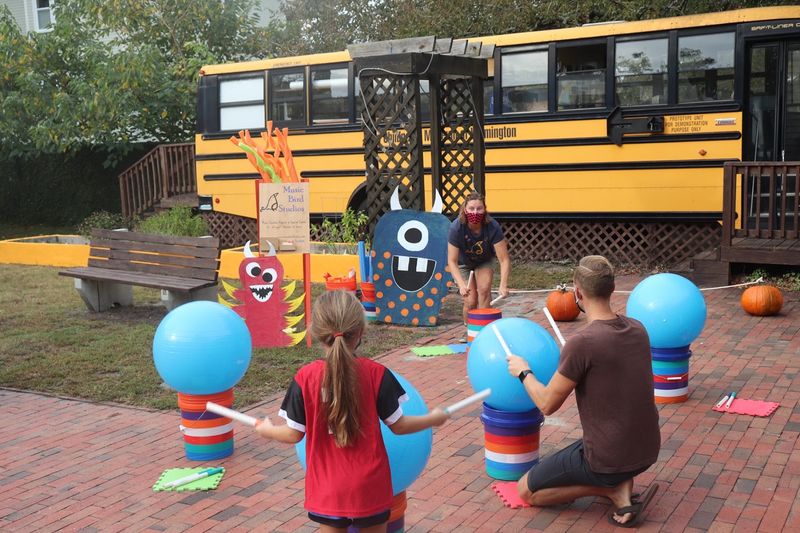
Beach towns are not only about sand and surf, and the Children’s Museum of Wilmington proves that with a hands-on experience families can enjoy year-round.
On hot afternoons, rainy mornings, or days when everyone needs a break from the coast, this museum offers a fresh kind of adventure.
Kids can shift from pretend play to problem solving quickly, and parents often get pulled into the fun before they even notice it happening.
What makes a children’s museum useful on vacation is how flexible it can be.
A family does not have to be expert planners to enjoy it, and there is often room for both energetic play and slower moments.
That balance helps when children are tired from travel or overstimulated from busy attractions nearby.
A museum visit can reset the mood while still feeling exciting, which is a very helpful trick on family trips.
Wilmington adds to the appeal because it already draws families for history, water views, and nearby beaches.
Sliding a museum stop into your schedule can make the whole trip feel more rounded, especially if weather changes your original plans.
Try visiting earlier in the day if your child is freshest in the morning, and keep expectations simple.
You do not have to see every corner for the outing to feel successful.
The Children’s Museum of Wilmington can also spark practical learning that travels home with you.
Pretend play areas often give children chances to practice taking turns, solving little disagreements, and using language in creative ways.
Parents can support that by narrating what they notice rather than directing every move, such as pointing out patience, teamwork, or a clever idea.
If your family loves souvenirs, consider skipping one extra trinket and letting your child choose a small memory tied to the museum instead.
That choice can help them remember the experience more clearly later.
In a place known for coastal fun, this museum offers a different kind of treasure, one built from imagination, discovery, and shared family time indoors when you need it most.
7. Discovery Place Kids (Rockingham)
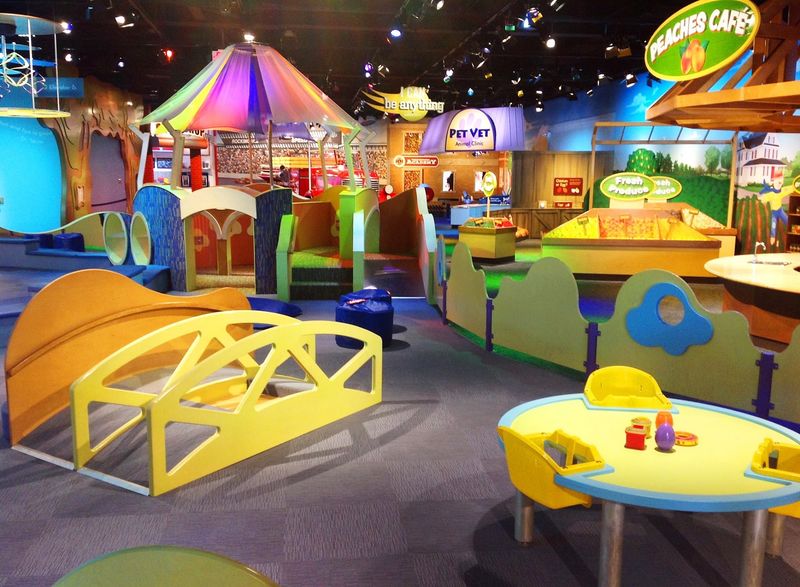
Sometimes the best family outings are the ones that feel manageable from the start, and Discovery Place Kids in Rockingham has that welcoming quality.
Children can settle into play quickly, while parents usually notice that the exhibits encourage more than random noise and movement.
There is room for imagination, but there is also a sense of purpose, which helps the visit feel fun and worthwhile at the same time.
For many families, a strong children’s museum gives kids a chance to practice real-world thinking through play.
Whether they are pretending, building, exploring, or making choices, children are learning how to communicate and solve small problems as they go.
Adults can make that even richer by joining in as partners instead of directors.
A simple question or playful role can keep the experience moving without taking over.
Rockingham may not always be the first place travelers mention, but that can be part of the appeal.
Smaller destinations can feel less hectic, easier to navigate, and more comfortable for children who do not love huge crowds.
If you are making a day of it, keep your schedule loose and leave room for breaks.
Children often enjoy museums more when they do not feel rushed from one stop to the next.
Discovery Place Kids in Rockingham is also a good reminder that educational fun does not need to be stiff or overly serious.
Kids can learn through active play, storytelling, and trying out new roles in a setting that feels inviting rather than demanding.
Parents may appreciate that the museum supports both independent exploration and shared moments.
If siblings have different interests, let each child choose one favorite exhibit to revisit before leaving.
That small decision can reduce arguments and help everyone feel seen.
Another useful tip is to talk about museum expectations in the car, especially voices, walking, and taking turns.
Clear expectations before entering often lead to a smoother visit for everyone.
By the end, many families leave feeling like they found a hidden gem that offered both entertainment and real value in one easy trip.
8. Discovery Place Kids (Huntersville)
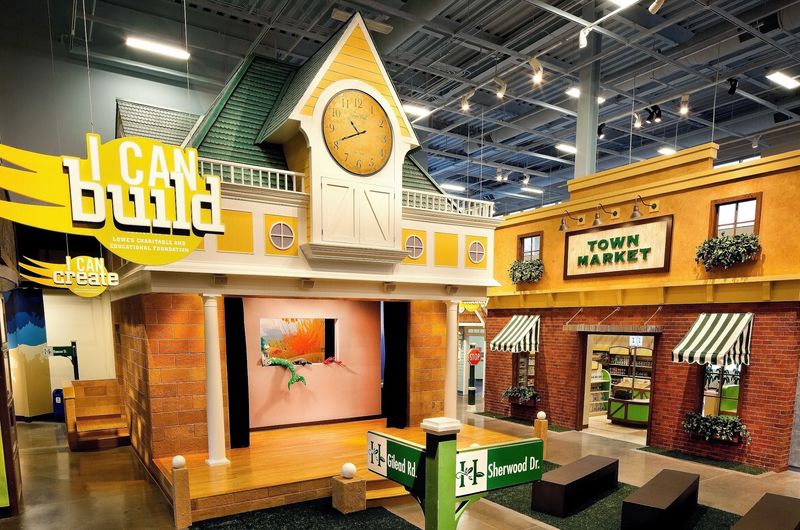
Laughter tends to echo through Discovery Place Kids in Huntersville, and that playful buzz tells you a lot before you even see every exhibit.
Families often come here looking for a dependable outing, then end up staying longer because the activities hold attention so well.
Parents get drawn in too, especially when pretend play turns into teamwork, storytelling, or a challenge that asks everyone to think together.
A good children’s museum makes room for different personalities, and that can be especially helpful for families with more than one child.
One child may love dramatic play, another may prefer building or figuring out how something works.
When a museum offers several paths into learning, the day feels smoother and more enjoyable for the whole group.
That variety can also help adults spot interests they had not noticed before.
Huntersville is well placed for families in the Charlotte area who want an outing that feels substantial without becoming exhausting.
To keep the day pleasant, try dressing kids in comfortable clothes and choosing one rough time goal rather than forcing a strict schedule.
Some families do better with a short focused visit, while others enjoy letting the museum shape the day.
Watching your child’s energy level matters more than checking every exhibit off a list.
Discovery Place Kids in Huntersville is especially useful for turning ordinary play into meaningful practice.
Children may be using math, language, social awareness, and creativity without even realizing it.
That hidden learning is part of what makes a children’s museum so valuable.
Parents can build on it later by asking what their child pretended to be, what problem they solved, or what they would add if they could design an exhibit of their own.
Those questions invite reflection without making the fun disappear.
If you are traveling with younger kids, a midday snack break can make the second half of the visit much happier.
If you are with older kids, challenge them to help a younger sibling join a game kindly.
Small moments like that often become the part parents remember most.
9. Fascinate-U Children’s Museum (Fayetteville)

Pretend play can reveal a lot about how children see the world, and Fascinate-U Children’s Museum in Fayetteville gives that kind of imagination room to grow.
Many kids jump right into role-playing spaces, creating stories and testing grown-up jobs in ways that feel both funny and surprisingly thoughtful.
Parents often get caught up in the scenes too, acting as customers, coworkers, or audience members before they realize how involved they have become.
Role-play museums matter because they help children practice real skills in a playful setting.
Taking turns, speaking clearly, solving little problems, and cooperating with others can all happen naturally while kids are busy pretending.
That kind of learning is useful at school, at home, and in friendships.
It can be especially helpful for children who are nervous in new situations, since pretend worlds often make social practice feel safer.
Fayetteville families may appreciate having a museum that feels rooted in community life.
Children can connect what they see in exhibits to places and roles they notice in everyday North Carolina life, which makes the experience feel familiar and exciting at once.
A helpful tip is to let your child set the story sometimes.
Adults often rush to explain an exhibit, but children may create a richer game if given space first.
Fascinate-U can also be a strong choice for mixed-age groups because pretend play stretches in many directions.
A preschooler might focus on costumes and simple stories, while an older child may build a whole scene with rules, goals, and character voices.
Parents can support both by joining lightly and following the child’s lead instead of controlling every detail.
Bring patience for repetition too, because kids often want to replay the same scene several times when they are deeply engaged.
That repetition is not wasted time.
It helps children strengthen ideas, language, and confidence.
If you leave with your child talking nonstop about what they were pretending, the museum has done something special.
It turned imagination into a shared family memory, and that is not always easy to find.
10. Exploration Station (Lumberton)
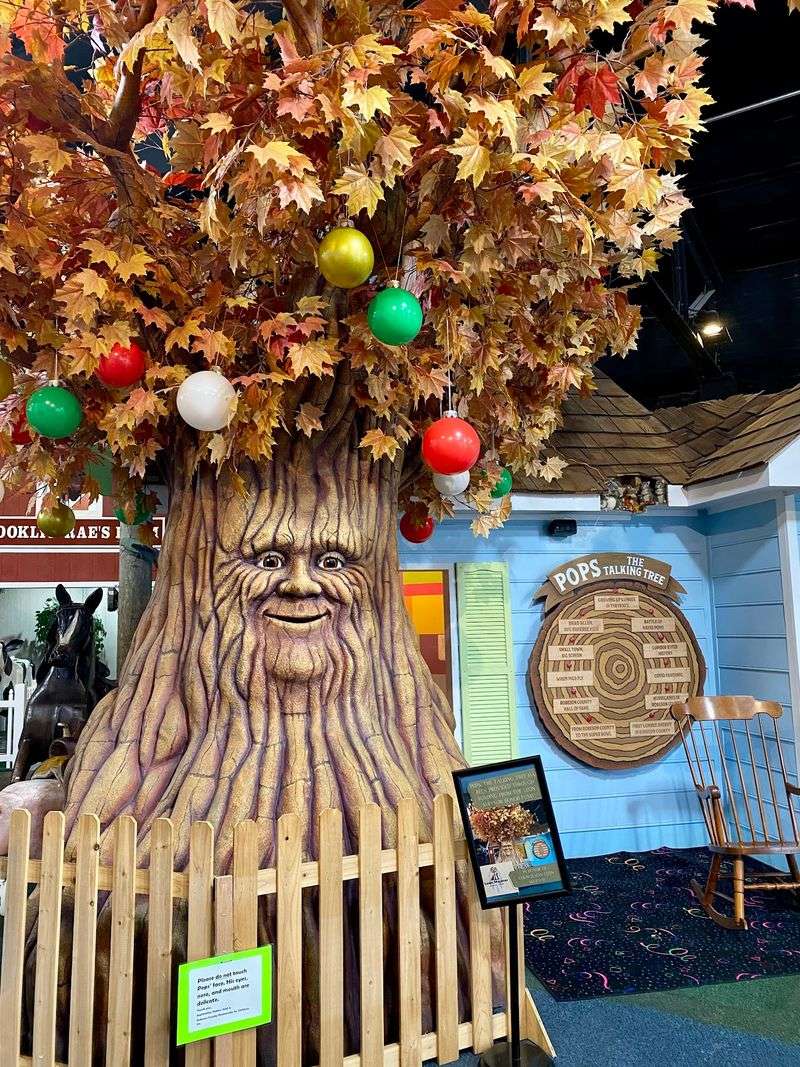
Curious kids rarely need much encouragement, and Exploration Station in Lumberton gives them a place where that curiosity can stretch out.
A visit here can feel less like a formal lesson and more like a series of little discoveries that build on each other.
Parents often start out guiding the day, then end up absorbed in an exhibit, helping with an experiment, or watching closely as a child figures something out alone.
Places with hands-on learning are valuable because they make abstract ideas easier to grasp.
When children can touch, move, test, and observe, they often understand concepts more clearly than they would from a book alone.
That does not mean books matter less.
It means the museum can give those future lessons a stronger foundation by turning big ideas into something real and memorable for young minds.
Lumberton may be a practical stop for local families or travelers moving through southeastern North Carolina.
If you are on a longer trip, a museum break can be just what children need after time in the car.
Keep your visit flexible and avoid overpacking the day.
Children often have more patience and better attitudes when one outing is allowed to be enough instead of squeezed between too many plans.
Exploration Station can work well for parents who want fun with a clear educational payoff, but without a heavy or overly structured feel.
You can support that balance by paying attention to what your child returns to more than once.
Repeated interest usually tells you something about how they learn or what excites them most.
Later, you might borrow a library book or set up a simple activity at home that connects to that interest.
Another useful idea is to give children a small job during the visit, such as map reader, photo helper, or snack keeper.
Responsibility often helps kids stay more engaged and cooperative.
When the outing ends with happy tiredness, good questions, and a sense of discovery, families usually know they spent their time well.
11. Imperial Centre Children’s Museum & Science Center (Rocky Mount)
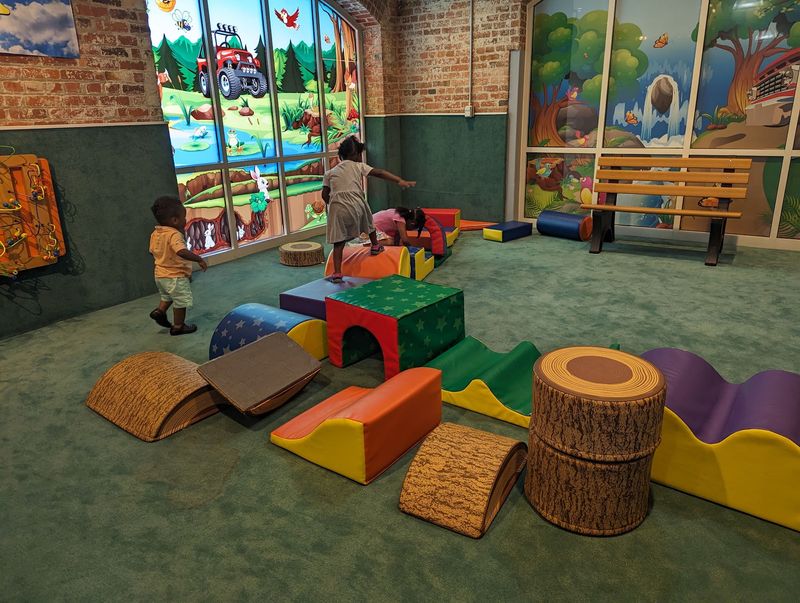
A museum visit feels extra rewarding when it offers more than one kind of experience, and the Imperial Centre Children’s Museum & Science Center in Rocky Mount brings that broader appeal.
Families can enjoy playful learning while also tapping into science-focused curiosity, which keeps the day interesting for different ages and personalities.
Parents may come for the kids, but many end up reading, experimenting, and exploring right alongside them.
Combining children’s museum energy with science center thinking can be a smart mix.
Younger children often connect best through touch, movement, and pretend play, while older kids may start asking deeper questions about how things work.
A place that supports both styles can keep siblings happier and make the outing feel worth the drive.
It also gives adults a natural way to match activities to each child’s stage and interests.
Rocky Mount adds a practical advantage for families looking for meaningful local trips in North Carolina.
You do not always need a major city destination to find hands-on learning that feels exciting and memorable.
Before visiting, check current exhibit details and any special programs, since museums sometimes offer events that can shape the best time to go.
A little planning can make the experience smoother without making it feel rigid.
The Imperial Centre Children’s Museum & Science Center can also help children see that learning is not split into separate boxes.
Art, play, observation, and science often connect in ways kids understand better when they experience them together.
Parents can encourage that by asking open questions like what they noticed, what surprised them, or what they would test next.
Those questions invite thinking without putting pressure on the child to give a perfect answer.
If attention starts to dip, switch the pace instead of pushing through.
A quieter exhibit, a water break, or a short pause can bring energy back fast.
Families who stay flexible usually enjoy more of what the museum offers.
When a place sparks wonder in both a six-year-old and a grown-up, it has done something genuinely impressive.
12. Children’s Museum of Alamance County (Graham)

Not every memorable museum needs huge halls or flashy features, and the Children’s Museum of Alamance County in Graham shows why smaller spaces can still leave a big impression.
Families often enjoy the cozy, community-centered feeling that makes exploration seem less overwhelming.
Children can settle into play more comfortably, and parents may find it easier to stay present when the visit feels personal instead of rushed or crowded.
Community museums have a special strength.
They often feel closely tied to the families they serve, which can make repeat visits more rewarding.
Children may grow more confident each time they return because the setting becomes familiar while the activities still invite fresh ideas.
That comfort can be especially helpful for toddlers, preschoolers, or children who need a gentler pace to fully enjoy a new place.
Graham is a useful reminder that North Carolina family fun is spread across the state, not only concentrated in the largest cities.
For local families, this museum can be an easy outing that does not require a huge commitment of time.
For visitors, it can be a worthwhile stop that offers a softer, more relaxed rhythm.
If you go, let your child explore without hurrying them from station to station too quickly.
The Children’s Museum of Alamance County can also support a kind of learning that feels deeply everyday, and that is a strength, not a limitation.
Through play, children often rehearse how they will interact with the world around them, from sharing and asking questions to pretending, planning, and adapting.
Parents can make the visit even more meaningful by observing closely and noticing patterns in what captures attention.
Does your child build, sort, imagine, or collaborate first?
Those clues can tell you a lot.
A follow-up activity at home does not need to be fancy either.
Paper, blocks, toy food, or a simple story can reconnect to what your child enjoyed at the museum.
When a family place inspires both fun in the moment and ideas for later, it earns its spot on the calendar.
13. Catawba Science Center (Hickory)
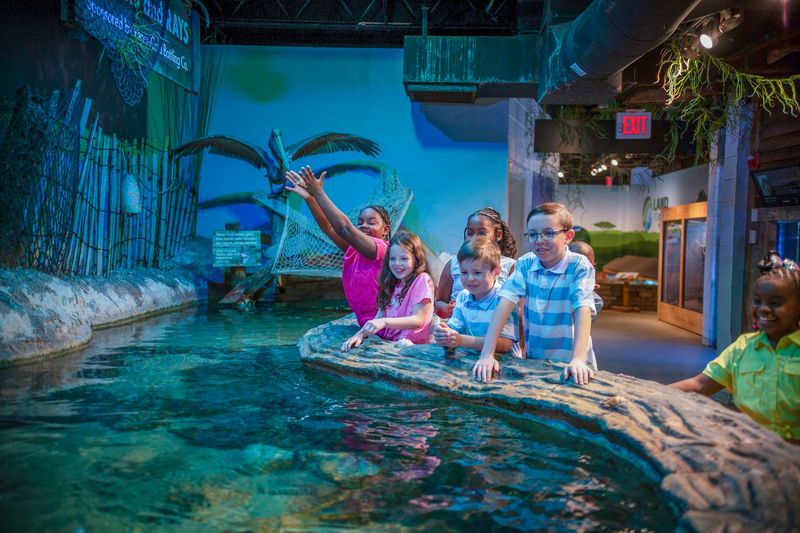
Wonder has a way of spreading quickly in a good science museum, and Catawba Science Center in Hickory gives families plenty to react to together.
A child may run toward an exhibit first, but parents usually are not far behind once they see the mix of hands-on learning and visual interest.
The result is a visit where adults are not just supervising.
They are noticing, asking, testing, and enjoying the experience too.
Science centers can be especially powerful because they turn curiosity into action.
Children are not only hearing facts.
They are seeing patterns, trying ideas, and making connections between what they know and what they are discovering in front of them.
That active style can help science feel less intimidating for kids who are unsure of it in school.
It also gives confident learners a place to stretch their questions further.
Hickory offers a strong setting for a family outing like this, especially for people exploring western and central parts of North Carolina.
To make the day go well, keep your expectations realistic and choose a few must-see areas rather than trying to do absolutely everything.
Children often get more out of a museum when they can spend real time on a handful of exhibits instead of being pushed through too quickly.
Catawba Science Center can also be a smart pick for families who want an outing that grows with their children.
Younger visitors may focus on sensory experiences and cause-and-effect activities, while older kids begin to ask bigger questions and notice more detail.
Parents can support both by adjusting how they talk during the visit.
With little kids, name what you see and keep it playful.
With older ones, invite predictions and comparisons.
If your child seems deeply interested in one topic, consider using that as a springboard for a library trip or a simple experiment at home.
The museum does not have to be the whole lesson.
It can be the spark.
And sometimes that spark is exactly what turns a regular family day into one that sticks in everyone’s memory.