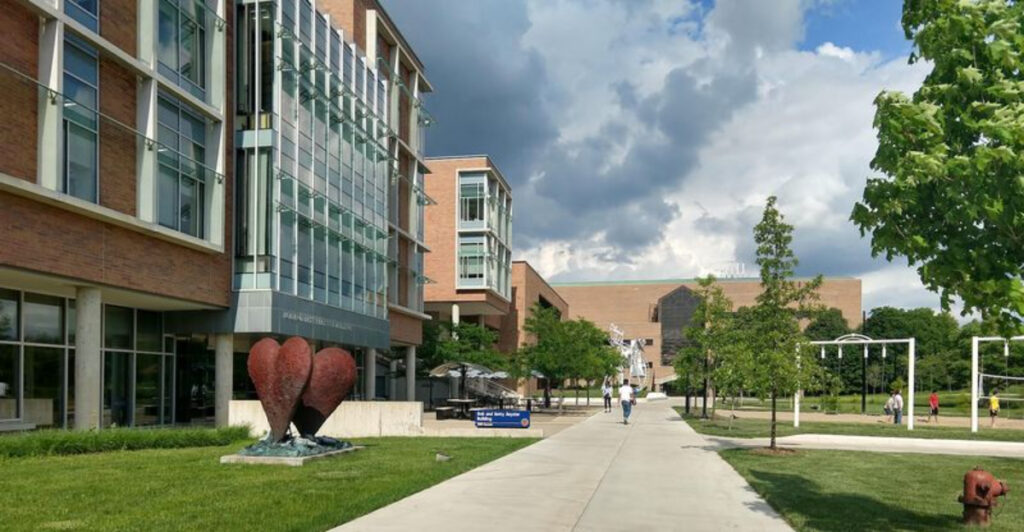
College-town energy feels different when it stretches beyond campus and into everyday life. In Ann Arbor, Michigan, leafy streets, big ideas, lively parks, local restaurants, cultural stops, and walkable neighborhoods all come together in a way that makes the city feel both active and easy to live in.
The appeal is not just football weekends or university pride, but the way ordinary days seem to run with a little more color, convenience, and curiosity. That balance of culture, nature, education, and community is what helps Ann Arbor stand out as one of the Midwest’s most appealing places to call home.
For anyone wondering why this Michigan city keeps showing up in livability conversations, the answer is easy to see once you slow down and look around.
Tree-Lined Streets and a Downtown That Works
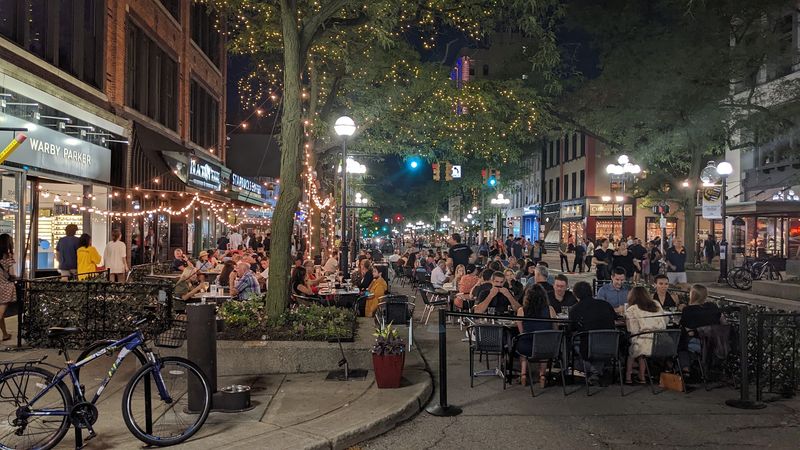
Some places impress with giant skylines. Ann Arbor wins people over with streets that are easy to understand, pleasant to walk, and full of everyday life.
The downtown core is compact enough to explore on foot, yet busy enough to feel active from morning coffee through evening dinner.
Sidewalks are lined with bookstores, cafes, boutiques, and restaurants tucked into brick buildings that give the city texture instead of sameness. Trees soften many blocks, adding shade in warm months and bursts of color in fall.
Even simple errands can feel lighter here because daily needs sit close together rather than spread far apart.
That layout helps explain why the city is often praised for livability. A place becomes easier to love when grabbing lunch, meeting a friend, picking up groceries, and strolling through downtown can happen without a long drive.
Streets with steady foot traffic also create a sense of energy that many suburban centers never quite manage.
Ann Arbor’s downtown is not frozen in time, either. It blends old and new in a way that feels useful.
Historic facades sit beside newer businesses, and the mix keeps the area from turning into a museum piece or a bland retail strip.
For travelers, the best plan is simple: park once, then walk. Notice the alleyways, public art, and changing window displays.
Look up at upper-story details that are easy to miss when rushing. In a region where many places are built mainly for cars, Ann Arbor stands out by making regular movement pleasant.
That practical comfort, more than flashy landmarks, is a big reason the city earns such strong praise as one of the Midwest’s most livable places.
The University Pulse Without the Usual College Town Chaos
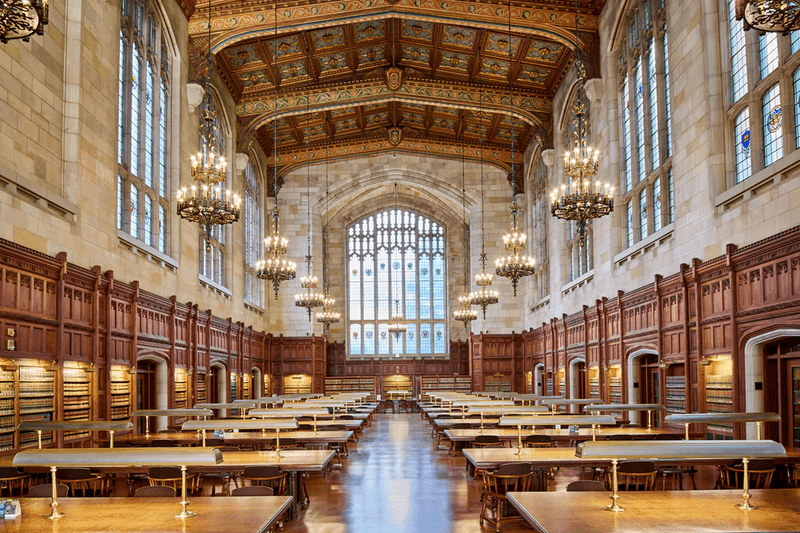
Energy can make a city exciting, but too much of it can wear people out. Ann Arbor finds a rare middle ground because the University of Michigan brings motion, ideas, and cultural life without swallowing the city around it.
The campus is large, active, and deeply tied to local life, yet many neighborhoods still feel calm and settled.
That balance changes the whole rhythm of the place. Students keep coffee shops, bookstores, music venues, and late-night food spots busy, while longtime residents anchor schools, parks, and neighborhood routines.
Instead of one group pushing out the other, the city often works best when both are part of the same daily pattern.
The university also gives Ann Arbor an intellectual edge that reaches beyond classrooms. Lectures, research, performances, museums, and sports create a constant stream of things to do.
Residents do not need to wait for a big annual event to find something interesting. On an ordinary week, there may be an art exhibit, a science talk, a play, or a game drawing people together.
Many college towns struggle when school is out, turning quiet in a way that feels temporary. Ann Arbor stays more stable because it has a strong local identity of its own.
The campus matters deeply, but it is part of a broader city rather than the only reason the city exists.
Anyone trying to understand Ann Arbor should spend time near both campus edges and nearby residential streets. The shift is quick and revealing.
One block may carry the buzz of student movement, while the next offers porches, gardens, and a quieter pace. That smooth handoff between ambition and comfort is a major reason the city is celebrated as such a livable place.
Museums, Books, and Brainy Fun for All Ages
A highly livable city needs more than nice houses and good roads. It should also feed curiosity, especially on regular afternoons when families, students, and retirees want something interesting to do.
Ann Arbor does that unusually well through museums, galleries, libraries, and a long love of learning that spills into public life.
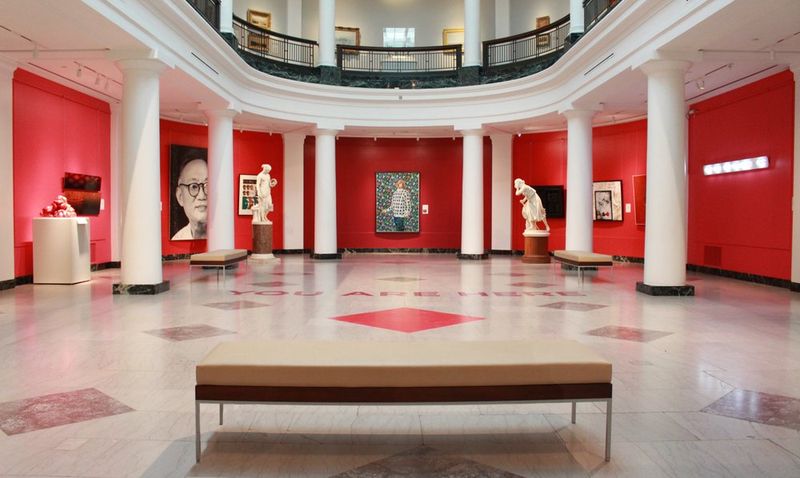
The University of Michigan Museum of Art gives the city a cultural anchor with work from many periods and places. Nearby, the Ann Arbor Hands-On Museum offers a completely different kind of experience, built around movement, play, and kid-friendly discovery.
The Museum of Natural History adds another layer, connecting science to everyday wonder in a way that can hold a child’s attention and still interest adults.
Books also matter here. Independent bookstores and campus reading culture help make ideas visible in the city, not tucked away behind academic doors.
That presence changes the tone of downtown. Window displays, event flyers, lecture posters, and café conversations all hint that learning is part of local entertainment, not a chore.
For residents, this means rainy days are easier, weekends offer variety, and children grow up with easy access to places that make questions feel exciting. For visitors, it means Ann Arbor can fill a trip with more than meals and shopping.
A museum stop can sit naturally between lunch and a walk, making the day richer without much planning.
Try mixing one serious stop with one playful one. Pair art with science, or a quiet gallery hour with a hands-on exhibit.
That combination captures Ann Arbor’s style. The city does not separate culture from daily life.
It folds it into ordinary routines, which is one of the clearest signs of a place designed not only for success, but also for living well.
Parks, River Paths, and Fresh Air in the Middle of Town
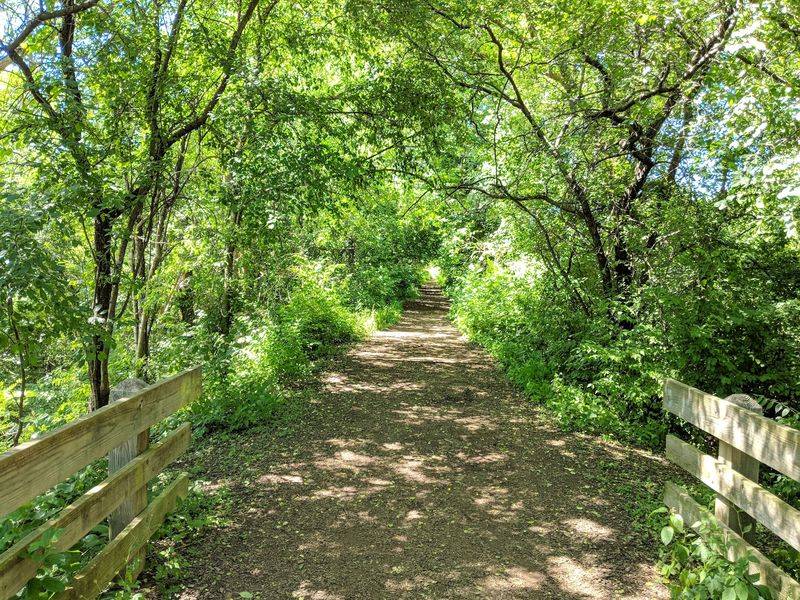
City life can feel cramped when green space is treated like an afterthought. Ann Arbor avoids that problem with parks, tree cover, and easy access to the Huron River, which adds movement and breathing room right through the community.
Nature is not kept far outside town. It shows up where people actually live.
The river corridor helps shape the city’s daily appeal. Trails, bridges, and open lawns create room for walking, running, biking, and paddling without requiring a long getaway.
On a mild day, the simple act of stepping outside can lead to a riverside view, a shaded path, or a quiet bench that resets the pace of the afternoon.
This kind of access matters more than flashy scenery. In highly livable places, nature is useful and regular.
It supports exercise before work, family time after school, and low-cost weekend plans. Ann Arbor’s parks make that possible by being woven into the city instead of sitting as distant special destinations.
Seasonal change also gives the landscape real personality. Spring brings fresh green color, summer fills parks with activity, and fall can turn walks into a show of red, orange, and gold.
Even colder months have a certain clarity when bare trees open longer views and bundled-up walkers still use the paths.
Gallup Park is often a smart place to begin, especially for anyone who wants an easy introduction to the river setting. From there, it becomes easier to see how open space supports the larger city.
Ann Arbor offers the benefits of an educated, active urban center without cutting people off from water, trails, and calm. That steady connection to the outdoors plays a big part in why living here can feel balanced instead of rushed.
Ann Arbor, Michigan Food and Farmers Market Culture
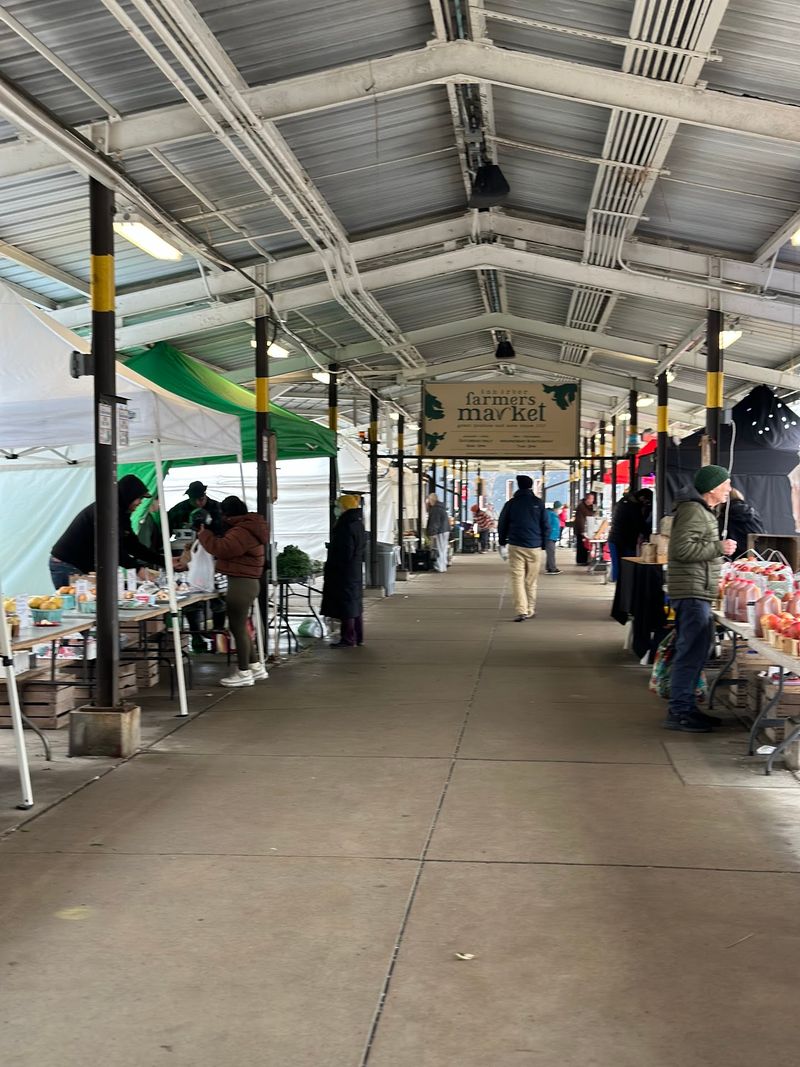
Great food alone does not make a city livable, but easy access to good everyday eating certainly helps. Ann Arbor stands out here because the dining scene is varied, walkable, and tied to local routines rather than built only for special occasions.
Coffee, market shopping, casual lunch spots, and international flavors all play a part.
Kerrytown is one of the clearest examples. The area blends historic character with useful daily stops, including the Ann Arbor Farmers Market, where fresh produce and local goods add a sense of rhythm to the week.
A market like that does more than sell vegetables. It creates a habit of gathering, browsing, and eating seasonally, which makes a city feel grounded.
Beyond the market, Ann Arbor’s food landscape reflects the influence of a major university and an internationally connected population. That means diners can often move from classic comfort food to global dishes within a few blocks.
The variety adds convenience for residents and keeps meals from becoming repetitive for anyone staying several days.
Another strength is scale. Plenty of places are lively without feeling overwhelming, which suits the city’s broader personality.
Rather than demanding a big night out every time, Ann Arbor gives people room for a quick breakfast, a solo coffee break, or dinner with friends after a museum visit.
A smart way to experience this side of town is to start in the morning. Walk through Kerrytown, look at what is in season, then let the day unfold from there.
Grab coffee, browse local shops, and save room for lunch downtown. In many Midwestern cities, food culture is strongest in isolated pockets.
Ann Arbor spreads it through daily life, and that makes a difference. When eating well is simple instead of rare, a place becomes easier to enjoy week after week.
Why Daily Life Here Feels Easier Than in Bigger Midwest Cities
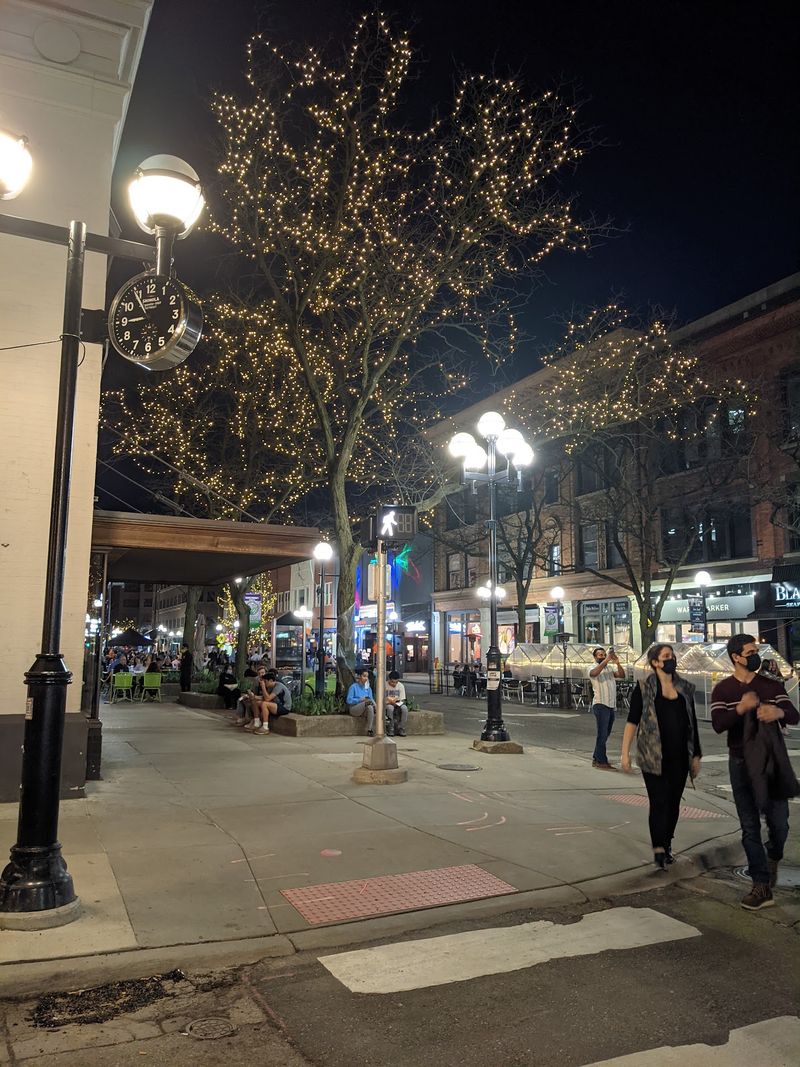
Livability is often decided by small things that never appear on postcards. Commutes, errands, neighborhood comfort, public spaces, and access to schools or entertainment all shape whether a city works over time.
Ann Arbor earns its reputation because so many of those ordinary pieces fit together better than they do in larger regional hubs.
The city offers urban advantages without pushing every task into a stressful contest for time and space. Residents can reach campus events, parks, restaurants, and cultural spots with less friction than in many bigger metro areas.
There is enough activity to avoid boredom, yet the scale remains manageable for families, retirees, and young professionals alike.
Neighborhoods help strengthen that appeal. Many blocks have mature trees, sidewalks, and homes that feel rooted rather than temporary.
Even near busier districts, it is possible to find streets that settle quickly into a quieter pattern. That contrast supports a healthier pace, giving people the option to join city life and then step back from it without leaving town entirely.
Practical planning also helps visitors understand the city’s strengths. Come ready to walk, especially downtown and around campus.
Build time for a museum, a park, and at least one neighborhood detour rather than only chasing headline attractions. Ann Arbor’s best qualities often appear between major stops, in the spaces where people actually live their daily routines.
For anyone measuring Midwest cities by comfort, convenience, and cultural depth, Ann Arbor makes a strong case. It is smart without being stiff, active without feeling frantic, and green without giving up urban energy.
That combination is difficult to build and even harder to maintain. Yet here it appears in streets, schedules, and simple habits, which explains why Ann Arbor is so often praised as the most livable place in the Midwest.
Share this story