
A walk through the North Carolina Botanical Garden feels like a small adventure tucked inside Chapel Hill. You can follow quiet paths, see plants that belong in North Carolina, and learn something new without feeling rushed.
Best of all, one peaceful garden visit can end with a fun surprise: a giant outdoor chessboard. It is a great place for families, students, and anyone who wants fresh air, beauty, and a playful finish.
1. A Welcoming Start Near the Visitor Center

First impressions matter, and the North Carolina Botanical Garden gives a good one right away.
Visitors arrive at 100 Old Mason Farm Road and find a free garden with a calm, easygoing feel.
Many people like that there is no admission cost, so a visit can be simple, relaxed, and budget-friendly.
Parking is available on site, which makes the start of the trip smoother, especially for families with kids or older visitors.
Reviewers often mention the welcome center, gift shop, and clean restrooms as helpful features before heading outside.
If you want the easiest experience, try to come earlier in the day when the grounds feel cooler and less busy.
The garden is open Tuesday through Sunday from 9 AM to 5 PM and closed on Monday.
Since the trails and gates close in the late afternoon, it is smart to give yourself enough time to wander without hurrying.
A slow visit works best here because there are signs, garden rooms, and little details you may miss if you rush.
Bring water, wear comfortable shoes, and check the weather before you go.
Summer heat in North Carolina can feel strong, even on a short walk.
Starting well sets the tone for the whole outing, and here, that opening moment already feels like a breath of fresh air.
2. Paths That Invite You to Slow Down
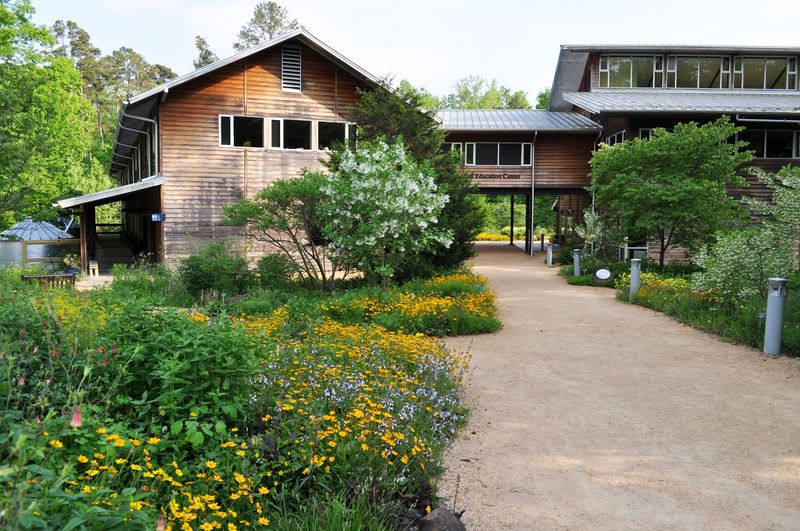
Some places make you want to hurry, but these paths do the opposite.
At the North Carolina Botanical Garden, walking feels easy and natural, almost like the garden is asking you to notice one more flower, one more bird call, or one more shady turn.
That slower pace is part of what makes the visit memorable.
The formal garden areas are especially nice for an unhurried stroll.
Several reviews praise the paved paths and accessible layout, which can be helpful for people using wheelchairs, pushing strollers, or simply wanting a smoother route.
Benches placed along the way give visitors a chance to stop, rest, and take in the view.
Not every section feels the same, and that is a good thing.
Some spots are tidy and close to the main buildings, while others feel wilder and more connected to the natural land.
Because of that mix, the garden can fit different moods, whether you want a quick walk after lunch or a longer break from a busy day.
Comfort matters on a walk like this.
Shoes with a solid grip are a smart choice, and bug spray can help, especially in warmer months.
If a thunderstorm is possible, keep an eye on the sky, since open-air places can change quickly.
A calm stroll becomes even better when you feel prepared and free to enjoy every turn.
3. Native Plants Tell the Story of the State
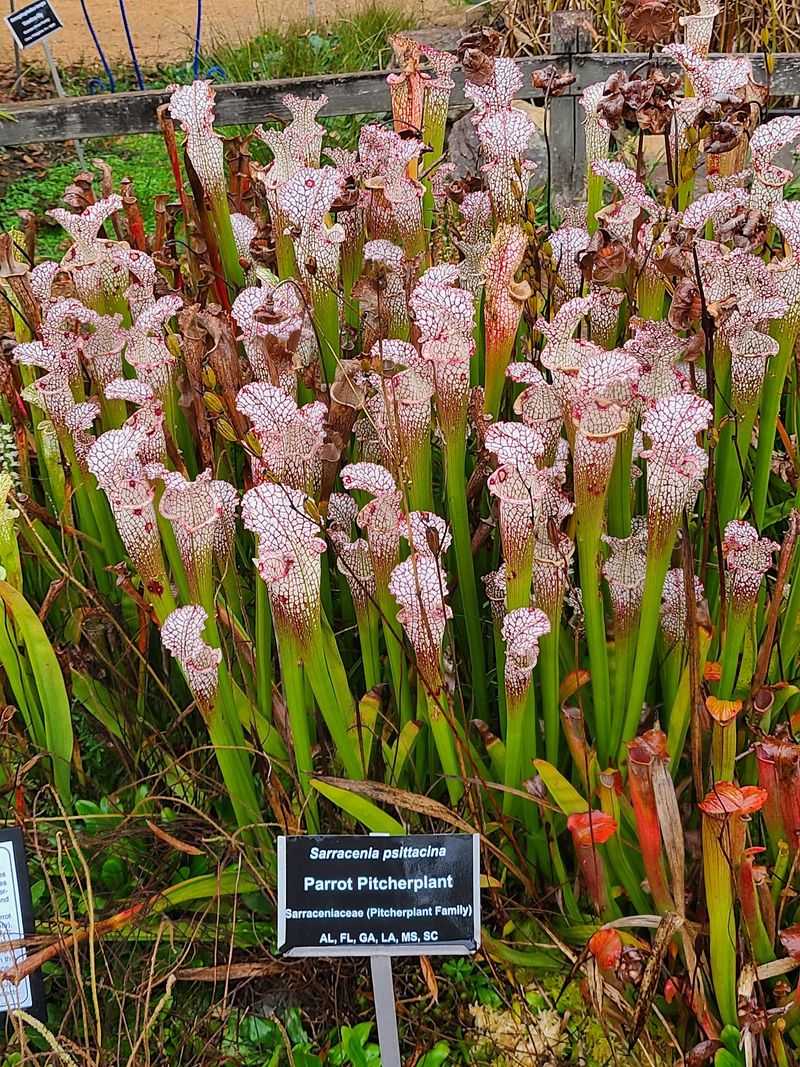
Not every botanical garden focuses on plants from its own region, and that is what makes this place stand out.
The North Carolina Botanical Garden is known for highlighting native plants, so the flowers, shrubs, and trees connect directly to the land around Chapel Hill and the wider state.
That local focus gives the garden a strong sense of purpose.
Instead of showing only flashy plants from far away, the displays help visitors see what belongs in North Carolina ecosystems.
Reviewers often mention how meaningful that feels, because the experience is not just pretty.
It also shows how native plants support birds, bees, butterflies, and other wildlife that depend on them.
One especially interesting detail is the way some gardens reflect different parts of the state, such as the mountains, piedmont, sandhills, and coastal plain.
That layout can make a casual walk feel a bit like a tiny road trip across North Carolina.
Even younger visitors can understand how landscapes change from one region to another.
If you enjoy gardening at home, bring a notebook or use your phone to save plant names you like.
Native plants are often a smart choice because they are better suited to local weather and insects.
A stroll here can turn into inspiration for your own yard, balcony, school garden, or neighborhood green space later on.
4. Hidden Highlights Along the Garden Rooms

A fun walk gets even better when each turn offers something different.
Around the North Carolina Botanical Garden, visitors can move from one themed area to another and feel like they are collecting little surprises.
Reviews often call out favorite spots, which shows that people rarely leave with only one thing to remember.
The carnivorous plant area is one of the biggest crowd pleasers.
Seeing plants like Venus flytraps grab attention quickly, especially for kids, because they look unusual and a little dramatic.
Several guests also mention the herb garden, where familiar scents and useful plants make the experience feel hands-on and easy to connect with.
Families often appreciate the garden’s child-friendly spaces and playful learning areas.
Young visitors can stay curious without needing a long lecture, and adults can enjoy watching them notice textures, colors, and insects up close.
Bumblebees and butterflies appear in many reviews too, adding movement and life to the garden scenes.
Because bloom times change by season, every visit can feel a little different.
Spring and summer usually bring more color, while fall and winter may offer seed heads, sculpture exhibits, or a quieter mood.
If a certain area matters most to you, check the garden website before your trip so you know what may be at its best that day.
5. Trail Gates Open the Walk Beyond the Main Garden
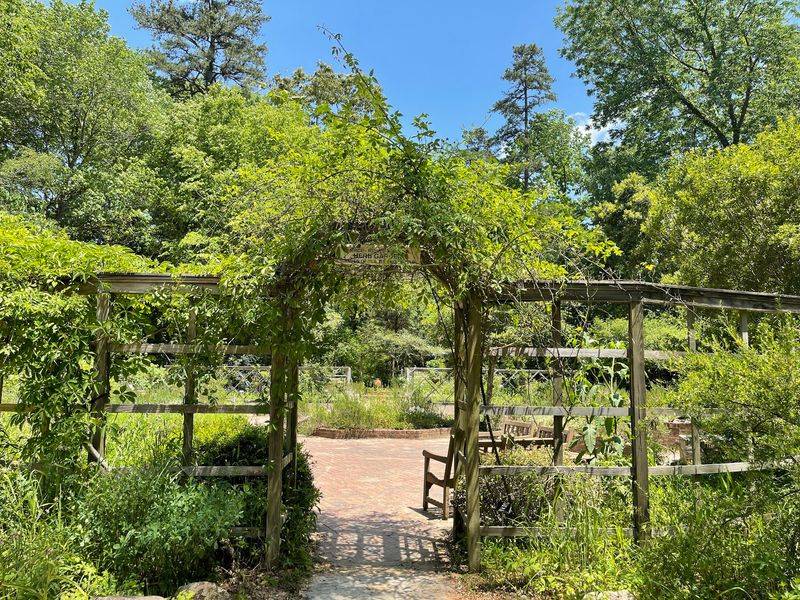
Then the visit changes character.
Beyond the more formal display areas, the North Carolina Botanical Garden also offers nature trails that feel more like a real woodland outing than a simple garden lap.
For many visitors, that shift from arranged beds to forest paths is where the adventure begins.
Reviews describe the trails as serene, green, and full of birdsong.
Some people come mainly for the gardens, then end up loving the back trails just as much or even more.
If you like choices, that is a big plus, because you can keep your visit short and easy or stretch it into a longer walk through woods and natural habitats.
Still, it helps to arrive with the right expectations.
A few visitors point out that the trail system feels more like hiking territory, with narrow spots, steps, and places where you need to watch your footing.
Dogs are allowed in the trail area, according to reviews, though the formal display gardens have stricter rules.
Wear shoes meant for uneven ground, carry water, and pack bug spray before heading past the main garden section.
Trail gates close at 5 PM, so do not save the farthest route for the end of the day.
If you want a peaceful stretch of the visit where the sounds of leaves and creeks replace traffic, these paths offer exactly that.
6. Boardwalks, Benches, and Quiet Corners

Every good stroll needs moments to pause, and this garden seems to understand that well.
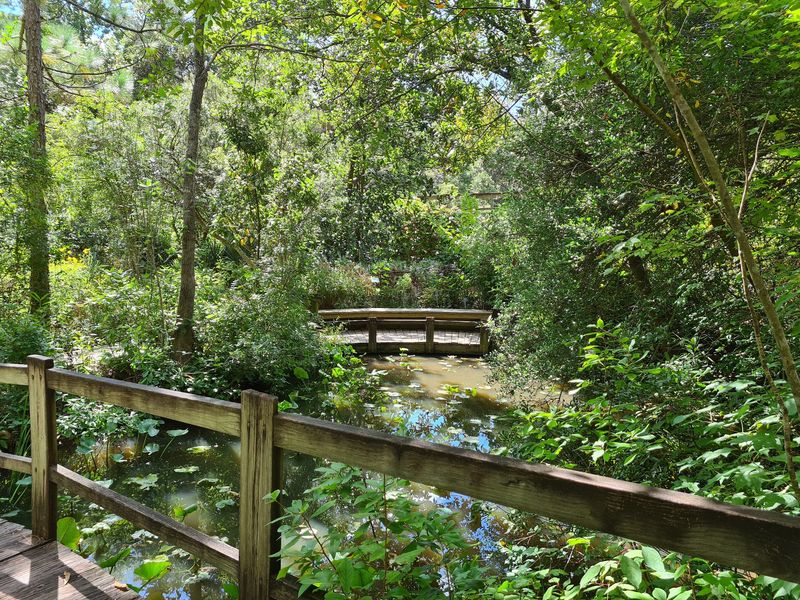
Visitors often mention boardwalk sections, benches, and peaceful sitting spots that let you slow the day down.
Instead of feeling packed with attractions, the space gives room for quiet attention.
One review praised the boardwalk and the serene walk through greenery, a creek, and the soft sounds of birds.
Details like that matter because they turn a plain walk into a fuller outdoor experience.
You are not only looking at plants.
You are hearing the place, resting in it, and noticing small changes in light and shade.
Benches can be especially useful for grandparents, tired kids, or anyone who wants to take photos without rushing.
They also give you time to look more closely at signs, flowers, seed pods, and visiting pollinators.
Sometimes the best part of a garden trip is not the big feature.
It is a small stop where you finally notice how calm you feel.
If you enjoy sketching, reading, or quiet conversation, choose one of these corners and stay awhile.
Morning and late afternoon light can be especially pretty for pictures.
A stroll does not need to be long to feel special, and at the North Carolina Botanical Garden, restful spaces help each part of the visit breathe a little.
7. Signs, Exhibits, and Small Lessons That Stick
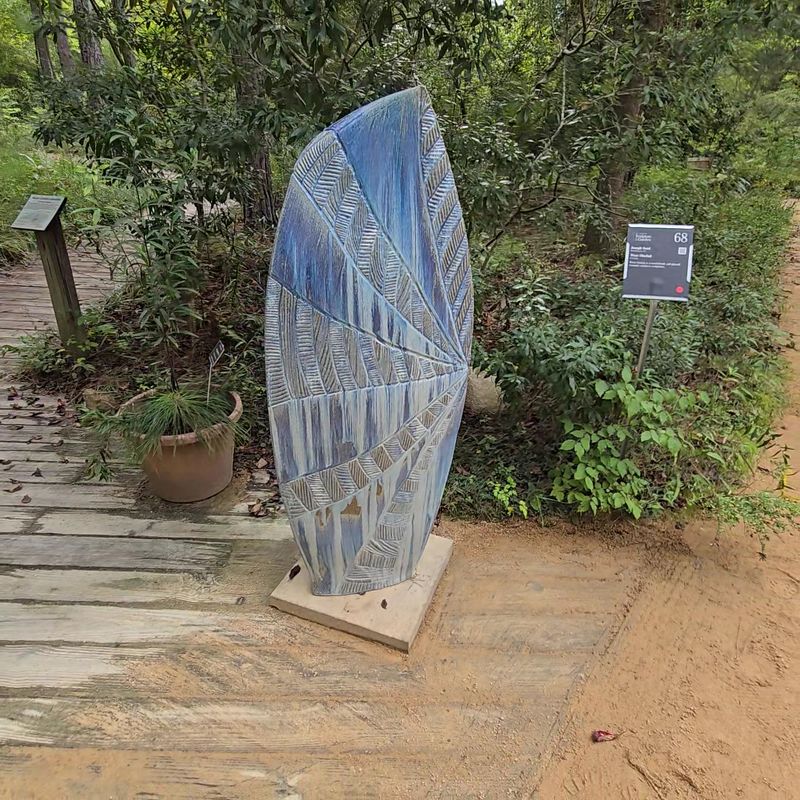
Plenty of gardens are beautiful, but not all of them teach in a way that feels easy and natural.
At the North Carolina Botanical Garden, education is part of the fun, not a heavy extra.
Visitors often mention helpful signs and exhibits that explain plants, habitats, and conservation in clear ways.
That learning piece matters because the garden belongs to UNC and serves as more than a pretty backdrop.
It helps people understand how North Carolina landscapes work and why native species deserve care.
For kids, the lessons can feel like discovery instead of homework.
For adults, the signs often answer questions they did not even know they had.
Inside the education center, there may be special displays, seasonal exhibits, or art connected to nature.
Reviewers have mentioned sculpture exhibits and even wildflower quilts, showing that the garden sometimes blends science, history, and creativity.
That variety keeps the experience fresh, especially if you have visited other gardens that focus only on flowers.
Some guests have noted that a few signs around the grounds need updates or are hard to find, so patience can help.
If a label is missing, use it as a chance to observe shape, color, and habitat on your own.
A stroll becomes richer when it teaches you to notice details, and that skill stays with you long after the visit ends.
8. A Family Outing That Feels Easy to Share
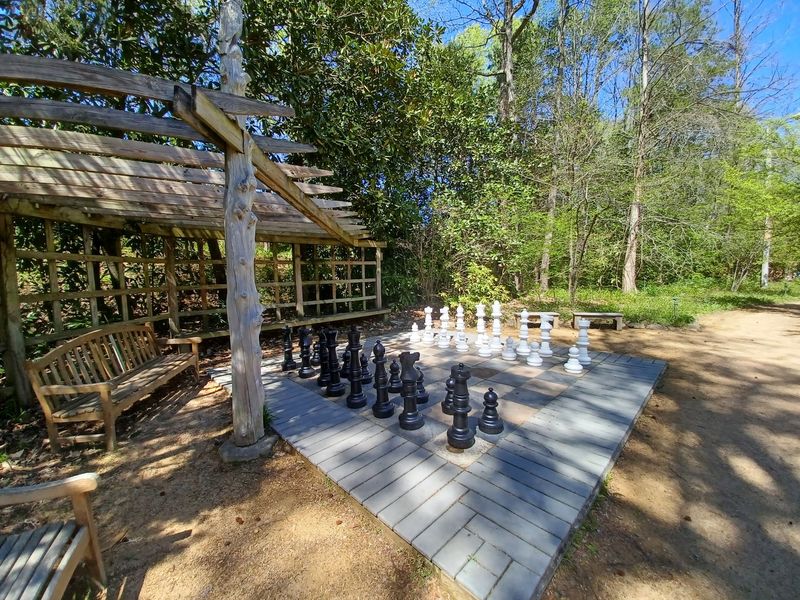
Some outings are hard to please everyone with, but this one has a better chance than most.
The North Carolina Botanical Garden gives families several ways to enjoy the day together without needing a packed schedule.
There are paths for strolling, plants that spark questions, and enough variety to keep different ages interested.
Parents often mention that children have plenty to do here.
The themed gardens, bugs and butterflies, discovery spaces, and unusual plants create natural conversation starters.
A kid who might not care about landscaping at first can suddenly get excited by a Venus flytrap, a bee on a flower, or a giant chess piece waiting later in the visit.
Adults benefit too.
The grounds are peaceful, admission is free, and practical features like restrooms, parking, and a gift shop reduce stress.
Grandparents or visitors with mobility needs may appreciate the paved sections and benches, while older kids can enjoy the trails or look more closely at plant labels and exhibits.
A little planning makes the outing smoother.
Bring snacks, water, sunscreen, and bug spray, especially in warm weather.
Let children lead the pace for part of the walk and stop when something catches their eye.
The garden works best when it feels like shared discovery rather than a race from one stop to the next.
9. Practical Tips for a Better Garden Stroll
A little preparation can turn a good visit into a really smooth one.
The North Carolina Botanical Garden is welcoming, but like many outdoor places, it is more enjoyable when you arrive ready for the weather and the layout.
That matters even more if you want enough time to reach the giant outdoor chessboard without feeling rushed.
Start by checking the hours.
The garden is open from 9 AM to 5 PM Tuesday through Sunday, and it is closed on Monday.
Because some paths and gates shut at the end of the day, arriving in the morning or early afternoon gives you more room to explore the trails, exhibits, and resting spots at your own pace.
Dress for walking, not just for photos.
Closed-toe shoes are smart if you plan to leave the formal garden area and try the nature trails.
Summer heat can be intense, so bring water, sunscreen, and bug spray.
After rain, some sections may feel slick or muddy, and storms can move in fast.
It also helps to keep expectations flexible.
Bloom levels change by season, and some reviews mention that signage or maintenance can vary.
Even so, many visitors still describe the garden as peaceful, meaningful, and worth the trip.
When you go in ready for a mix of formal gardens and natural trails, the whole experience makes a lot more sense.
10. The Giant Outdoor Chessboard Is the Playful Finale
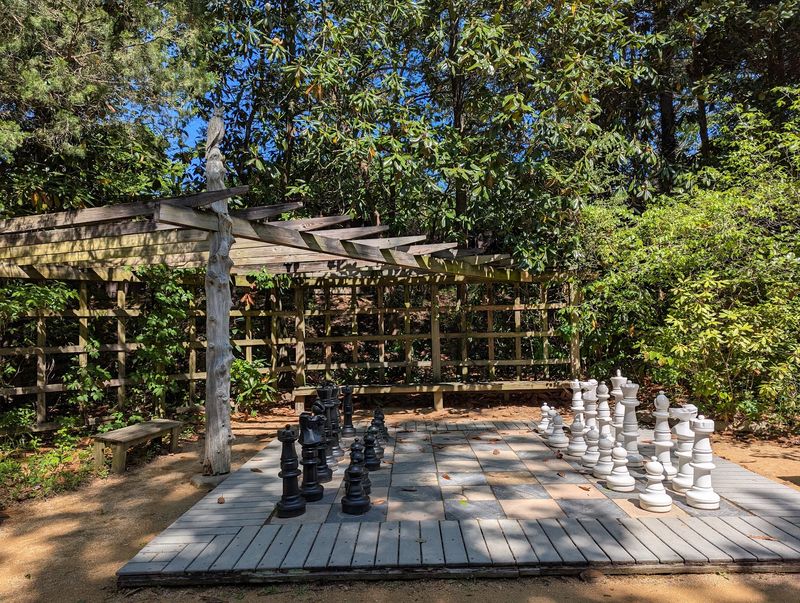
Just when the visit already feels full, the giant outdoor chessboard adds one more memorable twist.
A reviewer summed it up perfectly by saying, come for the wide variety of North Carolina flora and stay for the oversized chess set.
That playful ending gives the whole stroll a sense of reward.
The chessboard works because it changes the mood in a fun way.
After quiet walking, plant labels, woodland paths, and moments of reflection, you arrive at something bold and unexpected.
Even people who do not know much about chess usually smile when they see those oversized pieces standing outside in the garden setting.
Families can turn it into a light game, friends can snap photos, and kids can simply enjoy moving around a space designed for play.
It is also a smart feature because it invites people to linger instead of leaving as soon as they finish the paths.
In a place centered on plants and conservation, that little burst of strategy and fun makes the experience feel even more welcoming.
If you want the best ending to your visit, save a bit of energy for this stop.
Look around, take pictures, and enjoy the contrast between quiet nature and a larger-than-life game board.
A garden stroll is already lovely, but finishing beside a giant outdoor chessboard gives the day a story you will want to tell later.
Share this story