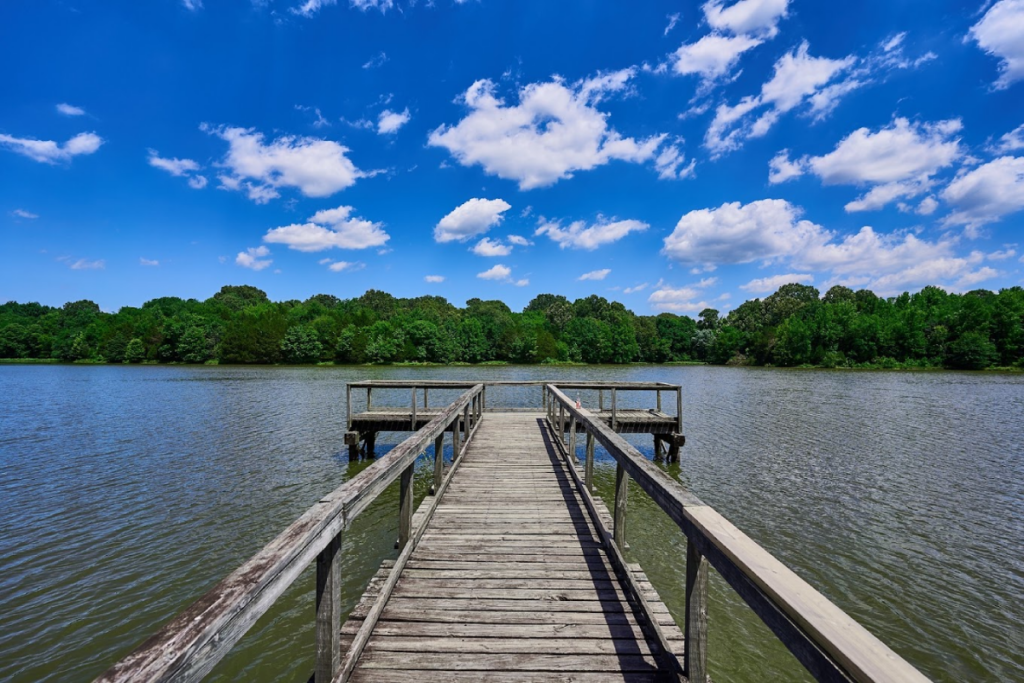
Tennessee packs serious adventure into every corner without demanding your wallet in return. From mountain trails that wind past rushing waterfalls to riverside walks that stretch across the mighty Mississippi, the Volunteer State offers experiences that rival any paid attraction.
Whether you’re craving history lessons inside grand capitol halls or peaceful afternoons watching buffalo graze beside sparkling lakes, these spots prove the best things in life really can be free.
1. Great Smoky Mountains National Park
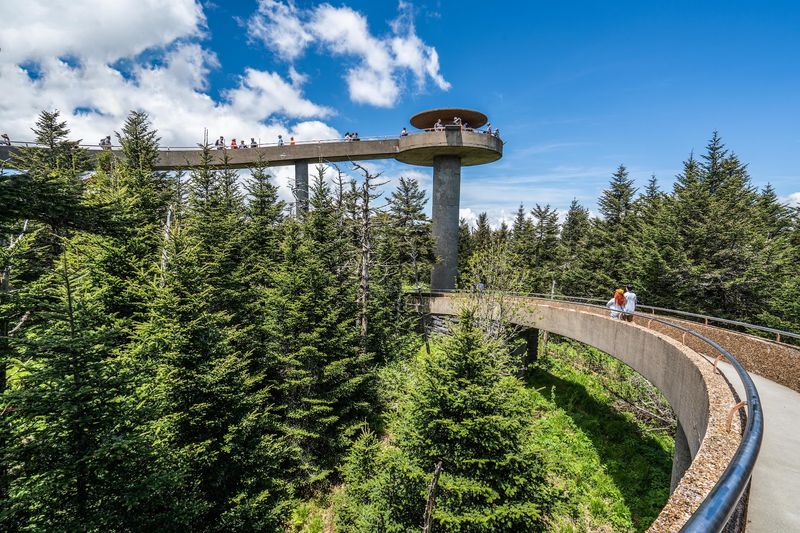
America’s most visited national park sits right on Tennessee’s doorstep, offering mountain magic without the entrance fee that most parks charge. Over 800 miles of trails snake through ancient forests, past thundering waterfalls, and up to misty peaks where views stretch for miles.
Historic log cabins and churches dot the landscape, telling stories of families who carved lives from these rugged hills generations ago.
Cades Cove’s scenic loop brings wildlife watching right to your car window. Black bears amble across meadows while white-tailed deer graze near weathered barns that haven’t changed in a century. Pull over at any of the designated spots to explore preserved homesteads where park rangers share tales of pioneer life.
Waterfalls steal the show for many visitors, with Laurel Falls and Grotto Falls ranking among the most accessible. The moderate hikes reward you with curtains of water tumbling over moss-covered rocks, creating natural amphitheaters perfect for picnics.
Springtime brings wildflowers that carpet the forest floor in purple, white, and yellow.
Remember that parking tag requirement if you plan to stay more than 15 minutes at any trailhead or scenic pullout. These tags help manage crowds and protect delicate ecosystems from overuse.
Download the park app before you go since cell service gets spotty once you’re surrounded by all those mountains.
Pack layers regardless of the season because temperatures drop as elevation climbs. Morning fog often blankets the valleys, burning off by midday to reveal those famous smoky blue ridges.
2. Tennessee State Museum

Nashville’s downtown museum sprawls across multiple floors packed with artifacts that bring Tennessee’s wild past to life. Walk through centuries in a single afternoon, from ancient Native American settlements to Civil War battlefields to the birth of country music.
Interactive touchscreens and hands-on exhibits keep kids engaged while adults dive deep into historical details that textbooks never covered.
The Civil War galleries hit differently when you’re standing in Tennessee, where some of the conflict’s bloodiest battles scarred the landscape. Uniforms, weapons, and personal letters from soldiers on both sides make the human cost painfully real.
Maps show troop movements across familiar Tennessee towns, connecting history to places you might have driven through that morning.
Musical heritage gets its due respect with instruments, costumes, and recording equipment from legends who shaped American sound. See the actual tools that created the Nashville sound, from vintage microphones to handwritten lyrics.
The exhibits trace music’s evolution from Appalachian folk tunes to modern country hits that top today’s charts.
Natural history sections showcase Tennessee’s incredible biodiversity, from cave systems teeming with unique species to river ecosystems that support surprising wildlife. Fossils pulled from Tennessee soil prove that dinosaurs once roamed these same hills.
Interactive displays explain how the state’s varied geography creates distinct habitats from mountain peaks to Mississippi bottomlands.
Rotating special exhibitions ensure repeat visits never feel stale, tackling everything from presidential history to artistic movements. The museum’s central location makes it easy to combine with other downtown Nashville adventures.
Free admission means you can pop in for 30 minutes or spend the entire day without worrying about getting your money’s worth.
3. Bicentennial Capitol Mall State Park
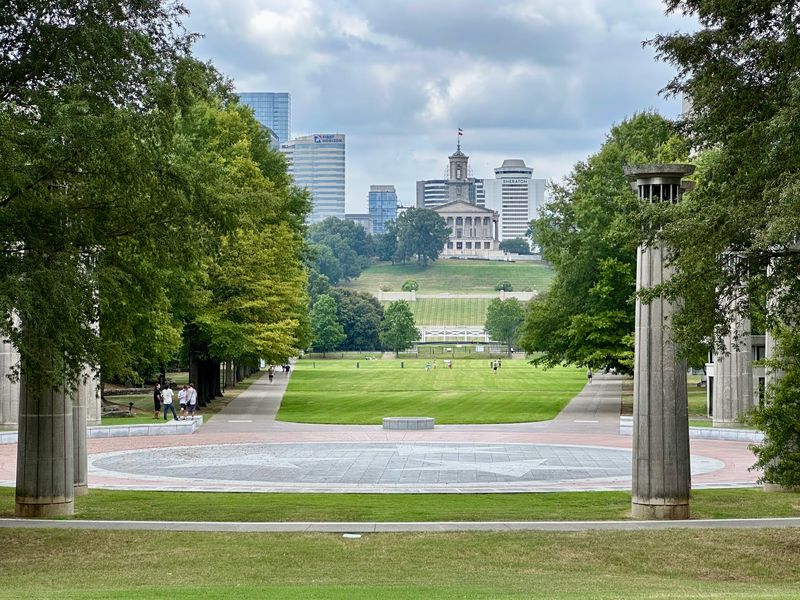
Granite rivers flow across this urban park’s massive Tennessee map, letting you literally walk across the state from Memphis to Bristol. Each county gets marked with its name and formation date, turning geography lessons into an outdoor scavenger hunt.
The 95-bell carillon tower chimes throughout the day, with special concerts that echo across downtown Nashville. Each bell represents a Tennessee county, creating harmonies that celebrate the state’s unity.
Seasonal performances turn the park into an outdoor concert hall where music floats between modern skyscrapers and historic government buildings.
World War II memorials honor Tennessee’s military contributions with sobering displays of sacrifice and service. Names etched in stone represent real families who sent sons and daughters to fight across oceans.
The Korean and Vietnam memorials continue the story, ensuring later conflicts receive equal remembrance.
Fountains erupt from the Pathway of History, where granite markers chronicle major events from Tennessee’s past. Water features cool summer afternoons while providing soundtrack to historical exploration.
The design cleverly integrates education with recreation, making learning feel like play rather than a chore.
Views of the State Capitol building rise majestically from the park’s northern edge, offering perfect photo opportunities without fighting tourist crowds. The sight line was intentionally preserved to maintain that visual connection between Tennessee’s past and present.
Sunset gilds the Capitol dome in gold light that photographers dream about.
Locals use the park for lunch breaks, morning jogs, and evening strolls, giving it authentic neighborhood energy. Food trucks often cluster near the entrances, though you’re welcome to bring picnic supplies.
The open design and central location make it a natural gathering spot for festivals and celebrations throughout the year.
4. Tennessee State Capitol

Limestone walls have witnessed Tennessee politics since 1859, making this capitol one of the nation’s oldest continuously operating government buildings. Architect William Strickland poured his final years into creating a Greek Revival masterpiece, and he’s actually buried within the building’s northeast wall.
That unusual detail alone makes tours memorable, but the architectural splendor keeps visitors craning their necks at every turn.
Free guided tours wind through legislative chambers where current lawmakers still debate bills and shape Tennessee’s future. Sit in the gallery seats and imagine the heated arguments that have echoed through these halls during pivotal moments in state history.
The House and Senate chambers maintain their 19th-century elegance while accommodating modern technology needed for contemporary governance.
Presidential connections run deep here, with James K. Polk’s tomb resting on the capitol grounds.
The 11th president called Tennessee home, and his memorial receives steady streams of history buffs who appreciate this direct link to America’s westward expansion era. Andrew Johnson’s story gets told through portraits and artifacts that complicate simple historical narratives.
Artwork throughout the building ranges from formal portraits of former governors to dramatic murals depicting Tennessee’s settlement and growth. Local artists captured scenes of frontier life, Civil War battles, and industrial progress that transformed the state.
Each painting holds details worth examining closely, from period-accurate clothing to symbolic elements that reward careful observation.
The building’s hilltop position offers commanding views of downtown Nashville’s evolving skyline. Modern glass towers contrast sharply with the capitol’s classical lines, illustrating Tennessee’s journey from agrarian society to New South economic powerhouse.
Security screening is quick and respectful, acknowledging that this working government building must balance public access with safety concerns.
5. Shelby Farms Park
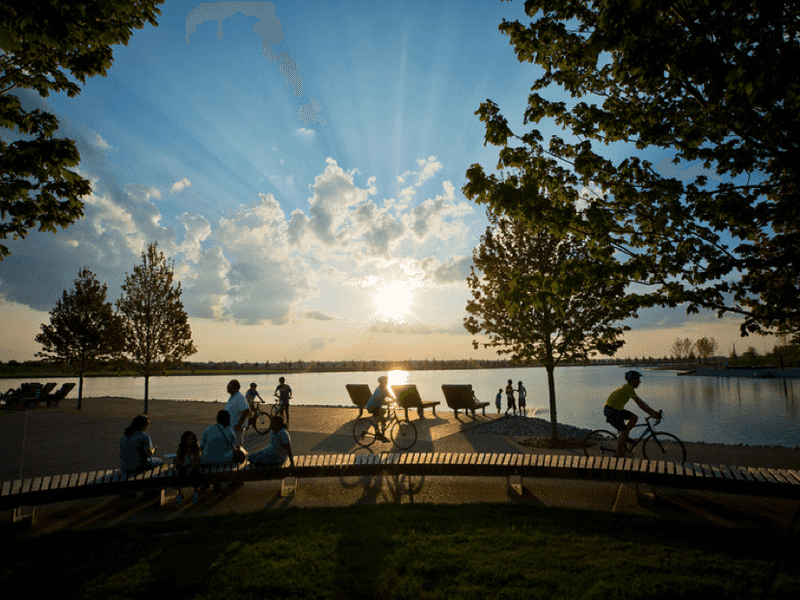
Five times larger than New York’s Central Park, this Memphis green giant sprawls across 4,500 acres of forests, lakes, and meadows. Buffalo roam designated areas just like they did across Tennessee centuries ago, creating surreal moments when you spot their massive forms against a backdrop of distant city buildings.
The herd has become such a beloved fixture that regulars plan visits around feeding times just to watch these magnificent animals up close.
Over 40 miles of paved and natural trails accommodate every activity from casual strolls to serious mountain biking. Runners appreciate the variety, with flat lakeside paths perfect for speed work and rolling woodland trails that build strength.
Hyde Lake anchors the park’s center, attracting paddle boarders, kayakers, and anglers who cast lines hoping for bass and catfish. Rental facilities make it easy to get on the water even if you don’t own equipment.
Watching sunset paint the water while herons stalk the shallows beats any expensive entertainment Memphis offers.
Playgrounds scattered throughout the park range from traditional swing sets to elaborate climbing structures that challenge kids’ imaginations and muscles. Shaded picnic pavilions provide relief during Memphis’s steamy summers, with grills ready for family cookouts.
The park’s scale means you can always find quiet spots even on busy weekends when popular areas buzz with activity.
Seasonal events transform sections of the park into festival grounds, farmer’s markets, and outdoor concert venues. The flexible open spaces adapt to whatever the community needs, from 5K races to kite-flying competitions.
Free fitness classes pop up regularly, led by instructors who volunteer their time to keep Memphis moving and healthy without gym membership fees eating into budgets.
6. Big River Crossing
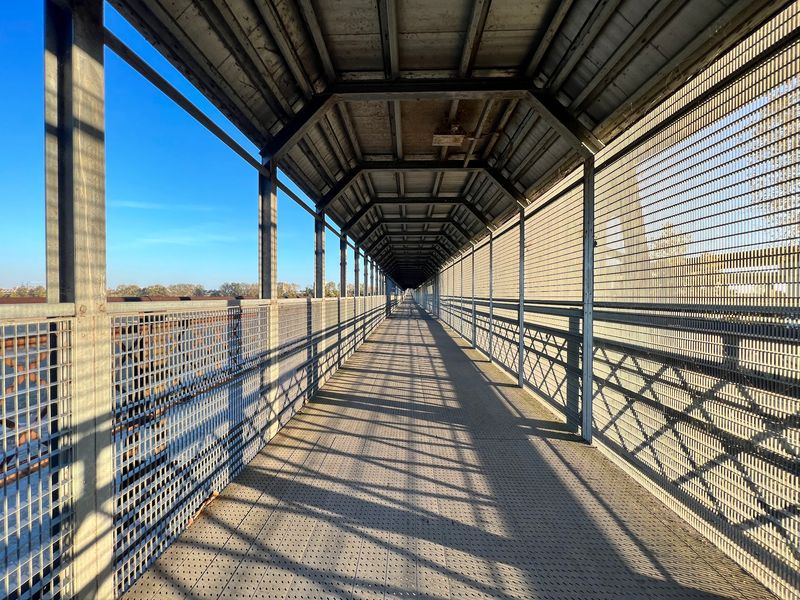
Walking across the Mississippi River shouldn’t be possible, yet here you are, suspended above Old Man River on a bridge that stretches nearly a mile. The repurposed railroad bridge got a second life as one of America’s longest pedestrian and bicycle spans, connecting Tennessee to Arkansas with sweeping views that make you feel tiny against the river’s massive power.
Barges churn upstream while the current flows south, constant reminders that this water has shaped entire civilizations.
Memphis’s skyline rises to the east, with the Pyramid’s gleaming surface catching light at all hours. Sunset transforms the scene into something painters attempt but never quite capture, with orange and pink bleeding across clouds while the river turns to liquid gold.
The bridge’s design incorporates historical elements from its railroad days, with informational plaques explaining how trains once thundered across these same steel beams. Industrial heritage meets modern recreation in a way that honors the past while serving present needs.
LED lights illuminate the span after dark, turning it into a glowing ribbon that draws evening walkers and cyclists.
Arkansas sits just across the water, making this an easy two-state adventure without driving anywhere. The western landing offers different perspectives on the Memphis skyline, worth the full crossing even if you turn right around.
Some visitors make multiple trips in a single day, chasing different lighting conditions and river moods.
Wind whips across the open expanse, so dress accordingly even on warm days. The bridge’s height keeps you well above the water, but that elevation means weather feels more intense than ground level.
Bring water during summer months because shade is nonexistent once you commit to the crossing, though river breezes provide some relief from Memphis heat.
7. Chattanooga Riverwalk
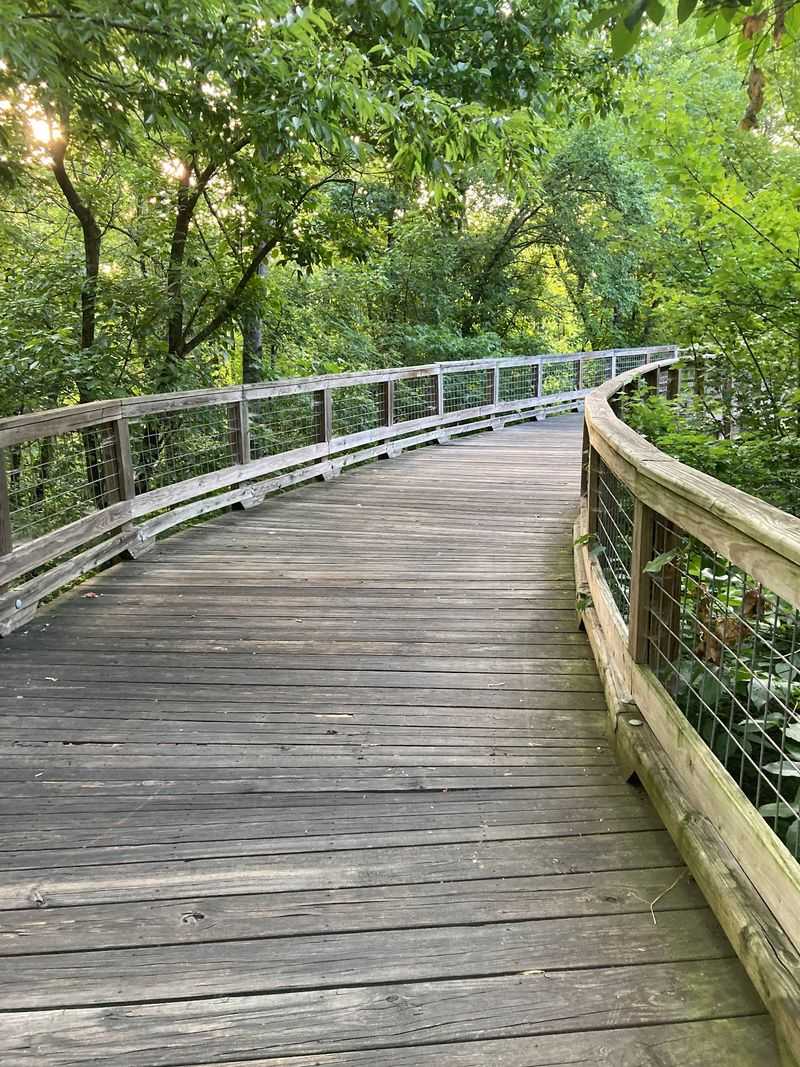
Thirteen miles of paved pathway hug the Tennessee River’s curves, connecting parks, museums, and neighborhoods into one continuous adventure. Public art installations surprise you around every bend, from massive sculptures to interactive pieces that invite touching and climbing.
Local artists created works that reflect Chattanooga’s industrial heritage and natural beauty, turning a simple walk into an outdoor gallery experience.
The river’s constant presence provides soundtrack and scenery, with different sections offering distinct personalities. Downtown stretches buzz with energy as restaurants spill outdoor seating onto adjacent spaces, while quieter sections let you hear nothing but water lapping against stone and birds calling from overhanging trees.
Bridges cross at strategic points, allowing loops of varying lengths depending on your ambition and available time.
Fishing spots dot the riverwalk where locals drop lines hoping for catfish, bass, and whatever else swims Tennessee’s waters. Watching experienced anglers work their favorite holes teaches techniques that books can’t convey.
Runners and cyclists share the path with walkers, everyone following posted etiquette that keeps traffic flowing smoothly. Morning brings serious athletes logging miles before work, while evenings attract families pushing strollers and couples holding hands.
The diversity of users creates vibrant energy without ever feeling crowded thanks to the riverwalk’s generous width.
Seasonal changes paint the riverwalk in different colors, from spring’s explosion of blooming trees to fall’s fiery foliage reflected in calm water. Winter reveals river views that summer’s thick vegetation hides, offering new perspectives on familiar scenery.
Each season brings different bird species, rewarding regular visitors who notice these subtle shifts in the riverwalk’s ecosystem and character over time.
8. Coolidge Park
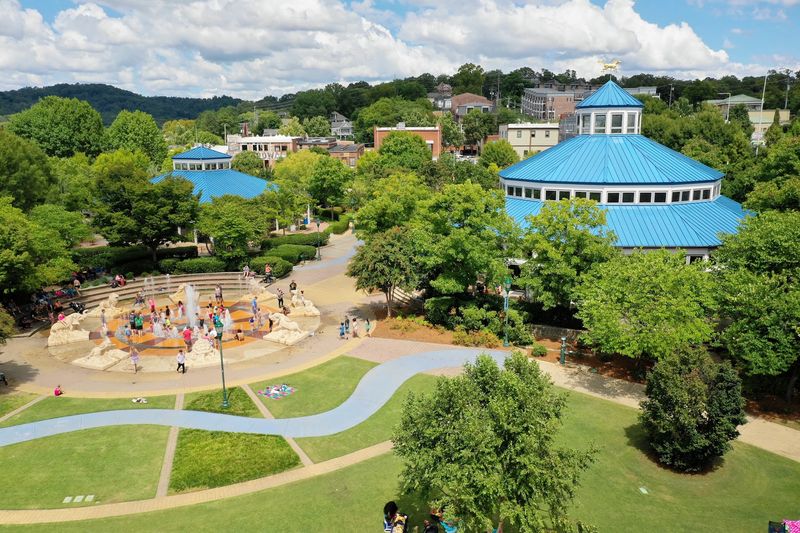
Interactive fountains erupt without warning, sending kids shrieking with delight as water jets chase them across the plaza. Parents perch on surrounding benches, content to watch rather than participate in the soggy chaos.
The fountain’s unpredictable patterns keep even teenagers engaged, turning a simple water feature into entertainment that rivals any splash pad charging admission.
Walnut Street Bridge’s historic span dominates the northern view, its pedestrian-friendly deck inviting exploration once kids tire of getting soaked. The bridge’s conversion from vehicle traffic to foot traffic decades ago proved visionary, creating a beloved landmark that connects Coolidge Park to downtown’s north shore.
Mountains ring the horizon in every direction, reminding visitors that Chattanooga sits cradled in geography that shaped its destiny as a transportation hub. Those same ridges that funneled railroads and rivers now frame Instagram posts and engagement photos.
Lookout Mountain’s distinctive profile rises to the southwest, visible from park benches where locals eat lunch while tourists consult maps planning their next adventure.
The park’s carousel spins vintage horses and mythical creatures, though it requires a small fee that breaks the free theme. Everything else remains accessible without opening your wallet, from the playground equipment to the wide lawns perfect for frisbee and soccer.
Food trucks rotate through the parking area, offering meals if you didn’t pack a picnic.
River access lets you dip toes in Tennessee’s waters or launch small watercraft from designated areas. Watching the current flow past while city sounds fade into background creates peaceful moments rare in urban settings.
9. Ijams Nature Center Trails
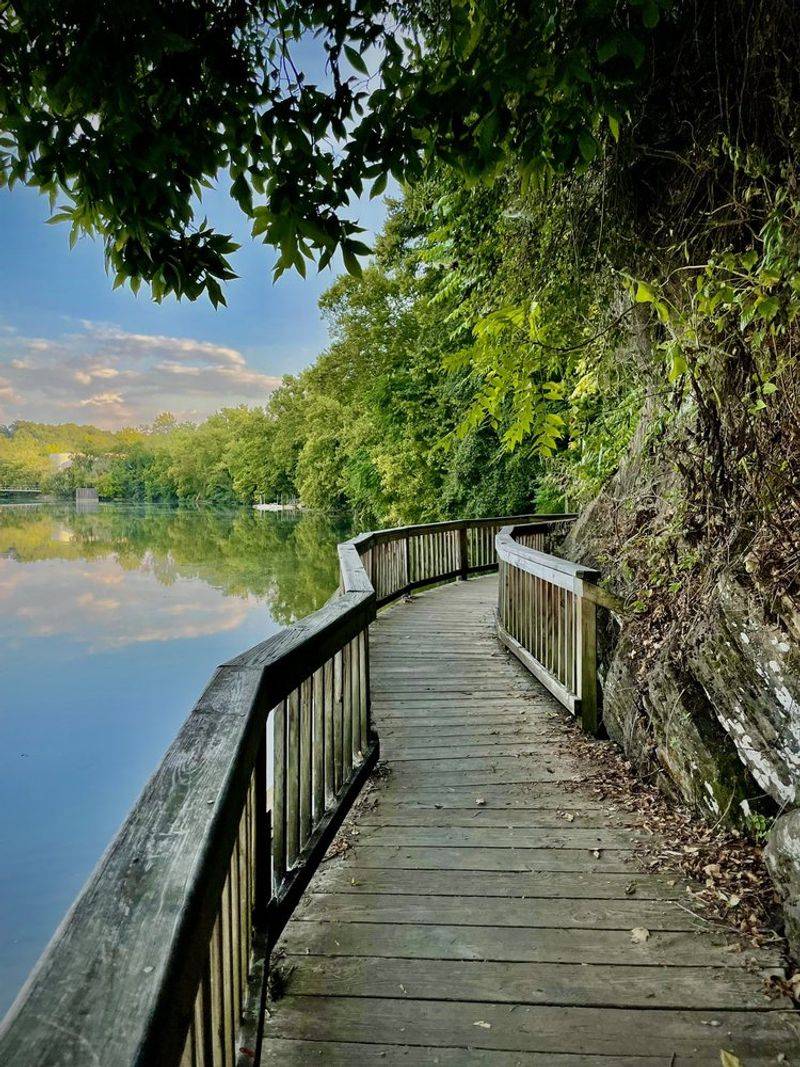
Knoxville’s wild side hides just minutes from downtown, where 315 acres of forest, river, and rock create an urban nature preserve that feels miles from civilization. Limestone outcroppings jut from hillsides, carved by water and time into formations that climbers love and hikers photograph.
These same rocks sheltered Native Americans centuries ago, and you can still find evidence of their presence if you know where to look.
Trail networks accommodate everyone from toddlers taking first hikes to experienced runners knocking out quick miles before work. Boardwalks cross wetlands where frogs chorus in spring and turtles sun themselves on half-submerged logs.
The diversity of habitats packed into relatively small acreage means you encounter different ecosystems every quarter mile, from dry ridgetops to lush bottomlands.
River overlooks provide stunning views of the Tennessee River’s curve through Knoxville, with powerboats and barges providing scale against the water’s expanse. Sunset from these vantage points explains why people pay premium prices for homes with similar views.
Quarry swimming holes tempt summer visitors, though the nature center charges fees for that particular attraction. Stick to the free trails and you’ll still experience Ijams’ best features without spending a dime.
Donation boxes remind visitors that supporting the center helps maintain trails and protect habitat, but contributing remains optional rather than required.
Educational programming runs year-round, with naturalists leading guided walks that reveal details casual hikers miss. Bird counts happen regularly, attracting enthusiasts who compare sightings and share identification tips.
10. Cumberland Mountain State Park
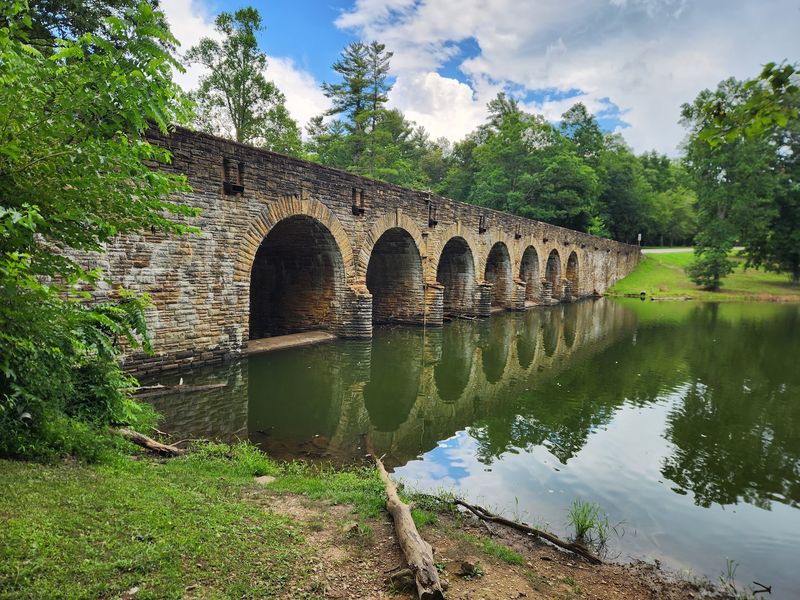
Plateau country spreads across this 1,720-acre park where elevation creates cooler temperatures that made it a popular resort destination generations ago. Civilian Conservation Corps crews built much of the park’s infrastructure during the 1930s, and their stonework and craftsmanship still impress visitors who appreciate the New Deal’s lasting legacy.
The historic restaurant building showcases that era’s architectural style, though dining there does cost money unlike the park’s outdoor attractions.
Byrd Lake reflects surrounding forest like a mirror on calm days, with bass and bluegill tempting anglers who cast from the shoreline or small boats. No fancy equipment needed here – a simple rod and basic tackle catches plenty of fish if you’ve got patience.
Watching dragonflies skim the water’s surface while waiting for bites beats scrolling through social media any day.
Birdwatching reaches peak activity during migration periods when species from across the continent stop to rest and refuel. Bring binoculars and a field guide to identify warblers, thrushes, and other travelers passing through Cumberland Plateau on their ancient routes.
Year-round residents include woodpeckers, hawks, and songbirds that provide entertainment even in winter’s quiet months.
Picnic areas scattered throughout the park offer tables, grills, and shelters where families gather for outdoor meals. The park’s peaceful atmosphere attracts people seeking escape from urban noise and stress.
Tennessee’s commitment to keeping state parks free ensures everyone can access these natural spaces regardless of economic circumstances, a policy that distinguishes it from many states charging entrance fees.
11. Roan Mountain State Park
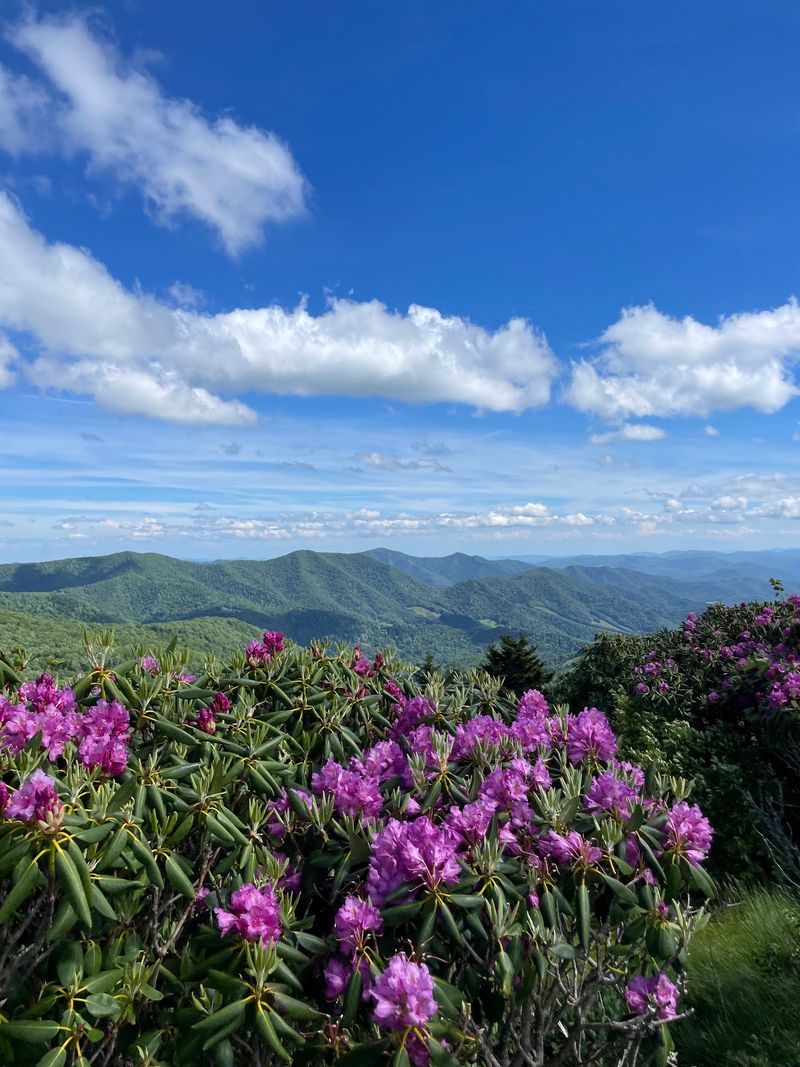
Mountain magic happens at elevations where Tennessee meets North Carolina, creating landscapes that belong in fantasy novels rather than real life. Rhododendron gardens explode with pink and purple blooms each June, drawing visitors from across the country to witness nature’s most spectacular flower show.
The gardens sprawl across 600 acres of high-altitude balds where nothing blocks views stretching to distant peaks that fade into blue haze.
Historic farm buildings preserve Appalachian heritage, with the Dave Miller Homestead showing how mountain families lived and worked in the late 1800s. Split-rail fences, hand-hewn logs, and period furnishings transport you backward to harder times when self-sufficiency meant survival.
Interpreters demonstrate old-time skills during special events, from blacksmithing to butter churning.
The Doe River tumbles through the park, its clear waters supporting trout that challenge fly fishermen’s skills. Wading the cold current on summer afternoons provides relief from heat that rarely reaches oppressive levels this high.
Rocks worn smooth by endless water flow create natural seating where you can dangle feet and contemplate how long it takes a river to shape stone.
Trail networks connect to the Appalachian Trail, meaning you could theoretically hike from here to Maine if ambition and time allowed. Day hikers enjoy more modest goals, exploring forests where Fraser fir and red spruce create ecosystems found nowhere else in Tennessee.
Wildlife sightings might include black bears, wild turkeys, or white-tailed deer browsing mountain laurel.
Tennessee’s state park system maintains over 1,100 miles of trails and protects more than 80 waterfalls statewide, impressive statistics that reveal the state’s commitment to outdoor recreation. Roan Mountain exemplifies that dedication, offering experiences that rival national parks without the crowds or fees.
The park’s remote location keeps visitor numbers manageable even during peak rhododendron season when parking lots fill early.