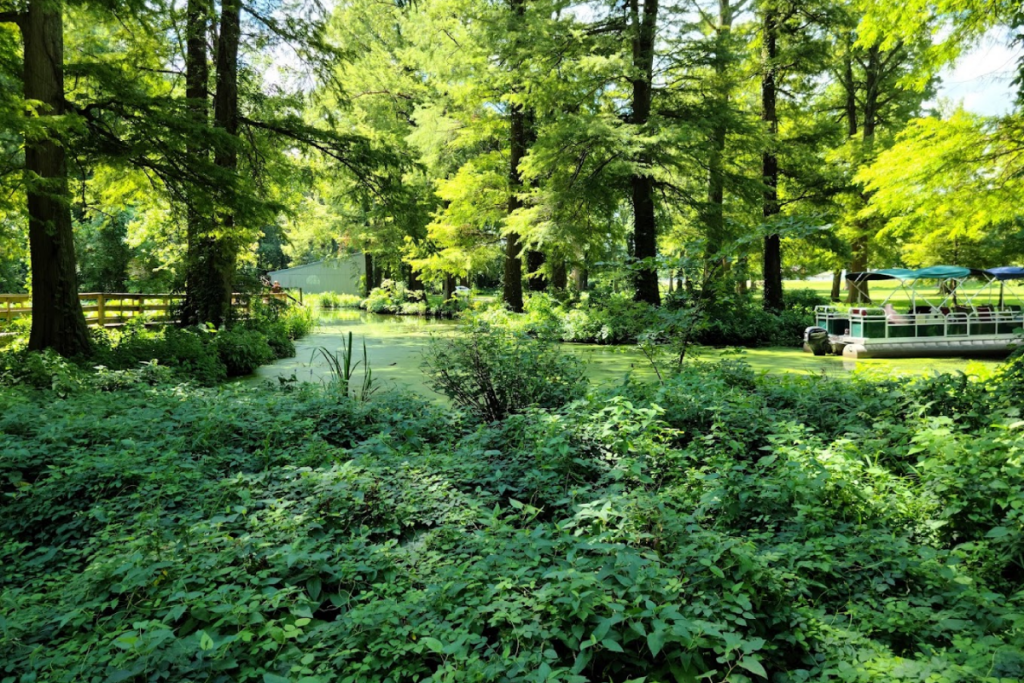
Summer in Tennessee brings more than just heat and humidity. It also marks peak activity season for cottonmouths, one of the state’s only venomous water snakes.
While these reptiles prefer staying near rivers, lakes, and wetlands in western and middle Tennessee, knowing where they hang out can help you stay safe while enjoying the outdoors.
1. Reelfoot Lake State Park
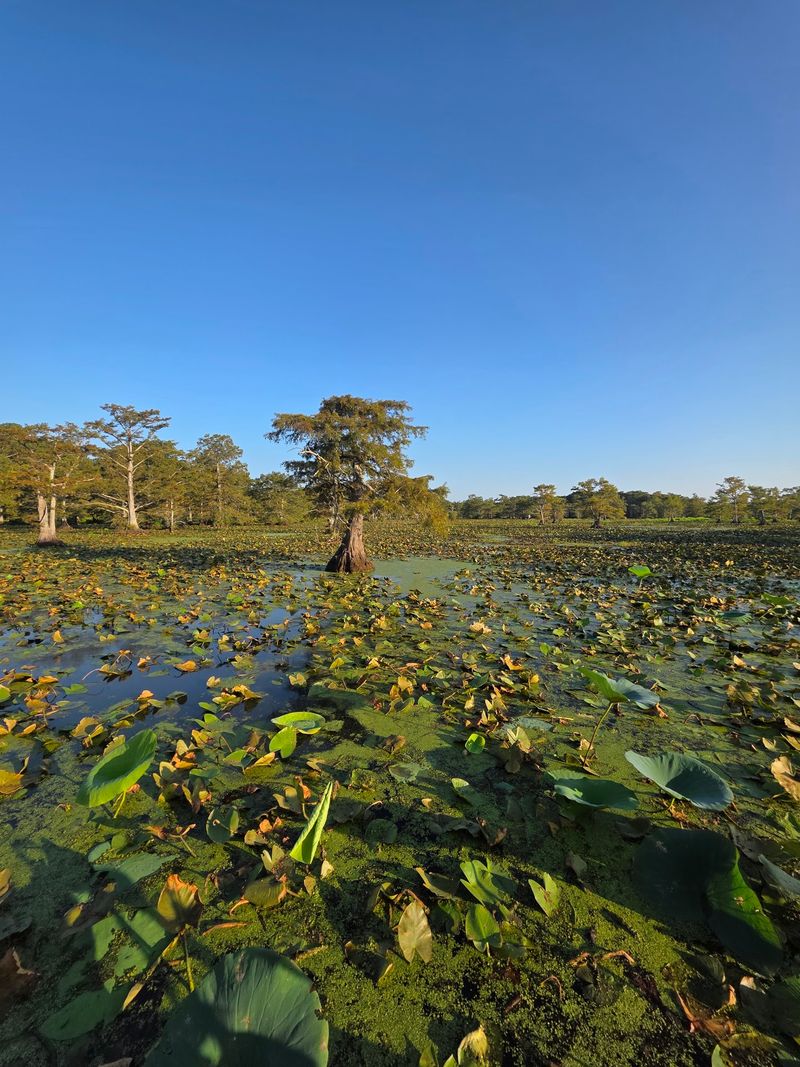
Reelfoot Lake sits in the northwest corner of Tennessee, formed by earthquakes in the early 1800s. The shallow waters and cypress stumps create perfect hunting grounds for cottonmouths during warm months.
You’ll find them basking on logs, swimming through lily pads, or lurking near the shoreline waiting for fish and frogs.
The park’s boardwalks and trails wind through prime cottonmouth territory. Morning and late afternoon bring the highest snake activity, especially on humid days when temperatures climb into the 80s and 90s.
Rangers report sightings near the visitor center boat ramps and along the cypress boardwalk trail most frequently.
Watch where you step when walking near the water’s edge. Cottonmouths blend incredibly well with mud, rotting wood, and leaf litter.
They typically don’t act aggressive unless cornered or accidentally stepped on, but their defensive posture is unmistakable.
When threatened, a cottonmouth opens its mouth wide to display the bright white interior that gives the snake its common name. This behavior serves as a clear warning to back off slowly.
Most encounters happen because people don’t notice the snake until they’re uncomfortably close.
Fishermen should use extra caution when retrieving lines or wading near vegetation. Cottonmouths sometimes investigate fishing activity, mistaking struggling fish for easy prey.
Keep your eyes scanning the water surface and nearby logs before reaching into shadowy spots.
The park’s wetland ecosystem supports healthy populations of these snakes because food sources stay plentiful year-round. Reelfoot’s unique geography concentrates wildlife in ways that make animal watching spectacular but also increases your chances of crossing paths with venomous species.
Stick to designated paths, wear closed-toe shoes with good ankle coverage, and carry a flashlight for evening walks.
Park staff emphasize that cottonmouths play valuable roles controlling fish and amphibian populations. Killing snakes is prohibited and unnecessary since they naturally avoid human contact when given space.
Respect their habitat and they’ll typically swim away or remain motionless until you pass.
2. Meeman-Shelby Forest State Park
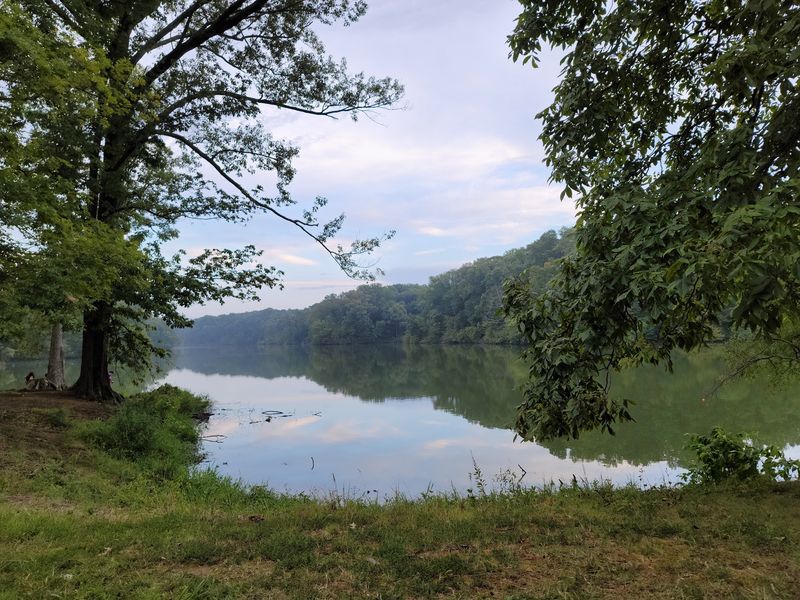
Just north of Memphis, Meeman-Shelby Forest State Park protects over 13,000 acres of Mississippi River bottomland. The hardwood forests, oxbow lakes, and countless streams make this park a cottonmouth hotspot from May through September.
These snakes thrive where water meets woodland, and this park delivers both in abundance.
Hikers on the Chickasaw Bluff Trail and Woodland Trail should stay alert near creek crossings and low-lying areas that flood seasonally. Cottonmouths hunt along these waterways, often positioning themselves on fallen branches that extend over the water.
They’re ambush predators, so they remain incredibly still while waiting for prey.
The park’s lakes attract cottonmouths because fish, turtles, and waterbirds congregate there. Poplar Tree Lake sees particularly high snake activity during summer breeding season when males travel longer distances searching for mates.
Females give birth to live young in late summer, so you might spot smaller cottonmouths during August and September.
Mountain bikers using the park’s trails sometimes startle snakes that were sunning themselves on the path. The sudden approach doesn’t give the snake time to retreat, which can trigger defensive behavior.
Slowing down around blind corners and shaded sections reduces surprise encounters significantly.
Campers should inspect their sites carefully before setting up tents, especially in Loop A near the lake. Cottonmouths occasionally wander through campsites at night while hunting frogs attracted to outdoor lights.
Keeping a clean camp without food scraps reduces rodent activity, which in turn makes your site less interesting to hunting snakes.
The park’s proximity to the Mississippi River means water levels fluctuate throughout summer. Receding water concentrates fish in smaller pools, drawing cottonmouths to these temporary feeding stations.
Rangers recommend avoiding muddy banks and thick vegetation along shorelines where visibility is limited. Swimming areas get checked regularly by staff, but natural lake zones remain wild. Always enter the water slowly while watching for movement.
Cottonmouths can swim with their heads above water, creating a distinctive V-shaped wake that’s easy to spot if you’re paying attention.
3. Hatchie National Wildlife Refuge
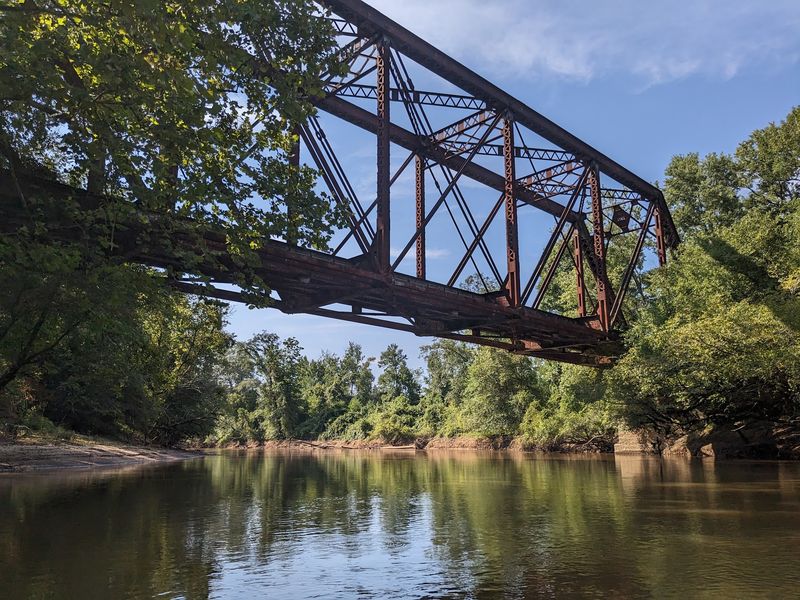
The Hatchie River cuts through west Tennessee as one of the state’s last free-flowing waterways. The surrounding refuge protects bottomland hardwoods and wetlands that cottonmouths absolutely love.
This 11,556-acre refuge sees some of the highest cottonmouth densities in Tennessee because the habitat remains largely undisturbed.
Wildlife photographers flock here for bird shots but often encounter cottonmouths instead. The snakes use the same hunting spots near water that make great photography locations.
Boardwalks and observation platforms provide safer viewing options than wading through marsh edges where snakes hide among cattails and sedges.
Spring flooding creates temporary pools across the refuge that persist into summer. Cottonmouths patrol these shrinking pools, feasting on trapped minnows and tadpoles.
Walking near these seasonal wetlands requires constant ground scanning because the snakes’ dark coloring matches wet soil and decaying vegetation perfectly.
The refuge’s gravel roads wind through prime snake country. Driving slowly helps you spot cottonmouths crossing between wetland areas, especially during early morning and late evening when temperatures moderate.
Some visitors mistake them for harmless water snakes, but cottonmouths have distinctly thick bodies, triangular heads, and that characteristic white mouth lining.
Canoeists paddling the Hatchie River encounter cottonmouths regularly during summer floats. The snakes drape over low-hanging branches above the water or swim across the current.
They rarely show aggression toward passing boats, but accidentally bumping one with a paddle can provoke a defensive strike. Maintain a respectful distance and they’ll ignore you completely.
Fishing pressure remains relatively low here compared to managed lakes, which means wildlife behaves more naturally. Cottonmouths haven’t learned to associate humans with danger, so they don’t automatically flee.
This makes encounters more likely but also more predictable since the snakes follow normal hunting and basking patterns.
Refuge managers emphasize that cottonmouths control populations of species that would otherwise explode without predation. Removing snakes would disrupt the ecological balance that makes Hatchie such a productive wildlife area.
Coexistence means watching where you step and giving snakes space to retreat when spotted.
4. Chickasaw National Wildlife Refuge
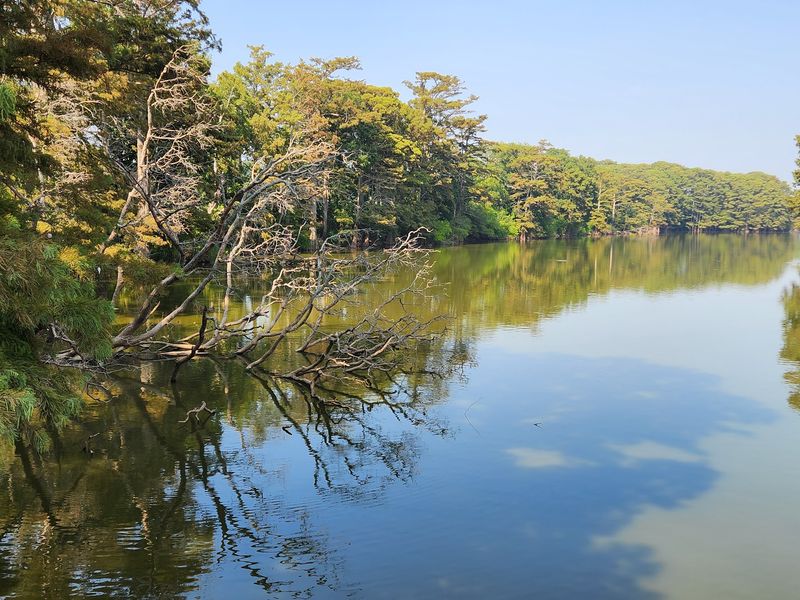
Chickasaw National Wildlife Refuge sprawls across the Mississippi River floodplain in western Tennessee. The mix of open water, cypress swamps, and mudflats creates paradise for cottonmouths hunting frogs, fish, and small birds.
The refuge’s auto tour route lets visitors observe wildlife from vehicles, but stepping out for photos requires awareness. Cottonmouths frequently cross the gravel roads between wetland sections, moving slowly with their characteristic deliberate pace.
Unlike many snakes that flee quickly, cottonmouths often freeze or move unhurriedly when approached, relying on camouflage rather than speed.
Birdwatchers using the observation platforms should check underneath before climbing stairs. Cottonmouths sometimes rest in the shade beneath these structures during midday heat.
The cool, damp spaces under boardwalks and platforms mimic their preferred hiding spots in natural settings.
Seasonal duck hunters using the refuge need extra caution when setting up blinds and retrieving downed birds. Cottonmouths actively hunt in the same shallow marshes that attract waterfowl.
Wading through knee-deep water with limited visibility creates the perfect scenario for accidental encounters. Bright headlamps and deliberate, noisy movement help alert snakes to your presence.
The refuge experiences dramatic water level changes as the Mississippi River rises and falls. Receding floodwaters strand fish in isolated pools, creating feeding frenzies that attract cottonmouths from surrounding areas.
These concentrated food sources can bring multiple snakes to the same small area, though they typically ignore each other while hunting.
Summer storms drive cottonmouths to seek higher ground temporarily. After heavy rains, you might spot them in areas that usually stay dry, including near parking areas and trailheads.
They return to wetland habitats once water levels stabilize, so unusual sightings during wet weather shouldn’t cause alarm.
Refuge staff conduct regular surveys documenting snake populations and movements. Their research shows cottonmouths remain most active when air temperatures range between 75 and 95 degrees.
Visiting during cooler morning hours or overcast days slightly reduces encounter probability, though vigilance remains essential regardless of conditions.
5. Big Cypress Tree State Park
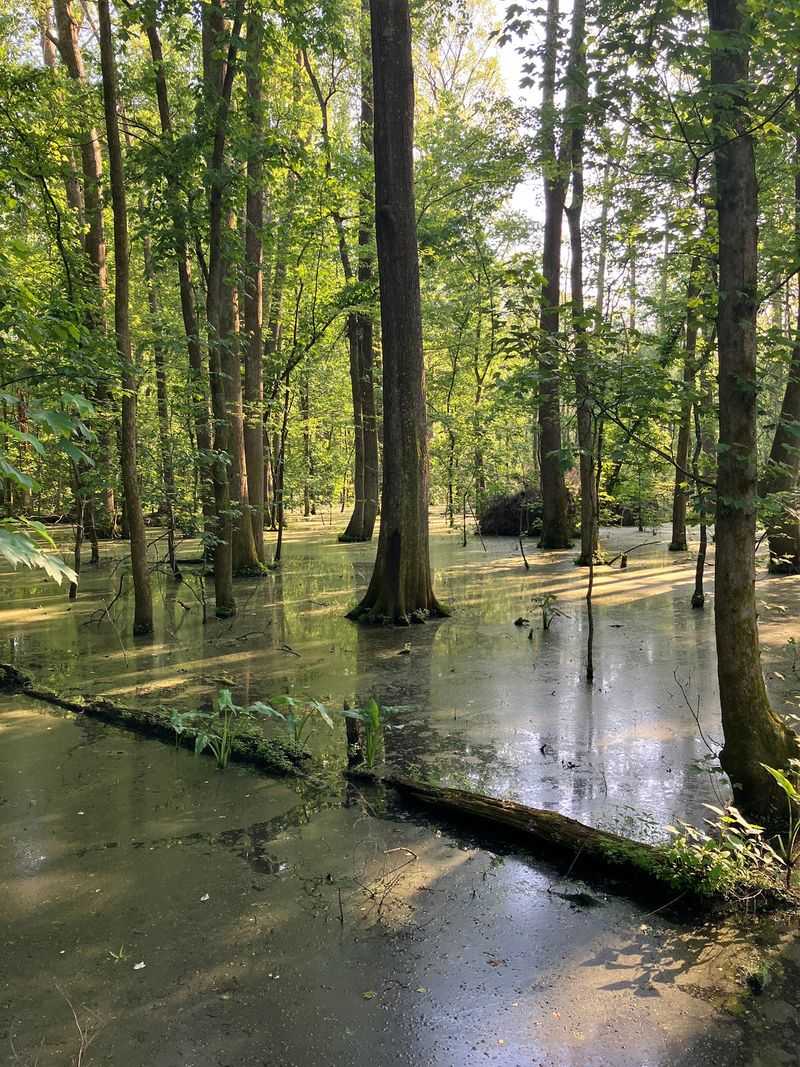
Big Cypress Tree State Park protects a small but ecologically rich area in Weakley County. The park centers around a champion bald cypress tree standing in a swampy depression that cottonmouths patrol regularly.
The boardwalk leading to the famous tree crosses prime snake habitat where still, tannin-stained water provides perfect hunting conditions.
Summer visitors often spot cottonmouths swimming near the boardwalk or coiled on cypress knees jutting from the water. The snakes use these natural perches to rest between hunting sessions and to thermoregulate by moving between sun and shade.
Observing from the elevated boardwalk provides safe viewing opportunities without disturbing the animals.
The park’s compact size concentrates wildlife in ways that increase encounter frequency. A short walk from the parking area puts you deep in wetland habitat where cottonmouths, turtles, and wading birds all compete for food.
This makes Big Cypress an excellent place to observe snake behavior from a safe distance.
The swamp’s still water warms quickly during summer, creating ideal conditions for fish and amphibians that form the cottonmouth’s diet. Increased prey activity draws more snakes to the area, and the confined space means higher densities than in more expansive wetlands.
Multiple snakes might be visible simultaneously during peak activity periods.
Park interpreters sometimes conduct educational programs featuring information about cottonmouths and their ecological importance. Understanding their behavior, habitat preferences, and warning signals helps visitors appreciate these often-misunderstood reptiles.
Fear decreases significantly when people learn how to recognize and respond appropriately to snake encounters.
The boardwalk’s railings provide excellent support for cameras and binoculars, allowing close observation without leaving the safe pathway. Resist the temptation to step off into the swamp for a different angle.
The murky water hides submerged obstacles, deep spots, and resting snakes that become defensive when accidentally disturbed.
6. Seven Islands State Birding Park
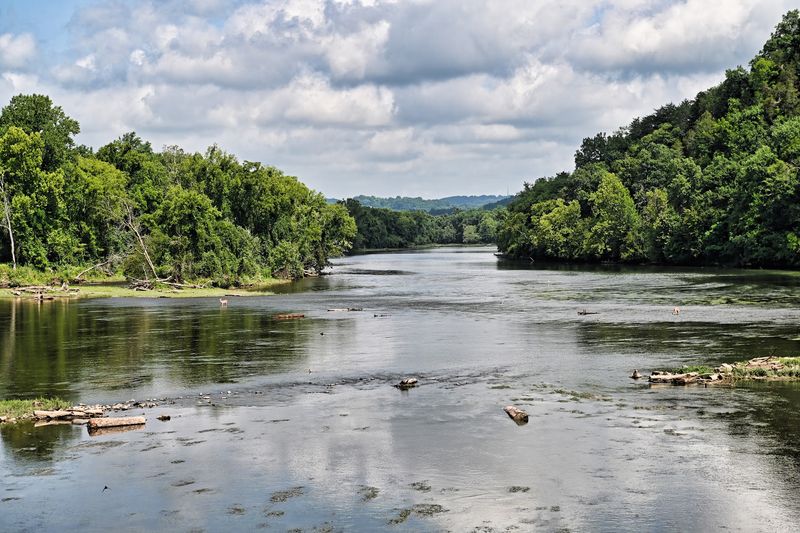
Seven Islands State Birding Park near Knoxville represents the eastern edge of cottonmouth range in Tennessee. The French Broad River winds through the property, creating wetland pockets and slow backwaters where these snakes hunt.
While less common here than in western Tennessee refuges, the cottonmouths present tend to be larger and more impressive specimens.
The park’s extensive trail system follows the river through bottomland forests and meadows. Cottonmouths concentrate near Kelly Lane Wetland and along the river’s edge where overhanging vegetation provides shade and ambush opportunities.
Hikers should watch carefully when trails dip close to water or cross small tributaries.
Bird enthusiasts scanning wetlands for herons and egrets sometimes spot cottonmouths using the same hunting strategies. Both predators remain motionless while waiting for fish or frogs to venture within striking distance.
The snakes’ patience rivals any wading bird’s, and they can hold a position for hours without moving.
The park’s location near Knoxville means higher visitor numbers than remote refuges, yet cottonmouths maintain their presence despite human activity. They’ve learned to avoid heavily trafficked areas during peak hours, shifting their activity to early mornings, evenings, and weekdays when foot traffic decreases.
This behavioral adaptation allows them to coexist with recreational users successfully.
Mountain bikers using the riverside trails might encounter cottonmouths basking on the path during cooler morning hours. The snakes absorb heat from sun-warmed gravel before the day’s activity begins.
Slowing down and making noise alerts them to approaching riders, giving them time to move aside rather than reacting defensively to a sudden approach.
The French Broad River’s water quality supports healthy fish populations that attract cottonmouths year-round. Summer low-water conditions concentrate fish in deeper pools, creating predictable feeding stations where snakes return repeatedly.
Reporting sightings to park staff helps biologists track population trends and understand how these snakes utilize habitat at the edge of their geographic distribution.