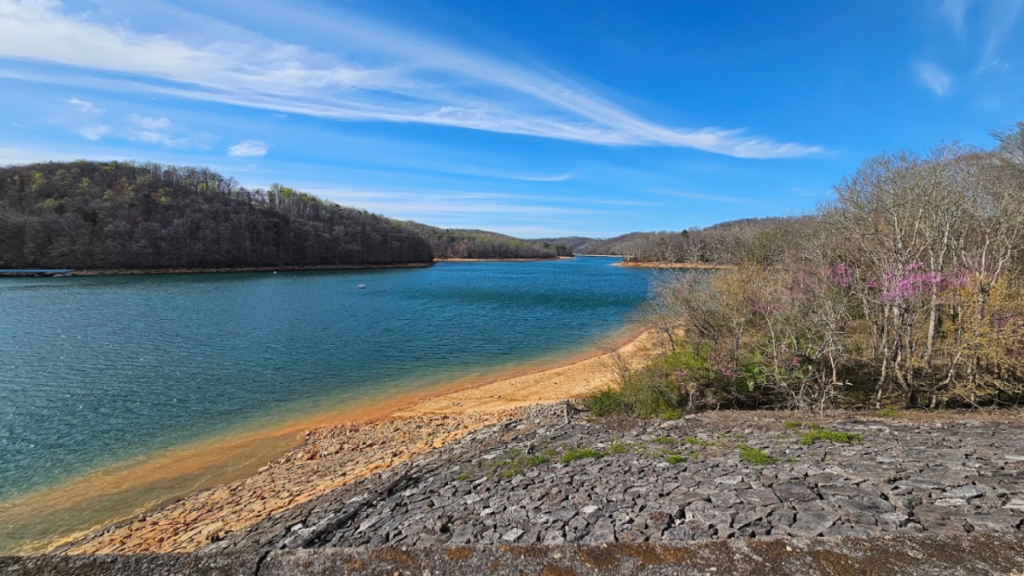
Tennessee’s lakes offer some of the best summer escapes you’ll find anywhere in the South. From crystal-clear mountain reservoirs to sprawling fishing paradises, each one has its own character and charm that keeps visitors coming back year after year.
Whether you’re planning a weekend camping trip, a day on the water, or just looking for a peaceful spot to watch the sunset, these nine lakes deliver unforgettable experiences that make summer in Tennessee truly special.
1. Norris Lake
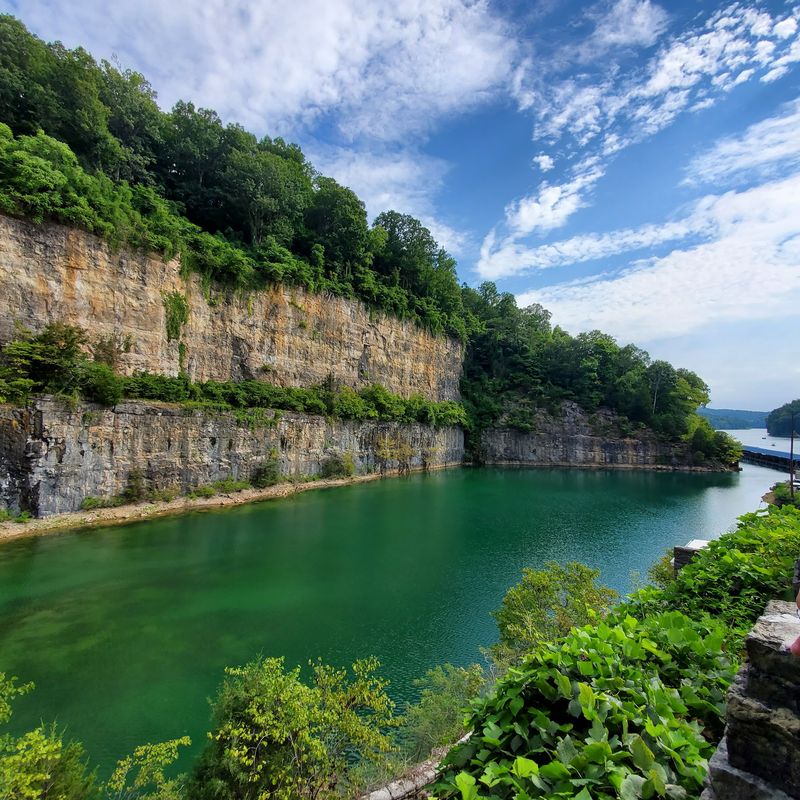
Norris Lake sits in the foothills of the Appalachian Mountains, and the first thing you’ll notice is how incredibly clear the water is. We’re talking 30 to 40 feet of visibility on a good day, which makes it a dream for swimmers and snorkelers who want to actually see what’s beneath them.
The lake stretches over 34,000 acres with more than 800 miles of shoreline, so finding your own quiet cove is easier than you’d think.
Boating culture runs deep here. Houseboats drift lazily along the channels, jet skis zip around the open water, and pontoon boats loaded with families anchor near sandy beaches.
If you prefer paddling, the calm inlets are perfect for kayaking without worrying about heavy boat traffic. Marinas dot the shoreline, offering rentals and supplies if you don’t have your own gear.
Fishing enthusiasts show up for the bass, crappie, and stripers that thrive in these cool, clean waters. Early mornings are prime time, especially in late spring when the fish are most active.
You’ll see anglers casting from boats, docks, and shoreline spots all around the lake.
Camping options range from primitive sites tucked into the woods to full-service campgrounds with hookups and amenities. Several lakeside resorts also cater to visitors who prefer a roof over their heads.
No matter where you stay, you’re never far from a boat ramp or swimming area.
The surrounding landscape adds to the appeal. Forested hills create a scenic backdrop that changes with the seasons, though summer’s lush green canopy is hard to beat.
Hiking trails near the lake offer elevated views that are worth the climb, especially at sunset when the water glows orange and pink. Norris Lake doesn’t get as crowded as some of Tennessee’s bigger-name destinations, which means you can actually relax without jockeying for space on the shore.
2. Watauga Lake
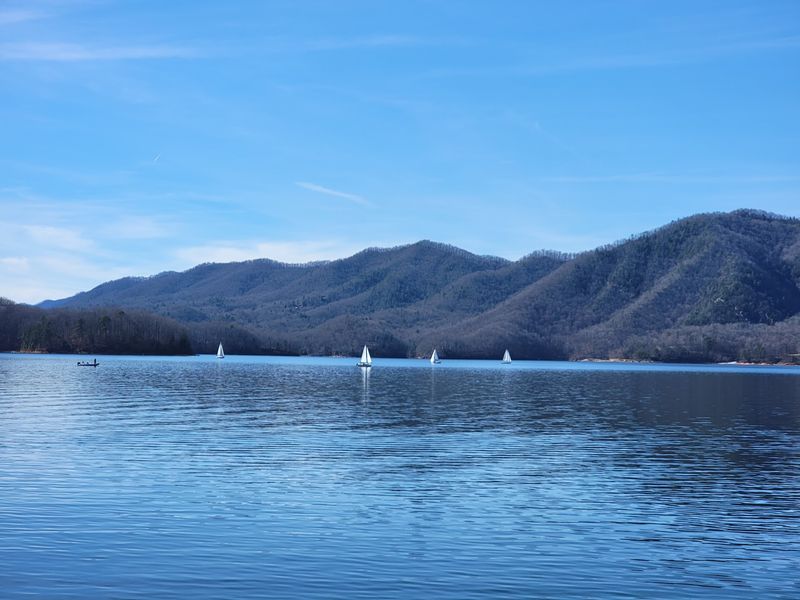
Tucked away in the Cherokee National Forest, Watauga Lake feels like a secret even though it’s been around since the 1940s. The elevation here sits at over 1,900 feet, which keeps the water refreshingly cool even when the valley below is sweltering.
On hot July afternoons, that temperature difference is more than welcome.
The lake’s 6,430 acres might seem modest compared to some of Tennessee’s giants, but what it lacks in size it makes up for in beauty. Mountains rise steeply from the water’s edge, creating dramatic views that make every photo look like a postcard.
The shoreline is mostly undeveloped, giving the whole place a wild, untouched vibe that’s increasingly rare.
Sailors love Watauga Lake because steady winds funnel through the mountain valleys, filling sails reliably throughout the day. You’ll spot colorful spinnakers dotting the water on weekends, along with kayakers exploring rocky coves and fishermen casting for walleye and smallmouth bass.
The fish here grow impressively large thanks to the lake’s depth and cool temperatures.
Camping at Watauga Lake feels like true backcountry living. The campgrounds are basic but well-maintained, with sites nestled among towering pines and hardwoods.
Wake up to mist rising off the water and the sound of loons calling across the lake. It’s the kind of morning that makes you forget about your phone for a while.
Nearby trails lead into the surrounding national forest, where waterfalls and overlooks reward those willing to hike a few miles. The Appalachian Trail passes close by, so don’t be surprised if you meet a thru-hiker resupplying at the marina.
Swimming areas are scattered around the lake, though the water stays brisk enough to take your breath away on the first plunge. Watauga Lake attracts visitors who appreciate solitude and natural beauty over jet ski rentals and crowded beaches.
3. Center Hill Lake
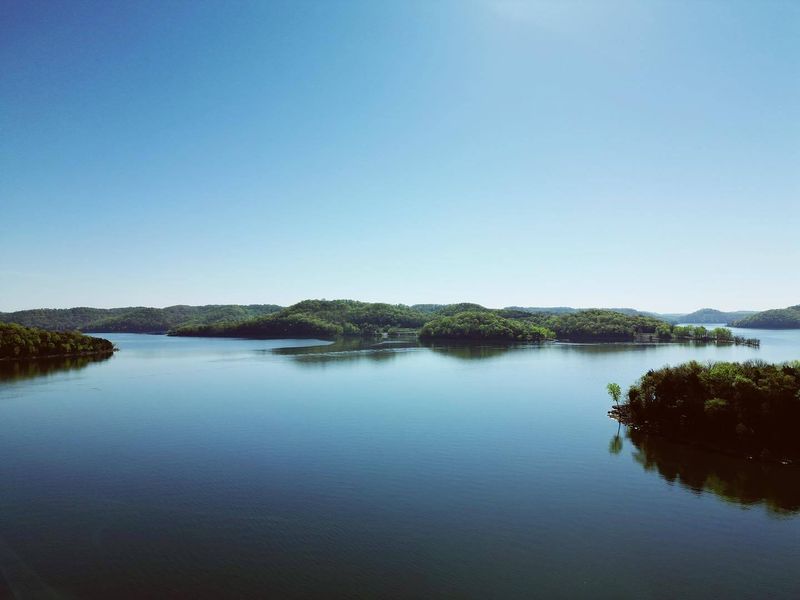
Center Hill Lake carved its way through some of Tennessee’s most interesting geology, leaving behind towering limestone bluffs and hidden caves that make exploring here feel like an adventure. The water takes on different shades of blue and green depending on the light and depth, creating a visual effect that’s surprisingly tropical for Middle Tennessee.
Over 18,000 acres of water spread across three major river arms, each with its own character and attractions.
Wakeboarding and water skiing are practically religions here. The main channel sees plenty of action from speed boats pulling tubers and wakeboarders, while calmer arms accommodate families floating on rafts and innertubes.
Several public boat ramps provide easy access, though weekends can get busy during peak season. Arriving early gives you first pick of the good spots.
Scuba divers come to Center Hill for the underwater visibility and the chance to explore submerged structures and rock formations. The lake’s depth reaches over 200 feet in some areas, creating temperature layers that support different fish species at various depths.
Anglers target everything from catfish in the shallows to deep-dwelling lake trout.
Cliff jumping is a popular, if unofficial, activity at certain spots around the lake where rock faces drop straight into deep water. Always check the depth first and never jump anywhere you haven’t verified as safe.
The limestone formations also create natural caves and overhangs that provide shade on scorching afternoons.
State parks and commercial marinas ring the shoreline, offering everything from primitive camping to cabin rentals with full kitchens and air conditioning. Hiking trails wind through the surrounding hills, and several lead to overlooks where you can see the entire lake spread out below.
Summer evenings bring spectacular sunsets that paint the bluffs in warm golden light. Center Hill Lake strikes a nice balance between developed recreation areas and wild, natural spaces where you can still find solitude if you know where to look.
4. Chickamauga Lake
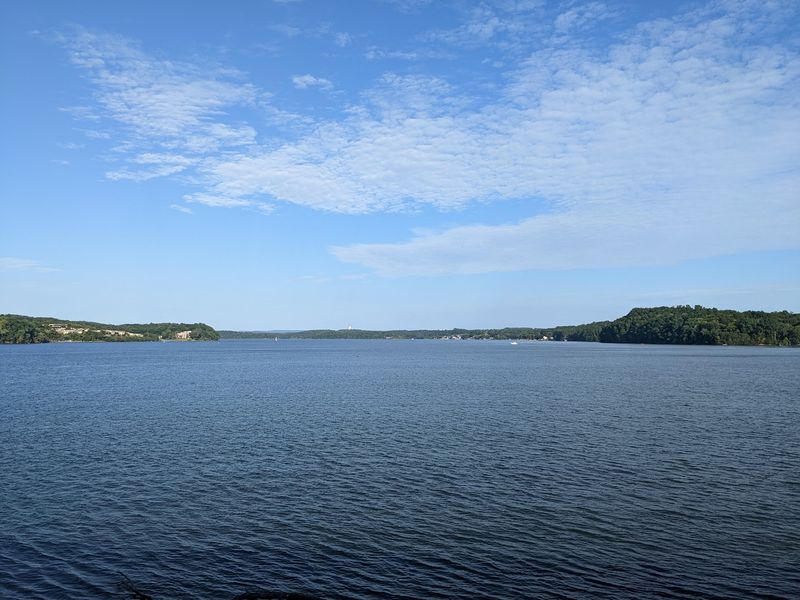
Chickamauga Lake stretches for 59 miles along the Tennessee River, creating a massive playground for anyone who loves being on the water. The lake’s proximity to Chattanooga means you can grab breakfast in the city and be casting a line or dropping a kayak by mid-morning.
That convenience makes it a favorite for locals and visitors who want lake access without driving deep into the backcountry.
Bass fishing here is legendary. Professional tournaments regularly choose Chickamauga because the lake consistently produces trophy-sized largemouth bass that make anglers’ eyes light up.
If you’re serious about fishing, hire a guide who knows the seasonal patterns and productive spots. Even casual fishermen catch enough to make the trip worthwhile, with crappie, catfish, and bluegill biting throughout the summer.
The lake’s width varies dramatically, from narrow river-like sections to broad expanses that feel almost ocean-like when the wind picks up. This variety means you can choose your experience based on what you’re after.
Want to paddle peacefully through calm backwaters? Head to the upper reaches. Looking for open water to sail or cruise? The main body near Chattanooga delivers.
Several islands dot the lake, and many are accessible by boat for picnicking or exploring. Sandbar parties are a weekend tradition during summer, with boaters anchoring in shallow areas to swim, socialize, and soak up the sun.
Pack plenty of water and sunscreen because shade is limited once you’re out there.
Public parks and access points are plentiful, which is a huge advantage when you’re planning a spontaneous lake day. Facilities range from basic boat ramps to full-service marinas with restaurants and fuel docks.
The Chickamauga Dam itself is worth seeing, especially when they’re releasing water and the current picks up downstream. Wildlife watching is surprisingly good here too, with eagles, herons, and ospreys hunting along the shorelines throughout the day.
5. Dale Hollow Lake
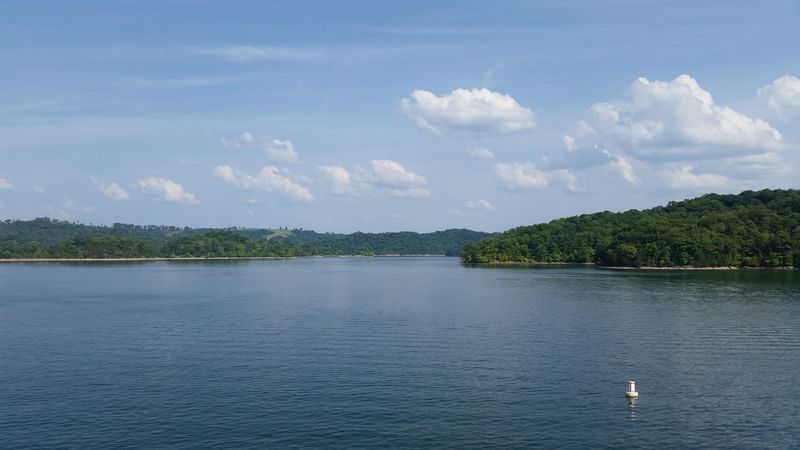
Dale Hollow Lake straddles the Tennessee-Kentucky border and holds the distinction of having some of the cleanest, clearest water in the eastern United States. Visibility often exceeds 20 feet, and on calm days you can watch fish swimming far below your boat.
That clarity comes from strict environmental protections and the lake’s depth, which reaches 130 feet in some spots.
Smallmouth bass fishing draws anglers from across the country. The lake produced a world-record smallmouth back in 1955, and while that record has since been broken elsewhere, Dale Hollow still grows impressively large fish.
Muskie hunters also prowl these waters, hoping to hook one of the toothy predators that lurk in the deeper channels.
Houseboating is huge here. Rental companies operate several marinas where you can pick up everything from basic pontoon boats to luxury houseboats with multiple bedrooms, full kitchens, and rooftop water slides.
Spending a few days cruising the lake and anchoring in different coves each night gives you a chance to see parts of the shoreline that land-based visitors never experience.
Swimming at Dale Hollow feels different because the water is so clean and clear. You can actually see the bottom even in deeper areas, which is reassuring for nervous swimmers and exciting for snorkelers.
The lake stays comfortably warm through summer, though spring-fed tributaries create cool pockets that feel amazing on hot afternoons.
Camping options include developed campgrounds with modern amenities and primitive sites accessible only by boat. The boat-in sites offer true solitude, where your only neighbors might be a family of deer coming down to drink at dawn.
Hiking trails around the lake vary from easy shoreline walks to challenging climbs that reward you with panoramic views.
The surrounding landscape is heavily forested, creating a sense of remoteness even though you’re never that far from civilization. Fall colors here are spectacular, but summer’s deep green canopy provides welcome shade and keeps the water temperature pleasant for extended swimming sessions.
6. Kentucky Lake
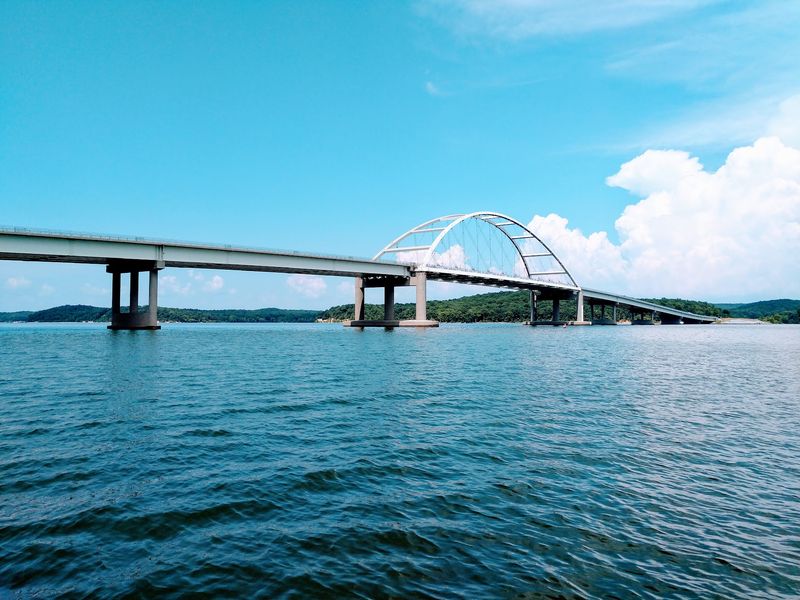
Kentucky Lake is enormous, plain and simple. At 160,000 acres, it’s one of the largest man-made lakes in the eastern United States, and the sheer scale means you could explore for weeks without seeing everything.
The Tennessee portion near Buchanan offers excellent access and amenities while maintaining that laid-back lake-town atmosphere that makes summer vacations memorable.
Crappie fishing here is world-class, particularly in spring when the fish move shallow to spawn. Summer fishing shifts to deeper structure, but the crappie are still biting if you know where to look.
Bass, catfish, and various panfish round out the options, ensuring that even beginners leave with stories and maybe dinner.
Marinas along this stretch of the lake cater to every need, from basic boat launches to full-service facilities with restaurants, lodging, and boat rentals. Paris Landing State Park provides public access with camping, hiking trails, and a golf course for those who want to mix up their activities.
The park’s beach area gets busy on summer weekends but still maintains a family-friendly vibe.
Water sports dominate summer days. Jet skis carve wakes across the main channel, pontoon boats loaded with families cruise at a leisurely pace, and sailboats take advantage of the lake’s width to catch steady breezes.
The lake is big enough that different groups can spread out without crowding each other, which keeps everyone happy.
Sunset cruises are particularly magical on Kentucky Lake. The western horizon opens up across miles of water, creating unobstructed views as the sun dips low and paints everything in warm orange and pink tones.
Bring a camera, but also remember to just watch and enjoy the moment.
Bald eagles nest along the shoreline, and spotting one soaring overhead or perched in a dead tree is a highlight for many visitors. The lake’s size and habitat diversity support abundant wildlife, from waterfowl to deer that come down to drink at dawn and dusk.
Kentucky Lake might be massive, but it never feels overwhelming once you find your favorite spot and settle in.
7. Cherokee Lake
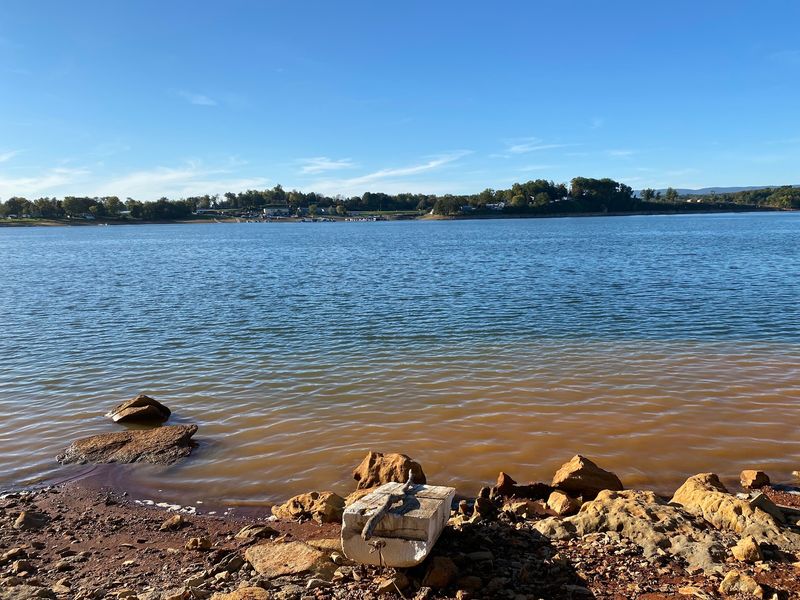
Cherokee Lake flies under the radar compared to some of Tennessee’s more famous waters, which is exactly why locals love it. The 30,000-acre lake sits in the foothills of the Smoky Mountains, close enough to enjoy mountain views but far enough to avoid the tourist crowds that pack Gatlinburg and Pigeon Forge during summer.
Fishing pressure here is lighter than on more publicized lakes, which means the fish are often less wary and more willing to bite. Largemouth bass, striped bass, and catfish are the main targets, though panfish provide plenty of action for kids and casual anglers.
Early morning and late evening produce the best results, especially during the dog days of summer when midday heat sends fish deeper.
The lake’s irregular shape creates countless coves and inlets perfect for exploring by kayak or canoe. Paddling the quiet backwaters reveals hidden beaches, wildlife, and a sense of discovery that’s hard to find on busier lakes.
Herons stalk the shallows, turtles sun themselves on logs, and if you’re lucky, you might spot an otter playing in the current.
Several public access points and boat ramps make getting on the water straightforward, even if you’re visiting for the first time. Panther Creek State Park on the lake’s western shore offers camping, hiking trails, and a swimming beach that’s perfect for families.
The park’s trails wind through forests and along bluffs overlooking the lake, providing excellent vantage points for photography.
Swimming at Cherokee Lake is a summer tradition for families who’ve been coming here for generations. The water warms nicely by June and stays comfortable through September.
Rope swings dangle from trees at certain spots, providing old-school entertainment that never gets old no matter how many times you launch yourself into the water.
Cherokee Lake doesn’t try to be fancy or trendy. It’s just a beautiful, functional lake where you can boat, fish, swim, and relax without dealing with excessive crowds or expensive tourist traps.
Sometimes that’s exactly what a perfect summer day requires.
8. Reelfoot Lake
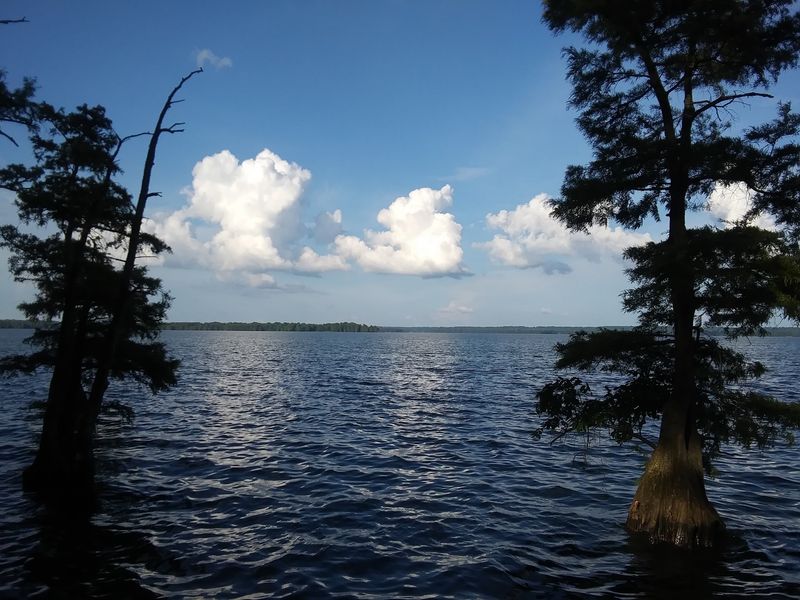
Reelfoot Lake is completely different from every other lake on this list because it’s a natural lake formed by earthquakes in 1811-1812, not a reservoir created by damming a river. That unique origin created a shallow, swampy environment filled with bald cypress trees draped in Spanish moss, giving the whole place an otherworldly atmosphere that feels more like Louisiana than Tennessee.
It’s hauntingly beautiful in a way that photographs can’t quite capture.
The lake averages only five feet deep, which means traditional boating takes a backseat to specialized activities like kayaking through the cypress forests and fishing from shallow-draft boats. Guides lead tours through the flooded timber, navigating narrow channels and pointing out wildlife that thrives in this specialized ecosystem.
Herons, egrets, pelicans, and dozens of other bird species make Reelfoot a paradise for birdwatchers and photographers.
Fishing here focuses on crappie and bluegill, with some bass mixed in. The shallow, structure-rich environment creates ideal spawning and feeding conditions, resulting in healthy fish populations.
Spring and fall are prime fishing seasons, though summer still produces catches if you fish early or late to avoid the heat.
Bald eagles winter at Reelfoot Lake in impressive numbers, with hundreds arriving each year to feast on fish and waterfowl. Even in summer, resident eagles nest around the lake and can often be spotted soaring overhead or perched in tall trees.
The lake’s remoteness and protected status ensure that wildlife remains abundant and relatively unbothered by human activity.
Reelfoot Lake State Park provides camping, cabins, and a visitor center that explains the lake’s fascinating geological history. Boardwalk trails wind through cypress groves, allowing you to explore without getting your feet wet.
This isn’t a lake for jet skis or wakeboarding. It’s a place to slow down, observe nature, and appreciate an ecosystem that exists nowhere else in Tennessee.
If you’re looking for a completely different lake experience that prioritizes natural beauty and wildlife over water sports, Reelfoot delivers something truly special.
9. Douglas Lake
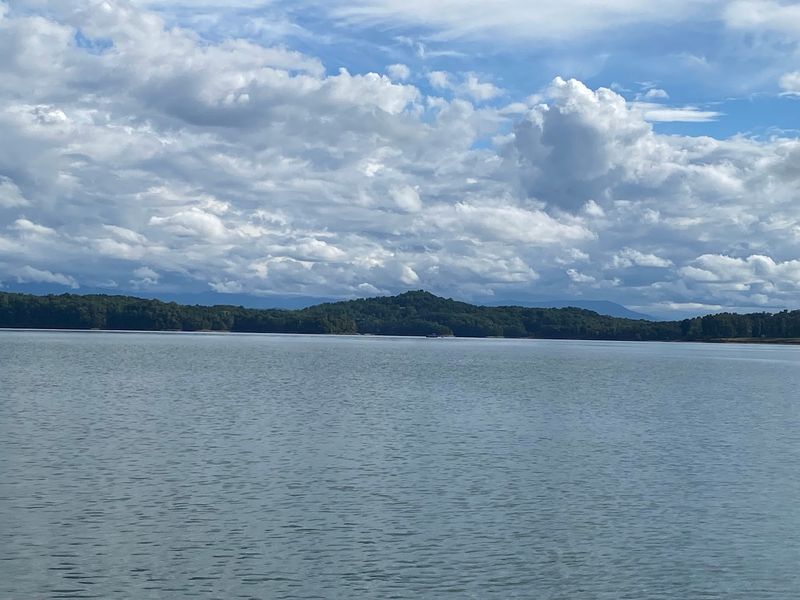
Douglas Lake sits in the shadow of the Great Smoky Mountains, literally. On clear days, the peaks rise dramatically in the distance, creating a backdrop that reminds you why Tennessee is called the Volunteer State’s most scenic corner.
The lake covers about 30,400 acres when full, though water levels fluctuate seasonally based on TVA’s power generation and flood control needs. Those fluctuations create interesting shoreline conditions that anglers and explorers learn to work with.
Proximity to Pigeon Forge and Gatlinburg means Douglas Lake gets its share of visitors, but it’s spacious enough that crowds disperse quickly once you leave the main access points. Rent a pontoon boat and cruise toward the upper reaches of the lake where the French Broad River feeds in, and you’ll find quieter waters perfect for swimming and relaxing.
Bass fishing is popular, with both largemouth and smallmouth thriving in different parts of the lake. Crappie runs in spring bring anglers out in force, and catfishing remains productive year-round.
The lake’s irregular bottom structure and submerged timber create plenty of fish habitat, though they also demand attention when navigating unfamiliar areas.
Water skiing and tubing are favorite summer activities, with the main lake body providing plenty of space for boats to open up and get people screaming with joy as they bounce across the wake. Swimming areas are scattered around the lake, though many boaters simply anchor in a cove and jump in wherever the water looks inviting.
Camping options range from primitive to modern, with several campgrounds offering lake access and mountain views. Waking up to sunrise over the Smokies reflected in calm water is worth the drive alone.
Nearby hiking trails in the national park provide excellent options for working off those campfire s’mores.
Douglas Lake serves as a gateway to the Smokies while offering its own recreational opportunities. You can spend the morning hiking Cades Cove, grab lunch in Pigeon Forge, and be swimming at the lake by mid-afternoon.
That versatility makes it perfect for families who want variety in their vacation activities without constantly packing up and moving to new locations.