You know that feeling when you plan a quick museum stop and suddenly realize three hours have vanished? Tennessee is packed with museums that do exactly that.
From the powerful stories told at civil rights landmarks to interactive exhibits that make science feel like playtime, these spots have a way of holding your attention far longer than you’d expect. Whether you’re a history buff, a music lover, or traveling with kids who need to burn energy while learning something new, these ten museums across the state prove that sometimes the best adventures are the ones that completely mess up your schedule.
1. National Civil Rights Museum – Memphis
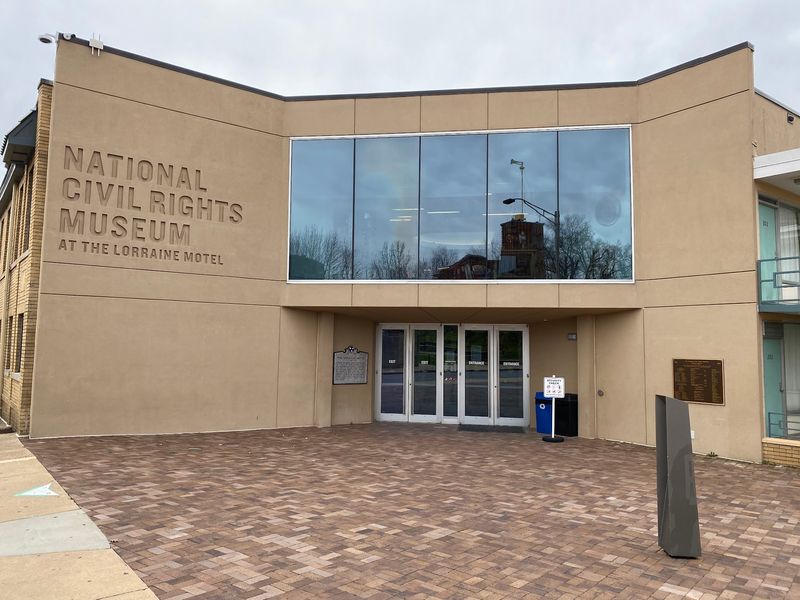
Standing outside the Lorraine Motel, you can feel the weight of history before you even walk through the doors. This isn’t just another museum with plaques on walls.
Every room, every exhibit, every carefully preserved detail pulls you into the struggle for equality that shaped America.
The museum wraps around the actual site where Dr. Martin Luther King Jr. was assassinated in 1968. You’ll see the motel rooms exactly as they were that day. But the story starts long before that moment and continues well beyond it.
Interactive displays let you sit at a lunch counter and experience what it felt like to face hostility during sit-ins. You can board a Montgomery bus and choose where to sit, feeling the tension of that simple decision.
Multimedia presentations bring voices from the movement directly to you, making history feel immediate rather than distant.
The exhibits trace the movement from slavery through Reconstruction, Jim Crow laws, and the modern fight for justice. Original artifacts include letters, photographs, and personal items from people who risked everything for change.
What makes this museum so absorbing is how it connects past struggles to present challenges. Exhibits don’t just celebrate victories but examine ongoing work toward equality.
You’ll find yourself reading every caption, watching every video, and thinking deeply about where we’ve been and where we’re going.
Plan at least three hours, maybe four. The museum is large, the content is heavy, and you’ll want time to process what you’re seeing. It’s emotionally powerful work, but it’s the kind of experience that stays with you long after you leave Memphis.
2. Tina Turner Museum at Flagg Grove School – Brownsville
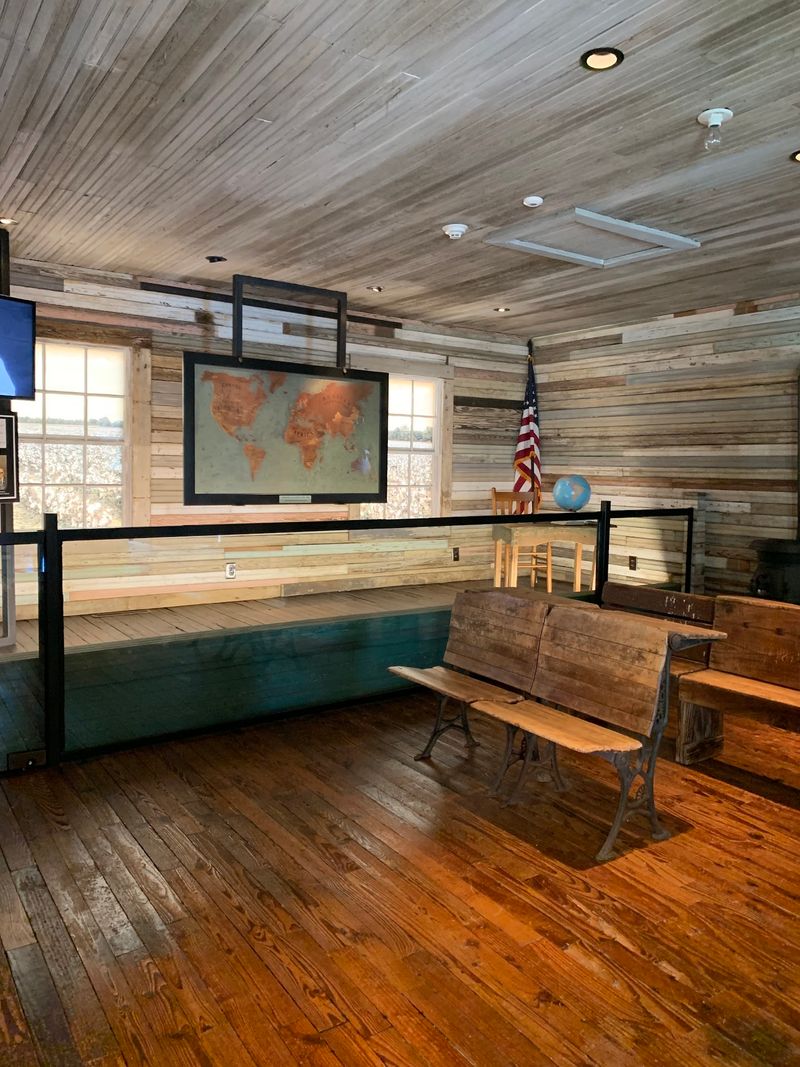
How many museums can claim they’re housed in a rock legend’s actual elementary school? This tiny white schoolhouse in rural West Tennessee is where Anna Mae Bullock, later known as Tina Turner, learned to read and write.
Now it’s filled with the glittering proof of how far she traveled from those humble beginnings.
The building itself is remarkably preserved. Walking into the single classroom feels like stepping back to the 1940s. Original desks, a wood-burning stove, and a chalkboard set the scene before you even get to the Tina Turner exhibits.
Then the glamour hits. Stage costumes sparkle under lights, each one telling the story of a different era in her career. You’ll see the famous fringed dresses, sky-high heels, and bold jewelry that became her signature. Photographs trace her transformation from a shy Brownsville girl to the Queen of Rock ‘n’ Roll.
Gold records line the walls. Concert posters from tours around the world show the massive scale of her success.
Personal items and handwritten notes add intimate details to the larger-than-life story. Video screens play performances that remind you why her voice and energy captivated millions.
What’s special here is the contrast. You’re standing in a one-room schoolhouse with no running water, looking at costumes worn in sold-out stadiums worldwide.
That journey from poverty to superstardom becomes tangible in a way that bigger, fancier museums can’t quite capture.
The staff are passionate and knowledgeable, often sharing stories that aren’t on the displays. They’ll point out details you might miss and explain the significance of certain items.
It’s a small museum, but the story it tells is enormous, and you’ll find yourself lingering far longer than the building’s size suggests.
3. Casey Jones Home & Railroad Museum – Jackson
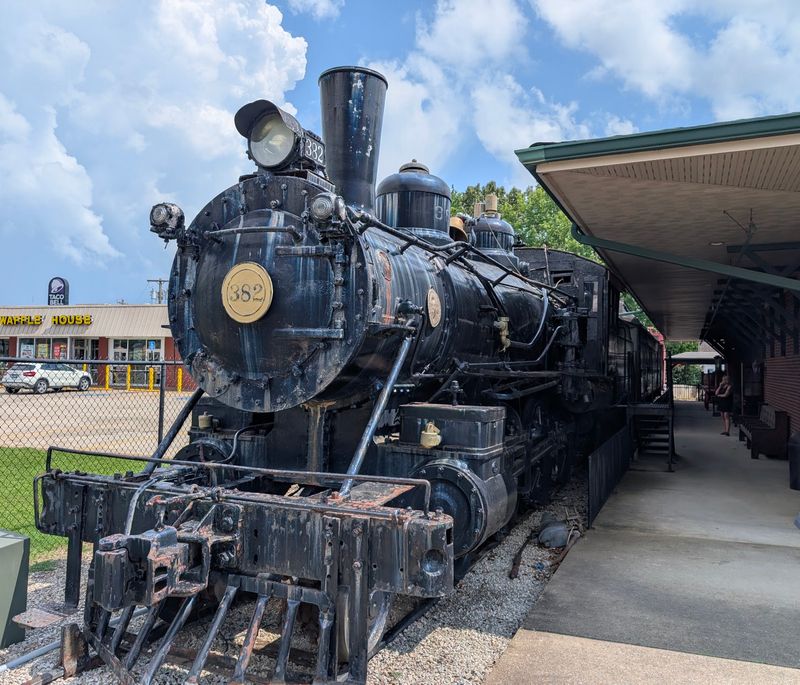
Trains have a way of capturing imaginations, and this museum knows it. Built around the actual home where legendary engineer Casey Jones lived with his family, the site has grown into a celebration of railroad history that appeals to serious train enthusiasts and casual visitors alike.
Casey Jones became famous for his fatal crash in 1900, when he stayed at the controls to slow his train and save his passengers, sacrificing his own life. His story inspired songs, legends, and a lasting place in American folklore.
The museum brings that story to life with artifacts, photographs, and detailed accounts of that fateful night.
But there’s so much more than one man’s story here. The property includes several vintage train cars you can climb aboard and explore.
Kids love scrambling through the caboose and imagining life on the rails. Adults appreciate the craftsmanship and engineering of these beautifully restored pieces.
Interactive exhibits let you try your hand at telegraph operation, examine authentic railroad tools, and understand how trains shaped commerce and culture across America. Model train displays run continuously, showing intricate landscapes and realistic operations that mesmerize viewers of all ages.
The Jones family home itself is furnished with period pieces, giving you a glimpse of domestic life in the early 1900s. You can walk through the rooms where Casey relaxed between runs, see family photographs, and understand the human side of railroad history.
Outside, there’s a vintage train depot, additional railroad equipment, and plenty of space to wander. The grounds are well-maintained and pleasant, making this a comfortable place to spend an afternoon.
Between the home, the trains, the interactive elements, and the outdoor displays, you’ll easily fill two or three hours without even noticing time passing.
4. Country Music Hall of Fame and Museum – Nashville
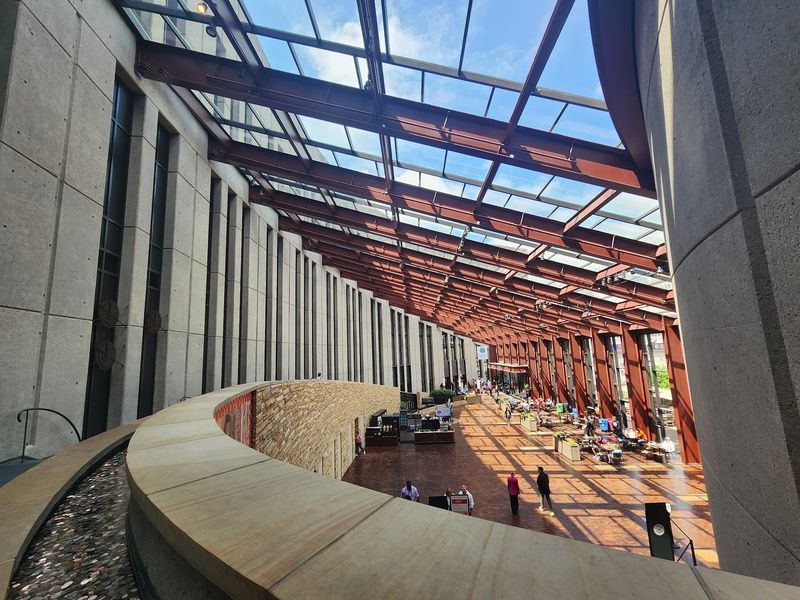
Nashville calls itself Music City, and this museum is where that claim gets backed up with serious evidence. Spread across multiple floors in the heart of downtown, the Country Music Hall of Fame holds one of the world’s largest collections of country music artifacts, and every single piece has a story worth hearing.
You’ll see guitars played by legends, from Hank Williams to Taylor Swift. Stage costumes that dazzled audiences at the Grand Ole Opry hang in climate-controlled cases.
Handwritten lyrics show how hits were born, complete with crossed-out lines and scribbled notes. Gold records, awards, and personal items create an intimate connection to artists you’ve listened to for years.
The museum doesn’t just celebrate stars; it traces the entire evolution of country music. Exhibits explain how the genre grew from Appalachian folk traditions, absorbed influences from blues and gospel, and eventually split into subgenres from outlaw country to contemporary pop-country.
You’ll understand the music’s roots and see how it continues to evolve.
Interactive listening stations let you explore recordings from different eras and styles. Video footage captures legendary performances and rare interviews.
Rotating exhibitions bring in special collections, sometimes focusing on specific artists, sometimes on themes like women in country music or the role of Nashville’s recording studios.
The museum is massive. You could easily spend four or five hours and still not see everything in depth.
The layout flows well, keeping you engaged as you move from one era to the next. Even if you’re not a huge country music fan, the storytelling and cultural history make this a fascinating stop.
5. Discovery Center at Murfree Spring – Murfreesboro
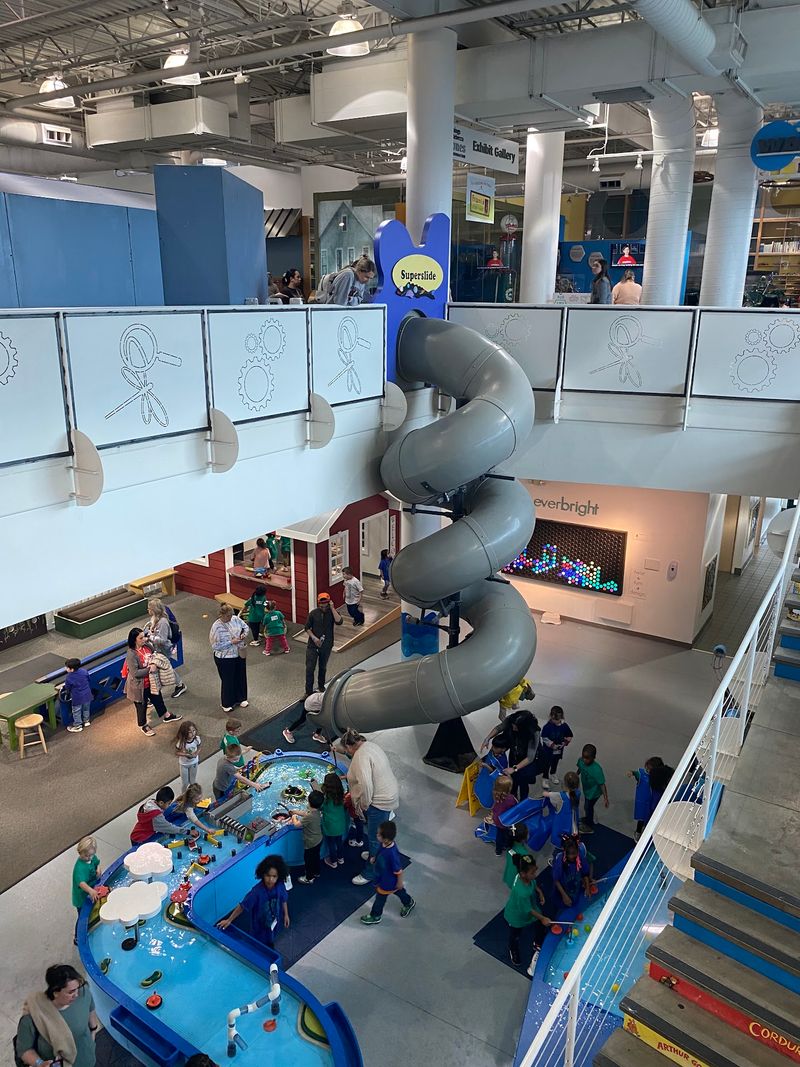
Traveling with kids can make museum visits tricky. Too much standing and reading leads to whining and meltdowns. But this place flips the script entirely by making everything touchable, climbable, and built for active exploration.
The Discovery Center spreads hands-on exhibits across multiple themed areas. In the art studio, kids can paint, sculpt, and create without worrying about making a mess.
Science stations offer experiments with magnets, water flow, light, and simple machines. A nature area brings outdoor exploration inside with specimens, puzzles, and activities focused on Tennessee’s environment.
Engineering challenges invite kids to build structures, test designs, and problem-solve. Imaginative play spaces include a kid-sized town where children can pretend to run a store, cook in a restaurant, or work in a veterinary clinic.
Every area encourages learning through doing rather than just looking.
What parents love is that it’s genuinely educational without feeling like school. Kids are so engaged in playing that they don’t realize they’re learning about physics, biology, creativity, and social skills.
The exhibits are well-designed, sturdy enough to handle enthusiastic use, and regularly updated to keep repeat visitors interested.
The staff are friendly and helpful, often facilitating activities or offering guidance when kids need a little direction. The facility is clean, well-lit, and comfortable.
There’s space for adults to sit and relax while still keeping an eye on their children.
Age-wise, this museum works best for toddlers through elementary school kids, roughly ages two to ten. Younger kids enjoy the sensory experiences and simple play areas. Older kids appreciate the more complex building challenges and science experiments.
Plan for at least two hours, possibly three if your kids really get into the activities. It’s the kind of place where time disappears because everyone is having too much fun to notice the clock.
6. Creative Discovery Museum – Chattanooga
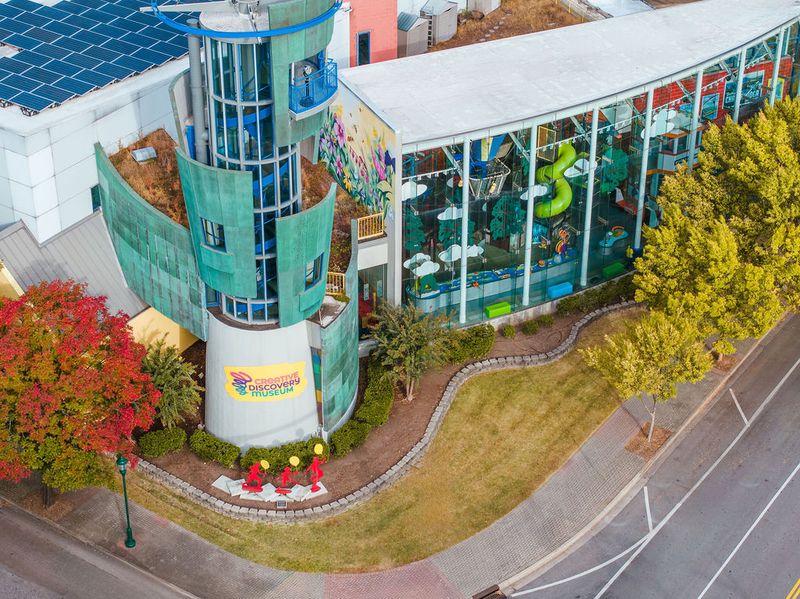
Chattanooga has worked hard to become a family-friendly destination, and this museum sits right at the heart of that effort. Located downtown near the Tennessee Aquarium, it’s a colorful, energetic space designed to turn kids into active learners rather than passive observers.
The museum is organized into different discovery zones. The Inventor’s Workshop gives kids tools, materials, and challenges to create working machines and structures.
Water play areas let children experiment with flow, pressure, and engineering using pumps, channels, and dams. An art studio encourages free expression with various media and techniques.
A musician’s workshop introduces rhythm, melody, and instrument exploration. Kids can bang on drums, pluck strings, and experiment with sound in ways that might drive parents crazy at home but work perfectly in this setting.
Climbing structures and physical play areas help burn off energy while developing motor skills.
One standout feature is the rooftop Lookout Tower. Kids can climb up and get a view over downtown Chattanooga and the Tennessee River.
It’s a nice break from indoor activities and gives everyone a chance to catch their breath.
The museum also hosts rotating exhibits that change throughout the year, adding fresh experiences for repeat visitors. Past exhibits have covered topics from dinosaurs to space exploration to storytelling, always with that hands-on, interactive approach that defines the place.
Staff members are actively involved, not just supervising but engaging with children and helping facilitate discovery. They’ll ask questions that prompt thinking, offer suggestions when kids get stuck, and celebrate creative solutions.
This museum works well for a wide age range, from toddlers to middle schoolers. Younger kids gravitate toward sensory play and simple building activities. Older kids enjoy more complex challenges and the freedom to experiment.
Expect to spend two to three hours here, maybe more if your kids are particularly engaged. It’s easy to combine with other downtown Chattanooga attractions for a full day of family fun.
7. Knoxville Museum of Art – Knoxville
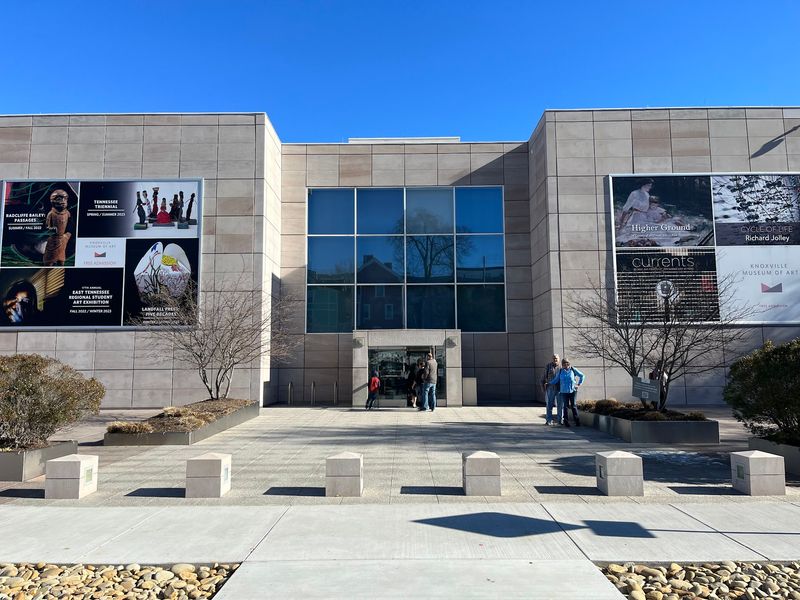
Art museums can feel intimidating, especially if you’re not sure what you’re supposed to appreciate or understand. This museum takes a different approach, focusing on accessibility and regional connection while maintaining serious artistic quality.
The permanent collection emphasizes East Tennessee artists and themes, giving you insight into the region’s visual culture. You’ll see paintings, sculptures, works on paper, and mixed media pieces that reflect Appalachian landscapes, urban life, historical moments, and contemporary concerns.
It’s art that feels connected to the place you’re visiting rather than imported from distant art capitals.
Contemporary galleries showcase modern and current artists, often featuring bold, thought-provoking work that challenges expectations. These exhibits rotate regularly, ensuring there’s always something new to discover.
The museum takes chances on emerging artists alongside established names, creating a dynamic mix of familiar and surprising.
What makes this museum particularly welcoming is the free admission. You can wander in without worrying about ticket prices, take your time with pieces that interest you, and skip past works that don’t connect.
That freedom makes the experience more relaxed and personal.
The building itself is beautiful, with natural light flooding the galleries and creating an open, airy atmosphere. Sculpture gardens outside provide peaceful spots to sit and reflect.
The layout flows well, guiding you through collections without feeling rigid or overwhelming.
Educational programming includes artist talks, workshops, and family activities. Even if you visit during a quiet time, interpretive materials help you understand context and technique.
The staff are approachable and happy to answer questions or offer insights.
You might think you’ll breeze through in thirty minutes, but the quality and variety of work tend to slow people down. You’ll find yourself studying details, reading artist statements, and thinking about what you’re seeing.
8. American Museum of Science and Energy – Oak Ridge

Oak Ridge holds one of the most fascinating and complex stories in American history. During World War II, this secret city was built to develop atomic weapons as part of the Manhattan Project.
Today, this museum explores that history while also celebrating the scientific breakthroughs that followed.
The Manhattan Project exhibits are detailed and honest. You’ll learn how Oak Ridge was constructed practically overnight, how workers lived and labored without knowing what they were actually building, and how uranium enrichment worked.
But the museum doesn’t stop with wartime history. Exhibits trace how Oak Ridge transitioned from weapons development to peaceful scientific research.
You’ll explore nuclear energy, medical isotopes, environmental cleanup, and cutting-edge materials science. The focus shifts from destruction to innovation and problem-solving.
Interactive exhibits make complex science accessible. You can experiment with energy sources, see how radiation detection works, and understand chain reactions through hands-on demonstrations.
Younger visitors enjoy the activities while older ones appreciate the deeper scientific explanations available.
The museum does an excellent job balancing the weight of atomic weapons with the benefits of nuclear science. It doesn’t shy away from difficult questions about ethics, consequences, and ongoing challenges.
At the same time, it celebrates human ingenuity and the positive applications of nuclear technology.
Special exhibits often focus on current research happening at Oak Ridge National Laboratory. You might see work on supercomputers, advanced manufacturing, or renewable energy.
These connections to ongoing science make the museum feel relevant rather than purely historical.
Staff members are knowledgeable and enthusiastic, often with backgrounds in science or engineering. They can explain concepts in plain language and answer questions that go beyond the exhibit labels.
Plan for at least two hours to do the museum justice, possibly more if you’re particularly interested in science or history.
9. Titanic Museum Attraction – Pigeon Forge
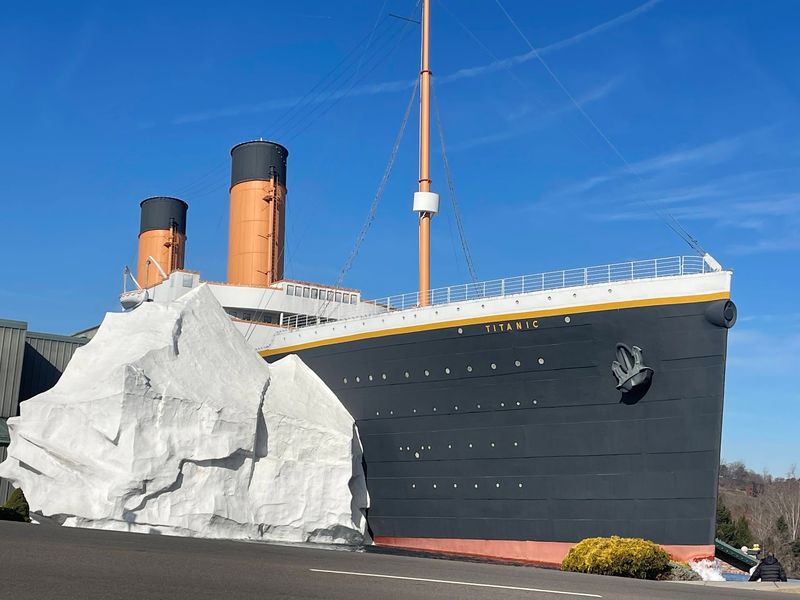
The building itself stops you in your tracks. Shaped like the Titanic, complete with smokestacks and a massive iceberg out front, it’s impossible to miss along the Pigeon Forge strip.
But what’s inside goes far beyond the dramatic exterior.
As you enter, you receive a boarding pass with the name and details of an actual Titanic passenger or crew member. You’ll carry that card through the museum, learning about your person’s life and, at the end, discovering whether they survived.
That personal connection transforms the experience from abstract history to something deeply human.
The museum contains over 400 artifacts recovered from the ship or owned by passengers. You’ll see luggage, clothing, dishes, personal items, and pieces of the ship itself. Each artifact has a story, and the museum does excellent work explaining the lives behind the objects.
Recreated spaces let you experience the ship’s grandeur and its tragic limitations. You can walk a recreation of the grand staircase, touch an iceberg to feel how cold the water was, and try to stand on slanted decks simulating the ship’s final moments.
Interactive exhibits let you send an SOS message, steer the ship, and experience other crew duties.
The museum presents the disaster with respect for those who died while also celebrating the ship’s beauty and the stories of survival. You’ll learn about the design flaws, the class divisions that affected who lived and died, and the heroism shown by passengers and crew during the crisis.
Audio guides enhance the experience with additional details and first-person accounts. Actors in period costume appear throughout, sharing stories and answering questions.
The museum regularly updates exhibits and brings in new artifacts, giving repeat visitors fresh content.
10. Museum of Appalachia – Clinton
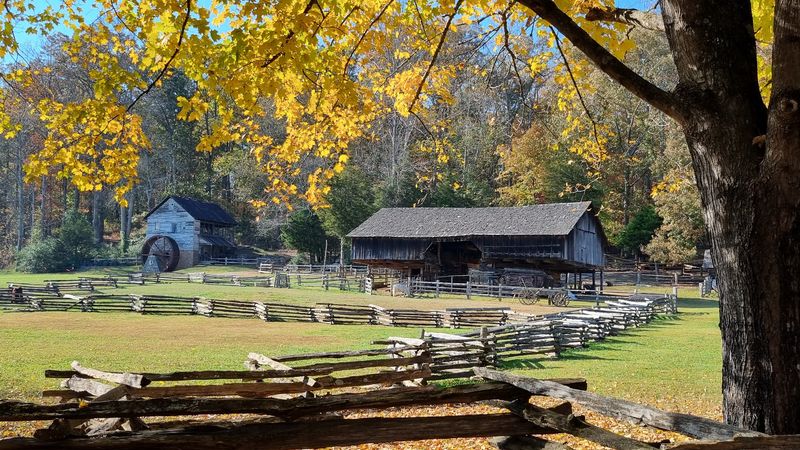
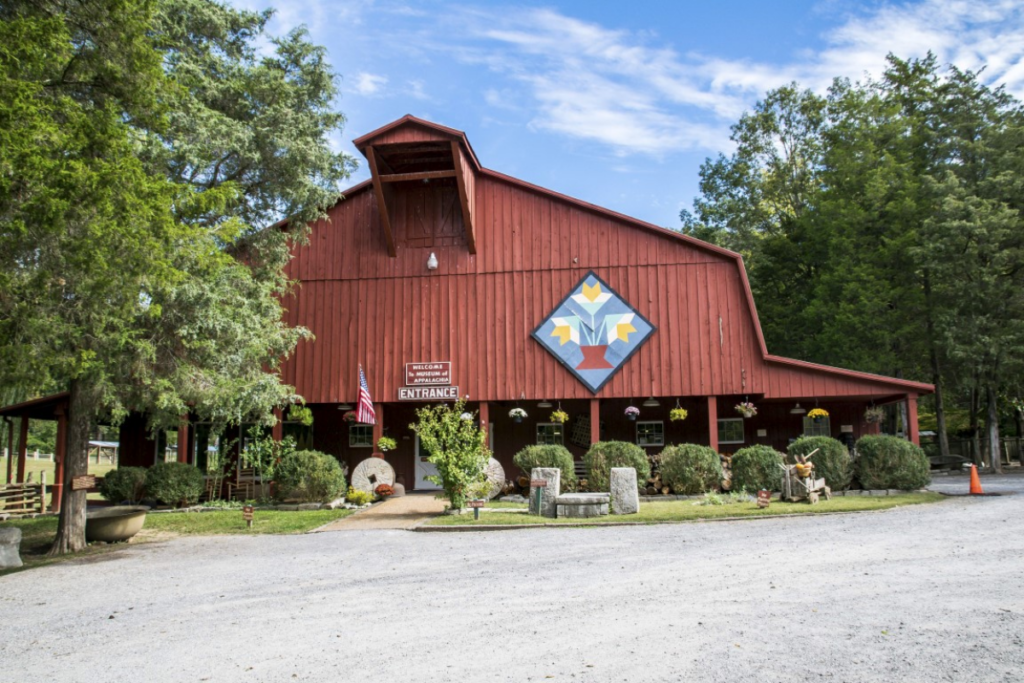
Forget glass cases and velvet ropes. This sprawling outdoor museum preserves Appalachian life through actual buildings, working demonstrations, and thousands of artifacts displayed in ways that make you feel like you’ve stepped into the past rather than just observing it.
The museum covers 65 acres filled with historic structures moved from across the region. You’ll walk through log cabins, barns, a schoolhouse, a chapel, and various outbuildings, all furnished with period-appropriate items.
These aren’t reconstructions; they’re the real thing, preserved and maintained to show how mountain people actually lived.
What sets this museum apart is the sheer volume of artifacts. Founder John Rice Irwin spent decades collecting items from Appalachian families, and the result is an overwhelming display of tools, household goods, musical instruments, clothing, and personal items.
Every building is packed with objects, each one telling a piece of the region’s story.
Living history demonstrations happen regularly, especially during special events. You might see blacksmithing, weaving, soap-making, or traditional music performances.
These aren’t just shows; they’re skilled practitioners keeping old traditions alive and sharing knowledge that might otherwise disappear.
The museum also preserves stories through recorded oral histories and written accounts. You’ll read about people who lived through the Great Depression, worked in coal mines, farmed steep mountain land, and maintained strong community bonds despite isolation and hardship.
Animals add to the authentic atmosphere. Heritage breed livestock, including sheep, pigs, and chickens, roam the grounds much as they would have on working farms.
Gardens grow heirloom vegetables and herbs used in traditional Appalachian cooking and medicine.
Plan for at least two hours, possibly a full afternoon. The grounds are extensive, the buildings numerous, and the artifacts so plentiful that you could spend days here and still discover new details. It’s a remarkable preservation of a culture that shaped this region and continues to influence Tennessee identity today.