A weekend in New York can feel like opening a giant box of surprises, because every part of the state has a place that teaches, entertains, and leaves you talking about it long after the trip is over, and that is exactly why museums matter so much here, since they help families, friends, and curious travelers see art, science, sports, nature, history, and play in ways that feel real instead of dry or distant.
Some museums make you laugh, some make you stop and stare, and some make you want to slow down and look closer at the world around you, which is a big reason a museum weekend can be more exciting than people expect, especially in New York, where the choices stretch from busy city neighborhoods to mountain lakes, river towns, and small communities with big stories to tell.
We found places that celebrate glass, baseball, film, racehorses, children at play, and even giant outdoor sculptures, so there is something here for kids, parents, students, and grown-ups who still love learning new things without feeling like they are sitting in a classroom.
If you are planning a short trip and want ideas that are fun, memorable, and full of personality, these museum stops show how New York can turn just two ordinary days into a weekend packed with wonder, great conversations, and the kind of moments that stick with you for years.
1. Strong National Museum of Play
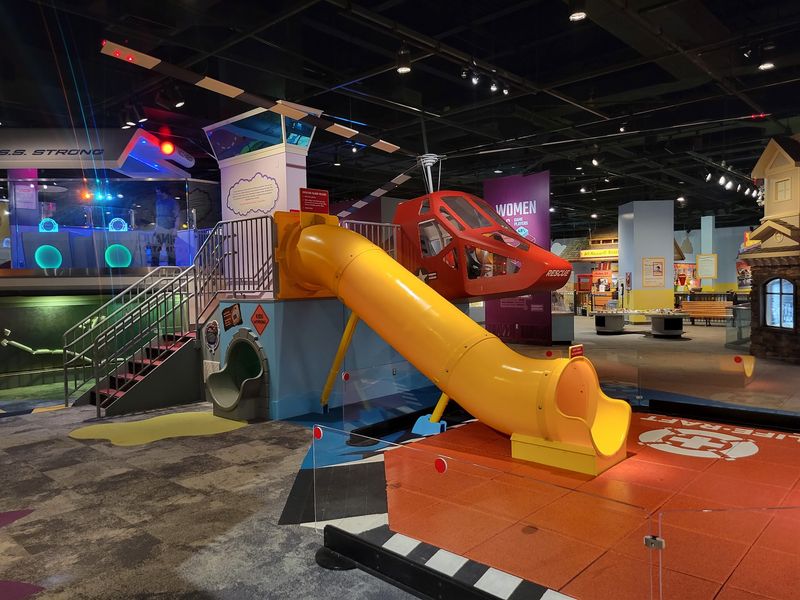
Few places make adults grin like kids quite as fast as this one.
The Strong National Museum of Play in Rochester turns a museum visit into a lively adventure filled with toys, games, books, video games, and hands-on spaces that invite people to join in instead of standing quietly on the sidelines.
Families often love it because the whole building feels active.
One moment you are looking at classic dolls or old board games, and the next you are stepping into colorful play zones that encourage movement, imagination, and teamwork.
What makes the museum memorable is how it treats play as something serious and meaningful.
Rather than seeing fun as a break from learning, the exhibits show how play shapes childhood, creativity, problem-solving, friendship, and even the way people tell stories through games and toys.
Parents visiting with children should plan extra time, because rushing here would be a mistake.
There are enough interactive areas to hold attention for hours, and many grown-ups end up enjoying the old toy collections because they spark memories from their own childhood.
One smart tip is to wear comfortable shoes and keep a flexible schedule.
Since many exhibits invite movement and participation, a weekend stop works best when everyone can wander, pause, and return to favorite spaces without feeling pushed.
Rainy weather makes this museum an especially strong pick in New York.
When outdoor plans fall apart, it offers a full day of energy, color, and discovery that still feels special instead of like a backup choice.
There is also something warm and surprisingly emotional about seeing generations connect over familiar games.
Grandparents may point out toys they once used, while kids discover that simple play ideas from long ago can still feel exciting today.
If your group includes different ages, this stop is easier than many highly specialized museums.
Young children have room to explore, older kids can dig into gaming history, and adults can appreciate the cultural side of toys and imagination.
By the end of a visit, it becomes clear why this museum stands out in New York.
It does more than entertain for a few hours.
It reminds people that curiosity, laughter, and play are not extras in life, but powerful parts of how we grow and connect.
2. Corning Museum of Glass
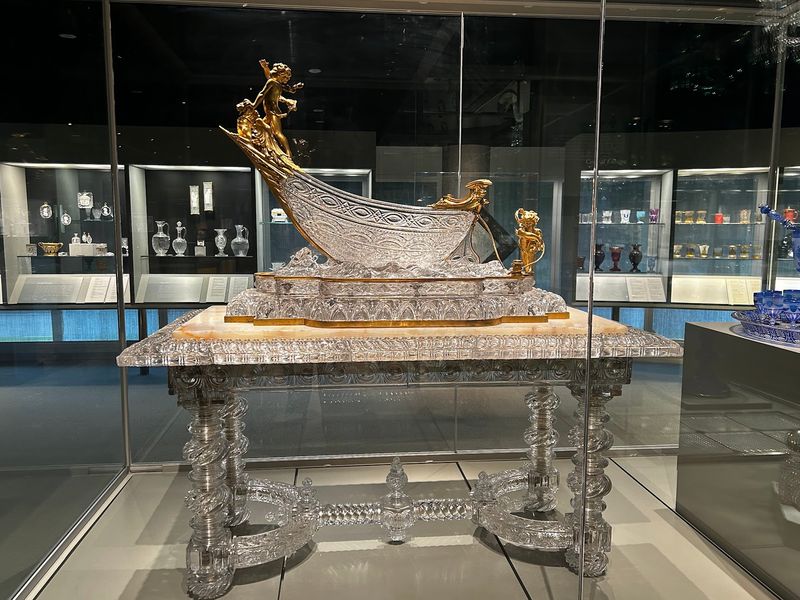
Fire, color, and careful skill come together in a way that feels almost magical here.
The Corning Museum of Glass shows that a material many people barely notice every day can become art, science, history, and live performance all at once.
Walking through the galleries feels calm at first, then suddenly astonishing.
Delicate pieces sparkle under the lights, giant works bend and twist in shapes that seem impossible, and each room reveals how glass has been used in homes, labs, churches, and creative studios.
One of the best parts is watching live demonstrations.
Seeing hot glass stretched, spun, and shaped right in front of you helps visitors understand how much patience and practice it takes to create something that looks so smooth and effortless.
Kids usually stay interested because there is action mixed with beauty.
Adults often appreciate the deeper story, especially the way the museum connects artistic design with science, invention, and the role glass plays in everyday life, from windows to technology.
A weekend visit works well because the museum offers different kinds of energy.
Some spaces invite quiet looking, while others feel lively and social, which means your group can slow down or speed up depending on mood and interest.
If you like practical travel advice, here is an easy one: check the demonstration schedule when you arrive.
Planning your route around those times can make the experience feel fuller, and it helps avoid the disappointment of missing a favorite activity.
Another nice surprise is how approachable the museum feels.
Even if you know nothing about art or glassmaking, the exhibits explain ideas clearly, so you never feel left behind or talked down to.
Photographers and design fans will especially enjoy the changing light and vivid color.
Still, you do not need to be an expert to be impressed, because the simple act of seeing molten glass become a finished object is exciting on its own.
Among New York museum trips, this one stays in memory because it mixes wonder with learning so naturally.
You leave with a better sense of craft, beauty, and invention, plus a new respect for an everyday material that can become something extraordinary.
3. Museum of the Moving Image
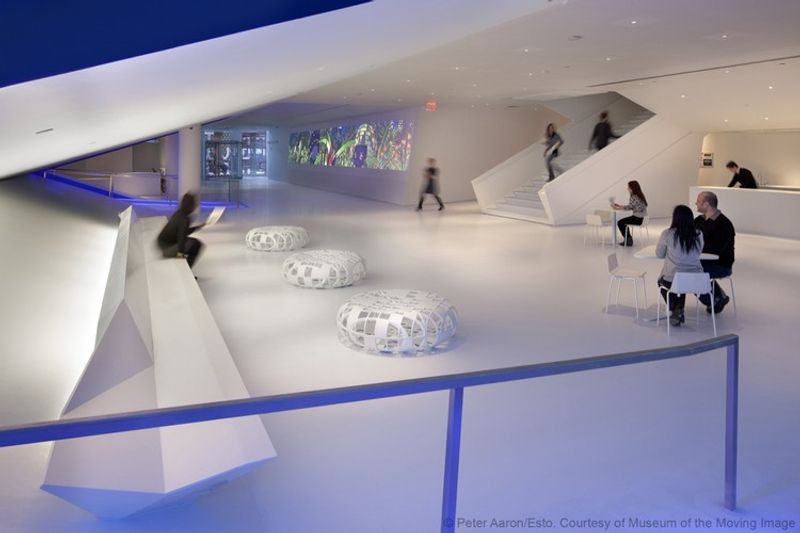
Screen magic feels a lot less mysterious after a visit here, but somehow even more impressive.
In Astoria, the Museum of the Moving Image pulls back the curtain on film, television, animation, and digital media, showing how stories reach us through sight, sound, editing, design, and technology.
Instead of only celebrating famous actors or hit movies, the museum pays attention to the many people behind the scenes.
Visitors learn how costumes, cameras, sound effects, scripts, and special effects work together to build the worlds we watch and remember.
That wider view makes the museum especially fun for curious kids, creative teens, and adults who love movies but never thought much about how they are made.
Suddenly, a cartoon, a news clip, or a superhero film becomes a puzzle made of many smart choices.
Interactive exhibits help keep the energy high.
You may get the chance to experiment with moving images, voice work, or editing ideas, and those hands-on moments break up the galleries in a way that keeps the visit lively.
Queens is already packed with personality, so this museum fits right in.
It feels urban, inventive, and tied to the media-rich world many people live in every day, where screens shape entertainment, learning, and even how we talk to one another.
For a weekend outing, it is a smart pick if your group has mixed interests.
Movie lovers, tech fans, students, and people who just want something different from a standard art museum can all find a reason to stay engaged.
One helpful tip is to look for screenings or special programs before you go.
Pairing the exhibits with a film event can make the visit feel richer, and it turns the museum into more than a walk-through stop.
The setting also matters.
Being in New York adds another layer, because the city has played such a big role in media history, production, and cultural conversation for generations.
By the time you leave, the next show or film you watch may never look quite the same.
That is the charm of this museum.
It deepens your love for entertainment while teaching you to notice the craft, labor, and imagination hidden inside every moving image.
4. National Baseball Hall of Fame and Museum
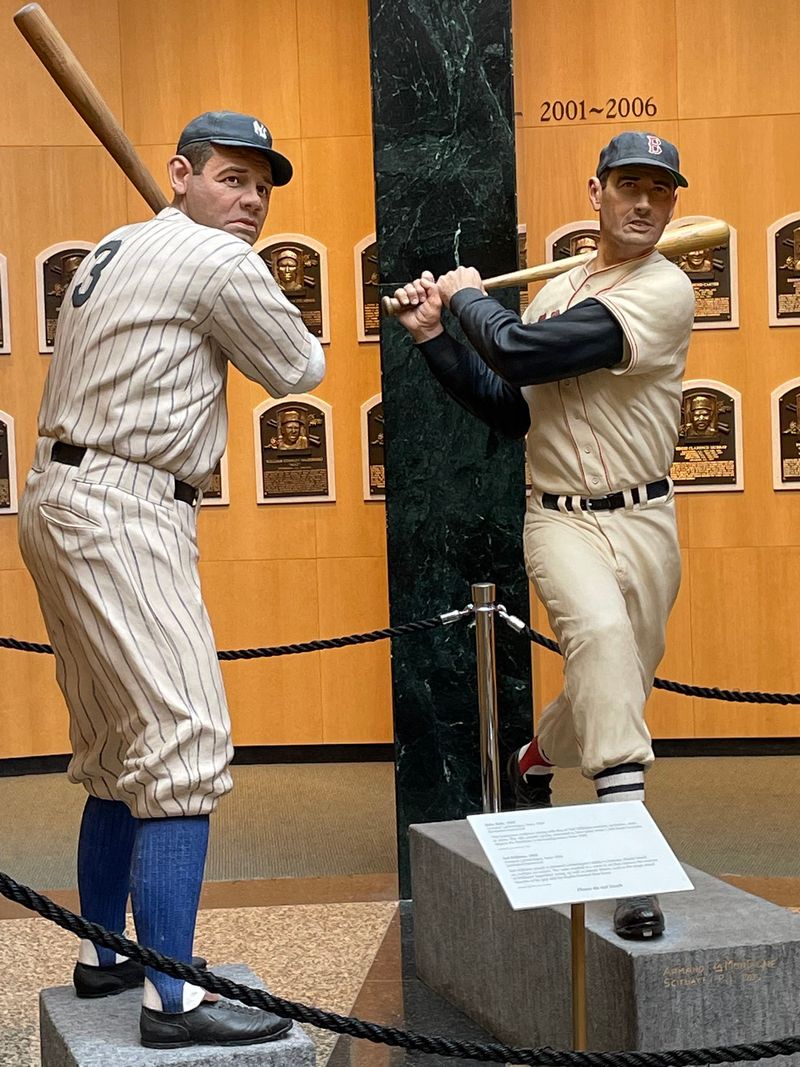
Even people who do not follow every inning can feel the pull of baseball history in Cooperstown.
The National Baseball Hall of Fame and Museum captures more than sports scores, because it tells stories about hometown pride, heroes, heartbreak, change, and the long bond between the game and American life.
Old uniforms, gloves, bats, and photos do more than fill display cases.
They help visitors picture different eras, from dusty early fields to bright modern stadiums, and they show how the sport changed along with the country around it.
Fans often arrive ready to find favorite players, but the museum offers much more than star power.
Exhibits touch on teamwork, radio and television, record-breaking moments, and the social history of baseball, including important changes in who got to play and be seen.
That wider story makes the stop worthwhile for families with different interests.
Someone may come for legends and statistics, while another person ends up connecting more with the human side of the sport and the memories tied to summer games.
Cooperstown itself adds to the experience.
The village setting feels smaller and slower than many New York destinations, which makes the museum visit feel personal, almost like stepping into a treasured scrapbook that kept growing for more than a century.
If you are planning a weekend, give yourself enough time to read and linger.
Sports museums can seem quick from the outside, but this one rewards people who pause at the details and follow the stories beyond the famous names.
A good strategy is to let each person choose one exhibit that matters most to them.
That keeps the group engaged and often leads to fun conversations, especially when younger visitors compare current stars with players from far earlier times.
There is also a lovely sense of nostalgia here, even if baseball was never your top sport.
The crack of the bat, the smell of a ballpark, and the idea of a shared summer ritual all seem close by.
Among New York museums, this one stands out for turning statistics and memorabilia into emotion.
You leave understanding that baseball is not only a game.
For many people, it is a collection of memories, identities, and stories passed from one generation to the next.
5. Dia Beacon
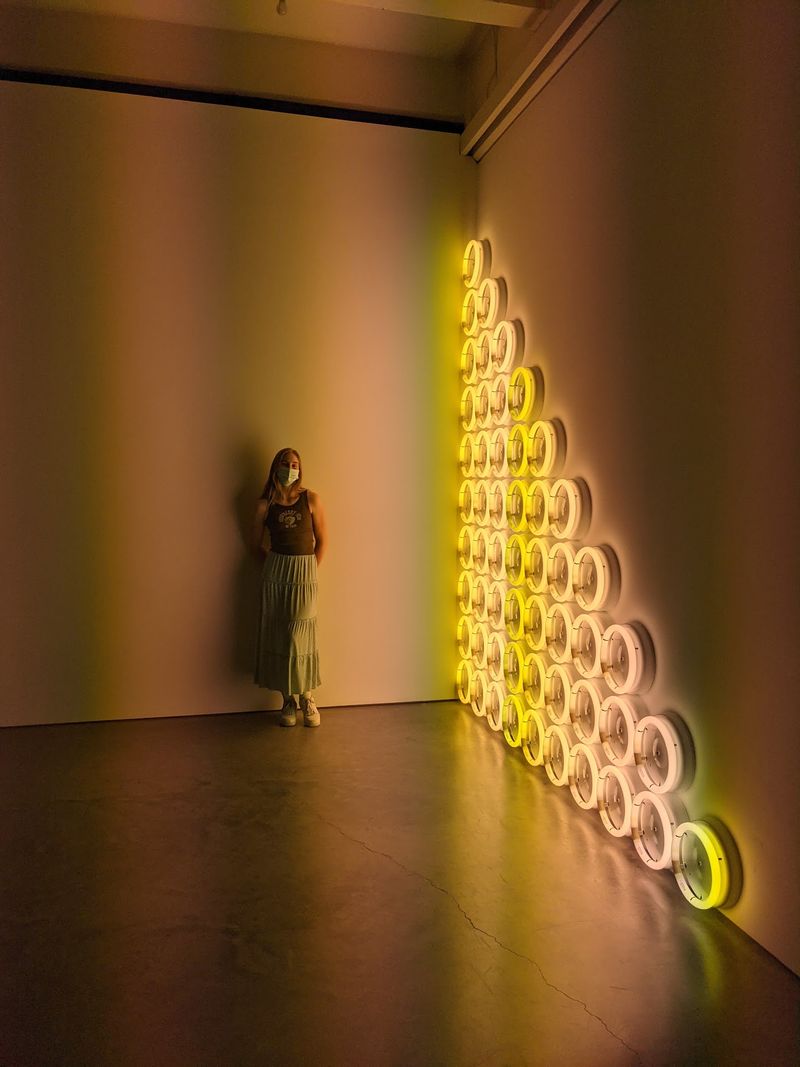
Silence can be part of the thrill in a place like this.
Dia Beacon, set in a former industrial building along the Hudson River, gives contemporary art enough room to breathe, and that extra space changes the way visitors see scale, light, shape, and even their own movement through a gallery.
Some museums feel packed from wall to wall, but this one goes in a different direction.
Large works sit in wide rooms with natural light pouring in, so each piece has space to make its own impression without competing for attention.
That setup can be surprisingly welcoming, even for people who think modern art is confusing.
Instead of racing past crowded labels, you get time to notice patterns, textures, shadows, and the simple fact that size and placement can affect emotion.
A weekend stop here feels calmer than many other New York outings.
The town of Beacon already has an easy rhythm, and the museum adds to that mood with an experience that encourages looking slowly and thinking quietly.
Visitors who enjoy reflection may love it most, but you do not need deep art knowledge to appreciate the setting.
Sometimes the pleasure comes from seeing how sunlight changes a work over a few minutes or how a huge installation shifts when you walk around it.
One useful tip is to avoid trying to understand everything at once.
Pick a few rooms, spend more time in them, and allow yourself to react honestly.
Curiosity works better here than pressure.
If your group includes someone who prefers busy, highly interactive museums, balance the day with a meal or walk in Beacon after the visit.
That way, the quiet gallery experience becomes part of a fuller and more enjoyable weekend plan.
Photography lovers and architecture fans often find a lot to admire in the building itself.
The tall windows, clean lines, and open floors create a backdrop that feels thoughtful without taking attention away from the art.
Dia Beacon earns its place on a New York museum weekend because it offers something rare: room to slow down.
In a state known for speed, noise, and constant motion, this museum reminds visitors that stillness can be powerful, and that careful looking can become its own kind of unforgettable adventure.
6. Storm King Art Center
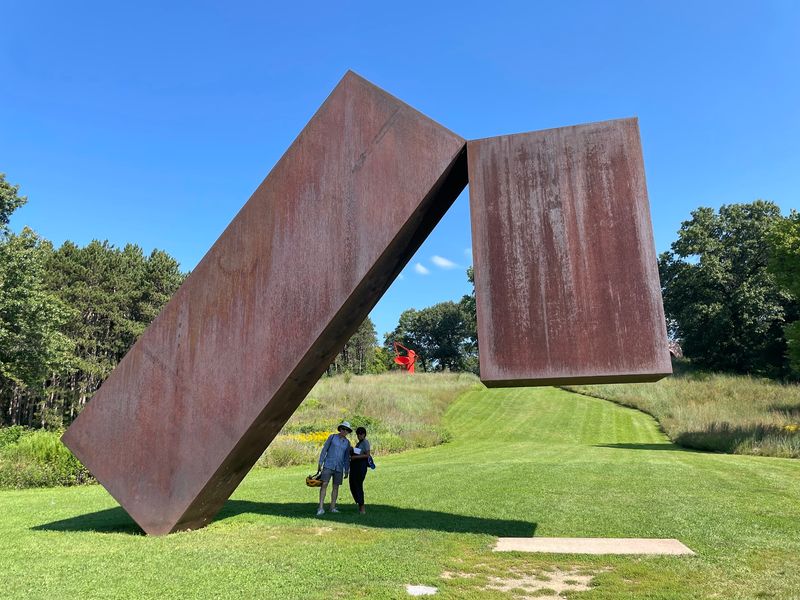
Fresh air and giant sculpture are not a combination people forget easily.
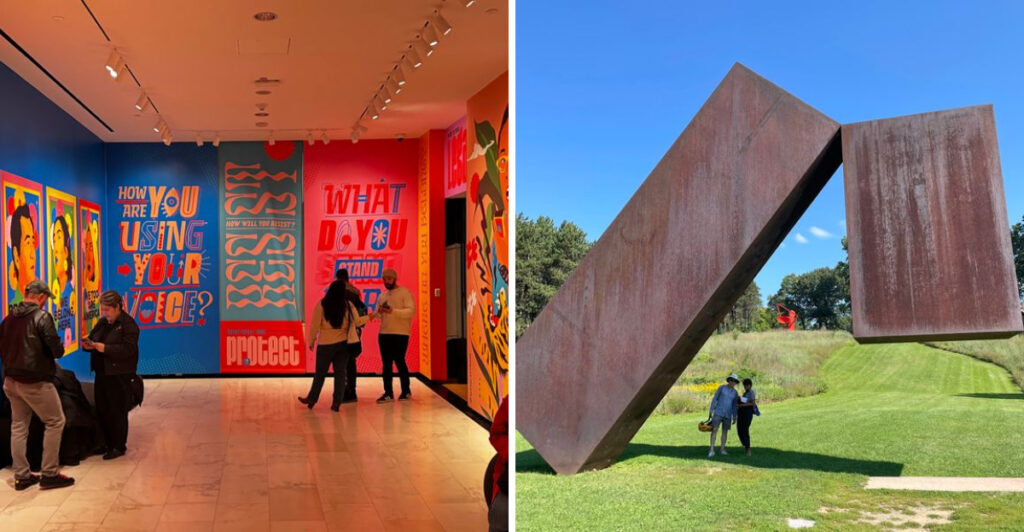
Storm King Art Center proves that art does not always belong inside quiet rooms, because here it stretches across open land, rolling hills, and wide skies in a way that feels bold, playful, and completely alive.
Walking the grounds becomes part of the experience.
You are not only looking at art.
You are approaching it from different angles, watching it change against trees and clouds, and feeling how distance can make one piece seem tiny at first and enormous a few minutes later.
That sense of movement makes the visit great for people who get restless in traditional galleries.
Families, couples, and groups of friends can talk, wander, and pause at their own pace, which gives the day a relaxed and social rhythm.
The sculptures themselves range in mood and style, so the experience never feels repetitive.
Some works look powerful and industrial, while others feel elegant, strange, or surprisingly funny when seen in such a large natural setting.
Because this is an outdoor museum, planning matters.
Wear shoes you can walk in for a while, bring water, and check the weather before your trip.
A bright day can make the whole place glow, but even cooler weather can add a dramatic atmosphere.
One of the best things about Storm King is how it changes expectations.
People who think art museums are all about whispering and standing still suddenly find themselves strolling through fields, pointing at shapes on the horizon, and debating what each sculpture feels like.
Kids often enjoy the freedom of the landscape, while adults appreciate the design and scale.
It is a rare stop where energy and contemplation can live side by side without getting in each other’s way.
If you want a museum that feels especially memorable on a weekend, this one delivers because it turns the whole day into an outing.
There is room to spread out, breathe deeply, and let the art surprise you more than once.
Among New York cultural experiences, Storm King stands apart by blending creativity with the outdoors.
It reminds visitors that art can be enormous without being distant, and thoughtful without feeling formal, which is exactly why so many people leave both refreshed and amazed.
7. Buffalo Museum of Science
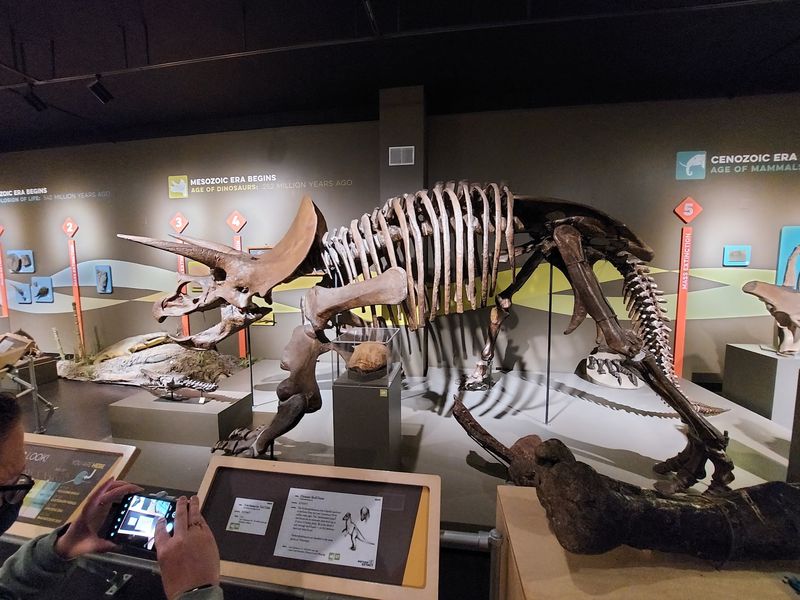
Curiosity gets a real workout at this Buffalo favorite.
The Buffalo Museum of Science brings together nature, history, space, health, and hands-on learning in a way that makes visitors feel like explorers, whether they came for dinosaurs, experiments, or simply a fun indoor stop during a New York weekend.
The museum works well because it mixes classic displays with active discovery.
You can look closely at specimens and historical objects, then move on to exhibits that ask you to test ideas, observe details, and make sense of how the natural world works.
That balance keeps different age groups interested.
Younger kids may be drawn to colorful interactive areas, while older children and adults often enjoy the science themes that connect everyday life with bigger topics like weather, the body, and the planet.
Buffalo has a practical, hardworking spirit, and this museum matches it nicely.
It does not feel showy for the sake of it.
Instead, it gives visitors useful, engaging experiences that make science feel closer and easier to understand.
If the weather turns cold, windy, or rainy, this museum becomes an excellent choice.
It offers enough variety for several hours, which helps families and road trippers avoid the stress of finding separate activities for everyone.
A simple tip is to let interest guide your path instead of trying to cover every corner.
Science museums can be packed with information, so choosing the exhibits that spark the most excitement usually leads to a better day than rushing through everything.
Another strength is the way the museum encourages questions.
You do not need perfect background knowledge.
In fact, the visit is more fun when people admit what they do not know and use the exhibits to learn together.
That shared discovery makes the stop especially rewarding for families.
A child may point out a surprising fact, an adult may explain a memory from school, and suddenly the museum becomes a conversation instead of a lesson.
For a New York weekend built around memorable museums, the Buffalo Museum of Science earns its spot through variety and accessibility.
It makes big ideas feel friendly, turns a few hours into a meaningful learning experience, and leaves visitors with the pleasant sense that the world is far more interesting than it seemed that morning.
8. The Wild Center
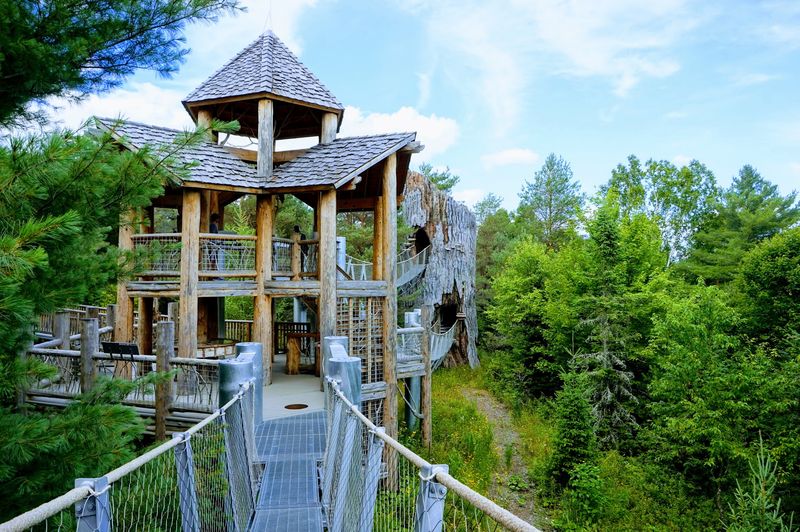
Some museum visits make you look at a display case.
A trip to The Wild Center makes you look at the forest, the water, the sky, and your own place in nature.
In the Adirondacks, this museum blends environmental learning with outdoor experience in a way that feels fresh and deeply local.
The setting is a huge part of the magic.
Surrounded by the Adirondack landscape, visitors are encouraged to connect museum ideas with the living world right outside, which helps lessons about wildlife, climate, and ecosystems feel immediate instead of far away.
Indoor exhibits help explain the region, but the experience does not stop there.
Outdoor features, trails, and elevated viewpoints invite people to keep exploring after they leave the galleries, making the whole visit feel more like a nature adventure than a typical museum stop.
Families often appreciate how easy it is to keep kids engaged here.
There is room to move, see, and ask questions, and the topic of wild places naturally opens conversations about animals, seasons, weather, and caring for the environment.
What makes The Wild Center especially memorable is its sense of place.
It does not try to tell every story in the world.
Instead, it focuses on the Adirondacks and helps visitors understand why this part of New York matters so much ecologically and culturally.
If you are planning a weekend trip, dress for changing weather and allow time outdoors.
The museum is strongest when you can combine the exhibits with the landscape around them, rather than treating the stop like a quick indoor errand.
People who usually prefer traditional museums may be surprised by how much they enjoy the shift in rhythm.
You learn by walking, noticing, and comparing what you saw inside with what you see in the trees and along the paths.
Another nice feature is the feeling of renewal that often comes with the visit.
Instead of leaving tired from crowds and noise, many visitors head out feeling calmer, more awake, and more aware of the natural world.
New York has many strong museum experiences, but The Wild Center offers something special by tying education so closely to its surroundings.
It makes science personal, gives the Adirondacks a powerful voice, and turns a weekend outing into a gentle reminder that nature is both beautiful and worth protecting.
9. The National Museum of Racing and Hall of Fame
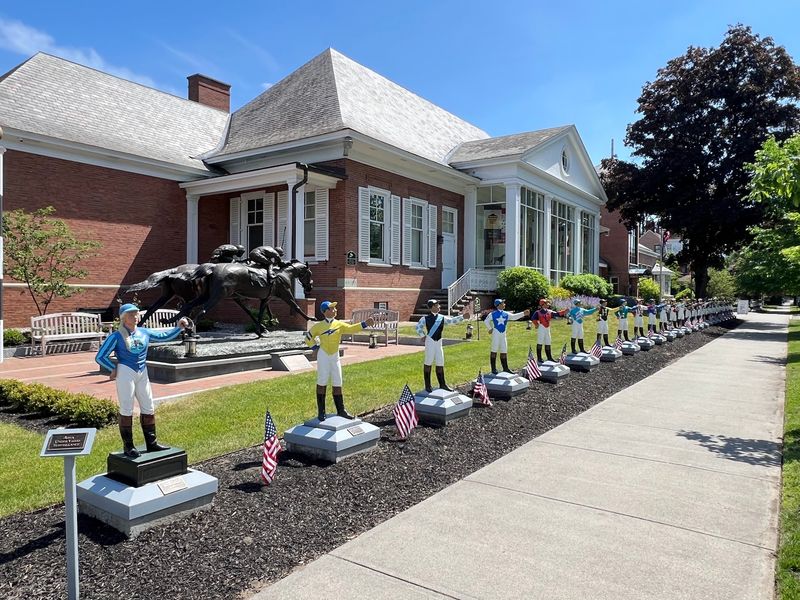
Speed, tradition, and polished style meet in a museum that feels very Saratoga.
The National Museum of Racing and Hall of Fame tells the story of thoroughbred racing through horses, jockeys, trainers, famous races, and the long culture that grew around one of New York’s most famous sporting worlds.
Even visitors who know little about horse racing can find plenty to enjoy.
The exhibits bring together artwork, trophies, silks, photographs, and historical details that show how the sport became both a competition and a social tradition.
There is something dramatic about racing history that naturally pulls people in.
Stories of close finishes, remarkable horses, and celebrated careers give the museum an energy that feels different from many quieter historical spaces.
Saratoga Springs adds an extra layer of charm.
Because the city is so closely tied to racing, the museum does not feel random or disconnected.
Instead, it feels rooted in the local identity, which makes the visit more meaningful.
One good reason to include this stop on a weekend is variety.
If your trip already includes art, food, or time outdoors, this museum adds a distinct slice of New York culture without repeating the same experience.
A practical tip for first-time visitors is to read the broader background displays, not only the Hall of Fame names.
The context helps you understand why certain horses and people matter so much, and it makes the famous achievements easier to appreciate.
Families with older children and sports-minded travelers may enjoy it most, but the museum can also appeal to people interested in design and history.
The visual materials are elegant, and the traditions surrounding racing are often more interesting than newcomers expect.
There is also a nice balance between prestige and accessibility.
The subject has glamour, yet the museum still explains things clearly enough for people who arrive without special knowledge.
For a memorable New York museum weekend, this stop brings a touch of excitement and heritage.
It honors athletic skill, celebrates a unique corner of the state’s history, and gives visitors a better sense of why Saratoga remains one of the best-known racing destinations in the country.
10. Olana State Historic Site
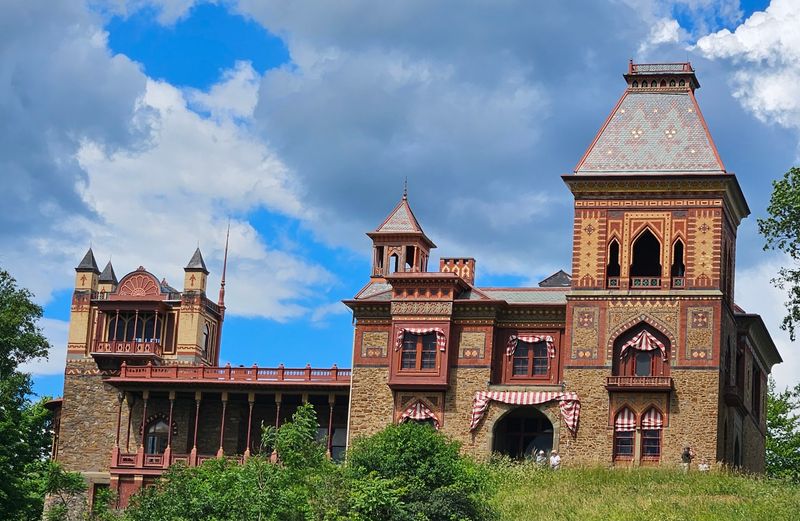
Some places feel like stepping directly into another person’s imagination.
Olana State Historic Site, the hilltop home of artist Frederic Church near Hudson, does exactly that, blending art, architecture, landscape, and sweeping river views into an experience that feels both grand and personal.
From the outside, the house already makes a strong impression.
Its design stands apart from many historic homes, and the setting above the Hudson Valley gives visitors one of those look-out moments that can quiet a whole group in seconds.
Inside, the details reveal how carefully the place was shaped.
Rooms, decorations, collections, and sight lines reflect artistic choices, which helps visitors understand that Olana was not simply where Church lived.
It was part of his creative vision.
That is what makes the site so rewarding on a weekend trip.
You are not only touring a house or reading dates from the past.
You are seeing how one artist shaped the world around him and how that world still speaks to visitors today.
The grounds matter almost as much as the interior.
A walk outside adds perspective, especially for anyone who enjoys scenery, painting, or the connection between natural beauty and artistic inspiration.
Because the site combines several interests, it works well for mixed groups.
History lovers can focus on the home, art fans can think about Church and landscape painting, and casual travelers can simply enjoy the views and atmosphere.
One useful tip is to allow unhurried time outdoors if the weather is good.
Rushing through only the interior would mean missing much of what gives Olana its special character.
Hudson and the surrounding region also make this an easy fit in a longer New York weekend.
The area offers food, small-town charm, and scenic drives, so the museum visit can anchor a fuller day without feeling isolated.
Olana stands out because it feels layered in a gentle, lasting way.
Beauty arrives through architecture, through the landscape, and through the idea that a home can itself be a kind of artwork.
That combination leaves visitors with a richer sense of New York’s cultural history and a strong memory of place.
11. Museum of the City of New York
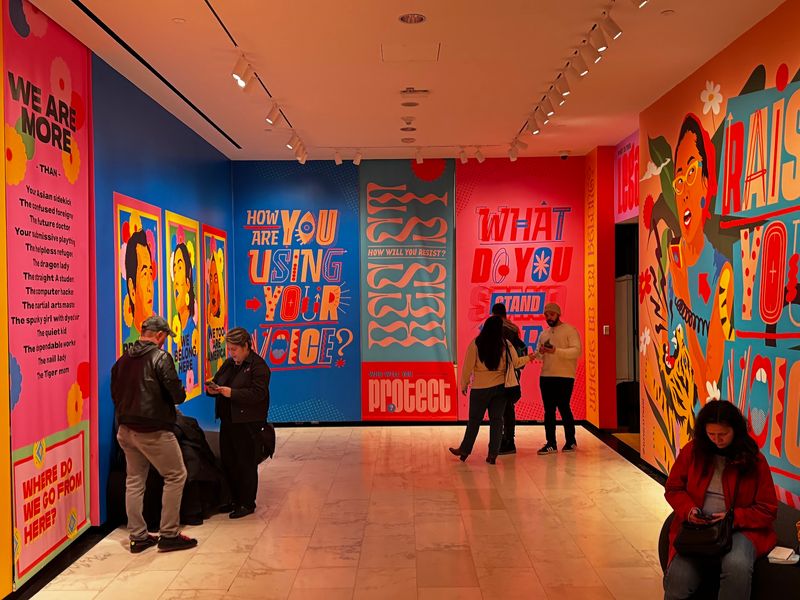
A city this large can be hard to understand without a guide, and this museum helps make sense of it.
The Museum of the City of New York brings together stories, objects, photographs, and cultural history that explain how the five boroughs grew, changed, struggled, celebrated, and shaped the world.
Instead of treating New York as only skyscrapers and famous landmarks, the museum looks at the people behind the image.
Neighborhood life, immigration, activism, style, music, housing, transportation, and daily routines all become part of the bigger story.
That approach makes the museum useful for both first-time visitors and longtime fans of the city.
You begin to see New York not as one simple place, but as many communities connected by tension, energy, creativity, and constant movement.
The exhibits often feel especially rich because the subject itself is so layered.
A single room can send you from old maps and black-and-white photos to questions about how city life keeps changing today.
For a weekend trip, this museum works as a smart anchor early in the visit.
Learning more about the city’s history and character can actually deepen everything else you do afterward, from walking a street in Manhattan to riding the subway across borough lines.
One helpful strategy is to go in with a few themes in mind, such as immigration, architecture, or popular culture.
That gives your visit shape and makes the huge subject feel easier to take in.
Adults often enjoy the context and social history, while older kids and teens may connect with exhibits about identity, public life, and the way media has helped define the city’s image.
There is plenty to discuss once you leave.
Another strength is the museum’s location.
Being right in New York City makes the ideas on display feel close and immediate, almost as if the galleries are in conversation with the streets outside.
Among museum experiences in New York, this one offers rare perspective.
It helps visitors see beyond postcard images and understand the city as a living place built by millions of ordinary and extraordinary people.
That wider view can turn a fun weekend into a much more meaningful one.
12. Adirondack Experience, The Museum on Blue Mountain Lake

Right away, the setting tells you this will not be a generic history lesson.
Adirondack Experience, The Museum on Blue Mountain Lake, uses buildings, objects, and the surrounding landscape to bring the story of the Adirondacks to life in a way that feels roomy, vivid, and closely tied to place.
The museum explores how people have lived, worked, traveled, and отдых in this region across time.
That means visitors can learn about guides, camps, boats, industry, tourism, and the changing relationship between humans and the mountains, forests, and lakes.
What makes the visit especially enjoyable is the campus-like feel.
Rather than moving through one simple hall, you often explore different spaces that reveal separate pieces of Adirondack life, which keeps the day feeling varied and active.
Because the museum focuses on a specific region, the storytelling often feels more textured and honest.
You get a clearer sense of local identity, not just broad facts, and that helps the Adirondacks seem like a real community with layered history.
Blue Mountain Lake adds obvious beauty to the experience.
The scenery around the museum does some storytelling of its own, reminding visitors that the natural environment shaped nearly every part of life in this part of New York.
If you plan to visit, set aside enough time to move at a comfortable pace.
This is not the kind of place that rewards rushing, since the charm comes from noticing details and letting the grounds and exhibits work together.
Families often appreciate the mix of outdoor and indoor elements.
People who are interested in cabins, wilderness culture, local crafts, and travel history usually find plenty to hold their attention.
Another reason it works well on a weekend is that it pairs naturally with other Adirondack activities.
After learning the region’s story, a drive, paddle, or lakeside walk nearby can feel more meaningful because you understand the place better.
As a New York museum stop, Adirondack Experience leaves a warm, lasting impression.
It honors a region that means many different things to many people, from escape and adventure to work and home, and it helps visitors see the Adirondacks as a living story rather than only a scenic backdrop.