Michigan food comes with its own vocabulary, and locals learn the menu language pretty quickly. Across the state, certain words point to beloved dishes, regional habits, and food traditions that make perfect sense here, even if they might confuse someone from somewhere else.
From familiar cravings to only-in-Michigan references, these sayings carry a little hometown flavor with every mention. They are the kind of phrases that can instantly reveal whether someone knows the Great Lakes State from the inside.
If these food terms sound completely normal, there is a good chance Michigan feels like home.
1. Olive Burger
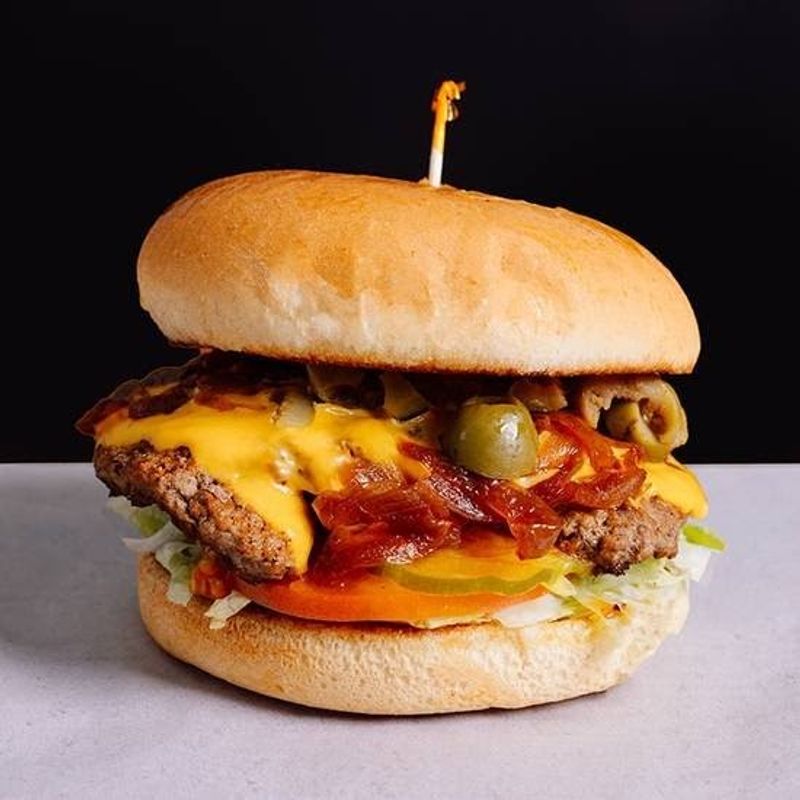
One bite can start a whole debate at the table. In Michigan, saying olive burger does not confuse anybody, because locals already know a regular cheeseburger is not the point.
The real star is that salty, creamy topping packed with chopped green olives.
Visitors often pause when they first hear the name. A burger with olives can sound unusual until it lands in front of them, warm on a soft bun, with the rich burger flavor balancing the sharp pop of briny olives.
Then the idea suddenly seems obvious.
Michigan diners and old-school grill spots helped turn this into a hometown classic. The topping is usually a mayo-based or creamy sauce, and every restaurant has its own version, so fans tend to be loyal to one favorite counter or drive-in.
Knowing how to order one matters too. Asking whether the olive sauce is chunky or smooth, or whether cheese comes standard, is the kind of detail a local might bring up without thinking twice.
That small conversation says a lot.
For newcomers, the best move is simple. Do not picture a few olives tossed on top of a plain burger and assume that is the whole story. A proper olive burger is built around the topping, not just decorated with it.
At home, it is easy to understand the appeal by making a quick version. Mix chopped green olives into a creamy spread, season lightly, and spoon it over a freshly cooked burger. Keep the rest of the toppings simple so the olive flavor leads.
Once that combination clicks, the name stops sounding strange. It starts sounding like lunch.
2. Boston Cooler
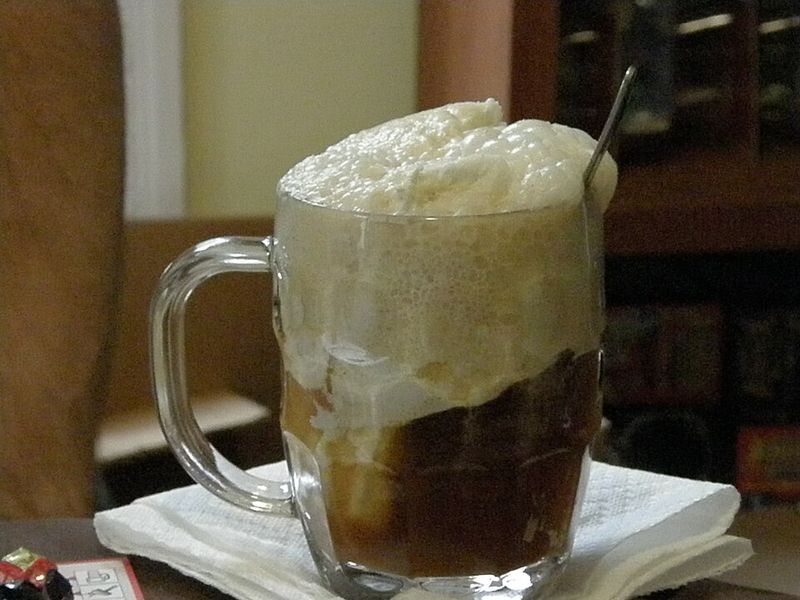
Call it a Boston Cooler in Michigan and hardly anyone asks what it is. People already know the answer is not a plain cold drink but a creamy float, usually made with ginger ale and vanilla ice cream, blended or stirred until it turns smooth and foamy.
The name throws outsiders off every time. It sounds like it should come from Boston, yet Michigan folks treat it like part of the home menu, especially when Vernors enters the conversation.
That spicy ginger flavor gives the drink its special kick.
Part of the fun is how casual the order sounds. Someone can say, Grab a Boston Cooler, and everybody at the table understands the mood right away.
It means sweet, fizzy, old-fashioned, and probably tied to a warm day or a classic burger stop.
Texture matters here more than people expect. A good one lands between a soda float and a milkshake, thick enough to feel rich but still light enough to sip.
The foam at the top, the vanilla underneath, and the gentle spice from the ginger ale all work together.
For anyone trying one for the first time, keeping the recipe simple is the best plan. Use quality vanilla ice cream, pour in cold ginger ale slowly, and mix just enough to combine without flattening all the bubbles.
Too much stirring can turn it dull.
There is also a local pride piece built into the phrase. Ordering a Boston Cooler quietly shows that Michigan food talk includes drinks, traditions, and names that do not need explaining to the people who grew up hearing them.
After the first sip, the strange name stops being the main story. The creamy fizz takes over.
3. Party Store
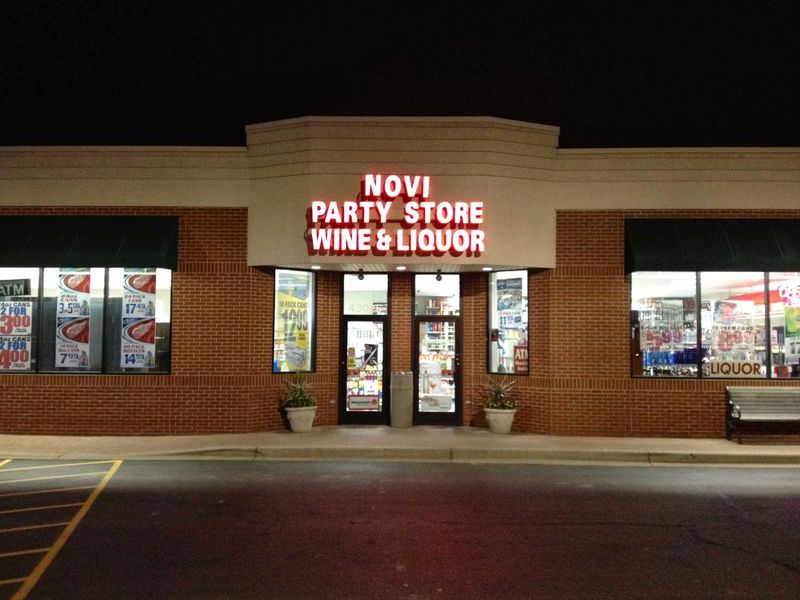
A Michigan kid can say run to the party store, and nobody imagines balloons, streamers, or a birthday aisle. Around here, that phrase usually means a small neighborhood shop where people grab pop, chips, milk, candy, and a dozen last-minute basics.
That is why the saying stands out so much to people from other states. The words sound festive, but the meaning is practical.
A party store is often the kind of place where someone stops on the way home for snacks, ice, bread, or a cold drink.
Food culture is not only about recipes and famous meals. Local language shapes how people shop, order, and talk about everyday eating.
In Michigan, party store belongs in the same conversation as regional dishes because the phrase is tied to how food moves through daily life.
Most locals also understand the feeling attached to it. The party store is quick, familiar, and close by.
It may have a bright cooler wall, a packed candy shelf, and a counter where regulars exchange short greetings while picking up game-day supplies.
For someone new to Michigan, the easiest way to use the phrase naturally is to think convenience first. Instead of picturing a giant supermarket, imagine a compact stop for the things that save dinner, finish a cookout, or supply a movie night in five minutes.
It also helps to notice when locals say it. They rarely explain the term because they assume everyone knows it already.
That easy confidence is exactly why the phrase marks a person as being from Michigan, or at least from a place where the wording has been part of life for years.
Once the meaning clicks, the name starts sounding normal. That is when Michigan talk begins to sink in.
4. Pączki Day
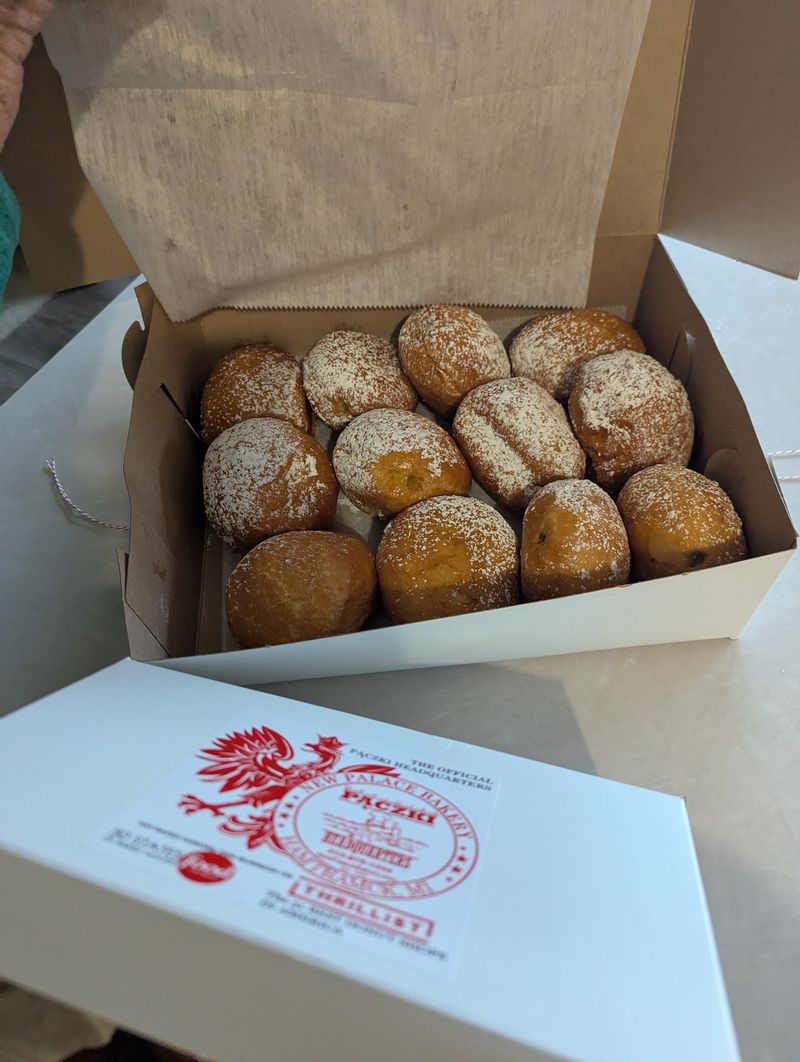
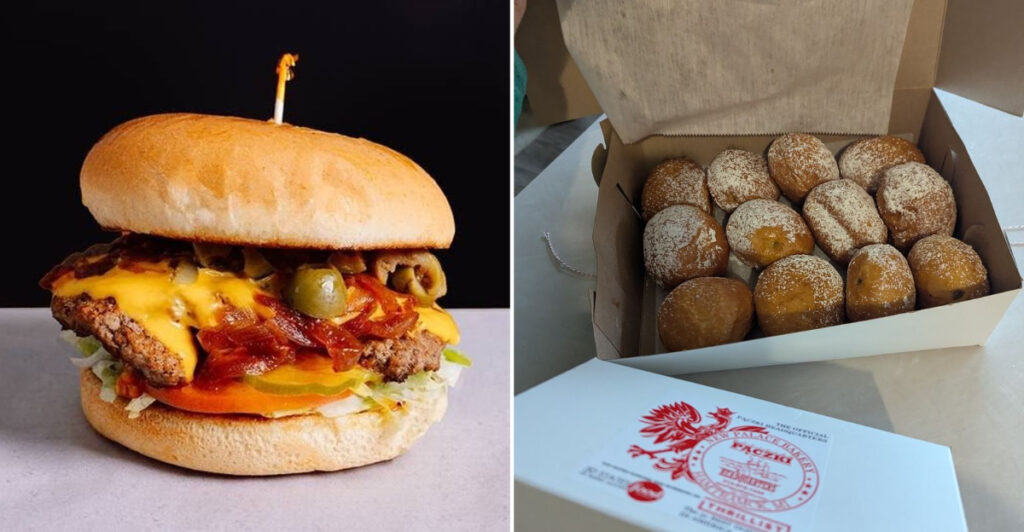
Late winter in Michigan brings a bakery word that locals say with total confidence. Pączki Day is not just a date on the calendar.
It is a full-on pastry event built around rich, filled doughnuts that show up in boxes, break rooms, school offices, and family kitchens.
People outside the region may need the name repeated once or twice. Michigan residents, especially in areas with strong Polish roots, tend to know exactly what it means.
The day usually brings long bakery lines, favorite flavor debates, and the serious question of who picked up the first dozen.
Part of the charm is how practical the tradition becomes. Nobody needs a long history lesson to join in.
You just need to know that paczki are often softer, richer, and more bakery-style than an everyday doughnut, with fillings like raspberry, custard, lemon, or prune.
The saying itself acts like a shortcut. Mention Pączki Day at work, and it can instantly start a conversation about the best local bakery, which flavors sell out first, or whether sugar-dusted tops beat glazed ones.
That kind of food talk is pure Michigan energy.
Trying one for the first time is easy, but a few tips help. Buy early when choices are best, expect a richer bite than a standard doughnut, and bring extra napkins.
The filling can be generous, and nobody wants powdered sugar all over the car seat.
Using the phrase naturally also means understanding its yearly rhythm. It is a seasonal food saying, not an anytime snack order.
Once the day approaches, the word starts popping up everywhere, and locals hardly need context.
By then, saying Pączki Day does more than name a pastry. It signals that Michigan bakery season has officially arrived.
5. Pop
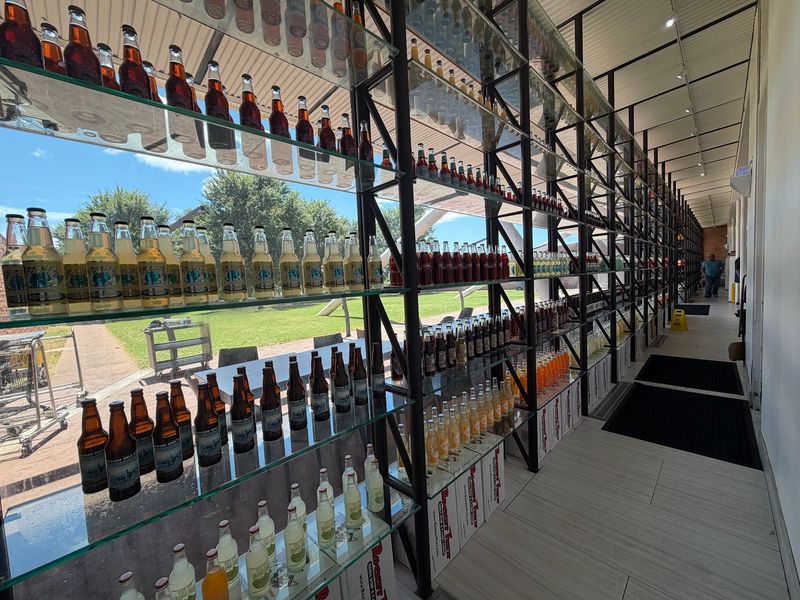
Ask for a pop in Michigan and the request sounds completely ordinary. In many other places, that same word might earn a raised eyebrow or a quick correction.
Here, it simply means a carbonated soft drink, and most locals never stop to think twice about it.
Language around food and drinks can reveal where a person is from in seconds. Pop is one of the strongest clues in the Midwest, and in Michigan it carries everyday confidence.
People say it at restaurants, grocery stores, backyard cookouts, and school events without needing to translate.
The word also fits the tone of local life. It is short, direct, and friendly.
Someone might ask what kind of pop is in the cooler, whether anybody wants a pop with pizza, or if the party store has the right pop for game day. That usage runs deep.
For newcomers, the easiest way to understand the power of the term is to listen for how broad it is. Pop can mean cola, lemon-lime, orange, root beer, or regional favorites.
The exact drink changes, but the category word stays the same.
Using it naturally takes almost no effort. Swap soda for pop in casual conversation and see how quickly it blends in.
The one detail that matters is confidence. Saying it like it belongs in the sentence makes it sound local, which in Michigan it absolutely does.
There is even a small sense of identity wrapped up in the word. It is not fancy, and it does not try to be.
It is a plainspoken label for a common drink, and that simplicity is part of why the term has lasted so well across generations. Once pop becomes automatic, a person starts sounding a lot more Michigan without changing much else at all.
6. Pasties
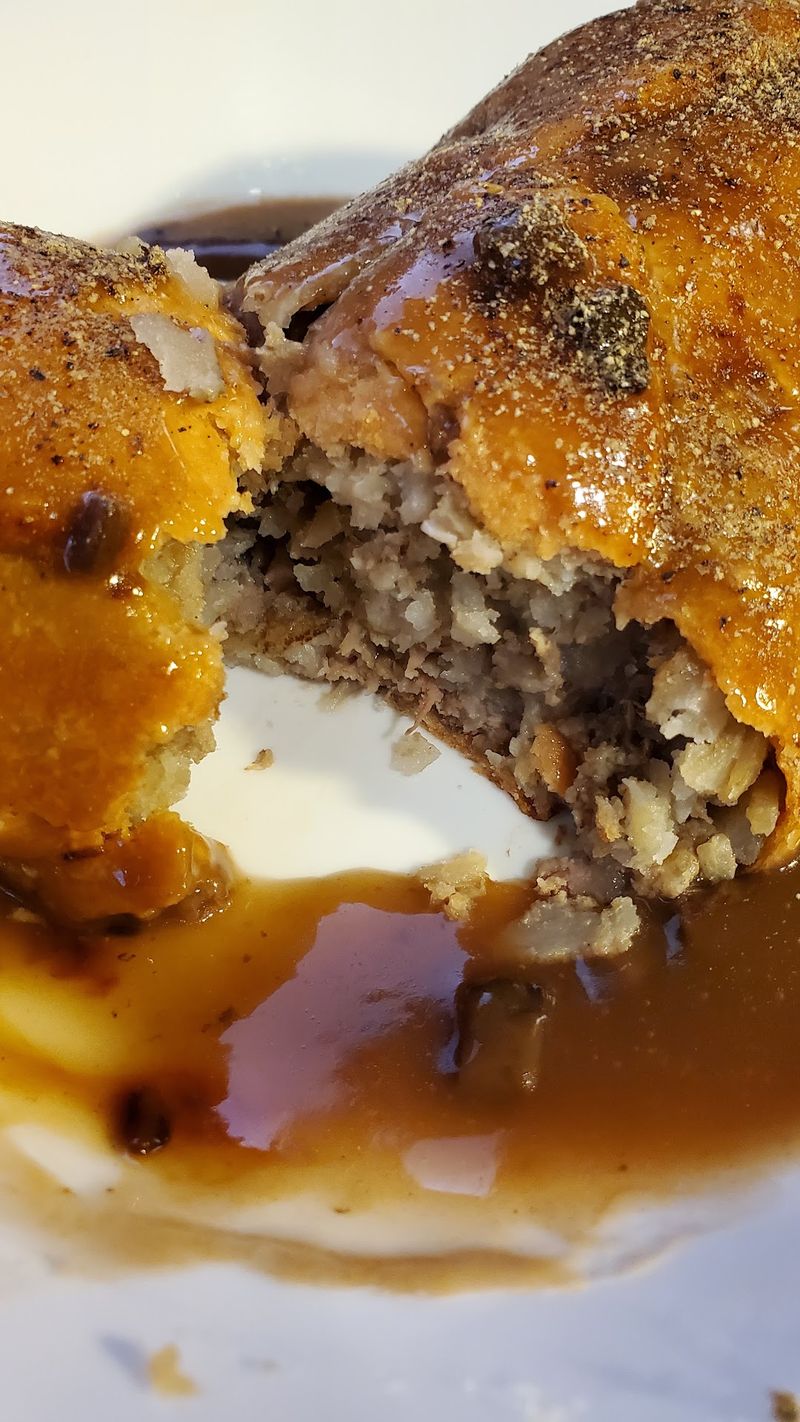
Head north in Michigan and one food saying carries serious weight. Pasties are a point of pride, especially in the Upper Peninsula, where these sturdy baked pies have long been linked with hearty meals and practical eating.
Locals usually say the word with zero hesitation.
For anyone unfamiliar, a pasty is a hand-held pastry filled with savory ingredients, often meat and vegetables tucked inside a firm crust. The shape makes it easy to carry, and the filling makes it satisfying, which helps explain why the food became such a regional staple.
Conversation around pasties can get detailed fast. People compare crust styles, talk about whether gravy belongs on top, and defend family habits with surprising passion.
Even the correct pronunciation can turn into a mini lesson, especially when visitors guess wrong.
That local confidence is exactly why the word belongs on a list like this. In Michigan, especially above the bridge, pasties are not an odd old dish from history class.
They are active food culture, still sold in bakeries, diners, roadside spots, and small shops.
Trying one for the first time works best with a simple approach. Eat it hot, notice how the crust holds everything together, and pay attention to the balance between the filling and the pastry.
Some versions are plain and sturdy, while others lean peppery or rich.
Understanding the saying also means seeing the setting around it. Pasties fit cold weather, long drives, and outdoor days when a warm, compact meal makes sense.
They are built for usefulness, but that does not stop them from inspiring strong loyalty. After a good one, the word no longer sounds unusual. It sounds like Michigan comfort packed into a crust.
7. Detroit-Style Square Pizza
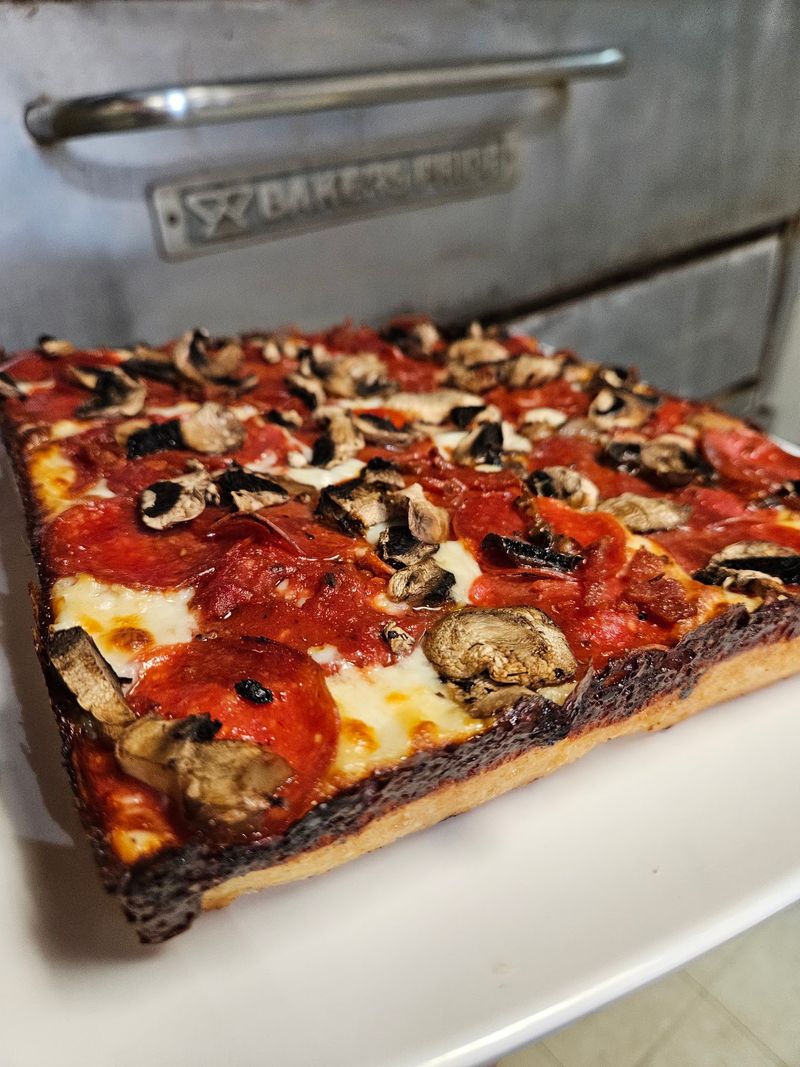
Square slices tell the story before anyone even says the name. In Michigan, Detroit-style square pizza is more than a menu option.
It is a very specific pizza identity, known for its thick crust, crisp cheese edges, and sauce often laid across the top in bold stripes.
People who grew up with it usually spot the difference immediately. This is not just ordinary pan pizza cut into squares.
The crust tends to be airy inside, the corners turn deeply browned and crunchy, and the cheese reaches the edges so it bakes into a caramelized border.
That edge might be the first thing locals mention when recommending a place. The corner piece matters, and regulars know it.
Even the pan has a role in the pizza’s character, helping create the shape and texture that fans expect from a proper Detroit-style pie.
Ordering it also comes with a certain rhythm. A group might debate pepperoni placement, favorite shops, or whether the sauce balance leans too sweet or too sharp at one place versus another.
Those details show how familiar the style is across Michigan conversations.
Newcomers should start with a basic version before piling on toppings. That makes it easier to notice the crust structure, the browned cheese, and the way the sauce interacts with the rest of the slice.
A complicated order can hide the style’s best features.
The phrase itself marks a person as local or at least well-informed. Saying square pizza might describe the shape, but Detroit-style square pizza names the tradition, the method, and the expectations in one shot.
It is specific because it needs to be. After the first crispy corner and soft middle bite, the wording no longer seems extra detailed. It seems exact.
8. Superman Ice Cream
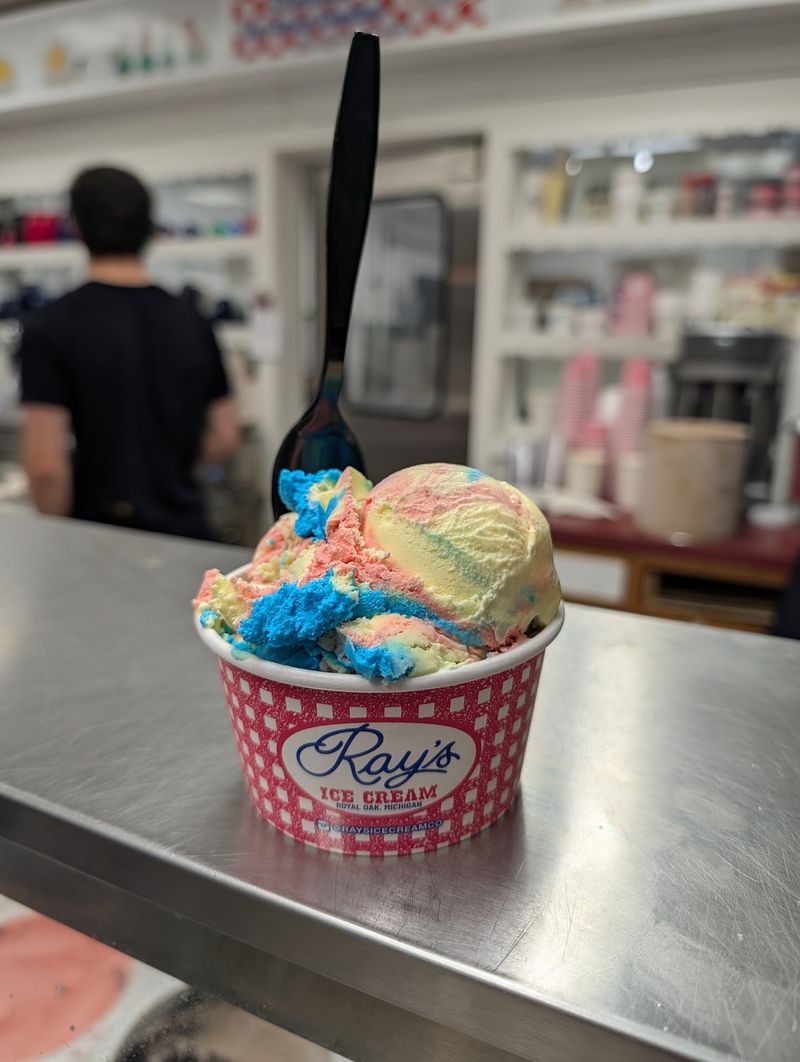
Bright blue, red, and yellow scoops can stop a kid in their tracks. In Michigan, Superman ice cream is a familiar sight, and the name needs almost no explanation.
Locals know it as that wildly colorful flavor combination that shows up in freezers, ice cream shops, and summer memories.
The exact taste can vary depending on the brand or scoop shop, which is part of the fun. One version may lean fruitier, another creamier, and another sweeter from top to bottom.
Even with those differences, the look is so recognizable that the name still lands instantly.
That visual punch gives the phrase its power. Somebody can suggest Superman ice cream on a hot day, and the image appears immediately in the mind.
It is cheerful, messy, and usually a favorite among kids, though plenty of adults order it with zero embarrassment.
Michigan food talk often includes strong opinions, and this dessert fits right in. People debate whether mixed colors change the flavor experience, whether it belongs in a cone or cup, and which local shop serves the best version.
The conversation can get surprisingly specific.
Trying it for the first time is best done without overthinking each stripe. A blended bite gives the full experience, while tasting each color separately can be a fun second step.
Either way, a stack of napkins is smart because the bright colors tend to advertise every drip.
The phrase also shows how local food sayings are not always serious or old-fashioned. Some are playful and tied to childhood treats, summer outings, and the joy of picking the loudest-looking option in the case.
Superman ice cream fits that role perfectly. Once the colors start melting together, the name sounds less like a novelty. It sounds like Michigan dessert season.
9. Coneys
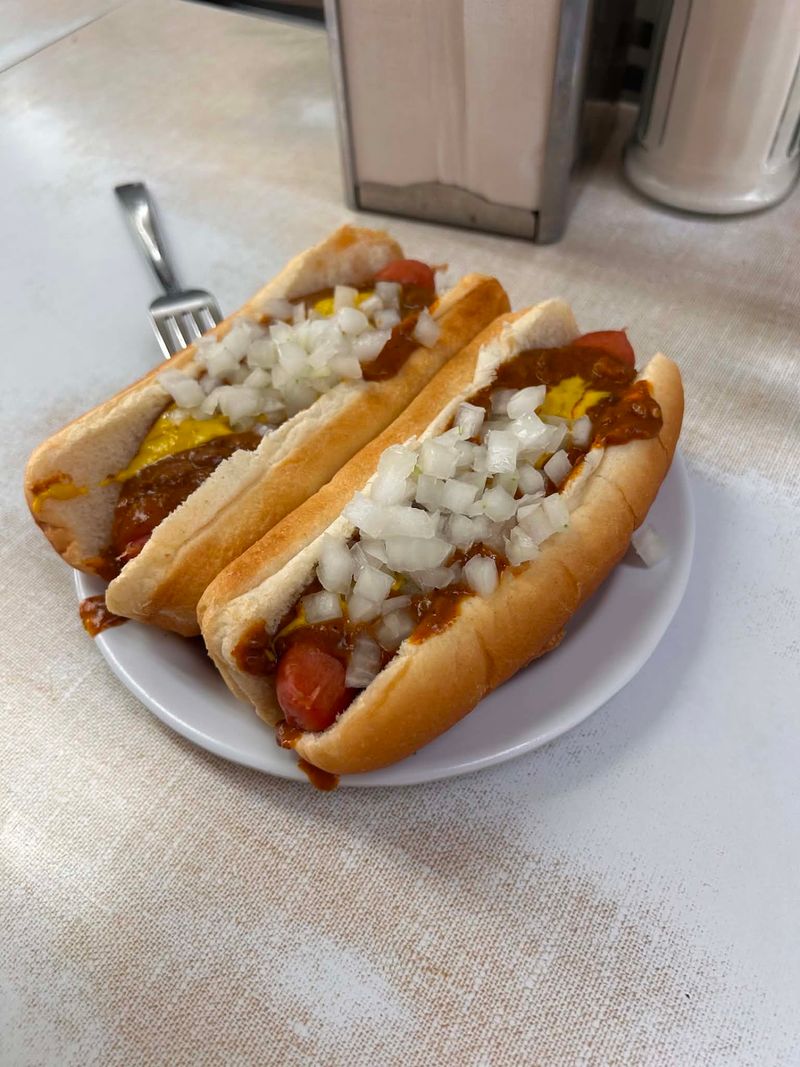
Few Michigan food words hit as fast as Coneys. Say it out loud and many locals already picture a hot dog in a bun, topped with chili, mustard, and chopped onions, often served at a diner where the menu has barely needed changing for years.
The shorthand matters. People do not always say Coney dogs or explain the toppings step by step.
Coneys works on its own because the dish is so deeply known, especially around Detroit and other parts of the state where the style has become part of everyday food language.
Order talk around Coneys can be quick and specific. Someone might ask how many, whether onions are okay, or which restaurant gets the balance right between bun, dog, mustard, and meat sauce.
There is usually an opinion ready before the plates even arrive.
That sauce is a big part of the identity. It is not the same as a bowl of chili, and locals often notice the difference immediately.
The best versions stay focused, adding savory flavor without burying the hot dog underneath a heavy, soupy layer.
For a first try, keeping the classic toppings intact is the smart move. Removing onions or mustard changes the full effect, and eating one exactly as served helps explain why the dish has lasted so strongly in Michigan food culture.
The combination is simple, but it is carefully built.
Coneys also belong to a certain pace of eating. They are quick, casual, and ideal for late lunches, busy days, or post-game stops when nobody wants a complicated meal. That practicality helps explain why the saying remains so common and so local.
After two or three bites, the term sounds less like slang and more like the most efficient food order in the state.
10. Bumpy Cake
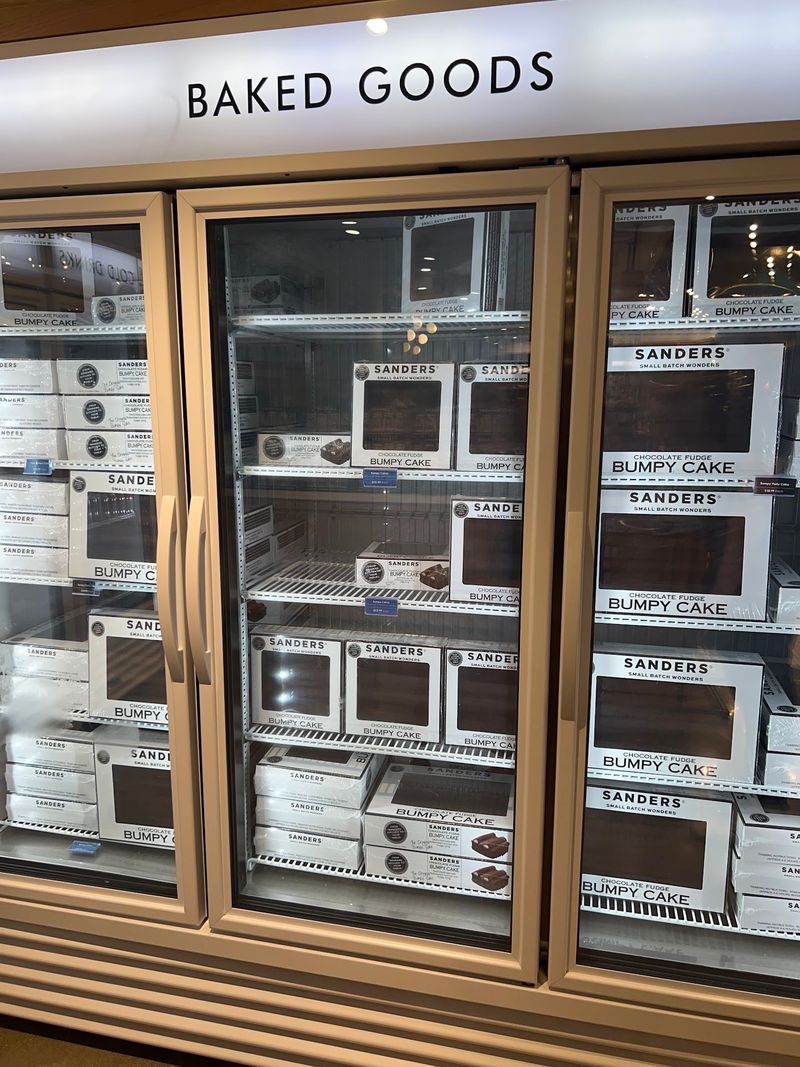
At first glance, the name sounds like a joke. Then the cake appears, and the bumps make perfect sense.
In Michigan, Bumpy Cake means a chocolate cake topped with rows of rich buttercream under a layer of chocolate frosting, and locals often recognize it right away.
The design is the whole point. Those raised stripes create the famous bumps, giving each slice a mix of soft cake, creamy filling, and chocolate coating.
It is a dessert with a built-in texture pattern, which helps explain why the name stuck so well.
Regional food language often works best when it is direct, and Bumpy Cake is a strong example. The phrase does not try to sound fancy.
It describes what people see, and over time that plain description turned into a classic Michigan dessert title with real staying power.
For many people, the appeal starts with contrast. The cake itself is usually tender and chocolatey, while the buttercream rows bring sweetness and a smooth, thicker bite.
The frosting on top ties it together and gives the outside its familiar glossy finish.
Trying Bumpy Cake for the first time is easiest when the slice is served chilled or slightly cool, since that can help the layers hold their shape. A clean cut lets the bumps show clearly, and seeing that cross-section is part of the experience as much as eating it.
The phrase also travels well in conversation. Mention Bumpy Cake at a family gathering, office party, or holiday table in Michigan, and chances are good someone will have a memory, a preference, or a favorite bakery version to mention.
The name invites recognition almost instantly. Once a slice is on the plate, Bumpy Cake no longer sounds odd. It sounds exactly right.
11. Wet Burrito
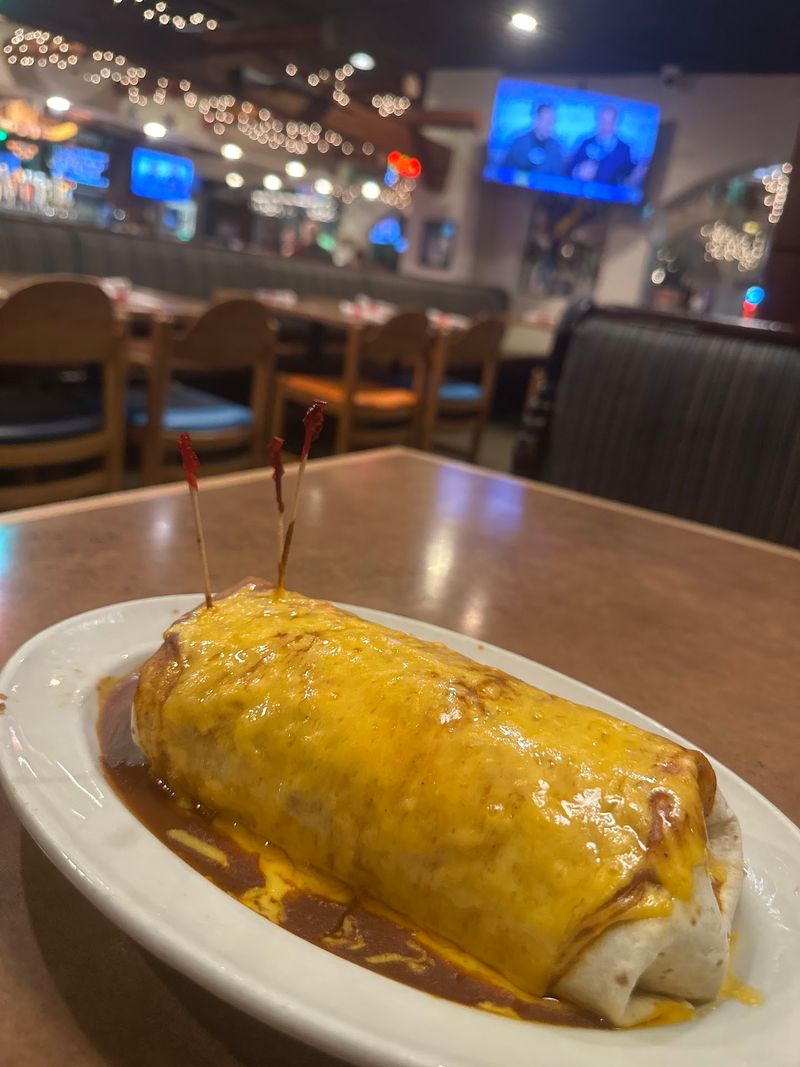
Anybody expecting a hand-held burrito gets a surprise when a wet burrito arrives. In Michigan, the name points to a burrito covered in sauce, often topped with melted cheese and served on a plate with a fork nearby.
It is a burrito, yes, but not one meant for neat eating.
The phrase has a practical honesty that locals understand immediately. Wet tells you the outside is sauced, which changes the whole experience.
Instead of picking it up and walking away, you settle in and work through the layers as the tortilla softens under the topping.
That difference matters more than it seems. A regular burrito is built for portability, while a wet burrito turns into a full plated meal.
Rice, beans, seasoned meat, and sauce combine in a way that makes each bite less about structure and more about comfort.
Michigan diners and Mexican-American restaurants have helped make the term feel ordinary across the state. Visitors may blink at the wording the first time they hear it, but locals often order one with the same ease they would order chili fries or a burger basket.
Trying one for the first time works best with realistic expectations. Do not chase perfect neatness.
Use a fork, cut through the sauced tortilla, and get some filling, cheese, and sauce together in each bite. The point is the combination, not a tidy presentation.
The name also shows how regional food language can be blunt and effective. Wet burrito tells you exactly enough to understand the dish, while still leaving room for restaurant differences in sauce style, spice level, and filling choices. That balance helps the term stick.
By the time the plate is half empty, the unusual wording stops standing out. The comfort factor takes over.