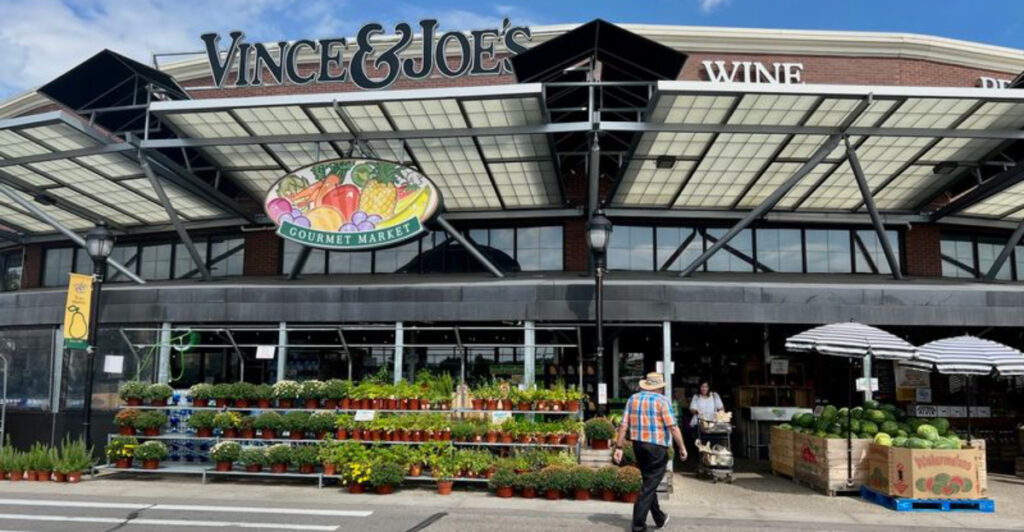
Grocery budgets stretch further when shoppers know where a careful cart can do the most work. Across Michigan, larger markets and well-stocked stores give families room to compare prices, buy in bulk, explore more variety, and plan meals without turning every trip into a stressful guessing game.
The best stops are not just big for the sake of size; they make it easier to stock a kitchen with practical staples, fresh finds, and enough options to match different tastes. That kind of convenience matters when every dollar has a job to do.
For Michigan families looking to shop smarter, these stores can help a grocery run go a lot farther.
1. Super Greenland Market – Dearborn, Michigan

Big carts fill up quickly here, and not by accident. Super Greenland Market in Dearborn gives families the kind of wide selection that helps one shopping trip cover fresh meals, pantry basics, and special ingredients without bouncing across town.
Produce is often the first place smart shoppers slow down. A larger market can make price checking easier because similar items sit close together, so families can compare bag sizes, pick lower cost vegetables for soups and trays, and build meals around what looks freshest that week.
The store is also useful when a budget needs flexible cooking options. Rice, beans, lentils, oils, flatbreads, herbs, and spices can stretch many dinners, and a market with strong international shelves gives home cooks more ways to turn low cost staples into meals that do not get boring by Thursday.
Another plus is the service counter strategy. Instead of buying only prepacked portions, shoppers can often ask for amounts that better fit the week, which helps reduce waste and keeps extra spending from sneaking into the cart through oversized packages.
Families feeding different ages usually appreciate the mix of ready to use items and scratch cooking ingredients. One stop can cover fruit for lunchboxes, ingredients for a weekend pot of stew, quick breakfast items, and flavorful extras that make simple chicken or rice taste like a real plan instead of a last minute fix.
Dearborn shoppers who like to cook with purpose may find this store especially practical. Going in with a meal outline, checking unit prices, and choosing a few versatile ingredients can turn a large market like this into a strong ally for households trying to eat well while watching every dollar.
2. Nino Salvaggio International Marketplace – Livonia, Michigan
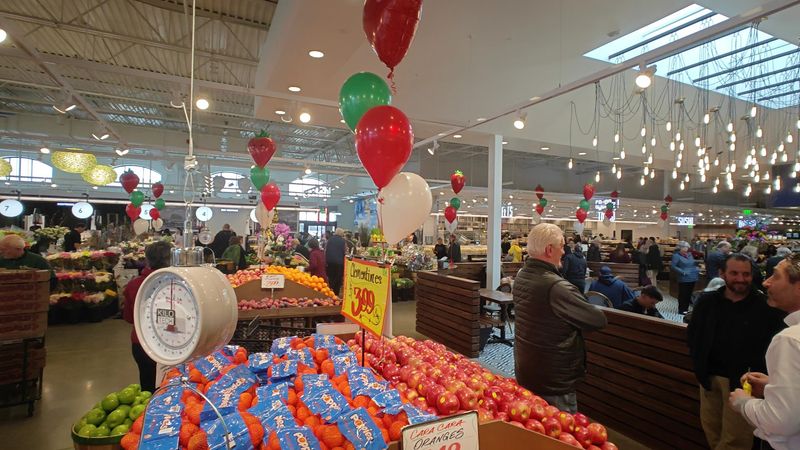
Some stores help budgets by selling only the basics. Nino Salvaggio International Marketplace in Livonia works a little differently, giving families a broad mix of fresh ingredients and meal helpers that can save both money and time when the week gets packed.
A larger market matters because choice matters. When produce, deli items, bakery goods, pantry staples, and dinner components sit under one roof, shoppers can make quick swaps based on price, skip an extra stop, and still leave with enough variety to keep meals interesting for several days.
That flexibility can be valuable for busy households. A family might pick salad fixings, fruit, bread, and a roasted item or side dish in one trip, then turn those pieces into lunches, simple dinners, or next day leftovers without paying takeout prices later in the week.
Specialty markets also reward shoppers who pay attention to portions. Buying only the amount of olives, cheese, produce, or prepared food that a household will actually use can be smarter than grabbing large packs elsewhere and tossing part of them after two days in the refrigerator.
There is also a planning advantage here. One part of the trip can focus on cost cutting basics like potatoes, onions, pasta, greens, and proteins for cooking at home, while another part can cover one or two shortcut items that keep the whole meal routine realistic during school nights.
Livonia families often do best in big stores like this when they split the cart into needs and extras. Start with ingredients that can work in more than one meal, compare prepped items with homemade options, and use the huge selection to make careful choices instead of impulse ones.
3. Joe Randazzo’s Fruit & Vegetable Market – Westland, Michigan
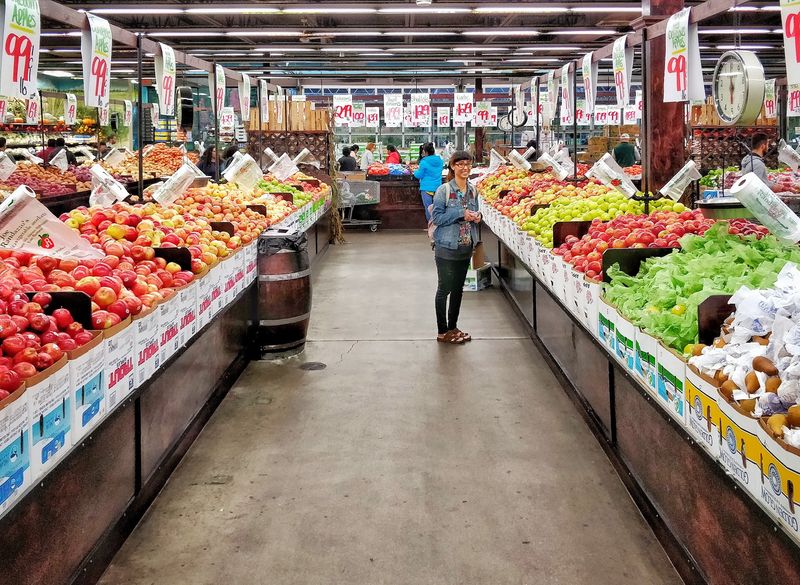
Fresh produce can either help a grocery budget or wreck it, depending on where a family shops. Joe Randazzo’s Fruit & Vegetable Market in Westland earns attention because a big produce focused store gives households a real shot at buying more fruits and vegetables without turning one salad into a luxury item.
When prices are easier to compare across a wide selection, meal planning gets simpler. Families can build dinners around lower cost vegetables, choose fruit that is in good condition for the week ahead, and stock up on items that work in lunches, soups, casseroles, and snack plates.
Markets centered on produce can also encourage smarter cooking habits. A bag of peppers, several onions, greens, potatoes, carrots, and tomatoes can become stir fry, pasta sauce, taco filling, roasted sides, and omelets, which stretches the value of every protein bought somewhere else.
Another benefit is visual shopping. It is easier to notice ripeness, quantity, and size when produce is displayed in big sections, and that helps prevent overbuying delicate items that might spoil before the family gets around to using them.
Westland shoppers can make the most of a store like this by thinking in layers. Buy a few sturdy vegetables for later in the week, pick ready to eat fruit for the first few days, and add one or two fun items to keep kids interested in healthier snacks at home.
For families trying to cut costs without eating the same thing every night, a large produce market can be a practical anchor. It supports batch cooking, low waste habits, and flexible dinner planning, all while making the cart look full in a way that usually feels better at checkout.
4. 168 Asian Mart – Madison Heights, Michigan
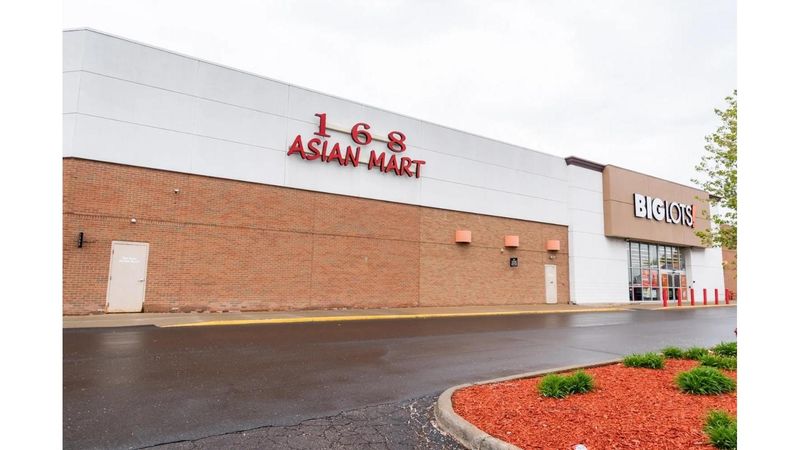
One clever grocery trick is learning which stores turn pantry staples into many meals. 168 Asian Mart in Madison Heights stands out for that reason, since a large Asian market can help families stock up on noodles, rice, sauces, vegetables, and frozen items that stretch dinner plans in useful ways.
Shoppers who cook at home regularly know variety helps prevent expensive fallback meals. When a store carries different sizes of rice, seasonings, broths, dumplings, tofu, vegetables, and snacks, it becomes easier to piece together low cost dinners that still feel different from one night to the next.
That broad selection can also reduce waste. Instead of buying a pricey prepared meal, a family can combine pantry basics with fresh vegetables and one protein, then turn leftovers into fried rice, soup, noodle bowls, or lunch containers for the next day.
Large international markets often reward curious planners. A jar of sauce, a pack of noodles, frozen dumplings, eggs, and greens can create several simple meals, especially for households trying to keep restaurant spending under control without making every dinner overly complicated.
Madison Heights shoppers may also appreciate the chance to buy ingredients that work across cuisines. Mushrooms, garlic, scallions, cabbage, onions, carrots, and rice are not tied to one style of cooking, which means families can shop once and still shift from stir fry to soup to grain bowls.
The best approach here is a balanced cart. Start with meal builders, compare package sizes carefully, and choose a few fun extras only after the basics are covered.
In a store this large, a little planning goes a long way, and that is exactly how grocery budgets stay steady from week to week.
5. Country View Bulk Foods – Snover, Michigan
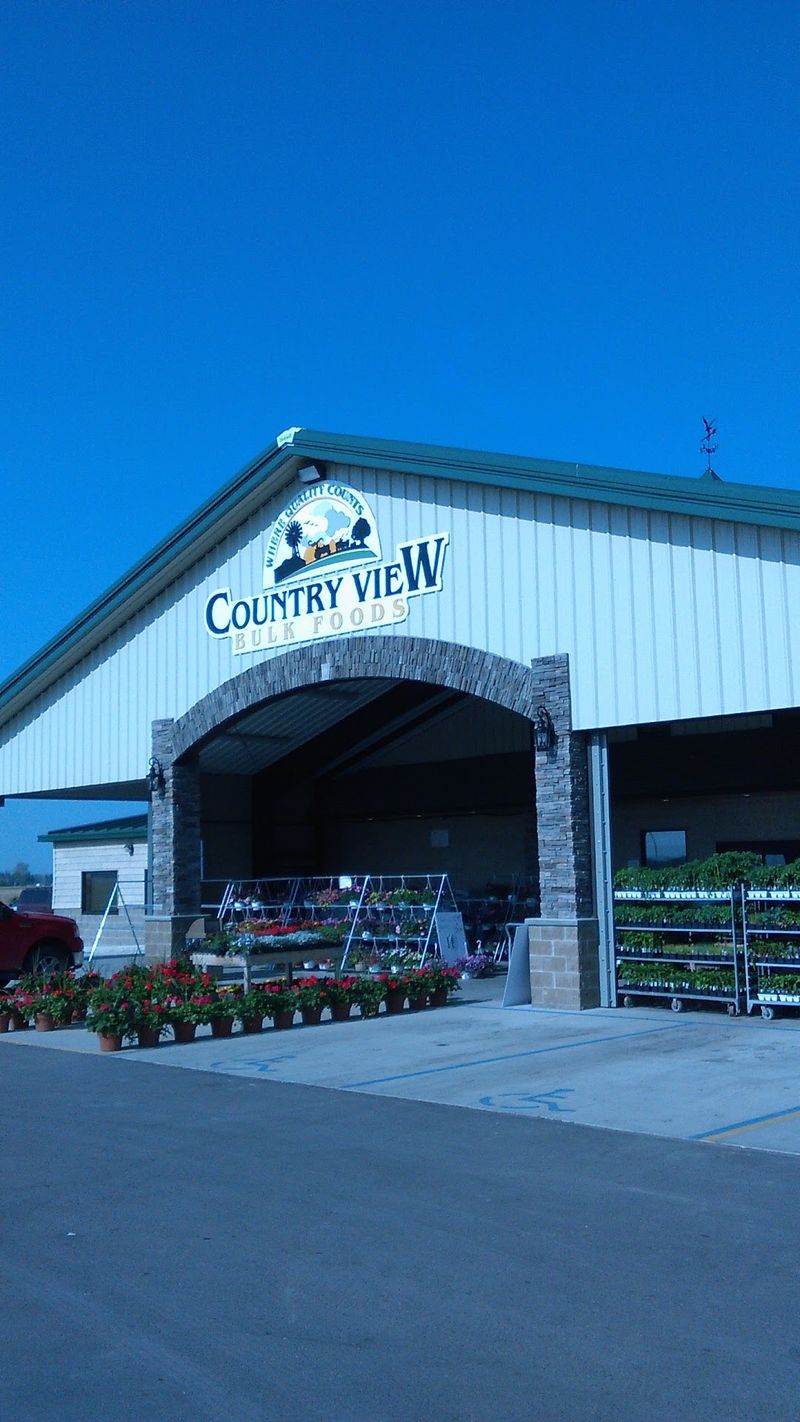
Bulk shopping can be a quiet hero for family budgets, especially in a household that cooks often. Country View Bulk Foods in Snover fits that idea well because a spacious bulk store gives shoppers more control over quantity, which can be just as important as the sticker price itself.
Buying dry goods in the right amount helps solve two common problems at once. Families avoid paying extra for tiny packages, and they also avoid wasting money on oversized amounts of ingredients that sit in the pantry for months before anyone remembers they are there.
Stores built around bulk bins and larger shelf stock are useful for bakers, big families, and meal preppers. Flour, oats, beans, pasta, rice, spices, snack ingredients, and soup basics can often be purchased with more flexibility, making it easier to match the cart to the actual weekly plan.
There is also a smart rhythm to shopping a place like this. A household can refill staple ingredients less often, then use regular grocery trips mainly for fresh produce, dairy, and perishables, which can create a steadier monthly budget instead of one full of random high cost runs.
Snover shoppers may find that simple foods do the heavy lifting. Pancakes, homemade bread, muffins, chili, oatmeal, trail mix, and casseroles can all come from modest ingredients, and bulk stores support that kind of practical cooking better than many standard supermarkets do.
The trick is knowing storage space before loading the cart. Clear containers, labels, and a short list of staple recipes can keep purchases organized and easy to use.
For families who want more food value from straightforward pantry items, a large bulk foods store can be a very dependable stop.
6. Meijer, 28th and Kalamazoo – Grand Rapids, Michigan
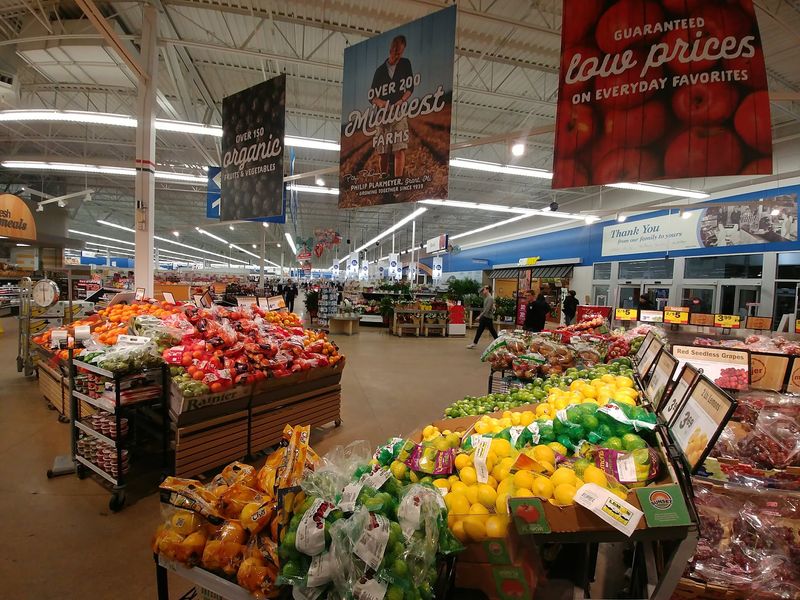
Sometimes the biggest money saver is simple convenience with enough scale behind it. The Meijer at 28th and Kalamazoo in Grand Rapids gives families a giant one stop setup, which can help cut down on extra errands and make it easier to balance food needs with household basics.
That matters more than it sounds. When groceries, paper goods, school lunch supplies, cleaning items, pharmacy pickups, and kitchen staples can be handled in one trip, shoppers may avoid those small emergency stops that tend to bring home expensive extras along with the item they forgot.
A large supercenter also supports price comparison across brands, sizes, and store label options. Families can weigh value more carefully, decide where generic items make sense, and reserve name brands for the products where taste, texture, or performance really matters to the people at home.
Another practical edge is meal planning around a broad selection. A cart can cover produce, frozen vegetables, breakfast foods, canned goods, meat, snacks, and nonfood essentials in one pass, which makes it easier to map out a realistic week rather than a perfect one that falls apart by Tuesday.
Grand Rapids shoppers may get the best results by dividing the trip into zones. Start with a list of meals, move through staples first, then finish with freezer and household sections.
That order keeps the budget visible and makes impulse purchases less likely in a store with this much square footage.
For families trying to make every dollar count, a huge Meijer can function like a planning hub. The store’s size works best when shoppers compare unit prices, avoid shopping hungry, and use its broad inventory to replace several separate trips with one organized run.
7. Randazzo Fresh Market – Macomb Township, Michigan
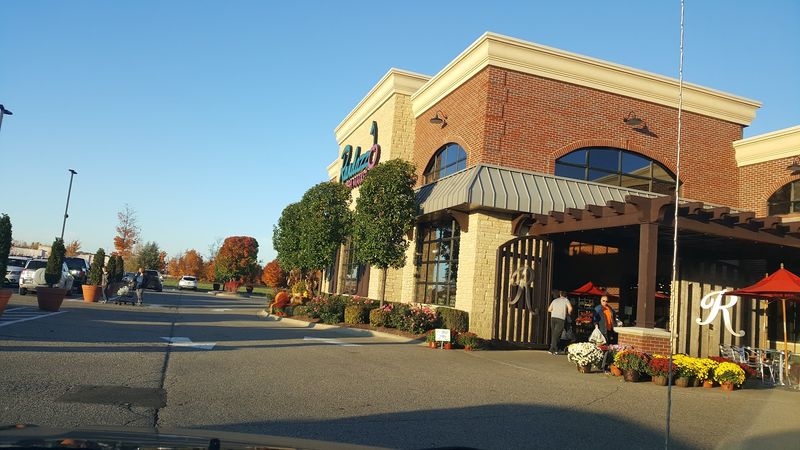
Some grocery trips are all about getting in and out fast, but a bigger fresh market can reward a slower lap around the store. Randazzo Fresh Market in Macomb Township offers the kind of broad food selection that helps families spot better produce value and shape meals around what makes sense that week.
Fresh markets shine when shoppers stay flexible. Instead of arriving locked into expensive ingredients, families can see which fruits and vegetables look plentiful, compare package sizes, and shift dinner plans toward items that stretch further across several meals.
That kind of adjustment helps in a lot of kitchens. Lower cost produce can pair with pasta, eggs, rice, potatoes, or beans, and those combinations keep dinners filling without relying on costly convenience foods every night.
A larger store also supports mix and match planning. One trip might cover salad ingredients, sandwich fixings, soup vegetables, snack fruit, and sides for grilled or baked meals, giving households multiple options without needing a separate run later in the week.
Macomb Township families can get more from a place like this by watching how fast each item will be used. Tender berries and greens should match near term meals, while sturdier onions, carrots, cabbage, and apples can wait longer and help the cart last through the weekend.
There is a practical confidence that comes from leaving a store with ingredients instead of guesswork. When a market offers enough variety to support smart substitutions and enough fresh food to build several simple meals, the checkout total often feels more manageable than a cart filled with scattered impulse buys.
8. Dearborn Fresh Supermarket – Dearborn, Michigan
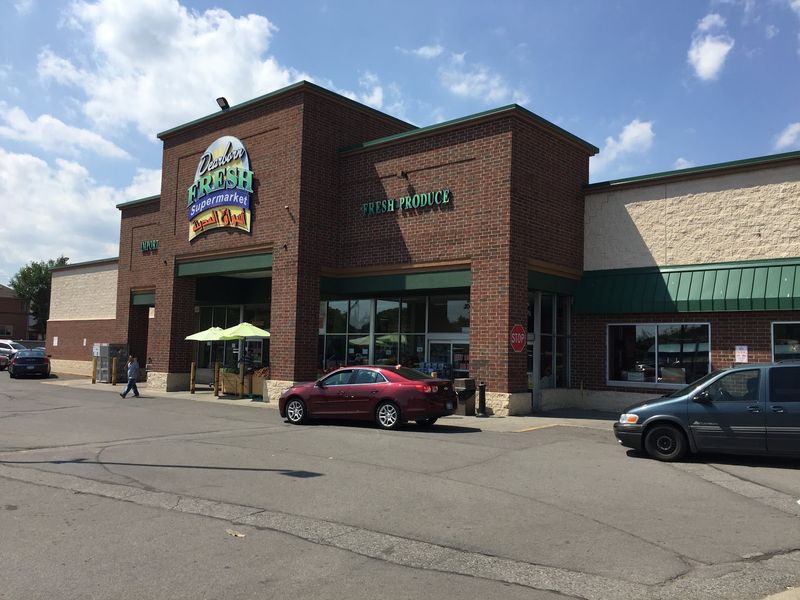
Dearborn has no shortage of serious grocery shoppers, and stores there tend to reflect that. Dearborn Fresh Supermarket gives families a large format place to compare fresh foods, pantry ingredients, and prepared options in one run, which can make budget planning less chaotic.
A store with strong fresh departments can be especially helpful when the goal is fewer restaurant meals. Bread, produce, proteins, grains, spreads, and side dishes can all work together in quick combinations, making it easier to build lunches and dinners at home without starting from zero every time.
The size of the market also helps with choice. Families can look at multiple versions of similar ingredients, judge quantity more carefully, and decide whether a prepped item saves enough time to justify the extra cost over buying the pieces and assembling the meal at home.
Another practical angle is using the store for layered shopping. A household might pick lower cost staples first, then add flavor builders like sauces, herbs, olives, or breads that make simple meals more satisfying without changing the whole budget picture.
Dearborn shoppers often benefit from planning meals that share ingredients. Tomatoes, cucumbers, greens, rice, chicken, yogurt, onions, and flatbread can become bowls, wraps, side salads, and lunch leftovers, which helps one grocery trip cover several eating moments instead of one dinner at a time.
In a large supermarket, discipline matters just as much as selection. Go in with a short meal map, choose items that can be reused, and let the store’s variety work in your favor.
That approach turns a big cart from a budget risk into a more organized, useful week of food.
9. Vince & Joe’s Gourmet Market – Shelby Township, Michigan
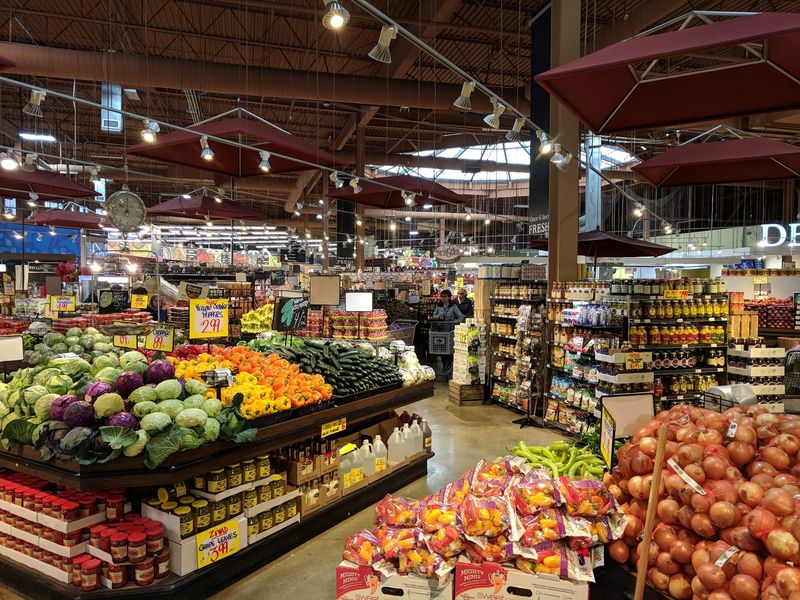
At first glance, a gourmet market might not sound like a budget friendly stop. Vince & Joe’s Gourmet Market in Shelby Township can still help family spending when shoppers use its large selection wisely and treat the trip like a planning tool instead of a splurge mission.
The key is choosing items that save waste or replace pricier habits. A few prepared foods can stop a takeout order on a hectic night, while fresh produce, bread, pantry goods, and basics for breakfasts or lunches can still form the backbone of a practical weekly cart.
Big specialty markets are also good at offering options in different forms. Families may see whole ingredients, cut produce, deli components, baked goods, and meal ready pieces side by side, making it easier to decide when convenience helps and when it quietly drives the total upward.
That side by side setup creates better shopping decisions. One household might buy a prepared main dish but make its own sides, while another buys premium bread and fruit yet skips extra snacks and desserts.
The point is using the store’s variety to build balance, not to chase every tempting display.
Shelby Township shoppers can make a market like this work by assigning jobs to each purchase. Lunchbox fruit, sandwich support, one easy dinner rescue, ingredients for two home cooked meals, and a flexible breakfast item will usually do more good than a cart full of fancy odds and ends.
When a larger gourmet store is approached with limits, it becomes more useful than many people expect. It offers quality, flexibility, and time saving choices, but the real value appears when families combine those strengths with a firm list and a clear idea of what the week actually needs.
10. Horrocks Farm Market – Lansing, Michigan
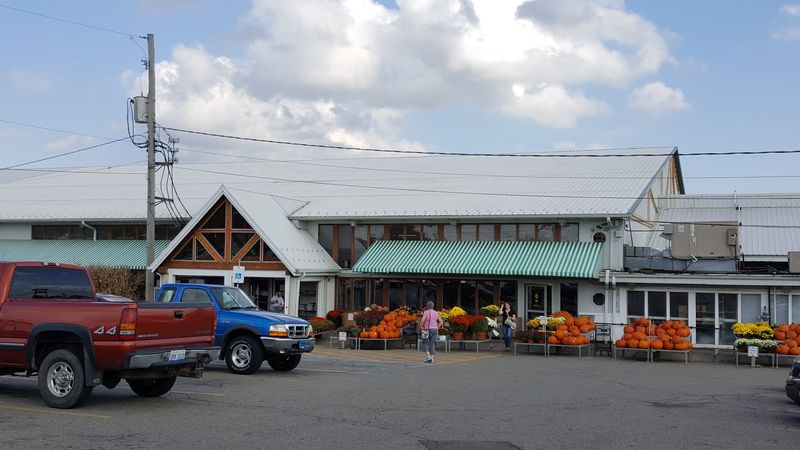
Large farm markets can turn grocery planning into a much smarter game. Horrocks Farm Market in Lansing gives families plenty to work with, especially when the goal is to combine fresh produce, pantry staples, and a few practical extras without making several separate stops around town.
Produce heavy stores often help budgets because they encourage meal building instead of impulse buying. A cart anchored by vegetables, fruit, potatoes, onions, greens, and a few staples creates options right away, and those options lower the chances of scrambling for expensive convenience meals later.
Big markets also make seasonal thinking easier. Families can notice which fruits or vegetables seem abundant, choose items that can be roasted, packed into lunches, or turned into soups, and avoid paying top dollar for ingredients that are not really carrying the week’s meals.
Another useful feature in a place like this is range. When fresh foods share space with bulk items, specialty shelves, or meal components, shoppers can build a cart with both value and interest, keeping home cooking from sliding into the same two dinners repeated again and again.
Lansing households may do best by planning around ingredient overlap. Carrots, greens, apples, bread, cheese, pasta, tomatoes, and herbs can stretch across snacks, salads, baked dishes, and packed lunches, which makes the trip feel organized long after the receipt is folded into a pocket.
A big market can overwhelm anyone who shops without a plan, but it can also reward careful eyes. Focus on foods with multiple uses, choose fresh items in realistic amounts, and let the wider selection support smart substitutions.
That is where the real budget power of a store like this shows up.
11. Joe Randazzo’s Fruit & Vegetable Market – Dearborn Heights, Michigan
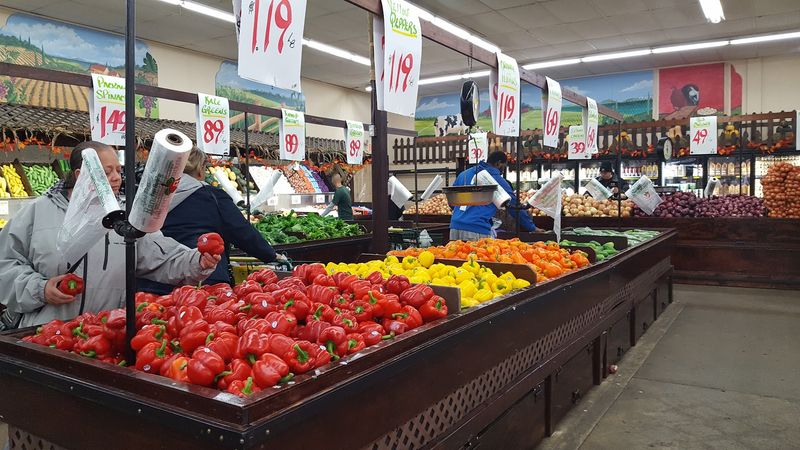
Ending the week with an empty produce drawer is frustrating, but overpaying for fruits and vegetables is not much better. Joe Randazzo’s Fruit & Vegetable Market in Dearborn Heights gives families another strong option for filling the kitchen with fresh food while keeping a close eye on value.
Produce centered shopping works best when families think beyond tonight’s dinner. Apples, oranges, bananas, greens, peppers, carrots, onions, squash, and potatoes all play different roles, and a larger produce market makes it easier to buy a mix that covers snacks, sides, soups, and lunch prep.
That variety is useful for households trying to cook more often. A few affordable vegetables can bulk up pasta, support taco night, turn eggs into a complete meal, or help leftover chicken become soup or fried rice instead of sitting untouched in the refrigerator.
Another advantage is pace. In a big produce market, shoppers can compare condition, size, and quantity more clearly than in many smaller stores, which supports better decisions and helps prevent the sad little pile of spoiled items that sometimes appears by the end of the week.
Dearborn Heights families may want to shop with a rough use first plan. Tender fruit and salad items can cover the next couple of days, while sturdier vegetables handle later dinners.
That simple order keeps the crisper drawer from turning into a forgotten science project.
For budget minded homes, fresh food has to be both affordable and usable. A produce market of this size makes that balance easier to find.
Pair smart produce choices with a few filling staples at home, and the result is a cart that supports healthier meals without sending the total into panic territory.