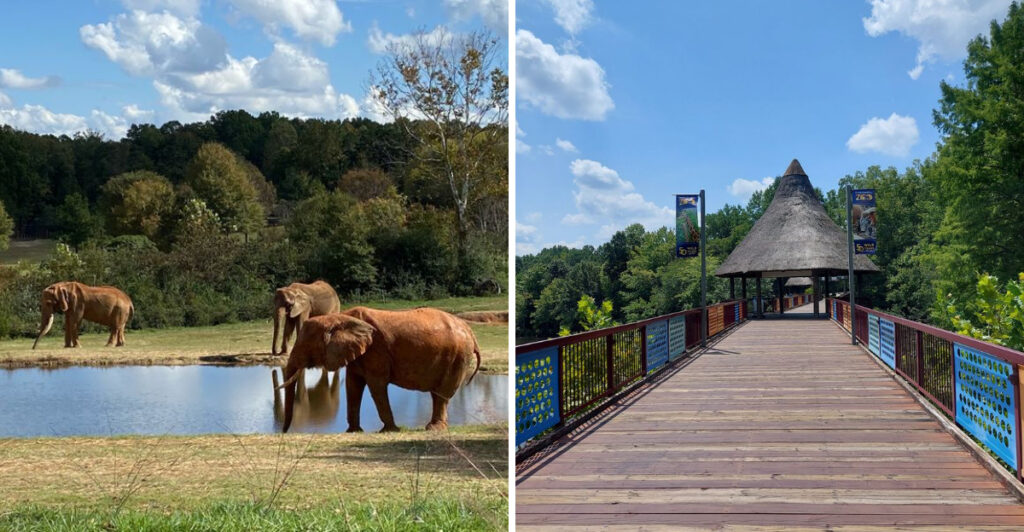
Some places feel big the moment you arrive, and the North Carolina Zoo in Asheboro is one of them. Set on 500 acres with more than 1,700 animals, it gives families, school groups, and animal lovers a chance to see wildlife in roomy habitats that look much closer to the real world than a typical zoo visit.
Its size matters because animals have space to move, guests can slow down and explore, and a day here feels more like a nature trip than a rushed stop between exhibits. With strong reviews, beautiful walking paths, and enough sights to fill hours, this North Carolina landmark proves that the largest zoo in the United States is not just a big claim; it is a full day of discovery that people remember long after they leave.
1. A Zoo So Big It Feels Like A Wild Adventure
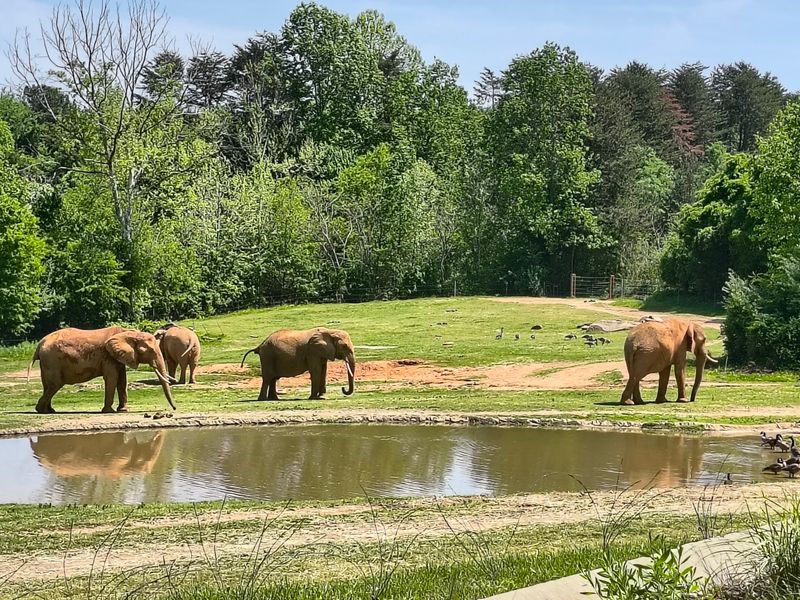
Walking into the North Carolina Zoo does not feel like entering a cramped city attraction.
The grounds stretch across 500 acres, making it the largest zoo in the United States by land area, and that scale changes the whole experience.
Instead of rushing from cage to cage, visitors move through broad landscapes that feel open, green, and calm.
Plenty of guests say the size is one of the biggest reasons the trip stands out.
You will want comfortable shoes, a water bottle, and enough time to enjoy the day, because many people spend three to four hours here, and some take even longer.
Families who like to stop for photos, animal talks, snacks, and play areas can easily make it an all day outing.
Because the zoo is so large, planning helps a lot.
Many repeat visitors suggest arriving early, buying tickets online, and choosing a route before you start walking.
Some even split the visit over two days so they can slow down and really take in each section without feeling worn out by the afternoon.
That extra room gives the zoo a different mood from smaller attractions.
There are trees lining the paths, scenic overlooks, and long stretches where you hear birds, breeze, and happy chatter instead of constant noise.
For anyone who likes animals but also loves being outdoors, the North Carolina Zoo feels less like a quick stop and more like a real adventure worth the trip.
2. Roomy Habitats Put Animal Comfort First
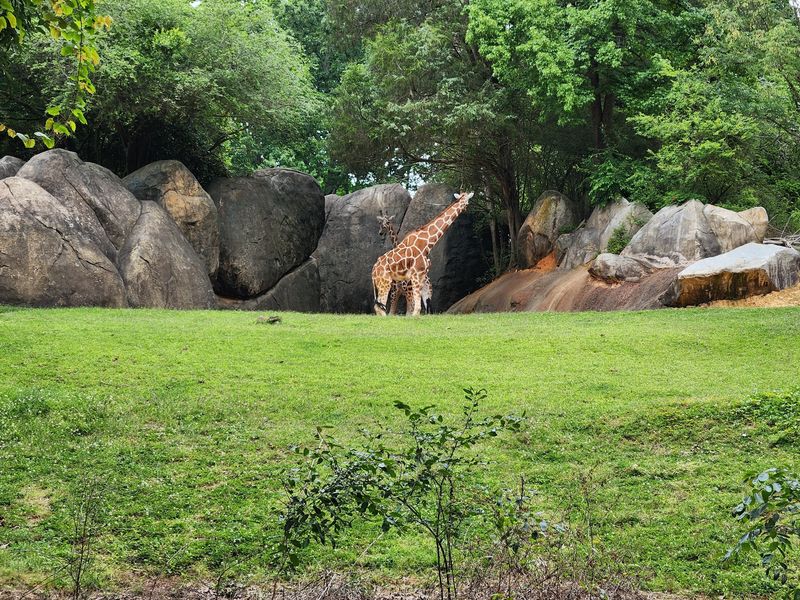
One of the first things visitors notice is how much space the animals have.
At the North Carolina Zoo, habitats are built to look like natural environments, and that gives many guests peace of mind.
Reviews often mention that the animals appear healthy, active, and well cared for, which makes the visit feel better from the start.
That extra room can change what you see.
Sometimes an animal may be resting in shade, walking farther back, or hidden behind trees and rocks, so patience matters here more than at a smaller zoo.
The tradeoff is worthwhile because the enclosures feel respectful, clean, and designed around animal needs instead of just close viewing for people.
Parents can use this as a great teaching moment for kids.
Rather than expecting every animal to stand in one perfect spot, children learn that wild creatures need privacy, choice, and places to roam.
It turns the day into more than entertainment, because it shows what thoughtful animal care can look like in a modern zoo.
Guests who want the best chance to spot more animals should come on cooler days or earlier in the morning when wildlife may be more active.
Stopping twice at a favorite habitat can also pay off, since animals often move in and out of sight.
That little bit of waiting adds excitement, and it makes every great sighting feel earned and memorable.
3. Africa Brings Some Of The Zoo’s Biggest Wow Moments
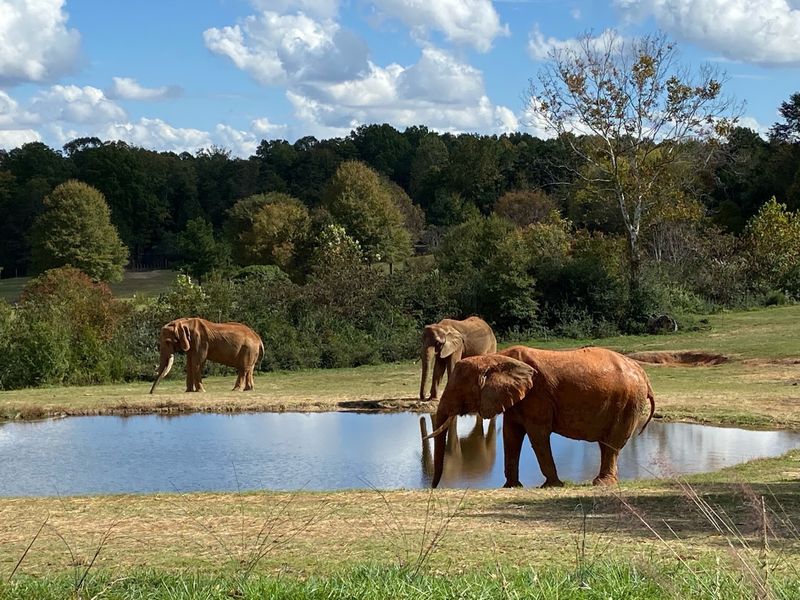
Few parts of the zoo create instant excitement like Africa.
This area is where many visitors hope to spot towering giraffes, massive elephants, rhinos, lions, and other animals that seem larger than life when seen in person.
The open design makes the habitats feel sweeping, and it gives the whole section a dramatic, memorable look.
Several reviews point to Africa as a favorite, and it is easy to see why.
Guests have shared stories about elephants coming surprisingly close, rhinos being active, and giraffes becoming the highlight of the whole family trip.
Some visitors even choose special experiences like the Zoofari, which can offer a closer look at hoofed animals in a wide habitat setting.
If Africa is high on your list, try to schedule enough time for it instead of treating it like one quick stop.
Animals may be active at different times, so lingering near an overlook can be rewarding.
Checking the zoo website before your visit may also help you catch feeding times or seasonal attractions that add even more energy to the day.
This part of the zoo also works well for kids because there is a strong sense of scale and excitement.
Even adults who have seen plenty of zoos often talk about the size of the exhibits here.
When the animals are moving and the weather is mild, Africa turns a simple family outing into a story people keep retelling later.
4. North America Turns A Simple Walk Into A Scenic Journey

North America has a quieter kind of charm, and that is part of its appeal.
Instead of feeling flashy, this section lets visitors wander through wooded paths and spot animals that fit the landscape around them, including favorites like bears, bison, wolves, and other wildlife tied to the continent.
The setting feels especially rooted in North Carolina.
Many guests mention how beautiful the walking paths are here.
Tall trees provide welcome shade, and the route feels more like a park trail than a busy attraction.
That can be a real plus on mild days, especially for families who enjoy a slower pace and want time to talk, rest, and watch animals without feeling crowded.
At the same time, this section rewards patience.
Some animals may be farther away or tucked into habitat features, and a few visitors have noted that not every sighting is guaranteed.
The smartest approach is to bring realistic expectations, pause at overlooks, and return later if one habitat seems quiet the first time you pass.
North America is also a good reminder that the zoo is about more than checking boxes.
A grizzly feeding, an active chimpanzee, or a bison herd finally stepping into view can become the surprise memory of the day.
When you pair those moments with the peaceful trails, this side of the zoo becomes a satisfying trip within the larger adventure.
5. Trams, Shuttles, And Smart Planning Make The Day Easier
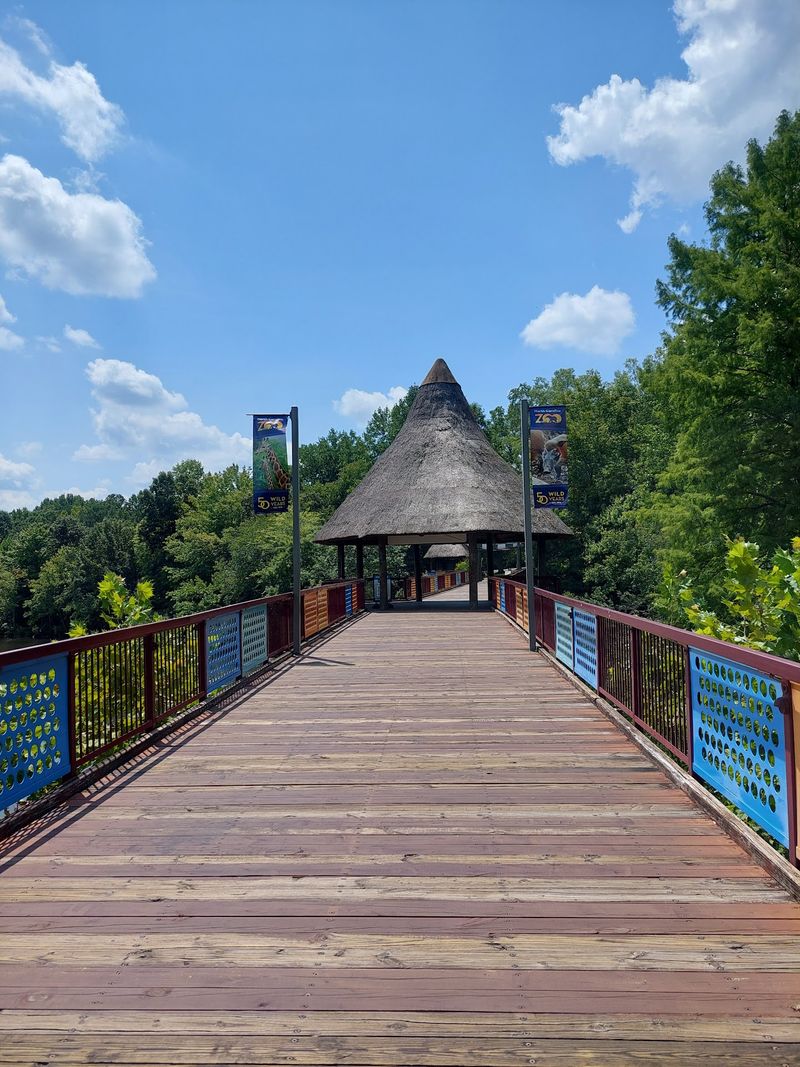
A huge zoo sounds exciting until your feet remind you how far you have walked.
That is why the tram and shuttle options matter so much at the North Carolina Zoo.
Guests regularly praise them as a lifesaver, especially after hours of exploring, and they can make the visit much more comfortable for families, older adults, and anyone pacing their energy.
Good planning starts before you even enter the gate.
Many reviewers recommend arriving early, buying tickets online, and deciding whether to begin in North America or Africa based on your walking comfort.
One smart tip from past visitors is to choose a route that gives you more downhill walking, which can help save energy by the middle of the day.
There are a few practical details worth remembering.
If you are using the tram with a stroller, you may need to fold it before boarding, and services can vary if certain areas are under maintenance.
Checking the zoo website ahead of time helps you avoid surprises and lets you plan around closures, transportation schedules, or limited restroom access.
Visitors with mobility needs also have options, including accessible pathways and scooter rentals.
That makes the zoo more welcoming for multigenerational groups, school trips, and grandparents joining family outings.
When transportation is part of your plan instead of a last-minute fix, the zoo feels more relaxing, and you are free to focus on what you came for, the animals.
6. Families Get More Than Animal Viewing Here
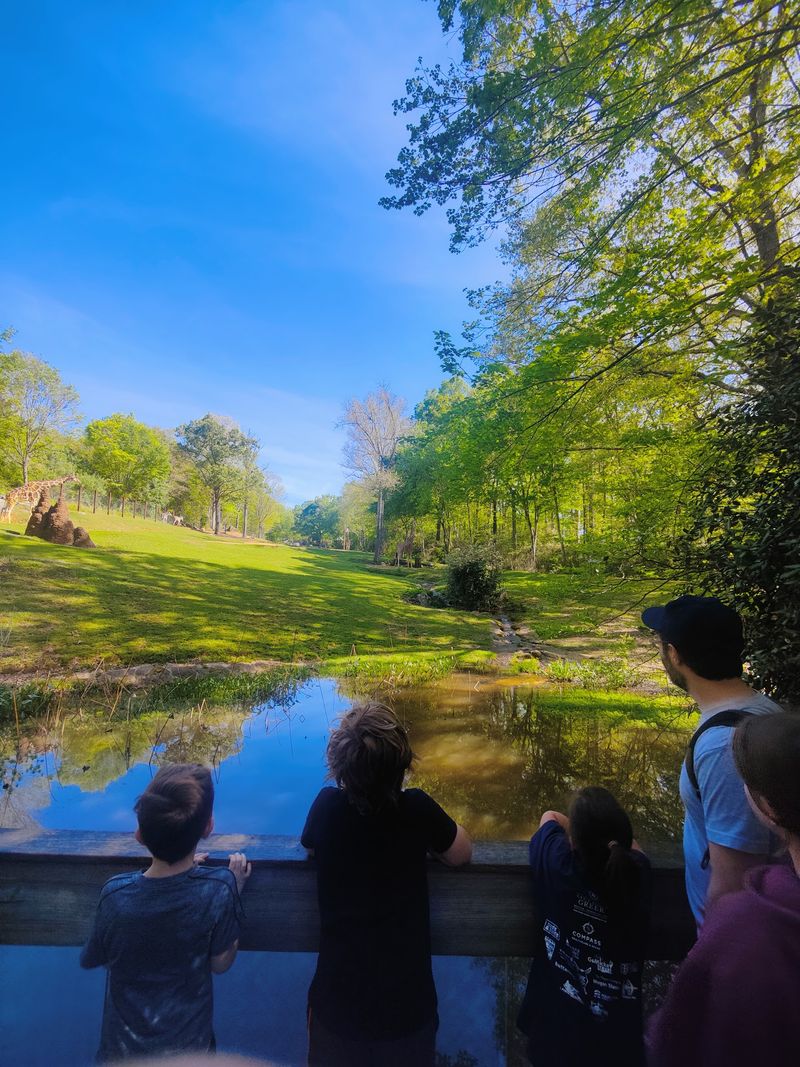
Kids rarely remember only what they saw.
They remember what they did, and the North Carolina Zoo gives families plenty to do beyond standing at railings.
Reviews mention playgrounds, carousel fun, the butterfly area, interactive mission activities, and little moments that help turn a long day of walking into something playful and personal.
One favorite for children is the Zoo Explorer or Zoo Trekker style activity, where kids complete tasks and earn a pin at the end.
That simple idea adds purpose to the visit and keeps younger guests engaged between habitats.
It also gives parents an easy way to spark conversations about animals, habitats, and conservation without making the day feel like homework.
The zoo also seems to leave a strong impression through its staff.
Families have praised workers and volunteers for being kind, helpful, and patient, and one guest even shared a story about a staff member mailing a missed pin to a child after the visit.
Small acts like that can make a big place feel welcoming and thoughtful.
If you are visiting with children, bring snacks, take breaks, and let the day unfold at a kid-friendly pace.
Plan for extra time around play spaces and interactive areas rather than rushing straight to every exhibit.
When a zoo balances learning with fun this well, families leave with photos, stories, and a strong reason to come back again.
7. Conservation Lessons Show Up Around Every Corner

Some of the best parts of the North Carolina Zoo are not loud or flashy at all.
They show up in the way habitats are designed, in the docent stations guests mention, and in the quiet message that animals deserve care, space, and respect.
The result is a place that entertains people while also teaching them how conservation connects to daily choices.
Visitors often say the zoo feels clean, thoughtful, and centered on animal well-being.
That matters because children notice more than adults sometimes think.
When they see roomy habitats, clear paths, and educational signs, they start to understand that zoos can support research, rescue, and public awareness instead of simply displaying wildlife.
Field trips and family visits work especially well here because the grounds naturally invite questions.
Why is one animal resting in shade?
Why do habitats have rocks, water, and climbing spaces?
Why are some species hard to find in the wild?
Those simple questions can lead to bigger conversations about protecting ecosystems and respecting nature at home.
If you want more from the visit than photos, slow down at the learning stations and read a few signs together.
Encourage kids to pick one favorite animal and learn why its habitat matters.
That small step can turn a fun outing into a lasting lesson, and it helps explain why so many guests leave feeling that the zoo offers something meaningful, not just something entertaining.
8. A Little Preparation Can Turn A Good Visit Into A Great One

The difference between a tiring zoo trip and a great one often comes down to simple planning.
Because the North Carolina Zoo is so large, seasoned visitors strongly suggest wearing comfortable shoes, bringing a refillable water bottle, and checking the weather before you go.
Those basic steps can protect your energy and help you enjoy more of the park.
Heat is one of the biggest factors to think about.
Several guests visited on very hot days and said the walking became tough, even though the shaded trees helped.
A hat, sunscreen, and extra water can make a big difference, and cooler weekdays are often a better choice for people who want fewer crowds and a more relaxed pace.
Food is another place where planning helps.
Reviewers regularly mention that drinks, snacks, and meals can be pricey, so many people recommend packing what is allowed, using picnic areas, and taking advantage of water refill stations throughout the zoo.
That can save money for special extras like the butterfly exhibit, carousel, or animal experiences.
Finally, build your day around flexibility.
Some animals may be off exhibit, some areas may be under maintenance, and a favorite species might stay hidden for a while.
If you expect a full outdoor adventure instead of a perfect checklist, you will likely enjoy the visit much more.
Prepared guests tend to leave happy, and they are often the first ones planning a return trip.
9. Every Return Trip Offers Something New To See
Some attractions are one-and-done, but the North Carolina Zoo has the kind of size and variety that keeps people coming back.
Reviews include longtime members, families who visit year after year, and travelers already planning another trip to catch missed animals, seasonal features, or future expansions.
That says a lot about how much this place offers over time.
Part of the reason is simple: no two visits are exactly alike.
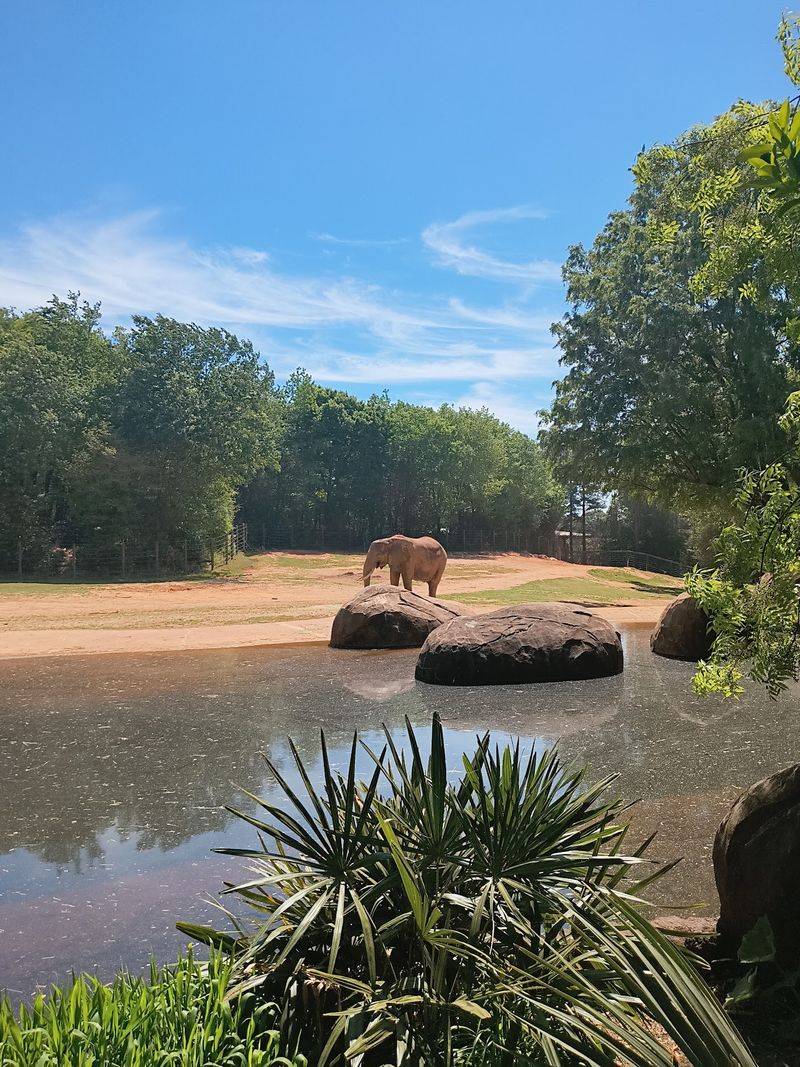
Weather changes animal activity, different habitats may be busier at different times, and one day might bring a surprise feeding or a close elephant sighting that completely reshapes your memory of the trip.
Even the same path can feel fresh when trees are leafing out in spring or cooling the trail in summer.
Another reason to return is that the zoo keeps growing.
Guests have mentioned excitement around future Asia expansion plans, and that kind of development gives people a reason to watch for what is next.
A place this large can keep evolving while still holding onto the features visitors already love, like shaded trails, big habitats, and family-friendly experiences.
That mix of familiarity and surprise is what makes the zoo worth every visit.
You might come for the animals you missed last time, the tram ride your kids loved, or a calmer weekday outing with fewer crowds.
No matter the reason, the North Carolina Zoo has a way of turning repeat visits into new adventures, and that is a rare strength.