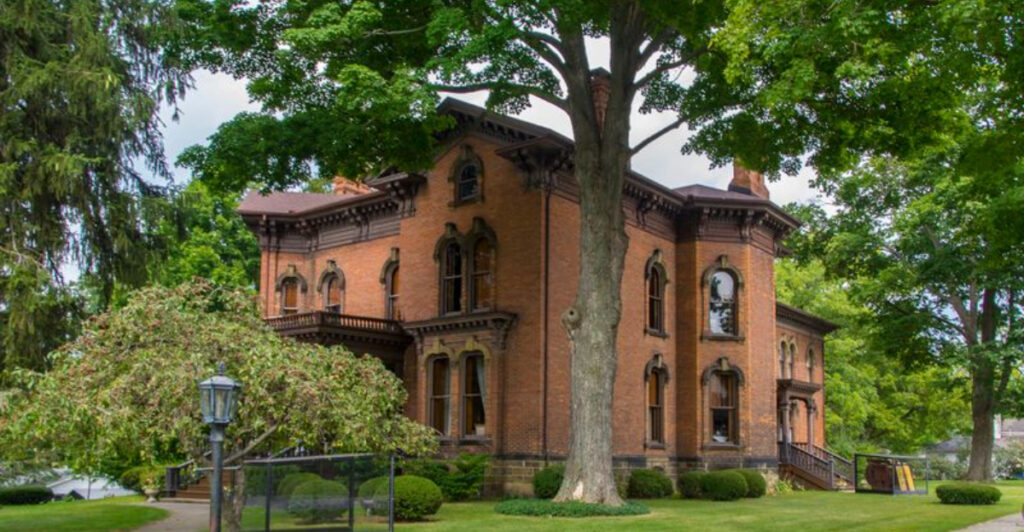
Small-town history feels more intriguing when an ordinary drive-by turns into a closer look. In downtown Jonesville, Michigan, the Grosvenor House Museum opens a window into late-1800s life with grand rooms, original details, local stories, and a sense of elegance that still feels surprisingly vivid.
The house preserves history in a way books alone cannot, letting visitors step through rooms that reflect the people, tastes, and ambitions of the community around it. Its eight marble fireplaces add an unexpected touch of grandeur, especially in a place that can seem quiet from the outside.
For anyone who enjoys Michigan stops with charm, character, and a few surprises behind the door, this museum is worth noticing.
A Street Corner That Suddenly Turns Grand
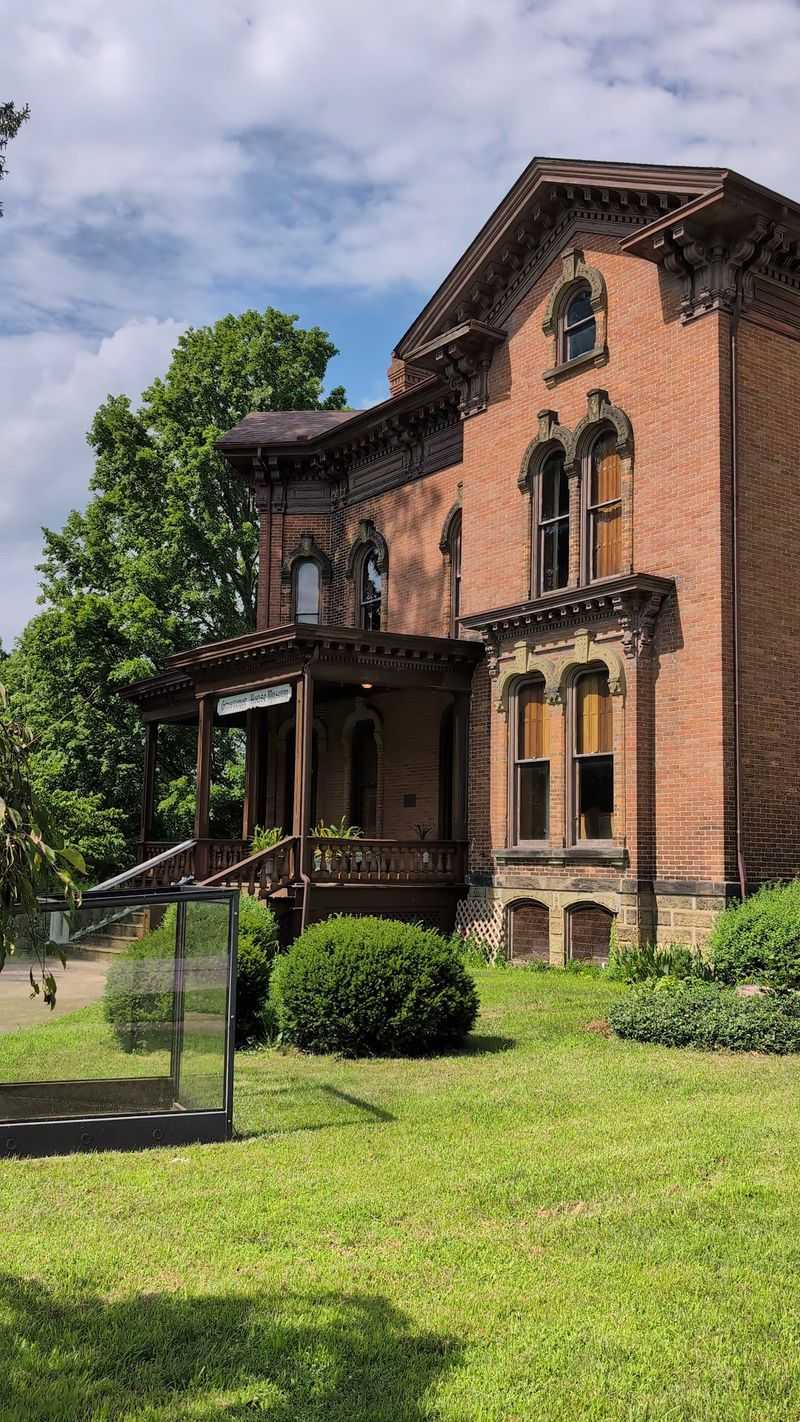
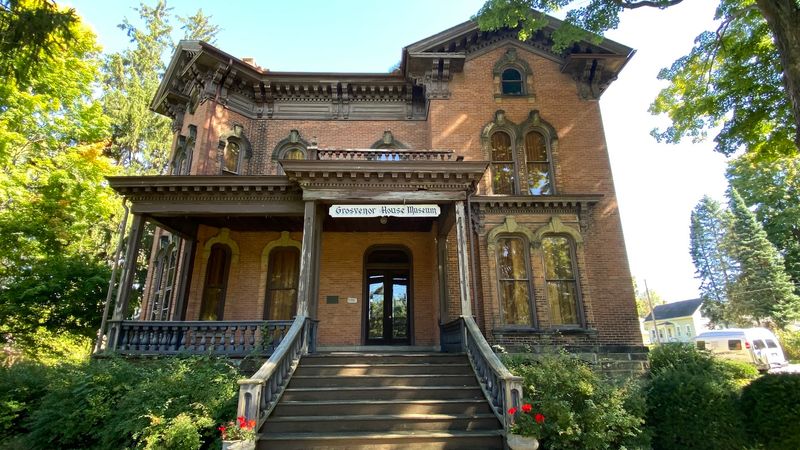
One glance at the Grosvenor House Museum can reset expectations for a small-town museum. At 211 Maumee Street in Jonesville, the building rises with the kind of scale and confidence usually linked to bigger cities, not a quiet southern Michigan community.
Its Victorian design announces itself right away through height, symmetry, and old-world detail.
The setting helps the house make its entrance. Nearby streets and neighboring homes create a historic backdrop, so the mansion does not stand alone like a stage prop.
Instead, it reads as part of a living town story, showing how Jonesville once grew with ambition, wealth, and civic pride.
That first outdoor view matters because it prepares visitors for a museum that is about more than furniture in old rooms. The house itself is the main artifact.
Walls, rooflines, trim, windows, and the overall footprint reveal how families with means built homes that doubled as statements of status and stability.
Even for someone who has toured historic houses before, the Grosvenor House has a reputation for being unusually intact. That sense of preservation begins before the front door opens.
The exterior suggests a place where much of the original character still holds together, which makes the visit feel less like a recreation and more like a direct look into the past.
For anyone planning a stop, the smartest move is simple: do not rush the outside. Walk around slowly if access allows, notice the scale, and compare it to the town around it.
The mansion tells part of its story from the sidewalk, where Jonesville suddenly shifts from everyday Michigan to a scene with unmistakable Victorian drama.
Eight Marble Fireplaces, One Very Big Surprise
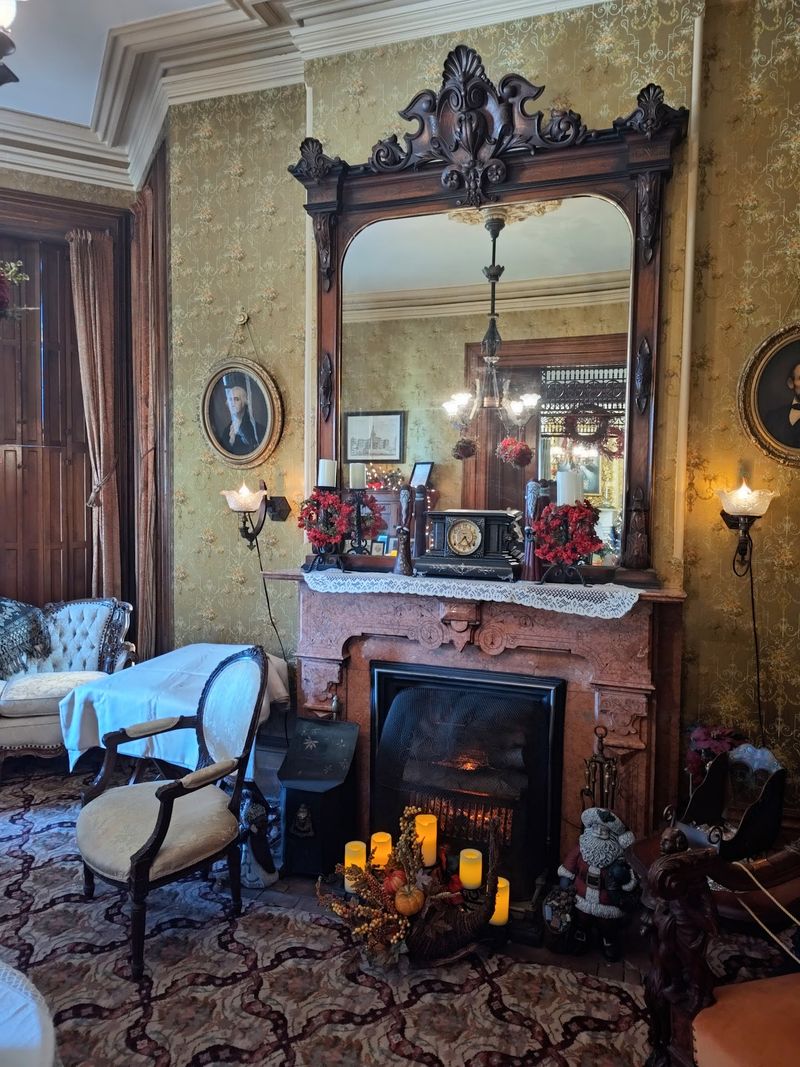
Nothing catches attention faster inside the Grosvenor House Museum than the fireplaces. Eight marble fireplaces in one home is a striking detail, especially in a town where many visitors may expect a modest local museum instead of a mansion filled with grand finishes.
That number alone changes the scale of the experience.
Marble fireplaces do more than decorate a room. In the Victorian era, they signaled expense, taste, and a willingness to build with materials meant to impress guests.
At Grosvenor House, they also help explain how the family home functioned, with separate rooms carrying their own sense of purpose, comfort, and ceremony.
Seeing one fireplace can be lovely. Seeing several, spread through the house, creates a pattern that teaches visitors how luxury was repeated rather than limited to a single showpiece space.
It is a practical lesson in status. The finest detail was not reserved for one parlor and hidden everywhere else.
There is also a visual rhythm to these hearths. Marble brings brightness and polish, while surrounding woodwork, textiles, and antiques add warmth.
That contrast keeps rooms from feeling flat. Instead, each fireplace becomes a focal point that pulls the eye across mantels, mirrors, trim, and the broader shape of the room.
A good way to tour the house is to treat the fireplaces like landmarks. Notice how each one changes the mood of its room, and pay attention to size, color, and placement.
By the time the tour ends, those eight marble pieces help explain why this mansion stands apart. They are not just pretty extras.
They are proof of a household built with confidence, money, and an eye for lasting style.
More Than Thirty Rooms of Victorian Life
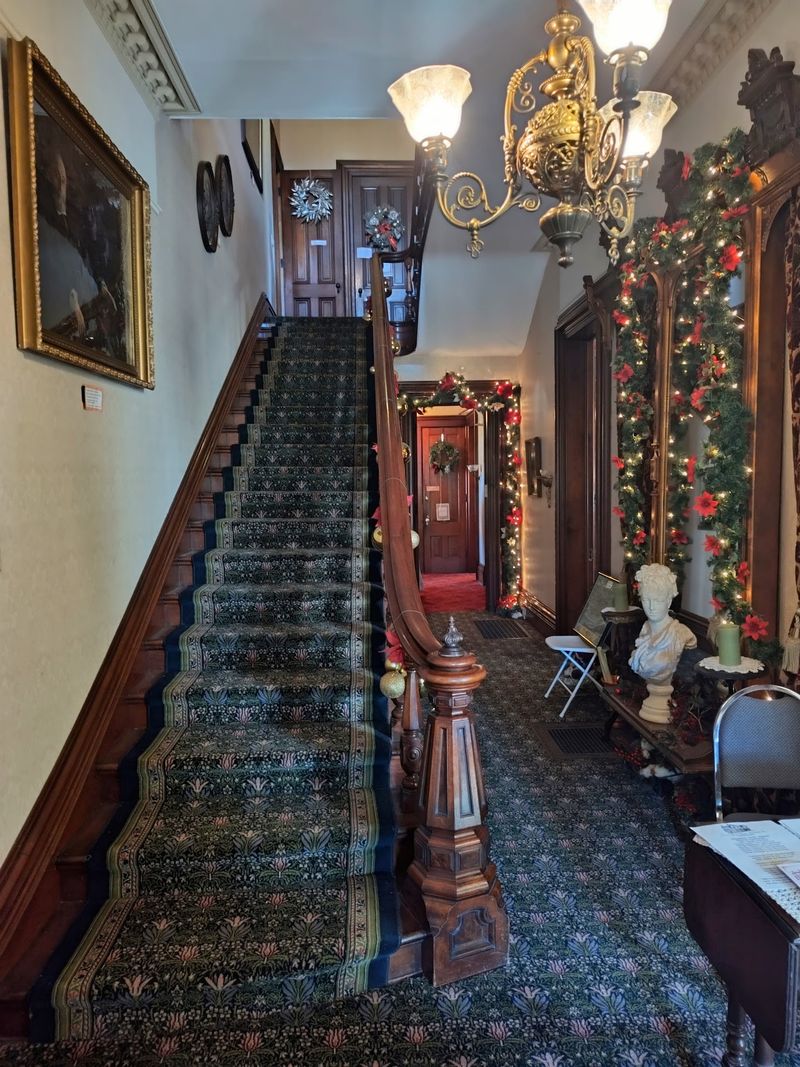
Big houses can sometimes blur together after a few rooms, but the Grosvenor House Museum avoids that problem through scale and variety. With more than thirty rooms noted by past visitors, the building offers enough space to show how a late nineteenth-century home worked beyond its prettiest corners.
That makes the tour feel broad instead of narrow.
Room count matters because it changes the story being told. A tiny museum may show a dining set, a bed, and a few portraits, then ask visitors to imagine the rest.
Here, there is more physical evidence to work with. The layout itself helps explain family life, household routines, entertaining, and the separation between formal and practical spaces.
Original furnishings and beautiful woodwork add another layer. Rather than treating architecture and objects as separate things, the house lets them talk to each other.
A carved doorway, a polished floor, an antique piece, and a fireplace in the same room can explain class and design choices better than a label on the wall ever could.
There is also a pacing advantage. In a larger house, surprises arrive in stages.
One room may lean formal, another cozy, another more workmanlike. That steady change keeps younger visitors interested and gives adults more to compare as they move from floor to floor.
For families, this scale can turn history into a kind of scavenger hunt without needing any gimmicks. Count fireplaces, notice wood details, watch for changes in ceiling height, or ask which rooms were built for guests and which served daily tasks.
By the end, the mansion reads less like a single attraction and more like a full domestic world, preserved room by room in Jonesville.
The Family Story Runs Through Jonesville and Michigan
Some historic homes impress with architecture but struggle to connect that beauty to real lives. Grosvenor House gains strength from the opposite approach.
The mansion is tied to the Grosvenor family and to the development of Jonesville, giving visitors a chance to learn not only how the house looked, but why the household mattered in local and state history.
That connection gives the museum a wider frame. Instead of treating the building as an isolated treasure, tours can place it inside the story of community growth, civic effort, and changing Michigan life after the house was built in the 1870s.
Even short comments from past visitors point to that larger sweep, describing lessons about the area, the state, and the family contribution.
There is a useful balance here for readers who do not love dates and names. The history is easier to absorb when it is attached to real spaces.
A parlor can raise questions about social life. A study can suggest decision-making, business, or public responsibility.
Large dining or reception areas hint at a family that worked in public as well as private settings.
The town around the museum deepens that reading. Jonesville is not just an address attached to the house.
It is part of the context that explains why a mansion of this scale stands there in the first place. Local memory, nearby historic structures, and neighborhood texture all help the house remain understandable instead of mysterious.
Anyone touring with kids or teens can make the history click by asking simple questions in each room: Who used this space, what problem did it solve, and what does it reveal about power or comfort at the time? Those answers turn Grosvenor House into more than a mansion.
They turn it into a readable chapter of Michigan history.
Tours That Work Best When You Slow Down
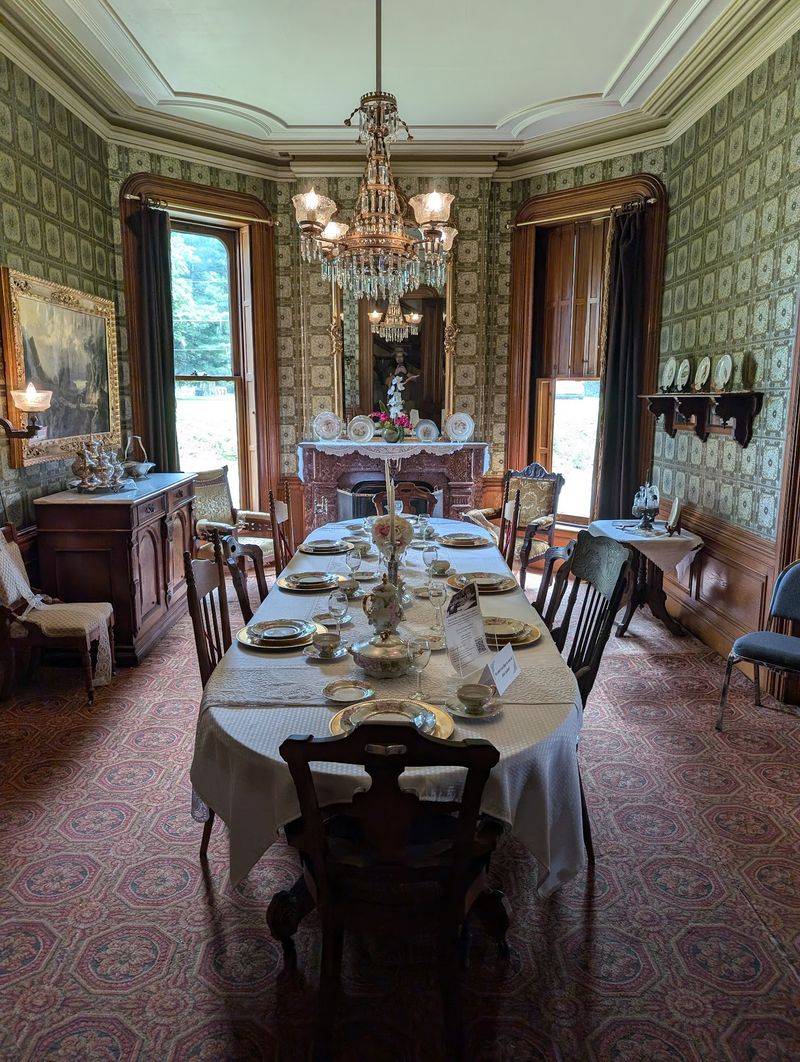
Rushing through the Grosvenor House would miss the point. This is the kind of museum that rewards a slower pace, where a guide can connect architecture, objects, and family history into one clear story.
Reviews repeatedly praise knowledgeable docents, and that matters because a house museum is easier to understand when someone helps decode the details.
A guided visit can turn a beautiful room into a useful lesson. Without context, a fireplace is marble, a chair is old, and a hallway is simply a hallway.
With interpretation, those same features explain heating, status, craftsmanship, social customs, and the daily movement of people through the home.
The house also appears to handle smaller or private tours well, which can be a real advantage. In a mansion with many rooms, smaller groups make it easier to see details, ask questions, and avoid the stop-and-start feeling that comes with crowded attractions.
Families especially benefit from that format because children can engage with the guide rather than trail behind a large group.
Seasonal programs add another angle. Holiday decorating, live music, and community events have been part of the museum experience, giving the house a different kind of life without erasing its historic character.
A grand piano in a parlor, for example, makes immediate sense in a Victorian setting when music fills the room.
The best approach is simple: arrive ready to listen and look carefully. Ask about original pieces, room functions, and restoration efforts.
If a special event is on the schedule, it can add color and sound to the visit, but even an ordinary tour offers plenty. Grosvenor House is most rewarding not as a quick photo stop, but as a slow walk through a well-preserved domestic world.
A Michigan Mansion That Shines at Christmas
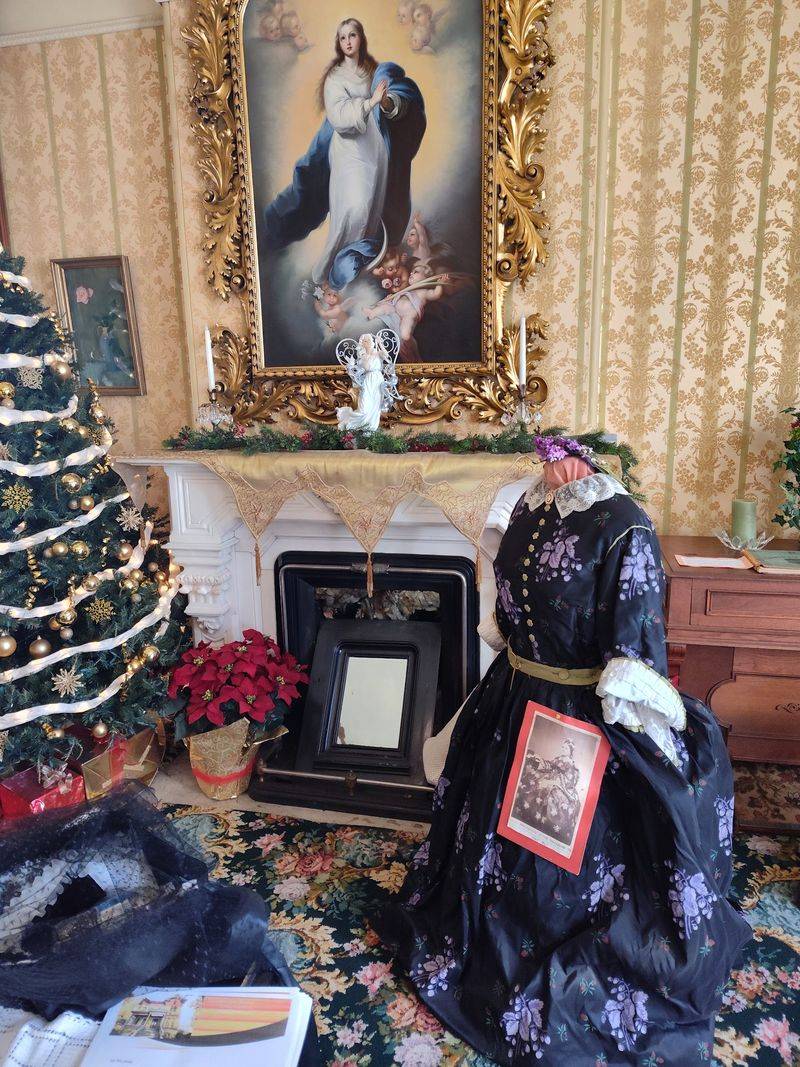
Cold weather gives some house museums an uphill battle, but the Grosvenor House seems to gain extra character during the holidays. Christmas tours and events come up often in public feedback, and the details are vivid: decorations from basement to attic, live music, and rooms that already carry Victorian richness dressed for the season.
That pairing works especially well in a mansion of this style. Victorian architecture has natural holiday drama built into it, with staircases, parlors, fireplaces, and formal rooms that can hold wreaths, greenery, candles, ribbons, and trees without feeling crowded.
Seasonal decorating helps visitors picture how a house like this may have once served as a social center during winter gatherings.
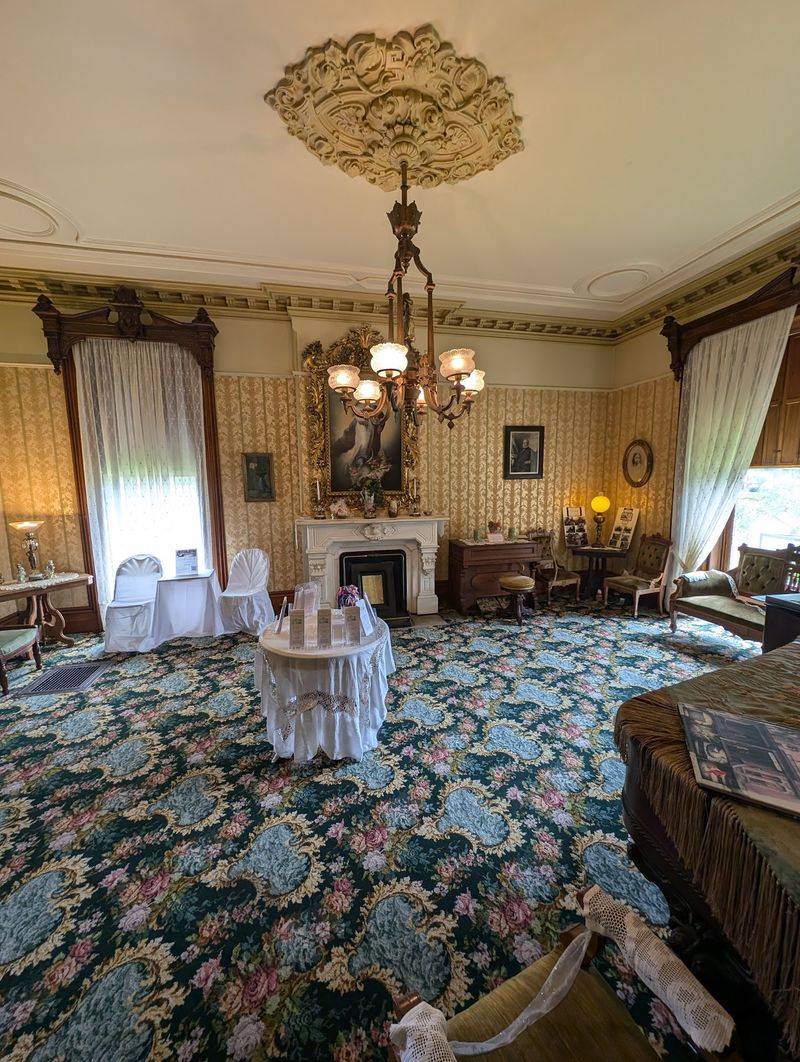
Music adds another layer. A piano in the parlor is not just decorative when it is actually played.
Once carols or live performances enter the space, the room shifts from museum display to lived environment. That kind of sensory detail can help younger visitors connect to history faster than a wall label can.
The holiday setting also makes the scale of the house easier to appreciate. Decorations spread across multiple floors emphasize just how large the mansion is.
Instead of seeing one festive room and moving on, guests can trace how different spaces carry their own mood, from formal and sparkling to cozy and intimate.
Planning a winter visit can be a smart choice for readers who want a little extra energy in the experience. Seasonal programs often bring community involvement, and that fits the house well because it has long served as a place where local history is shared, not hidden away.
At Christmas, the Grosvenor House does not lose its museum purpose. It simply gains color, sound, and a stronger sense of occasion.
How to Plan the Visit Without Guesswork
Here is the practical part many travelers need to know before making the drive. The Grosvenor House Museum is not always open in the same drop-in way as a large city museum, and multiple public comments note that appointments may be needed.
Knowing that ahead of time can save a disappointing stop.
That arrangement makes sense for a historic house run with care. Scheduled visits help staff or volunteers prepare tours, protect the building, and give guests a more personal experience.
In a museum where interpretation matters so much, an appointment can actually improve the visit rather than limit it.
Location is a plus. The museum sits right in Jonesville, making it easy to pair with a short drive through town and a look at nearby historic streets.
Parking has also been described as easy, which removes one of the small but common frictions that can sour a day trip.
Another useful detail is cost. The museum has been described as donation based, which can make the house more accessible to families while also supporting restoration and preservation work.
In a place where the building itself is the collection, those donations matter in visible ways, from maintenance to ongoing care for rooms and objects.
The best strategy is straightforward: plan before going, confirm the tour time, and give yourself enough room in the day to move slowly through the house. If there is a holiday event or special program, expect a different atmosphere than a standard tour and choose according to your interests.
For readers who enjoy architecture, local history, or teaching kids that museums can be lively, Grosvenor House rewards a little preparation with a much richer visit.
Why This House Stands Out Long After the Tour
Plenty of historic homes are attractive. Fewer manage to combine scale, preserved detail, local meaning, and a strong touring experience the way Grosvenor House does.
That combination is the real reason the mansion stands apart, not one single room or one flashy feature, though eight marble fireplaces certainly help.
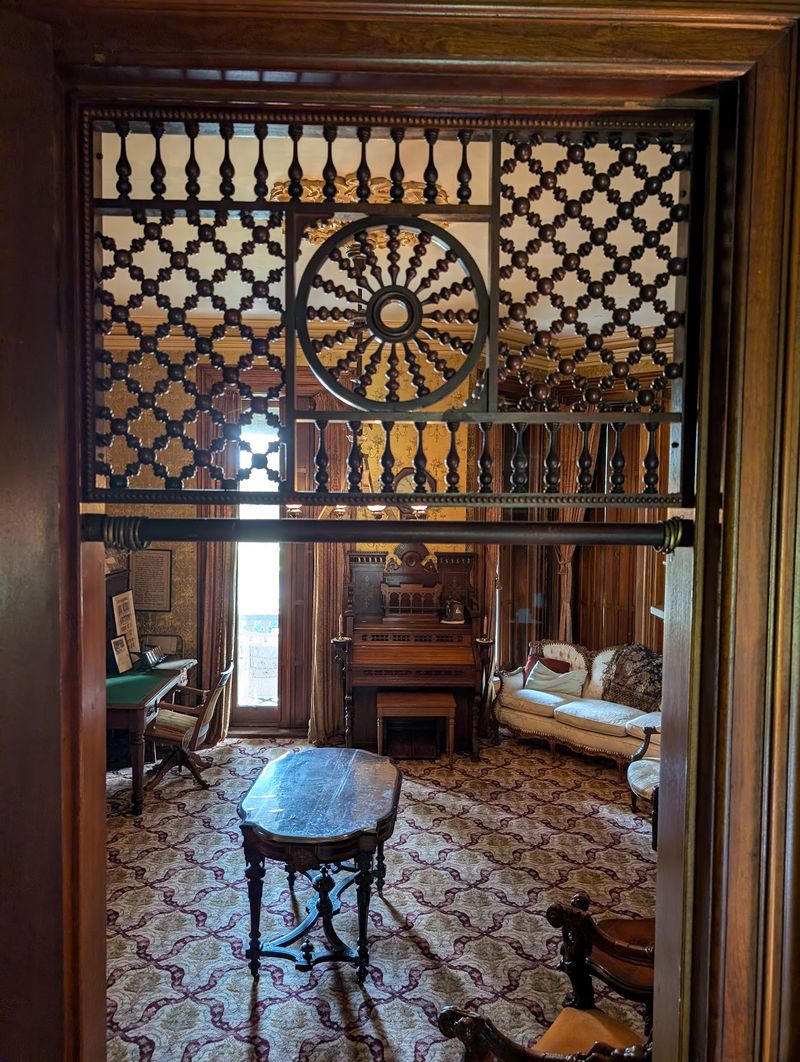
The house offers visual reward first. Tall rooms, antique furnishings, woodwork, and marble details make it easy to appreciate even before deeper history enters the picture.
Then the visit expands. The architecture leads into stories about the Grosvenor family, Jonesville, and the kind of prosperity and ambition that shaped a nineteenth-century Michigan town.
What gives the museum extra weight is its sense of continuity. This is not a random collection dropped into an old shell.
Reviews suggest a place that remains carefully interpreted, passionately maintained, and still woven into community life through tours, holiday events, and educational visits. That active use keeps the mansion from turning static.
It also works well for different kinds of travelers. Architecture fans can focus on craftsmanship and layout.
History readers can follow family and town connections. Families with children can use the house as a visual lesson in how people once lived, heated rooms, entertained guests, and organized a very large household.
If the title promises a hidden Michigan Victorian mansion with eight marble fireplaces and a remarkable history, the Grosvenor House Museum earns that description through specifics. The fireplaces are real, the rooms are many, the history is grounded in place, and the setting still carries dignity.
In a small town where some drivers may expect very little, this mansion quietly delivers one of the most layered historic house experiences in southern Michigan.
Share this story