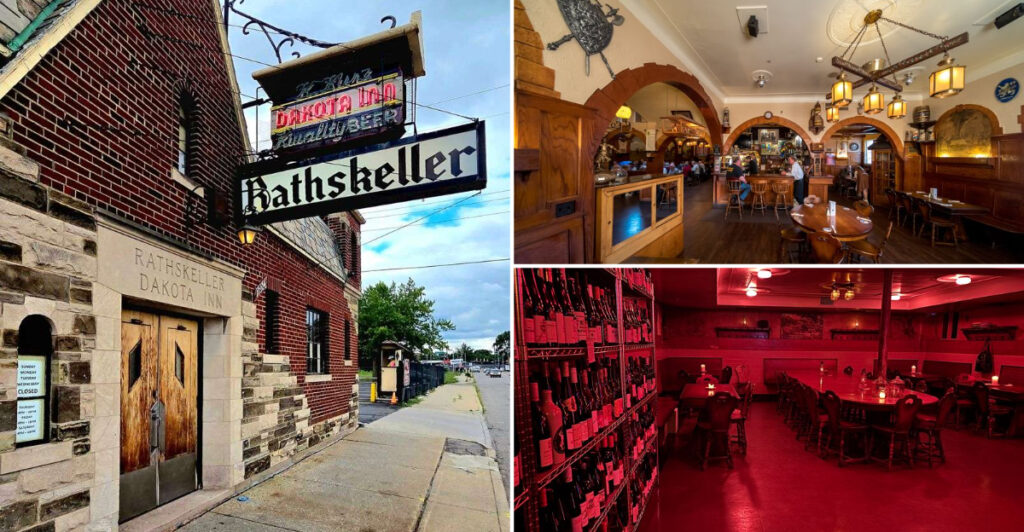
Dinner feels more like an occasion when the building has as much personality as the menu. In Detroit, Michigan, Dakota Inn has been part of the city since 1933, bringing old-school Bavarian character, German food, live music, and a multi-level setting that feels far from an ordinary night out.
The charm comes from more than what is on the plate, with each room adding another layer to the restaurant’s long local story. It is lively, nostalgic, and full of details that make guests want to look around before they even order.
For anyone looking for a Detroit dining stop with history, music, and unmistakable character, Dakota Inn deserves a closer look.
A lodge-like room that grabs your attention fast
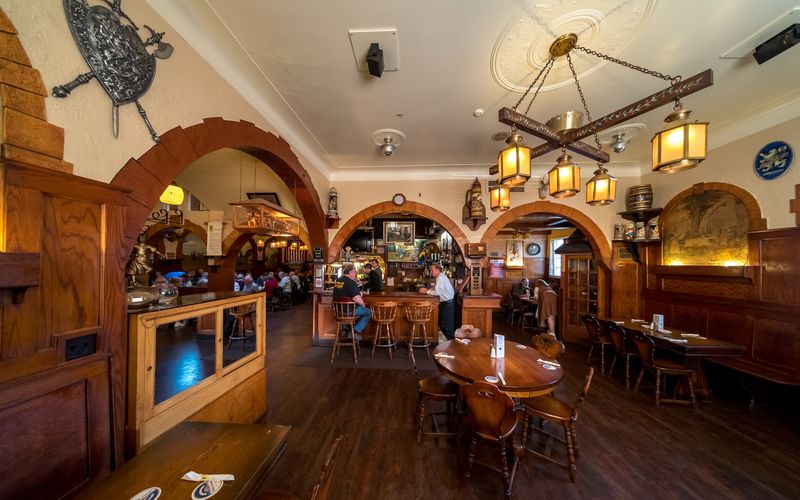
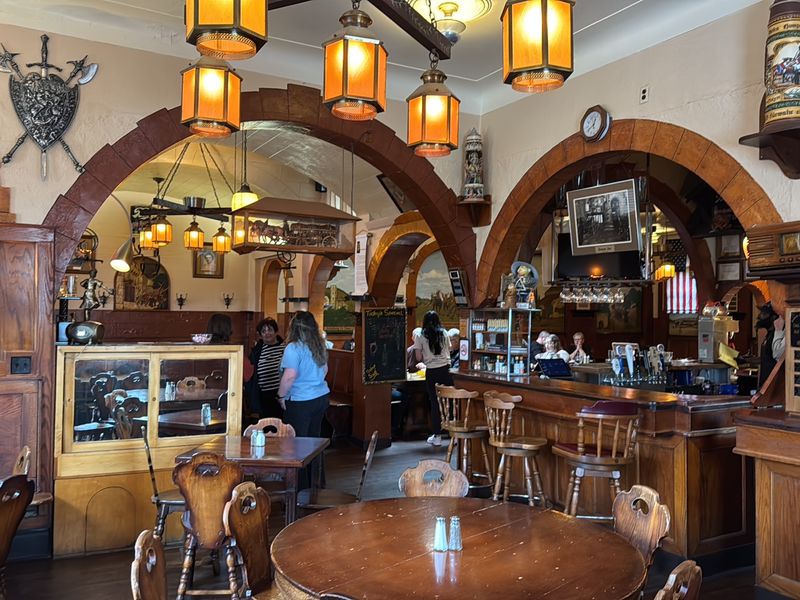
Walk through the doors at Dakota Inn and the room sets the tone right away. Dark wood, carved details, and old-world touches give the place the look of a Bavarian lodge instead of a standard city restaurant.
It is the kind of setting that makes people slow down, look around, and notice the walls before they even open the menu.
The visual style matters because Dakota Inn is not trying to feel polished in a new, glossy way. Its charm comes from age, texture, and the sense that many nights of music and meals have passed through the same space.
That history shows up in the woody pub look, the close seating, and the way the room seems built for conversation, laughter, and full tables.
Lighting plays a big role too. A softer glow works with the darker interior to create a warm, enclosed feeling that suits the restaurant’s long-running identity.
During a lively night, that same room can shift from cozy to energetic in a hurry, especially when music starts and the crowd joins in.
Anyone planning a first visit should give a few minutes to simply taking in the main floor before focusing on the meal. The place has enough visual personality that it becomes part of the experience, not just the backdrop.
For readers who enjoy historic restaurants, Dakota Inn stands out because the room itself helps explain why the business has lasted so long.
Nothing about the main space seems designed for a rushed stop. It invites a longer evening, one where dinner, drinks, and entertainment all share the stage.
That strong visual identity is the first clue that Dakota Inn is operating on its own rhythm in Detroit.
Three levels, three moods, one Detroit classic
One of the most unusual things about Dakota Inn is how the building changes as you move through it. Instead of offering a single dining room and calling it a night, the restaurant has a layered layout that gives different parts of the visit their own personality.
That three-level setup adds surprise, especially for anyone expecting only a traditional German dining room.
The main level is where the classic action happens. Food, drinks, music, and sing-alongs all come together there, and it functions as the social heart of the restaurant.
Tables and bar seating keep the room active, so even a simple dinner can quickly turn into a louder, more festive evening.
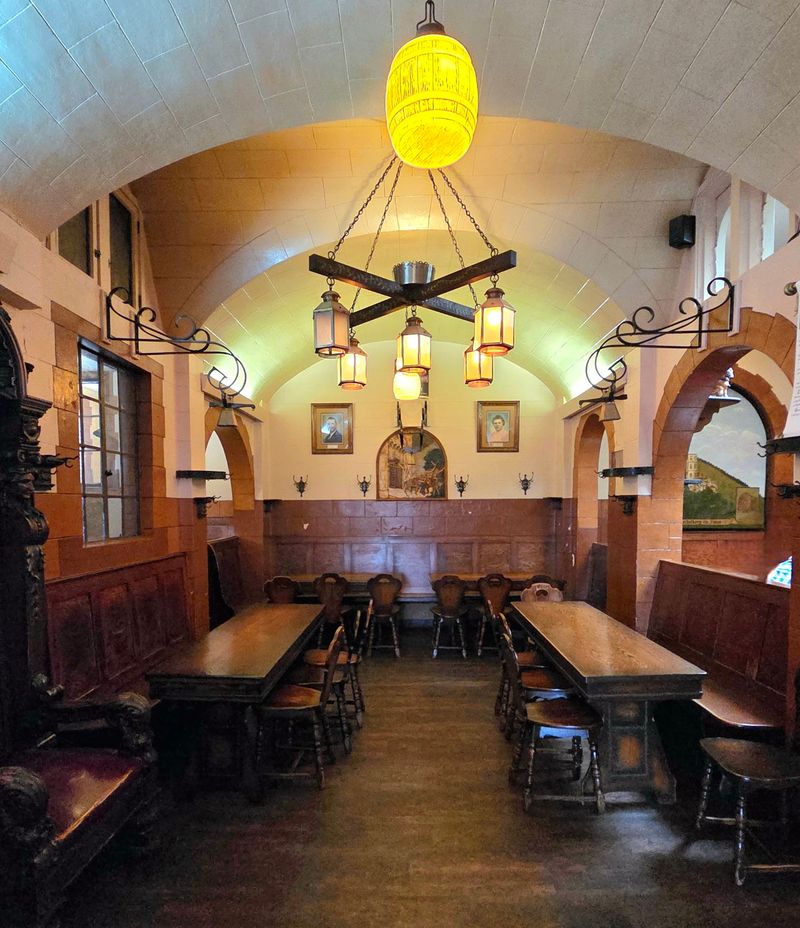
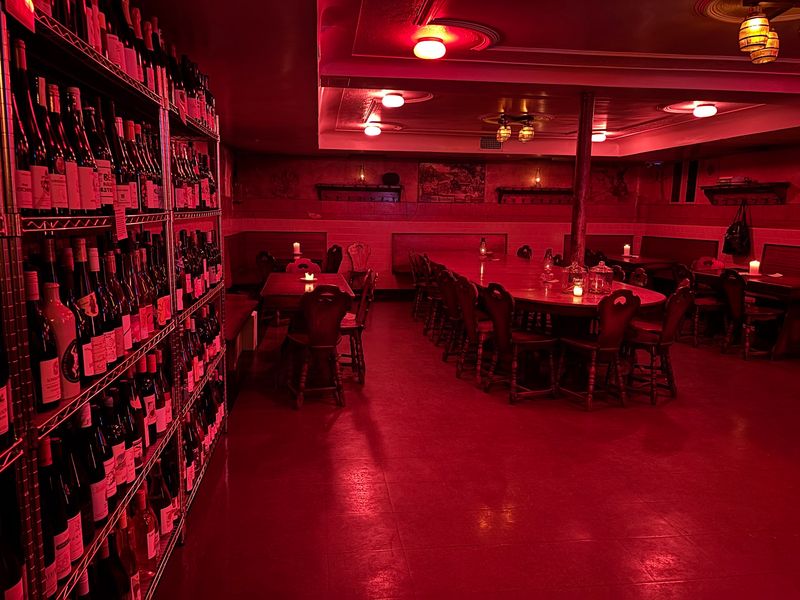
Head downstairs and the tone shifts. The lower level Rathskeller has been noted for wine, beer, and bottles to take home, giving the basement a different purpose from the busy main room above.
It offers a more tucked-away corner of the building and helps show that Dakota Inn is not locked into one type of experience.
Upper areas add another piece to the picture. Guests have described upstairs spaces that hold onto the older character of the place, which strengthens the sense that the restaurant has grown in layers over time instead of being rebuilt into something generic.
That matters in a city where survival over decades says a lot.
For readers looking for a restaurant with movement and variety, this layout is a big reason Dakota Inn stands out. Each level gives the night a different pace, and that keeps the visit from feeling flat.
Rather than one room doing everything, the building spreads the experience out across multiple spaces, making the historic setting part of the attraction.
The piano does not stay in the background
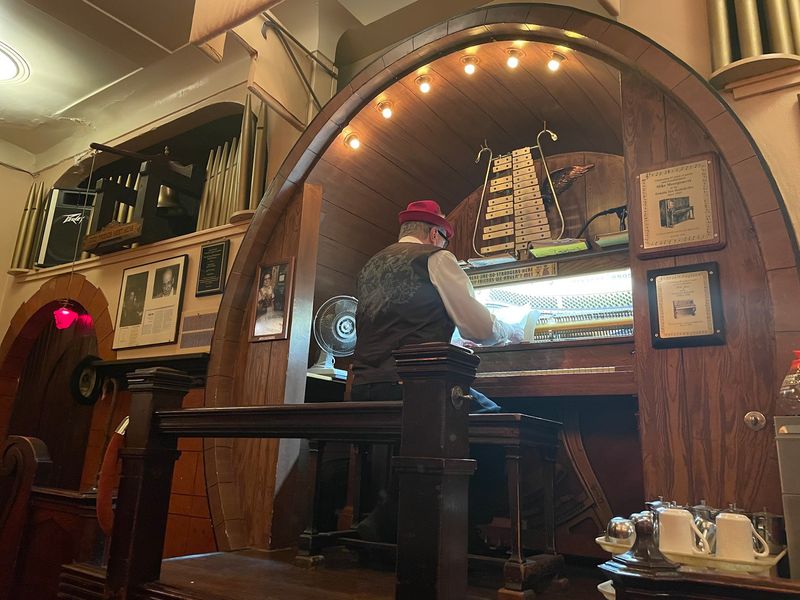
At many restaurants, music stays tucked behind the meal. Dakota Inn flips that idea and puts live piano right near the center of the action, especially on busy nights when the room gets louder and more playful.
The result is a dinner spot that behaves a lot more like an old-fashioned social hall than a quiet place for hushed conversation.
The sing-along tradition is one of the clearest reasons Dakota Inn has its own identity. German tunes may appear, but the song list can stretch wider, creating a mix that feels communal rather than formal.
When a room full of diners joins in, the meal becomes shared entertainment instead of separate tables eating side by side.
That setup also changes who will enjoy the place most. A group celebrating a birthday or meeting friends for a fun night out may love the volume and energy.
Someone hoping for a very calm dinner should plan carefully, because the same musical spirit that gives the restaurant its reputation can make the room quite loud.
Families or first-time visitors can get more from the experience by arriving with the right expectations. Think of the piano as part of the main course, not a side detail.
If conversation is the goal, earlier hours may feel easier. If the goal is to soak up the full house style, a busier evening makes more sense.
Few restaurants can point to music as a defining structural feature of the night, yet Dakota Inn can. The piano is not only decoration, and it is not treated like a special event added now and then.
It helps shape the pace of the room, the sound of the meal, and the way strangers at nearby tables become part of the same scene for an evening.
German comfort food still anchors the whole experience
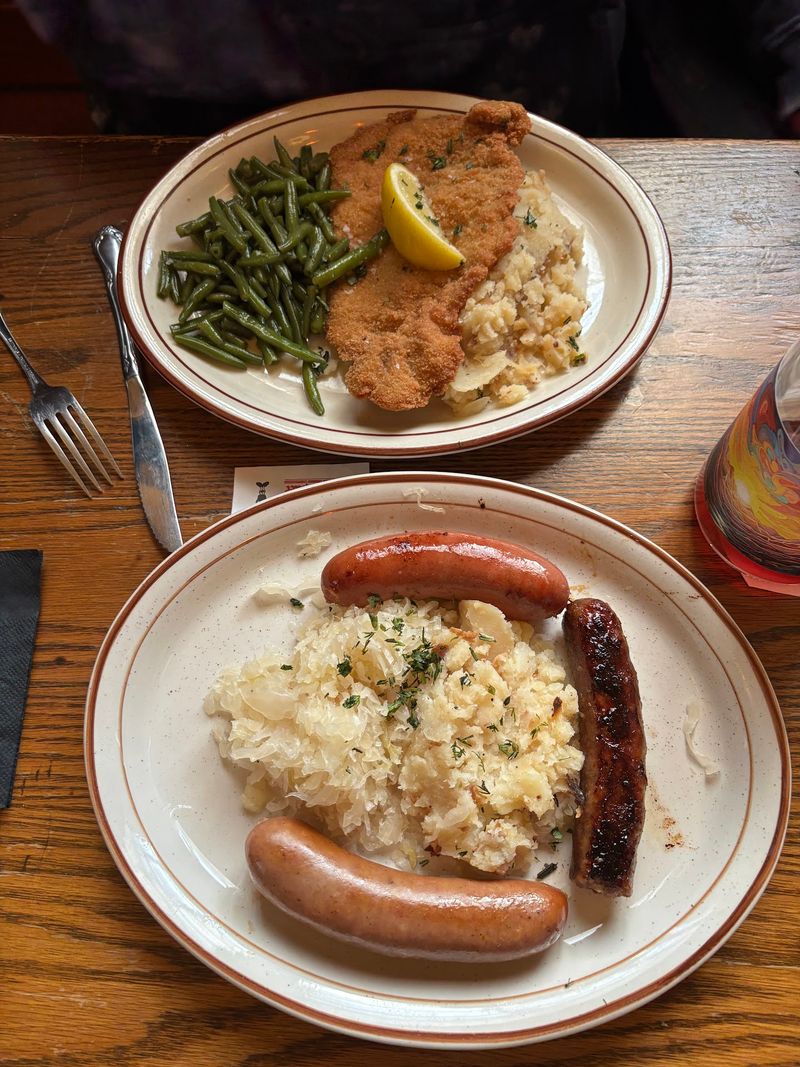
Even with all the music and history, food still has to carry its share of the evening at Dakota Inn. The menu centers on German restaurant staples and hearty plates that fit the building’s old Bavarian character.
Dishes like schnitzel, pretzels, red cabbage, spaetzle, cucumber salad, pork chops, and apple strudel show up again and again as part of the restaurant’s identity.
The style here leans toward comfort and tradition rather than fancy presentation. A big pretzel with cheese works well as a table starter because it matches the social nature of the room.
Schnitzel, especially with mushroom gravy, is one of the better-known choices for diners who want the classic route, while sides like red cabbage and potato pancakes bring in the sweet-savory balance many people expect from German fare.
Because experiences can vary, the smartest plan is to order the items most tied to the restaurant’s long-running reputation. Going with signature German dishes makes more sense than treating the menu like a random pub list.
Sharing a starter and dessert can also help a first visit feel broader, especially for groups trying to sample the kitchen’s better-known flavors.
Another useful point is pacing. This is not the kind of place where everyone needs to rush through a single entree and leave.
The menu works best when it supports a longer evening with drinks, music, and table conversation between bites. Rich food and live entertainment make a natural pairing in a room built for lingering.
Dakota Inn’s food matters most when it is understood as part of a whole package. The kitchen provides the familiar, hearty base, while the building and music create the larger event around it.
That combination helps explain why diners return for more than one reason instead of focusing on one dish alone.
A Michigan landmark with roots going back to 1933
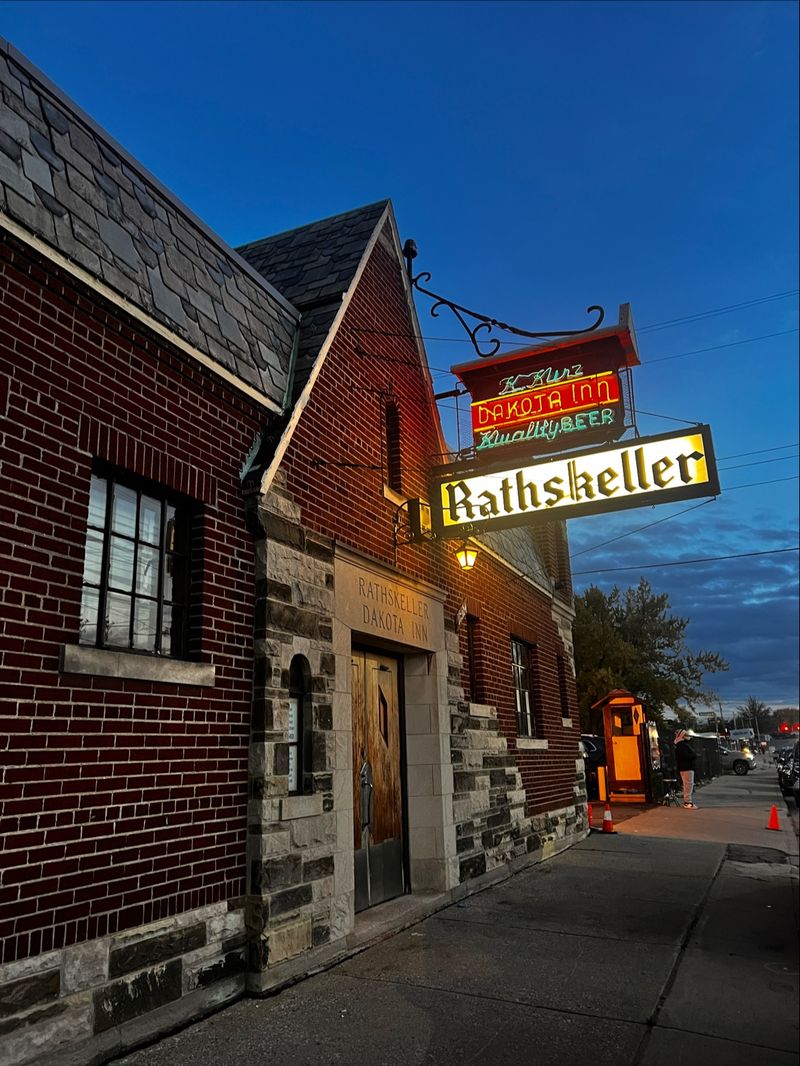
Plenty of restaurants use history as decoration, but Dakota Inn can point to a date that reaches back to 1933. A place does not remain part of a city for that long by accident.
Even before the first plate arrives, that timeline adds weight to the visit and frames the restaurant as a working piece of Detroit history rather than a themed copy of something older.
Its long life is especially notable because the building sits on John R Street in a part of Detroit that may surprise newcomers. The contrast between the outside setting and the long-running interior tradition is part of the story.
Once inside, the restaurant’s age reads less like a museum fact and more like a living habit that has been repeated over generations.
That historical depth matters in practical ways. It explains the strong attachment many Detroit-area diners have to the place, why holiday visits and celebrations keep showing up in its story, and why preserving old details seems important to regulars.
Restaurants that last this long often become markers of family routine, neighborhood memory, and city identity all at once.
At the same time, age should not be treated like a free pass. A historic restaurant still has to serve, host, and maintain itself in the present.
Dakota Inn’s staying power is most interesting when viewed as a mix of old traditions, continued upkeep, and the ability to make room for both longtime followers and curious first-timers.
For travelers and locals alike, the 1933 date gives the meal a deeper frame. Dinner becomes tied to a larger Detroit timeline that includes change, survival, and adaptation.
That sense of continuity is one reason Dakota Inn stands apart from newer spots that may look polished but cannot offer nearly the same historical reach.
The basement Rathskeller adds a second act
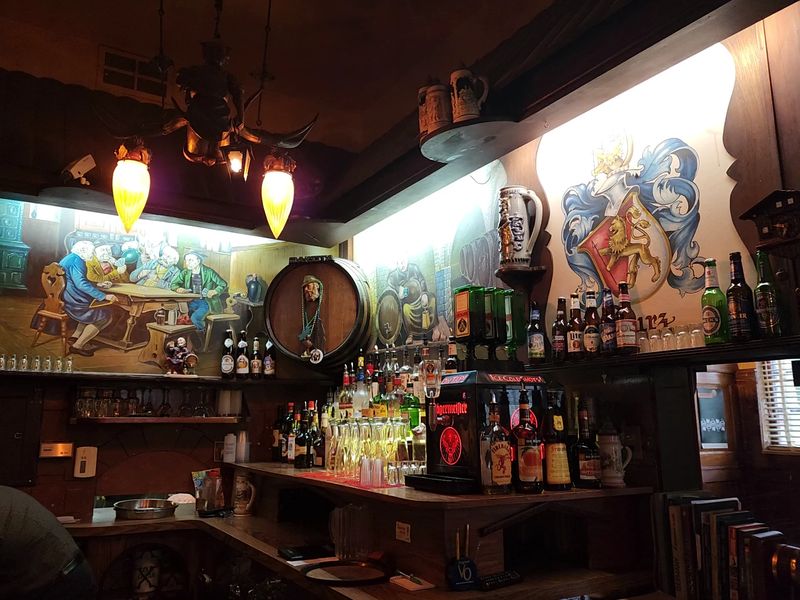
Just when the main dining room seems to have shown its full hand, Dakota Inn offers another layer below. The basement Rathskeller gives the restaurant a second act, one that shifts the experience away from sing-along energy and toward browsing, sipping, and exploring bottles.
That lower level helps explain why the building leaves a bigger impression than a single-room pub.
The word Rathskeller carries old German tavern associations, and the basement here leans into that mood. Reviews describe a selection of wines and beers, along with bottles available to take home.
Some mentions highlight German choices along with labels from places such as Austria, Alsace, and Hungary, which broadens the cellar’s appeal beyond one narrow category.
For visitors, this space changes how a night can unfold. Dinner upstairs can lead into a slower stop downstairs, or the lower level can become a place to browse before heading out.
That movement adds shape to the evening and makes the visit feel less like a single transaction and more like time spent inside a layered property.
It also gives different kinds of diners something to enjoy. Not everyone comes for piano songs or a packed room, but many people enjoy discovering a tucked-away bar space with a distinct identity.
A restaurant that offers both lively communal dining and a cellar-style beverage stop can satisfy a wider range of moods without losing its character.
If there is one practical takeaway, it is simple: do not assume the main floor tells the whole story. Ask whether the basement is open and leave time to see it.
At Dakota Inn, the lower level is not an afterthought. It expands the restaurant’s personality and gives the historic building a richer sense of depth, one staircase at a time.
How to plan the right night at Dakota Inn
A little planning goes a long way at Dakota Inn because the best visit depends on matching the restaurant’s style to the kind of night you want. The listed hours are limited, with service centered on Wednesday through Saturday, and evening hours dominate most of the week.
That alone tells readers this is more of an occasion spot than an everyday drop-in dinner place.
Timing matters for noise and energy. Busier nights, especially late-week service, are more likely to deliver the full sing-along atmosphere the restaurant is known for.
Earlier arrivals can help with seating, easier conversation, and a gentler start before the room builds volume. For people sensitive to loud music, that choice can shape the whole experience.
Reservations are wise when planning for weekends, birthdays, holidays, or larger groups. Dakota Inn works especially well for gatherings because the menu, music, and seating style support a social meal.
At the same time, couples who want a quieter date may want to choose a slower night or an earlier dinner rather than peak sing-along hours.
Parking deserves a quick note too. A fenced lot and security presence have been mentioned, which can make arrival simpler than guessing about surrounding streets.
That practical detail removes some uncertainty and lets first-time visitors focus on the restaurant itself instead of logistics once they pull up.
The clearest strategy is to decide what kind of evening you want before you go. Pick Dakota Inn for a spirited group dinner, a birthday, or a night when music is part of the plan, and the place makes immediate sense.
Treat it like a silent fine-dining room, and the fit may not be ideal. The restaurant rewards visitors who lean into its schedule, sound level, and celebratory pace.
Why Dakota Inn still stands apart in Detroit
Some restaurants are known for one thing only. Dakota Inn stands apart because several strong features overlap at once: a 1933 origin, Bavarian styling, a multi-level layout, German comfort food, and live piano sing-alongs that can turn dinner into a full event.
None of those pieces alone would make the place so distinctive, but together they create a rare mix in Detroit.
The building is a major reason the restaurant has lasting pull. It offers visual character without looking staged for social media, and it gives each part of the night a physical setting that supports it.
The main room suits music and groups, the lower-level Rathskeller opens up beverage exploration, and the overall structure keeps the visit moving instead of flattening into one scene.
Just as important, Dakota Inn does not try to be all things to all people. It is lively, rooted in tradition, and comfortable being a little loud when the piano gets going.
That clear identity helps readers know whether the place fits their plans. In a dining landscape full of interchangeable interiors, that honesty is a strength.
There is also a deeper local angle. A restaurant that has lasted through so many decades becomes part of how a city remembers itself.
Dakota Inn offers a way to experience Detroit not through trend-chasing novelty, but through continuity, ritual, and a style of hospitality built around staying power.
For anyone choosing one historic dining adventure in this part of Michigan, Dakota Inn makes a strong case. It is not only about ordering schnitzel or hearing a song request.
The real draw is stepping into a place where architecture, tradition, food, and entertainment still work together under one roof, and where a night out can unfold across more than one level of history.
Share this story