Tennessee holds centuries of American stories, from ancient Indigenous settlements to Civil War battlefields and secret atomic research. Walking through these sites feels different than reading about them in a textbook because you’re standing exactly where history happened.
Best of all, the state offers dozens of museums, parks, and historic sites that won’t cost you a dime to explore, making it easy for families, students, and curious travelers to connect with the past without breaking the bank.
1. West Tennessee Delta Heritage Center, Brownsville
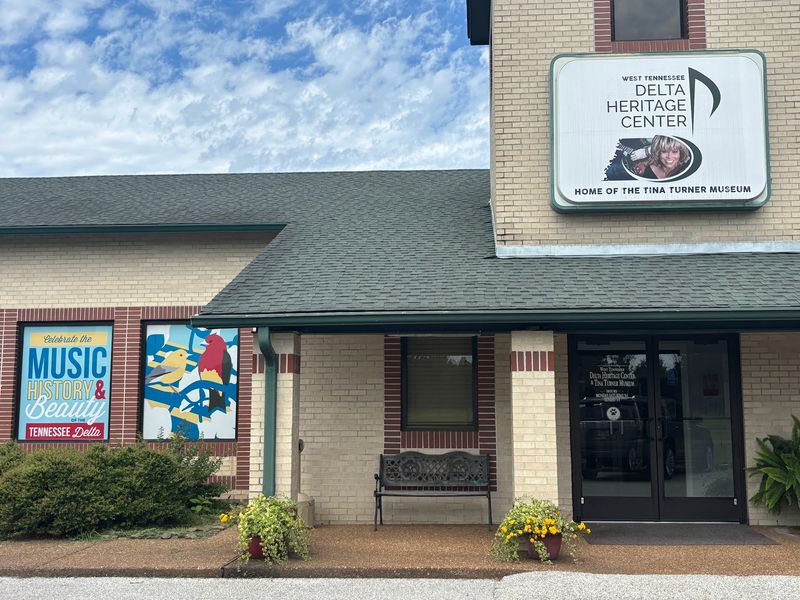
Cotton fields, blues music, and the Queen of Rock ‘n’ Roll all come together at this cultural gem in Brownsville. The West Tennessee Delta Heritage Center tells the story of how agriculture, music, and determination shaped this corner of the state.
Self-guided visits mean you can wander at your own pace without paying admission.
The exhibits cover cotton’s massive influence on the region’s economy and daily life, showing how the crop transformed landscapes and communities. You’ll see farming equipment, photographs, and personal stories that bring the Delta’s agricultural past into focus.
It’s not just about economics though, the center also explores how this environment gave birth to a distinct musical tradition.
Blues heritage gets serious attention here, with displays tracing how field songs and church music evolved into one of America’s most influential art forms. The connection between hard work, spirituality, and creative expression becomes clear as you move through the galleries.
You’ll understand why this region produced so many legendary musicians.
Tina Turner’s story adds another layer, showing how a local girl from Nutbush became an international superstar. Her journey reflects both the challenges and possibilities that defined life in rural West Tennessee during the mid-20th century.
The center doesn’t shy away from difficult topics but presents them honestly.
What makes this attraction especially valuable is how it weaves together threads that might seem separate at first. Agriculture, music, civil rights, and personal ambition all intersect here in ways that help you understand the Delta as a complete cultural landscape.
Spending an hour or two here gives you context for understanding West Tennessee that goes way beyond surface-level tourism, and you’ll leave with genuine appreciation for the region’s complex heritage.
2. Shiloh National Military Park, Shiloh
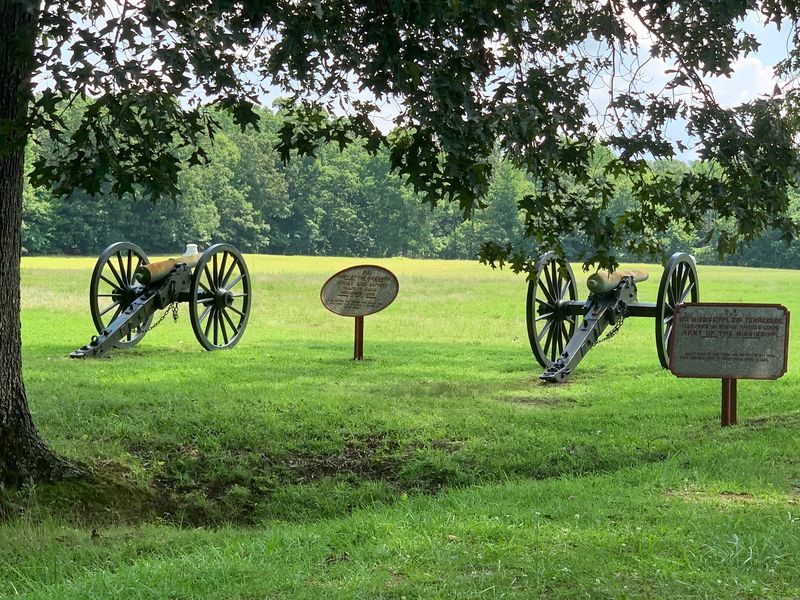
April 1862 brought unimaginable violence to this quiet corner of southwest Tennessee when more than 100,000 soldiers clashed in one of the Civil War’s bloodiest early battles. Walking Shiloh’s grounds today, you can still trace the movements of Union and Confederate forces across fields and wooded ridges.
The park preserves the battlefield exactly so visitors can understand what happened here.
More than 23,000 casualties fell during two days of fighting, a staggering number that shocked both North and South. The battle proved this war wouldn’t end quickly or easily, changing how both sides approached the conflict.
Monuments, cannons, and markers dot the landscape, each one telling part of the larger story.
The visitor center offers orientation through exhibits and a film that sets the stage before you explore outside. Rangers provide talks and can answer questions about specific units, tactics, or individuals who fought here.
Their knowledge helps transform the peaceful modern landscape back into the chaotic battlefield it once was.
Driving or biking the tour route takes you past key positions like the Hornet’s Nest, where Union soldiers held out for hours against repeated Confederate attacks. You’ll see Bloody Pond, where wounded men from both armies crawled to drink, turning the water red.
Each stop adds another layer to your understanding of the battle’s terrible progression.
The national cemetery holds thousands of Union dead, many in graves marked only as “unknown.” Standing among the white headstones brings home the human cost in a way statistics never can. Shiloh doesn’t glorify war but instead preserves an honest record of what happened when the nation tore itself apart, making it essential for anyone trying to understand American history.
3. Fort Pillow State Historic Park, Henning
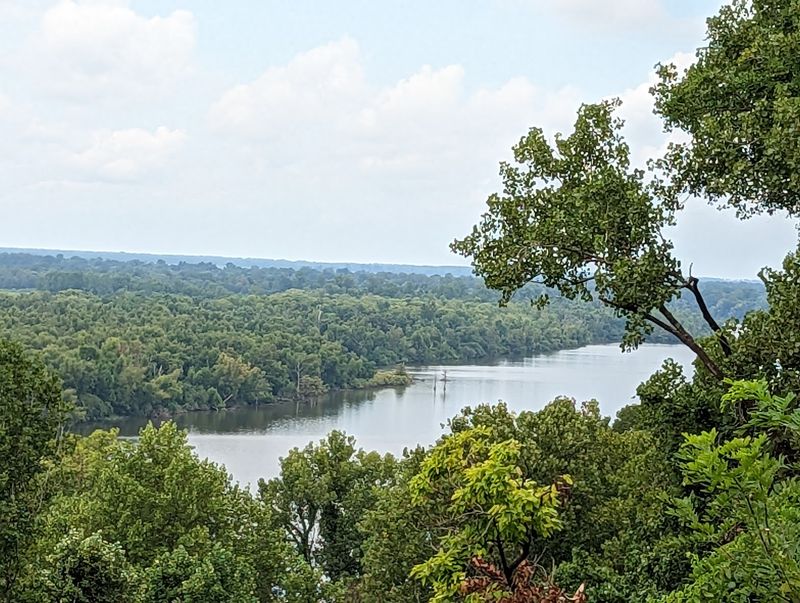
Perched on bluffs overlooking the Mississippi River, Fort Pillow witnessed one of the Civil War’s most controversial and tragic events. Confederate forces under Nathan Bedford Forrest attacked the Union-held fort in April 1864, and what happened next remains debated by historians.
The site combines preserved earthworks with a museum that doesn’t avoid difficult questions about the battle and its aftermath.
The fort’s strategic location made it valuable for controlling river traffic, which is why both sides fought over it. You can walk the remaining earthen walls and imagine how soldiers used the high ground to their advantage.
The Mississippi rolls past below, just as it did when gunboats and transport ships were crucial to military operations.
What sets Fort Pillow apart is the controversy surrounding the battle’s end. Union troops, including Black soldiers and their white officers, suffered extremely high casualties after the fort fell.
Evidence suggests many were killed after surrendering, leading to Congressional investigations and heated accusations. The museum presents multiple perspectives and primary sources so visitors can examine the evidence themselves.
This approach makes Fort Pillow more than just another battlefield site. It becomes a place to grapple with questions about race, military conduct, and how we remember painful history.
The exhibits don’t tell you what to think but provide enough information to form educated opinions.
Beyond the Civil War focus, the park offers hiking trails and natural beauty that make it pleasant to explore even if you’re not a hardcore history buff. The combination of preserved fortifications, thoughtful interpretation, and honest engagement with difficult topics makes this a particularly valuable free attraction.
You’ll leave thinking about history in more complex ways than when you arrived.
4. Dunbar Cave State Park, Clarksville
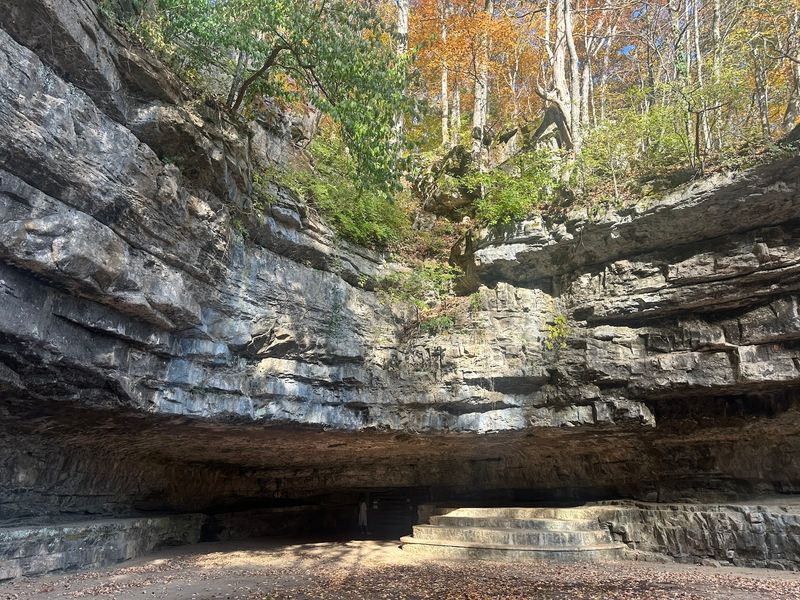
A limestone cave near Clarksville holds way more history than most people expect. Archaeological evidence shows humans used Dunbar Cave for at least 10,000 years, making it one of Tennessee’s most significant prehistoric sites.
Later it became a country music venue where Roy Acuff performed regularly, adding 20th-century cultural history to ancient human occupation.
The cave itself stretches more than eight miles underground, though most remains unexplored by casual visitors. What makes it special isn’t just size but the layers of human activity preserved inside.
Native peoples left behind artifacts, artwork, and other traces of their presence spanning millennia.
During the 1930s and 1940s, the cave entrance was developed as a commercial attraction and dance hall. Big bands played here, and the natural acoustics made it popular for performances.
Roy Acuff, the “King of Country Music,” bought the property and turned it into a country music showcase that drew crowds from across the region.
Today you can explore the park’s trails and grounds completely free, learning about both the natural and cultural history through interpretive signs. The cave’s entrance area is accessible without a fee, though guided tours deeper inside do cost money.
Even without paying for the full cave tour, you’ll gain appreciation for how this single site connects prehistoric archaeology, natural geology, and mid-century entertainment history.
The park also offers a nice escape into nature with a lake, trails, and wildlife viewing opportunities. But knowing the deep history beneath your feet adds extra meaning to a simple walk through the woods.
Few places in Tennessee pack so many different historical periods into one location, and the fact that you can access most of it free makes Dunbar Cave an exceptional educational resource.
5. Tennessee State Museum, Nashville
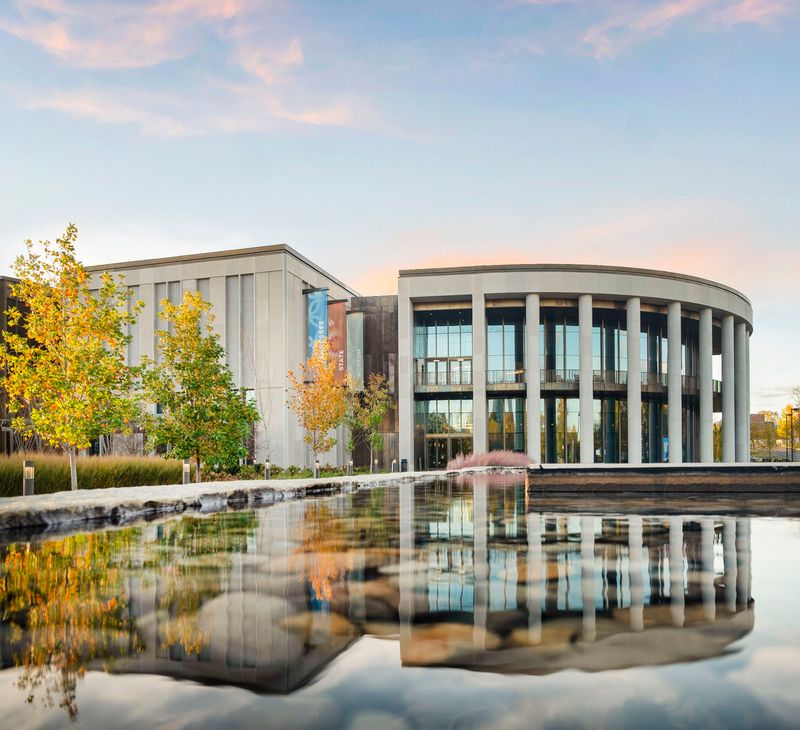
Right in downtown Nashville sits a massive museum covering Tennessee history from prehistoric times through the 20th century, and general admission costs absolutely nothing. The Tennessee State Museum moved into its current building in 2018, giving the collection a modern, spacious home that makes exploring the state’s past genuinely enjoyable.
You could easily spend half a day here without seeing everything.
The exhibits start deep in the past with the first peoples who lived in what’s now Tennessee, showing tools, pottery, and evidence of sophisticated societies that existed long before European contact. From there you’ll move through frontier settlement, statehood, and the complex relationships between different groups trying to build lives in the same territory.
The museum doesn’t sugarcoat difficult topics like forced removal of Native peoples or slavery’s central role in the state’s economy.
Civil War coverage is extensive, as you’d expect in Tennessee, which saw more battles than any state except Virginia. Uniforms, weapons, personal letters, and battlefield artifacts help tell individual stories within the larger conflict.
You’ll learn about divided loyalties, occupation, guerrilla warfare, and how ordinary Tennesseans experienced the war’s chaos.
The 20th-century galleries cover industrialization, both World Wars, the Civil Rights movement, and Tennessee’s massive cultural contributions to American music. Seeing a genuine Elvis jumpsuit or learning about the state’s role in developing atomic weapons adds tangible connections to history you might have only read about.
Temporary exhibits rotate regularly, giving repeat visitors new reasons to return.
What makes the Tennessee State Museum such a perfect fit for this list is the combination of quality, breadth, and accessibility. World-class collections and professional presentation rival museums that charge $20 or more per person.
The fact that Tennessee offers this resource completely free shows real commitment to public education and making history available to everyone regardless of income.
6. Stones River National Battlefield, Murfreesboro
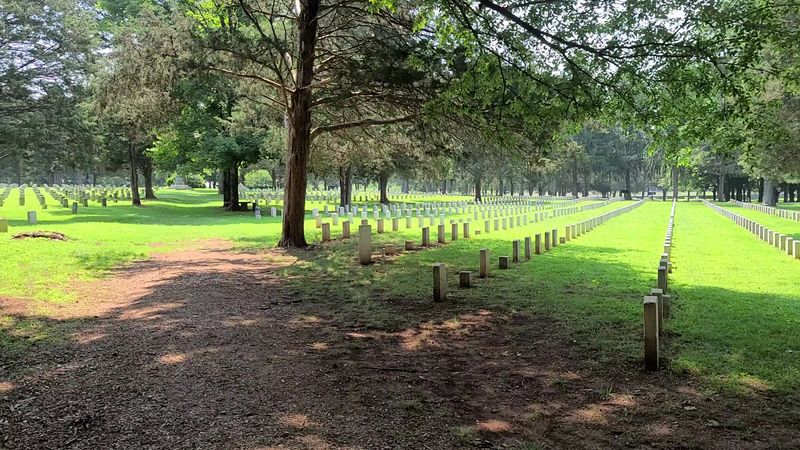
Winter 1862-63 brought brutal fighting to the fields around Murfreesboro as Union and Confederate armies clashed in a battle that would influence the war’s direction. Stones River National Battlefield preserves the site where roughly 81,000 soldiers fought for three days, resulting in nearly 24,000 casualties.
The entire park is free to explore, offering trails, exhibits, and a national cemetery that help visitors understand this pivotal engagement.
The battle’s timing mattered enormously because both sides desperately needed a victory after difficult months. When it ended, Union forces held the field, giving the North a much-needed morale boost.
The strategic outcome opened the way for later campaigns deeper into the Confederacy.
Walking the battlefield today, you can follow the action through well-marked trails and interpretive signs. The Hazen Brigade Monument, erected in 1863, is the oldest Civil War memorial still standing in its original location.
Seeing it reminds you that commemoration started even before the war ended, as survivors tried to honor fallen comrades.
The national cemetery contains thousands of Union soldiers, many identified but some marked only as “unknown.” Rows of white headstones create a powerful visual reminder of war’s human cost. The peaceful modern setting contrasts sharply with the violence that once consumed this ground.
Inside the visitor center, exhibits provide context through artifacts, maps, and personal accounts from soldiers on both sides. A film orientation helps first-time visitors understand the battle’s flow and significance.
Rangers offer programs and can answer detailed questions about specific units or tactics.
What makes Stones River particularly valuable is how it preserves not just the battlefield but also the cemetery and the story of how Americans remembered this conflict. You’re not just learning about military history but also about memory, commemoration, and how communities process traumatic events.
For a completely free attraction, it offers remarkable depth.
7. Moccasin Bend National Archeological District, Chattanooga
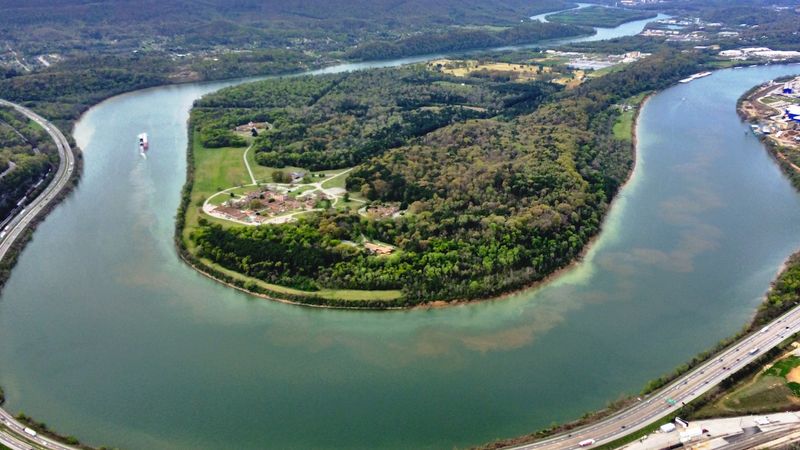
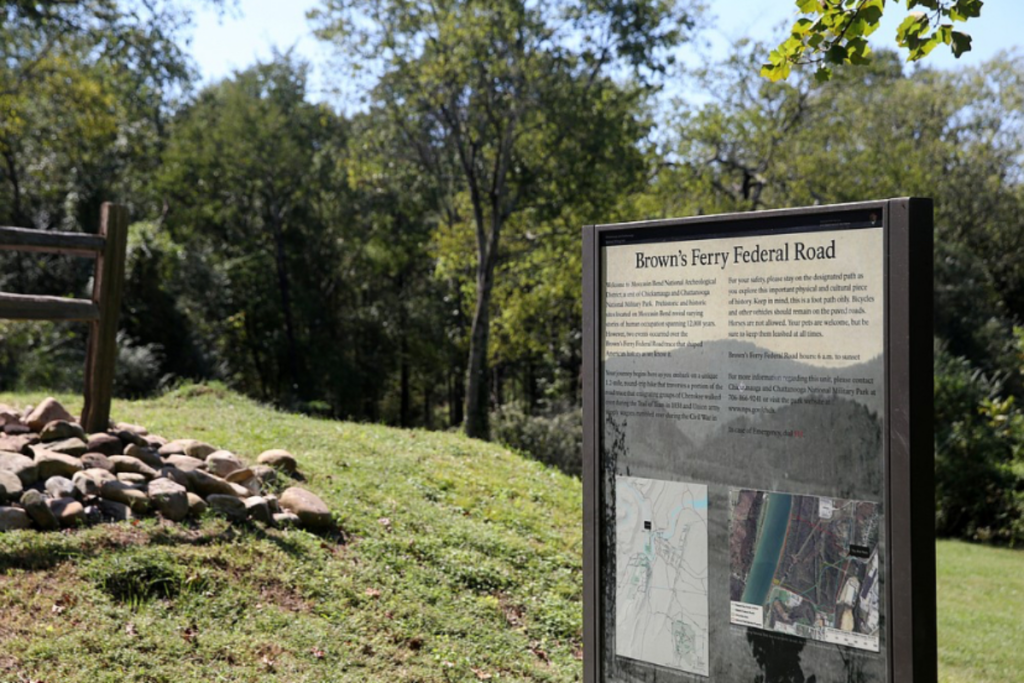
A dramatic bend in the Tennessee River near Chattanooga holds evidence of roughly 12,000 years of human habitation, making it one of the Southeast’s most significant archaeological sites. Moccasin Bend National Archeological District protects this landscape where countless generations lived, worked, and built communities.
As part of Chickamauga and Chattanooga National Military Park, it charges no entrance fee and offers a refreshing break from Civil War-focused sites.
The peninsula’s geography made it attractive to people for millennia. Rich soil, river access, and natural shelter created ideal conditions for settlement.
Archaeologists have identified evidence from Paleo-Indian periods through historic Cherokee occupation, showing continuous or repeated use across vast stretches of time.
Unlike museums where you view artifacts behind glass, Moccasin Bend lets you walk the actual landscape where people lived. Interpretive signs explain what archaeologists have found and what it reveals about past lifeways.
You’re standing on the same ground where children played, families gathered, and communities thrived thousands of years before European contact.
The site also includes Civil War history, as Union forces used the bend strategically during the Chattanooga Campaign. But the real treasure is the deep Indigenous history that predates the 1860s by millennia.
This dual timeline helps visitors understand that American history didn’t start with European arrival, a perspective often missing from historical sites.
Trails wind through the district, offering both natural beauty and historical context. You can hike, bike, or simply enjoy the river views while contemplating the countless human stories this land has witnessed.
The National Park Service continues working with archaeologists and tribal representatives to better understand and interpret the site.
Moccasin Bend proves that meaningful historical experiences don’t require elaborate buildings or expensive exhibits. Sometimes the most powerful lessons come from simply being in a place where history unfolded across thousands of years, and doing so without paying admission makes it accessible to everyone.
8. Andrew Johnson National Historic Site, Greeneville
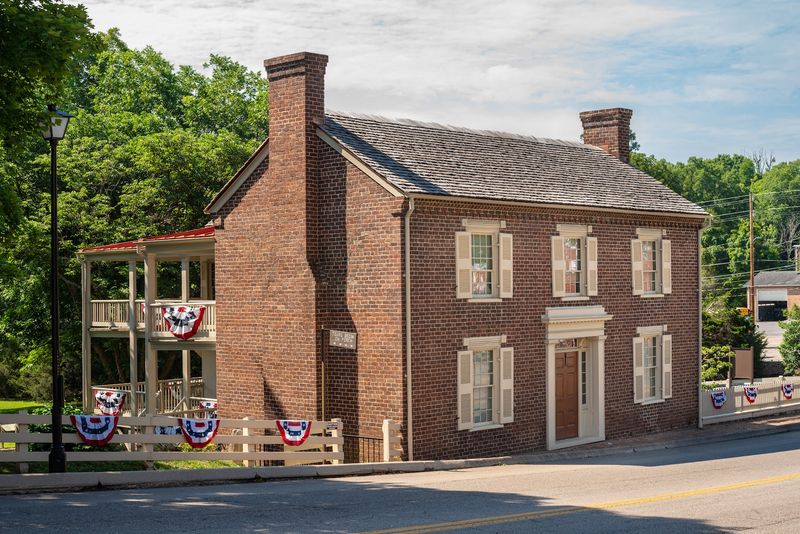
Greeneville preserves the complicated legacy of America’s 17th president, a tailor who rose to the nation’s highest office during its most turbulent period. Andrew Johnson National Historic Site includes his early home, homestead, tailor shop, and final resting place.
What makes it especially interesting is the focus on Reconstruction, that messy period after the Civil War when the nation tried to rebuild and redefine itself.
Johnson’s story starts humbly. He arrived in Greeneville as a young tailor and built a successful business while educating himself and entering politics.
The site preserves his tailor shop, giving visitors a tangible connection to his working-class origins. Seeing where he actually sewed clothes and discussed politics with customers makes his unlikely rise to the presidency more real.
His presidency, though, was marked by constant conflict with Congress over how to handle the defeated South. Johnson opposed many Reconstruction measures, clashing with Radical Republicans who wanted stronger protections for freed slaves.
This conflict led to his impeachment, making him the first president to face that constitutional crisis. The exhibits don’t shy away from these controversies but present them as important chapters in American democracy.
Ranger-led tours of the homestead are completely free, though you need to get tickets at the visitor center. Rangers provide context about Johnson’s political positions, family life, and the broader historical forces shaping his presidency.
Their presentations help visitors understand why Reconstruction debates still matter today.
The cemetery where Johnson is buried sits on a hill overlooking Greeneville. His monument reflects how he wanted to be remembered, wrapped symbolically in the Constitution and the flag.
Whether you agree with his politics or not, the site offers valuable lessons about presidential power, congressional oversight, and how the nation struggled to heal after civil war.
9. Cumberland Gap National Historical Park, Cumberland Gap
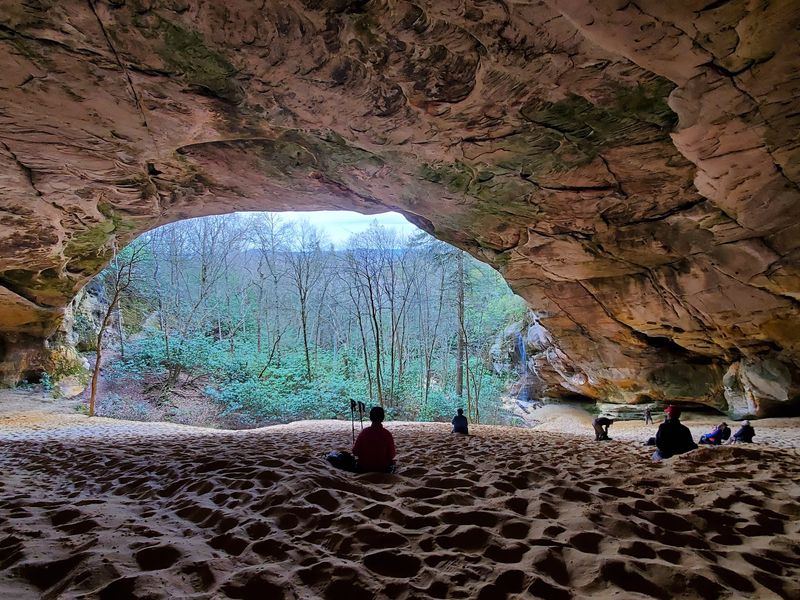
Where Kentucky, Virginia, and Tennessee meet, a natural pass through the Appalachian Mountains served as the gateway to western settlement for thousands of people. Cumberland Gap National Historical Park preserves this landscape where bison, Native peoples, and eventually European settlers all followed the same route through the mountains.
The entire park is free year-round, offering both frontier history and spectacular natural scenery.
The gap’s geology created the only easy passage through the mountains for miles in either direction. Animals instinctively used it, creating trails that Indigenous peoples followed for generations.
When European settlers started pushing westward, they naturally funneled through the same gap, making it one of early America’s most important routes.
Daniel Boone helped widen the Wilderness Road through the gap in 1775, opening Kentucky to large-scale settlement. Over the next decades, hundreds of thousands of people passed through, carrying everything they owned and hoping for better lives in the west.
The park preserves portions of the historic trail so you can literally walk in their footsteps.
Interpretive programs and exhibits explain how the gap functioned as both pathway and barrier. The same mountains that made passage difficult also protected communities on either side, creating distinct regional cultures.
During the Civil War, both armies recognized the gap’s strategic value and fought for control multiple times.
Hiking trails climb to overlooks where you can see three states at once and understand why this landscape channeled human movement for so long. The views are genuinely breathtaking, especially during fall when the mountains blaze with color.
Rangers offer talks about the gap’s geology, ecology, and human history, connecting natural and cultural stories.
What makes Cumberland Gap special is how it represents American expansion and all the complicated feelings that come with it. For settlers it meant opportunity; for displaced Native peoples it meant loss.
The park presents these multiple perspectives, helping visitors understand westward movement as a complex historical process rather than a simple adventure story.
10. Manhattan Project National Historical Park, Oak Ridge
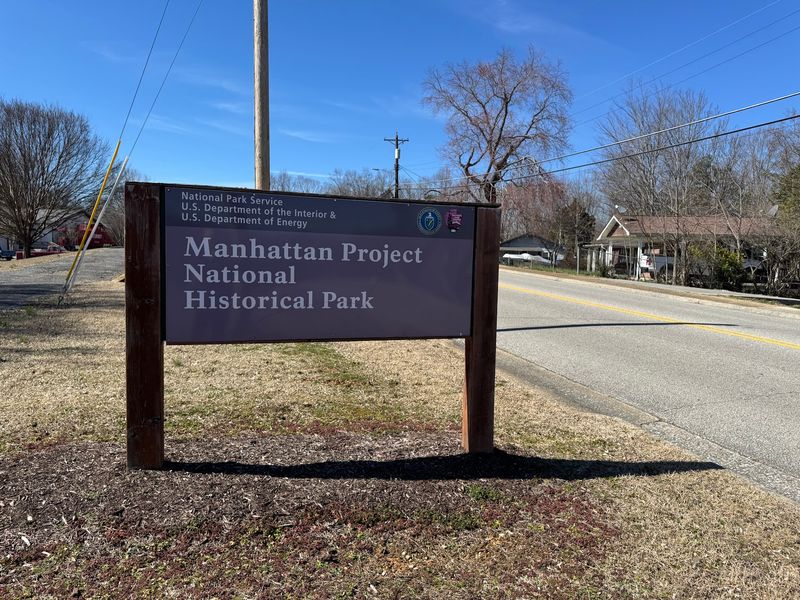
Oak Ridge didn’t exist before 1942, when the federal government secretly built an entire city to help develop atomic weapons. Manhattan Project National Historical Park tells the story of how this hidden Tennessee community contributed to ending World War II and launching the nuclear age.
The National Park Service visitor center offers free access to exhibits, films, and ranger programs that explain Oak Ridge’s extraordinary history.
The government chose this East Tennessee valley for its remoteness, available electricity from TVA dams, and room to build massive facilities. Within months, workers constructed a city housing 75,000 people, most of whom had no idea what they were really building.
Security was intense, and the work was compartmentalized so individual workers couldn’t piece together the bigger picture.
The visitor center does an excellent job explaining the science, politics, and human stories behind the Manhattan Project. You’ll learn how Oak Ridge facilities enriched uranium for the bombs dropped on Hiroshima and Nagasaki.
Exhibits include artifacts, photographs, and personal accounts from workers who lived in the secret city. The ethical questions surrounding atomic weapons get serious attention too.
The park preserves several historic buildings, though some require separate tours with fees. But the NPS visitor center itself, with its film and exhibits, provides substantial free education about this unique chapter in Tennessee and American history.
Rangers can answer questions and help visitors understand the complex legacy of atomic weapons development.
What makes Oak Ridge fascinating is how it represents science, secrecy, and moral complexity all tangled together. The work done here shortened the war but also introduced weapons of unprecedented destructive power.
The city itself was a social experiment, bringing together people from across the country to live and work under extraordinary conditions. Learning about Oak Ridge challenges simple narratives about World War II and forces you to grapple with difficult questions about technology, war, and national security that remain relevant today.