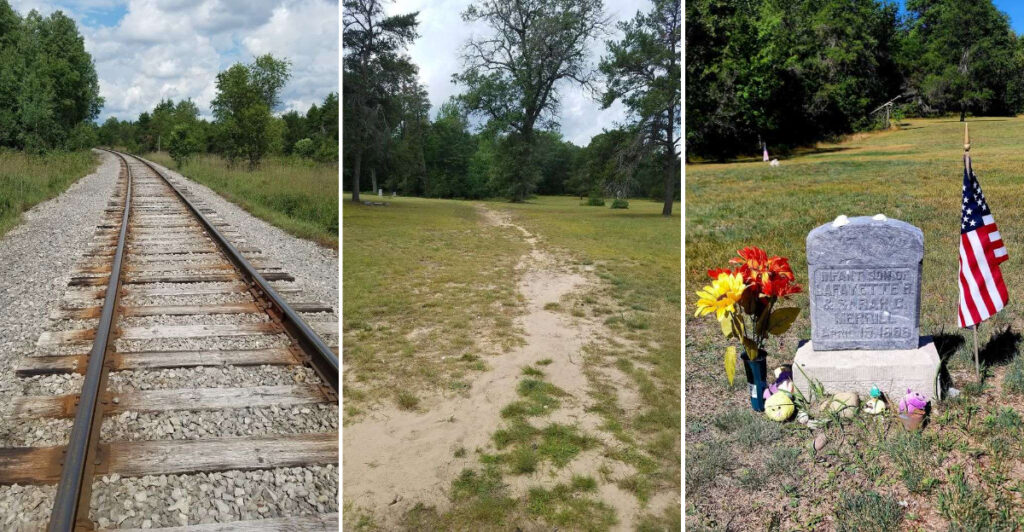
Forgotten places feel especially haunting when almost everything that once made them busy has slipped away. In northern Michigan, Pere Cheney stands as one of Crawford County’s eeriest remnants, where a former lumber town has faded into old roads, scattered traces, a lonely cemetery, and unanswered questions.
The silence is part of what makes the story so powerful, reminding visitors how quickly a working community can disappear from the map. It is a place shaped by history, rumor, loss, and curiosity all at once.
For travelers drawn to unusual Michigan stops, Pere Cheney offers a chilling look at one of the state’s most mysterious forgotten corners.
Where the Woods Swallow the Town
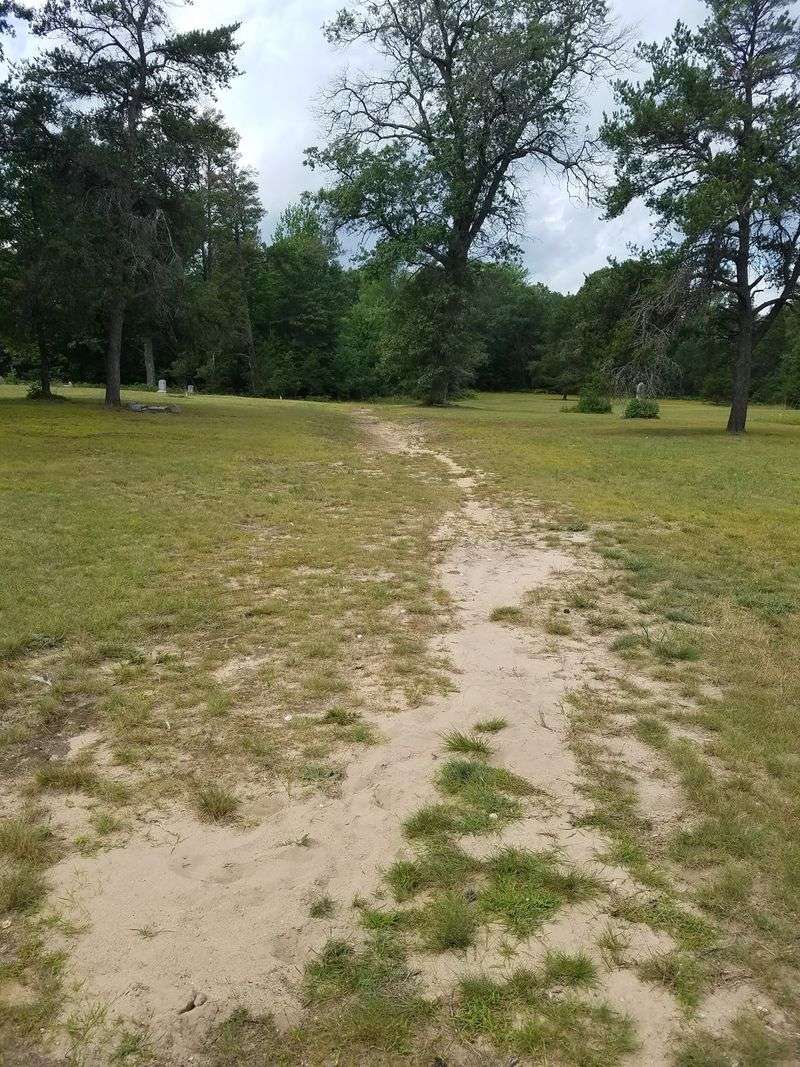
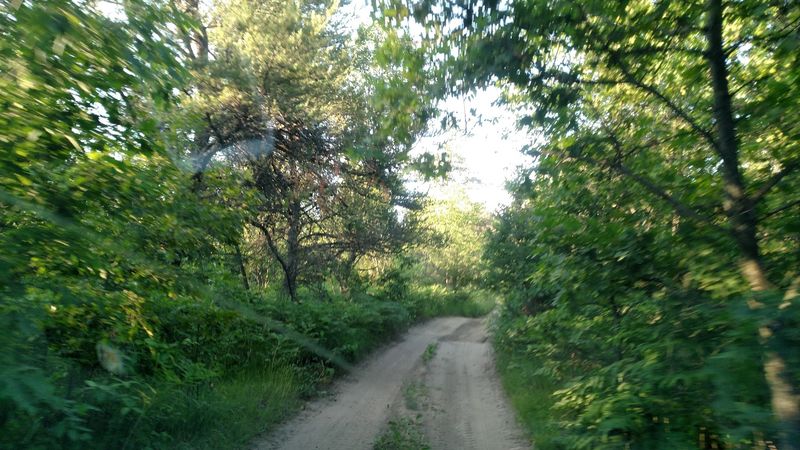
The first surprise at Pere Cheney is how little announces itself. A visitor reaches a quiet patch of northern Michigan woods, and at first glance it can seem like any other backroad area in Crawford County, with pines, sandy soil, and open sky stretching over a rough clearing.
Then the oddness starts to settle in. The layout hints that a town once stood here, but nature has moved in so completely that the place reads more like a memory than a former village, with trees and brush taking over spaces where homes, shops, and daily life once belonged.
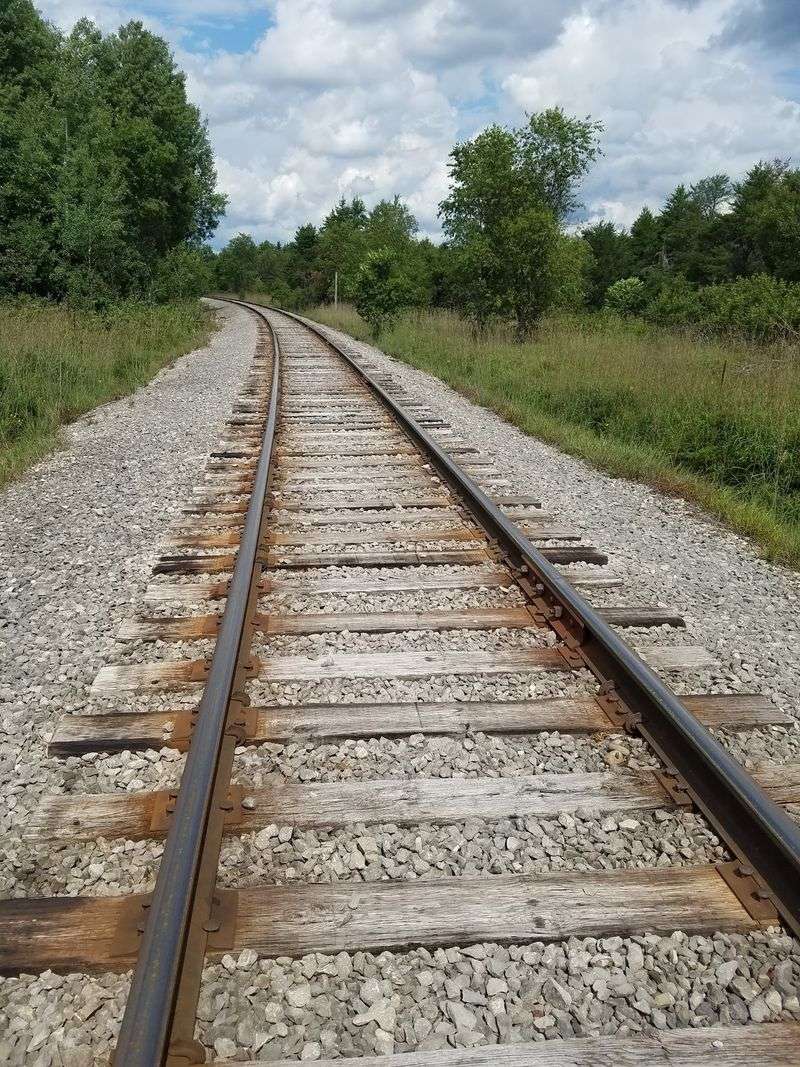
Pere Cheney was a real settlement in the late nineteenth century, tied to the lumber economy that shaped much of this part of Michigan. Like many boomtowns built around timber and rail access, it rose quickly, served a purpose, and later faded when its brief economic moment passed.
That vanishing act is exactly what gives the site its pull. Instead of preserved storefronts or polished museum signs, the landscape offers absence, and that absence makes the imagination work harder than any reconstruction ever could.
Walking slowly helps more than rushing from one point to another. The ground itself becomes part of the experience, because every uneven stretch and open patch can make a person wonder what stood there before the forest reclaimed it.
Travelers who come expecting dramatic ruins may be caught off guard, but that restraint is part of Pere Cheney’s power. The place does not shout its history, it murmurs it through quiet woods, old pathways, and the unsettling fact that a town can nearly disappear while the map still remembers its name.
The Cemetery That Holds the Loudest Silence
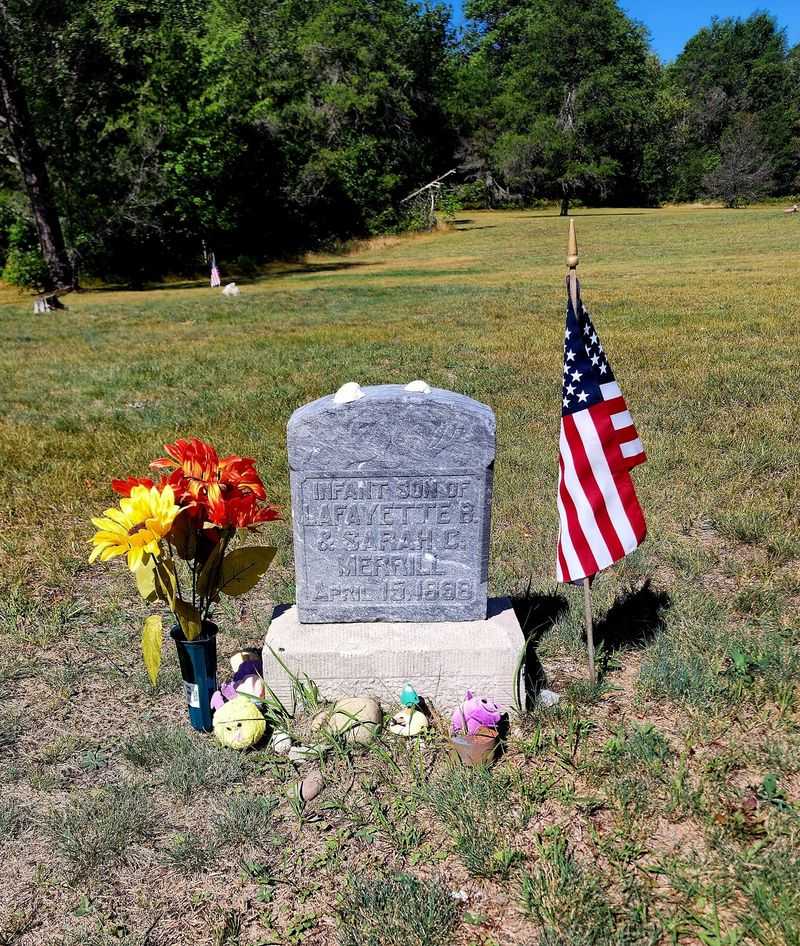
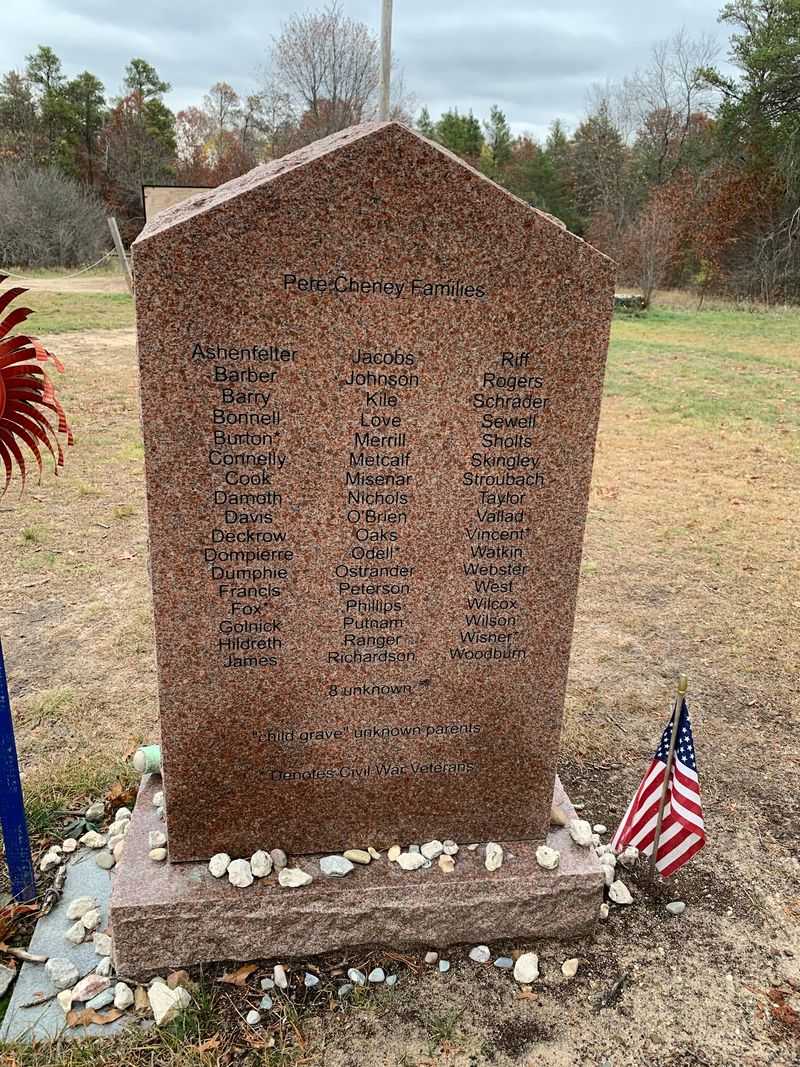
Most of Pere Cheney’s strongest presence is gathered in its cemetery. While the town itself has largely faded into the woods, the burial ground remains a clear, physical reminder that families lived here, worked here, struggled here, and left traces that could not be hauled away like lumber.
There is a different kind of quiet in a cemetery attached to a vanished town. It is not simply peaceful, because each marker points to a life that belonged to a community no longer standing, and that contrast gives the site a heavier, more thoughtful mood.
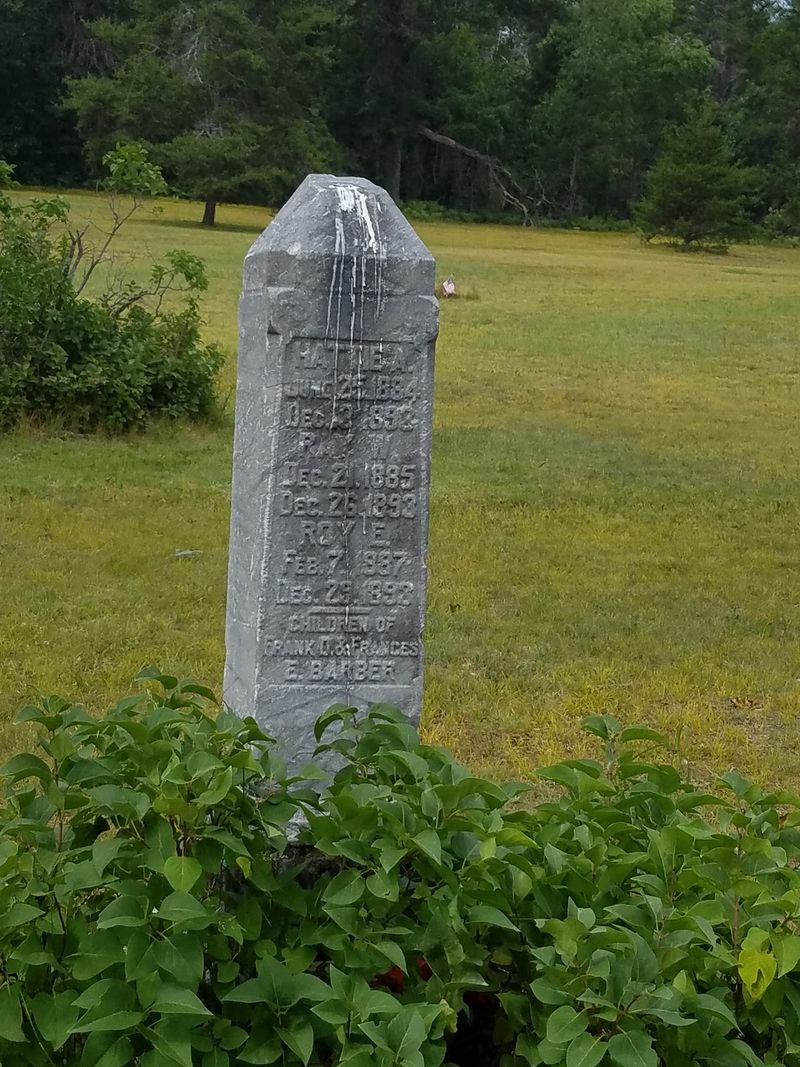
Some graves are old and worn, with names and dates that connect directly to the village’s short life in the late 1800s. Reading those details turns local history into something immediate, because the story stops being about an abandoned place and becomes about real people with brief, ordinary, and often hard lives.
Visitors should approach the cemetery with care and patience. Staying on open paths, avoiding leaning on stones, and treating the grounds as a historic resting place rather than a thrill stop makes the experience more meaningful and helps protect one of the few clear links to Pere Cheney’s past.
The setting adds to the effect without needing any embellishment. Tall trees, shifting shadows, and the simple arrangement of graves create a scene that is stark enough on its own, especially when the wind moves through the branches and the area falls back into near total stillness.
For many travelers, this is the part of Pere Cheney that stays sharpest in the mind. A ghost town can be abstract until a cemetery anchors it, and here that anchor is strong, plain, and deeply human, turning a forgotten Michigan stop into a place that asks for attention instead of just curiosity.
A Michigan Lumber Town That Burned Bright and Faded Fast
Pere Cheney did not begin as a mystery. It started as a practical town, one of many places in northern Michigan shaped by the lumber business, where forests meant jobs, rail connections meant movement, and a small settlement could grow quickly when industry needed hands on the ground.
That background matters because it explains why the town existed in the first place. Communities like this were often built around a narrow economic purpose, so when timber declined, markets shifted, or transportation patterns changed, the town’s future could weaken just as quickly as it had formed.
In its active years, Pere Cheney was known by more than one name, including Cheney and Center Plains, and it served residents in Beaver Creek Township during the late nineteenth century. Even without many standing remains, those details place it firmly in the larger story of Michigan’s lumber era, when short-lived settlements dotted the region.
Ghost towns can sound dramatic, but the reality is often plain and sobering. Instead of one single movie-style moment, decline usually comes through a chain of losses, fewer jobs, fewer families, fewer reasons for trains and trade to stop, until the place no longer holds together as a working community.
Looking at Pere Cheney through that lens makes the site more than a spooky destination. It becomes a small case study in how landscapes, industries, and towns are linked, and how a map can preserve a name long after local life has drained away.
That is also why the place deserves a careful, informed visit rather than exaggerated storytelling. The true history is strong enough on its own, because the rise and fall of a lumber town in Crawford County says plenty about Michigan’s past, and about how quickly permanence can prove temporary.
Legends in the Pines, and the Truth Beneath Them
Every ghost town attracts stories, and Pere Cheney has gathered more than its share. Local legends, eerie rumors, and supernatural talk have followed the site for years, which is not surprising when a vanished village sits in the woods with a historic cemetery and long stretches of silence around it.
Still, the most useful way to experience the place is with curiosity instead of chasing wild claims. Folklore can be part of the draw, but the town’s real history deserves the center of the stage, especially since many dramatic tales are hard to verify and tend to grow bigger each time they are retold.
That balance between legend and fact is where Pere Cheney becomes especially interesting. The rumors reveal how strongly abandoned places affect the imagination, while the documented basics, a late nineteenth century village, a lumbering past, and a surviving cemetery, show that the town does not need invented details to feel unusual.
For younger travelers or families, this can actually make the stop better. Instead of turning it into a scare challenge, the visit can become a conversation about how myths begin, why communities remember places in dramatic ways, and how empty spaces encourage people to fill in gaps with stories.
Even the setting helps explain why legends last. Wind through pine branches, distant road noise that comes and goes, and the lack of modern clutter all create a scene where normal sounds and shadows can seem bigger than they really are, especially near dusk.
Pere Cheney works best when both sides are acknowledged. The spooky reputation adds flavor, but the stronger takeaway is how easily a true place can drift into folklore once its buildings disappear, leaving names, graves, and fragments behind for the next generation to puzzle over in the Michigan woods.
Best Way to Experience Pere Cheney Without Missing the Point
Rushing through Pere Cheney is the easiest way to miss what makes it unusual. The site works better at a slower pace, with time to notice the open spaces, the cemetery, the shape of the land, and the way the forest almost hides the fact that a village once operated here.
Morning and late afternoon are often the most rewarding times to visit because the light adds definition to the ground and trees. Harsh midday sun can flatten the scene, while softer light makes the cemetery stones, sandy roads, and edges of the clearing easier to read.
Good footwear matters more than many travelers expect. The area is not a polished tourist stop, so sturdy shoes, bug spray in warm months, water, and a charged phone are sensible basics for anyone exploring respectfully and safely.
There is also a simple rule that improves the visit immediately, treat it like a historic site, not a dare. Speaking quietly, leaving nothing behind, and resisting the urge to climb, dig, or move objects keeps the place intact and helps others experience the same thoughtful stillness.
Photography can be especially rewarding here if the goal is mood rather than spectacle. Wide shots of the trees and pathways, close views of weathered markers, and pictures that include changing light tend to capture Pere Cheney better than trying to force dramatic effects onto a place that is already strong in its own restrained way.
Anyone interested in Michigan history may want to pair the stop with a bit of background reading before arriving. Knowing that Pere Cheney was once a small lumbering town in Beaver Creek Township adds context to every step, turning a quiet patch of Crawford County into a landscape that starts to speak clearly.
Why Pere Cheney Still Stands Out in Crawford County
Plenty of abandoned places fade because they offer only a quick glance and a thin story. Pere Cheney stands apart because its emptiness carries context, with the woods, the cemetery, and the history of a late nineteenth century lumber village all working together to create a site that is spare but not shallow.
That difference becomes clear after a few quiet minutes. Instead of delivering ruins in a dramatic pile, the place asks a visitor to notice scale, absence, and change, which makes the experience more reflective than flashy and, for many, more unsettling in a lasting way.
Crawford County has no shortage of natural beauty, yet Pere Cheney introduces a different layer to the landscape. It reminds travelers that forests can hide former neighborhoods, and that some of Michigan’s most striking historic sites are not packed with buildings or exhibits but with traces that must be read carefully.
There is also a strong lesson here about how communities are tied to economic purpose. A town built for lumber could thrive for a time and then lose its footing, leaving behind only fragments, which makes Pere Cheney a useful window into the rise and decline of small resource-based settlements across the state.
For readers looking for a destination with a haunting atmosphere, the phrase fits best when understood as quiet unease rather than theatrical fear. The mood comes from real history, a near-vanished town plan, and the steady presence of graves in a place where ordinary life once moved around them.
That mix is why Pere Cheney earns attention beyond ghost stories and roadside curiosity. It is one of those Michigan places where landscape and history meet in a sharp, stripped-down form, proving that even when a town disappears, enough can remain to tell a story with remarkable force.