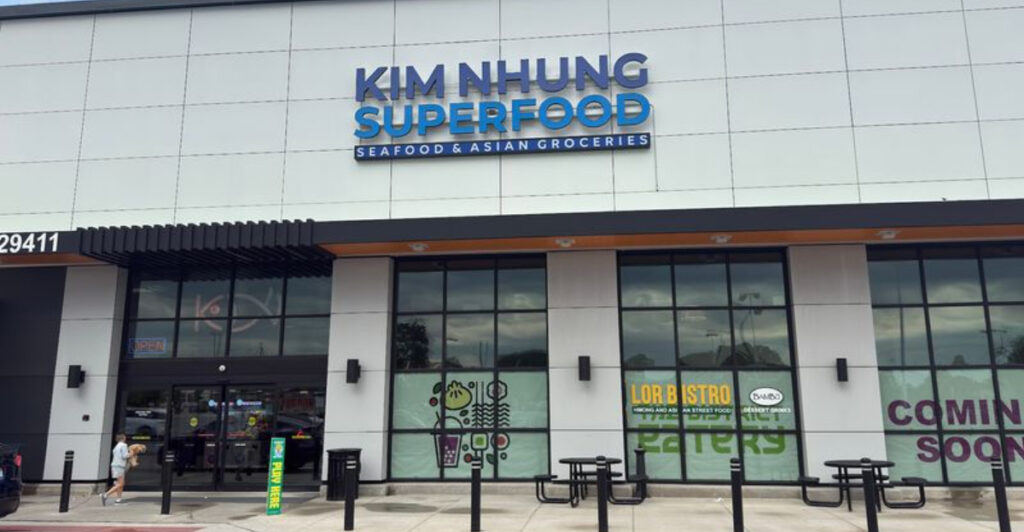
Grocery shopping gets a lot more exciting when every aisle feels like a new discovery. In Madison Heights, Michigan, Kim Nhung Superfood goes far beyond the average market stop with fresh seafood, baked goods, Vietnamese ingredients, pantry staples, and hard-to-find Asian cooking items packed into one busy store.
The appeal is not just the size, but the variety, giving shoppers a chance to stock up, explore new flavors, and turn everyday meals into something more interesting. For anyone who loves Vietnamese food or wants to branch out from the usual grocery routine, this market feels like a full food adventure waiting to happen.
A Big Market With Room To Explore
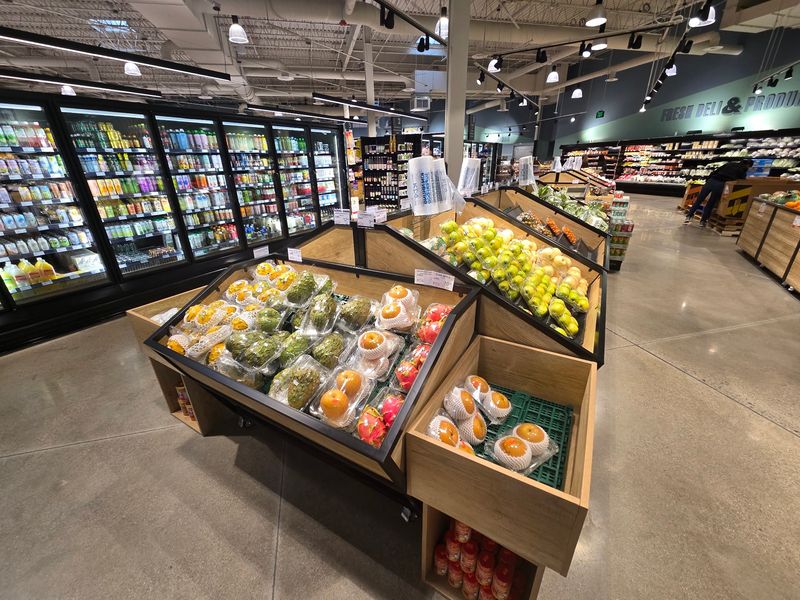
Walking into Kim Nhung Superfood is a quick reminder that size changes the whole shopping experience. At roughly 25,000 square feet, the market has the scale to do more than squeeze products onto shelves.
Wide aisles, open sightlines, and a cleaner layout make it easier to slow down, look around, and notice sections that smaller neighborhood stores often have to trim back.
That extra space matters most when a market carries many categories at once. Here, the selection stretches across produce, seafood, frozen foods, pantry items, snacks, drinks, and prepared foods without making the store feel cramped.
Instead of rushing through a tight maze, shoppers can compare brands, read labels, and spot ingredients that might be missed in a hurry. For families, the broader layout also helps carts move smoothly, which is a real plus during busier hours.
The setting gives the store a more modern look than an older corner market, yet it still centers Vietnamese grocery staples. Shelves are clearly marked, and the overall flow feels built for repeat visits from serious home cooks as well as curious first-timers.
That mix is one of the market’s strengths. A person can walk in for fish sauce and rice noodles, then leave with fresh herbs, tropical fruit, frozen dumplings, and a bakery snack for the ride home.
Madison Heights already has a strong reputation for Asian food shopping, so standing out takes more than square footage alone. Kim Nhung uses that large footprint to create breathing room and variety at the same time.
The result is a market that invites browsing instead of just transaction. Even shoppers with a short list may want a little extra time, because one turn down the next aisle can easily become the best part of the stop.
Seafood That Anchors The Whole Store
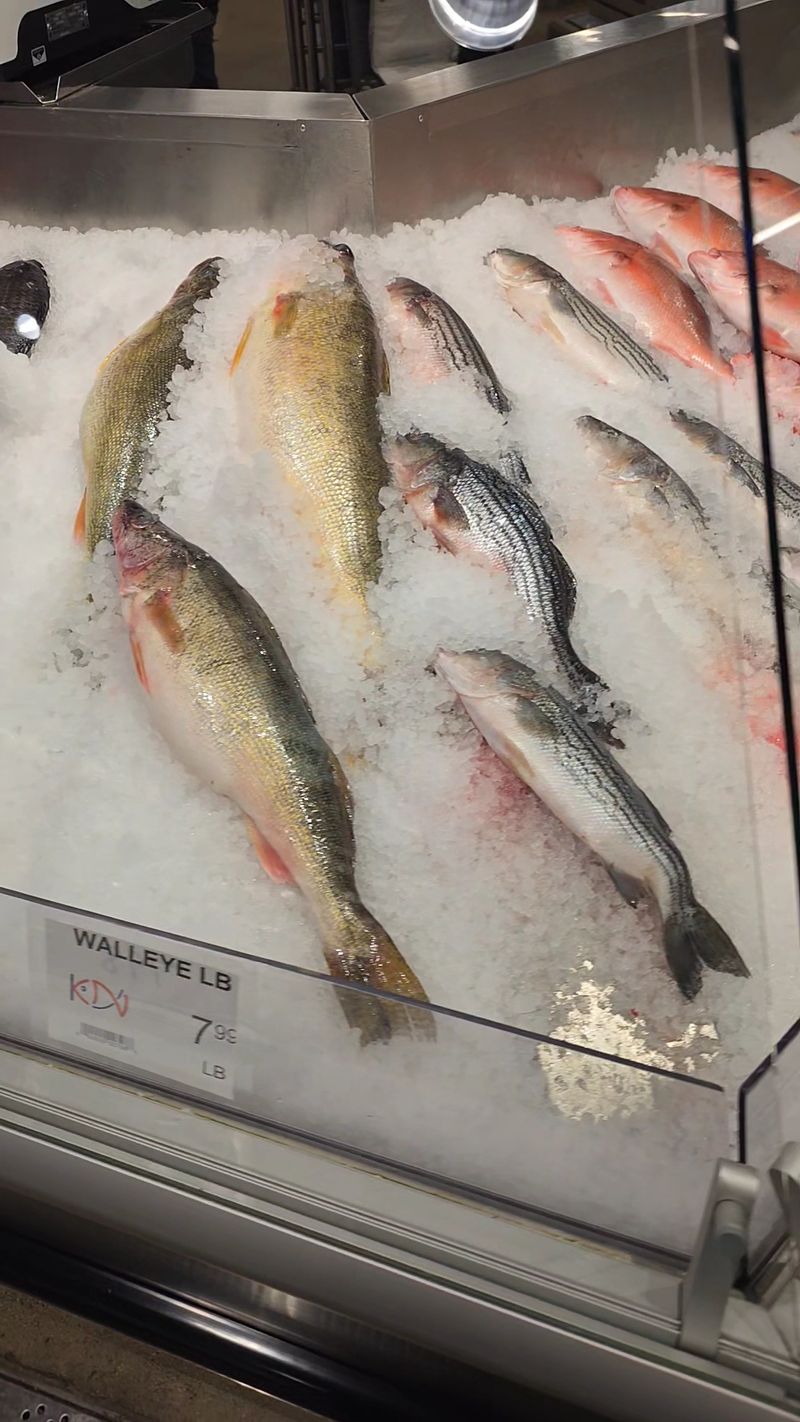
For many shoppers, the seafood section is the real reason to come. Kim Nhung Superfood has built a strong reputation around fresh and frozen seafood, and that part of the store gives the market a sense of purpose right away.
It is not a token counter tucked into the back. Seafood is one of the clearest signals that this place serves cooks who want more than standard grocery basics.
The appeal starts with range. Fish, shellfish, and frozen options open the door to a long list of home meals, from simple fried fish dinners to noodle soups and stir-fries that need a specific texture or flavor.
In a mainstream supermarket, the selection may stop at a few familiar fillets. Here, the broader seafood assortment gives shoppers better odds of finding what a recipe actually calls for instead of making substitutions that flatten the dish.
That matters a lot in Vietnamese cooking, where freshness and balance do heavy lifting. A seafood counter like this supports meals that depend on clear broths, quick cooking times, and clean flavors.
It also helps shoppers shop by instinct rather than only by list. A nice catch on display can shape dinner plans on the spot, especially when nearby aisles already hold noodles, herbs, dipping sauces, and seasonings to finish the meal.
There is a practical side to shopping here too. Because seafood is perishable, timing is smart.
Going earlier in the day can make the trip easier, especially if the drive home is long. Bringing a cooler bag is a helpful move for anyone planning to stock up.
Kim Nhung’s seafood section works best when treated as a serious ingredient stop, not just a casual add-on. For cooks chasing the flavor of coastal dishes at home, that distinction makes all the difference.
The Bakery Break Between Grocery Aisles
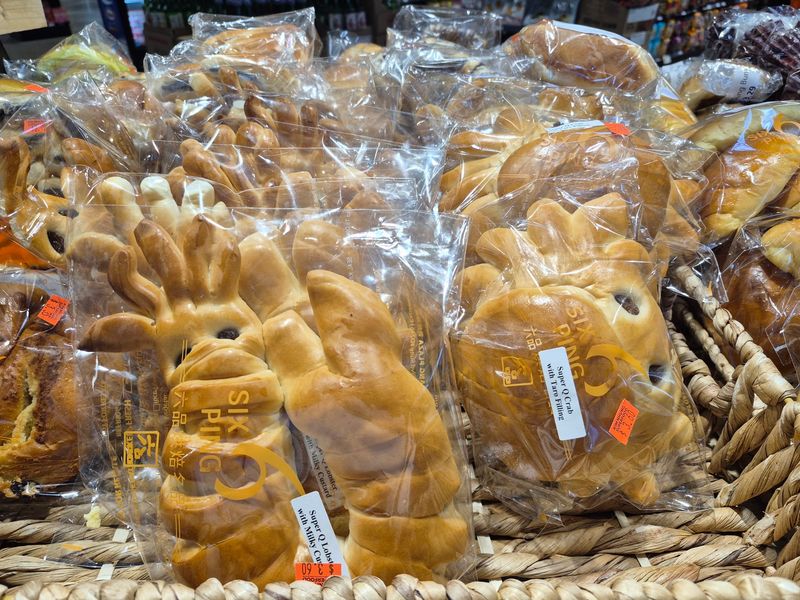
Every large market needs a section that changes the pace, and the bakery helps do exactly that. Between the practical shopping of pantry staples and the serious business of fresh seafood, a bakery counter adds a softer, more inviting stop.
It gives the trip a snackable middle ground, where the reward is immediate instead of waiting until dinner is cooked at home.
In a Vietnamese market, baked goods can play several roles at once. They can be breakfast on a busy morning, an afternoon treat, or an easy extra to bring home with groceries.
The value is not only in sweetness. Bakery items also make a large specialty market feel approachable for newcomers who may not yet know every sauce, noodle, or spice on the shelves.
Picking up something ready to eat is a simple way to enjoy the store without needing a full recipe plan.
Kim Nhung Superfood also has a prepared-food side that adds to that quick-grab appeal. Reports of spring rolls, banh mi, rice rolls, and other ready foods suggest that the store understands how shoppers actually move through a market.
Sometimes the trip is about stocking the pantry. Other times, it is about solving lunch right now.
A bakery area fits neatly into that rhythm and gives the visit a small moment of comfort before the cart fills up again.
The best strategy is to treat the bakery as both a preview and a payoff. Grab something early if hunger is going to rush the shopping trip, or save a pastry for the end as a road snack.
Either way, it turns an errand into a more rounded food stop. In a store this large, little pleasures matter.
They break up the list, slow down the pace, and remind shoppers that groceries can still be fun when the shelves are this full.
Rare Asian Ingredients Hiding In Plain Sight
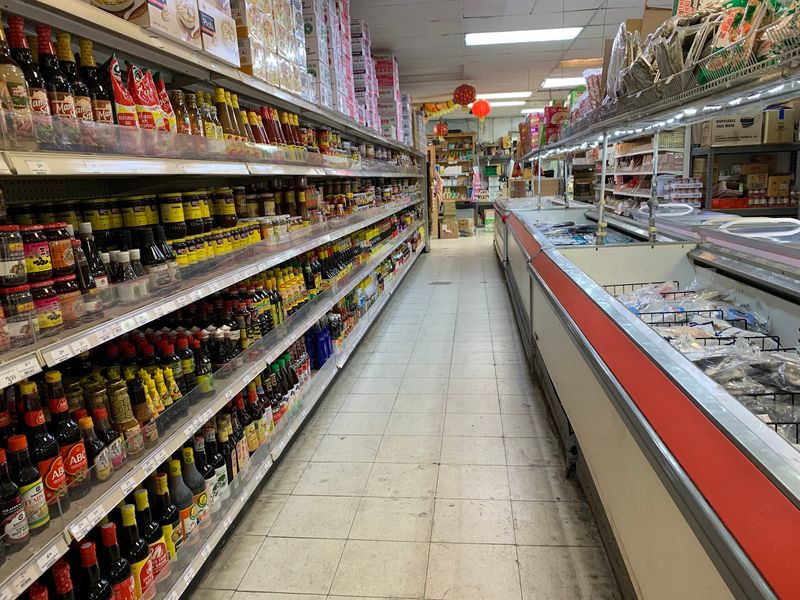
The most exciting part of Kim Nhung Superfood may be the way ordinary shelves turn into a treasure hunt. A big store can carry a lot of products, but this market stands out because the assortment reaches into ingredients that many standard supermarkets simply never stock.
That opens the door for cooks who want to make Southeast Asian dishes properly instead of building them from close-enough stand-ins.
Think beyond soy sauce and instant ramen. A market like this is where pantry depth starts to matter: rice noodles in different widths, fish sauces with distinct flavors, specialty condiments, frozen items for quick meals, snacks from several Asian cuisines, and produce that supports full recipes rather than just side salads.
Reviews also point to strong options for Vietnamese cooking and even foods linked to other Asian communities, which makes the shopping trip useful for more than one style of home kitchen.
For beginners, the smartest move is to start with one dish and shop backward from the recipe. Pho is a perfect example, since the store is known as a good place to gather broth basics, noodles, herbs, and seasonings in one run.
More experienced cooks can browse with looser plans and spot ingredients that inspire dinner after the cart is already half full. That kind of flexibility is where a specialty market becomes more than a supply stop.
Kim Nhung’s layout helps make those discoveries less overwhelming. Cleaner aisles and better organization reduce the stress that can come with unfamiliar labels.
If an ingredient has been hard to find elsewhere, there is a good chance it is somewhere here, either in the pantry aisles, frozen cases, or produce section nearby. For anyone serious about cooking Vietnamese food at home, that breadth is the point.
The shelves do not just support one meal. They support a whole cooking habit.
Fresh Herbs, Tropical Fruit, And Pho Staples In Michigan
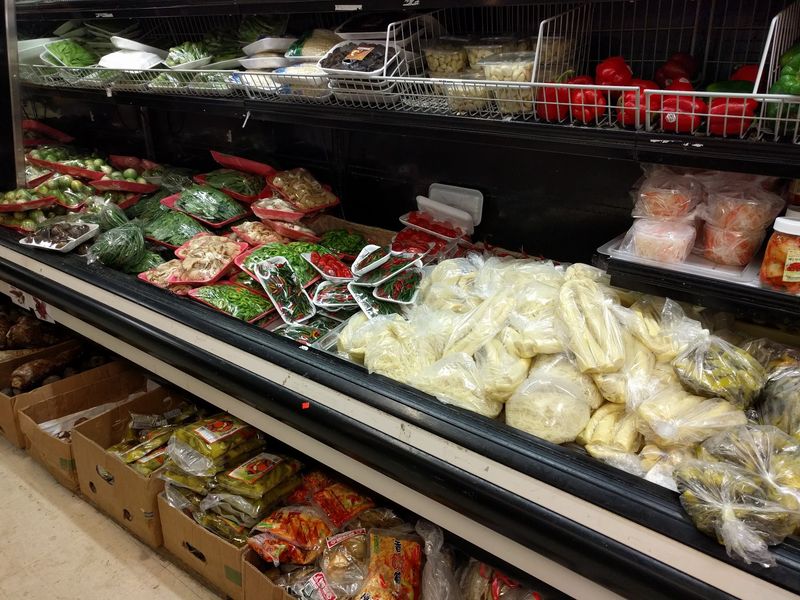
A bowl of pho can rise or fall on the fresh ingredients added at the end, and that is where Kim Nhung Superfood earns extra attention. Produce is one of the most talked-about parts of the store, which makes sense because Vietnamese cooking leans heavily on herbs, greens, aromatics, and crisp vegetables.
Without those pieces, even a well-made broth can taste unfinished.
The produce area appears to work on both color and function. Shoppers are not just looking at nice displays.
They are choosing the herbs and vegetables that turn recipes from flat to lively. Fresh basil, bean sprouts, greens, chilies, limes, and other add-ins are the kind of details that transform noodle soups, rice dishes, and grilled meats at home.
Tropical fruit adds another layer of interest, especially for households that want flavors harder to find in conventional produce departments.
That practical range is one reason the store appeals to so many repeat shoppers. A market can claim to specialize in Vietnamese ingredients, but if the herb section is weak, the promise falls apart fast.
Here, the produce selection supports real cooking. It lets shoppers build around freshness, which is central to many meals across Vietnamese cuisine.
It also gives beginners a good way to experiment. A new fruit, a bundle of herbs, or an unfamiliar vegetable can push a weeknight dinner in a more interesting direction without requiring a full pantry overhaul.
For the smoothest trip, start in produce before the rest of the store steals all the attention. Fresh items help shape the rest of the cart and keep the shopping plan focused.
If pho is on the menu, gather the greens and herbs first, then move toward noodles, sauces, and proteins. In Michigan, where a full Southeast Asian produce run is not available at every corner, that kind of one-stop convenience carries real weight.
More Than Groceries On John R Road
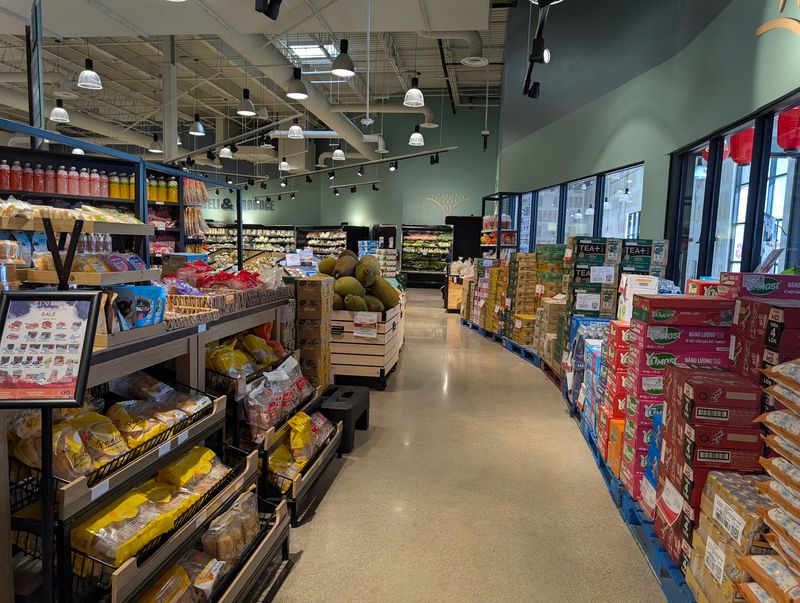
Some stores are built for speed. Kim Nhung Superfood has a different rhythm, because it works as both a grocery market and a place where prepared food can shape the visit.
That matters on John R Road, where a busy stop can easily turn into lunch, a snack run, or a fast dinner plan without leaving the building. The market becomes useful in more than one way.
Prepared items help bridge the gap between cooking from scratch and needing food right away. Shoppers have noted ready options such as banh mi, spring rolls, rice rolls, and meal-style dishes, which gives the store an extra layer of everyday practicality.
Instead of waiting until all the groceries are unpacked, part of the experience can begin immediately. A quick bite also gives newcomers an easy entry point into Vietnamese flavors before they start testing sauces and noodles at home.
There is also a community angle to that setup. A large Vietnamese market often becomes a regular meeting point for families, serious home cooks, and neighbors looking for familiar ingredients.
Prepared foods make the place more social and more active, especially when the grocery trip is not only about checking items off a list. The store’s larger modern space seems designed to support that broader role, and signs about future food hall expansion suggest an interest in growing that side of the experience.
The smartest way to use this part of Kim Nhung is to stay flexible. If the hot and ready section looks appealing, let it solve one meal while the grocery cart handles the rest of the week.
If a favorite item sells quickly, adjust and try something new rather than treating the stop like a fixed routine. That mix of shopping and immediate eating gives the store its local energy.
It moves like a neighborhood market, but with enough scale to keep surprising people on an ordinary day.
How To Plan A Smart Visit
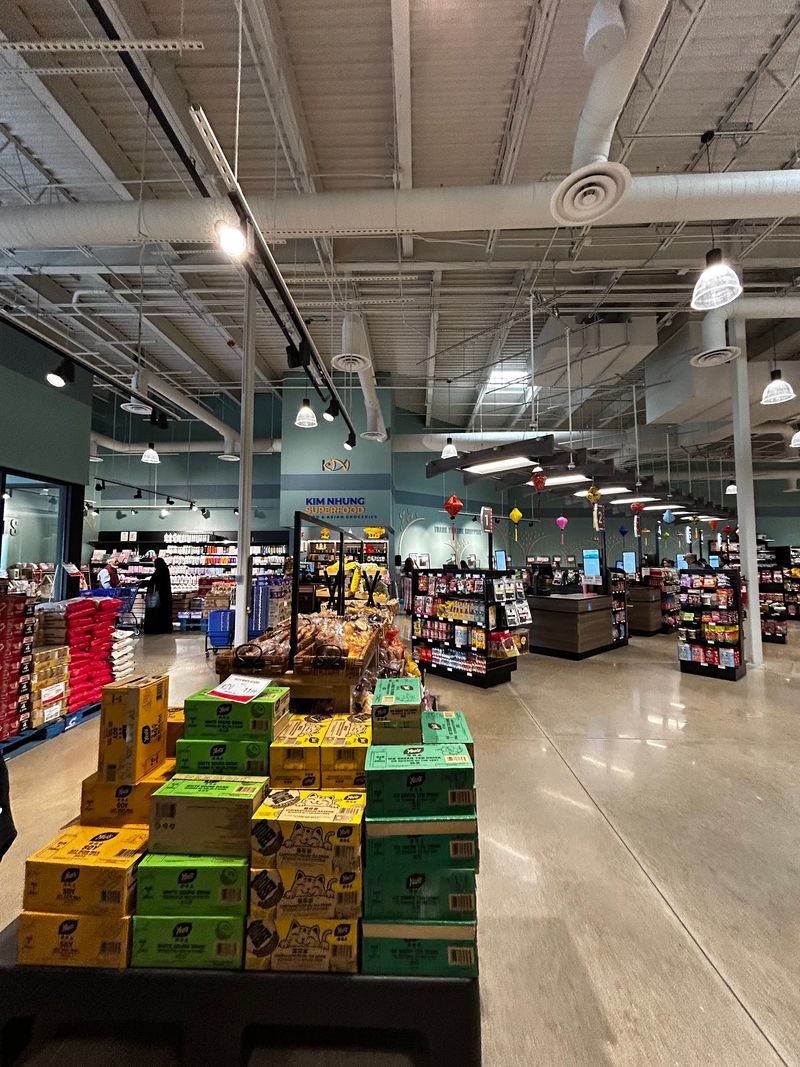
The best trips to Kim Nhung Superfood start before the cart even rolls. Since the store is open daily from 9 AM to 9 PM, there is plenty of flexibility, but a little planning can make the visit smoother and more rewarding.
A market this large is easy to underestimate, especially for first-timers who think they are stopping in for one or two ingredients.
Start with a short list, but leave room for discoveries. That balance matters because Kim Nhung is strongest when shoppers know their basics yet stay open to the unexpected.
If seafood is a priority, go earlier rather than later and bring an insulated bag or cooler for the ride home. Anyone traveling from outside Madison Heights should think the same way about meat, frozen foods, and prepared items.
It is a simple step that protects the groceries and lowers the stress of a bigger haul.
Parking appears to be one of the easier parts of the trip, which helps when a visit turns into a stock-up run. Inside, the wider aisles and organized layout make it possible to move section by section instead of zigzagging in confusion.
One good route is produce first, then pantry staples, then frozen foods, and seafood near the end so cold items spend less time in the cart. Add bakery or prepared food last if a snack is part of the plan.
There is also value in treating the first visit as a scouting trip. Notice which aisles hold the sauces, noodles, herbs, snacks, and frozen goods most useful at home.
That way, future runs become faster and more focused. Kim Nhung Superfood works well for quick errands, but it really shines when shoppers give themselves time to learn its pattern.
Once the layout clicks, the store starts functioning less like a rare specialty stop and more like a dependable part of the weekly food routine.