Seafood dinners can carry a lot of family memories, from birthday tables to road-trip stops and big Sunday meals. In Battle Creek, Michigan, Asian Buffet Hibachi Grill brings that tradition into a lively buffet setting where crab, sushi, hibachi, Chinese favorites, and familiar comfort dishes all share the same spread.
The variety makes it easy for groups with different cravings to find something they want without turning dinner into a debate. It feels generous, busy, and built for the kind of meal where everyone can fill a plate their own way.
For Michigan families chasing a crab feast with plenty of choices around it, this Battle Creek buffet offers an easy place to keep the tradition going.
A crab table that changes the whole room
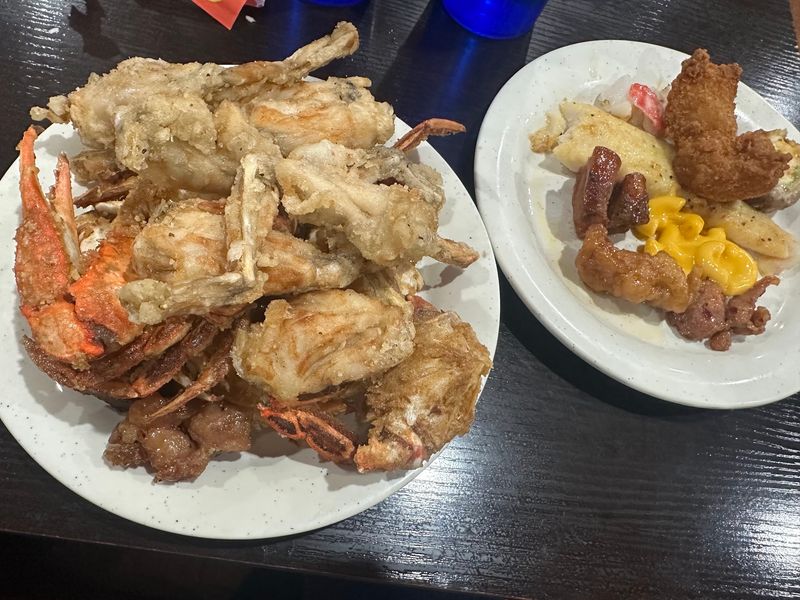
Few buffet foods can shift the mood of a dining room as fast as crab legs. At Asian Buffet Hibachi Grill in Battle Creek, the seafood station often becomes the point where family plans turn into action, with adults scanning the hot bar, kids peeking over plates, and everyone suddenly paying closer attention to timing.
That matters for Great Lakes families because crab has long been a special-occasion food, not an everyday weeknight habit. A buffet changes that old pattern a little by making seafood part of a larger meal, so one table can mix crab, noodles, sushi, fruit, and dessert without splitting into separate restaurants.
The restaurant itself is known for a large selection, and crab legs are one of the biggest draws tied to weekend visits. They are not just another tray in the lineup.
They create movement, lines, quick decisions, and a kind of shared mission that turns dinner into a group event.
Families planning around crab should pay attention to pace rather than rushing in with huge expectations for a constant full pan. Buffets work in waves.
Fresh trays come out, people gather, and the best strategy is simple: stay patient, watch the station, and time the visit when the room is active instead of arriving close to closing.
That approach helps the meal stay fun instead of frustrating. It also gives everyone a better chance to enjoy the full buffet, since crab is only one part of the experience and the restaurant offers plenty of backup choices while waiting.
By the time a fresh tray lands, the room briefly becomes a little louder and a little quicker. In a place built around variety, crab is still the item that changes dinner from ordinary to celebratory.
Circular buffet lanes keep family dinners moving
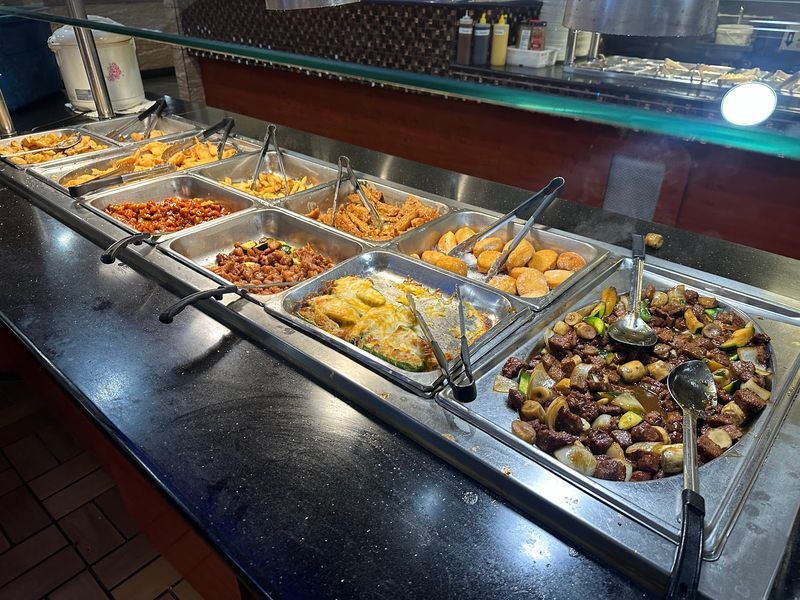
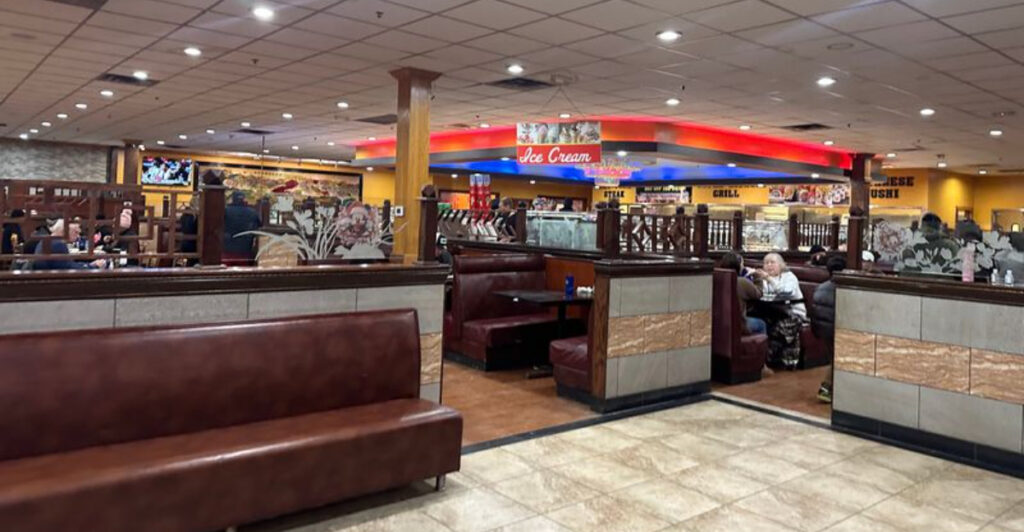
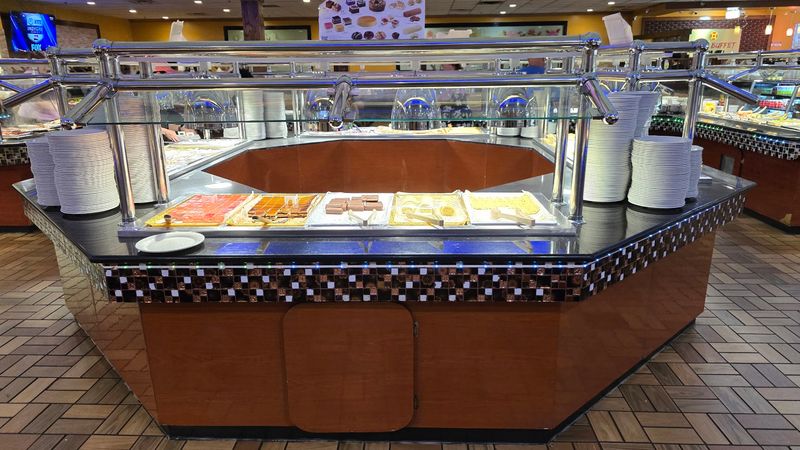
Layout can make or break a buffet, especially when a family group includes grandparents, hungry teenagers, and a child who only wants rice, fruit, and dessert. One of the most useful features at Asian Buffet Hibachi Grill is the circular-style arrangement that lets diners approach food from more than one side instead of bunching into a single slow line.
That design sounds small until the room gets busy. Then it starts to matter a lot.
People can branch off toward seafood, sushi, or hot entrées without blocking each other, and the meal feels less like a traffic jam and more like a choose-your-own-dinner setup.
For Great Lakes families who treat crab nights as a group outing, that extra movement helps keep the table together. Some can chase the seafood section while others head for familiar favorites like fried rice, chicken dishes, or simple kid-friendly picks.
Nobody has to stand in one place forever while the rest of the family waits with empty plates.
The spacious dining room also fits the buffet style well. Bigger rooms usually reduce crowd pressure, and they make it easier to return for smaller servings instead of stacking a first plate too high.
That is smart at a place with lots of choices, because crab may be the headline but not the whole story.
A practical tip helps here: start with a slow loop before taking anything. One walk around the buffet gives everyone a map of the room, shows where the seafood and hibachi stations are, and cuts down on the classic mistake of filling up too early on the first tray in sight.
Good buffet meals are not only about flavor. They are also about flow.
At this Battle Creek restaurant, the layout gives families a steadier, easier way to turn a crab dinner into a full shared meal.
Michigan weekends bring out the full seafood chase
Weekend buffet culture has its own rhythm, and in Michigan that rhythm often gets louder when crab is involved. At Asian Buffet Hibachi Grill, weekends are tied closely to the seafood draw, which means timing, expectations, and patience all matter more than they do during a quiet weekday lunch.
Families coming for crab should treat the visit almost like planning around a popular fish fry or holiday brunch. The crowd is part of the experience.
More people arrive with seafood in mind, and the energy near that section can rise fast when a fresh tray appears.
That does not mean the best move is to rush through the door and race for one item. A smarter plan is to arrive at a solid meal hour, not too late, settle in, and let the table build a balanced meal while keeping an eye on the seafood area.
Sushi, hot entrées, and sides can fill the gap between crab rounds and keep everyone from getting impatient.
One practical truth about buffets deserves attention here: late arrivals often catch a different version of the line than early and mid-service diners. Closer to closing time, some trays may not be refreshed at the same pace.
Families hoping for the strongest seafood selection should go earlier rather than testing luck in the final stretch of the night.
Weekends also work best when the group understands the goal. If the plan is a broad buffet meal with crab as a highlight, the restaurant makes more sense.
If the plan is nonstop seafood only, expectations can get out of step with how buffet service actually moves.
Handled the right way, a weekend visit turns into a lively family event with a clear centerpiece. In Battle Creek, crab is the spark, but pacing is the secret that helps the night run smoothly.
Beyond the shells, sushi and hibachi keep every plate interesting
Crab may be the reason many families pull into the parking lot, but it would be a mistake to ignore everything around it. Asian Buffet Hibachi Grill is built on variety, and that broader spread is exactly why the restaurant works for mixed groups where one person wants seafood, another wants sushi, and a child wants simple familiar food.
The sushi section adds a colder, cleaner contrast to the hot bar. Rolls bring a different texture and pace to the meal, especially when the table wants a short break from rich fried items or butter-salty seafood flavors.
Even a small sushi plate can reset the whole dinner.
Then there is hibachi, which changes buffet dining from passive choosing to a more made-for-you moment. Fresh cooking gives diners some control over ingredients and sauces, and that matters for anyone who wants vegetables, lighter protein, or a plate built a certain way.
In a restaurant centered on abundance, custom cooking adds a useful bit of order.
The hot buffet fills in the middle ground. Chinese buffet staples, seafood items, and comfort foods help round out the meal so crab does not carry all the pressure.
That is great news for families, because a special seafood night goes better when every age group has a fallback choice ready.
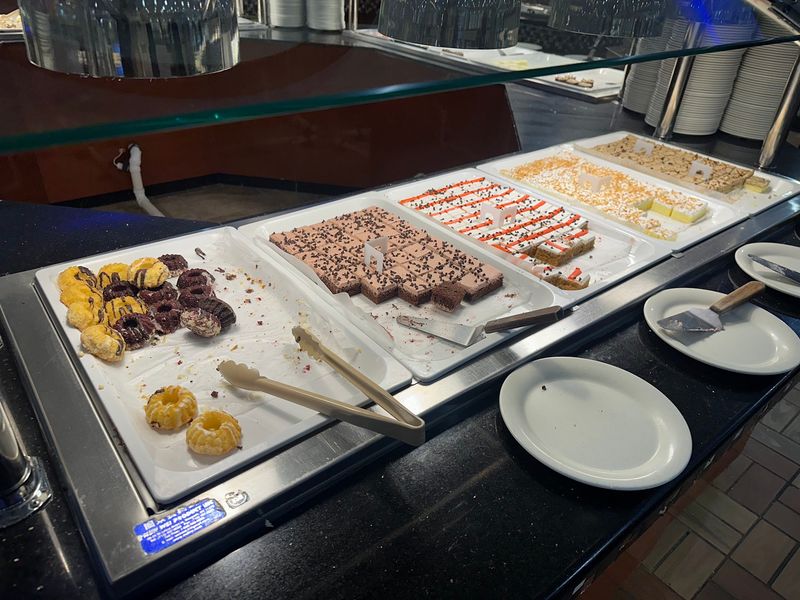
Another strong point is dessert variety, which can help end the meal on an easy note when the main buffet has been busy. Fruit, sweets, and frozen treats give kids a finish line and give adults a reason to sit a little longer instead of making one last crowded dash for savory food.
In practical terms, the best plate strategy here is contrast. Start with seafood or sushi, move to hibachi or hot entrées, then leave room for dessert.
Variety is not a side feature at this Battle Creek buffet. It is the structure that makes crab night work for a whole family.
Road-trip stop, local habit, and family meet-up point
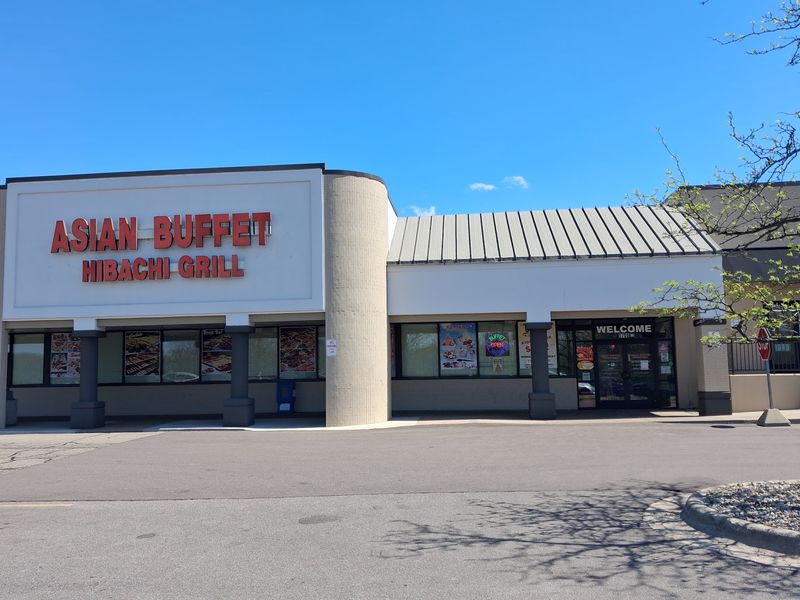
Some restaurants serve one neighborhood block, while others catch a wider stream of life moving past them. Asian Buffet Hibachi Grill sits on Beckley Road in Battle Creek, and that location gives it a practical role beyond lunch and dinner.
It works as a meet-up point for local families, highway travelers, weekend shoppers, and groups looking for an easy place to gather.
That kind of setting matters for a seafood buffet because crab dinners are often social by nature. People rarely crave crab in total silence.
The food invites conversation, shared tools, napkin piles, quick trips back to the buffet, and the little table debates about whether to save room for another round or skip ahead to dessert.
A location in a busy commercial corridor makes those get-togethers easier to arrange. One branch of the family can drive in from another part of town.
Another can stop while passing through Battle Creek. A buffet removes the stress of choosing one narrow cuisine when the group includes adventurous eaters and plain-food loyalists at the same table.
There is also a clear Great Lakes connection in the style of the outing. Families in this region often build food traditions around abundance, sharing, and seasonal treats, whether that means fish fries, holiday spreads, or all-you-can-eat seafood nights.
Crab at a Michigan buffet fits neatly into that pattern, even though the meal itself pulls from several Asian food traditions.
Because the restaurant is spacious, it can handle the kind of dining that is less about a quiet date night and more about reunion energy. Plates come and go, people trade recommendations across the table, and the meal moves in rounds instead of strict courses.
Seen that way, the restaurant is more than a stop for food. It functions as a practical gathering place where crab traditions can keep going without anyone needing to cook, host, or clean up afterward.
The smartest way to plan a crab-focused visit
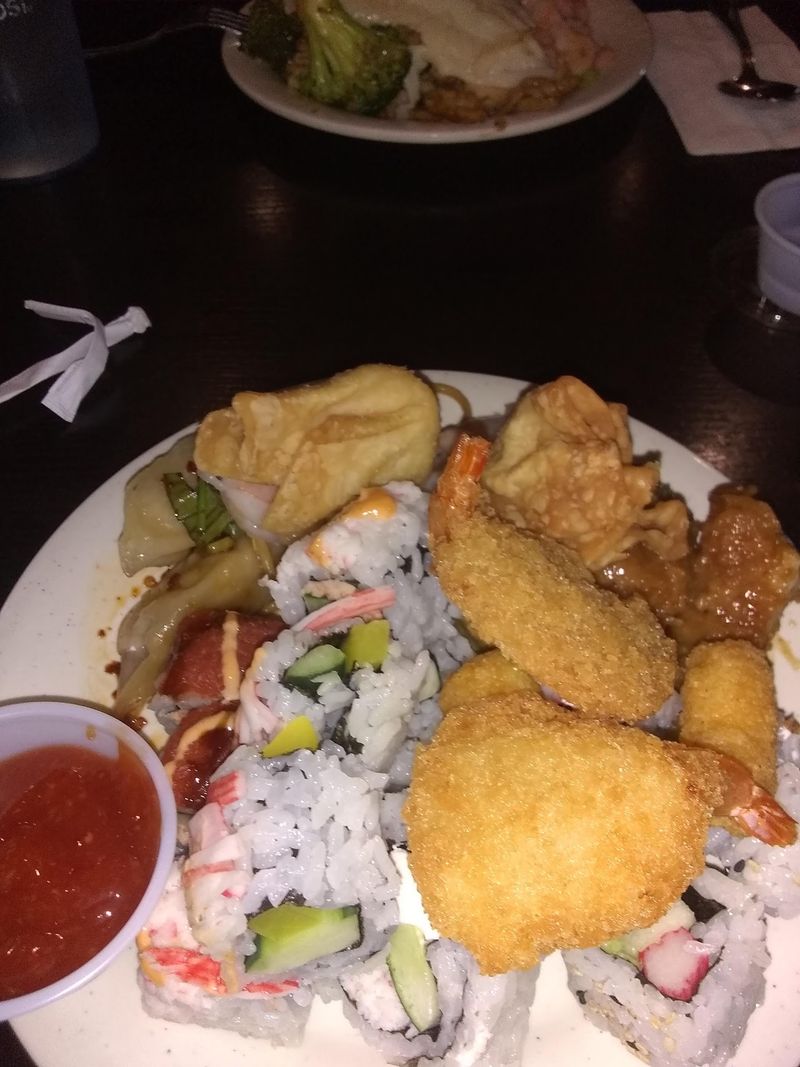
A little planning can turn a busy buffet meal into a much better one. At Asian Buffet Hibachi Grill, the strongest crab-focused visit usually starts with a simple idea: arrive with enough time to enjoy the room at its best, not when staff are winding down and trays may be nearing the end of service.
Early dinner or an active lunch period often gives families the best shot at seeing the buffet in full motion. Food turnover tends to be stronger when the restaurant is in the middle of a real rush, and that can help with freshness across seafood, hot entrées, and side dishes.
Waiting until the last hour may save no time at all if favorite items are not cycling as quickly.
Once seated, the smartest first move is not a giant plate. Walk the whole buffet first.
Find the crab station, locate sushi, spot the hibachi area, and note where desserts and fruit are waiting. That one lap gives the table a plan and stops the common mistake of filling up on the first fried item seen near the entrance.
For families with kids, divide the meal into rounds. Round one can be familiar foods.
Round two can be seafood or hibachi. Round three can handle dessert.
Breaking it up keeps children from getting overwhelmed, and it helps adults keep room for the foods they came for.
Another helpful habit is to keep expectations matched to buffet reality. Crab service may come in waves, especially on busier days, so patience works better than hovering in frustration.
Meanwhile, the rest of the buffet offers enough variety to make the wait easier.
Done right, the visit becomes less about chasing one tray and more about building a full meal with good timing. That is the practical secret to enjoying a place where crab is the star but not the only reason to come hungry.
Why this Battle Creek buffet keeps the crab tradition alive
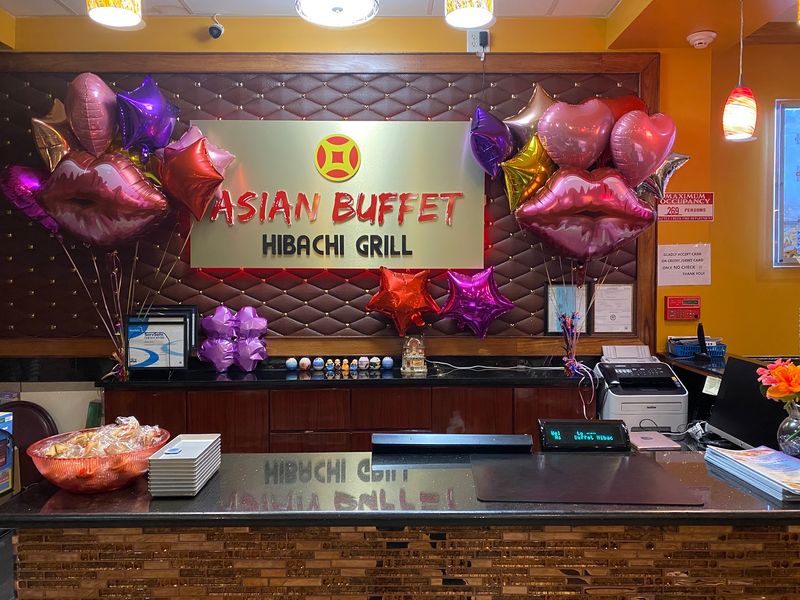
Family traditions do not always need a lake cabin, a holiday table, or a complicated recipe card. Sometimes they continue in a roomy buffet restaurant where one person cracks crab legs, another builds a sushi plate, and a child celebrates the freedom of choosing dinner one small plate at a time.
That is where Asian Buffet Hibachi Grill earns its place in Battle Creek dining. The restaurant brings together seafood excitement, buffet variety, and enough space for real group meals.
It is not trying to be a tiny specialty house focused on one perfect dish. Instead, it offers a broader dinner format that suits how many families actually eat together.
Crab traditions survive when they stay accessible. A buffet helps by lowering the pressure of a seafood-only outing.
If one person wants crab, another wants hibachi vegetables, and someone else wants dessert first, the meal can still work without argument or extra driving. That flexibility is a big reason a place like this can become part of regular family routines.
The Battle Creek location also gives it a clear regional role. In a Great Lakes setting, seafood carries a special-event energy, even away from the shoreline.
Turning that energy into a casual buffet outing makes the tradition easier to repeat for birthdays, Sunday dinners, road-trip stops, or reunion weekends.
Of course, the smartest guests come with practical timing and a relaxed attitude. They understand that buffet success depends on pace, freshness cycles, and choosing the right moment to visit.
Handled that way, the meal has a far better chance of delivering what families came for.
In the end, the appeal is simple. Crab remains the headline, but the real staying power comes from how easily the restaurant lets a whole table share the ritual together in one lively, convenient place.
Share this story