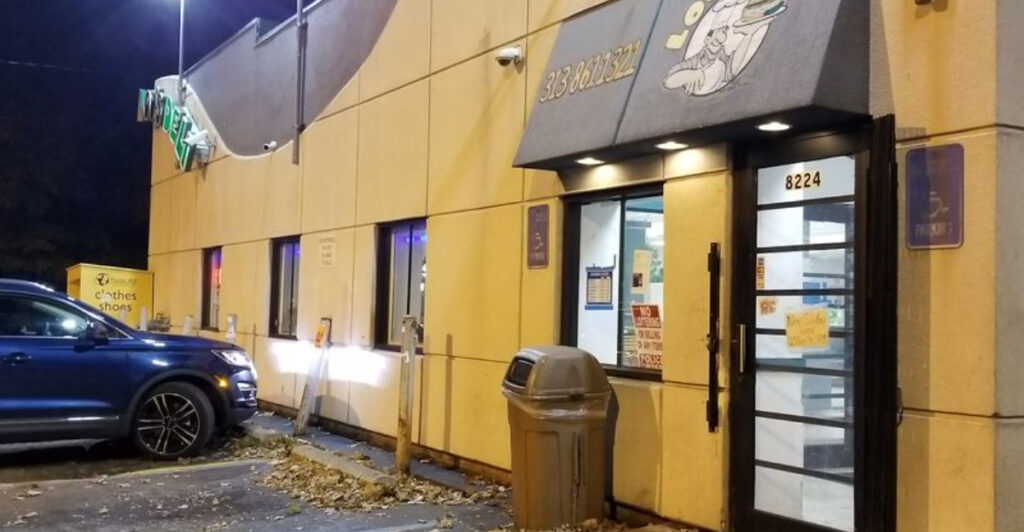
Corned beef talk in Detroit gets serious fast, especially when one West Side deli keeps coming up. On West McNichols, Lou’s Deli has spent decades serving stacked sandwiches, hearty comfort food, and the kind of old-school neighborhood character that makes a place feel rooted in daily city life.
The famous corned beef sandwich may be the main reason people start talking, but the full pull comes from the late hours, familiar energy, and menu built for serious appetites. It is the kind of deli where one order can explain years of local loyalty.
For anyone wondering why a single sandwich can keep a Detroit spot in the conversation, Lou’s Deli is a strong place to start.
A sandwich stack that sets the whole story in motion
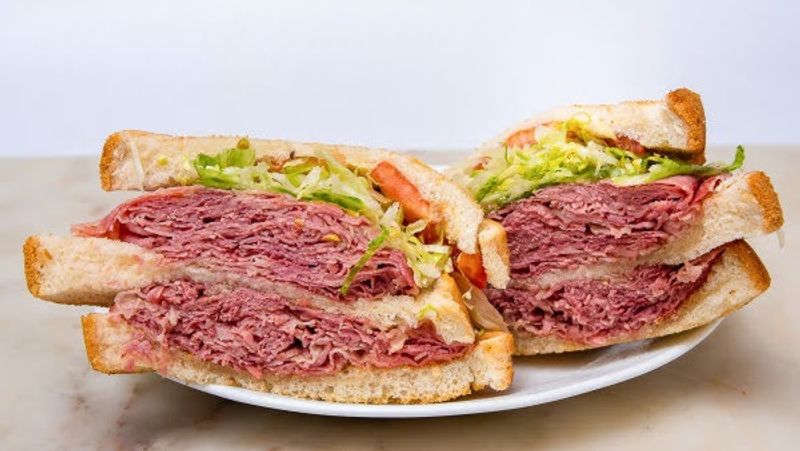
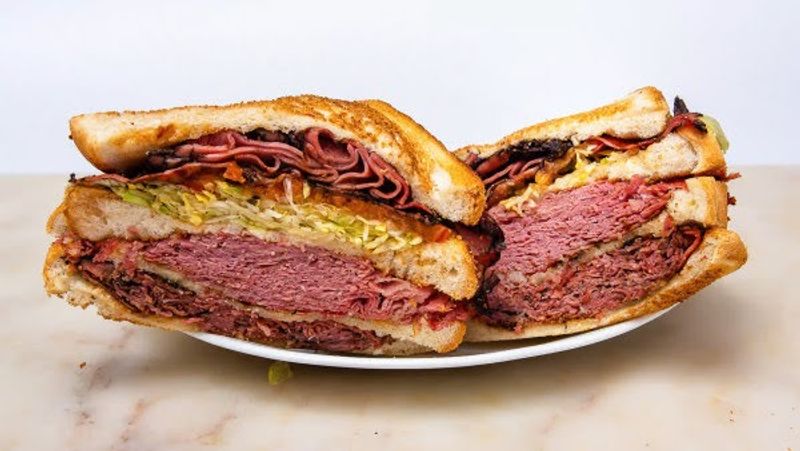
One look at the corned beef sandwich explains why Lou’s Deli gets talked about so often. The build is big, messy in the best way, and clearly meant for a serious appetite rather than a neat little lunch.
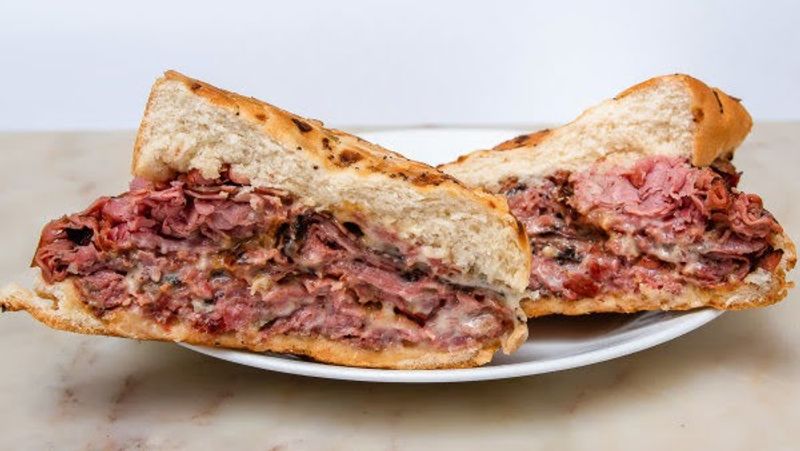
Thin slices of corned beef are the center of the experience, and that detail matters. When the meat is cut fine, it folds into soft layers instead of sitting in stiff chunks, so each bite lands with more balance and less chew.
At Lou’s, the sandwich often shows up as a full-on stack instead of a modest deli order. Popular combinations bring in extras like Swiss cheese, coleslaw, rye bread, onion roll, or Russian dressing, which turns the sandwich from simple to loaded without changing its basic identity.
The famous Counterman’s Treat gets special attention for exactly that reason. It takes the corned beef foundation and pushes it into comfort-food territory, where hot meat, creamy slaw, and melted cheese create a sandwich that almost eats like a full meal and a side at once.
Size also plays a huge part in the appeal. A sandwich that looks oversized on the wrapper instantly tells diners they are in a Detroit deli, not a chain built around tiny portions and careful packaging.
That visual impact is part of the legend, but the real reason it matters is practical. A big sandwich invites sharing, saving half for later, or planning the rest of the day around one rich, filling stop.
Anyone visiting for the first time should keep the order focused on the corned beef before branching out. Start with the item that built the deli’s name, notice the sliced meat, the bread choice, and the toppings, and the whole place makes sense fast.
Detroit, Michigan flavor lives between the bread
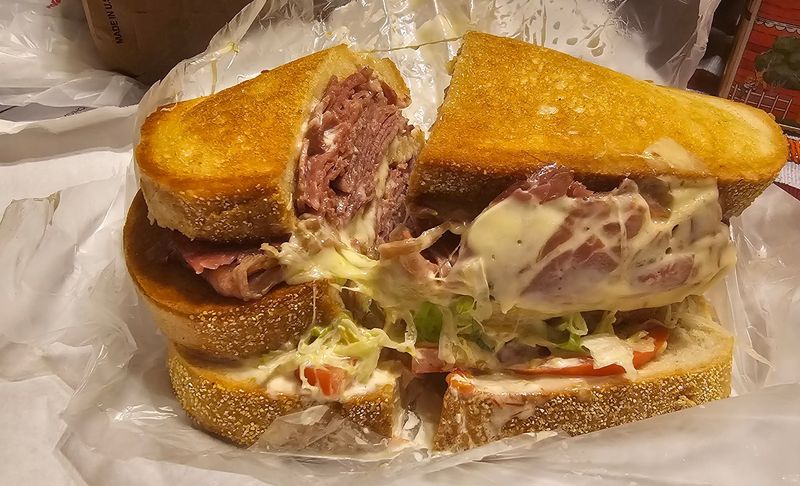
Plenty of cities serve corned beef, but Lou’s Deli frames it in a very Detroit way. The sandwich is not treated like a museum piece or a trendy comeback item.
It is built as everyday food with local swagger, big portions, and no need for fancy presentation.
That matters because Detroit deli culture has its own rhythm. Sandwiches here are often filling, direct, and tied to neighborhood habits, whether someone is grabbing dinner after work, picking up food late at night, or stopping in for a longtime favorite.
At Lou’s, the bread and topping choices help shape that identity. Rye gives the sandwich a classic deli backbone, while the onion roll adds a softer, slightly sweeter path that many regular corned beef eaters know can change the whole bite.
Then there is the slaw. Coleslaw in a sandwich can be risky if it turns soggy, but when it lands right, it cools the salt of the meat and keeps each mouthful from becoming too heavy.
Russian dressing plays a similar role, adding tang and richness without asking for attention all by itself. The best version of the sandwich depends on balance, not just excess, and Lou’s menu combinations show that the deli understands how these pieces are supposed to work together.
The result is a sandwich with strong local character instead of generic deli sameness. Even the names on the menu carry a neighborhood personality that suits Detroit’s food culture, where favorites often become part of family routines and shared city talk.
For out-of-towners, the smartest move is to skip comparisons and meet the sandwich on its own terms. Lou’s is easiest to understand when viewed as a West Side Detroit staple first, and only then as a deli known for corned beef.
Retro booths, quick orders, and a room with history on it
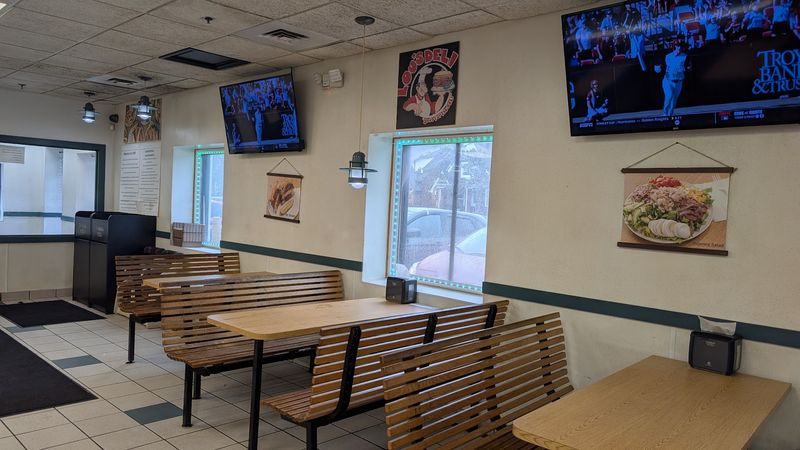
Some restaurants try hard to look old-school. Lou’s Deli does not have to try.
The setting carries the kind of lived-in character that comes from years of service, regular traffic, and a room that has seen many ordinary lunches turn into long-running local habits.
Reports of vintage vinyl booths and a worn counter help paint the picture. That kind of interior matters because it shapes expectations before the sandwich even arrives, putting the focus on speed, familiarity, and substance instead of polished design.
Nothing about that setup suggests a slow, overly curated meal. It suggests stepping in, reading the menu fast, listening for your order, and finding a seat while the room moves around you.
That movement is part of the appeal. Lou’s has the energy of a neighborhood deli where regulars likely know the flow, first-timers learn quickly, and the food stays at the center even when the room feels lively or a little rough around the edges.
The location across from the former Marygrove area also gives the place extra context. A deli tied to a well-known stretch of Detroit gains meaning beyond the menu, since people connect it with school days, family drives, after-work stops, and routine neighborhood errands.
Not every classic space needs to be beautiful in the glossy-magazine sense. Sometimes the charm comes from signs of use, familiar seating, and the sense that the room was built to feed people first and impress them second.
For anyone planning a stop, it helps to go in expecting personality rather than polish. Read the room, keep the order simple, and treat the deli as part of Detroit’s everyday food landscape, where a little grit and a lot of character often share the same table.
Late-night hours change the way the deli fits into the city

A great sandwich shop earns one kind of loyalty. A great sandwich shop that stays open late earns another.
Lou’s Deli closes as late as 1 AM on most nights and 2:30 AM on Friday and Saturday, which changes the role it plays in Detroit life.
Those hours push the deli far beyond the usual lunch crowd. Instead of existing only as a daytime stop, Lou’s becomes part of dinner plans, post-work pickups, and the late-night food search that usually separates serious local spots from places built for office schedules.
Late service matters especially for food like corned beef sandwiches. A stacked, hot, salty sandwich makes sense at noon, but it also makes perfect sense after a long shift or at the end of an evening when lighter meals stop sounding useful.
That schedule gives Lou’s practical value. People who miss standard restaurant hours still have a chance at a real deli meal instead of settling for drive-thru food or convenience-store snacks.
The longer weekend hours also match the personality of a Detroit staple that has been woven into neighborhood routines for years. Places with staying power often become part of city timing, not just city taste, and Lou’s appears to fit that pattern well.
Planning around those hours is smart, though. Busy periods, staffing pace, and late-night demand can shape the experience, so a patient mindset and a clear order can make the stop smoother.
Anyone hoping for the strongest visit should think about what kind of trip they want. Midday may feel more straightforward, while late evening adds extra local energy, making the sandwich part of a broader city rhythm instead of just one more meal on the schedule.
Beyond corned beef, the supporting cast matters
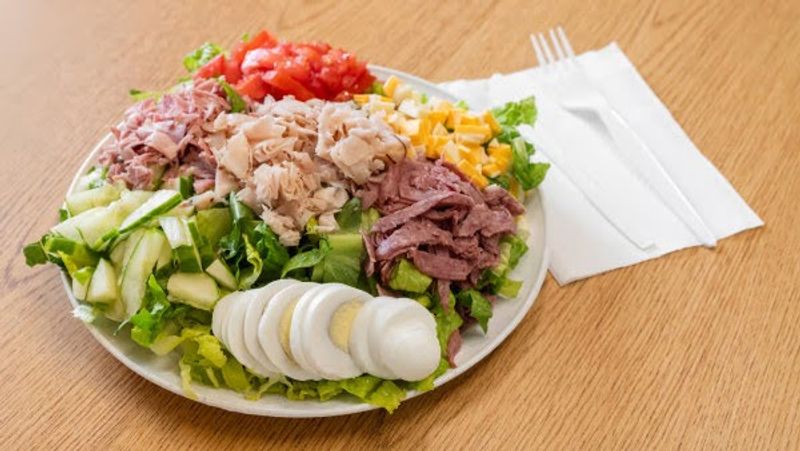
The headline item gets the attention, but Lou’s Deli is not a one-note place. Once the corned beef brings people in, the rest of the menu starts filling out the picture with sides, add-ons, and alternate orders that help explain the deli’s staying power.
Pastrami appears often enough to matter, giving another path for anyone who likes deli meat with a deeper peppery edge. Even when corned beef remains the first recommendation, a menu with a strong second lane usually signals a shop that understands sandwich culture more broadly.
Then come the extras that shape the meal around the sandwich. Coleslaw is not just a topping here.
It is part of the deli language, working inside certain sandwiches and alongside them, bringing crunch and coolness to richer flavors.
The corned beef egg roll is one of the more playful menu items connected to the place. That kind of crossover snack gives the deli a modern street-food spark without pulling it away from its old neighborhood roots.
Deviled eggs, fries, lemonade, and even sweet drinks add another layer. A deli becomes more useful when it can cover the whole craving, not only the main sandwich but also the salty side, the cold drink, and the little extra that rounds out the order.
For first-time visitors, the best move is not to overbuild the meal. Pick the corned beef sandwich, then add one side or one extra that sounds distinct, such as fries, deviled eggs, or the egg roll, instead of ordering half the menu at once.
That approach keeps the spotlight where it belongs while still showing what Lou’s does beyond its main claim to fame. The sandwich may start the conversation, but the supporting cast helps explain why the deli remains a regular stop instead of a one-time curiosity.
A West Side landmark with decades behind the counter
Some food spots become popular for a season. Lou’s Deli carries the heavier job of being part of local memory across decades.
That history adds weight to every sandwich because diners are not only measuring lunch, they are measuring today against years of earlier visits.
Being open for more than fifty years, as described in local discussion, places the deli in a rare category. Restaurants that last that long usually survive because they connect to routine, family habits, and a specific part of the city, not because they chase trends.
The McNichols location matters in that story. West Side institutions often become neighborhood reference points, the kind of places named in directions, old stories, reunion plans, and quick food runs after school, work, church, or a late drive through Detroit.
That kind of reputation creates high expectations. It also explains why conversations around Lou’s can be so intense, because longtime customers are not reacting only to one meal.
They are reacting to a place that has occupied real space in their lives for years.
Seen that way, the corned beef sandwich is not just a menu item. It acts almost like a symbol for continuity, a familiar order tied to old routines and shared local language, especially when the same sandwich name still means something over time.
New visitors do not need that personal history to appreciate the deli, but knowing the background helps. A sandwich from a longstanding neighborhood shop carries different meaning than one from a new place still trying to define itself.
Lou’s stands out because it belongs to Detroit’s food map in a deep, durable way. Even before the wrapper opens, the address already carries a story, and the corned beef is the most direct way to taste that long-running chapter.
How to order smart and get the best shot at the classic experience
Walking into a famous deli without a plan can slow things down fast. Lou’s Deli works best when the order is clear, the expectations are realistic, and the visit is built around the item that made the place famous instead of random menu wandering.
Start with corned beef. That sounds obvious, but it matters because a first visit should answer the main question directly: how does the deli handle its signature sandwich, the bread, the slicing, and the balance of toppings?
Choosing between rye and an onion roll is the next useful decision. Rye leans traditional and sturdy, while the onion roll offers a softer route with extra flavor, so the right choice depends on whether the sandwich should eat more classic or more rich.
After that, keep the add-ons simple. Swiss, slaw, or Russian dressing can all make sense, but piling on too many extras at once can blur the corned beef itself, which should remain the point of the trip.
Timing also helps shape the visit. Since Lou’s serves both daytime and late-night crowds, those who prefer a calmer, more straightforward stop may want to arrive earlier, while anyone interested in the fuller neighborhood energy might enjoy the evening rhythm.
Patience is another practical tool. Longstanding local spots often move at their own pace, and the best approach is to know the order, stay flexible, and focus on the food rather than expecting polished chain-style service patterns.
Most of all, come hungry. Lou’s is not the place for a tiny snack disguised as a meal.
It is a place where one serious sandwich can carry the stop, and where ordering smart makes it easier to understand why the corned beef remains the name people bring up first.
Share this story