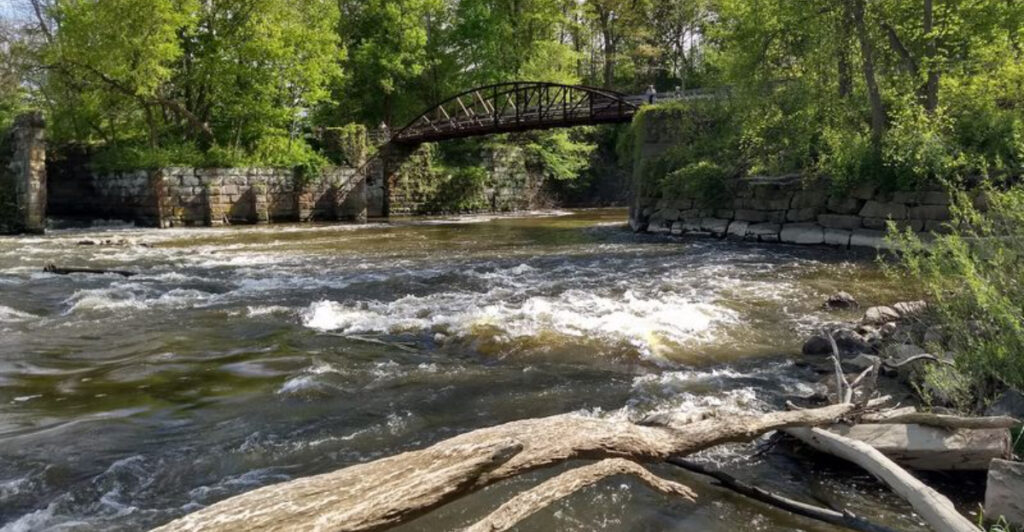
Ohio tells its story in a way few places can. Along the Ohio and Erie Canalway, old towpaths, locks, bridges, villages, and museums help visitors picture a time when boats, mules, and hard work connected communities across the state.
What looks quiet today was once full of trade, travel, and big dreams, and that makes each stop feel like a small window into the past. Families, students, and curious travelers can all find something memorable here, whether it is a restored canal boat, a stone lock, or a village street that still looks much like it did long ago.
The route also shows how history and nature often meet in the same place. You can walk where canal workers once walked, watch birds over the water, and learn how Ohio grew from frontier land into a busy state.
Some places are lively visitor centers with exhibits and helpful staff, while others are peaceful outdoor spots where a short walk reveals a surprising piece of local history. That mix is what makes the canalway so rewarding.
It is not only about reading signs or looking at old objects. It is about seeing how transportation shaped towns, jobs, and daily life for generations of Ohioans.
If you want a travel list for 2026 that blends learning with fresh air and real places, these canalway stops deserve a spot on your map.
1. Canal Basin Park, Cleveland
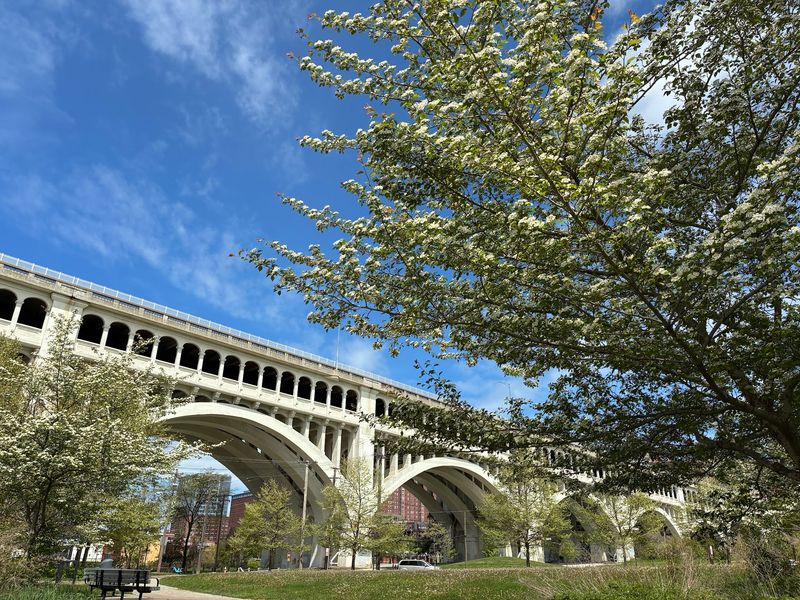
Few places show Ohio’s past and present side by side quite like this riverfront stop. Canal Basin Park sits near the place where the Ohio and Erie Canal once met busy trade routes in Cleveland, making it a smart first stop for anyone trying to understand why the canal mattered so much.
Standing here, it is easy to imagine boats arriving with goods from farms, mills, and small towns farther south. Cleveland grew into a powerful city in part because the canal helped connect inland Ohio to larger markets, and the park helps explain that big change in a simple, visual way.
Markers and public art give visitors clues about what the area used to be like. You are not just looking at grass and paths.
You are standing in a place tied to shipping, industry, and the movement of people who helped shape the state.
A walk through the park feels especially meaningful if you pair it with nearby canalway and Cuyahoga River sites. Bring comfortable shoes and take your time reading signs, because small details can make the whole history story come alive.
Photographers often like the contrast here. Modern buildings rise nearby, yet the park still points back to an era when canal engineering changed Ohio’s future.
That mix gives the stop a lively energy that is different from more wooded canal sites.
For families, this is also a good place to start before heading deeper into the canalway. Kids can get a basic picture of how a canal worked, while adults can appreciate how transportation helped build Cleveland into a major Ohio city.
If you want one stop that connects commerce, geography, and local pride, Canal Basin Park makes a strong opening chapter.
2. CanalWay Center, Cuyahoga Heights
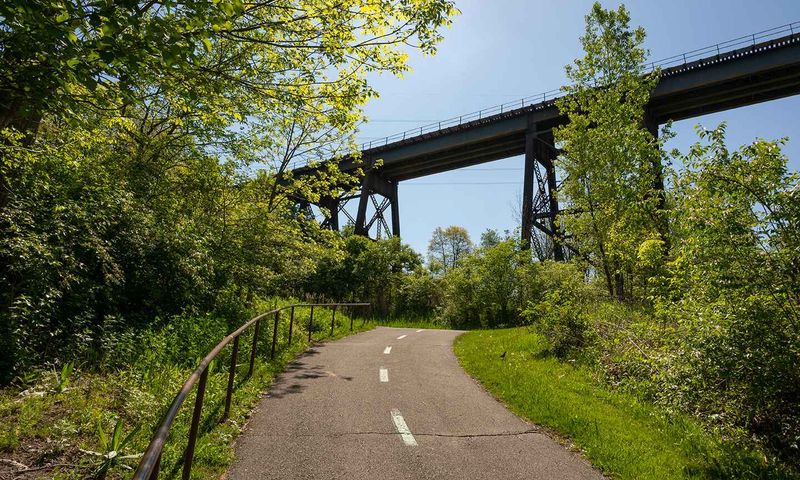
Sometimes the best history stop is the one that helps everything else make sense. CanalWay Center in Cuyahoga Heights works like a friendly guidebook in building form, giving visitors a clearer picture of the canalway before they head out to trails, locks, and river views.
Exhibits, maps, and staff support can turn a simple day trip into a much richer visit. Instead of guessing where to go next, travelers can learn how the Ohio and Erie Canal connected communities and how the surrounding landscape supported trade, industry, and daily life.
The center is especially helpful for first-time visitors who want context. A trail or bridge can be interesting on its own, but it becomes much more meaningful when you understand how canal boats moved goods, why locks were needed, and how towns grew around the route.
Because it serves as an information hub, this stop is practical as well as educational. Restrooms, brochures, and route planning make life easier, especially for families or anyone fitting several canalway stops into one trip across northeast Ohio.
There is also something satisfying about beginning indoors before stepping outside to see the real landscape. Learning a few key facts first helps you notice more later, from the shape of old paths to the reasons a settlement appeared in one place and not another.
Visitors interested in local history, outdoor recreation, or both will likely find value here. The center ties together Cleveland-area canal stories with the broader sweep of Ohio history in a way that feels approachable rather than overwhelming.
If your goal is to travel smarter, not just farther, CanalWay Center earns a spot on the list because it prepares you to appreciate every other stop more deeply. Think of it as the place where scattered facts begin to connect into one clear Ohio story.
3. Canal Exploration Center, Valley View
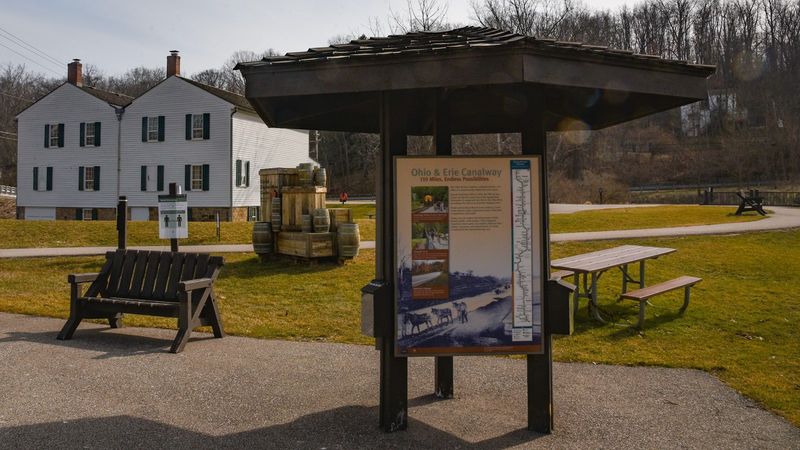
A visit here can feel like stepping into a lesson that finally gets fun. The Canal Exploration Center in Valley View is one of the best places to learn how the Ohio and Erie Canal actually worked, not just why it was built.
Inside, exhibits explain the everyday mechanics of canal travel in ways that are easy to picture. Visitors can learn about lock tenders, canal boats, cargo, and the long process of moving people and goods through a system that depended on patience and careful engineering.
The setting adds a lot to the experience. Being close to the old canal route and towpath means the history is not trapped behind glass.
After looking at displays, you can head outdoors and compare what you learned to the real landscape around you.
That connection makes the stop useful for school-age kids, history fans, and casual travelers alike. It is one thing to hear that Ohio’s growth depended on transportation.
It is another to see the canal corridor and realize how much labor and planning once went into every trip.
Many visitors enjoy special programs or living history activities when available. Even on a quieter day, the center has a welcoming, thoughtful feel that encourages people to slow down and imagine the canal age in a more personal way.
Planning tip: give yourself enough time for both the exhibits and a short walk nearby. Rushing through would miss the point, because this stop works best when you let the indoor learning and outdoor setting support each other.
The result is a fuller picture of Ohio’s past, one built from details rather than just dates. Among canalway sites, Canal Exploration Center stands out for making history feel hands-on, understandable, and closely tied to the ground beneath your feet.
4. Station Road Bridge, Brecksville
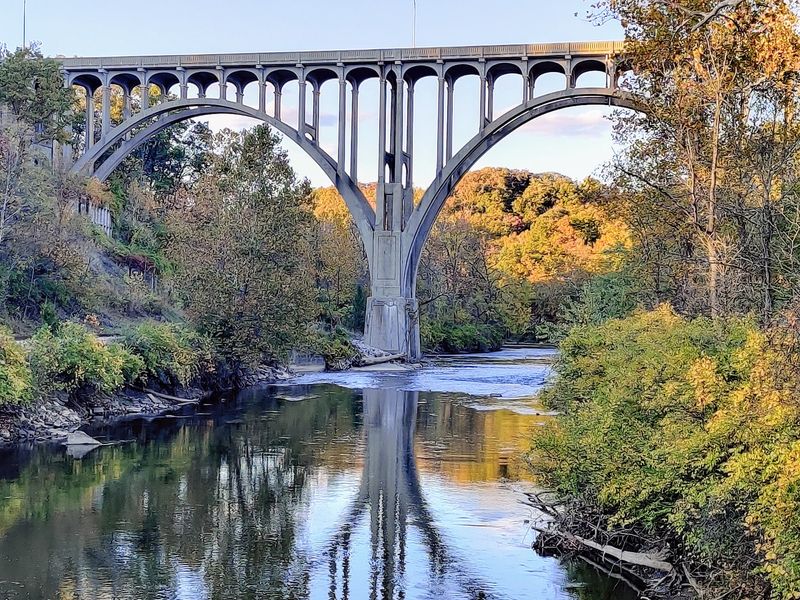
Old bridges often carry more than traffic. They carry stories, and Station Road Bridge in Brecksville has plenty to share.
Set near the towpath and river, this spot gives visitors a striking look at how transportation routes crossed and overlapped in Ohio’s canal corridor.
The bridge itself is a major draw, especially for people who enjoy historic structures. Its design reminds visitors that canals were only one part of a changing network.
Rivers, roads, rail lines, and later bridges all shaped how people and goods moved through the region.
Walking here feels calm, but the history is layered. Nearby landscapes help explain why this corridor mattered so much.
Natural geography created both chances and challenges, and engineers had to work with hills, water, and shifting needs over time.
Because the area is scenic, many people come first for the view and stay for the story. That is part of the charm.
A history stop does not always need a museum case to make an impression. Sometimes steel, stone, and a trail beside the water do the job better.
It is also a useful place to pause during a longer canalway outing. You can stretch your legs, take photos, and think about how many generations used this same corridor in very different ways.
The setting invites that kind of reflection.
If you are traveling with kids, point out how one route can lead to another. A canal needed towpaths and locks, and communities later added bridges and roads as technology changed.
That simple idea comes into focus here. Station Road Bridge earns its place on this list because it turns transportation history into something visible, sturdy, and surprisingly memorable in the middle of an attractive Ohio landscape.
5. Boston Mill Visitor Center, Peninsula
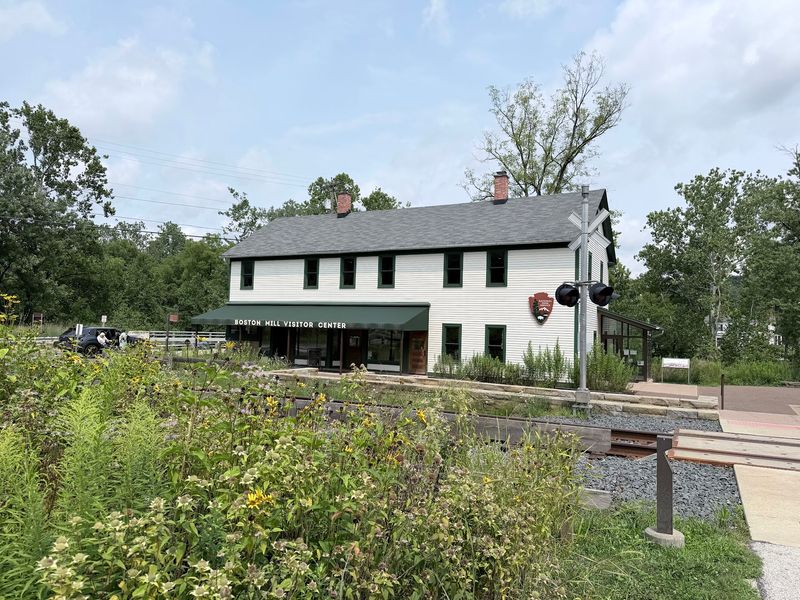
Good trips usually start with good orientation, and Boston Mill Visitor Center in Peninsula does that job with style. Housed in a historic setting within Cuyahoga Valley, it helps visitors connect canal history, local communities, and the natural beauty that surrounds the route.
One reason this stop works so well is location. Peninsula is already a popular place for exploring the towpath and nearby attractions, so the visitor center becomes a practical base for a full day of learning and walking.
Inside, travelers can gather maps, ask questions, and get a stronger sense of how the canalway fits into the larger story of Ohio. That matters because the route is not just a line on a map.
It is a chain of places where work, travel, trade, and settlement all left marks.
The village atmosphere nearby adds extra charm. Historic buildings, local shops, and trails help visitors imagine how transportation shaped small communities as well as larger cities.
The canal did not only move freight. It linked real people and everyday places.
Families often appreciate having a clear launching point before heading outside. If weather changes or someone in the group wants a break from hiking, the center offers a useful reset while keeping the history theme alive and easy to follow.
There is also a pleasing balance here between organized information and relaxed exploration. You can begin with facts, then head outdoors to see how the land itself guided movement through the valley.
That back-and-forth makes the past easier to remember. Boston Mill Visitor Center belongs on a history lover’s list because it turns a visit into more than just a walk.
It gives shape, context, and confidence to the rest of your canalway journey through Ohio.
6. Lock 29 Trailhead, Peninsula
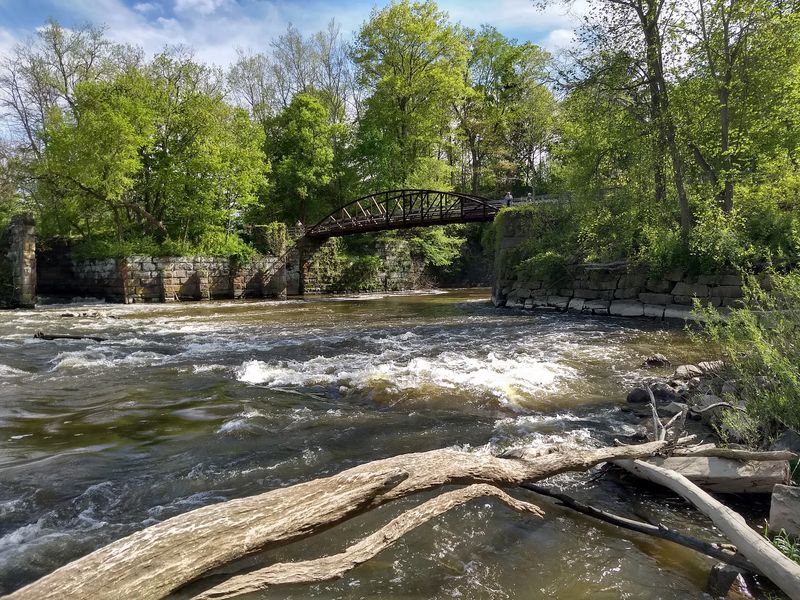
Stone locks have a quiet way of stealing attention. At Lock 29 Trailhead in Peninsula, history lovers can stand near one of the canal’s working parts and picture the careful process that once lifted and lowered boats along the Ohio and Erie Canal.
A lock may seem simple at first glance, but it was a clever solution to a big problem. Ohio’s land was not flat enough for boats to travel straight through, so engineers built locks to manage changes in elevation.
Seeing that idea in person makes canal history easier to understand.
The trailhead is also a nice place for combining learning with movement. You can examine the lock area, then continue along the towpath to imagine mule teams, workers, and travelers using the same corridor long before bikes and walking shoes took over.
Peninsula gives this stop added appeal because the surrounding area supports a full outing. You can pair Lock 29 with other nearby sites, making it part of a wider canal day rather than a quick stop on its own.
Many visitors enjoy the hands-on feeling of being near old stonework rather than just reading about it. Age, weather, and changing landscapes have softened the scene, yet the basic function still comes through.
That makes the site both peaceful and mentally engaging.
For students or families, this is a great place to talk about problem solving in history. Workers had to shape the land, guide water, and keep traffic moving with tools far simpler than what we use now.
Those efforts helped open Ohio to growth and trade. Lock 29 Trailhead deserves a visit because it turns engineering into a visible story and gives travelers a direct link to the practical side of canal life.
7. Mustill Store Museum, Akron
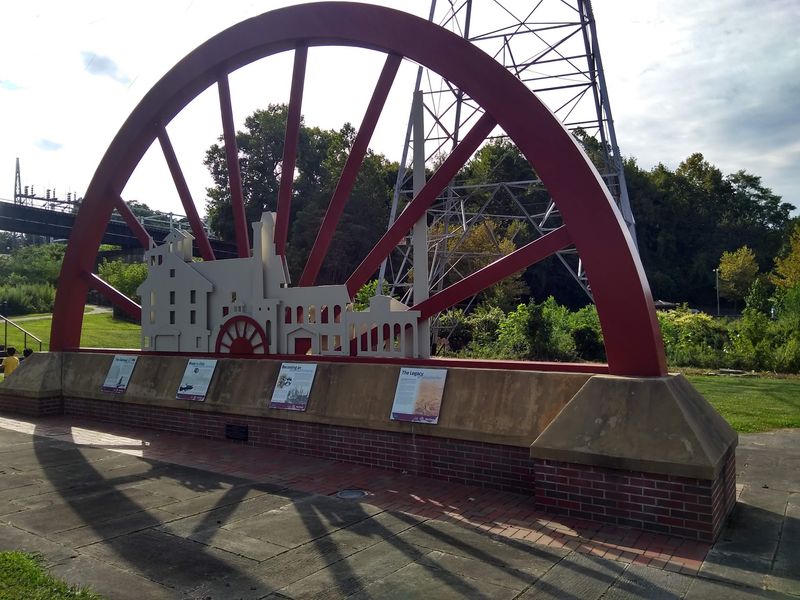
Not every history lesson needs a grand building. Sometimes a humble old store says more about daily life than a giant monument ever could.
Mustill Store Museum in Akron offers that kind of close-up look at the canal era, grounded in ordinary work and neighborhood life.
The building dates back to Akron’s canal period and helps visitors think about the people who lived beside this transportation system, not just the boats that passed through. Stores supplied workers, served residents, and reflected the steady activity created by canal trade.
That everyday angle is what makes the museum special. Large history stories can feel distant, but a store brings them down to human size.
You can picture customers stepping in, goods changing hands, and conversations about weather, wages, and travel happening right there.
Akron itself has deep canal connections, so Mustill Store Museum fits into a wider local story about growth and industry. The canal helped the city develop, and sites like this remind visitors that economic change was built on countless small routines.
Because the museum is compact, it can be easier for younger visitors to absorb. Instead of feeling overwhelmed, they get a focused look at one piece of canal-era life.
Adults often appreciate that same focus for a different reason. It feels personal and grounded.
If you visit, try to think beyond the objects and walls. Imagine the noise outside, the muddy towpath traffic, and the way business followed transportation.
That mental picture brings the place alive. Mustill Store Museum earns its stop on this list by showing canal history from street level, where families shopped, workers gathered, and local life unfolded one practical errand at a time in Akron, Ohio.
8. Summit Lake Nature Center, Akron
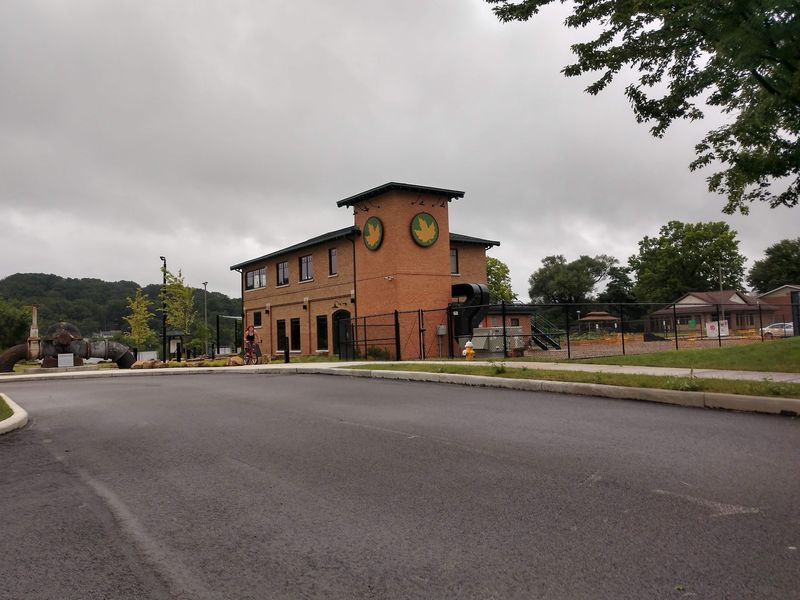
History and nature make an interesting team at this Akron stop. Summit Lake Nature Center is not only a place to look at water and wildlife.
It also helps visitors think about how natural spaces and human-built transportation routes have shaped one another across Ohio.
Summit Lake sits in an area tied to the canal story, and that connection matters. Waterways were central to how the canal operated, and communities often developed around these useful landscapes.
A visit here broadens the canalway experience beyond locks and buildings.
The center gives travelers a chance to slow down and see the environment that supported settlement and movement. Birds, shoreline views, and educational materials can all help explain why certain places became important long before cars and highways changed travel patterns.
There is also a community story here. Urban natural areas often reflect both change and renewal, and that can lead to meaningful conversations about how Ohio cities have used, altered, and rediscovered their water resources over time.
For families, Summit Lake Nature Center offers variety. Some people in the group may be more interested in wildlife than industrial history, and this stop can satisfy both.
That balance keeps a history-focused trip from feeling too narrow.
A smart visit includes time outdoors, not just inside. Walk a bit, look across the lake, and consider how water has served as route, resource, and gathering place.
The lesson is simple but powerful. Ohio history did not happen apart from nature.
It happened within it. Summit Lake Nature Center belongs on this list because it adds an environmental chapter to the canal story and shows that understanding the past sometimes begins with noticing the land and water that made that past possible.
9. St. Helena III Canal Boat, Canal Fulton
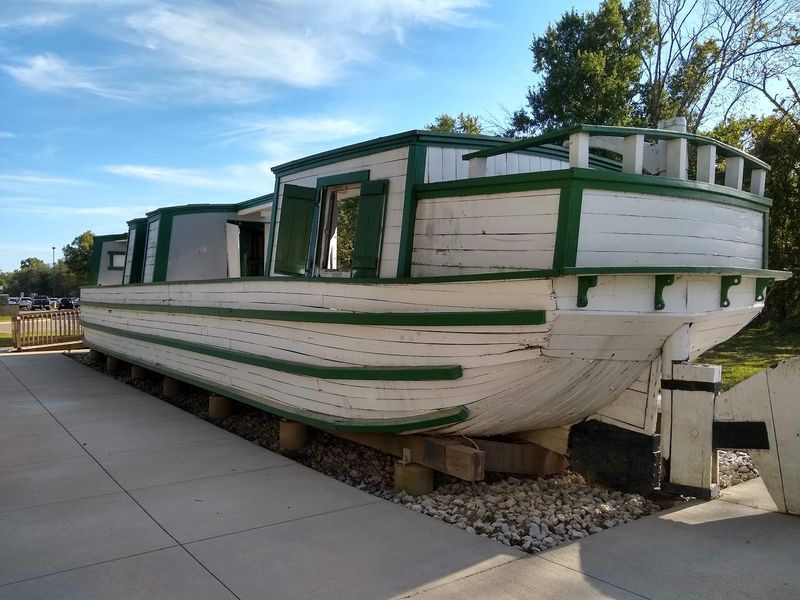
If you have ever wished history could move instead of sitting still, this is your stop. The St. Helena III Canal Boat in Canal Fulton lets visitors experience a canal ride in a way that books and signs simply cannot match.
Watching the boat travel at a gentle pace helps people understand how different transportation felt in the canal era. Travel was slower, quieter, and tied closely to animal power, water levels, and the skill of those guiding the route.
Canal Fulton is one of the best places in Ohio to get that living-history feeling. A ride on the St. Helena III makes the canal system easier to imagine because you are no longer just studying the past.
For a short time, you are moving through it.
Kids often remember this stop better than almost any museum exhibit. The motion of the boat, the towpath setting, and the sight of a mule doing work create a strong picture of how everyday canal travel once operated.
Adults tend to enjoy it for the same reason.
There is also educational value in the small details. Listen to interpreters, notice the boat’s design, and think about how much planning went into even modest trips.
What seems peaceful now once played a serious role in commerce and communication across Ohio.
Because rides may follow schedules or seasons, it is wise to check ahead before visiting in 2026. Arriving prepared can make the experience smoother, especially during busy travel times.
The St. Helena III Canal Boat earns a place on this list because it transforms canal history from an idea into an experience. Among all Ohio canalway stops, few make the past feel as immediate, tangible, and memorable as time spent on the water in Canal Fulton.
10. Bridgeport Quarry Trailhead, Massillon
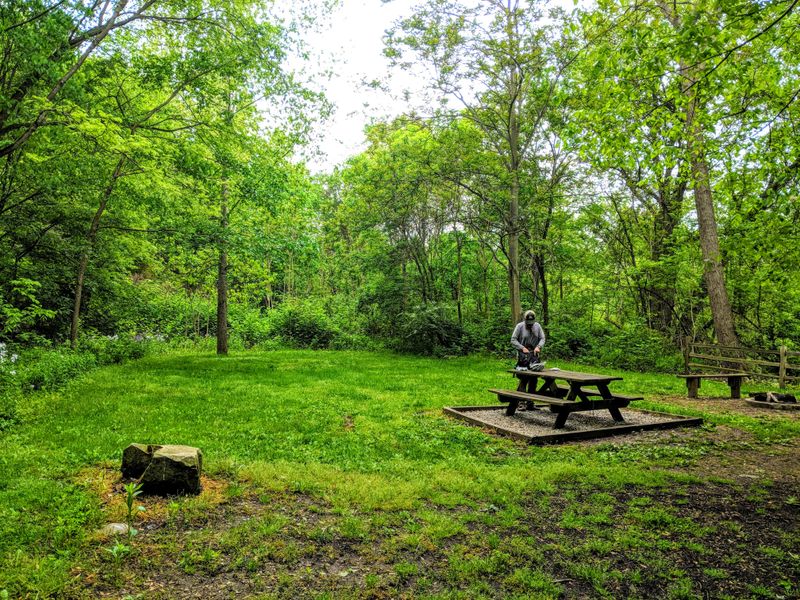
Some canalway stops feel polished, while others reveal history in a rougher, harder-working form. Bridgeport Quarry Trailhead in Massillon falls into the second group, and that is exactly why it is so interesting for travelers who want to see how labor and landscape came together.
Quarries supplied stone that helped shape communities and infrastructure, and that makes this area more than just a place for a walk. It points to the materials and effort needed to build and support transportation networks across Ohio.
The trailhead setting encourages visitors to think about industry from the ground up. Before goods could move efficiently, roads, locks, buildings, and related structures had to be made from something.
Places linked to quarrying remind us where those physical pieces often began.
Massillon has strong canal and industrial connections, so the stop fits naturally into the region’s broader story. The canal did not operate in isolation.
It depended on workers, raw materials, and nearby communities that helped keep things moving.
Visually, the area offers a different mood from greener village sites or formal museums. Stone, trail space, and industrial echoes create a more rugged atmosphere.
That change of tone can make a canalway trip feel richer and less repetitive.
If you are planning a visit, bring shoes that handle outdoor terrain well and allow time for observation, not just exercise. Look at the landforms and imagine the effort required to cut, move, and use stone in an earlier era.
That practical kind of history can be easy to overlook, but it matters. Bridgeport Quarry Trailhead deserves a place on this list because it highlights the physical backbone behind Ohio’s canal age and invites visitors to appreciate the demanding work hidden behind smoother, finished historic sites.
11. Fort Laurens State Memorial, Bolivar
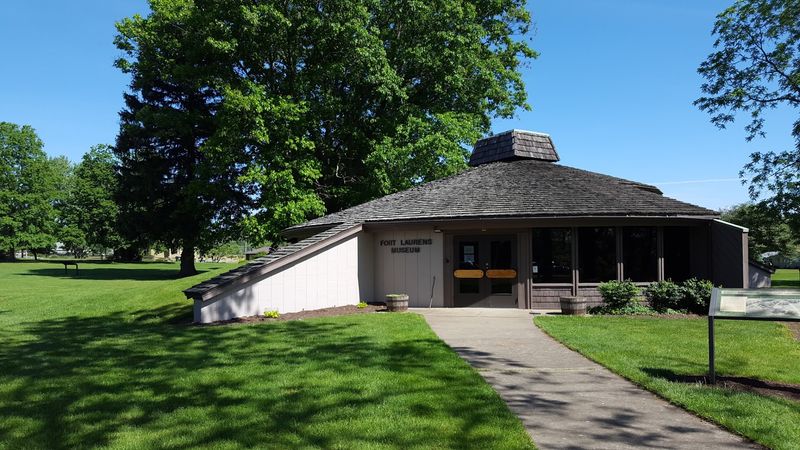
Long before canal boats linked Ohio towns, this area held an even older chapter of the state’s story. Fort Laurens State Memorial in Bolivar reaches back to the Revolutionary War era, giving canalway travelers a chance to see how one corridor can hold many layers of history.
The fort was the only Revolutionary War fort in what is now Ohio, which already makes it stand out. Visiting adds depth to a canal-focused trip because it reminds people that transportation routes often followed landscapes that had strategic value much earlier.
Here, the mood shifts from canal engineering to frontier survival and military history. That change keeps the larger journey interesting.
You begin to understand that Ohio’s important places were shaped over time by conflict, settlement, trade, and movement.
Interpretive features help explain the fort’s role and the difficult conditions people faced. Even if little remains of the original structure in the way visitors might expect, the site still carries weight through its setting and historical meaning.
Bolivar’s location also makes it a sensible stop when exploring other canalway destinations in the Tuscarawas Valley area. Pairing Fort Laurens with canal sites can create a fuller day that stretches across different time periods without leaving the region.
When you visit, give yourself a few quiet moments to look across the grounds and imagine what life felt like there. That pause can do more than a long speech.
Fort Laurens State Memorial belongs on this list because history lovers are rarely satisfied with only one era. Ohio’s canalway is richer when you remember that the same valleys and travel corridors mattered before the canal, too.
This stop adds that broader perspective in a memorable and meaningful way.
12. Historic Zoar Village, Zoar
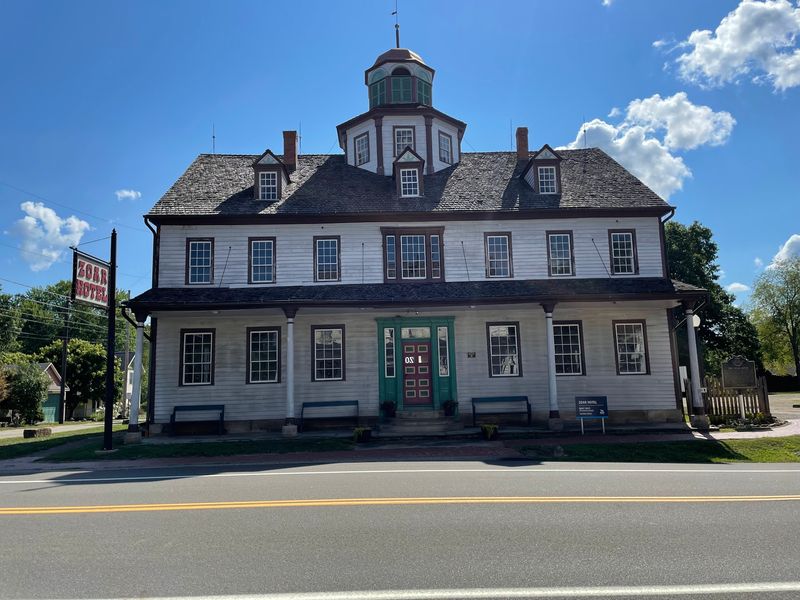
Walking through this village can feel like entering a carefully saved page from Ohio’s past. Historic Zoar Village offers a strong sense of place, with preserved buildings and community history that help visitors picture how people lived during the nineteenth century.
Founded by German separatists, Zoar has a story that is both local and unusual. The community’s location near the canal helped connect it to larger economic networks, and that link makes the village especially valuable for canalway travelers.
What makes the stop stand out is how complete it feels. Instead of a single structure, visitors can explore a broader setting where houses, public buildings, and streets work together to create a fuller historical scene.
That makes imagination much easier.
The village helps explain that canal history was not just about cargo and engineering. It was also about communities adapting, growing, and finding ways to survive in a changing state.
Zoar turns that idea into something visible and personal.
Many visitors enjoy the quieter pace here. Rather than rushing from one exhibit to another, you can stroll, observe building styles, and think about the routines of village life.
It is a history stop that rewards patience.
For 2026 travel, checking tour times or seasonal programming ahead of your visit is a smart move. Guided interpretation can add texture to what you see, especially if you want deeper context about the village’s religious roots and canal connections.
Historic Zoar Village earns its place on this list because it offers one of the most immersive cultural experiences along the route. When a place helps you imagine not just events but daily life, it becomes much harder to forget, and that is exactly what Zoar does so well in Ohio.
13. Schoenbrunn Village, New Philadelphia
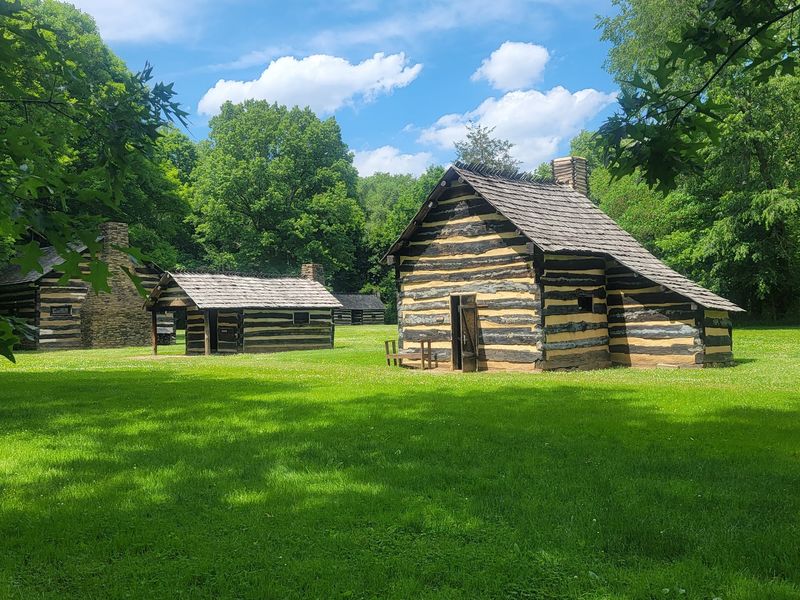
A reconstructed village can spark the imagination in ways a textbook rarely can. Schoenbrunn Village in New Philadelphia invites visitors to think about Ohio’s early settlement history through cabins, open grounds, and stories that reach back before the canal era fully transformed the state.
Known as the site of Ohio’s first settlement, Schoenbrunn gives canalway travelers a wider timeline to consider. That is useful because history does not happen in neat boxes.
The canal age grew from earlier patterns of settlement, land use, and cultural exchange.
The village setting helps make those earlier patterns easier to picture. Open spaces, simple structures, and interpretive features create a quieter, more reflective experience than some busier attractions.
It feels less like a quick stop and more like stepping into another pace of life.
Because the site is reconstructed, visitors can focus on layout and daily function. Where did people gather, live, and work?
Questions like that become natural here, and they help younger visitors connect broad history to ordinary human routines.
New Philadelphia also places the stop within a region rich in overlapping stories, from Native history to missionary efforts to later transportation growth. That layered setting makes Schoenbrunn a smart final stop for travelers who want to understand Ohio as a place shaped over many generations.
Bring curiosity and a little time to wander. This is not a place that depends on noise or flash.
Its strength comes from atmosphere and the chance to consider beginnings. Schoenbrunn Village deserves a place on any 2026 canalway list because history lovers gain more from the canal story when they also see what came before it.
In that sense, the village offers both contrast and foundation, helping Ohio’s larger past feel more complete.
Share this story